The efficient processing of high nickel matte, a critical intermediate product in nickel and platinum group metal (PGM) extraction, hinges on sophisticated grinding and separation technologies. The physical liberation of valuable nickel, copper, cobalt, and PGMs from the gangue matrix is a prerequisite for successful downstream hydrometallurgical or pyrometallurgical recovery. This guide delves into the core machinery required for this task, outlining the principles, selection criteria, and technological advancements that define modern, high-yield, and sustainable nickel matte processing plants.
High nickel matte is a brittle, metallic sulfide material produced via smelting of nickel sulfide concentrates. Effective processing requires reducing it to a specific particle size distribution (PSD) that maximizes mineral liberation while minimizing over-grinding, which wastes energy and can create problematic slimes. The target fineness is typically in the range of 30 to 325 mesh (600 to 45 μm) for subsequent flotation or leaching stages, though ultra-fine grinding (down to 5μm) may be required for refractory materials or to enhance leach kinetics.
The comminution circuit must be robust, energy-efficient, and capable of handling abrasive materials. Key objectives include:
| Processing Stage | Typical Target PSD | Primary Equipment Options |
|---|---|---|
| Primary/Coarse Crushing | <50mm | Jaw Crusher, Gyratory Crusher |
| Secondary Grinding | 600 – 150μm (30-100 mesh) | Ball Mill, Vertical Roller Mill, Pendulum Mill |
| Tertiary/Ultra-fine Grinding | 45 – 5μm (325-2500 mesh) | Stirred Media Mill, Ultrafine Vertical Mill, SCM Ultrafine Mill |
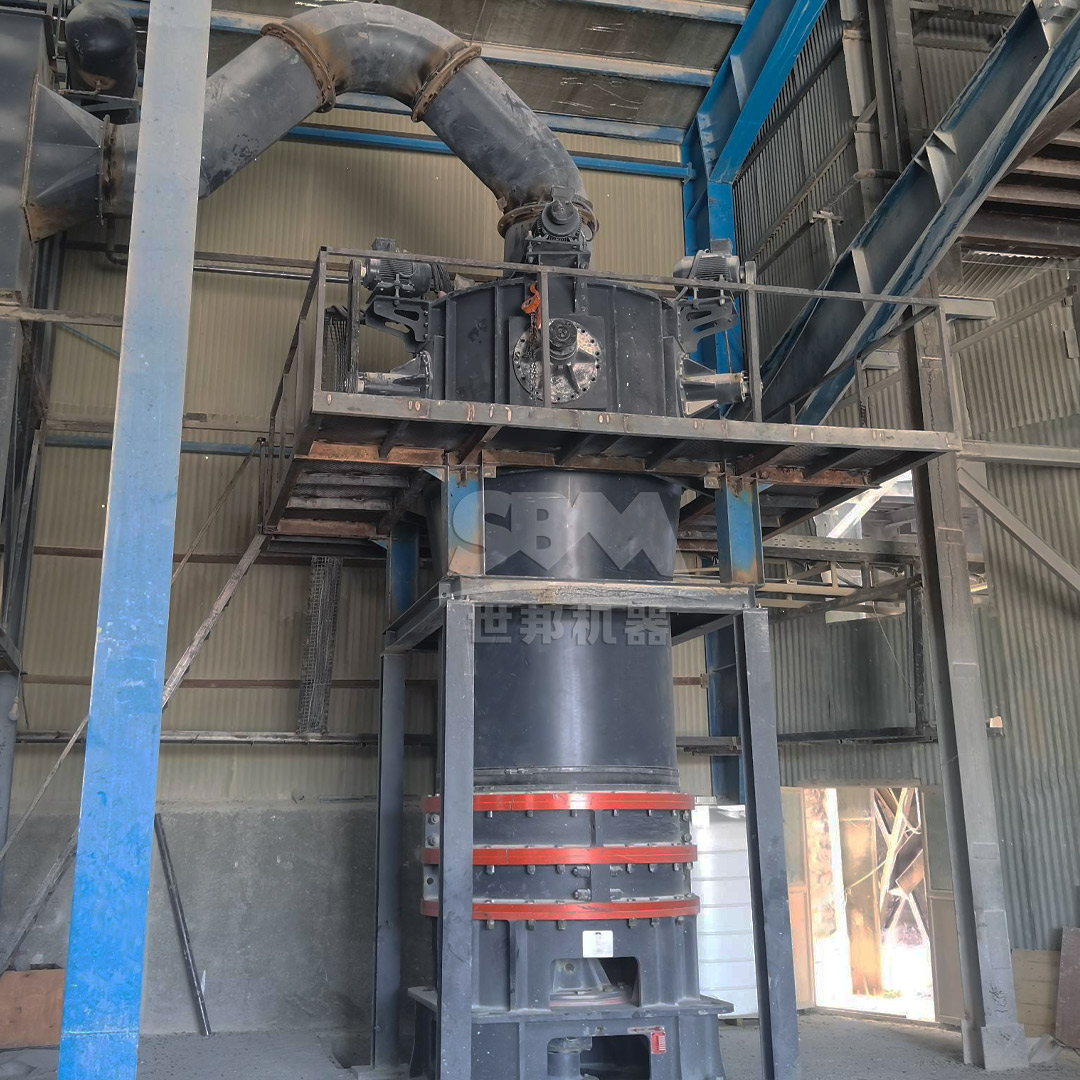
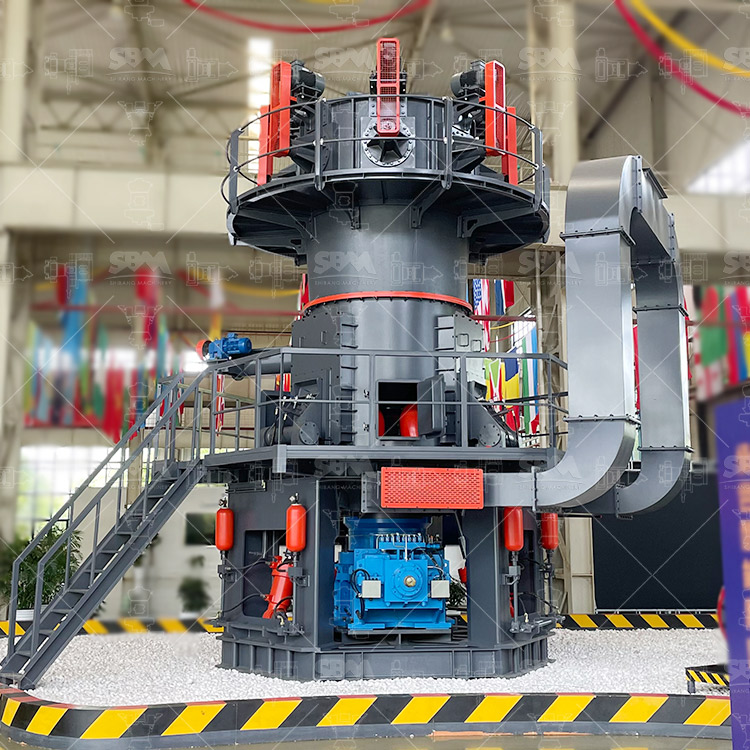
VRMs have become a preferred choice for secondary grinding due to their integrated drying, grinding, and classification in a single unit. For nickel matte, the LM Series Vertical Roller Mill offers distinct advantages. Its bed-compression grinding principle is highly efficient, consuming 30-40% less energy than traditional ball mills. The integrated dynamic classifier allows precise control over product fineness (30-325 mesh, up to 600 mesh for special models), which is crucial for optimizing downstream recovery. The fully sealed negative pressure operation ensures minimal dust emission, a critical factor in handling metallic powders.
The workhorse of mineral processing, ball mills remain a reliable option for wet or dry grinding of nickel matte. They offer a wide application range, high crushing ratio, and proven stability. Modern designs focus on large-capacity shells (up to 450 t/h), high-efficiency liners, and advanced drive systems. Ball mills are particularly suitable where robust, continuous operation is paramount, though their specific energy consumption is generally higher than VRMs for the same duty.
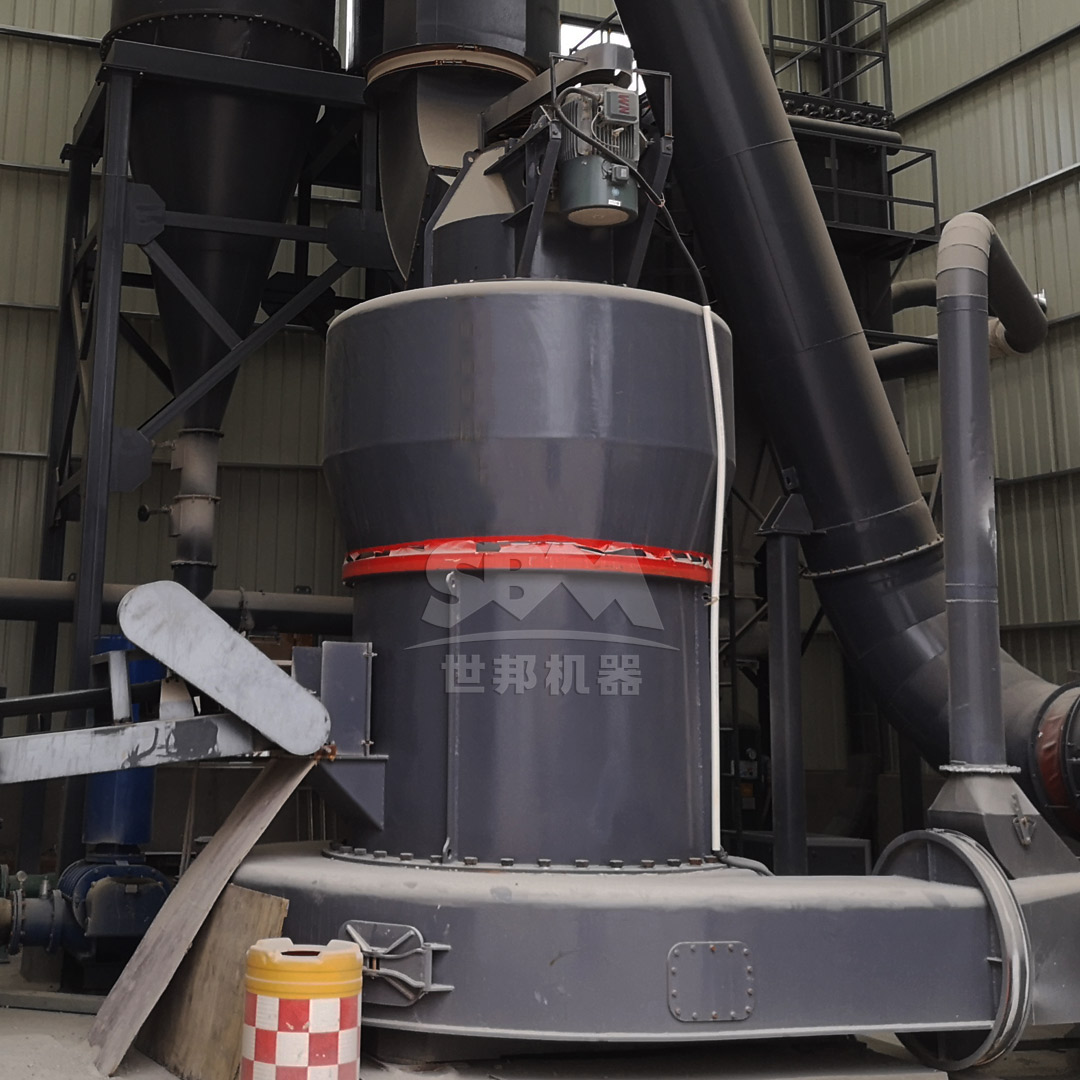
For medium-fine grinding applications, mills like the MTW Series European Trapezium Mill provide an excellent balance of efficiency, reliability, and low operating costs. Their curved shovel design and anti-wear materials are well-suited for abrasive materials like matte. The integral bevel gear drive offers high transmission efficiency (up to 98%), and the optimized air duct system improves classification accuracy. This makes the MTW series ideal for producing the 30-325 mesh product often required before flotation.
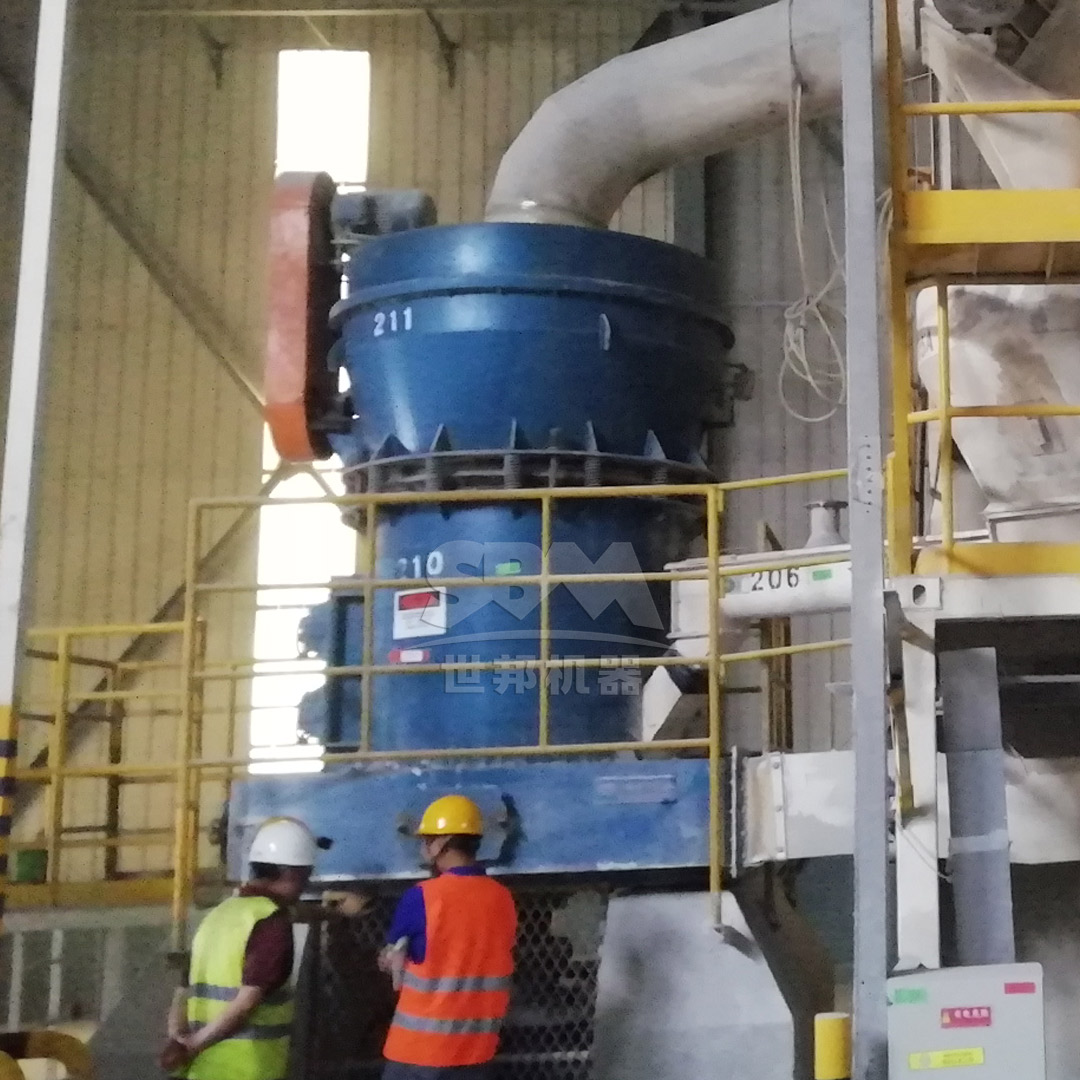
As ore grades decline and process intensification increases, the demand for fine and ultra-fine grinding grows. For liberating extremely fine-grained PGMs or enhancing leach rates, grinding to micron-level fineness is essential.
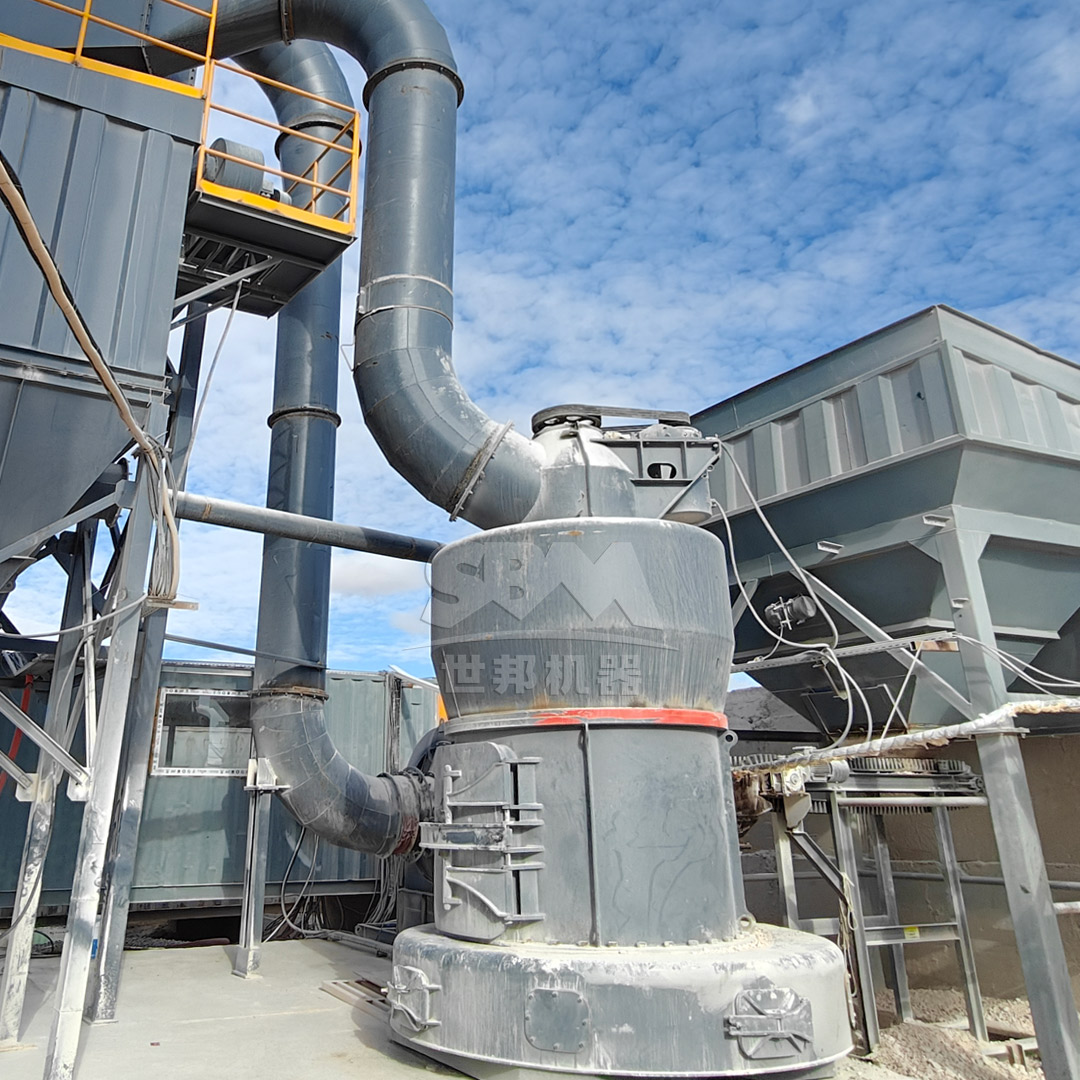
For this critical stage, we highly recommend our SCM Series Ultrafine Mill. Engineered for producing powders in the range of 325 to 2500 mesh (45 to 5μm), it is a cornerstone technology for advanced matte processing. Its high-efficiency grinding chamber and vertical turbine classifier ensure a narrow, consistent particle size distribution with no coarse powder mixing. The mill’s intelligent control system provides automatic finished product granularity feedback, ensuring process stability. Furthermore, its eco-friendly design with a high-efficiency pulse dust collector and soundproofing makes it suitable for modern, environmentally conscious operations. With capacities ranging from 0.5 to 25 tons per hour, it can be scaled to fit various production needs.
Once the nickel matte is adequately ground, physical separation methods are employed to concentrate the valuable metals.
This is the most common method for separating nickel and copper sulfides from each other and from gangue after grinding. Key equipment includes:
Used to remove ferromagnetic impurities or to separate minerals based on magnetic susceptibility. High-intensity magnetic separators (HIMS) can be effective for certain PGM recovery circuits.
While less common for fine matte, shaking tables or centrifugal concentrators may be used for coarse pre-concentration or recovery of liberated heavy minerals.
Choosing the right grinding and separation machinery requires a holistic analysis:
An integrated design approach is vital. For instance, pairing our LM Vertical Roller Mill for efficient secondary grinding with our SCM Ultrafine Mill for tertiary duty creates a highly efficient, low-energy circuit. The LM mill’s integrated drying and classification reduces system complexity, while the SCM mill delivers the precise ultra-fine product. This synergy minimizes overall energy use, reduces the number of material handling steps, and lowers total cost of ownership.
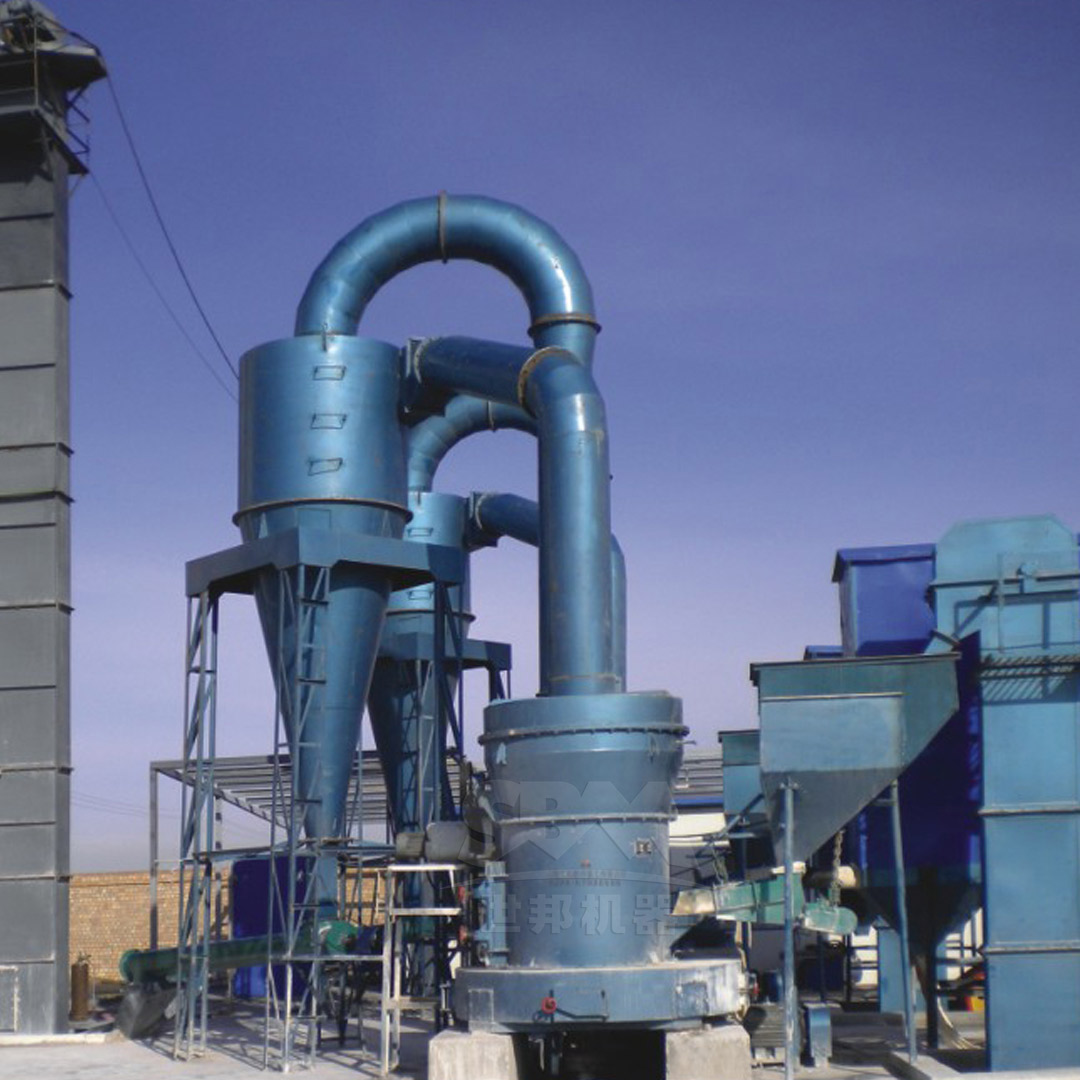
The path from high nickel matte to pure metals is paved by precision grinding and intelligent separation. Moving beyond traditional ball mills to advanced solutions like Vertical Roller Mills and specialized Ultrafine Mills allows processors to achieve superior liberation, reduce specific energy consumption, and meet stringent environmental standards. Investing in the right machinery portfolio, backed by robust engineering and process know-how, is the key to unlocking the full value of nickel matte in a competitive and sustainable manner. The future of nickel matte processing lies in smart, integrated circuits that maximize recovery while minimizing ecological footprint.