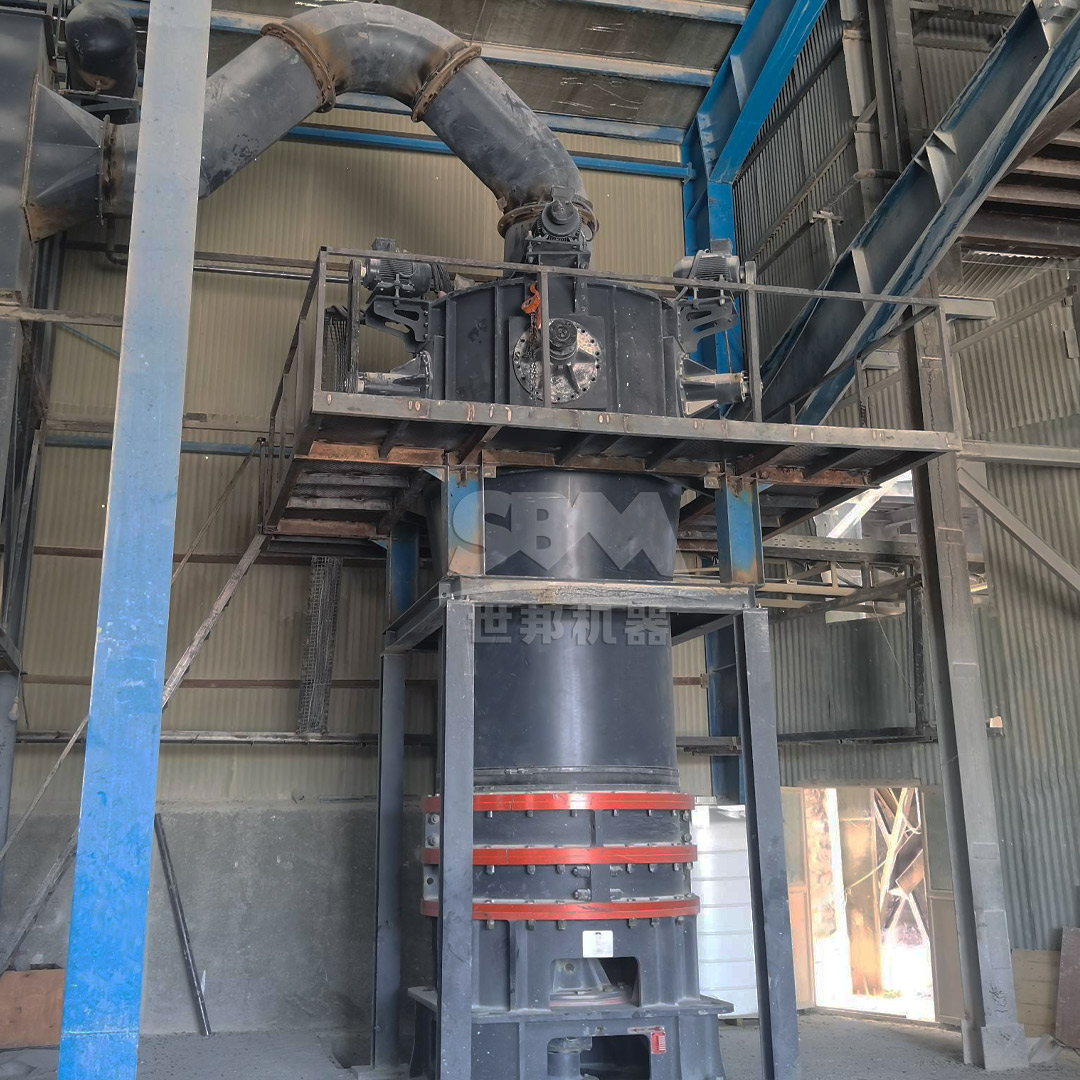
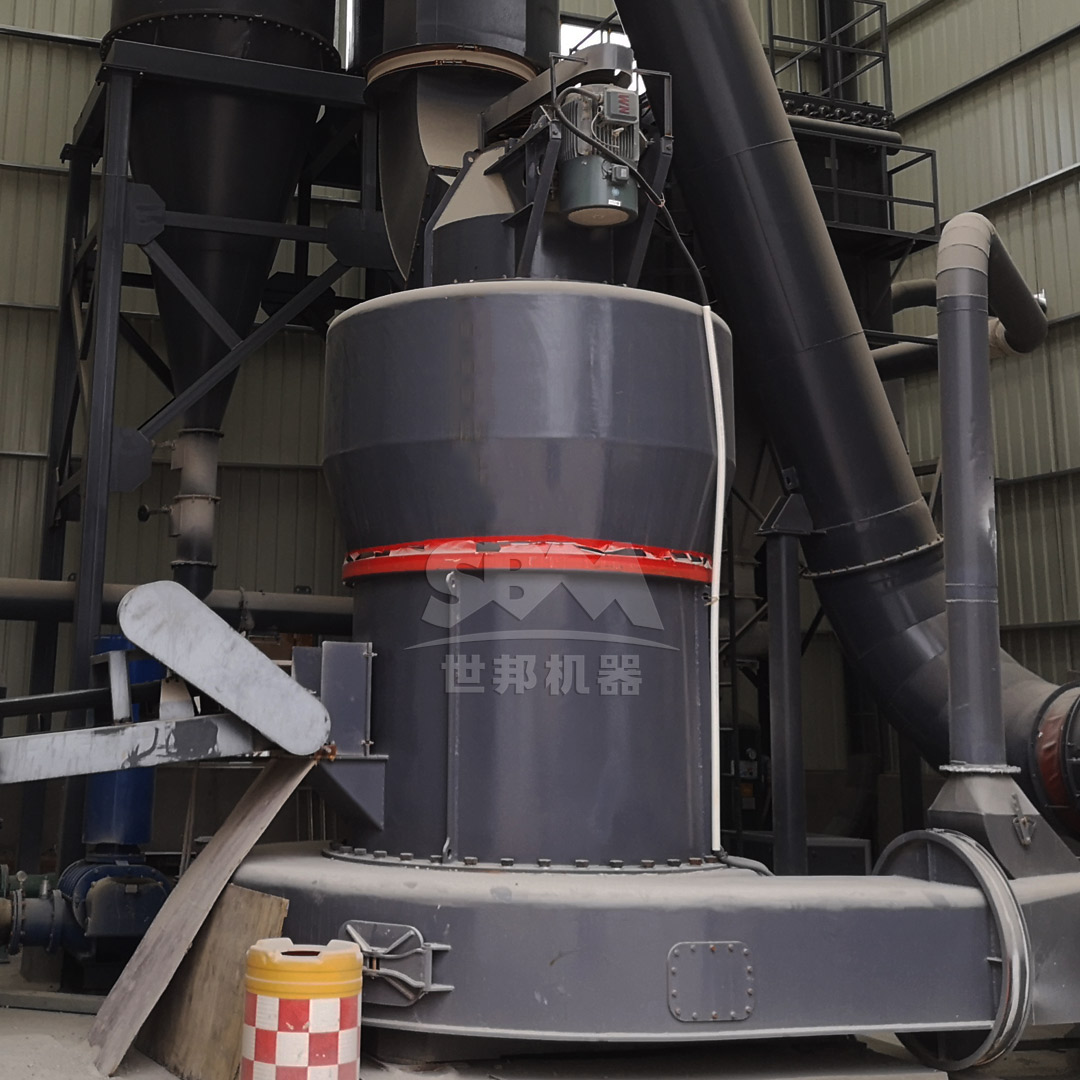
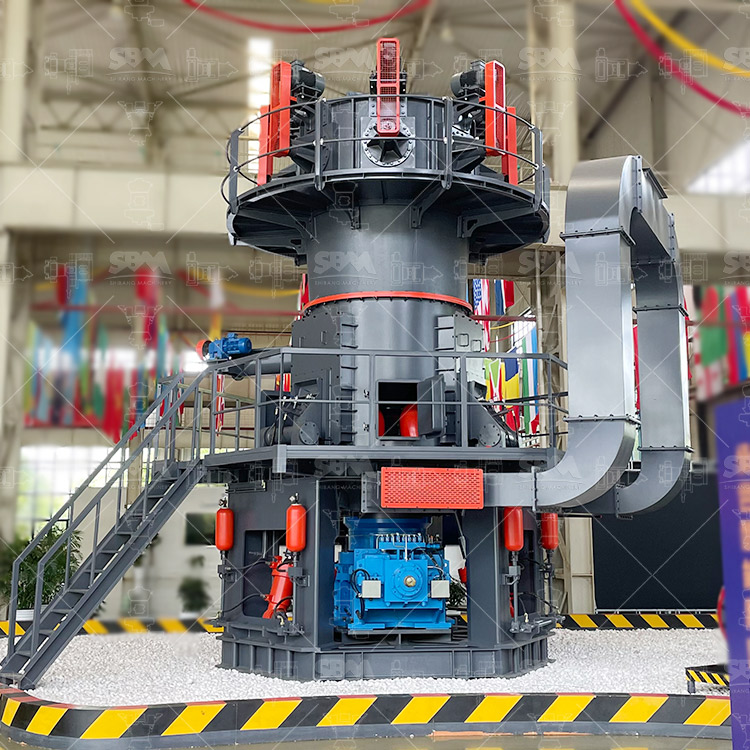
The global transition to clean energy and electric mobility has placed lithium at the forefront of critical minerals. Hard rock lithium extraction, primarily from spodumene (LiAlSi2O6), remains a cornerstone of lithium supply. The efficiency and economics of this process are heavily dependent on the comminution and beneficiation stages, where selecting the right grinding and milling equipment is paramount. This article explores the key processing steps for spodumene and highlights the critical role of advanced milling technology in achieving optimal liberation, particle size distribution, and overall plant performance.
The journey from raw spodumene ore to a marketable lithium concentrate involves several sequential stages, each with specific equipment requirements.
Run-of-mine (ROM) ore, which can contain spodumene crystals embedded in a host rock like pegmatite, is first reduced in size through primary, secondary, and tertiary crushing circuits. Jaw crushers, gyratory crushers, and cone crushers are employed to achieve a product size typically below 20-30mm, preparing the material for the subsequent grinding stage.
This is the most critical and energy-intensive stage. The goal is to liberate spodumene crystals from the gangue minerals without over-grinding, which creates excessive fines and complicates downstream separation. The target particle size for effective flotation is generally in the range of 150 to 600 microns (100 to 25 mesh). Efficient grinding ensures maximum recovery in the concentration stage.
| Processing Stage | Primary Objective | Typical Target Size | Key Equipment Types |
|---|---|---|---|
| Crushing | Size reduction of ROM ore | <20-30 mm | Jaw Crusher, Cone Crusher |
| Grinding | Liberation of spodumene crystals | 150-600 μm (100-25 mesh) | Ball Mill, Vertical Roller Mill, Pendulum Mill |
| Concentration | Separation of spodumene from gangue | N/A | Flotation Cells, Magnetic Separators |
| Dewatering | Moisture reduction in concentrate | ~10% moisture | Thickeners, Filter Presses |
Following grinding, the liberated spodumene is separated from silicate gangue minerals like quartz and feldspar. Froth flotation is the dominant method, often preceded by dense media separation (DMS) for coarse particles. Magnetic separation may also be used to remove iron-bearing impurities. The output is a spodumene concentrate with 5-6% Li2O content.
The final concentrate slurry is thickened and filtered to reduce moisture content before being dried for transport or further chemical conversion.
The choice of grinding mill directly impacts capital expenditure (CAPEX), operational expenditure (OPEX) through energy consumption, maintenance costs, and the metallurgical performance of the flotation circuit. Key considerations include feed size, required product fineness, capacity, energy efficiency, and wear resistance.
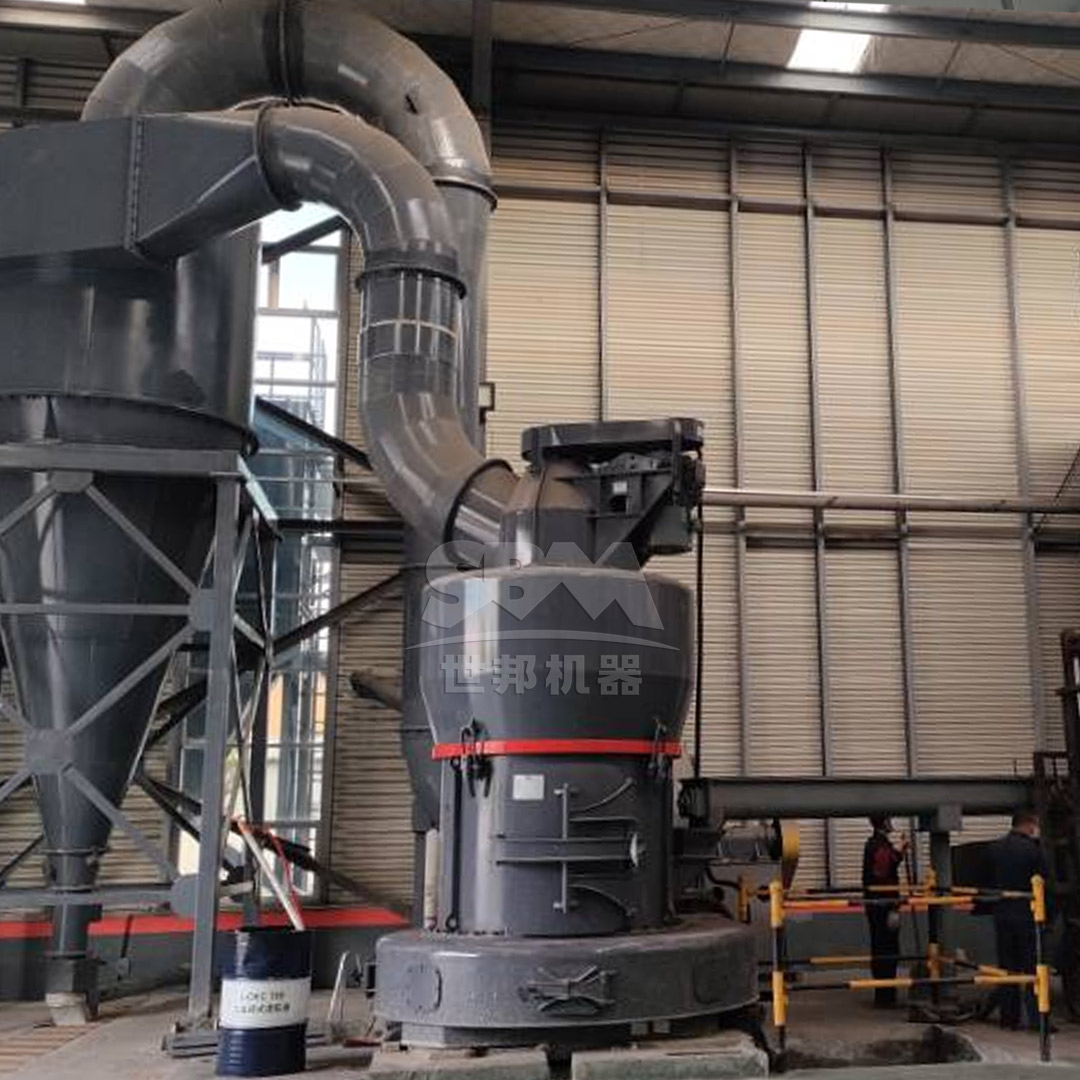
For the primary grinding duty to achieve flotation feed size (typically 30-325 mesh/0.6-0.045mm), robust and efficient mills are required. Among the various technologies available, the MTW Series European Trapezium Mill stands out as an exemplary solution for this application.
This mill is engineered for high-capacity, efficient grinding of medium-hard minerals like spodumene. Its advantages align perfectly with the demands of lithium processing:
For operations requiring even finer grinding or processing of spodumene for direct chemical conversion routes, ultra-fine milling becomes necessary. Here, the SCM Series Ultrafine Mill is the technology of choice. Capable of producing powders from 325 to 2500 mesh (45-5μm), this mill is designed for precision and efficiency in the final milling stages. Its high-precision vertical turbine classifier ensures a narrow particle size distribution with no coarse powder mixing, which can be critical for downstream leaching or roasting processes. Furthermore, its energy-efficient design, offering 30% lower consumption compared to jet mills, makes it a sustainable and cost-effective solution for producing high-value lithium chemicals.
A well-designed circuit often employs a closed-loop system with a mill and a classifier (e.g., a cyclone or air classifier). This ensures that only particles that have reached the target size report to flotation, while oversize material is recirculated for further grinding. This improves energy efficiency and prevents slime generation from over-grinding. The advanced control systems available on modern mills, like the intelligent control featured in the LM Series Vertical Roller Mill, allow for real-time adjustment of parameters to maintain optimal grinding conditions and product quality.
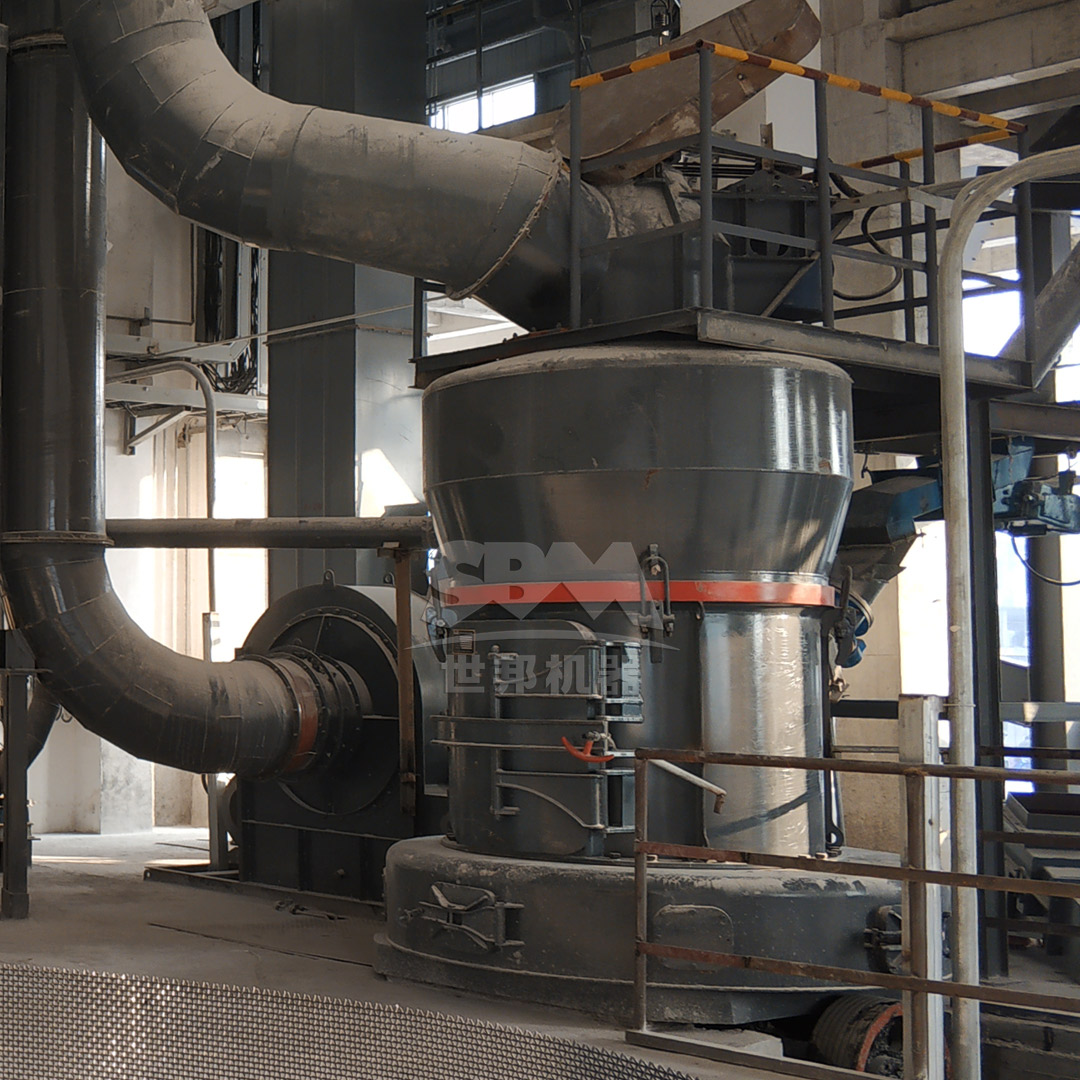
The profitability of a hard-rock lithium operation is inextricably linked to the performance of its comminution circuit. Investing in advanced, reliable, and efficient grinding technology is not merely an equipment purchase but a strategic decision that affects overall plant economics, product quality, and sustainability credentials. From the high-capacity, rugged grinding of the MTW Series European Trapezium Mill for primary liberation to the ultra-fine precision of the SCM Series Ultrafine Mill for chemical feedstock preparation, selecting equipment tailored to the specific demands of spodumene processing is the key to unlocking the full value of this critical energy metal. As lithium demand continues to grow, leveraging such innovative milling solutions will be essential for producers to remain competitive in a rapidly evolving market.