The global surge in demand for lithium, driven primarily by the electric vehicle and energy storage sectors, has intensified the focus on extracting lithium from various mineral sources. Lepidolite, a lithium-rich mica (K(Li,Al)3(Al,Si,Rb)4O10(F,OH)2), represents a significant source of lithium, albeit with its own processing challenges due to its layered silicate structure and variable composition. Establishing an efficient and cost-effective lepidolite processing plant requires a deep understanding of the mineral’s characteristics and the selection of optimal equipment for comminution, classification, and downstream chemical processing. This article outlines a professional processing flow and highlights the key equipment, with a particular focus on the critical grinding and classification stages where advanced milling technology is paramount for liberation and subsequent leach recovery.
Lepidolite ore typically presents as flaky or platy crystals with a Mohs hardness of 2.5-4. Its processing is complicated by several factors:
Therefore, the comminution circuit must be designed not just for size reduction, but to produce a controlled, ultra-fine product with high efficiency and low operational cost.
A typical lepidolite processing plant follows these major stages:
| Stage | Process | Primary Objective | Key Equipment Examples |
|---|---|---|---|
| 1. Crushing | Primary & Secondary Crushing | Reduce ROM ore to a feed size suitable for grinding (e.g., ≤20mm). | Jaw Crusher, Cone Crusher |
| 2. Grinding & Classification | Fine & Ultra-fine Grinding | Liberate lithium-bearing minerals to target fineness (often <45μm or finer). | MTW/MTM Mill (coarse grind), SCM Ultrafine Mill, Classifier |
| 3. Roasting | Sulfation or Alkaline Roasting | Decompose the silicate structure and convert lithium to a water-soluble form (e.g., Li2SO4). | Rotary Kiln, Fluidized Bed Roaster |
| 4. Leaching & Purification | Water Leach, Impurity Removal | Extract lithium into solution and remove impurities (Al, Fe, Si, etc.). | Leaching Tanks, Thickeners, Filter Presses |
| 5. Precipitation & Refining | Li2CO3/LiOH Precipitation | Recover lithium as a high-purity battery-grade product. | Precipitation Tanks, Crystallizers, Dryers |
The heart of any mineral processing plant is its grinding circuit. For lepidolite, a two-stage grinding approach is often optimal to balance energy consumption and achieve the necessary ultra-fine product.
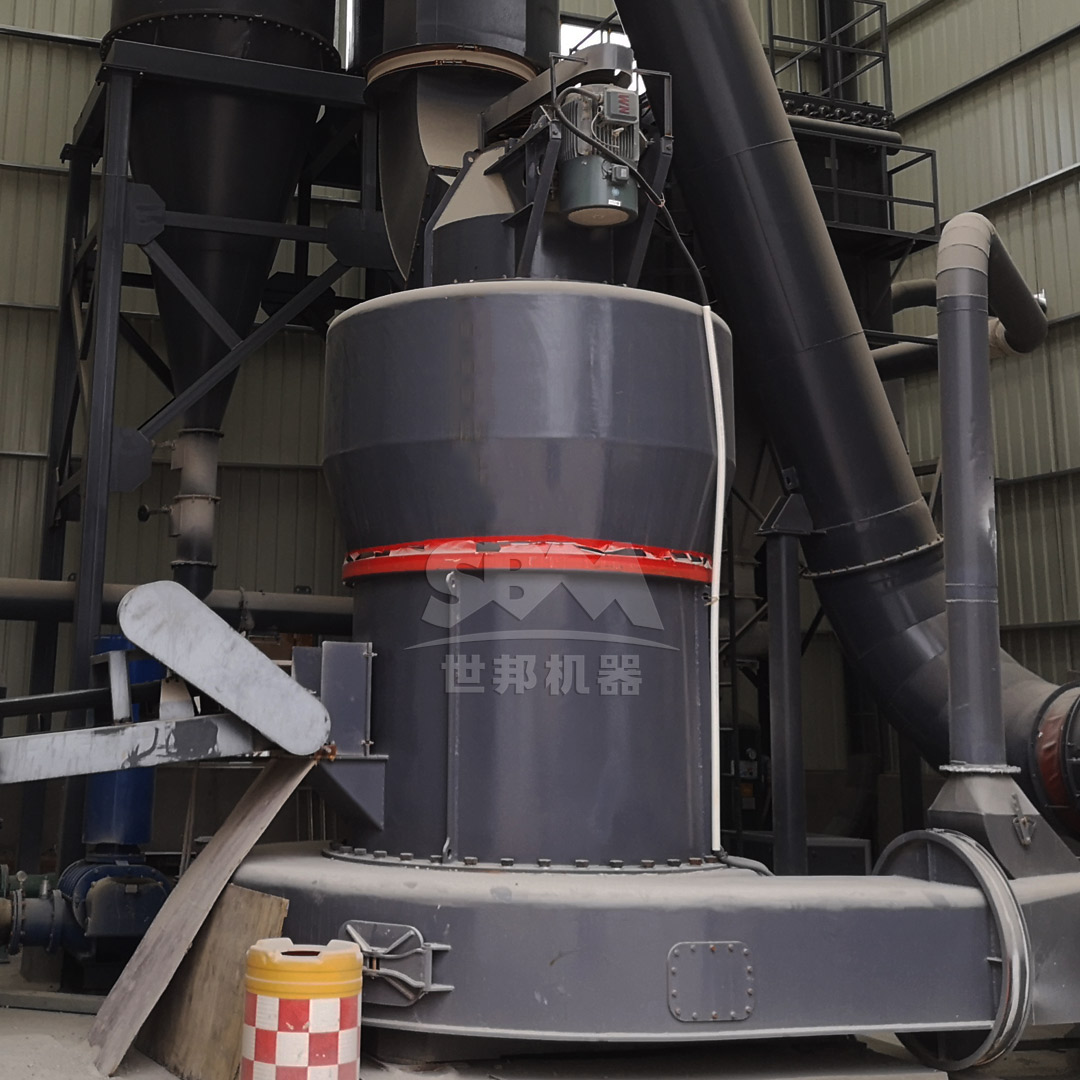
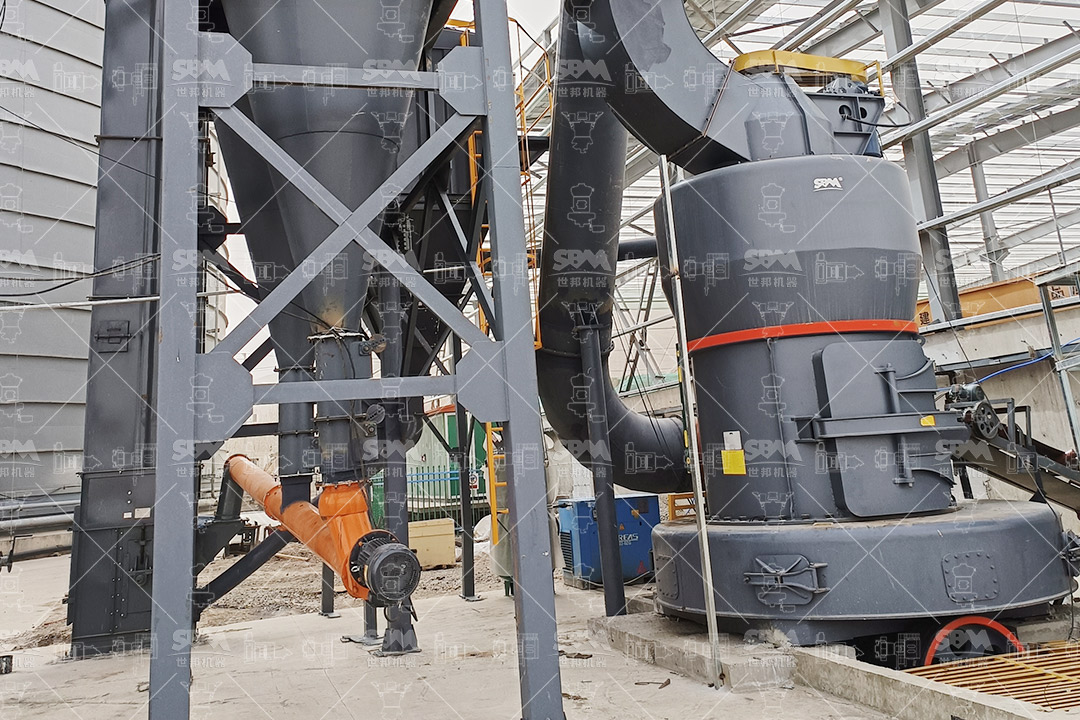
The primary grinding stage aims to reduce the crushed ore to a medium fineness. Efficiency and reliability are key here. The MTW Series European Trapezium Mill is an excellent choice for this duty. Engineered with an integral bevel gear drive boasting 98% transmission efficiency, it significantly saves energy compared to traditional mills. Its anti-wear shovel design and wear-resistant volute structure are particularly beneficial for handling slightly abrasive materials like lepidolite, reducing maintenance frequency and cost. With an output fineness range of 30-325 mesh (600-45μm) and capacities from 3 to 45 tons per hour, it can robustly handle the initial size reduction, preparing the feed for the subsequent ultra-fine grinding stage.
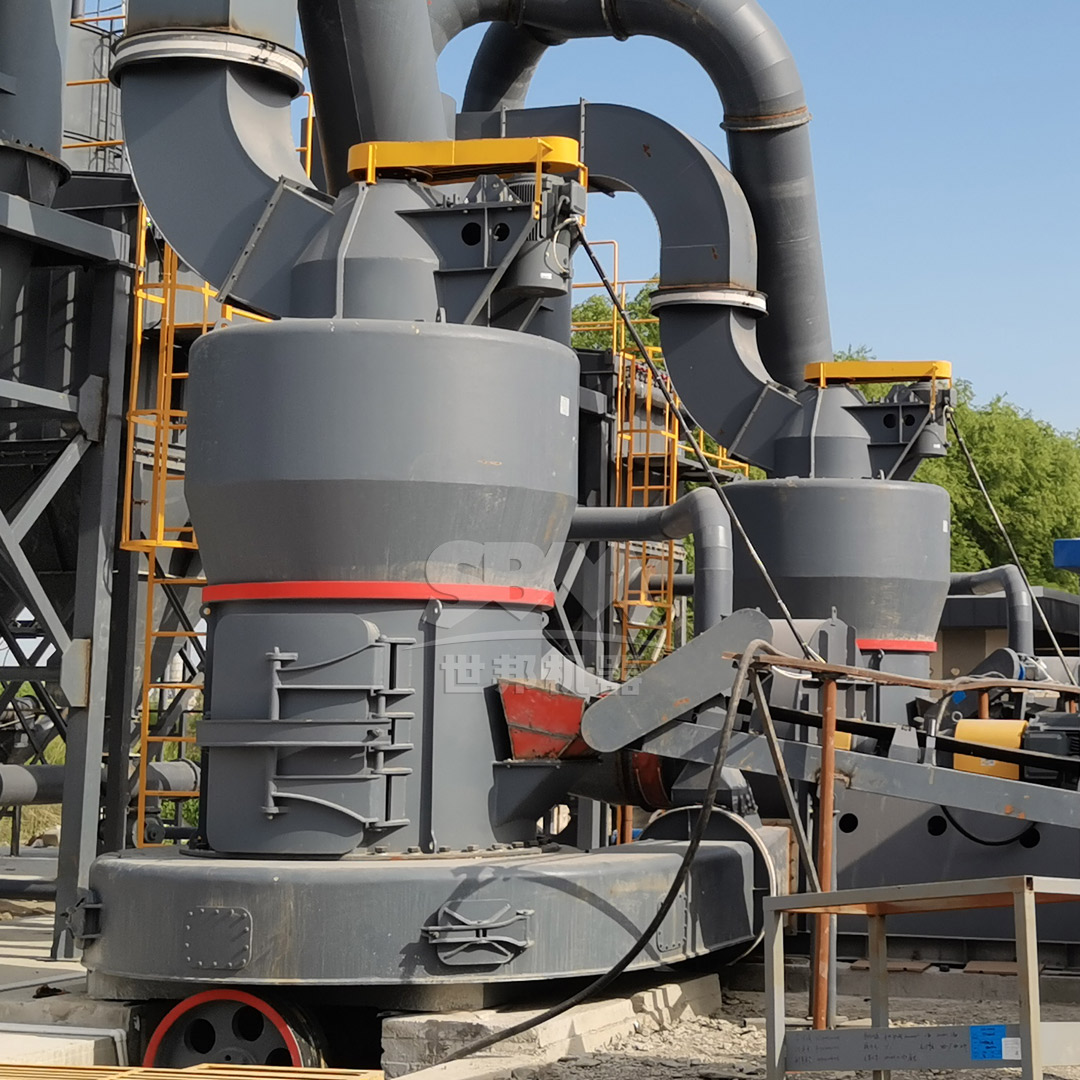
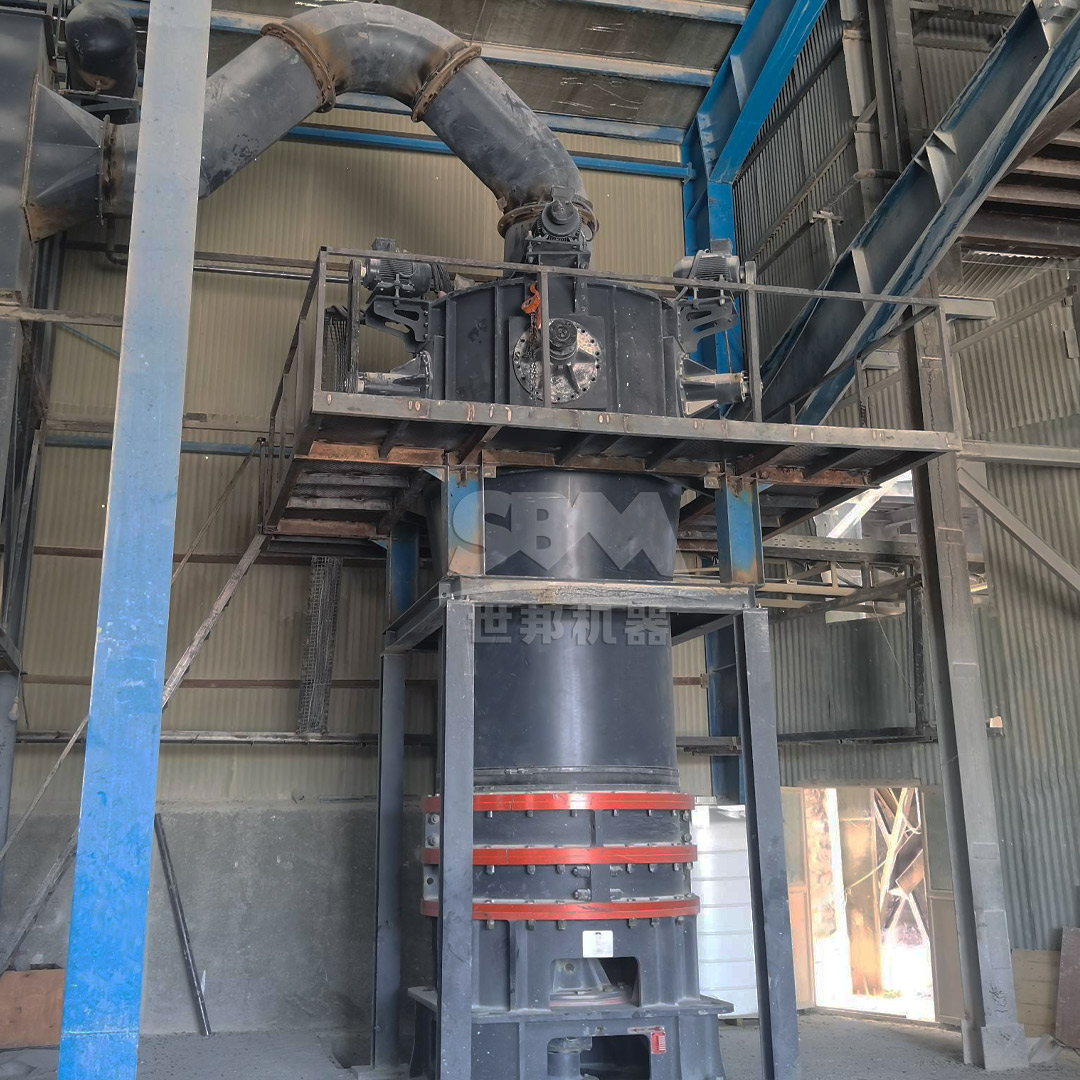
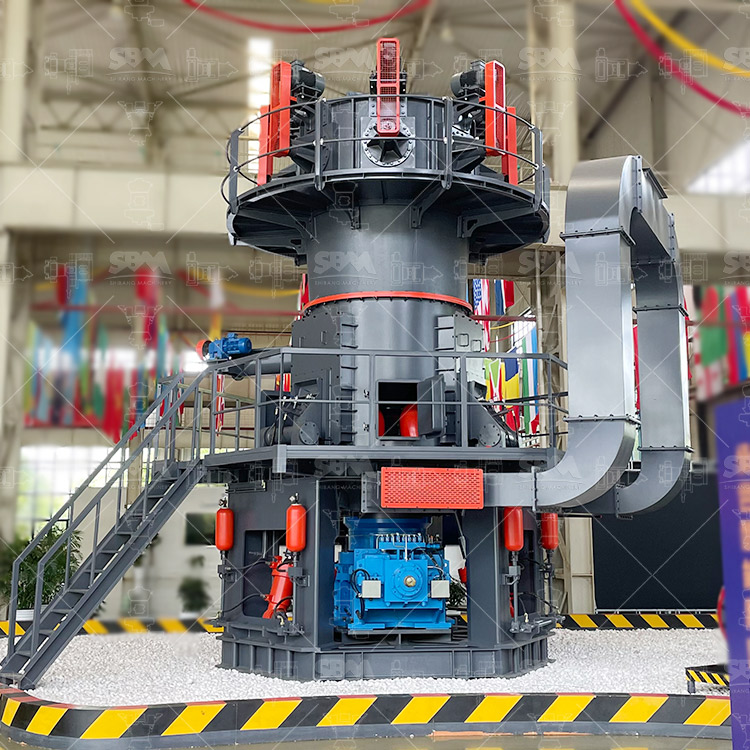
To maximize lithium liberation and leach kinetics, a second stage of ultra-fine grinding is typically required. This is where the SCM Series Ultrafine Mill excels. Specifically designed for producing fine and ultra-fine powders, its vertical turbine classifier ensures high-precision particle size cutting, which is critical for preventing over-grinding of already-liberated flakes and ensuring a uniform product for the roasting stage. The mill’s unique grinding chamber design and special material rollers extend service life, a vital consideration for continuous operation. With an output fineness adjustable between 325-2500 mesh (45-5μm) and energy consumption reportedly 30% lower than jet mills, the SCM Series offers a highly efficient and controllable solution for the most critical size reduction step in lepidolite processing.
| Equipment | Recommended Model | Input Size | Target Output | Key Advantage for Lepidolite |
|---|---|---|---|---|
| MTW Mill (Coarse Grind) | MTW175G or MTW215G | ≤50mm | 100-325 mesh (150-45μm) | High efficiency, low wear, stable feed for next stage |
| SCM Ultrafine Mill (Fine Grind) | SCM1000 or SCM1250 | ≤20mm | 800-2500 mesh (18-5μm) | Precise classification, energy-saving, uniform ultra-fine product |
Beyond the core grinding mills, a successful plant requires robust auxiliary systems:
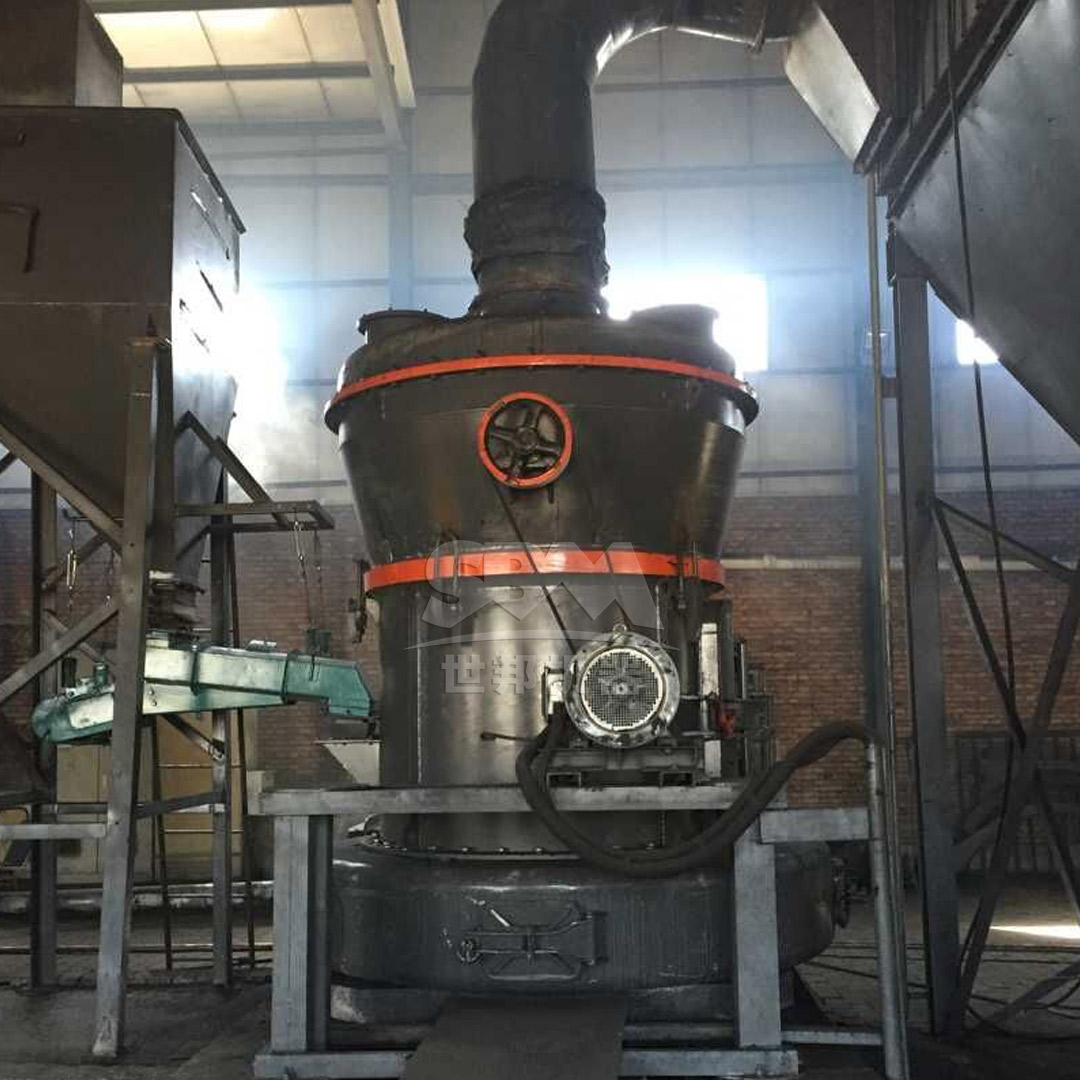
The economic viability of a lepidolite processing plant hinges on an optimized flowsheet and the selection of high-performance, reliable equipment, especially for grinding. A two-stage milling circuit utilizing an efficient coarse grinder like the MTW Series European Trapezium Mill followed by a precision ultra-fine grinder like the SCM Series Ultrafine Mill provides a balanced technical solution. This combination addresses the specific challenges of lepidolite—achieving the necessary liberation fineness with controlled particle distribution, while managing operational costs related to energy and wear. Investing in such advanced milling technology forms the solid foundation for an efficient, sustainable, and profitable lithium extraction operation from lepidolite resources.