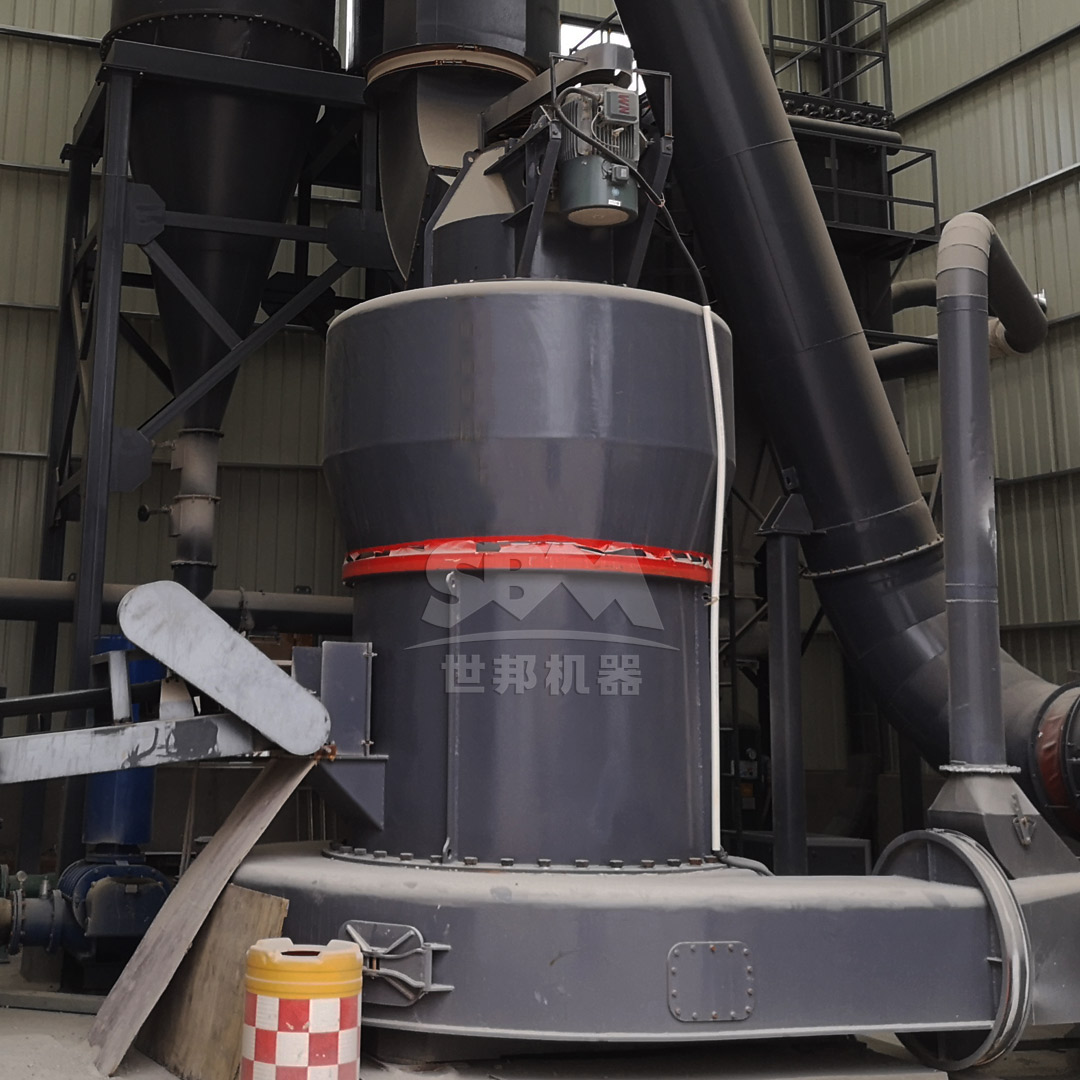
The journey from raw gold-bearing ore to a refined, market-ready product is a complex and capital-intensive process. Its success hinges on a critical foundation: selecting the right processing equipment. An ill-suited crusher or mill can lead to excessive energy consumption, poor recovery rates, high maintenance costs, and ultimately, an unprofitable operation. This guide provides a systematic approach to choosing the optimal gold ore processing equipment, focusing on the key stages of comminution and grinding, and highlights advanced solutions that can maximize your return on investment.
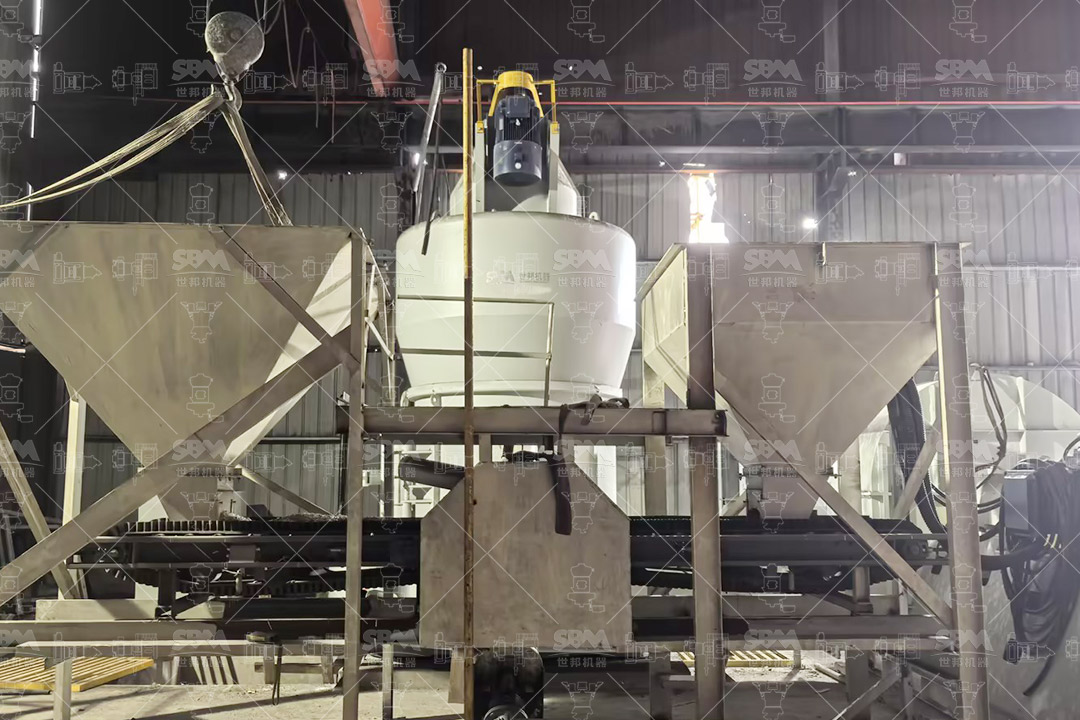
Equipment selection cannot begin without a thorough understanding of the material you are processing. Key ore characteristics dictate the type and configuration of machinery required.
Comminution, the process of reducing ore size, typically occurs in stages: primary crushing, secondary/tertiary crushing, and grinding.
The first line of defense, reducing blasted ore to a manageable size for the plant.
| Equipment Type | Best For | Key Considerations |
|---|---|---|
| Jaw Crusher | Hard, abrasive ores; high capacity primary crushing. | Robust, simple design. Produces a range of sizes, often requiring further crushing. |
| Gyratory Crusher | Very high-capacity primary crushing for large mines. | Higher capital cost, but more efficient for high-tonnage applications. Delivers a more uniform product than jaw crushers. |
Further reduces ore before it enters the energy-intensive grinding mills.
| Equipment Type | Best For | Key Considerations |
|---|---|---|
| Cone Crusher | Producing a consistent, fine product for ball mill feed. Ideal for hard, abrasive ores. | Offers precise control over product size via adjustable settings. More complex than impact crushers. |
| Impact Crusher / Hammer Mill | Softer, less abrasive ores. Can achieve high reduction ratios in a single stage. | Lower wear cost for suitable ores. Product size distribution is less controlled; may generate more fines. |
This is the most energy-intensive stage, consuming roughly 30-50% of a mine’s total operating cost. The choice here is crucial for gold recovery.
| Equipment Type | Typical Product Range | Advantages | Disadvantages |
|---|---|---|---|
| Ball Mill / Rod Mill | 150 – 45µm (100 – 325 mesh) | Proven technology, reliable, handles a wide variety of ores. Good for wet grinding. | Low energy efficiency, high wear media consumption, noisy. |
| Vertical Roller Mill (VRM) | 45 – 30µm (325 – 500 mesh) | 30-50% lower energy consumption vs. ball mills. Integrated drying, grinding, classification. Compact footprint. | Higher initial investment. More sensitive to feed size fluctuations. |
| Stirred Media Mill | <20µm (Ultra-fine grinding) | Superior for ultra-fine grinding required for refractory gold ores. High energy efficiency for fine grinding. | High media and liner wear. Complex maintenance. |
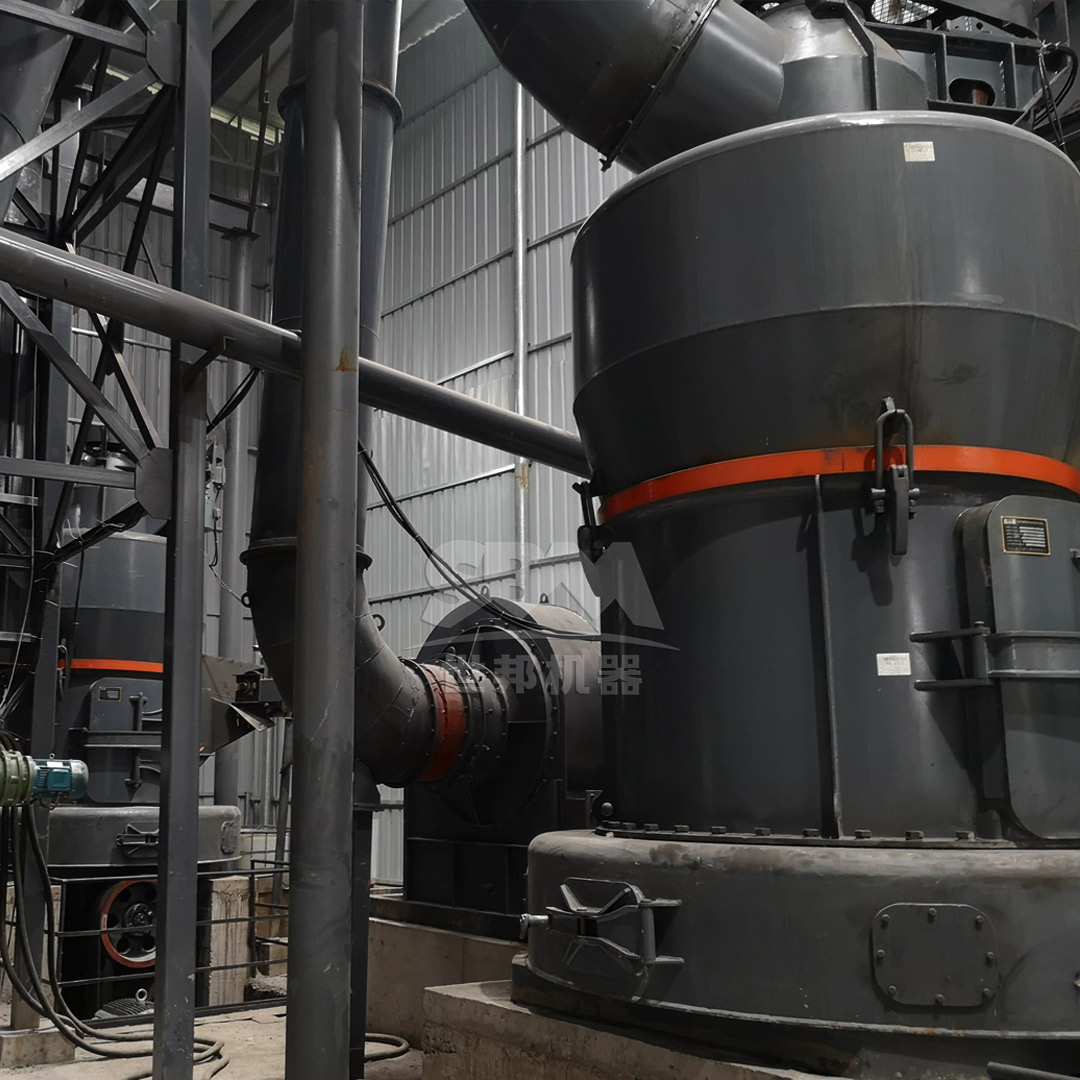
Grinding is a closed-circuit process. Mills work in tandem with classifiers (like hydrocyclones or air classifiers) that separate fine, liberated particles from coarse ones that need further grinding. The efficiency of this classification directly impacts over-grinding (wasting energy) and under-grinding (poor recovery). Modern mills, like Vertical Roller Mills, often feature high-precision, integrated classifiers that optimize this process.
For operations seeking to maximize efficiency and minimize operational costs, advanced grinding technologies offer a compelling advantage. Two standout solutions from our portfolio are engineered to meet the demanding requirements of gold ore processing:
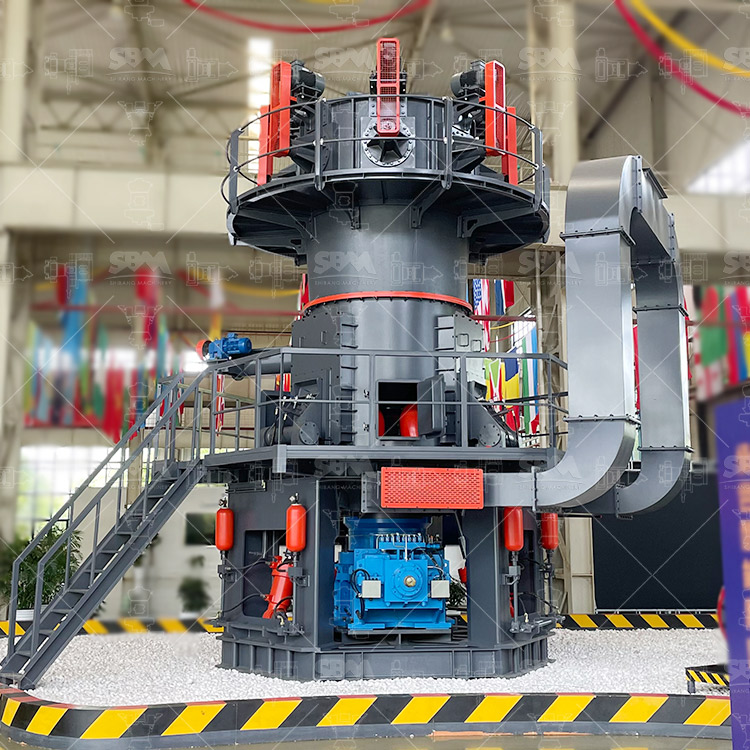
When your process requires efficient grinding to a fine powder for improved cyanide leaching or flotation, the LM Vertical Roller Mill is a superior alternative to traditional ball mills. Its integrated design combines crushing, grinding, drying, and classification in a single unit, reducing floor space by up to 50%. The principle of bed grinding between rollers and a rotating table leads to 30-40% lower energy consumption compared to ball mill systems. Furthermore, its fully sealed negative pressure operation ensures environmental compliance with minimal dust emission. For gold operations with feed sizes up to 50mm and requiring capacities from 3 to over 250 tons per hour, the LM series provides a robust, intelligent, and cost-effective grinding backbone.
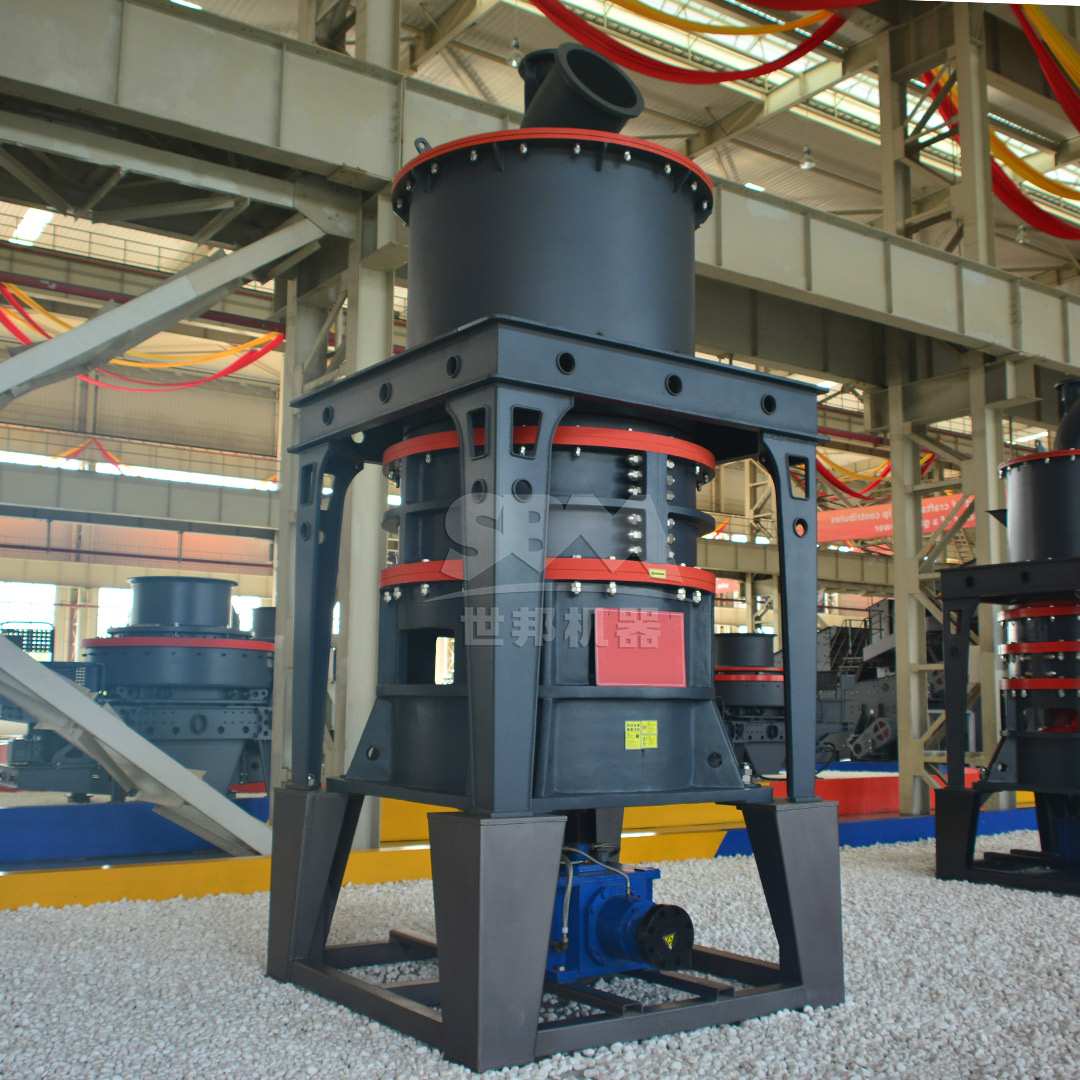
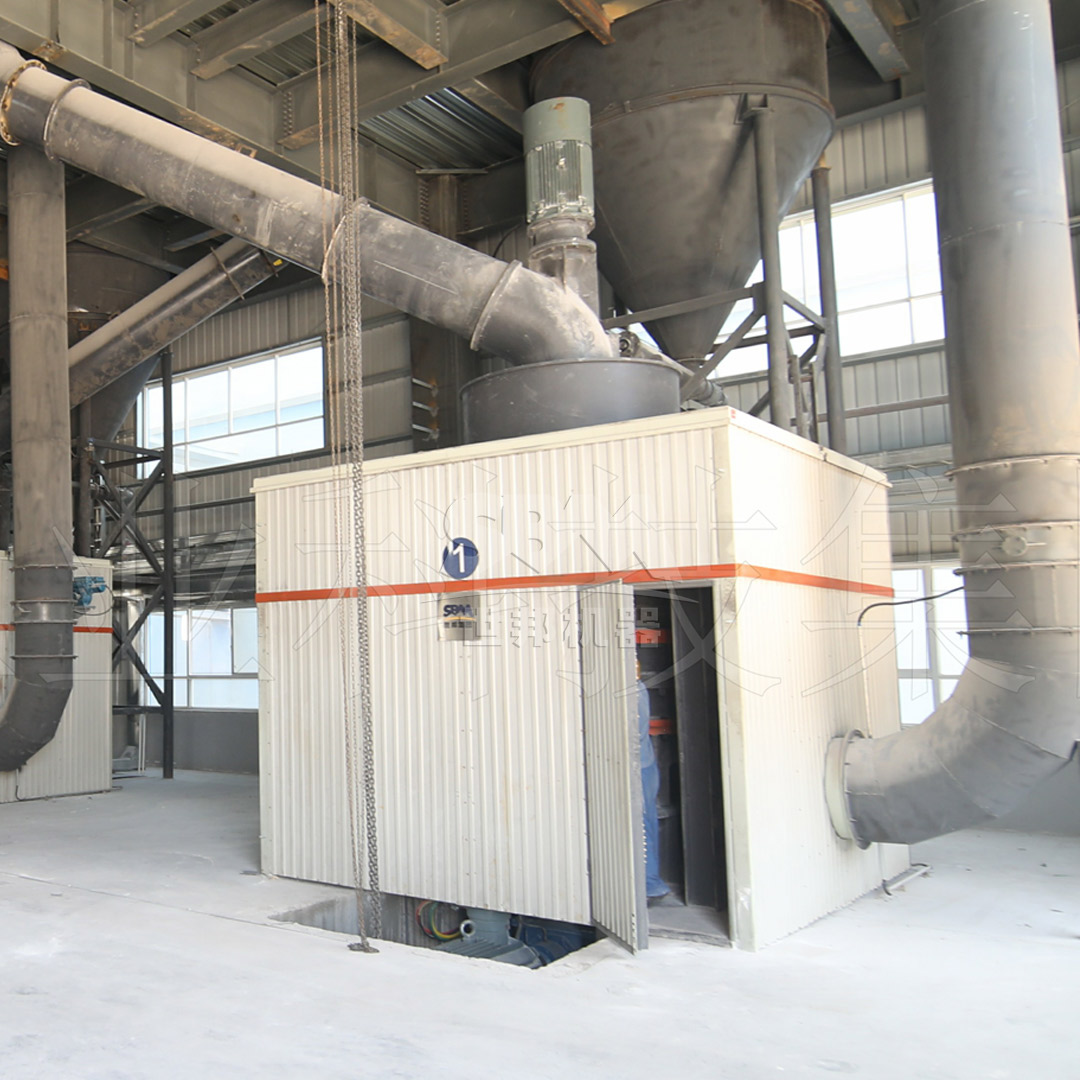
For refractory gold ores where ultra-fine grinding is essential to liberate encapsulated gold particles, the SCM Ultrafine Mill is the technology of choice. Capable of producing powders as fine as 5 microns (2500 mesh), it delivers unparalleled fineness for maximum mineral exposure. Despite its capability, it is engineered for efficiency, offering a capacity twice that of traditional jet mills while consuming 30% less energy. Its high-precision vertical turbine classifier ensures a sharp particle size cut with no coarse powder mixing, guaranteeing a uniform product for downstream processes. Models like the SCM1250, with a capacity of 2.5-14 t/h and main power of 185kW, are specifically designed for industrial-scale applications requiring precise ultra-fine grinding.
Selecting the right gold ore processing equipment is not about finding a single \”best\” machine, but about building the most efficient and cost-effective system for your specific ore body and production goals. By rigorously characterizing your ore, understanding the capabilities and trade-offs of different crushers and mills, and focusing on Total Cost of Ownership, you can make an informed decision. Embracing advanced, energy-efficient technologies like Vertical Roller Mills and Ultrafine Mills can provide a significant competitive edge, reducing operational costs and enhancing gold recovery rates, thereby turning geological potential into sustained profitability.