The cement industry is a cornerstone of global infrastructure development, demanding production lines that are not only high-capacity but also exceptionally efficient, reliable, and environmentally compliant. The journey from raw materials like limestone and clay to the final Portland cement involves a series of critical size reduction and classification stages. The selection of appropriate grinding and milling equipment directly dictates the production line’s energy consumption, product quality, operational costs, and environmental footprint. This article explores the essential processing equipment that forms the heart of an efficient cement plant, focusing on the technological advancements that drive modern, sustainable production.
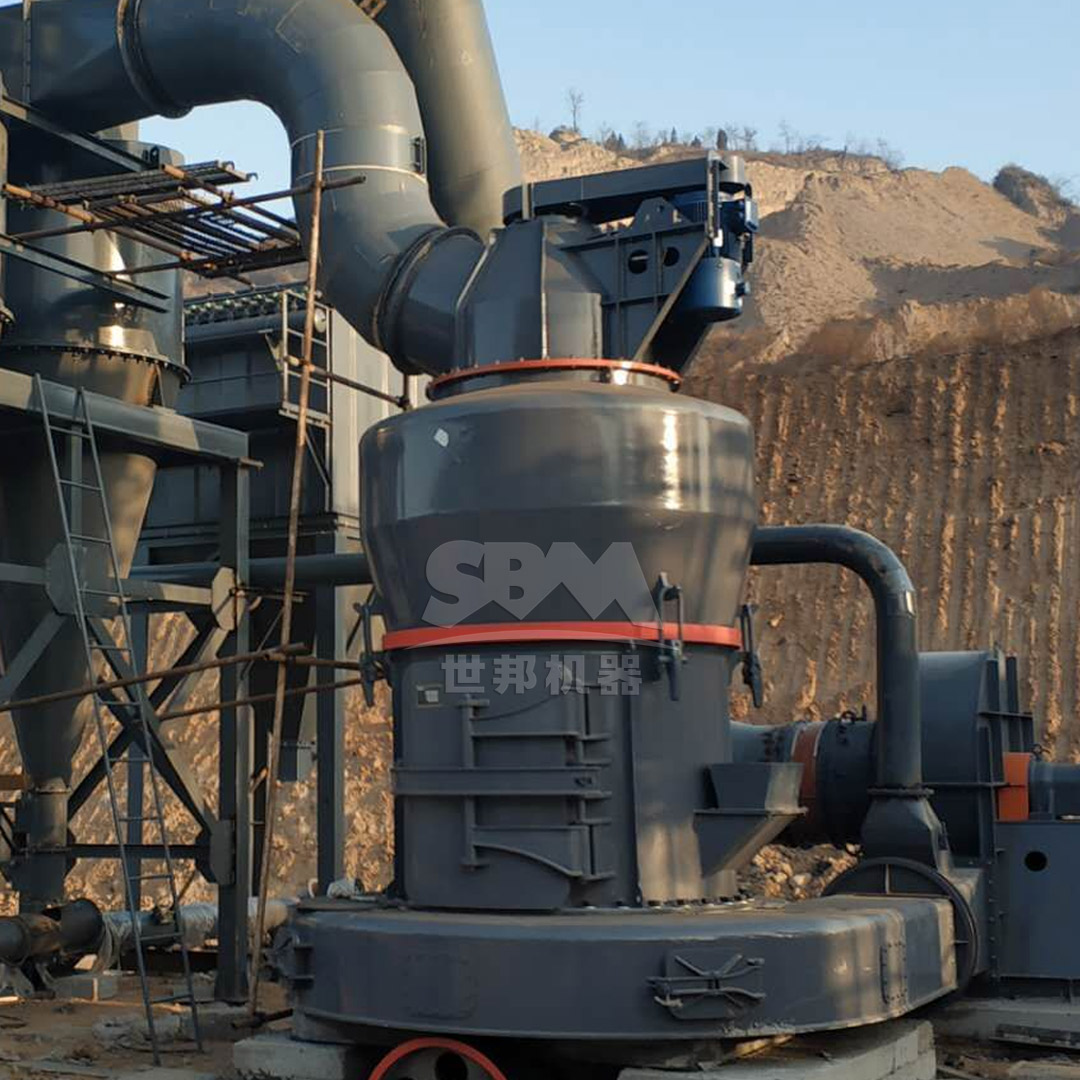
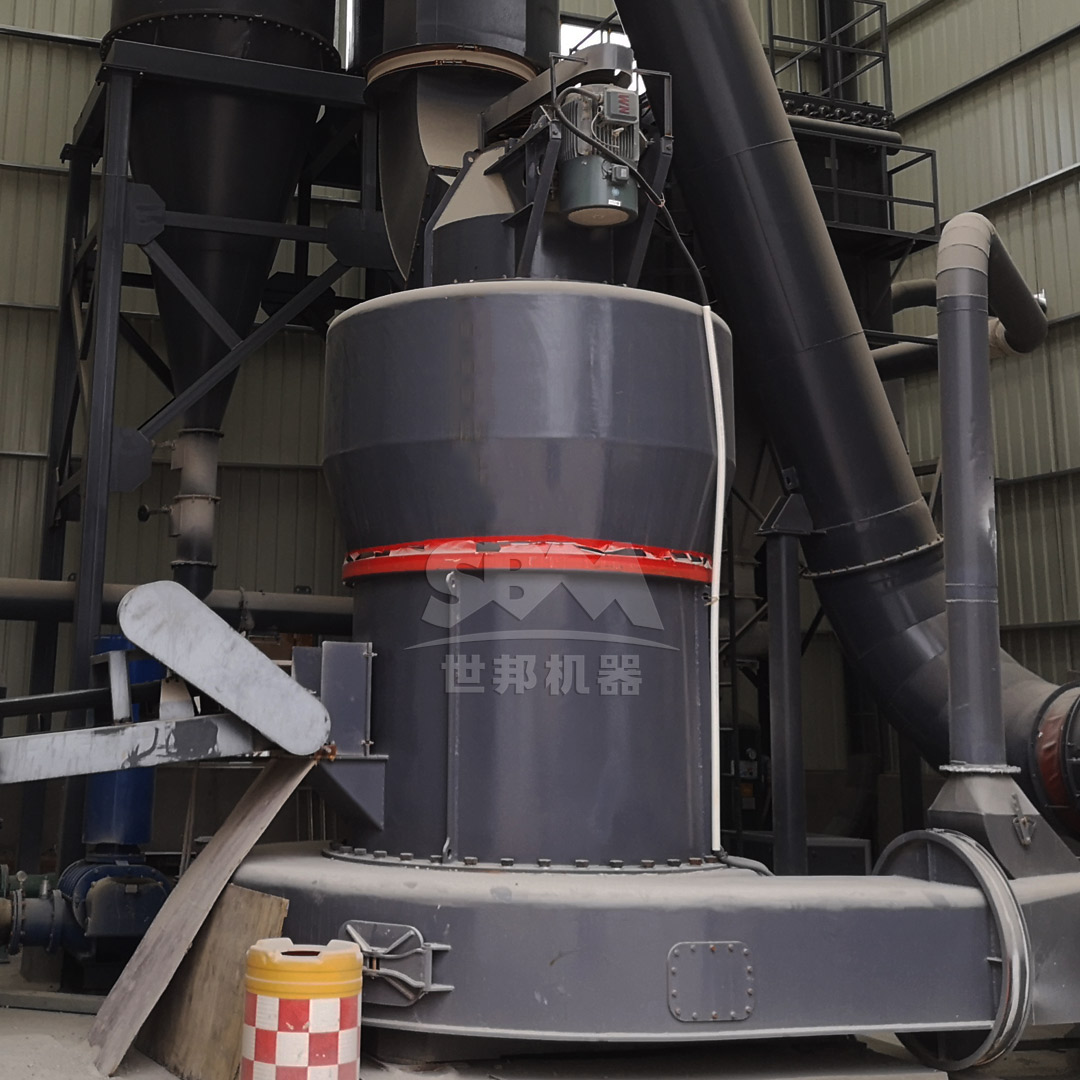
Cement production requires equipment capable of handling a wide range of particle sizes. The process typically begins with primary crushers (like jaw or gyratory crushers) reducing large quarry rocks. Secondary crushing and initial grinding often employ robust equipment like Hammer Mills or impact crushers to achieve a feed size suitable for fine grinding mills. For the final and most energy-intensive stage—producing cement clinker powder—the industry relies on advanced milling systems. The evolution from traditional ball mills to more efficient vertical roller mills and specialized pre-grinding systems represents a significant leap in process optimization.
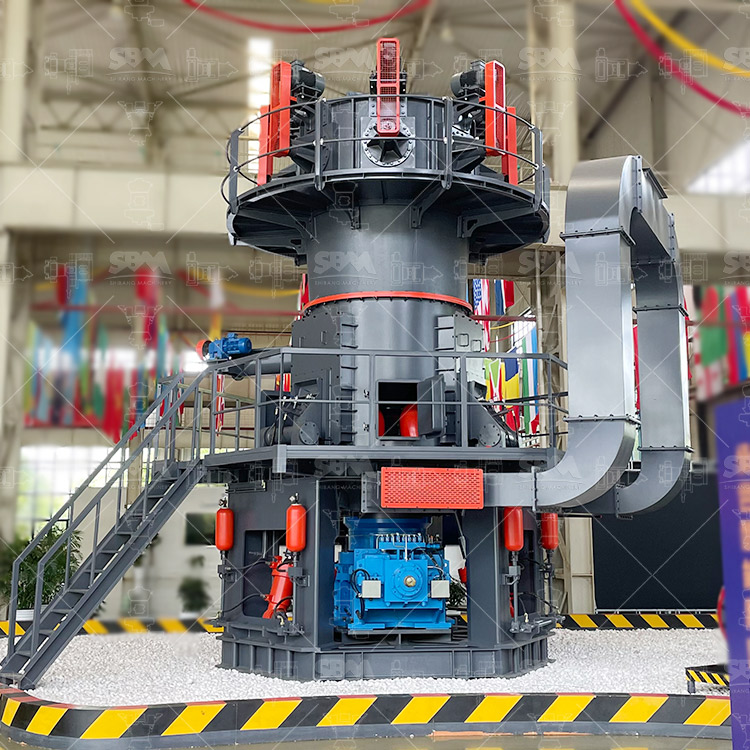
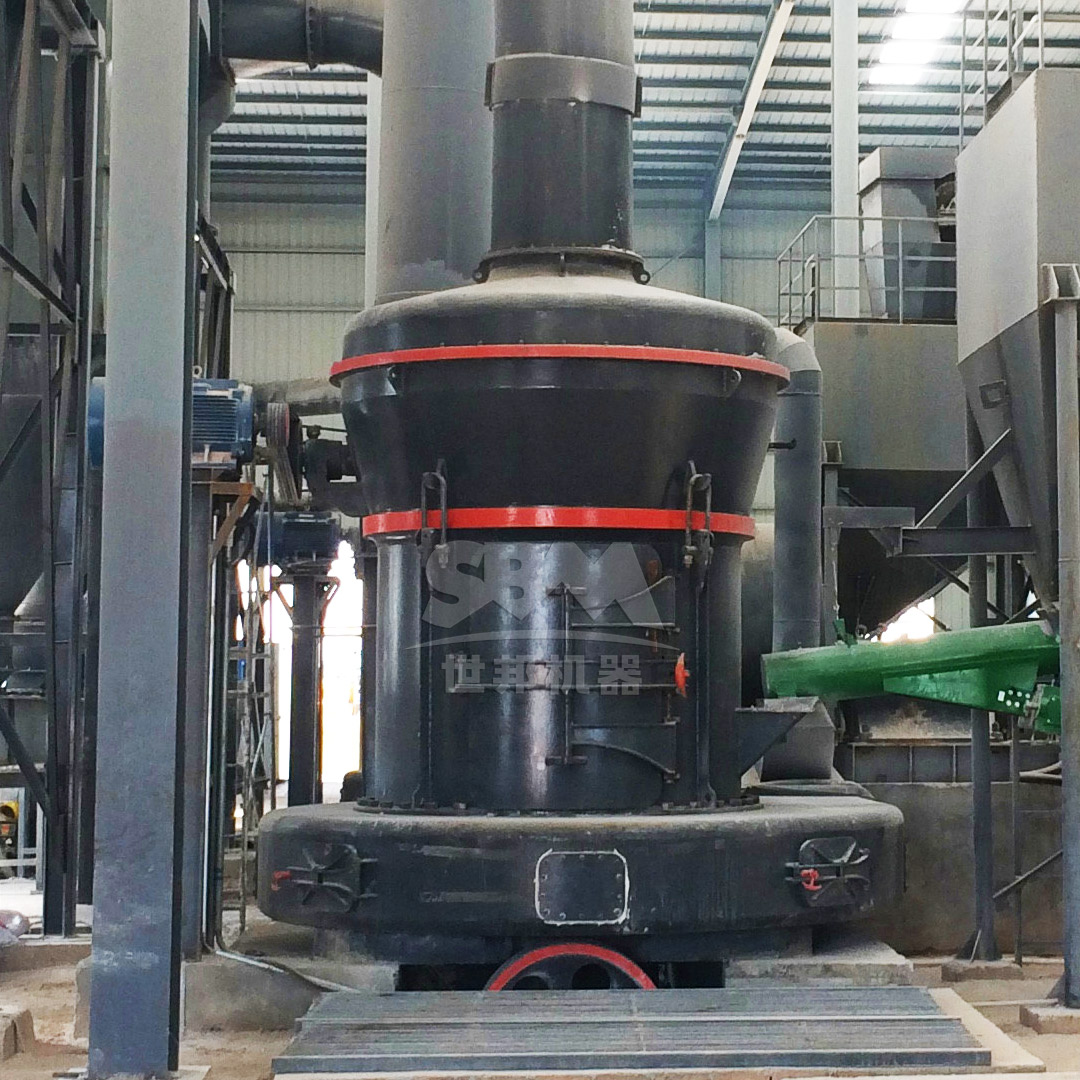
Vertical Roller Mills have become the dominant technology for grinding raw materials, coal, and cement clinker due to their superior energy efficiency and compact design. A VRM integrates crushing, grinding, drying, and classification in a single unit. Material is fed onto a rotating grinding table and is ground under pressure from hydraulically loaded rollers. The ground material is then pneumatically conveyed to an integrated classifier, where finished product is separated, and coarse material is returned to the table.
The advantages are substantial: energy savings of 30-40% compared to ball mills, significantly lower noise levels, and the ability to dry materials using hot gases from kiln exhaust. Their integrated design reduces plant footprint and infrastructure costs. For instance, our LM Series Vertical Roller Mill exemplifies this technology. Its integrated design reduces floor space by 50% and infrastructure costs by 40%. It operates with 30-40% lower energy consumption than traditional ball mill systems and features an intelligent expert-level control system for stable, automated operation. The fully sealed negative pressure operation ensures dust emissions and noise levels are kept well within stringent environmental standards.
| Model (Example) | Grinding Table Diameter | Capacity (t/h) | Output Fineness | Main Motor Power |
|---|---|---|---|---|
| LM190K | Φ1900mm | 23-68 | 170-45μm | 500 kW |
| LM220K | Φ2200mm | 36-105 | 170-45μm | 800 kW |
| LM280K | Φ2800mm | 50-170 | 170-45μm | 1250 kW |
To push efficiency boundaries further, many plants employ a pre-grinding unit before the final ball mill. A pre-grinder, such as a specialized vertical roller mill or a high-pressure grinding roll (HPGR), performs a significant portion of the size reduction at a much lower specific energy consumption. This allows the downstream ball mill to operate in a more efficient range, handling a finer feed and primarily performing the final particle shaping and finishing. Our LM-Y Series Vertical Pre-grinding Roller Mill is engineered for this precise purpose. Designed for cement clinker and limestone, it utilizes a bed grinding principle for 30-50% lower energy consumption. Models like the LM340Y can handle a massive circulation capacity of up to 800-1000 t/h, dramatically increasing the throughput of the entire grinding circuit while reducing specific power demand.
Despite the rise of VRMs, ball mills remain a reliable and versatile solution, especially for finish grinding where specific product characteristics are required. A ball mill is a rotating cylinder filled with steel grinding media. As the mill rotates, the media cascade and tumble, crushing the clinker and gypsum through impact and attrition. They offer a high crushing ratio, wide availability of wear parts, and proven operational stability. Modern ball mills are often used in a closed circuit with high-efficiency separators, which recycle coarse material and significantly improve overall efficiency. They are particularly well-suited for producing a wide range of cement types with specific fineness and particle size distribution requirements.
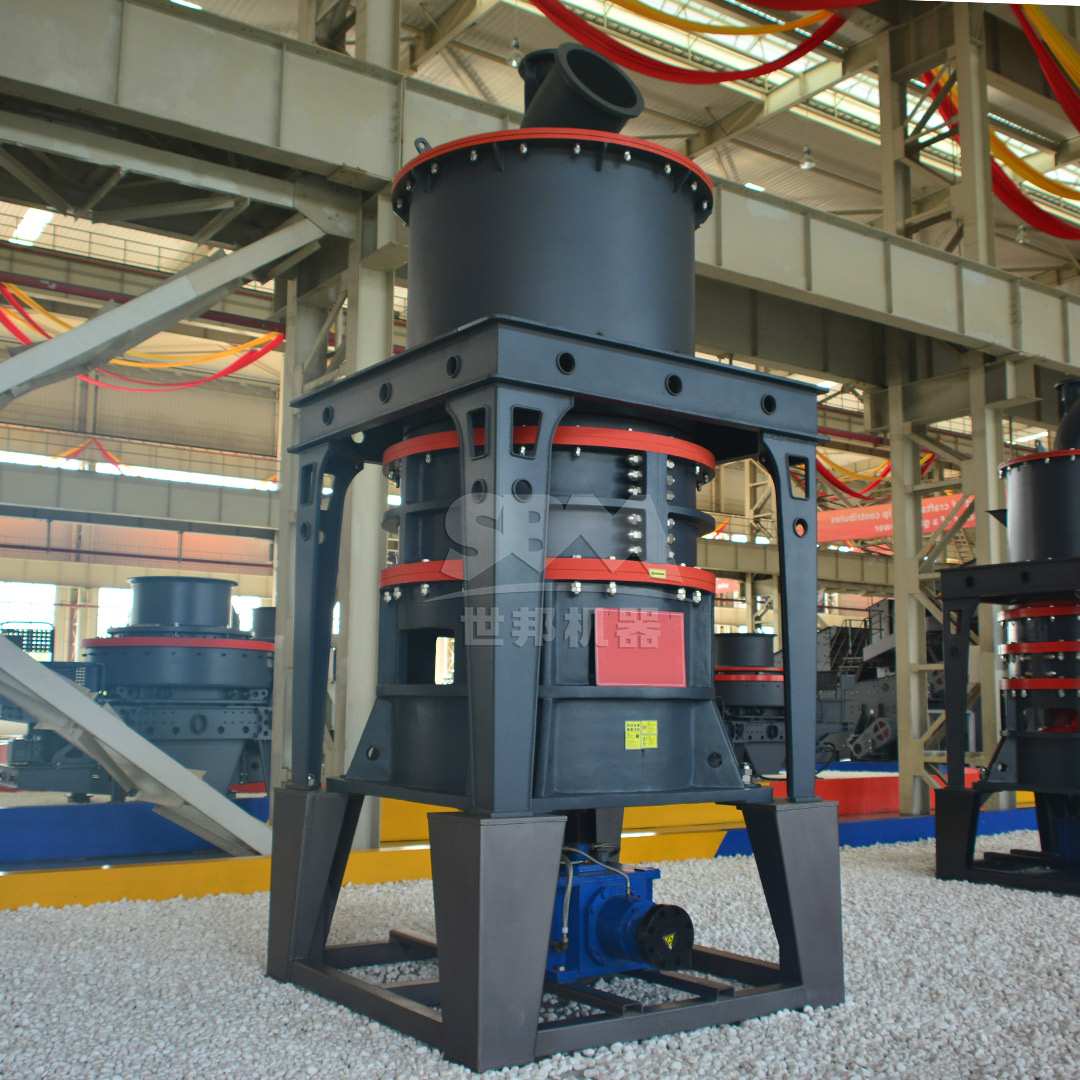
Modern cement often includes supplementary cementitious materials (SCMs) like slag, fly ash, or limestone powder to enhance properties and reduce the clinker factor. Grinding these materials to a very high fineness (often exceeding 400 m²/kg) activates their pozzolanic or hydraulic properties. This demands specialized ultra-fine grinding equipment. Our SCM Series Ultrafine Mill is a leader in this category. Capable of producing powder in the range of 325-2500 mesh (45-5μm), it combines high efficiency with precision. Its vertical turbine classifier ensures precise particle size cuts with no coarse powder mixing, guaranteeing a uniform, high-quality product. Furthermore, it operates with 30% lower energy consumption and double the capacity of traditional jet mills, making it an economically and technically superior choice for producing premium cement additives.
| Model | Capacity (t/h) | Output Fineness | Main Motor Power | Key Advantage |
|---|---|---|---|---|
| SCM800 | 0.5-4.5 | 325-2500 mesh | 75 kW | Compact, for pilot or small-scale lines |
| SCM1000 | 1.0-8.5 | 325-2500 mesh | 132 kW | Balanced capacity and power for additives |
| SCM1680 | 5.0-25 | 325-2500 mesh | 315 kW | High-capacity production for large plants |
The efficiency of any grinding circuit is heavily dependent on its supporting systems. High-Efficiency Classifiers (dynamic or static) are critical for ensuring the target product fineness and preventing over-grinding, which wastes energy. Advanced Dust Collection Systems, such as pulse-jet baghouses, are non-negotiable for meeting environmental regulations and protecting the health of workers. Modern plants are also increasingly reliant on Integrated Process Control and Automation. Systems that monitor mill load, pressure, temperature, and product fineness in real-time, and automatically adjust feed rates and separator speeds, are essential for optimizing performance, consistency, and energy usage.
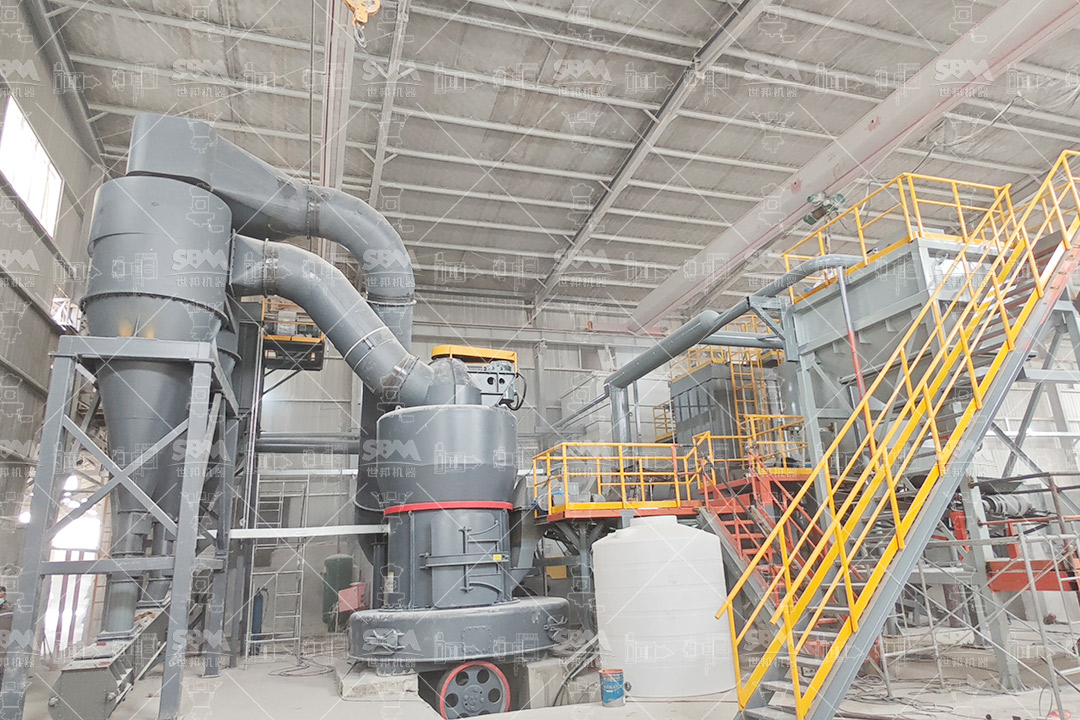
Designing an efficient cement production line requires a holistic approach to equipment selection. The core grinding technology—whether a state-of-the-art LM Series VRM for main clinker grinding, an LM-Y pre-grinder to boost circuit capacity, or an SCM Ultrafine Mill for high-value additives—sets the foundation for operational and economic success. By prioritizing equipment that offers lower specific energy consumption, higher availability, precise classification, and seamless integration with advanced control systems, cement producers can build resilient, profitable, and sustainable operations capable of meeting the demands of the future. Investing in the right key processing equipment is not merely a capital expenditure; it is a strategic commitment to long-term efficiency and competitiveness.