Phosphate rock is a crucial raw material for the production of fertilizers, phosphoric acid, and other phosphorus-based chemicals. The efficiency of its processing, particularly the grinding stage, directly impacts product quality, energy consumption, and overall operational costs. Selecting the appropriate grinding mill is paramount for achieving the desired fineness, maximizing throughput, and ensuring economic viability. This guide explores the key considerations for phosphate rock grinding and highlights advanced equipment solutions tailored to this demanding application.
Phosphate rock’s grindability is influenced by several factors:
The choice of grinding technology depends on the required capacity, product fineness, energy efficiency goals, and total cost of ownership. Below is a comparison of common mill types used in phosphate processing.
| Mill Type | Typical Output Range | Key Advantages for Phosphate | Considerations |
|---|---|---|---|
| Ball Mill / Rod Mill | 0.074 – 0.8mm | Proven technology, high capacity, suitable for wet grinding. | High energy consumption, significant media wear, coarse product limit. |
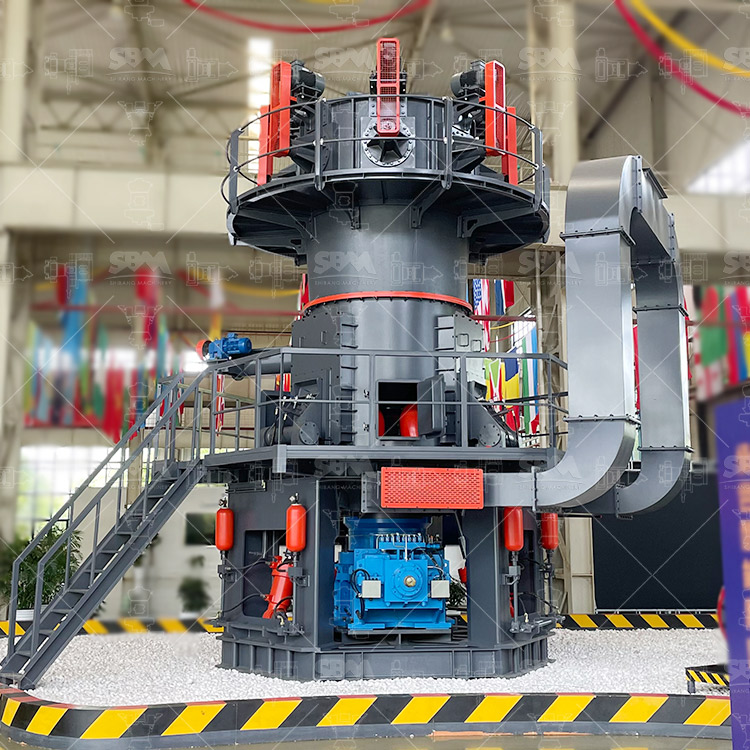
| Vertical Roller Mill (VRM) | 30-325 mesh (up to 600 mesh) | Excellent energy efficiency, integrated drying, lower noise. | Higher initial investment, sensitive to feed size and moisture variations. |
| Raymond Mill (Trapezium Mill) | 30-325 mesh | Reliable, lower capital cost, easy maintenance. | Lower capacity compared to VRMs for same power, higher wear on rings/rollers. |
| Ultrafine Grinding Mill | 325-2500 mesh | Produces superfine powder for high-value applications, precise classification. | For specialized fine products, lower single-machine capacity. |
Modern phosphate rock processing demands equipment that offers not only reliability but also significant reductions in operational expenses (OPEX), primarily through energy savings and reduced maintenance downtime. Advanced roller mill technologies have emerged as the frontrunners for medium to fine grinding applications.
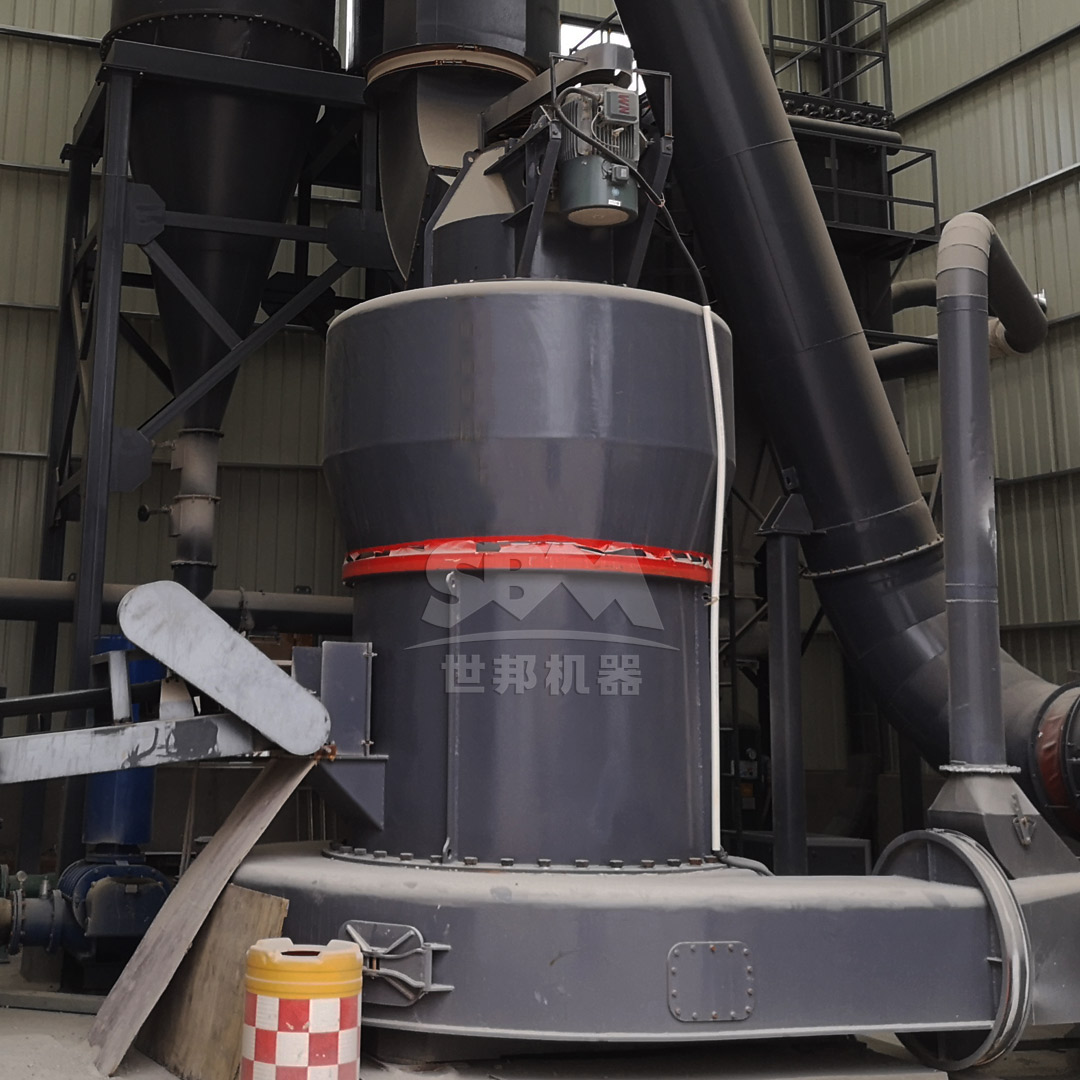
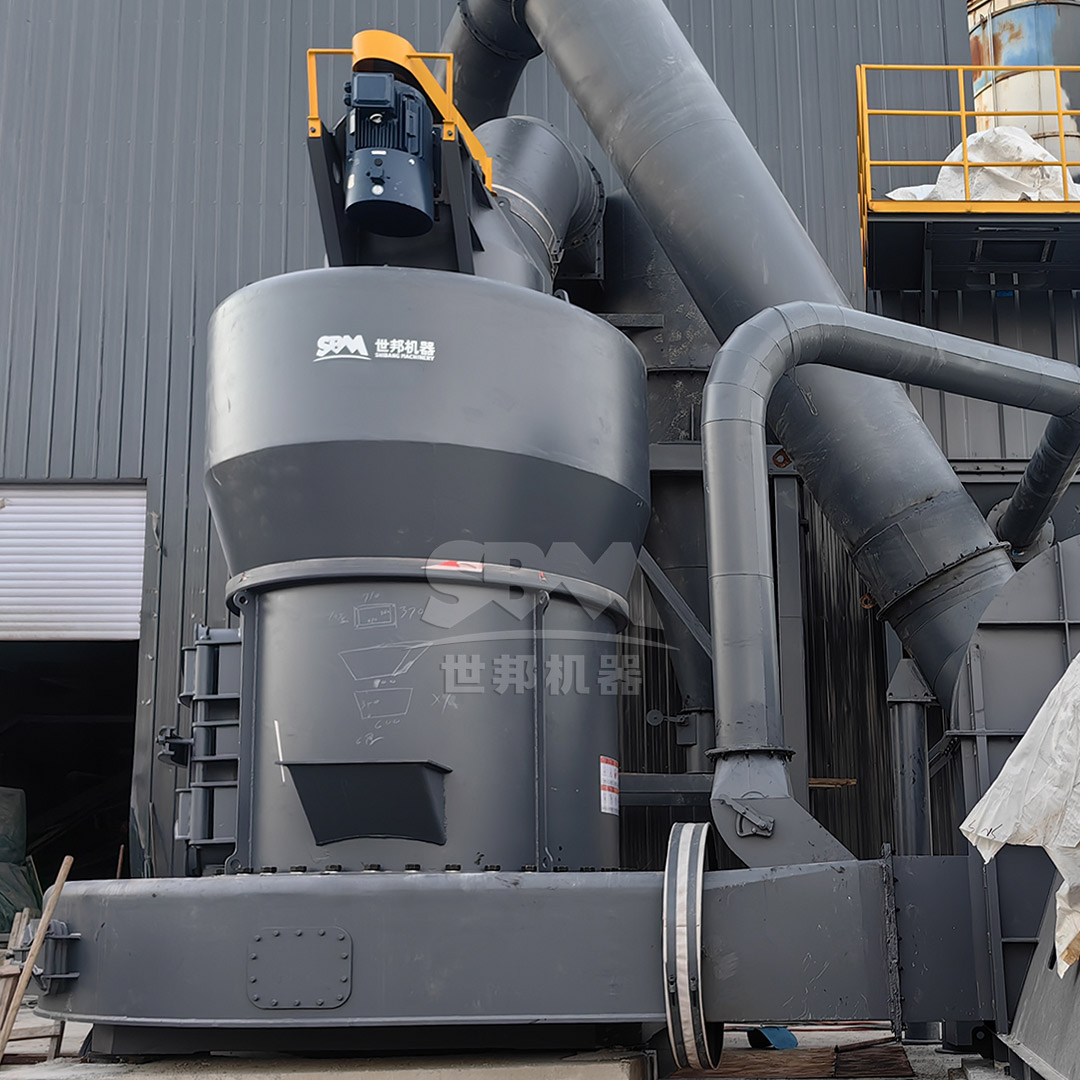
For operations targeting high capacity with finished product sizes between 30 and 325 mesh, the MTW Series European Trapezium Mill represents a significant technological leap. Its design directly addresses the challenges of grinding abrasive materials like phosphate rock. The mill features an anti-wear shovel design with combined blades and a curved profile that dramatically extends the service life of grinding rollers and reduces frequency of part replacement. Furthermore, its optimized arc air duct minimizes airflow resistance, enhancing classification efficiency and reducing fan power consumption. The integral bevel gear drive achieves a remarkable 98% transmission efficiency, saving space and energy compared to traditional gearbox systems. For large-scale phosphate processing plants requiring throughput from 15 to 45 tons per hour, the MTW215G model is an exceptionally robust and efficient choice.
Beyond standard fertilizer grades, there is a growing market for ultrafine phosphate powders used in advanced ceramics, animal feed supplements, and specialty chemicals. Achieving a consistent, narrow particle distribution in the 325 to 2500 mesh range requires specialized grinding and classification technology.
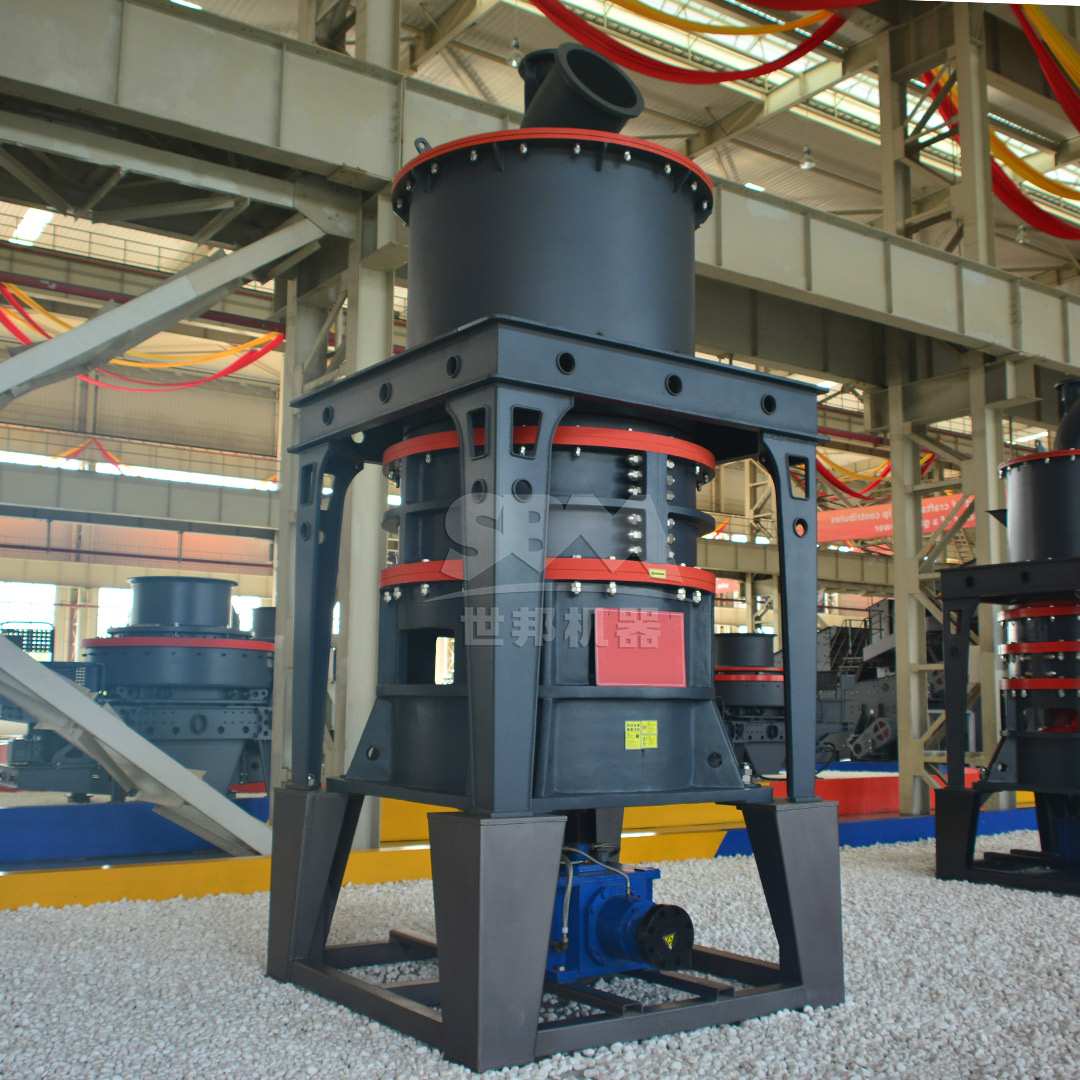
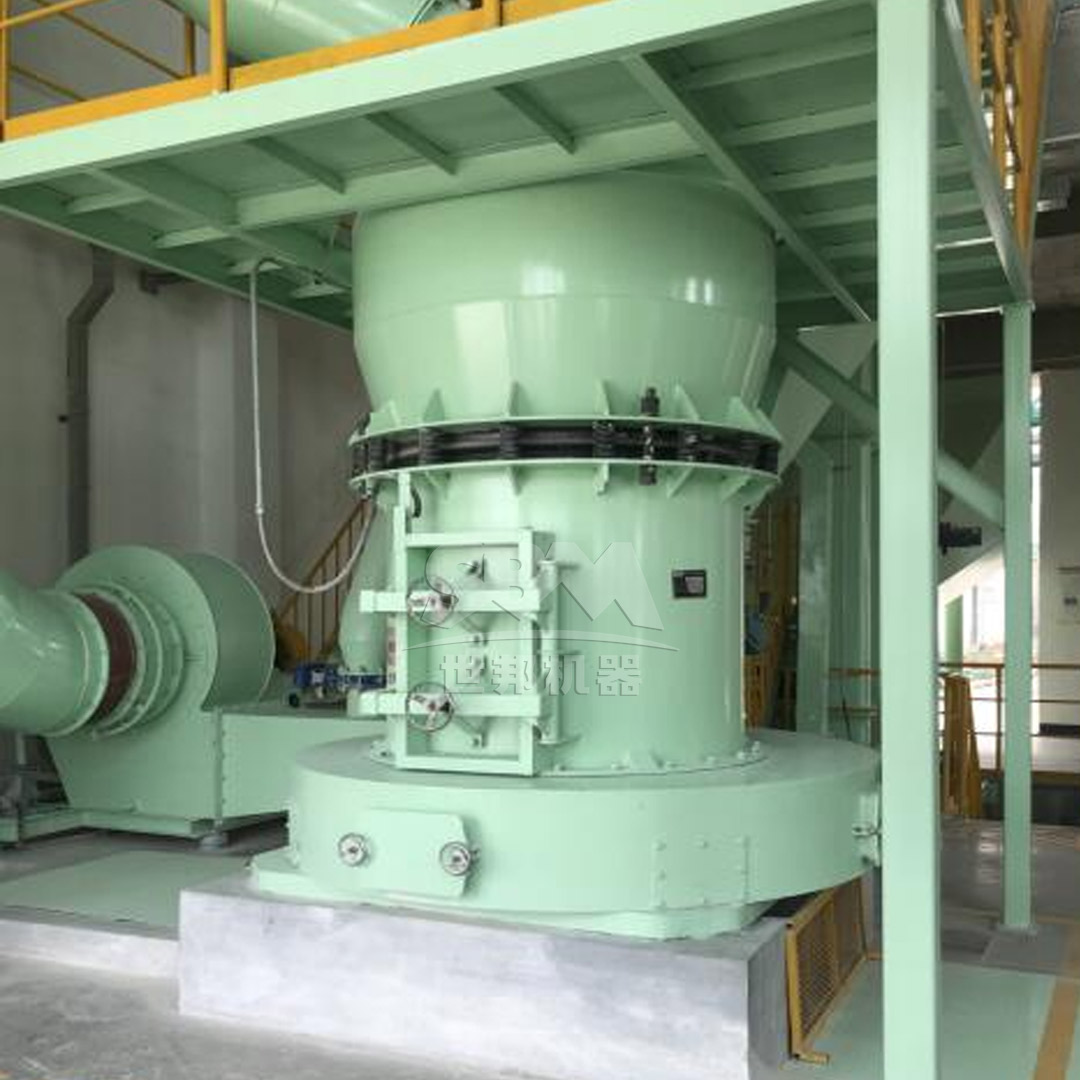
For these demanding ultrafine applications, we highly recommend our SCM Series Ultrafine Mill. This mill is engineered to deliver superior performance where precision is critical. Its high-precision vertical turbine classifier ensures sharp particle size cuts, eliminating coarse powder contamination and guaranteeing a uniform finished product—a vital requirement for high-value markets. The mill operates on a shaftless screw grinding chamber principle, where materials are crushed layer by layer under roller pressure, resulting in stable operation and high efficiency. Notably, the SCM Series offers capacity that is twice that of traditional jet mills while consuming approximately 30% less energy. Its special material rollers and rings are formulated for extreme durability, extending service life several times over when processing abrasive materials. For a plant aiming to produce 5 to 25 tons per hour of ultrafine phosphate powder, the SCM1680 model provides an ideal balance of power, precision, and productivity.
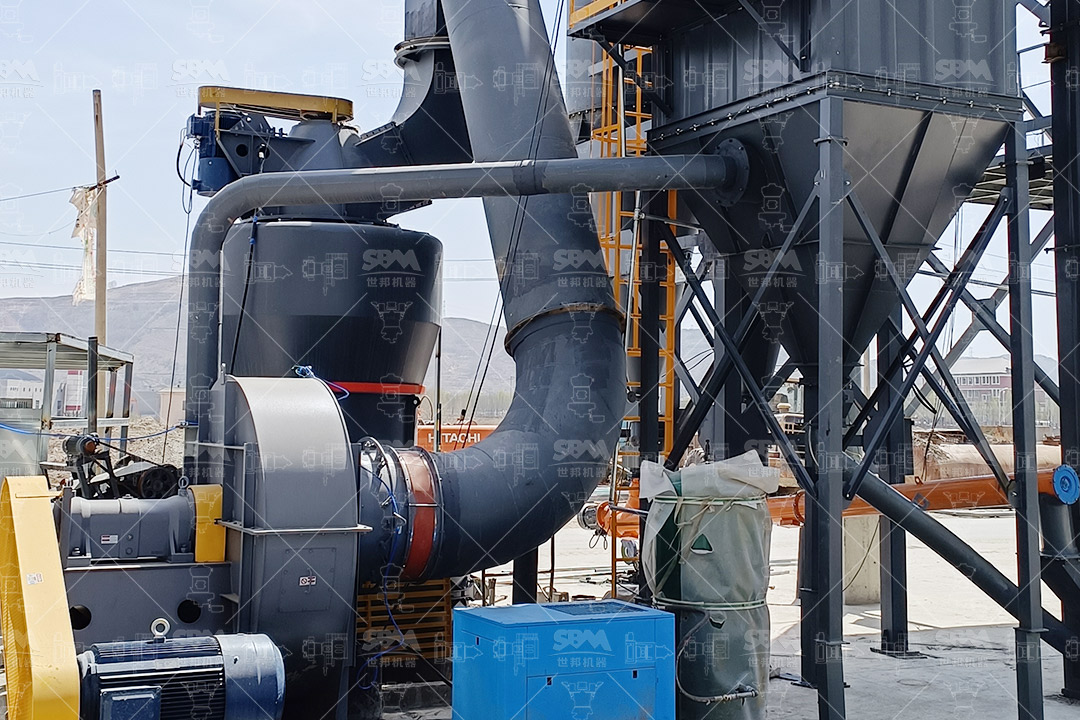
A grinding system is more than just a mill. A complete, optimized circuit includes efficient feeding, classification, product collection, and dust control. Modern mills are designed as integrated systems. Both the MTW and SCM series come equipped with high-efficiency pulse dust collection systems that exceed international emission standards, ensuring a clean working environment and regulatory compliance. Intelligent control systems with automatic finished product granularity feedback allow for stable, automated operation with minimal manual intervention, further optimizing energy use and product consistency.
Selecting the right grinding equipment is a strategic decision for any phosphate rock processor. The evolution from traditional ball mills to advanced, energy-efficient vertical and trapezium roller mills offers a clear path to reducing operating costs and improving product quality. For standard fineness requirements at high capacity, the MTW Series European Trapezium Mill provides durability and efficiency through its wear-resistant design and advanced drive system. For ventures into high-value ultrafine phosphate products, the SCM Series Ultrafine Mill delivers unmatched precision and energy savings. By investing in the correct grinding technology, phosphate processors can secure a significant competitive advantage through enhanced efficiency, lower production costs, and the ability to meet diverse market specifications.