Graphite, a crystalline form of carbon, is a critical industrial mineral valued for its unique properties, including high thermal and electrical conductivity, lubricity, and chemical inertness. Its applications span diverse sectors, from refractories and foundries to the rapidly expanding markets of lithium-ion batteries and advanced composites. The performance of graphite in these end-uses is intrinsically linked to its particle size distribution, purity, and morphology. Therefore, selecting the appropriate grinding and processing equipment is paramount to achieving the desired product specifications, maximizing yield, and ensuring economic viability. This article explores the key considerations in graphite processing and highlights advanced milling technologies that form the backbone of efficient and profitable graphite production plants.
Processing graphite presents several distinct challenges that not all grinding equipment can address effectively. Understanding these is crucial for equipment selection.
For many applications, particularly in expandable graphite and certain battery anode materials, preserving the natural lamellar or flaky structure of graphite is essential. Overly aggressive grinding methods that rely primarily on impact can destroy this structure, reducing the material’s value. The ideal mill applies a combination of shear and compression forces to delaminate and size the flakes without excessive fracturing.
Advanced applications, such as conductive coatings and high-performance composites, often require graphite powders in the micron and sub-micron range (e.g., D97 < 10μm). Reaching these fineness levels efficiently, without excessive energy consumption or heat generation, demands specialized fine and ultra-fine grinding technologies with precise classification systems.
Graphite’s lubricity and purity are key selling points. Contamination from grinding media (e.g., iron from steel balls) or mill liners can be detrimental. Equipment designed with minimal metal-to-metal contact, ceramic linings, or advanced material selection for wear parts is critical for high-purity products.
Communition is typically the most energy-intensive stage in mineral processing. Given the often-fine product requirements for graphite, selecting energy-efficient grinding solutions directly impacts the operational cost and carbon footprint of the plant.
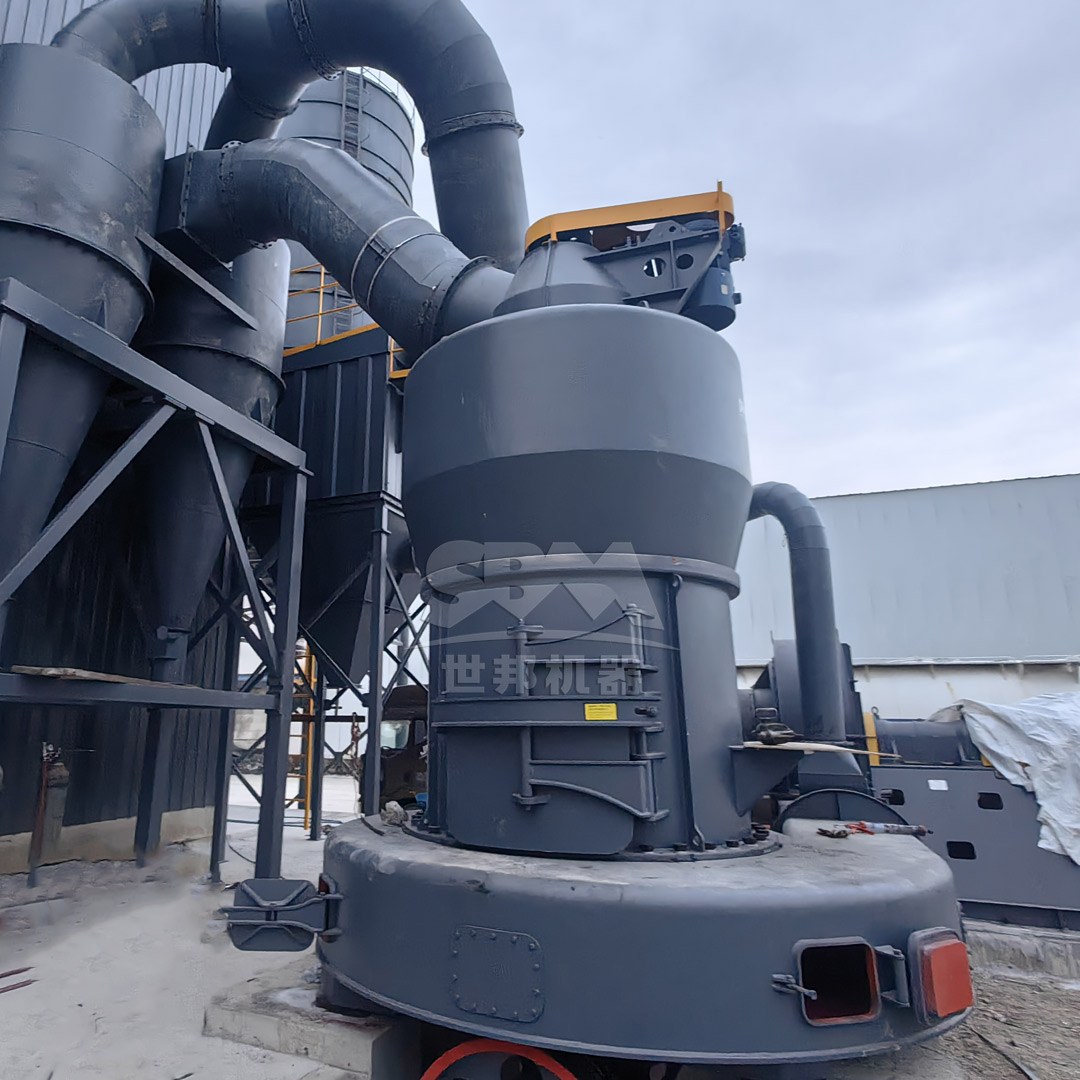
A range of milling equipment can be deployed in a graphite processing circuit, each suited to different stages and product goals.
Run-of-mine graphite ore is first reduced to a manageable feed size (typically below 50mm) using jaw crushers, cone crushers, or hammer mills. For dedicated graphite processing, a hammer mill is an excellent choice for secondary crushing due to its high reduction ratio and ability to handle moderately abrasive materials.
| Model | Capacity (t/h) | Power (kW) | Rotor Size (mm) |
|---|---|---|---|
| PC4012-90 | 15-40 | 90 | Φ900×1200 |
| PC4015-132 | 40-70 | 132 | Φ1150×1500 |
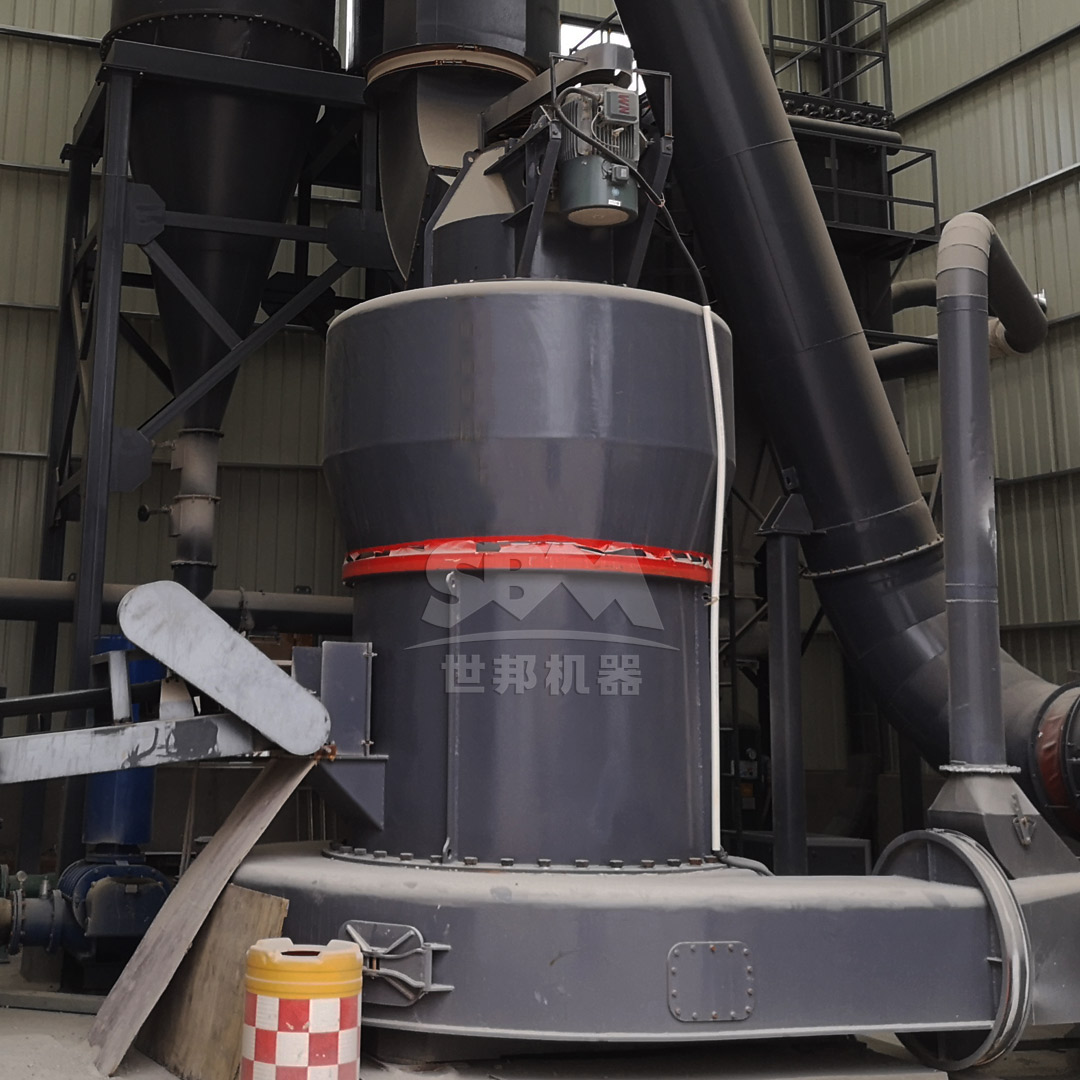
For producing coarse to medium-fine graphite powders used in refractories, lubricants, and brake linings, robust and efficient mills are required. The MTW Series European Trapezium Mill stands out in this category. Its curved shovel design and anti-wear materials are well-suited to handling graphite’s abrasive nature, while the integral bevel gear drive ensures high transmission efficiency and reliability. With an output range of 30-325 mesh (600-45μm) and capacities from 3 to 45 tons per hour, it offers a balanced solution for high-volume fine grinding with controlled particle size distribution.
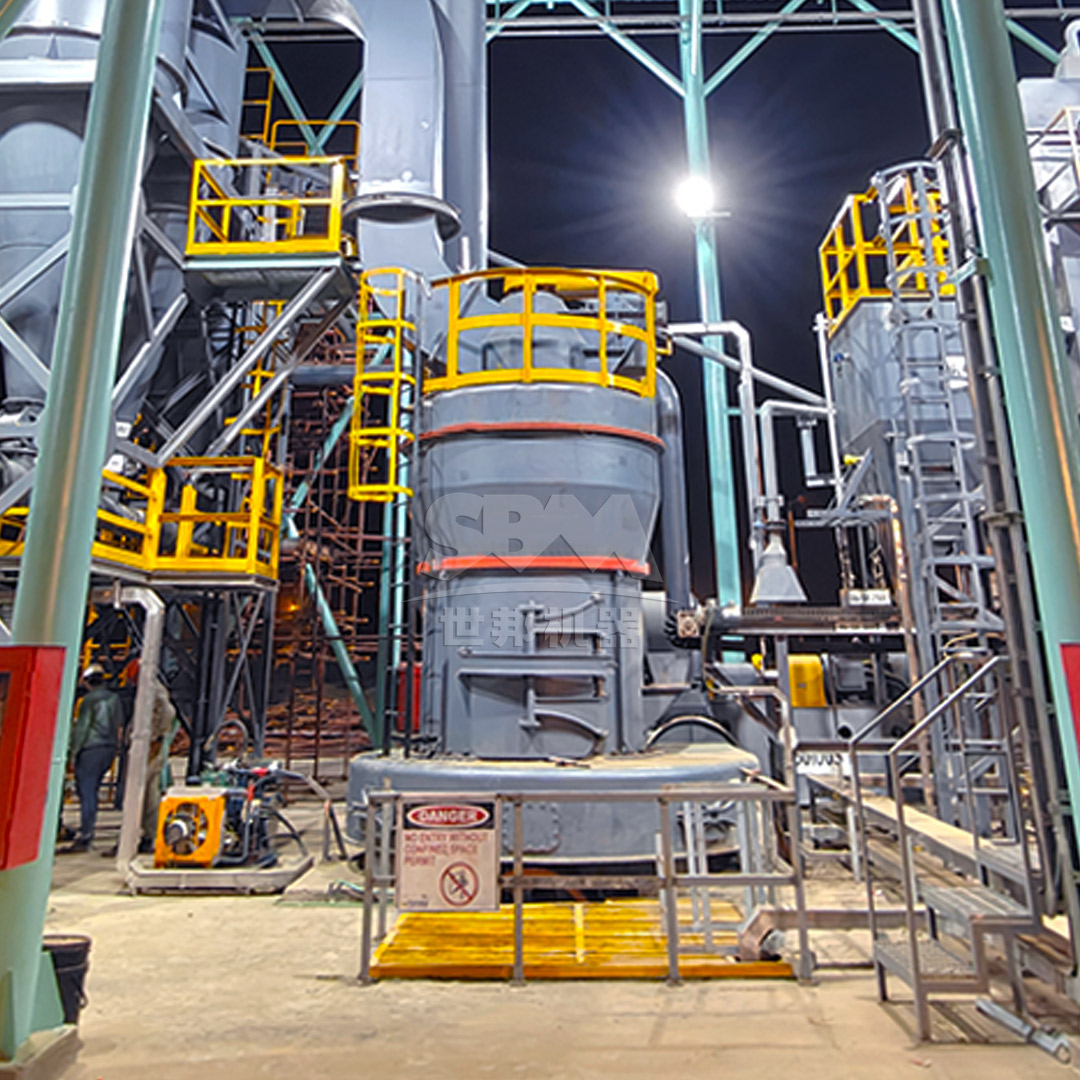
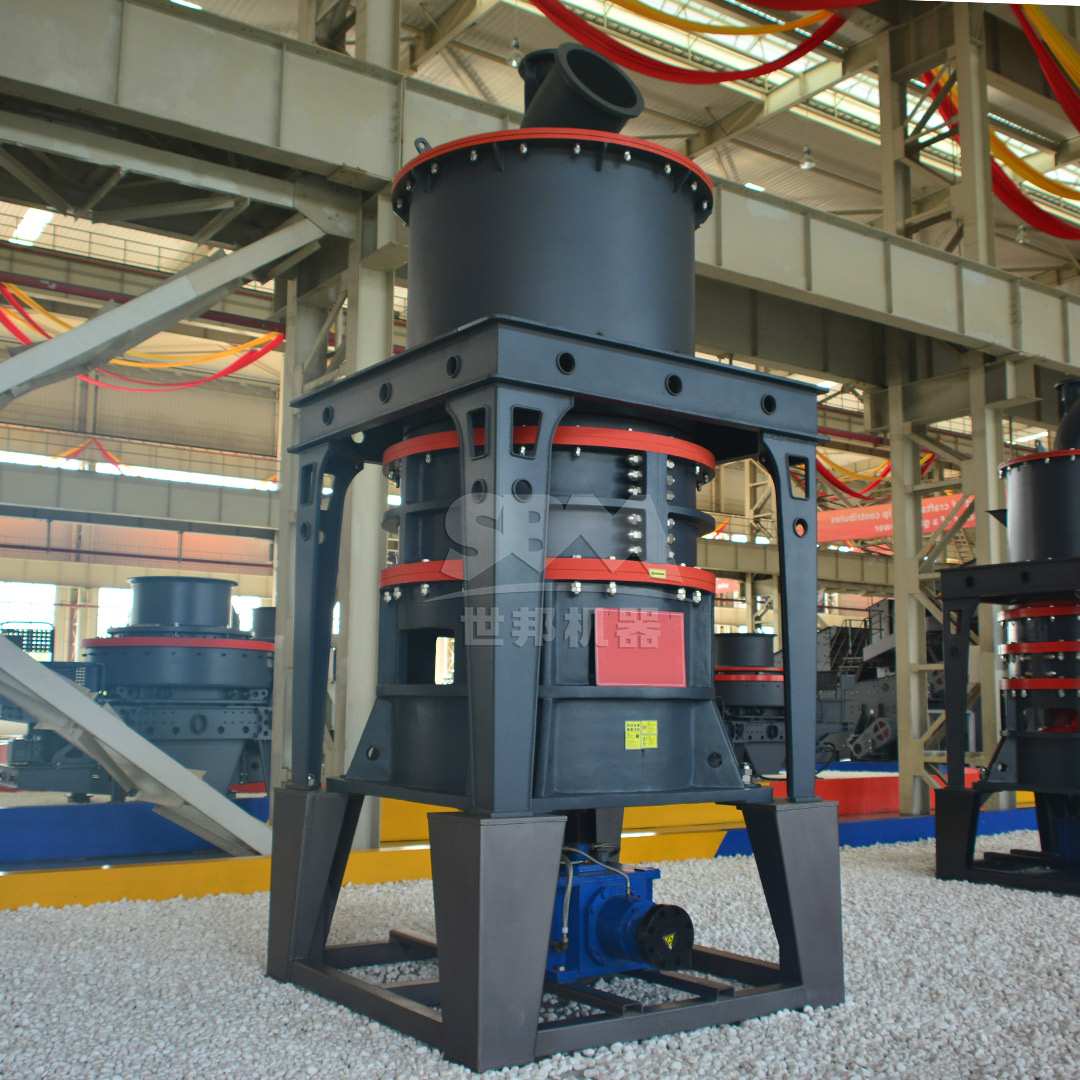
This is the most critical stage for high-value graphite products. The industry benchmark for this application is the SCM Series Ultrafine Mill. This mill is engineered specifically for producing micron and sub-micron powders with high efficiency. Its vertical turbine classifier provides exceptional precision in particle size cutting, ensuring a uniform product without coarse particle contamination—a vital requirement for battery-grade graphite. Furthermore, its special material rollers and rings offer extended service life, directly reducing maintenance costs and contamination risk. With fineness adjustable between 325 and 2500 mesh (45-5μm) and a capacity range of 0.5 to 25 t/h, the SCM series provides a scalable solution from pilot plants to large-scale production.
| Model | Capacity (t/h) | Main Power (kW) | Fineness (mesh) |
|---|---|---|---|
| SCM1000 | 1.0-8.5 | 132 | 325-2500 |
| SCM1250 | 2.5-14 | 185 | 325-2500 |
| SCM1680 | 5.0-25 | 315 | 325-2500 |
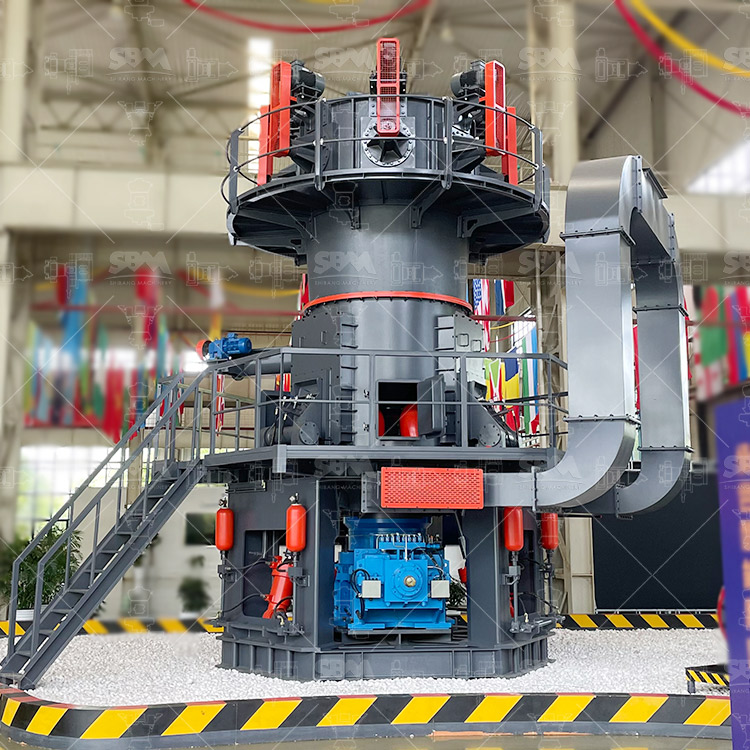
For large-scale production requiring integrated drying, grinding, and classification in a single unit, Vertical Roller Mills (VRMs) like the LM Series offer significant advantages. They are highly energy-efficient, consuming 30-40% less power than traditional ball mill systems, and have a compact footprint. Their ability to handle moist feed (with hot air) and produce a wide range of fineness (30-325 mesh, up to 600 mesh for special models) makes them suitable for processing natural graphite concentrates.
A successful graphite plant is more than just a collection of mills. It is a seamlessly integrated system designed for efficiency, purity, and reliability.
The circuit begins with raw material handling, including feeding, primary crushing, and intermediate storage. Automated belt conveyors and vibrating feeders ensure a consistent and controlled feed rate to the grinding circuits, which is critical for stable mill operation.
Most high-grade graphite production employs a multi-stage approach. A primary grinder (like an MTW Mill) reduces material to a middling product, which is then fed to an ultra-fine mill (like the SCM Series) for final sizing. High-efficiency classifiers (often integrated into the mills) continuously separate product-sized particles from the grinding circuit, preventing over-grinding and optimizing energy use.
Downstream of grinding, processes like flotation, chemical leaching, or thermal purification may be integrated to achieve the required carbon content. For some applications, coating or surface modification of the graphite particles is necessary, requiring specialized mixing and drying equipment.
Graphite dust is a significant concern. A complete plant must incorporate a robust dust collection system, such as pulse-jet baghouse filters, at every potential dust generation point. Modern mills like the SCM and MTW series are designed for negative pressure operation with integrated high-efficiency collectors, ensuring a clean working environment and compliance with emission standards.
Modern grinding plants rely on Programmable Logic Controller (PLC) systems for automation. Key parameters—such as feed rate, mill load, classifier speed, and temperature—are monitored and adjusted in real-time. This ensures consistent product quality, maximizes throughput, and allows for remote monitoring and troubleshooting.
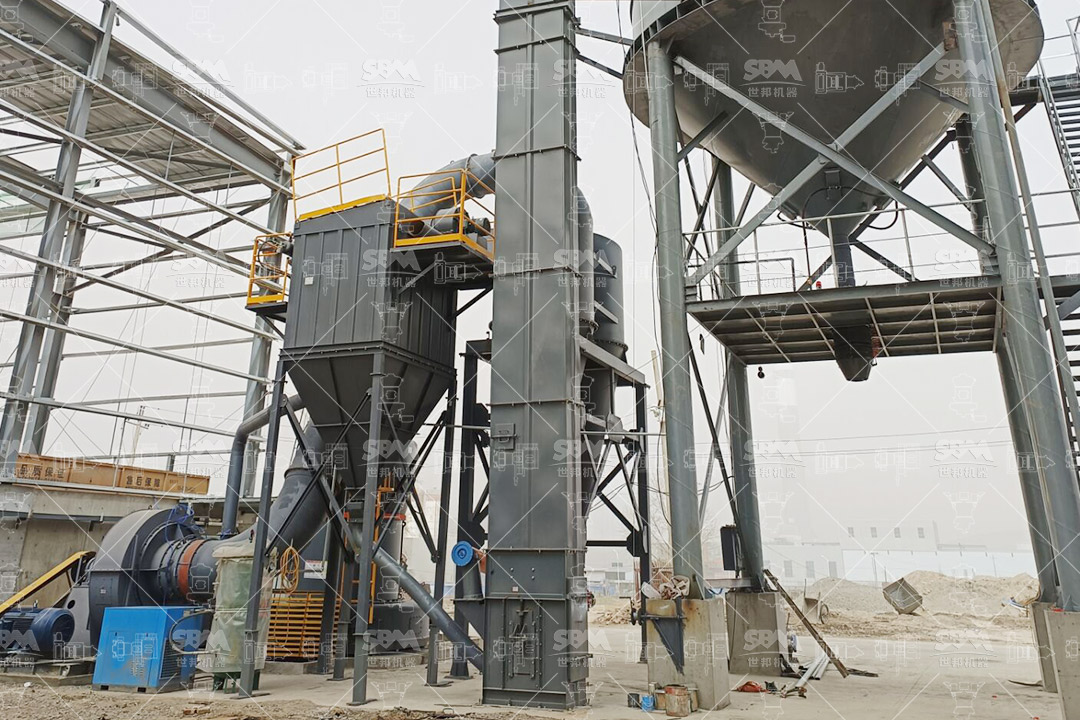
The evolution of graphite markets demands equally advanced processing solutions. The choice of grinding equipment is not a one-size-fits-all decision but a strategic selection based on desired product attributes, capacity, and cost objectives. From the high-volume, efficient fine grinding of the MTW Series European Trapezium Mill to the precision ultra-fine capabilities of the SCM Series Ultrafine Mill, today’s technologies offer graphite producers the tools to achieve superior product quality, operational efficiency, and environmental stewardship. Investing in a well-designed, complete plant solution that integrates these advanced mills with robust auxiliary systems is the definitive path to building a competitive and sustainable graphite processing operation.