The efficient processing of iron ore, from raw, mined material to a refined concentrate suitable for steelmaking, relies heavily on a sophisticated sequence of size reduction and liberation stages. At the heart of this process lie two fundamental equipment categories: crushing machinery and grinding mills. Each plays a distinct and critical role, with crushing handling the primary and secondary reduction of large rocks, and grinding achieving the fine particle sizes necessary for effective mineral separation. This article provides a comprehensive overview of the primary types of equipment used in these stages, focusing on their working principles, applications, and key selection criteria for iron ore processing plants.
The journey of iron ore begins with the reduction of blasted rock, which can be over a meter in size, down to a manageable feed for grinding circuits, typically under 25mm. This is accomplished in multiple stages.
Jaw crushers are the workhorses of primary crushing. They utilize a fixed and a moving jaw plate to create a V-shaped cavity. The ore is fed into the top and is progressively crushed as the moving jaw exerts compressive force against the fixed jaw. They are renowned for their robustness, simplicity, and ability to handle hard, abrasive ores like iron. Their output size is adjustable based on the gap setting at the discharge point.
For high-capacity primary crushing stations, gyratory crushers are often preferred. They consist of a conical head gyrating within a larger conical shell. Ore is fed into the top and is crushed between the gyrating mantle and the stationary concave. Gyratories offer higher capacity and lower energy consumption per ton for large-scale operations compared to jaw crushers but come with a higher initial capital cost and more complex maintenance.
Cone crushers are the standard for secondary and tertiary crushing stages. Operating on a similar principle to gyratory crushers but on a smaller scale and with a faster gyration speed, they further reduce the ore from the primary crusher product (e.g., 250mm) down to a size suitable for grinding mill feed (e.g., 10-30mm). Modern cone crushers feature advanced hydraulic systems for setting adjustment, clearing, and overload protection, optimizing performance for iron ore’s specific characteristics.
| Crushing Stage | Typical Equipment | Input Size Range | Output Size (Product) |
|---|---|---|---|
| Primary | Jaw Crusher, Gyratory Crusher | Up to 1.5m | 150 – 250 mm |
| Secondary | Cone Crusher | 150 – 250 mm | 30 – 60 mm |
| Tertiary | Cone Crusher (Fine) | 30 – 60 mm | 6 – 20 mm |
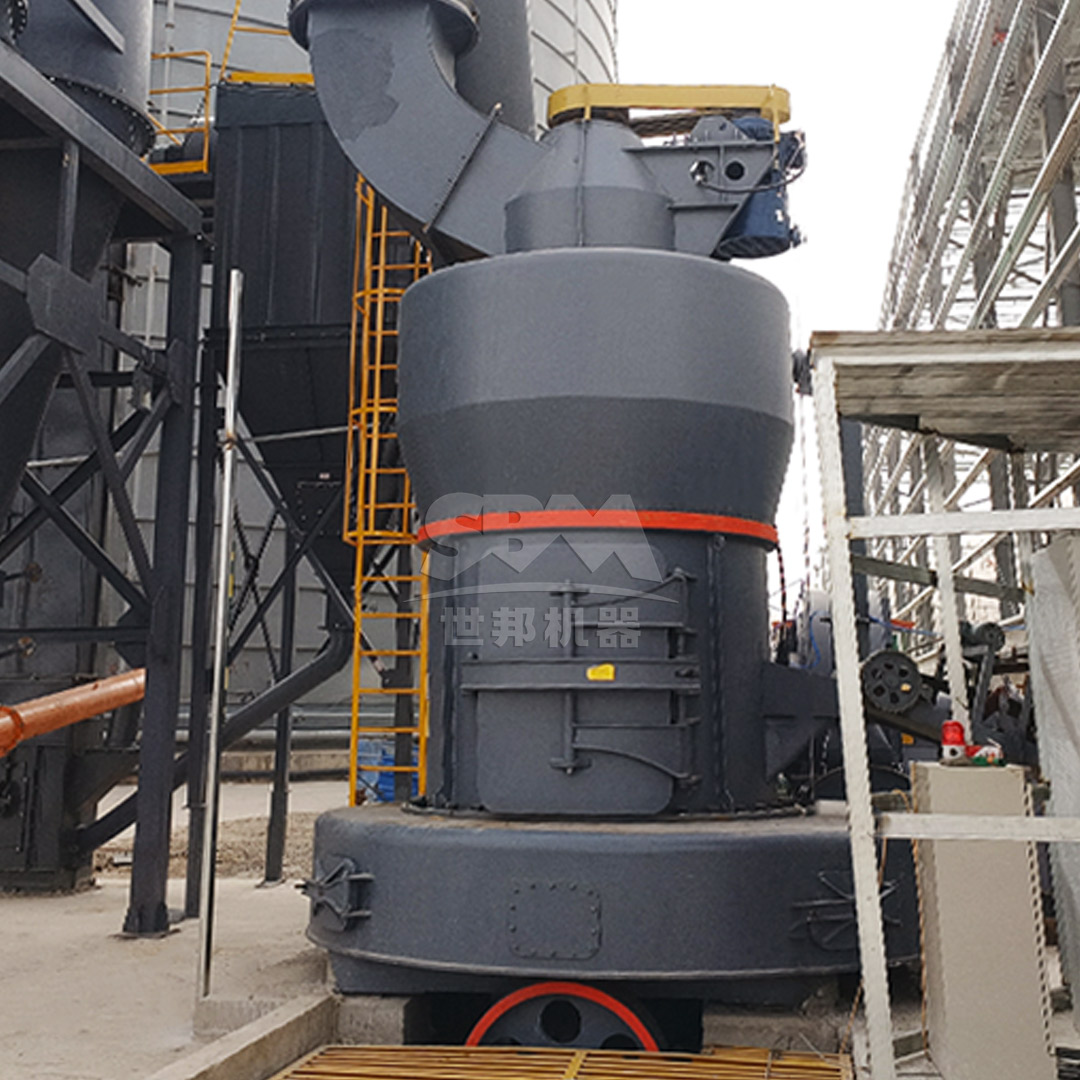
Following crushing, grinding is the energy-intensive process of liberating iron minerals (magnetite, hematite) from the gangue (silicate) matrix. The choice of grinding mill significantly impacts recovery rates, energy costs, and overall plant economics.
The most traditional and widely used grinding equipment, ball mills are rotating cylinders filled with steel grinding media (balls). As the mill rotates, the balls are lifted and then cascade down, impacting and abrading the ore particles. They are versatile, reliable, and capable of producing a wide range of product fineness. However, they are less energy-efficient compared to more modern technologies, especially in the finer size ranges, due to high noise levels and wear rates of balls and liners.
Similar in construction to ball mills but using long steel rods as the grinding media, rod mills are often employed as the first stage of grinding. They provide a selective, coarse grinding action with less over-grinding of fines, which can be beneficial in certain iron ore processing flowsheets to prevent sliming. They are typically used in open circuit to produce a feed for ball mills.
HPGRs represent a significant advancement in comminution technology. They operate by compressing a bed of ore particles between two counter-rotating rolls under extremely high pressure. This inter-particle crushing is highly energy-efficient and often generates micro-cracks within particles, improving downstream grinding performance (a concept known as \”pre-weakening\”). In iron ore processing, HPGRs are increasingly used in tertiary crushing or as a pre-grinding stage before ball mills, leading to substantial energy savings.
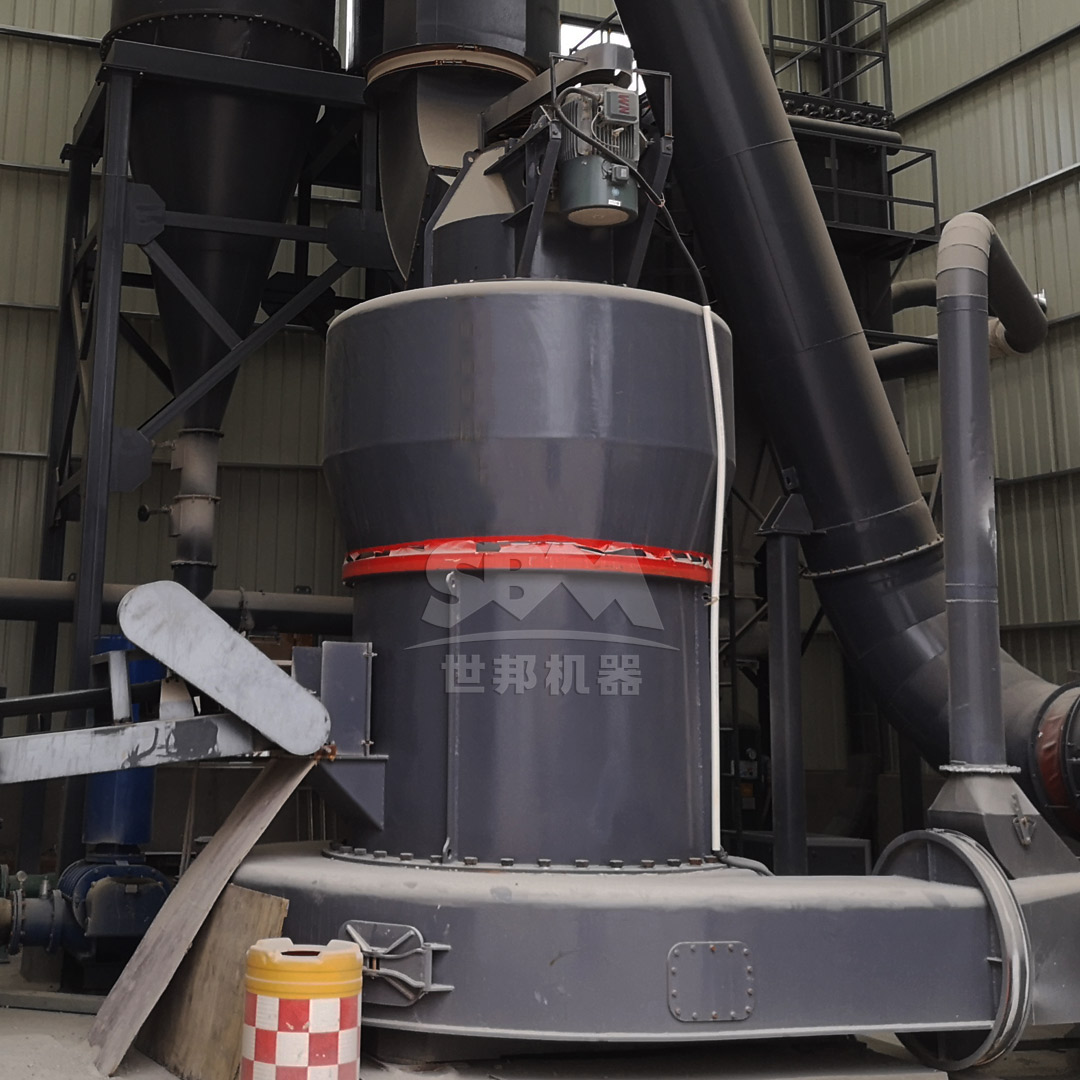
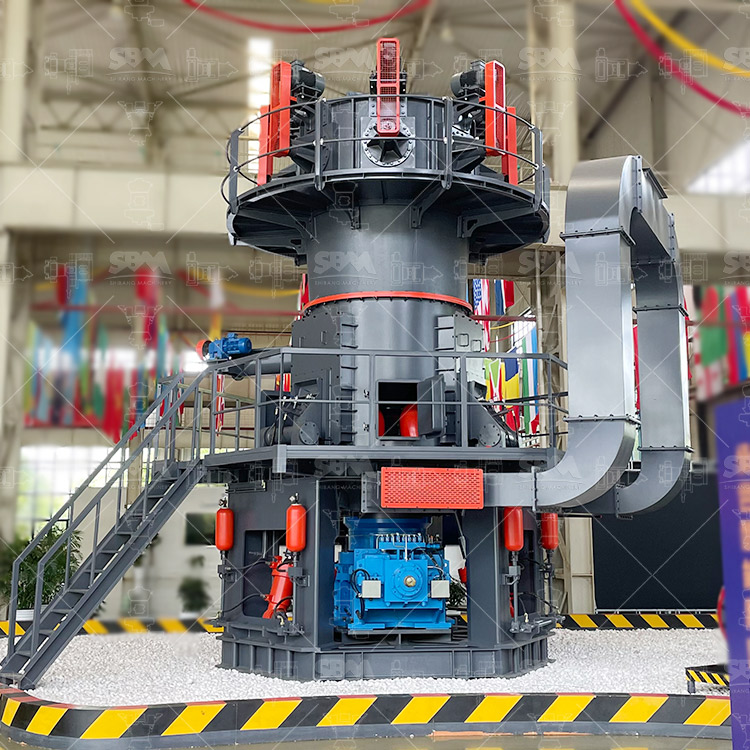
VRMs have become a dominant technology in cement grinding and are gaining traction in the iron ore sector. Material is fed onto a rotating table and is ground under pressure by rollers. A stream of hot gas dries and transports the fine particles to an integrated classifier. VRMs offer superior energy efficiency (30-50% less than ball mills), excellent drying capability for wet ores, and a compact footprint. Their ability to handle feed sizes up to 50mm can potentially simplify the preceding crushing circuit.
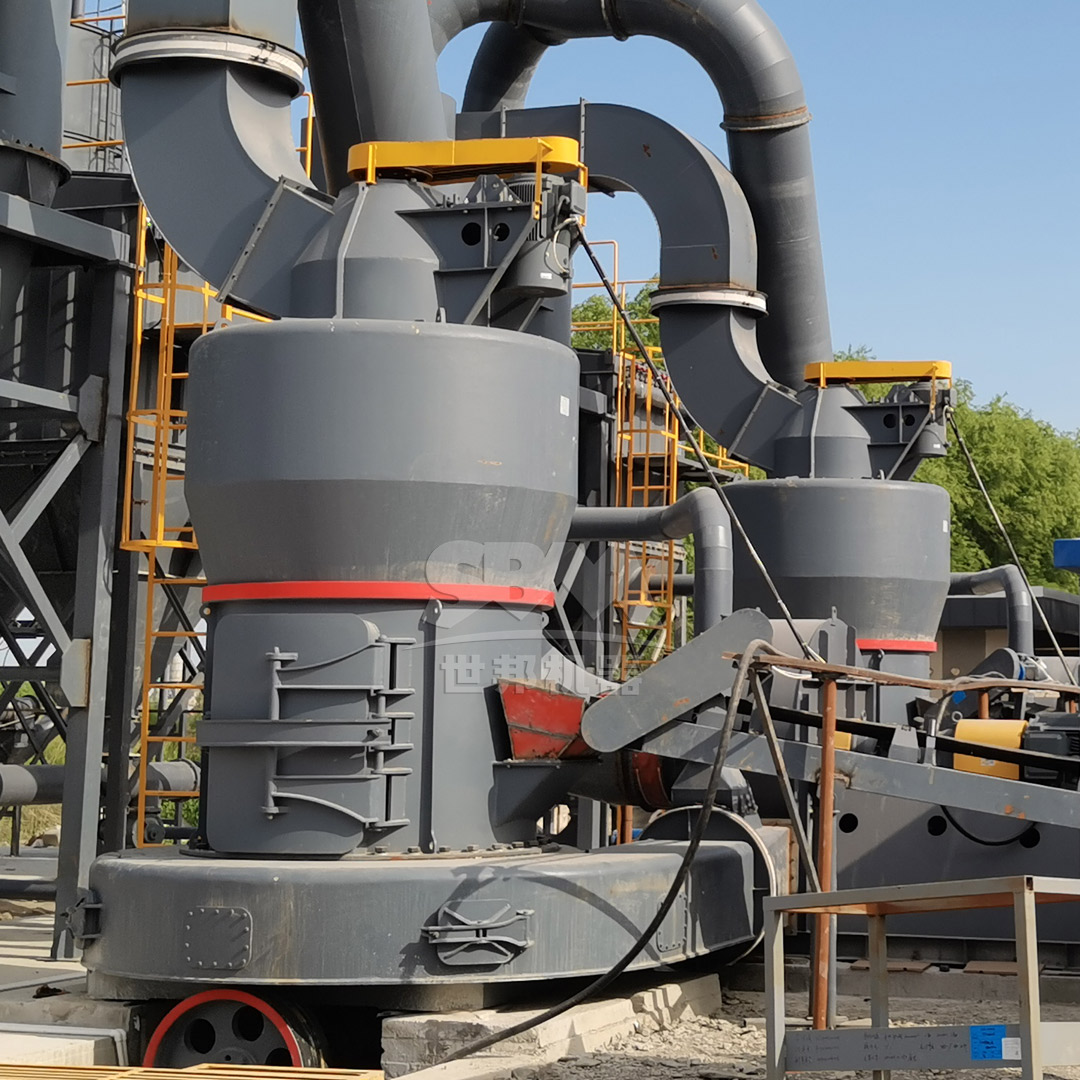
For operations seeking the pinnacle of efficiency and integration in fine grinding, our LM Series Vertical Roller Mill presents an optimal solution. Engineered specifically for minerals like iron ore, it features an integrated design that combines crushing, grinding, drying, and classification in a single unit, reducing floor space by up to 50%. Its non-contact grinding principle and wear-resistant materials extend component life significantly, while its intelligent control system ensures stable operation and optimal product fineness, typically in the range of 30-325 mesh. The fully sealed negative pressure operation guarantees environmental compliance, making it a future-proof investment for modern iron ore processing plants.
For ultra-fine grinding requirements, stirred mills are the technology of choice. They use a central screw or impeller to agitate small grinding media (ceramic or sand), creating a high-intensity grinding environment through attrition and abrasion. They are vastly more efficient than ball mills for achieving product sizes below 25 microns and are used in iron ore processing to liberate very finely disseminated ores or to re-grind concentrates for pelletizing.
Choosing the right combination of crushing and grinding equipment is paramount. Key factors include:
| Mill Type | Typical Feed Size (mm) | Typical Product P80 (μm) | Key Advantage | Key Consideration |
|---|---|---|---|---|
| Ball Mill | <25 | 75 – 250 | Proven, reliable technology | High energy consumption, wear |
| Vertical Roller Mill (VRM) | <50 | 45 – 150 | High energy efficiency, drying | Higher operational complexity |
| High-Pressure Grinding Rolls | <60 | 4,000 – 30,000 (as pre-grind) | Very energy efficient, generates micro-cracks | Wear on rolls, feed preparation critical |
| Stirred Mill | <0.5 | 10 – 40 | Best for ultra-fine grinding | High media cost, specialized application |
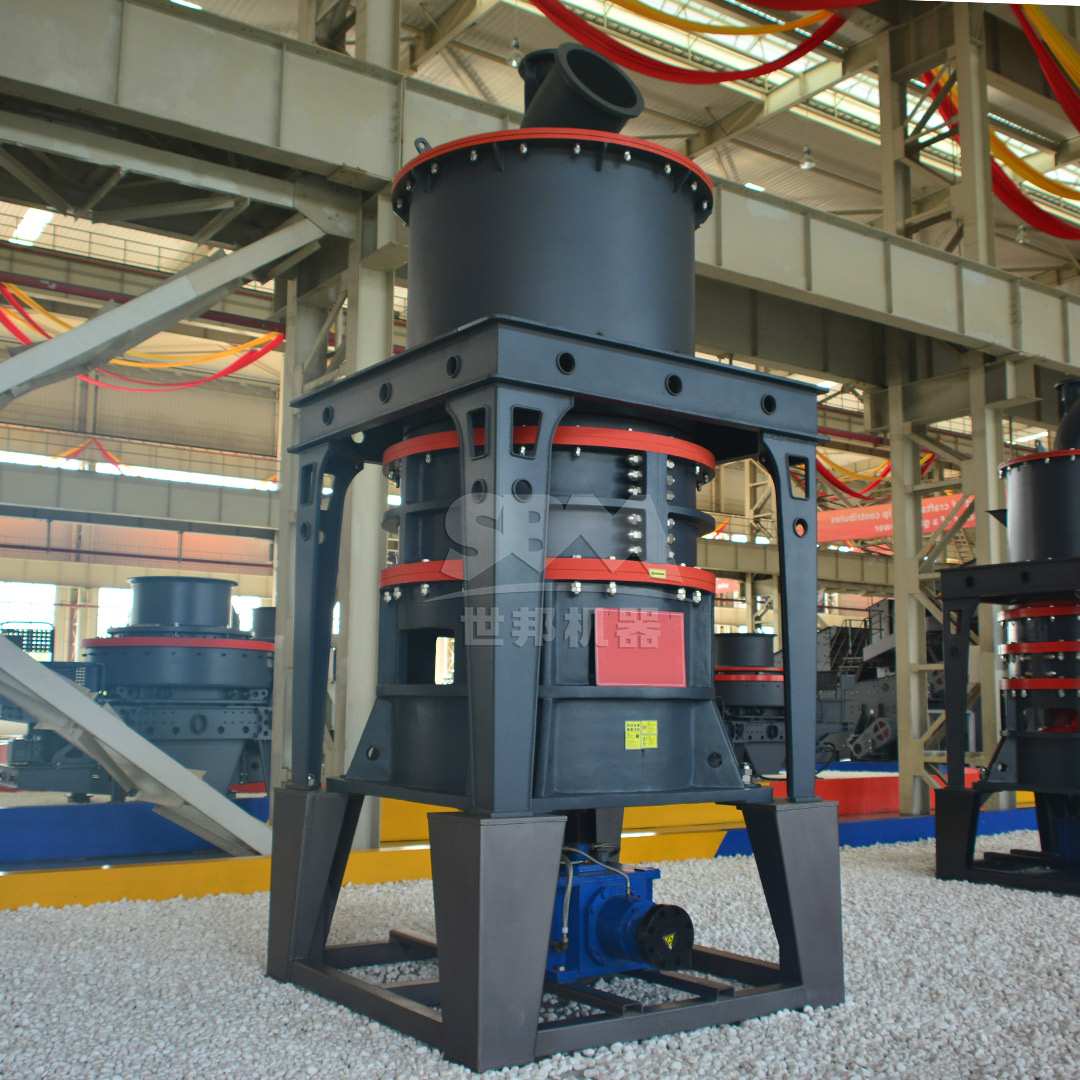
When the process demands extremely fine concentrates or the treatment of complex, finely disseminated ores, specialized equipment is required. Beyond stirred mills, advanced pendulum mills and ultrafine grinding systems come into play. These mills are designed for precise particle size control and high classification efficiency, ensuring a uniform product critical for downstream pelletizing or chemical processing.
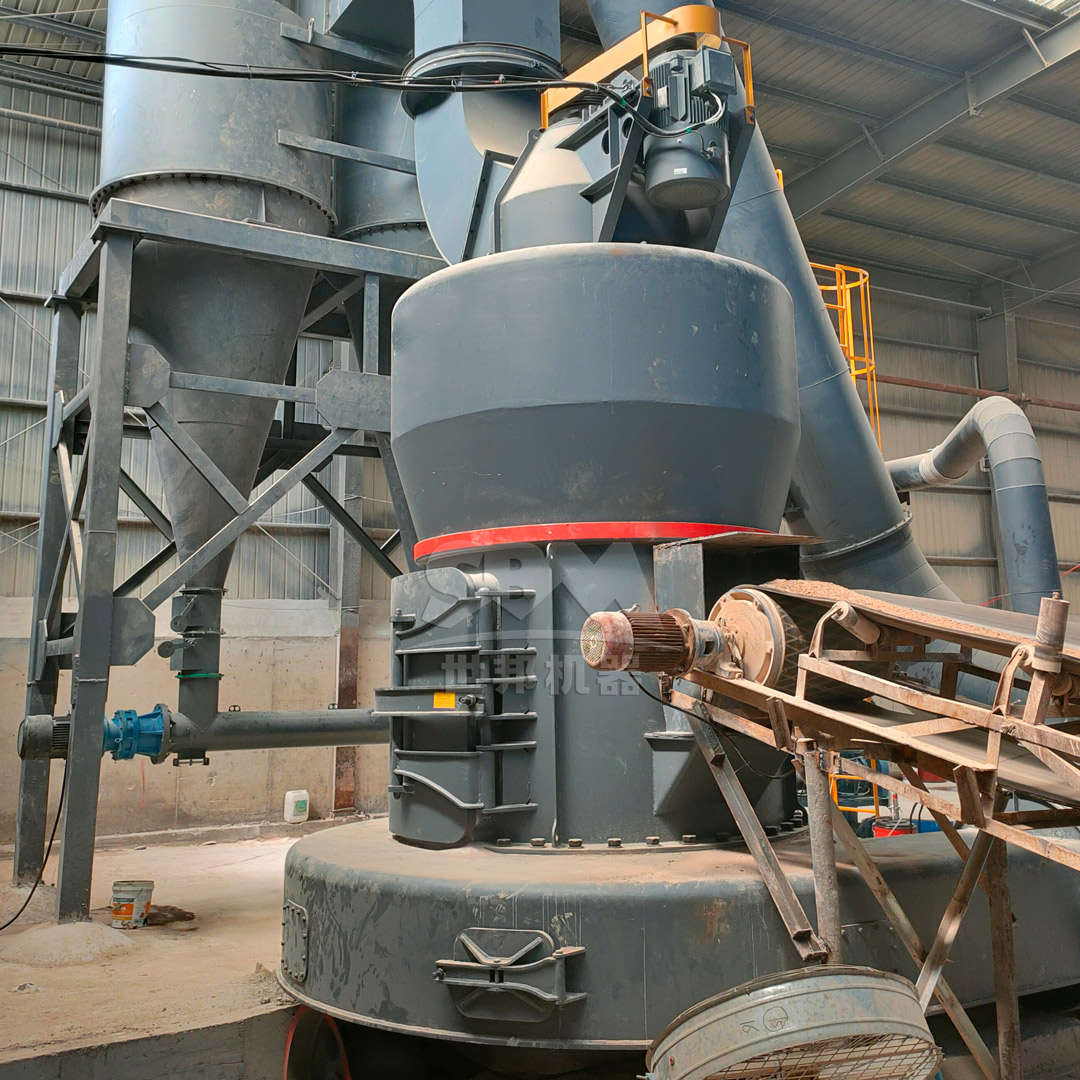
For applications requiring product fineness in the range of 325 to an impressive 2500 mesh (45-5μm), our SCM Series Ultrafine Mill stands out. It utilizes a unique three-layer grinding ring and roller system to achieve efficient layer-by-layer grinding. Its high-precision vertical turbine classifier ensures sharp particle size cuts with no coarse powder mixing. The mill is designed for durability with special material rollers and rings, and its eco-friendly design incorporates a highly efficient pulse dust collection system that exceeds international standards. With capacities ranging from 0.5 to 25 tons per hour across various models, it offers a scalable and efficient solution for producing premium-grade iron ore concentrates.
The landscape of iron ore comminution equipment is diverse and evolving. While robust jaw and cone crushers form the reliable backbone of size reduction, and traditional ball mills continue to serve in many plants, the push for lower energy consumption and higher efficiency is driving adoption of newer technologies like Vertical Roller Mills and High-Pressure Grinding Rolls. The optimal circuit design is never a one-size-fits-all solution; it requires a careful analysis of the ore body, product specifications, and total cost of ownership. By understanding the capabilities and applications of each type of crushing machinery and grinding mill, operators can design and operate processing plants that are not only effective but also sustainable and economically viable in the long term.