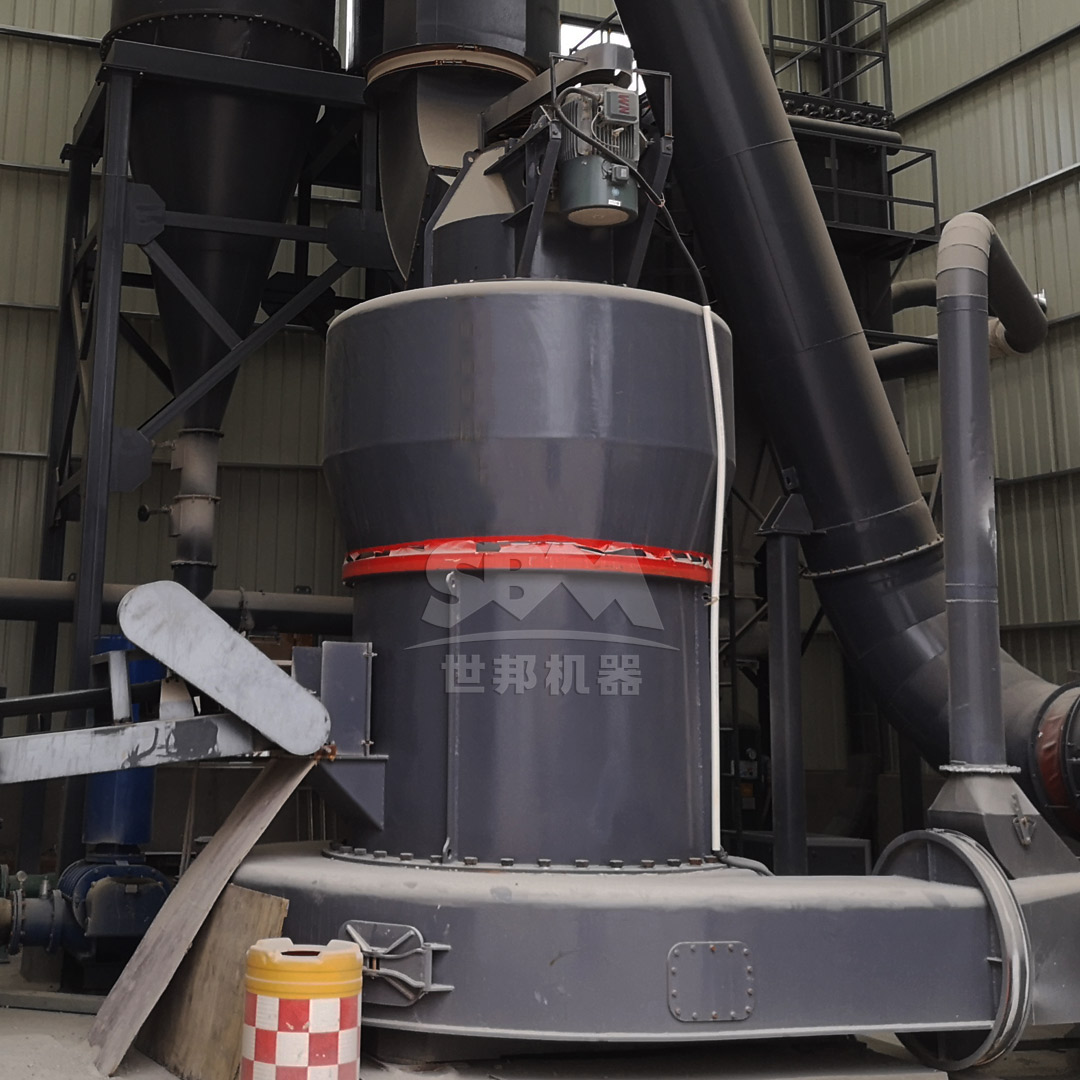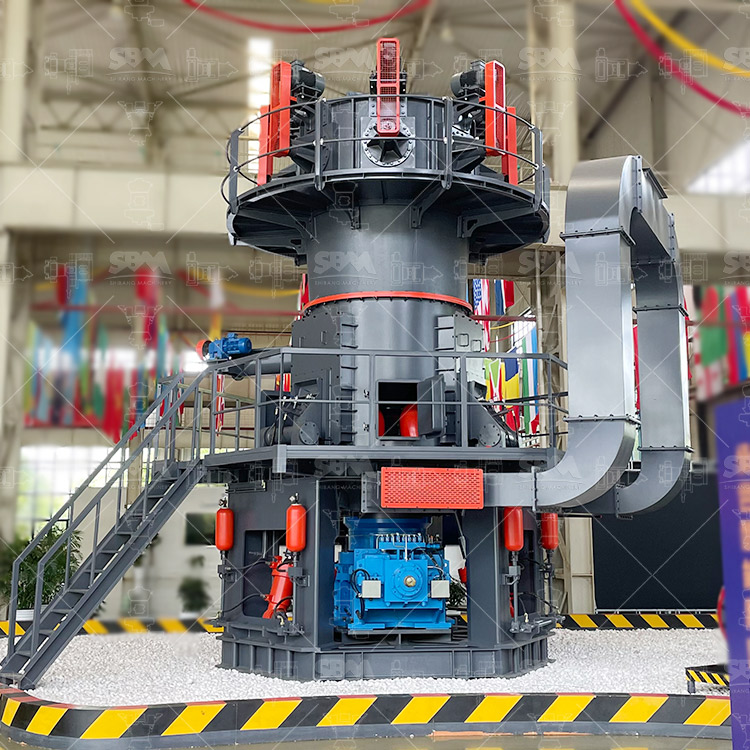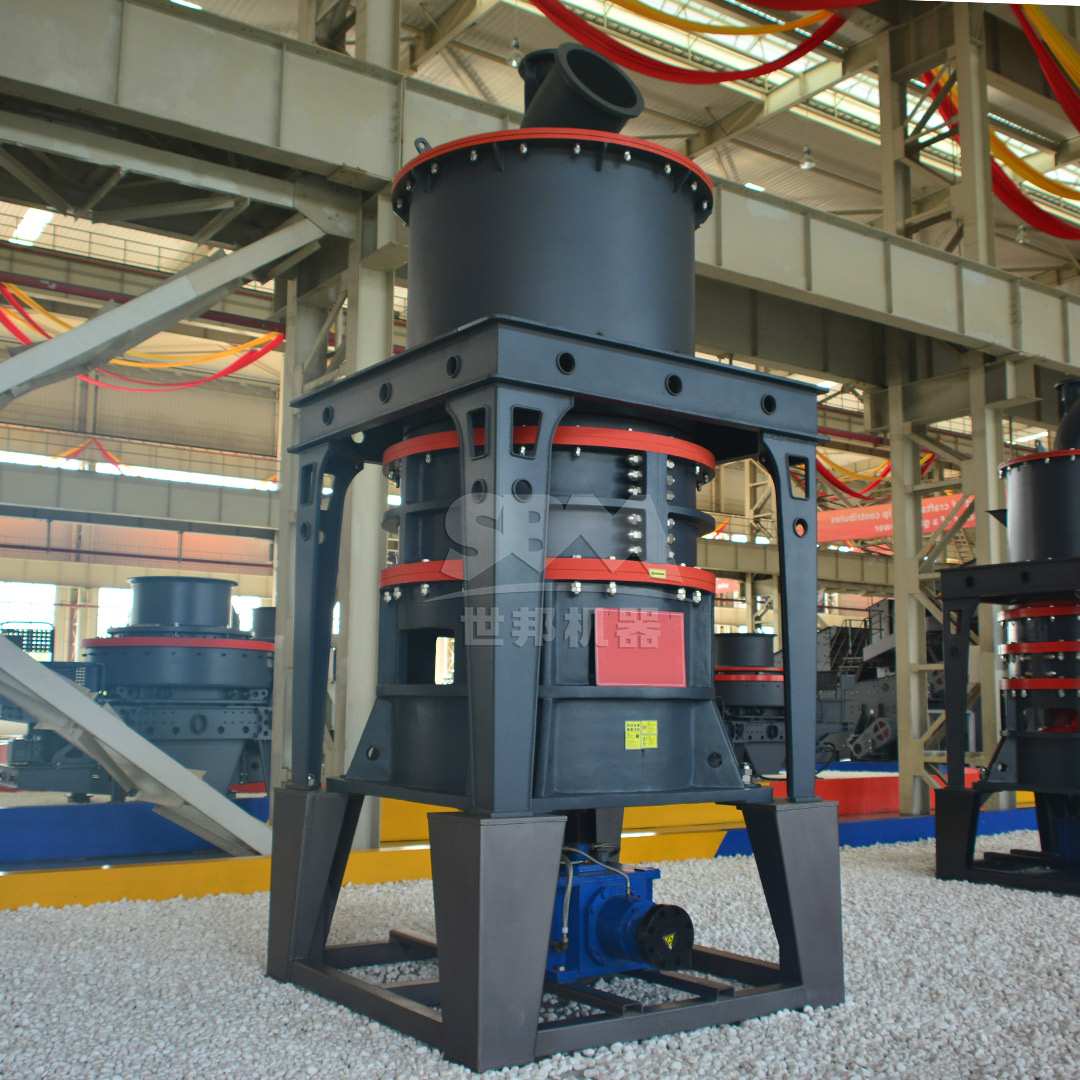
Bluestone, a fine-grained, durable sedimentary rock, is a versatile material widely used in construction, landscaping, and as a raw material for industrial fillers and additives. To unlock its full potential, bluestone must be processed into various grades of powder, ranging from coarse aggregates to ultrafine fillers. This transformation is critically dependent on selecting the right grinding equipment. The choice of mill directly impacts production efficiency, product quality, energy consumption, and operational costs. This article explores the technological requirements for bluestone grinding and highlights key milling solutions, with a focus on advanced equipment designed to meet modern industrial demands.
Bluestone typically has a Mohs hardness ranging from 3 to 5, placing it in the medium-hardness category. While not as abrasive as quartz or granite, its silica content and variable composition present specific challenges for grinding systems:
Therefore, an ideal bluestone grinding mill must offer robust construction, precise classification, energy efficiency, and flexibility in output adjustment.
Different stages of size reduction and final product requirements call for different mill types. The main technologies employed are:
For primary size reduction from quarry-run rock to smaller particles (0-3mm to 30mm), equipment like Hammer Mills and Jaw Crushers are used. For further grinding down to 0-3mm for applications like manufactured sand, Hammer Mills with high manganese steel liners are highly effective due to their high crushing ratio and simple structure.
| Model | Capacity (t/h) | Motor Power | Rotor Size |
|---|---|---|---|
| PC4012-90 | 15-40 | 90 kW | Φ900x1200mm |
| PC4015-132 | 40-70 | 132 kW | Φ1150x1500mm |
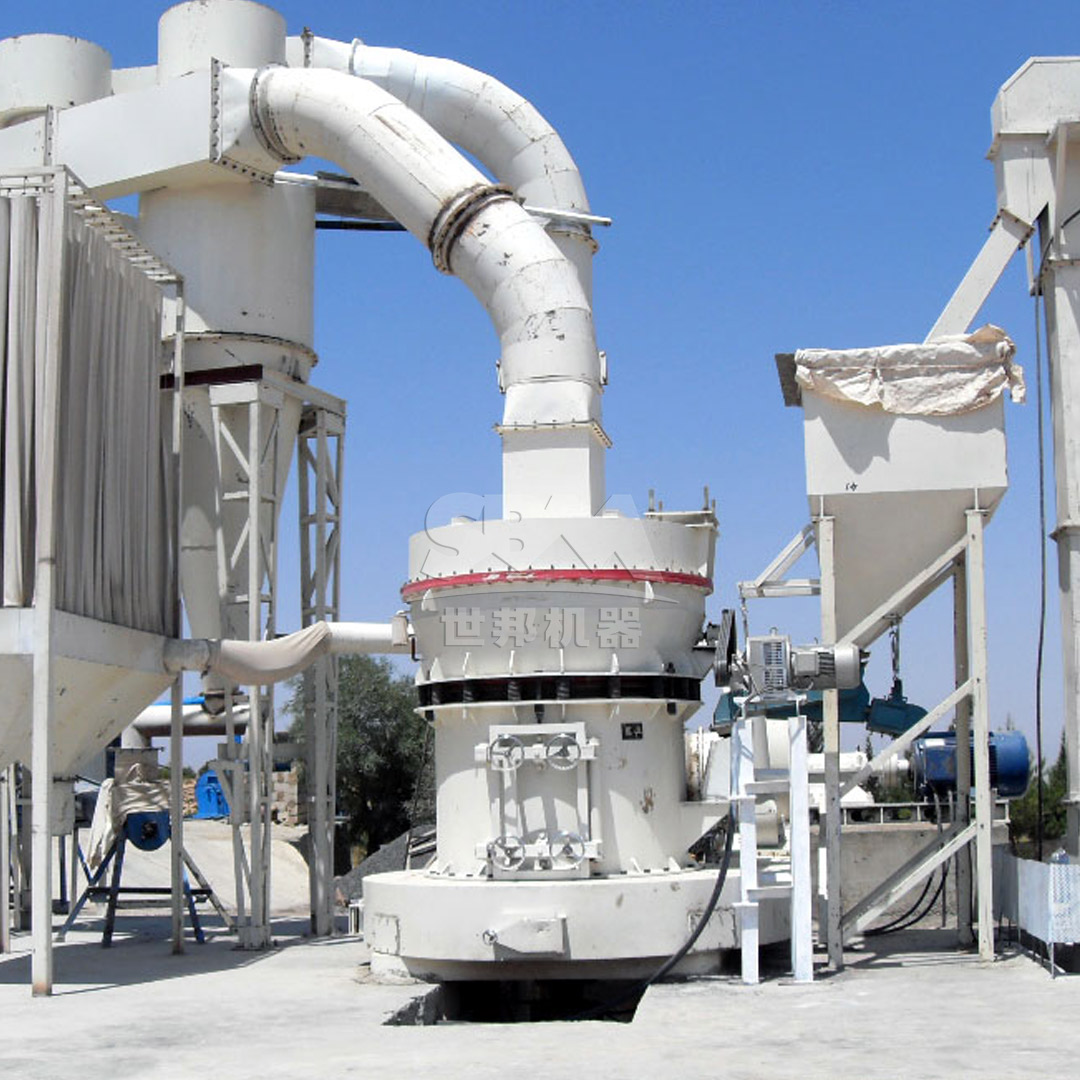
This is the most critical stage for producing bluestone powder for high-value applications. Here, advanced roller mill and pendulum mill technologies dominate.
Based on the diverse needs of bluestone processing, we recommend the following flagship products for their proven performance, reliability, and technological edge.
For projects requiring high-volume output of fine bluestone powder in the 30-325 mesh range, the MTW Series European Trapezium Mill is an outstanding choice. Its design incorporates several patented advancements that directly address the challenges of grinding medium-hard materials like bluestone.
Key Advantages for Bluestone:
| Model Example | Capacity (t/h) | Output Fineness | Main Motor Power |
|---|---|---|---|
| MTW175G | 9.5 – 25 | 10-325 mesh | 160 kW |
| MTW215G | 15 – 45 | 10-325 mesh | 280 kW |
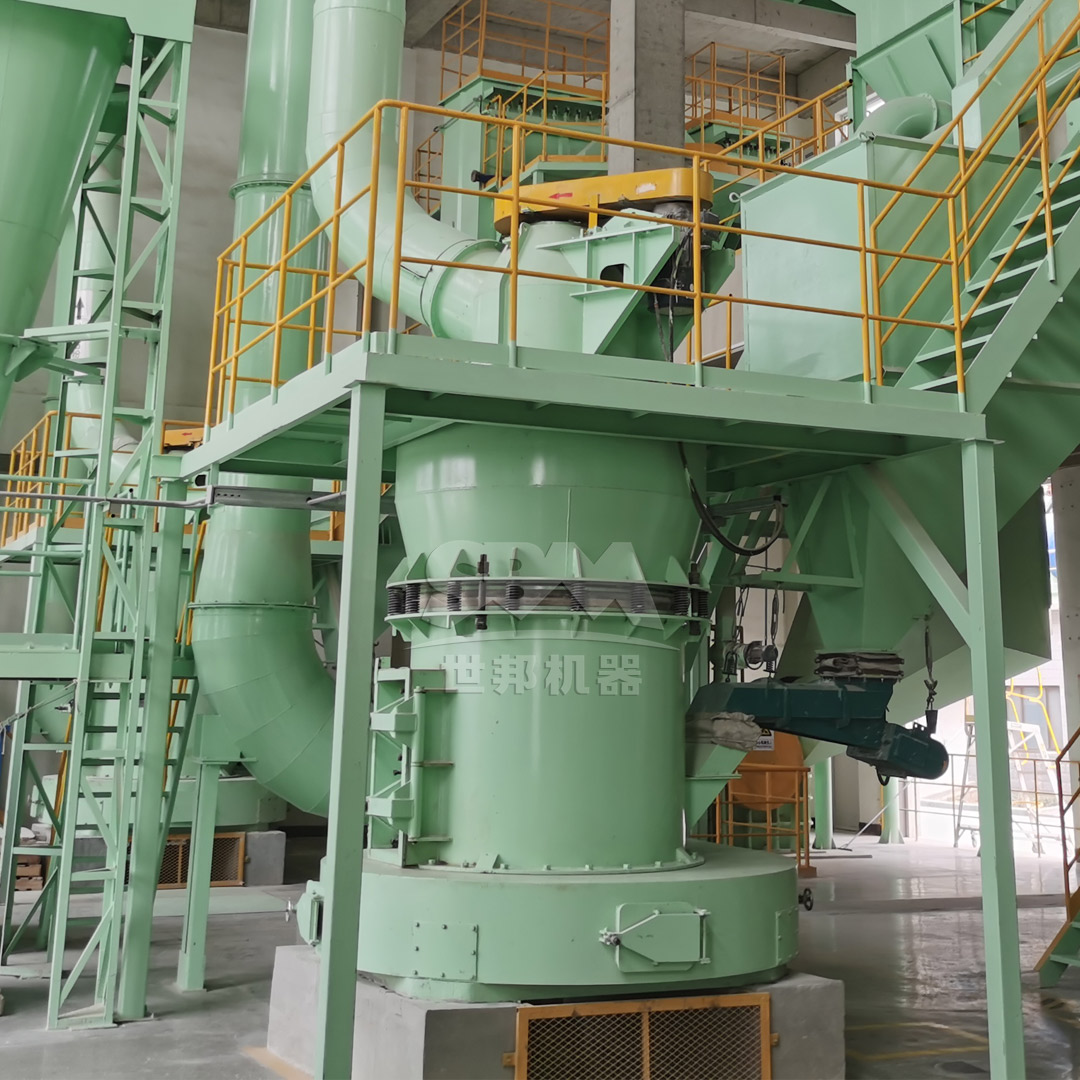
When the product target is ultrafine bluestone filler or coating powder (325-2500 mesh), the SCM Series Ultrafine Mill is the definitive technology. It is engineered to produce fine powders with exceptional energy efficiency and particle size control.
Why it excels for Ultrafine Bluestone:
| Model | Capacity (t/h) | Output Fineness | Main Motor Power |
|---|---|---|---|
| SCM1000 | 1.0 – 8.5 | 325-2500 mesh | 132 kW |
| SCM1680 | 5.0 – 25 | 325-2500 mesh | 315 kW |
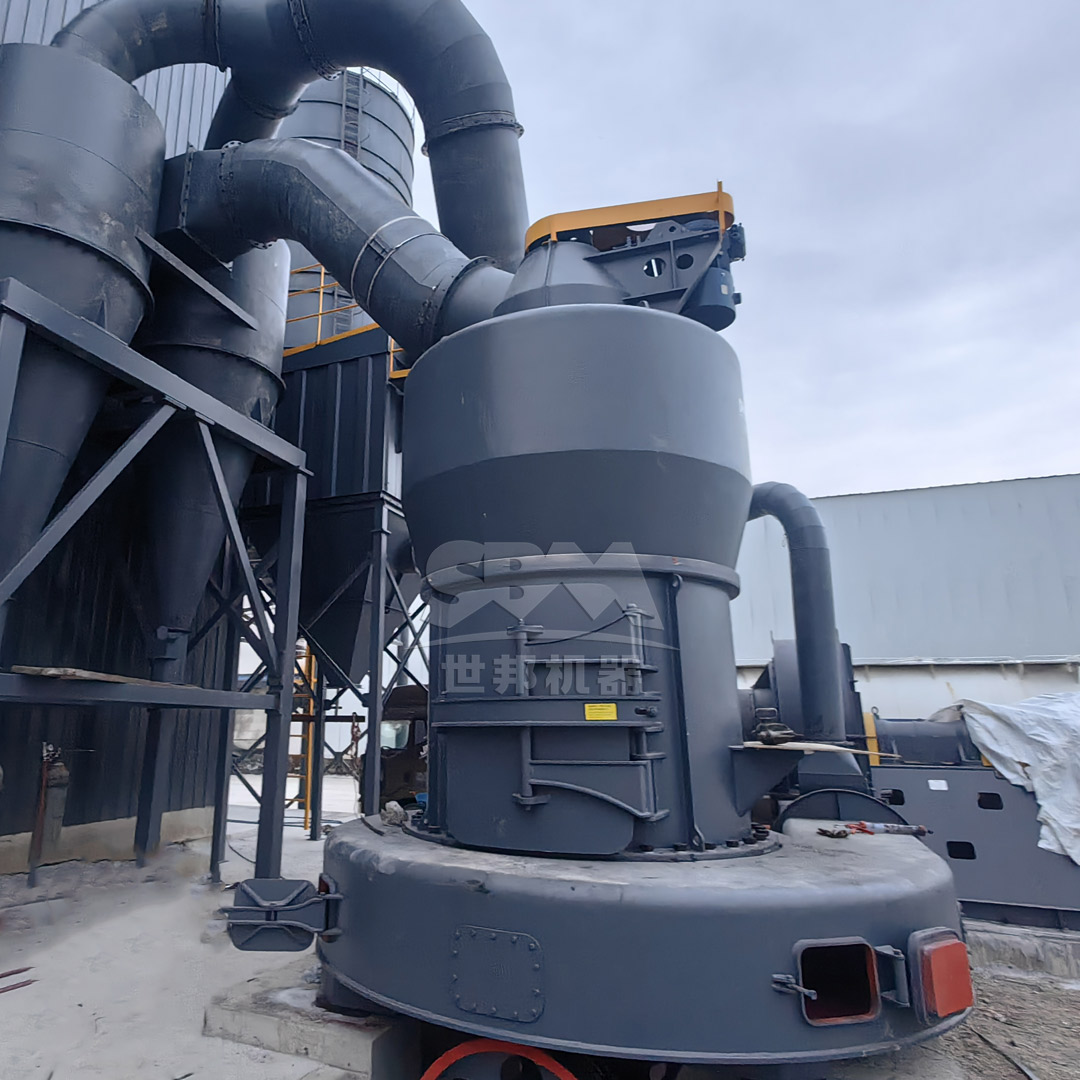
The successful processing of bluestone into commercial powder hinges on a strategic equipment selection that matches the technology to the target product specification and production scale. From initial crushing with robust Hammer Mills to high-volume fine grinding with the efficient MTW Series European Trapezium Mill, and onto the production of premium ultrafine powders with the technologically advanced SCM Series Ultrafine Mill, a comprehensive solution exists for every stage. Investing in mills with durable designs, precise classification, and high energy efficiency not only optimizes operational economics but also ensures product quality that can command a premium in the market. By leveraging these key grinding technologies, producers can fully unlock the value chain of bluestone, transforming raw stone into a versatile and profitable powder product.