Sodium feldspar, primarily composed of sodium aluminosilicate (NaAlSi3O8), is a critical industrial mineral widely used in ceramics, glassmaking, and as a filler in paints, plastics, and rubber. Its value is intrinsically linked to its purity, whiteness, and particle size distribution. Efficient processing to liberate and separate feldspar from associated impurities like quartz, mica, and iron-bearing minerals is therefore paramount. This article provides a comprehensive overview of the core equipment used in sodium feldspar beneficiation, focusing on grinding, flotation, and magnetic separation technologies, and highlights advanced solutions for optimizing yield and product quality.
A typical sodium feldspar processing plant involves several stages: primary crushing, grinding, classification, and beneficiation (flotation and/or magnetic separation). The choice of equipment at each stage depends on the ore characteristics and the desired final product specifications.
Grinding is the most energy-intensive stage in mineral processing. Selecting the right mill is crucial for achieving efficient liberation with minimal over-grinding, which wastes energy and creates ultra-fines that are difficult to process in subsequent stages.
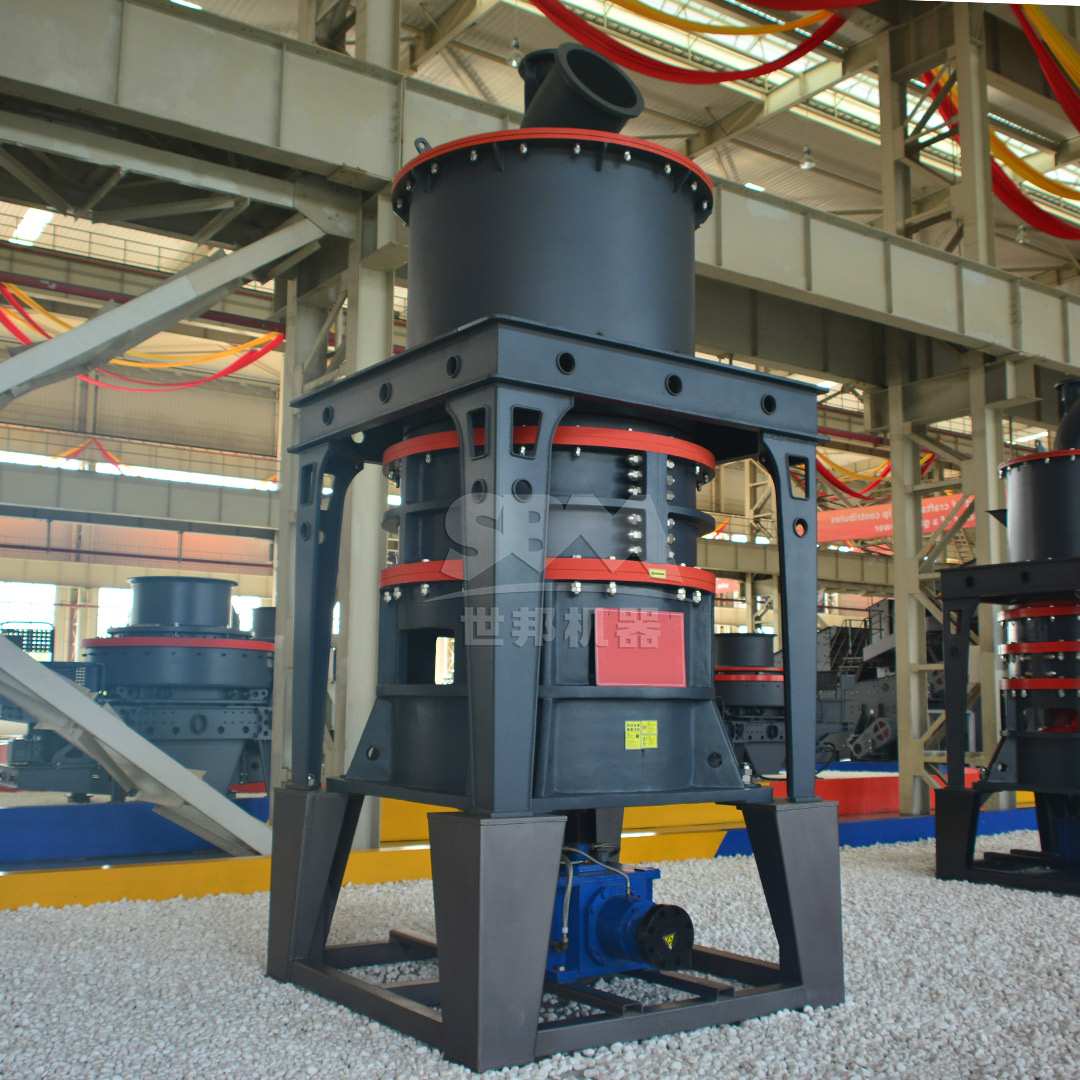
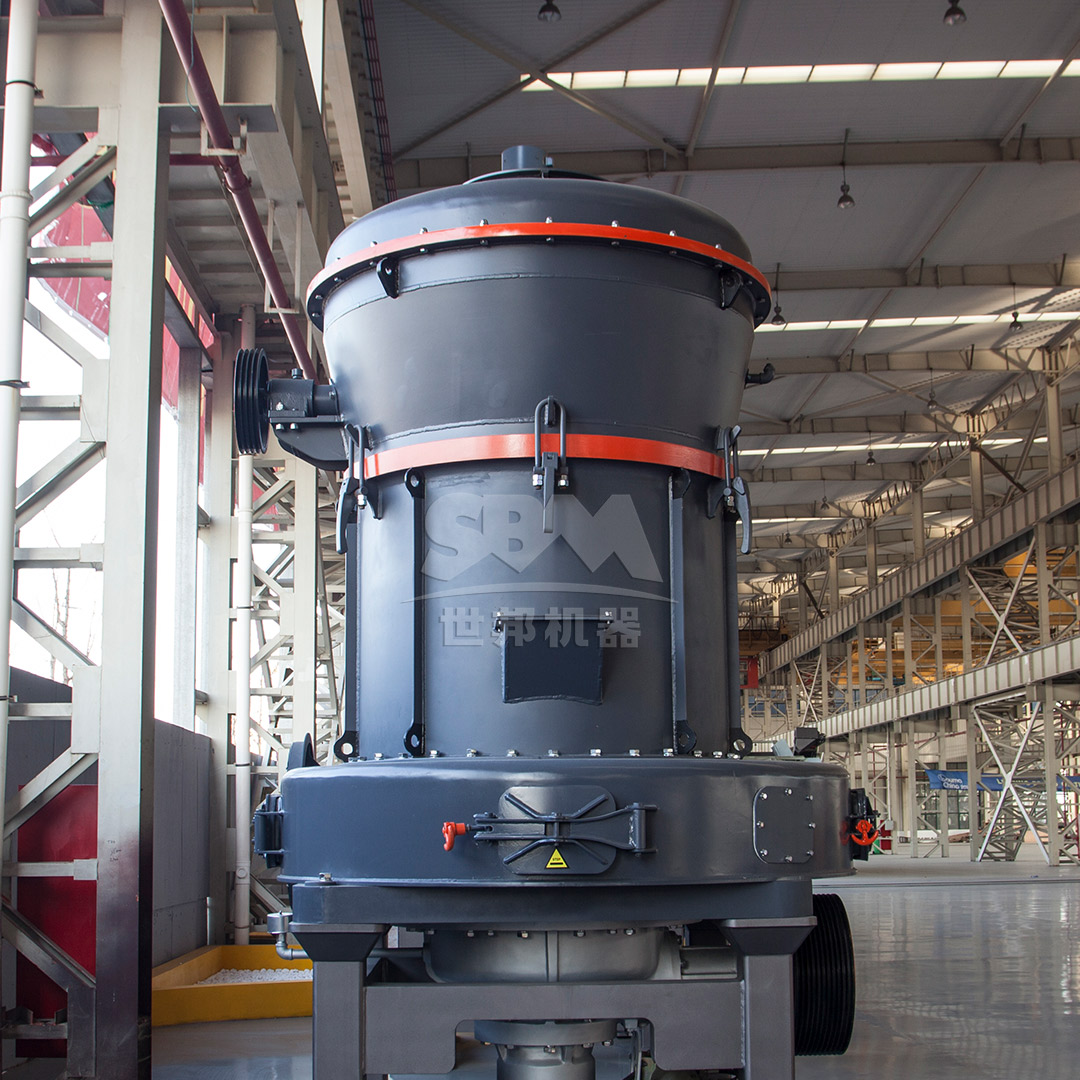
For applications demanding high-purity feldspar with very fine or tightly controlled particle size distributions (e.g., high-grade ceramics, specialty glass), traditional mills may fall short. The SCM Series Ultrafine Mill represents a technological leap forward.
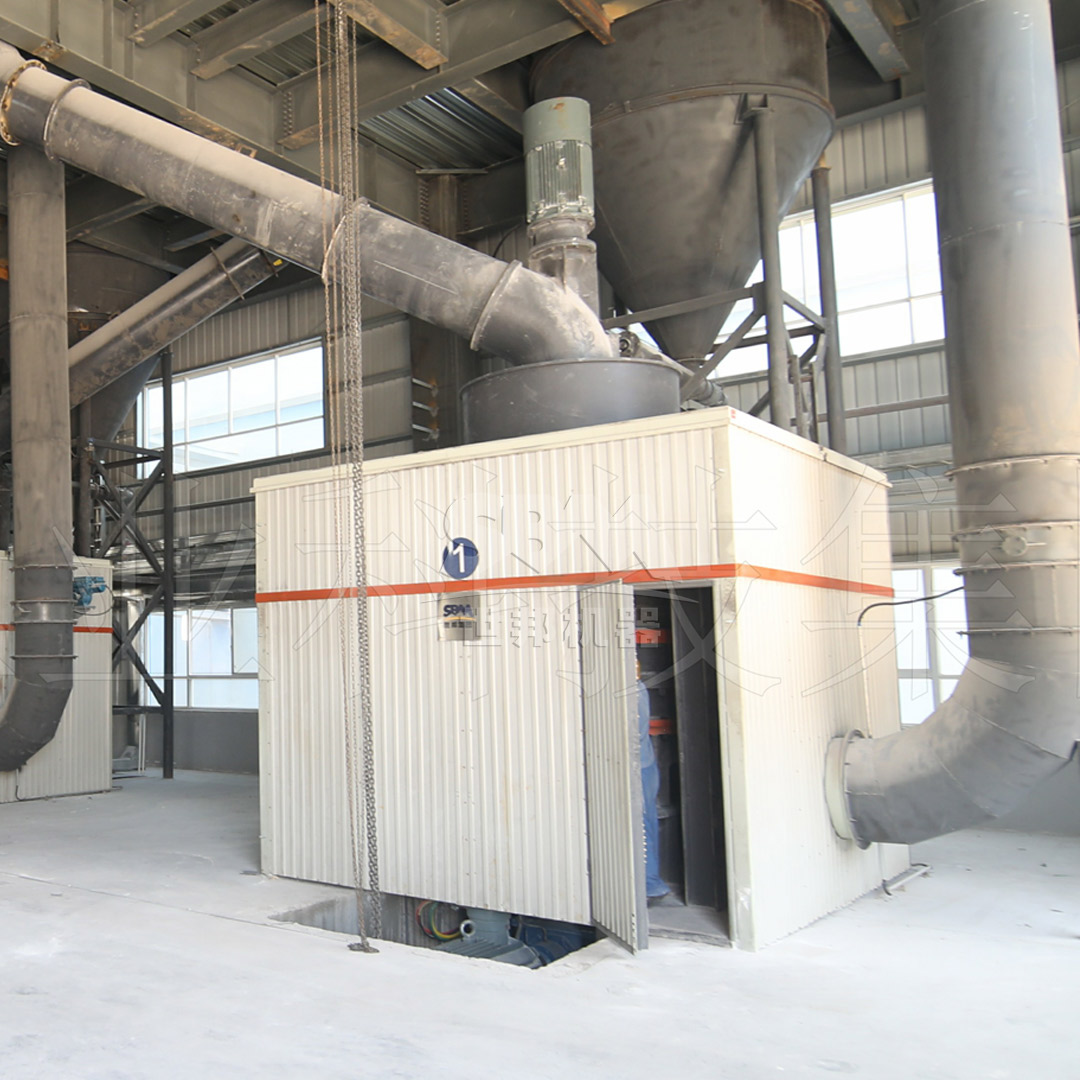
This mill is engineered to produce powders in the range of 325-2500 mesh (45-5μm) with exceptional uniformity. Its high-efficiency vertical turbine classifier ensures precise particle size cutting, eliminating coarse powder contamination. The grinding mechanism, utilizing special material rollers and rings on a multi-layer grinding path, offers durability several times greater than conventional mills while consuming up to 30% less energy. Furthermore, its fully enclosed negative pressure system with high-efficiency pulse dust collection ensures an environmentally friendly operation with minimal dust emission and low noise.
| Model | Capacity (t/h) | Main Power (kW) | Output Fineness (mesh) |
|---|---|---|---|
| SCM800 | 0.5 – 4.5 | 75 | 325-2500 |
| SCM900 | 0.8 – 6.5 | 90 | 325-2500 |
| SCM1000 | 1.0 – 8.5 | 132 | 325-2500 |
| SCM1250 | 2.5 – 14 | 185 | 325-2500 |
| SCM1680 | 5.0 – 25 | 315 | 325-2500 |
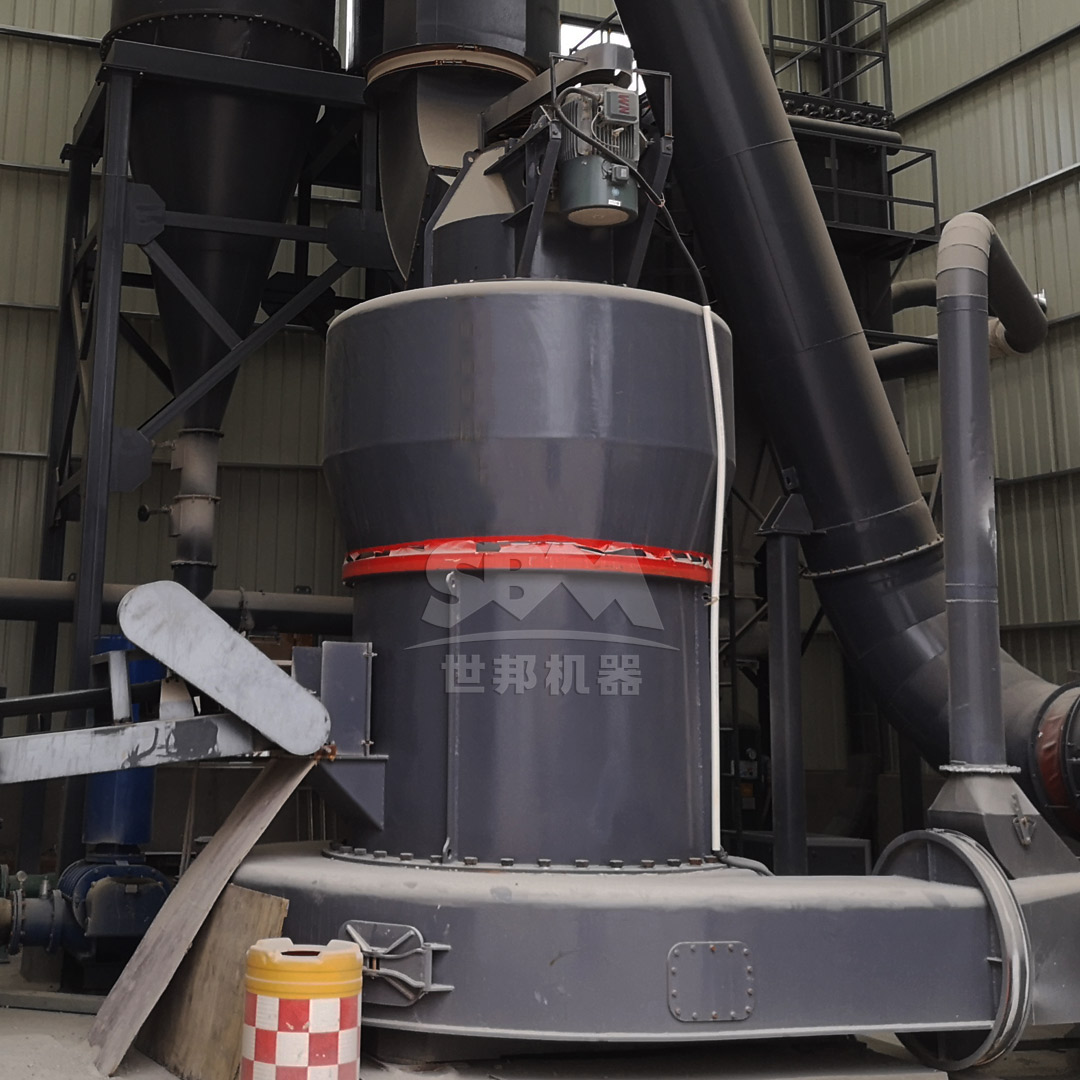
For operations requiring high-capacity grinding to a medium fineness (30-325 mesh), the MTW Series European Trapezium Mill is an excellent choice. It features an anti-wear shovel design and an optimized arc air duct that reduces energy loss. Its integral bevel gear drive boasts a transmission efficiency of up to 98%, making it a robust and efficient solution for the primary grinding stage in feldspar processing circuits.
Once liberated, feldspar must be separated from gangue minerals. This is typically achieved through a combination of magnetic separation and flotation.
Iron impurities, even in trace amounts, can severely degrade the whiteness and quality of feldspar products. Magnetic separators are essential for their removal.
Flotation is the most effective method for separating feldspar from its most common companion, quartz. The process involves:
Modern flotation cells are designed for high recovery and selectivity, with advanced control systems monitoring and adjusting parameters like pH, reagent dosage, and air flow in real-time.
The efficiency of a sodium feldspar plant depends not just on individual machines, but on their integration into a coherent flowsheet. Key considerations include:
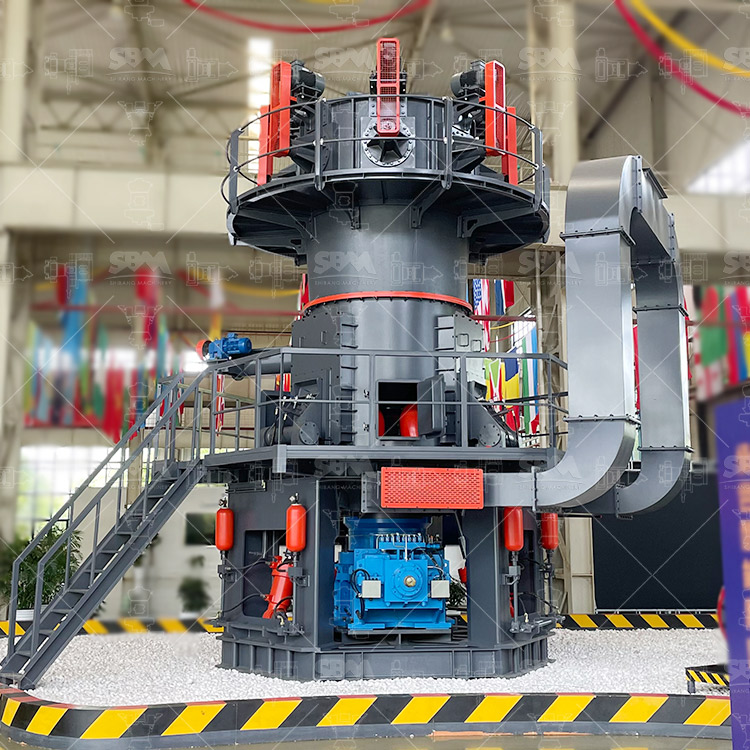
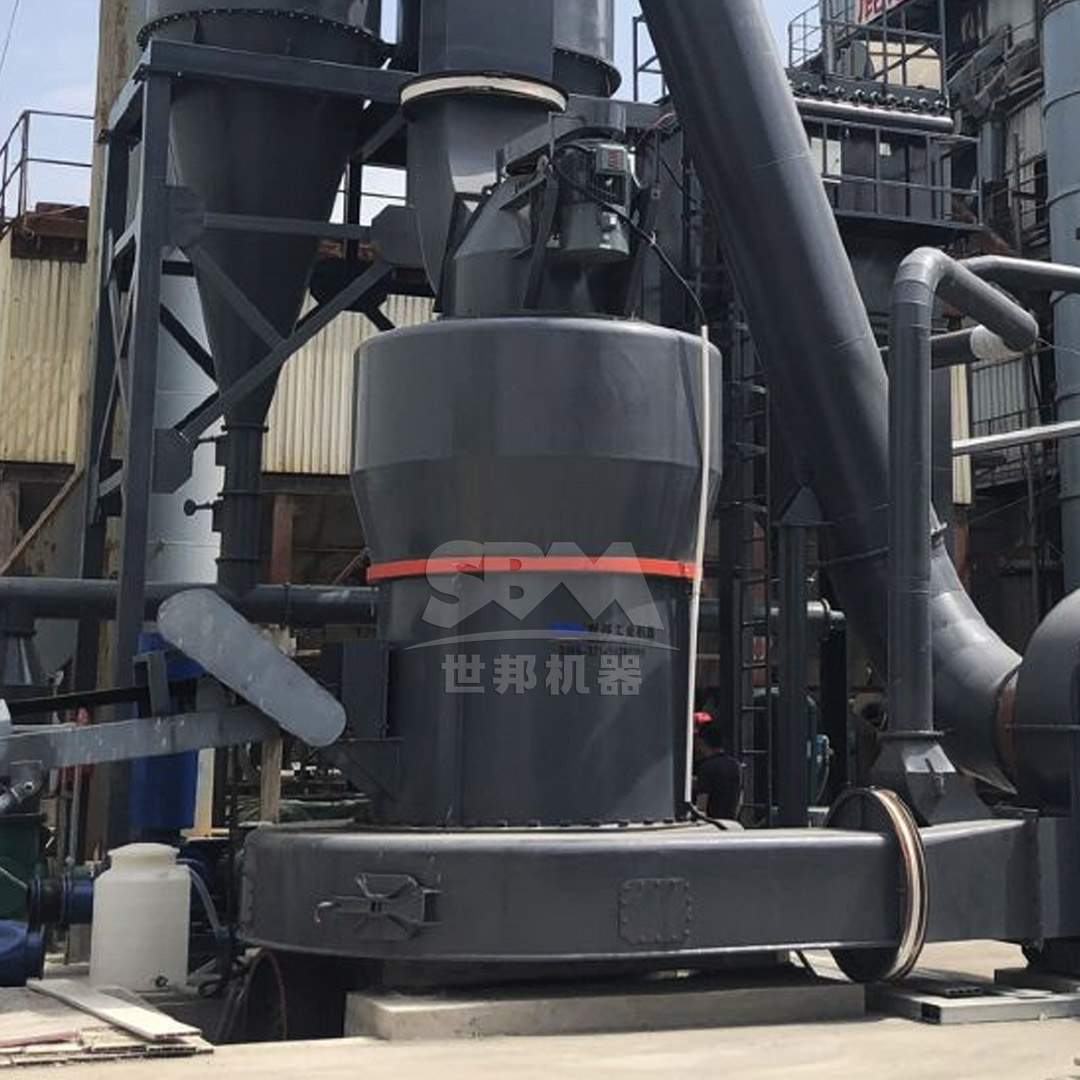
For large-scale, integrated grinding solutions, the LM Series Vertical Roller Mill offers a compelling advantage. Its integrated design combines crushing, grinding, drying, and classification in a single unit, reducing floor space by up to 50% and civil construction costs by 40%. With energy consumption 30-40% lower than traditional ball mill systems and intelligent control for stable operation, it is an ideal choice for the heart of a modern, efficient feldspar processing plant.
| Model (Example) | Grinding Table Diameter | Capacity (t/h) | Main Power (kW) |
|---|---|---|---|
| LM190K | Φ1900mm | 23 – 68 | 500 |
| LM220K | Φ2200mm | 36 – 105 | 800 |
| LM280K | Φ2800mm | 50 – 170 | 1250 |
The production of high-quality sodium feldspar concentrates is a technologically driven process that relies on a synergistic combination of advanced equipment. From the precision grinding of the SCM Ultrafine Mill for specialty applications to the high-efficiency, integrated grinding of the LM Vertical Roller Mill for large-scale production, selecting the right grinding technology sets the foundation for success. This is complemented by precisely controlled flotation and high-intensity magnetic separation to remove impurities. By understanding the capabilities and advantages of modern processing equipment, producers can optimize their operations for maximum recovery, product quality, and profitability in a competitive global market.