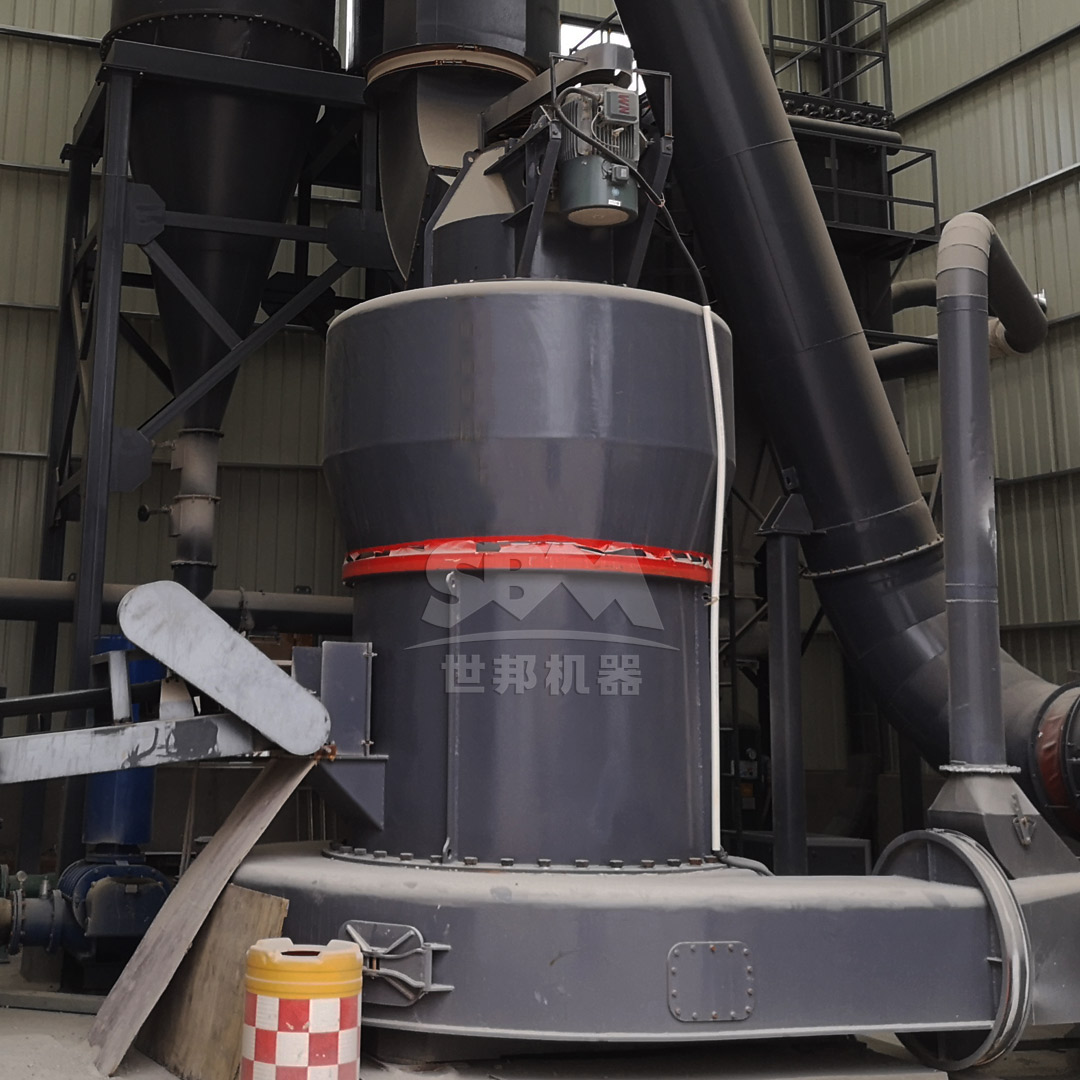
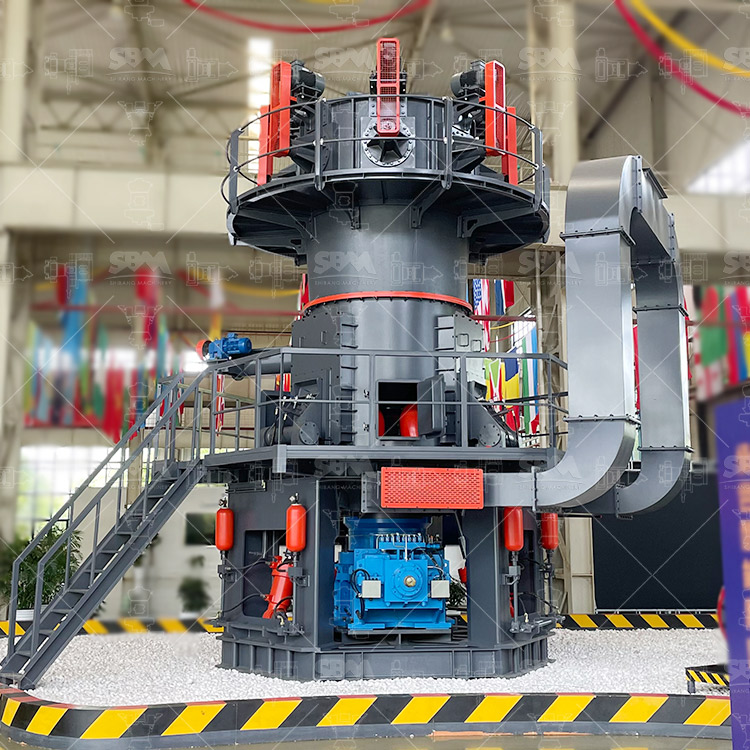
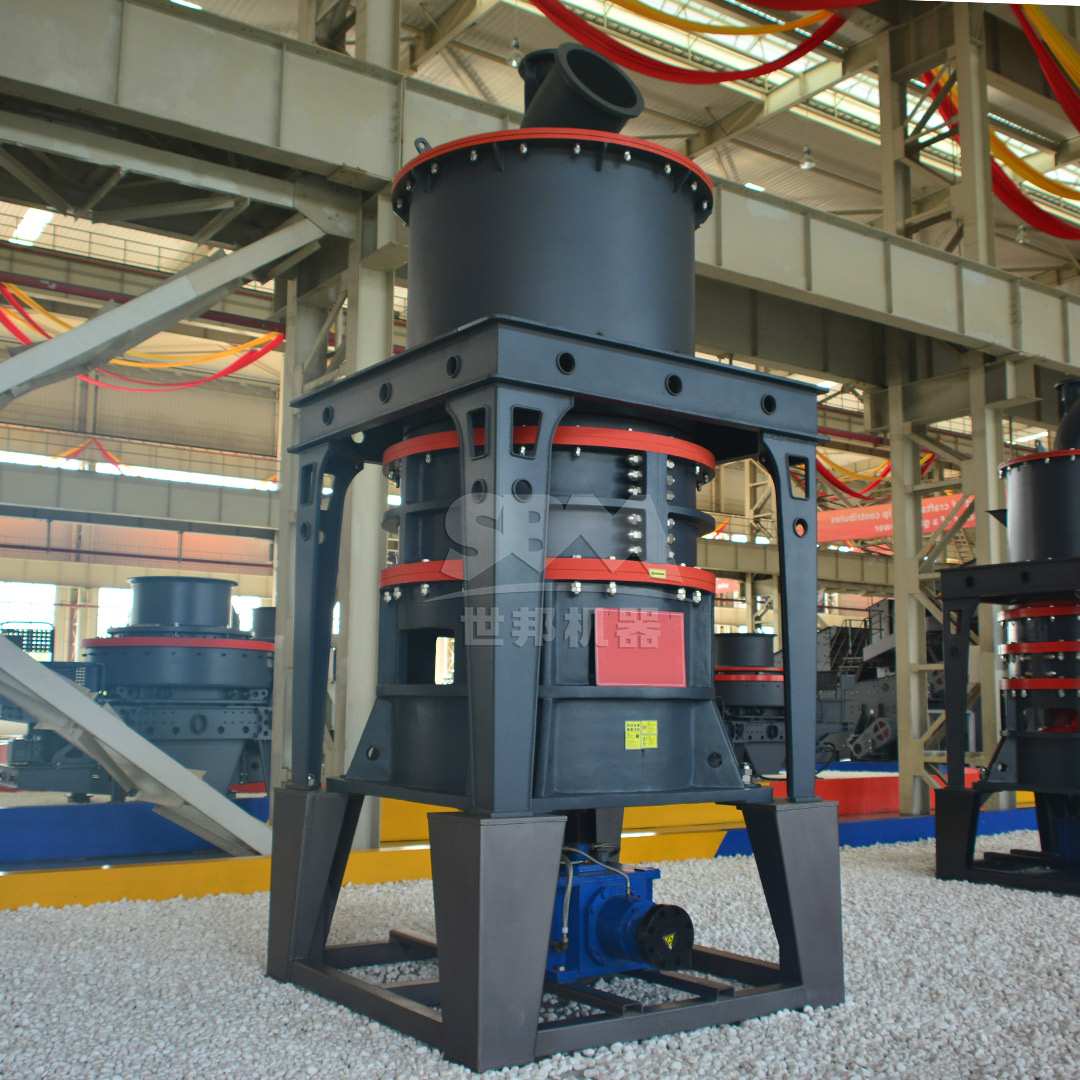
Attapulgite, also known as palygorskite, is a unique magnesium aluminum phyllosilicate clay mineral characterized by its fibrous morphology and high surface area. Its processing into fine powders is critical for applications in drilling fluids, absorbents, catalysts, pharmaceuticals, and functional fillers. The selection of appropriate grinding and processing equipment directly impacts the final product’s particle size distribution, aspect ratio preservation, surface activity, and overall economic viability. This guide provides a professional overview of the key equipment considerations and technological solutions for efficient attapulgite processing.
Attapulgite’s needle-like crystal structure must be carefully preserved during size reduction to maintain its valuable colloidal and rheological properties. Aggressive grinding can destroy these fibers, reducing performance. The material is also often moist and requires drying, and its abrasive nature demands wear-resistant mill components. Therefore, the ideal processing circuit must integrate drying, gentle yet efficient size reduction, precise classification, and dust collection.
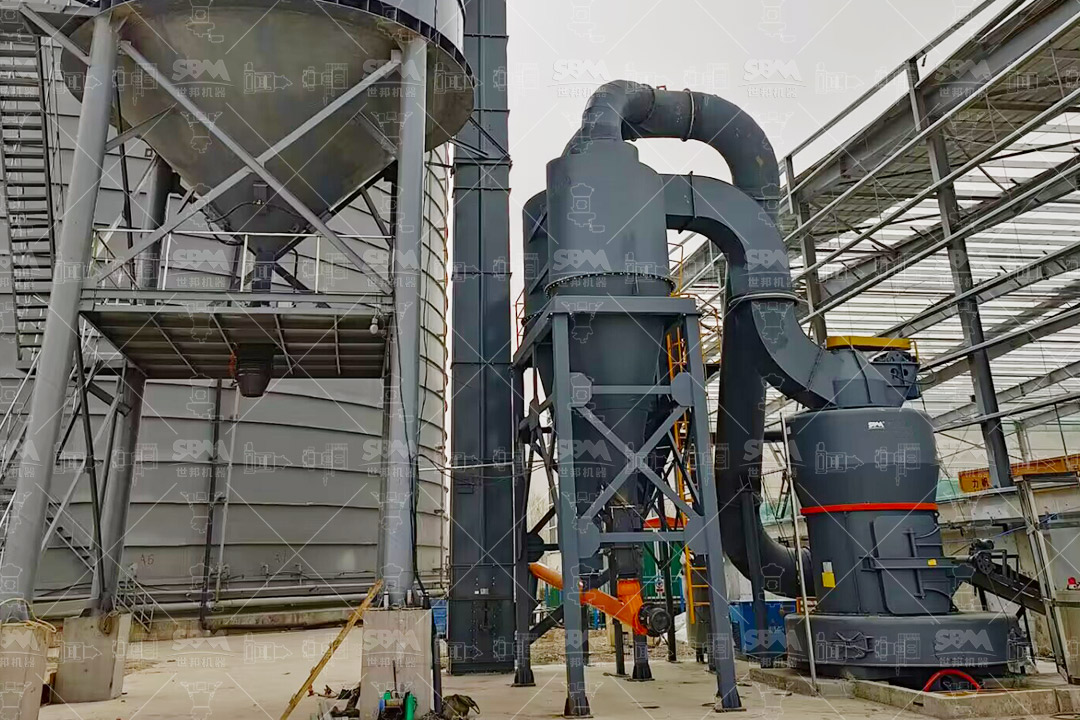
The choice of mill depends primarily on the target fineness, required capacity, and the need to preserve particle morphology. The following equipment types are commonly evaluated.
Initial size reduction of dried attapulgite lumps often targets the medium-fine range. Equipment must handle abrasive materials efficiently.
Recommended Solution: MTW Series European Trapezium Mill
For robust and high-capacity processing in the 30-325 mesh range, our MTW Series European Trapezium Mill stands out. Engineered for durability and efficiency, it addresses the abrasive nature of attapulgite head-on. Its anti-wear shovel design and wear-resistant volute structure significantly reduce maintenance costs and downtime. The integral bevel gear drive ensures high transmission efficiency (up to 98%) and stable operation, while the optimized arc air duct minimizes energy loss. With capacities from 3 to 45 tons per hour and the ability to handle feed sizes up to 50mm, the MTW series is an ideal workhorse for primary or secondary grinding stages in attapulgite plants.
| Model | Capacity (t/h) | Main Power (kW) | Output Fineness (mesh) |
|---|---|---|---|
| MTW138Z | 6-17 | 90 | 10-325 |
| MTW175G | 9.5-25 | 160 | 10-325 |
| MTW215G | 15-45 | 280 | 10-325 |
Producing high-value, ultra-fine attapulgite powders requires technology that achieves precise particle size cuts without excessive heat generation or mechanical damage to the fibers.
Recommended Solution: SCM Series Ultrafine Mill
To produce high-value, surface-active attapulgite powders in the 325-2500 mesh range, our SCM Series Ultrafine Mill is the technology of choice. Its design prioritizes precision and preservation of particle integrity. The high-precision vertical turbine classifier ensures a sharp particle size cut, preventing coarse powder contamination and yielding a uniform product essential for premium applications. The grinding mechanism, utilizing a shaftless screw design and special material rollers/rings, applies layered grinding pressure that is effective yet gentler on the fibrous structure compared to high-impact mills. Furthermore, its high efficiency and energy-saving design offers capacity twice that of jet mills with approximately 30% lower energy consumption, making it both technically superior and economically advantageous for ultrafine attapulgite production.
| Model | Capacity (t/h) | Main Power (kW) | Output Fineness (mesh) |
|---|---|---|---|
| SCM800 | 0.5-4.5 | 75 | 325-2500 |
| SCM1000 | 1.0-8.5 | 132 | 325-2500 |
| SCM1680 | 5.0-25 | 315 | 325-2500 |
For plants processing attapulgite with moderate moisture, Vertical Roller Mills (VRMs) like our LM Series offer a compelling integrated solution. They combine grinding, drying, and classification in a single unit. Hot air introduced into the mill dries the material simultaneously as it is ground between rollers and a rotating table. This is highly efficient, reducing the need for a separate dryer. The integrated design saves up to 50% of floor space and offers low operating costs with energy consumption 30-40% lower than traditional ball mill systems.
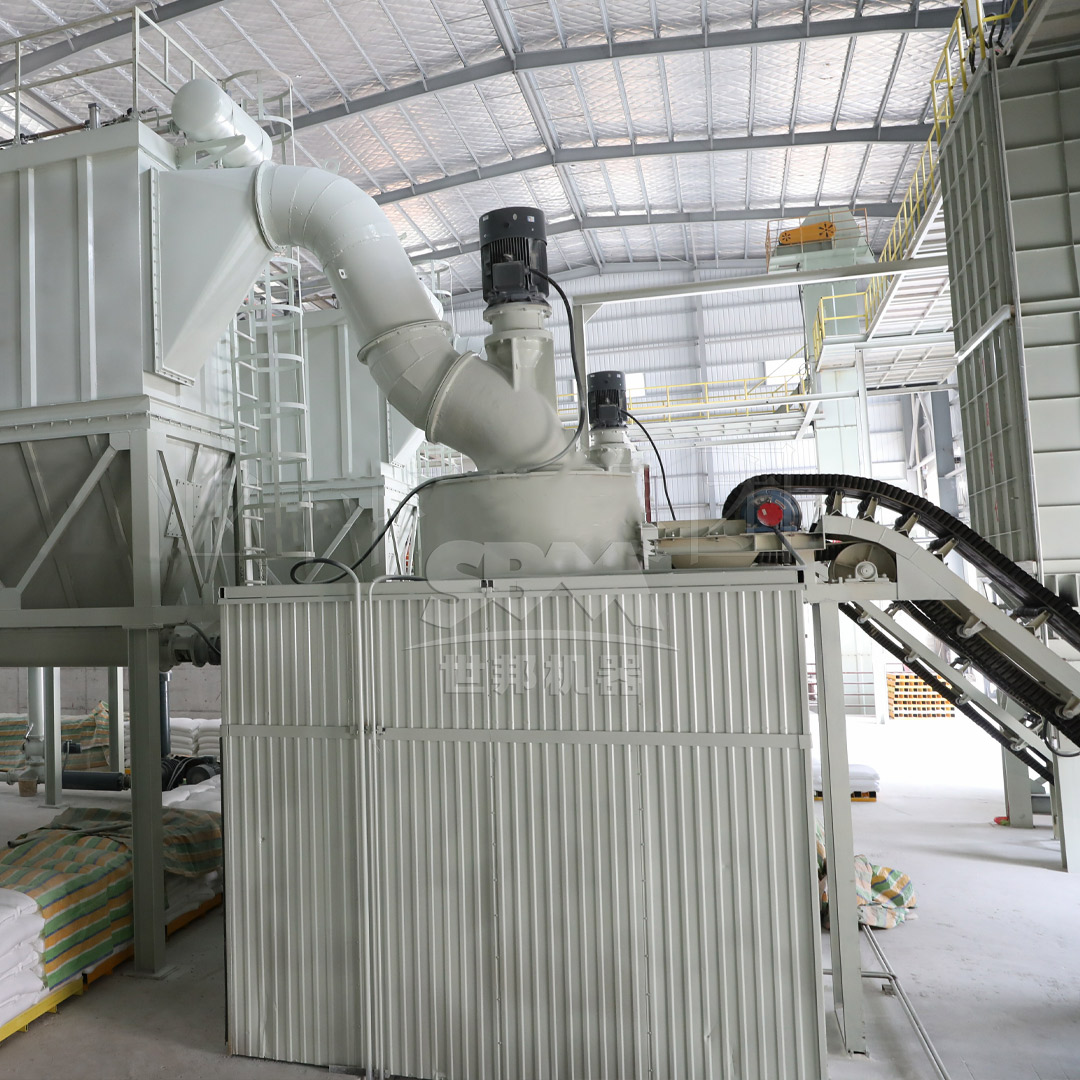
Raw attapulgite often contains significant moisture. Rotary dryers or paddle dryers are commonly used prior to dry grinding. For VRMs, the drying is integrated. Proper drying is crucial to prevent clogging in mills and ensure efficient grinding.
Large attapulgite lumps may require primary crushing. Hammer Mills or Jaw Crushers are suitable for this duty, reducing feed to a size (typically <20-50mm) acceptable for the main grinding mill.
Beyond the internal classifiers in mills, external Air Classifiers or Screeners can be used for precise product fractionation or to remove oversize material, ensuring final product specification compliance.
Efficient Pulse Jet Baghouse Dust Collectors are non-negotiable in attapulgite processing to meet environmental standards and recover product. Our milling systems, like the SCM and MTW series, incorporate high-efficiency pulse dust collection systems with efficiency exceeding international standards. Collected powder is then conveyed to silos and automated packaging systems.
A typical attapulgite processing line involves several stages:
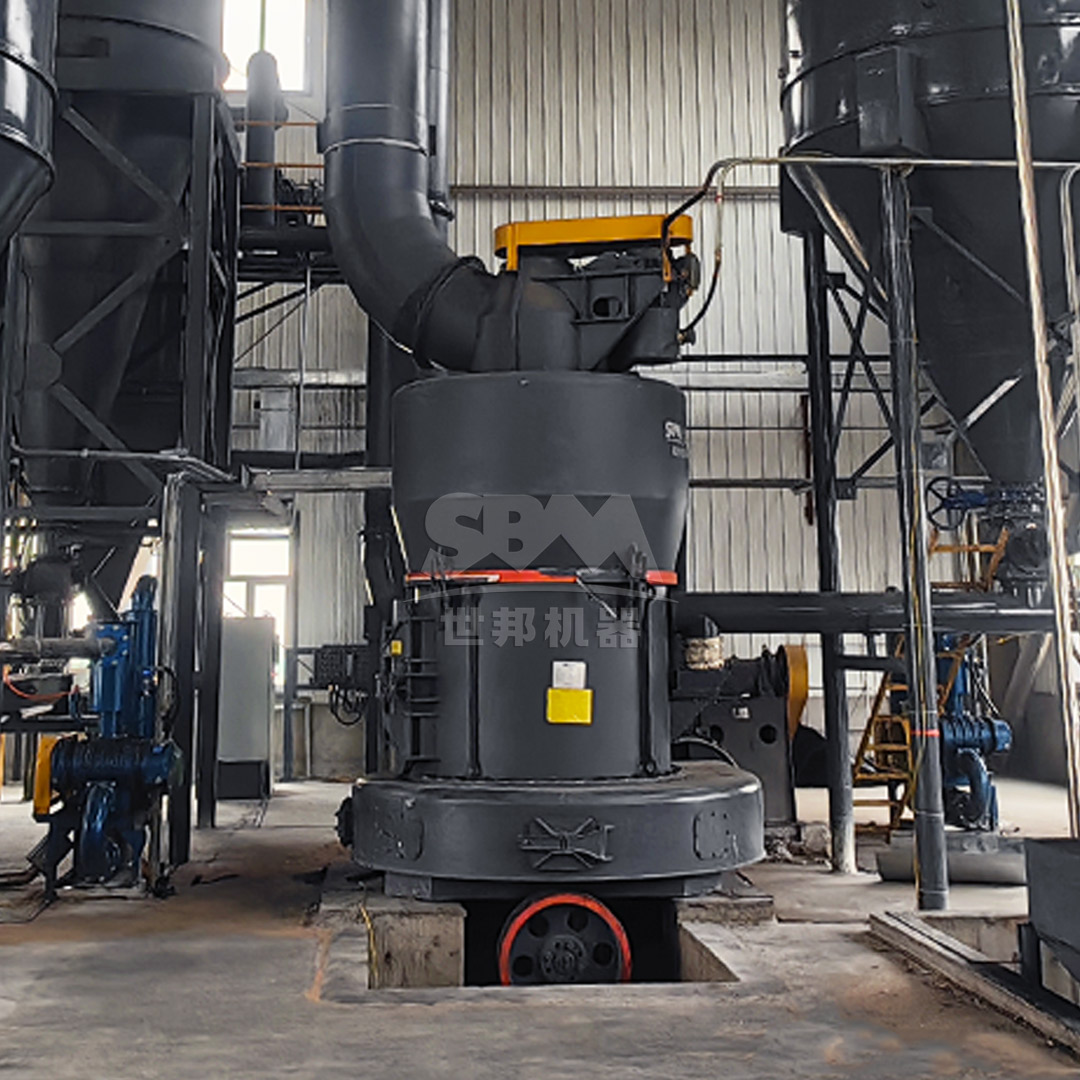
Successful attapulgite processing hinges on selecting equipment that balances production efficiency, product quality preservation, and operational economy. For medium-fine grinding, the robust and efficient MTW Series European Trapezium Mill is highly recommended. For producing high-value ultrafine powders where particle integrity is paramount, the SCM Series Ultrafine Mill with its precise classification and gentle layered grinding is the superior choice. Integrating these mills with appropriate drying, feeding, and dust collection systems will create a processing circuit that maximizes the value of your attapulgite resources, delivering consistent, high-quality products to meet diverse market demands.