Feldspar, a group of rock-forming tectosilicate minerals, is one of the most abundant constituents of the Earth’s crust. Its widespread applications in the ceramics, glassmaking, and filler industries demand efficient and precise processing from raw ore to fine powder. The journey from mined feldspar to a market-ready product involves several critical stages: primary crushing, secondary crushing, grinding, classification, and sometimes beneficiation. Selecting the right equipment for each stage is paramount to achieving optimal particle size distribution, maximizing yield, minimizing energy consumption, and ensuring overall operational profitability. This article provides a comprehensive overview of the essential equipment used in feldspar processing, with a focus on grinding technology, and explores how integrated plant solutions can streamline production.
A typical feldspar processing plant follows a logical sequence to reduce the ore to the desired fineness.
The first step involves reducing large, mined feldspar blocks (often up to several hundred millimeters) to a manageable size, typically below 50mm. Jaw crushers are the workhorses for primary crushing, providing high reduction ratios and robust performance. For secondary crushing, where further size reduction to below 20-30mm is needed, cone crushers or impact crushers are commonly employed. These crushers prepare the feedstock for the subsequent grinding circuits, ensuring a consistent and optimally sized feed material.
| Processing Stage | Target Output Size | Typical Equipment |
|---|---|---|
| Primary Crushing | < 200mm | Jaw Crusher |
| Secondary Crushing | < 30-50mm | Cone Crusher, Impact Crusher |
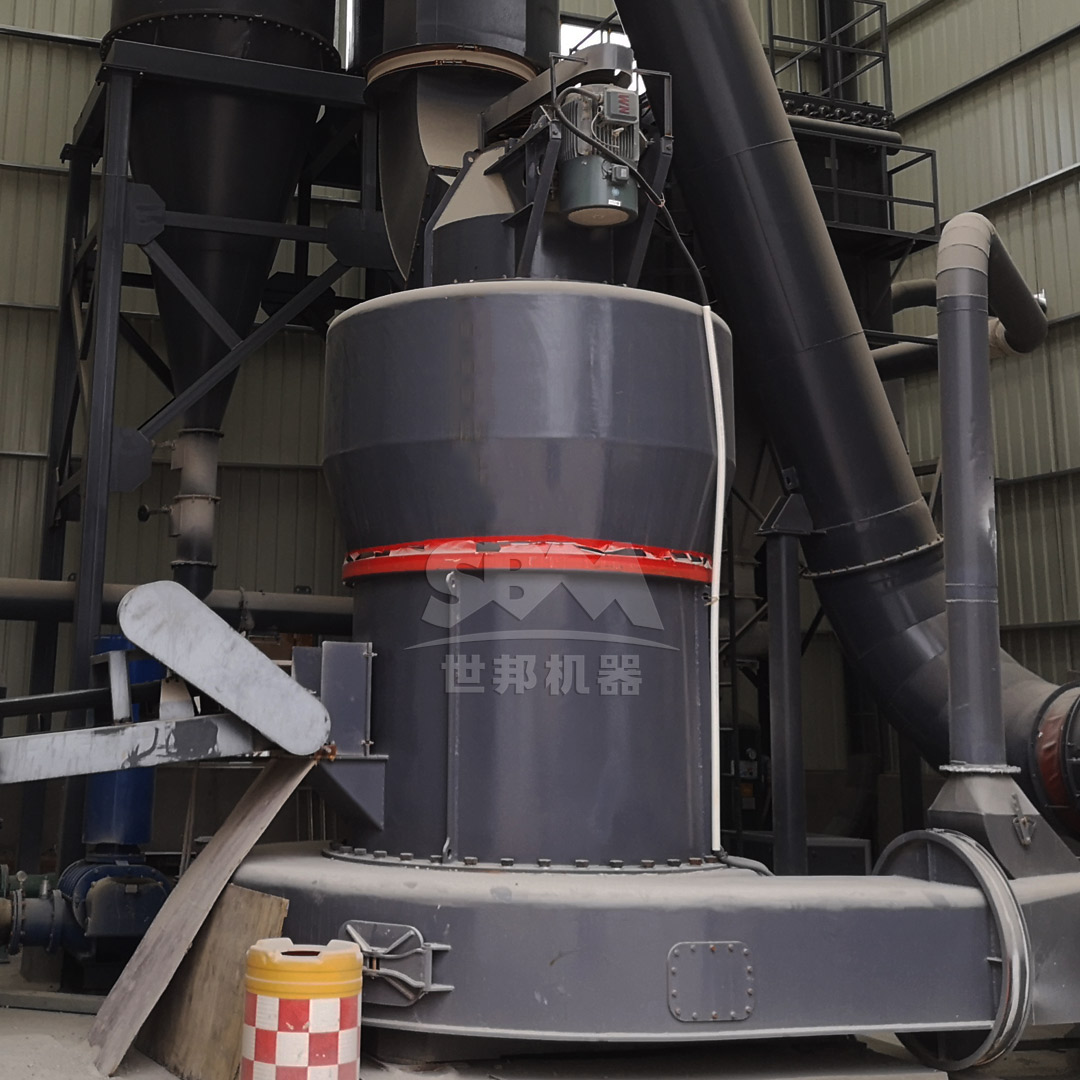
| Coarse Grinding | 30-100 mesh (0.6-0.15mm) | Hammer Mill, Raymond Mill (MTW Series) |
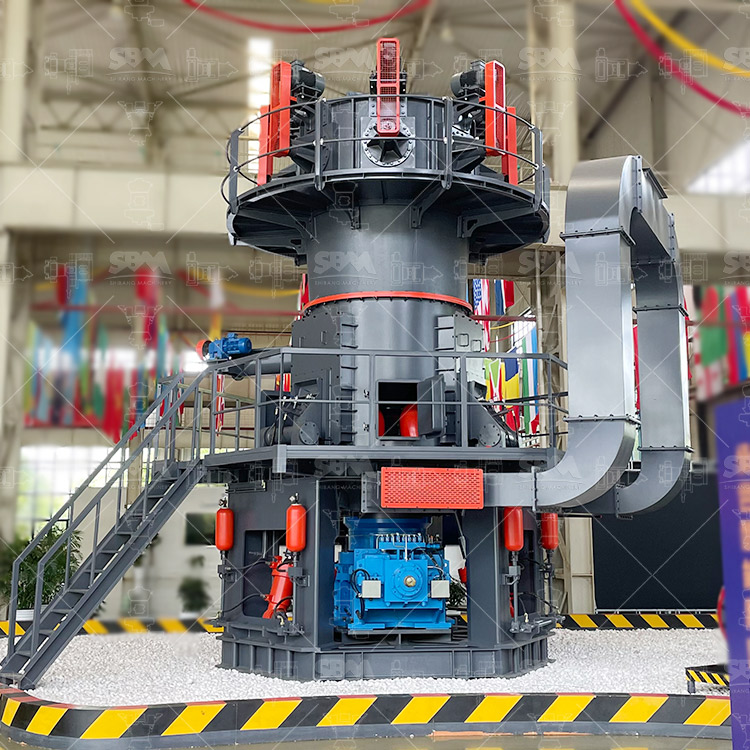
| Fine & Ultrafine Grinding | 200-2500 mesh (74-5μm) | Ball Mill, Vertical Roller Mill (LM Series), Ultrafine Mill (SCM Series) |
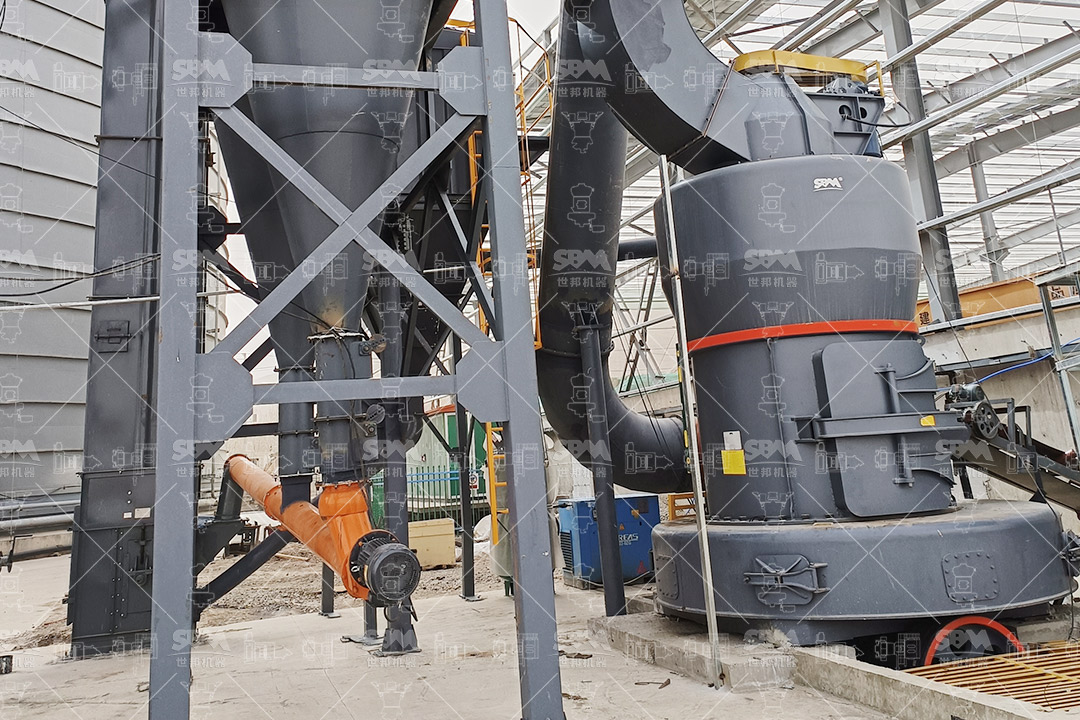
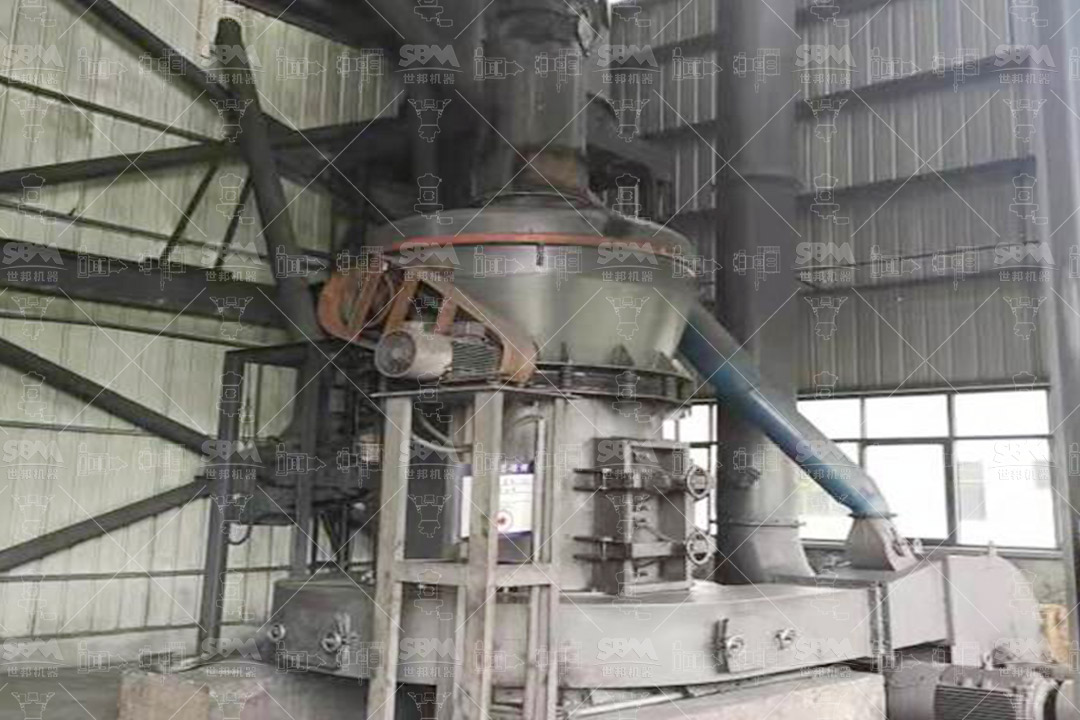
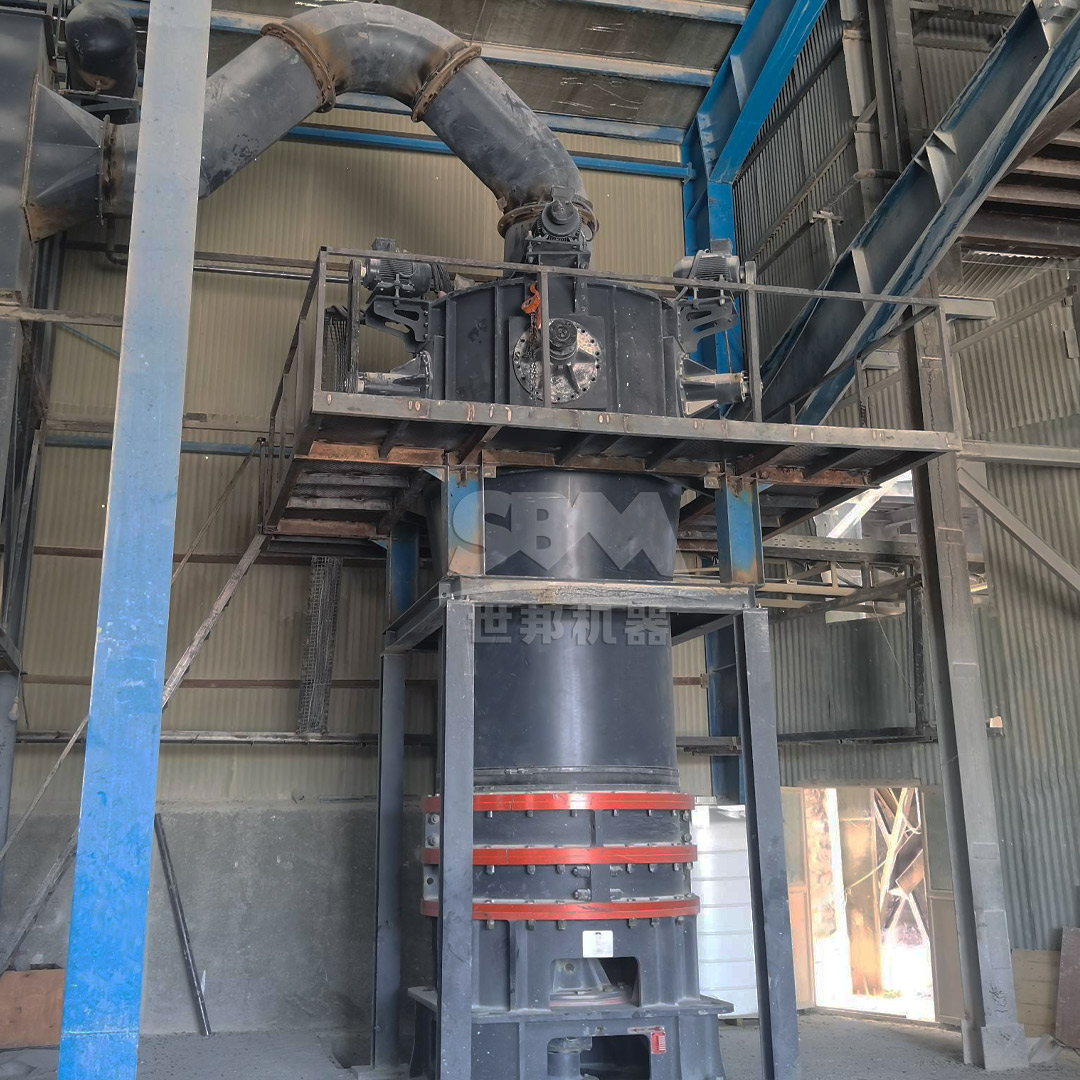
Grinding is the most energy-intensive stage, where the crushed feldspar is pulverized into fine powder. The choice of grinding mill depends heavily on the required final product fineness, capacity, and economic considerations.
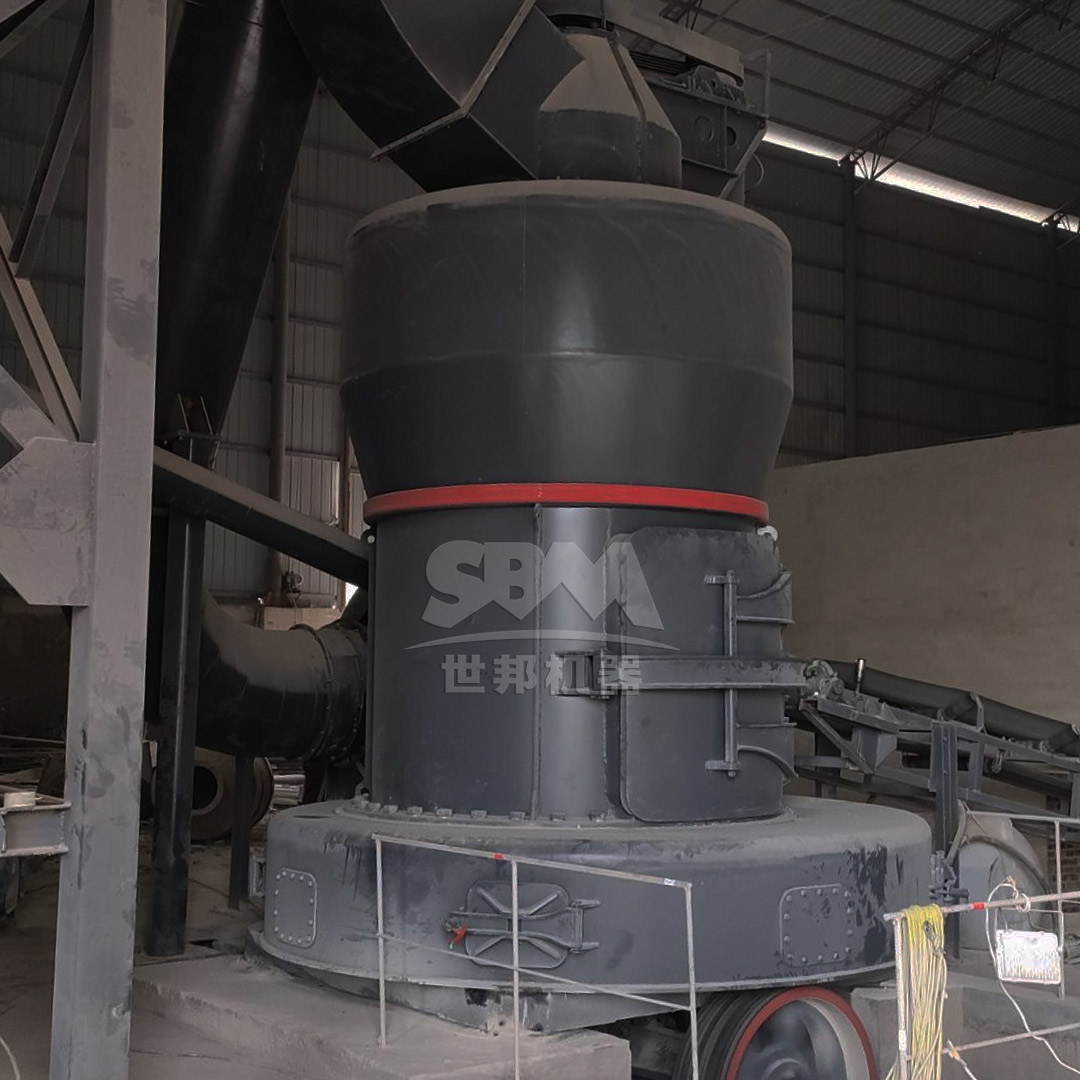
Beyond individual machines, the synergy between all components defines a successful operation. A complete plant solution encompasses:
For processors aiming to produce high-purity feldspar for electronics or premium ceramics, a complete solution might also include magnetic separators and flotation cells for beneficiation, integrated before the fine grinding stage.
When the product specification calls for ultrafine feldspar powder with superior uniformity, the SCM Series Ultrafine Mill stands out as a recommended solution. Its design addresses the specific challenges of ultrafine grinding:
This mill is particularly recommended for feldspar processors supplying the advanced ceramics and functional filler markets, where particle size distribution and purity are critical value drivers.
The effective processing of feldspar requires a careful selection of equipment tailored to the desired end product. From robust crushers for size reduction to highly efficient grinding mills like the MTW Series for coarse grinding or the technologically advanced SCM Ultrafine Mill for premium applications, each piece plays a vital role. Ultimately, adopting a holistic, integrated plant solution—combining the right equipment with automated controls and efficient material handling—is the most reliable path to achieving high productivity, consistent quality, and long-term operational efficiency in the competitive feldspar industry.