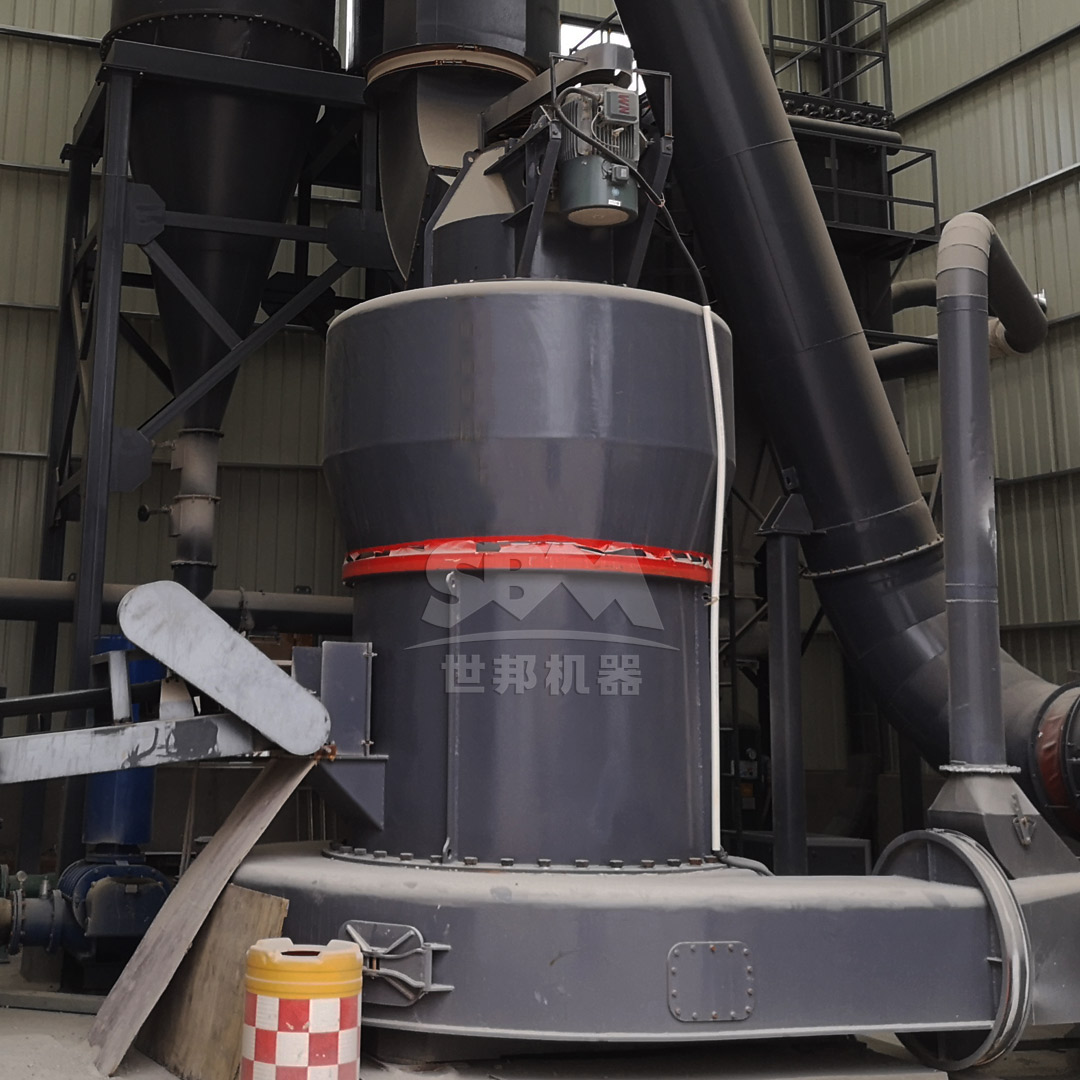
Pyrophyllite, a versatile aluminosilicate mineral prized for its low thermal expansion, high chemical inertness, and excellent dielectric properties, is a critical raw material for ceramics, refractories, paints, and polymers. Unlocking its full commercial potential hinges on efficient processing to achieve the desired fineness and purity. The selection of appropriate grinding technology is paramount, directly impacting product quality, operational costs, and plant profitability. This article explores the technological requirements for pyrophyllite processing and presents advanced milling solutions for building high-performance, integrated production plants.
Processing pyrophyllite involves several stages, with comminution being the most energy-intensive. The primary goal is to reduce the raw ore (typically ≤50mm) to a fine or ultrafine powder with a tightly controlled particle size distribution (PSD). Different applications demand different fineness:
The ideal grinding system must handle the moderately abrasive nature of pyrophyllite, offer precise classification, ensure high energy efficiency, and operate with minimal environmental impact through integrated dust collection.
Selecting the right mill depends on the target fineness, required capacity, and total cost of ownership. The following technologies represent the forefront of pyrophyllite processing.
This range is ideal for traditional applications like refractories. Advanced pendulum and trapezium mills offer superior efficiency over traditional Raymond mills.
Recommended Solution: MTW Series European Trapezium Mill
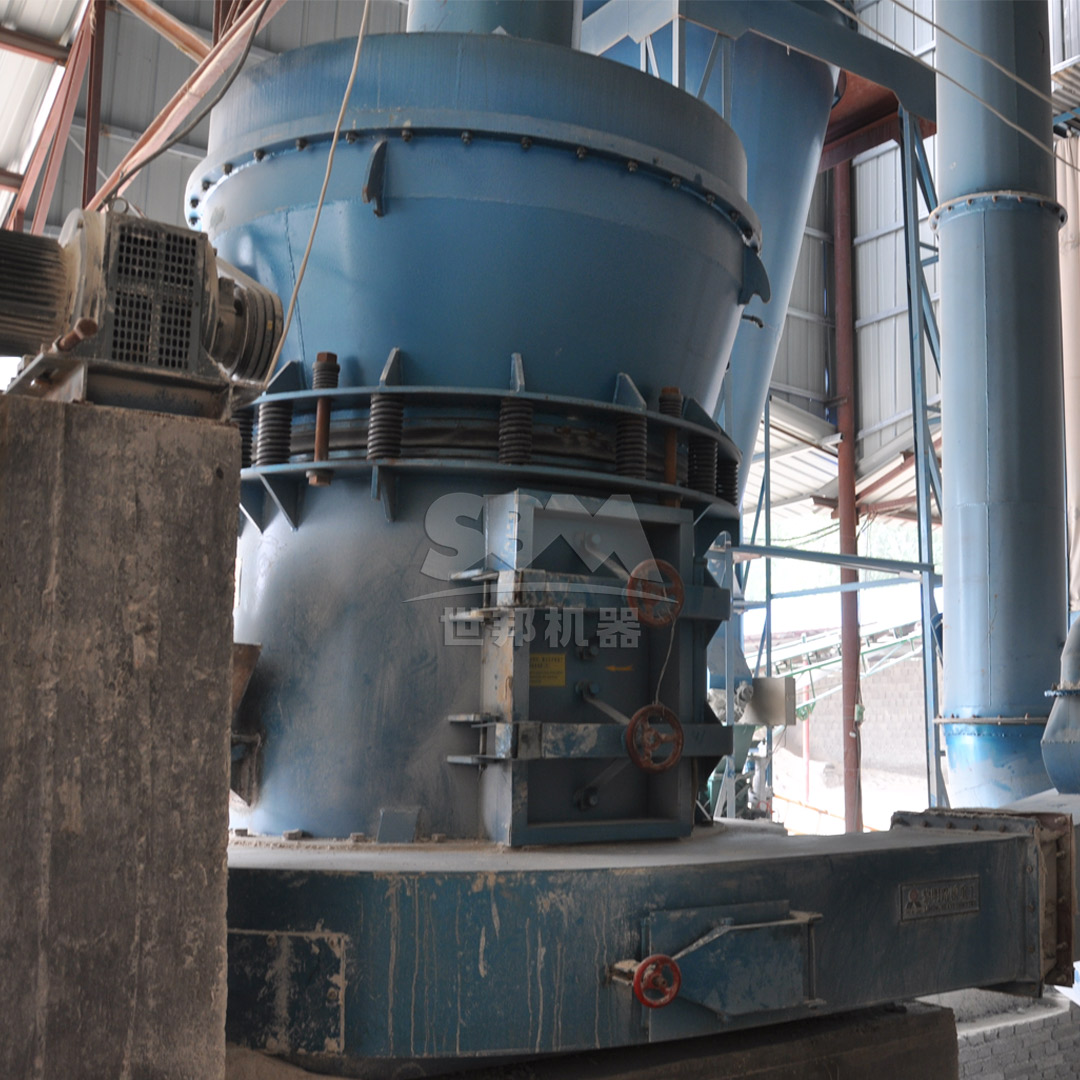
Our MTW Series European Trapezium Mill is engineered for high-capacity, energy-efficient production of fine pyrophyllite powders. Its integral bevel gear drive achieves a remarkable 98% transmission efficiency, directly translating to lower power consumption. The anti-wear shovel design and wear-resistant volute structure are specifically beneficial for processing moderately abrasive materials like pyrophyllite, significantly reducing maintenance frequency and cost. With capacities from 3 to 45 tons per hour and fineness adjustable between 30-325 mesh, it is a robust and reliable workhorse for medium-fine grinding circuits.
| Model | Capacity (t/h) | Main Power (kW) | Feed Size (mm) | Fineness (mesh) |
|---|---|---|---|---|
| MTW138Z | 6-17 | 90 | <35 | 10-325 |
| MTW175G | 9.5-25 | 160 | <40 | 10-325 |
| MTW215G | 15-45 | 280 | <50 | 10-325 |
High-value applications in polymers and advanced ceramics require ultrafine powders. This demands mills with high-precision classification and efficient grinding mechanics.
Recommended Solution: SCM Series Ultrafine Mill
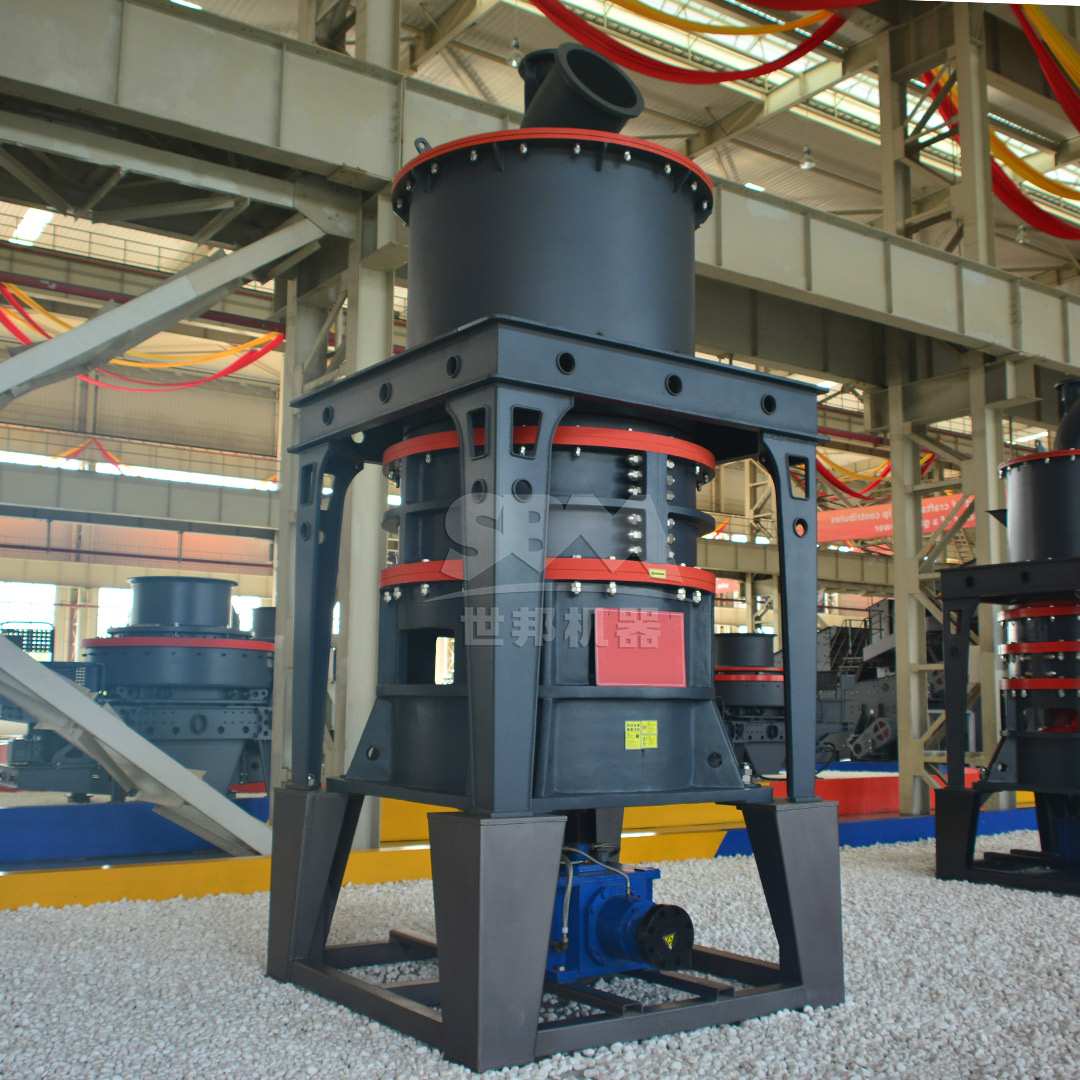
For producing premium ultrafine pyrophyllite fillers, our SCM Series Ultrafine Mill stands out. It combines a shaftless screw grinding chamber for stable material flow with a vertical turbine classifier that ensures precise particle size cutting, eliminating coarse powder contamination. The mill’s high efficiency and energy-saving design delivers capacity twice that of jet mills while consuming 30% less energy. Capable of producing powders from 325 to 2500 mesh (45-5μm), the SCM series is the optimal choice for high-end pyrophyllite products, operating within an eco-friendly and low-noise system with pulse dust collection efficiency exceeding international standards.
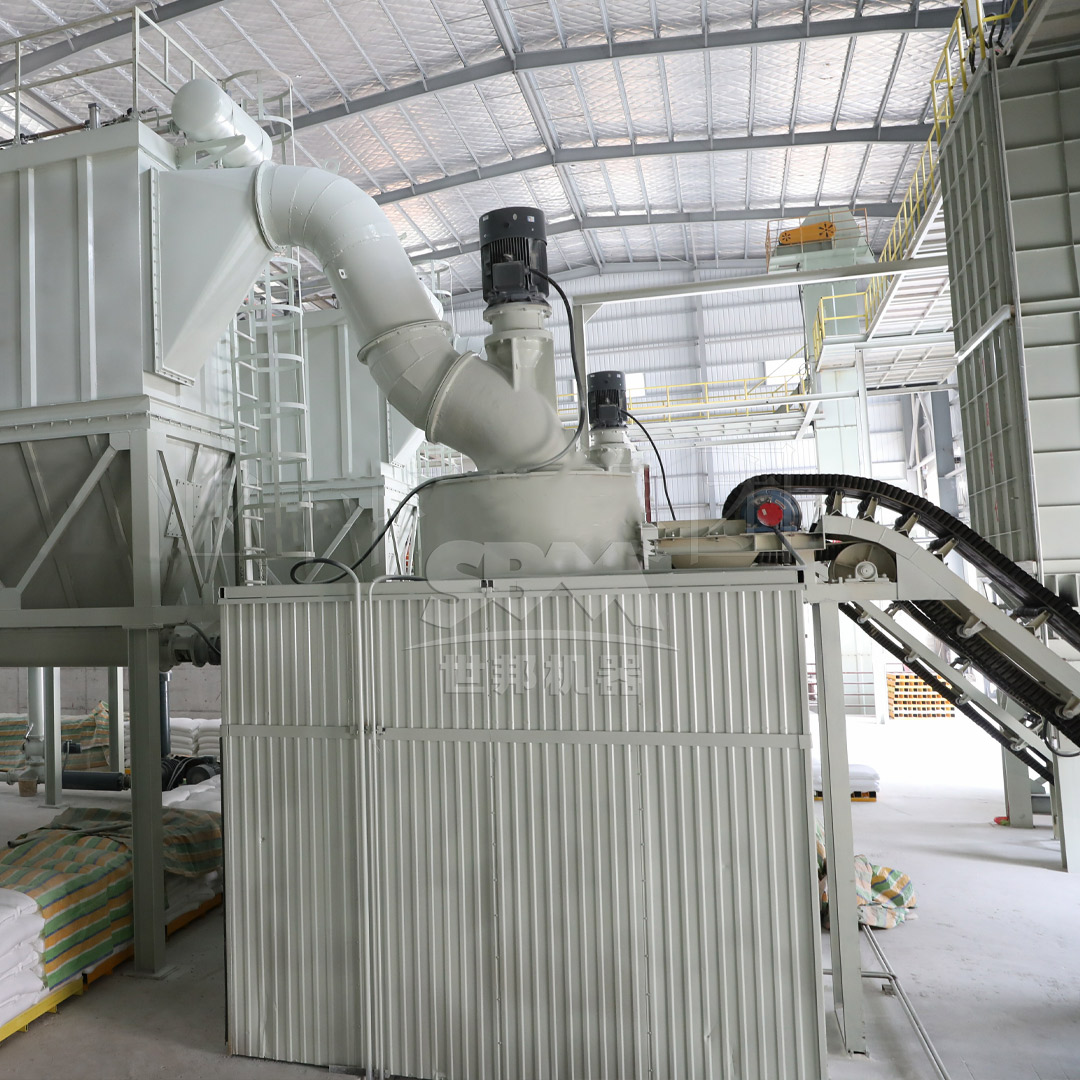
For mega-plants requiring massive throughput, vertical roller mills (VRM) offer an unparalleled advantage in footprint and system efficiency.
Technology Overview: LM Series Vertical Roller Mill
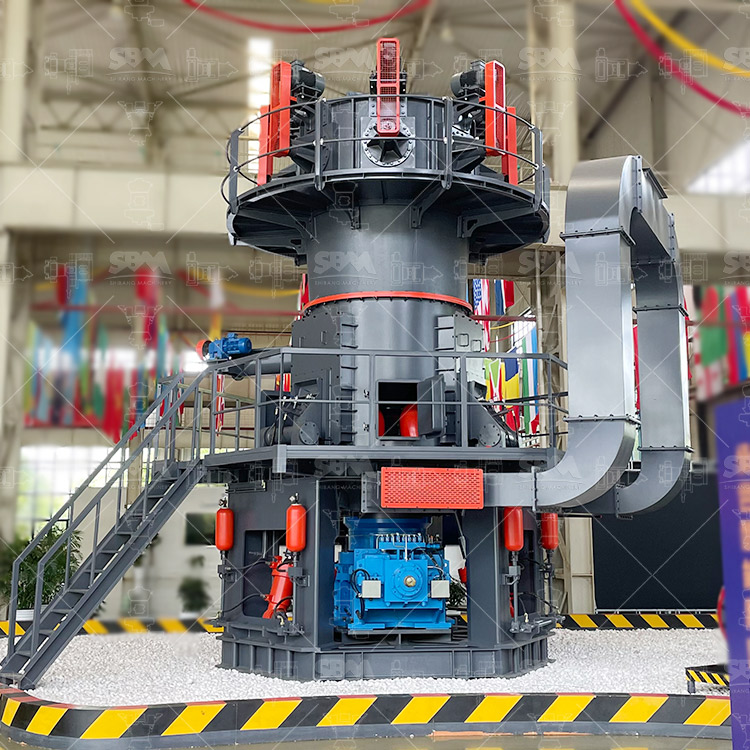
The LM Series Vertical Roller Mill integrates crushing, grinding, drying, and classification in a single unit, reducing floor space by 50%. Its non-contact grinding principle (rollers crush a bed of material on a table) leads to lower wear and 30-40% less energy consumption compared to ball mill systems. With capacities soaring up to 250 tons per hour, it is designed for large-scale, continuous pyrophyllite processing lines, featuring intelligent control and full negative pressure operation for environmental compliance.
A successful plant is more than just a mill. It is a synchronized system designed for reliability, quality control, and cost-effectiveness.
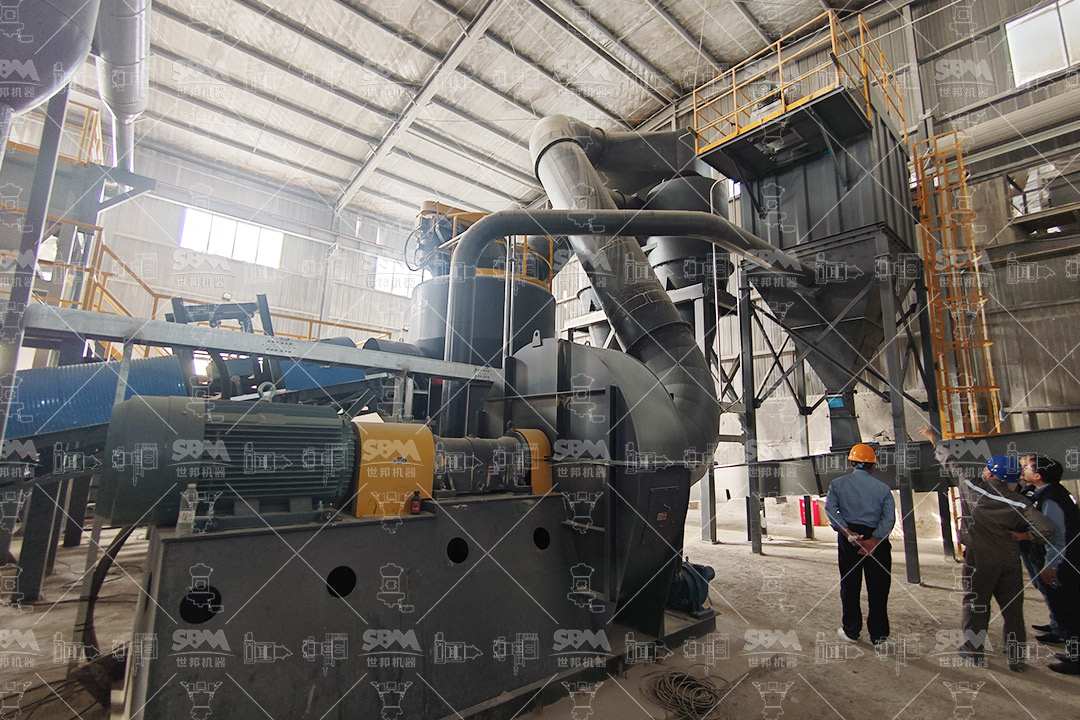
The path to profitable pyrophyllite processing is defined by technological precision. Moving beyond conventional milling to adopt advanced solutions like the energy-efficient MTW European Trapezium Mill for fine powders or the high-precision SCM Ultrafine Mill for premium grades can dramatically enhance product quality and operational economics. A holistic approach—pairing the right mill with robust auxiliary systems and intelligent controls—is essential for building a competitive, sustainable, and future-ready pyrophyllite processing plant. Investing in the correct grinding technology is not merely an equipment purchase; it is a strategic decision that lays the foundation for long-term market success.