In the modern power generation landscape, the efficiency, reliability, and environmental compliance of coal-fired power plants are paramount. While advancements in boiler technology and emissions control often capture the spotlight, the foundational process of coal preparation remains a critical determinant of overall plant performance. Efficient coal processing—crushing, grinding, drying, and classifying—directly impacts combustion efficiency, emission levels, equipment wear, and operational costs. This article explores the key equipment involved in transforming raw coal into a precisely controlled fuel source, focusing on technologies that deliver high throughput, superior fineness control, and operational resilience.
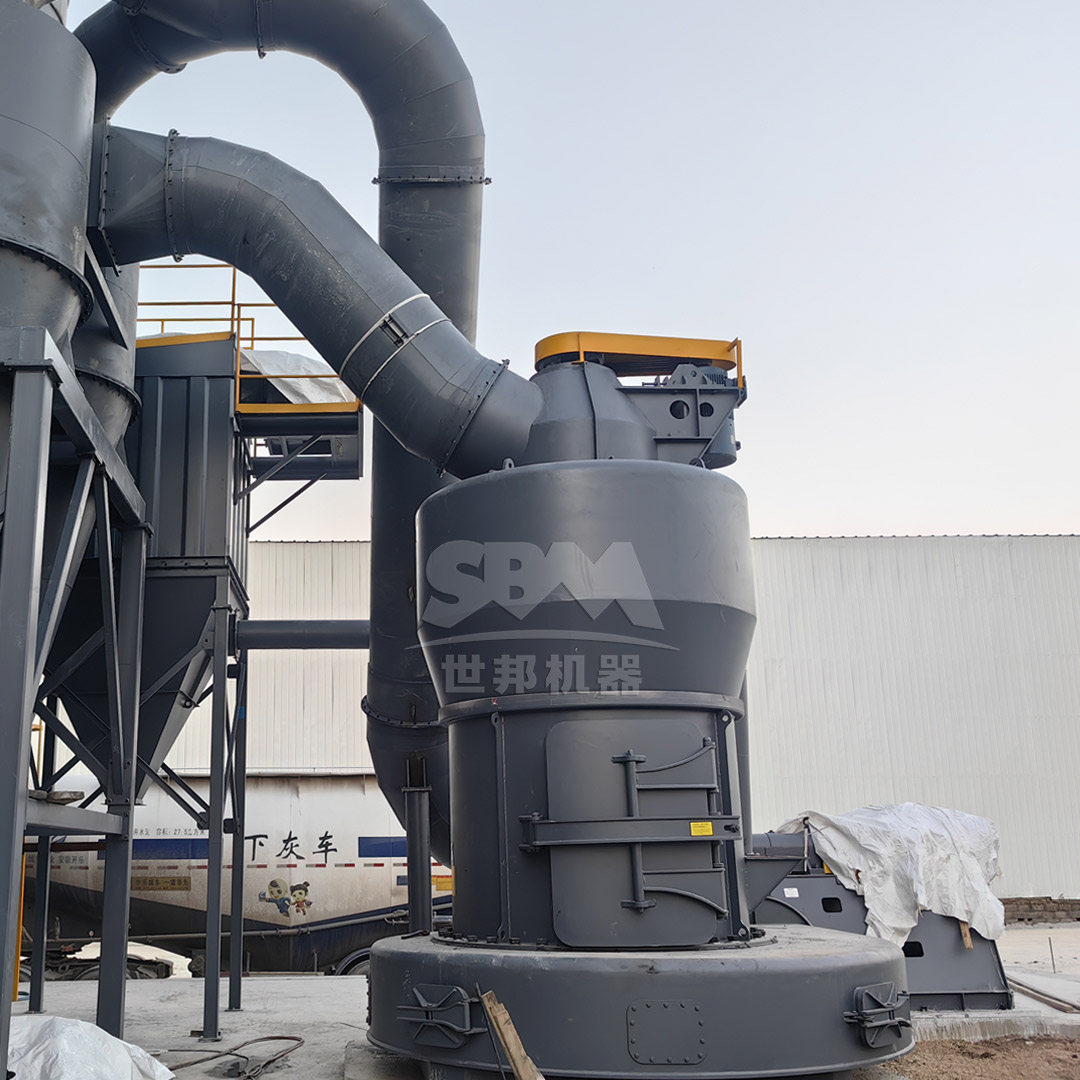
The core of any coal-fired plant’s fuel system is the pulverizer or coal mill. Its primary function is to grind raw coal, typically with a top size of 50mm, into a fine powder with a specific particle size distribution. This pulverized coal (PC) is then transported pneumatically to the burners. The fineness of the coal is crucial: too coarse, and it leads to incomplete combustion, higher unburned carbon in ash, and increased NOx emissions; too fine, and energy is wasted in excessive grinding. Modern mills must therefore offer precise classification and adjustable fineness control.
Key performance indicators for coal grinding equipment include:
Several mill designs are employed in power stations, each with distinct advantages.
| Mill Type | Typical Output Fineness | Key Advantages | Common Applications |
|---|---|---|---|
| Vertical Roller Mill (VRM) | 10-20% R90 (45-90μm) | High efficiency, integrated drying, lower noise | Mainstream choice for large utility boilers |
| Ball/Tube Mill | 15-25% R90 | Robust, reliable, handles abrasive coals | Traditional design, still widely used |
| Medium-Speed Mill (e.g., MPS, HP) | 10-20% R90 | Good turndown ratio, fast response | Varied boiler sizes |
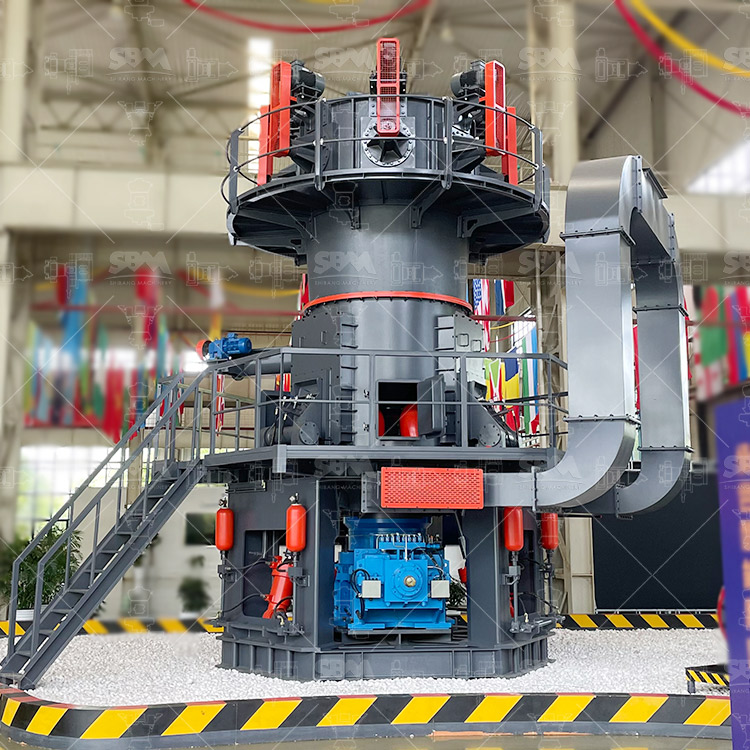
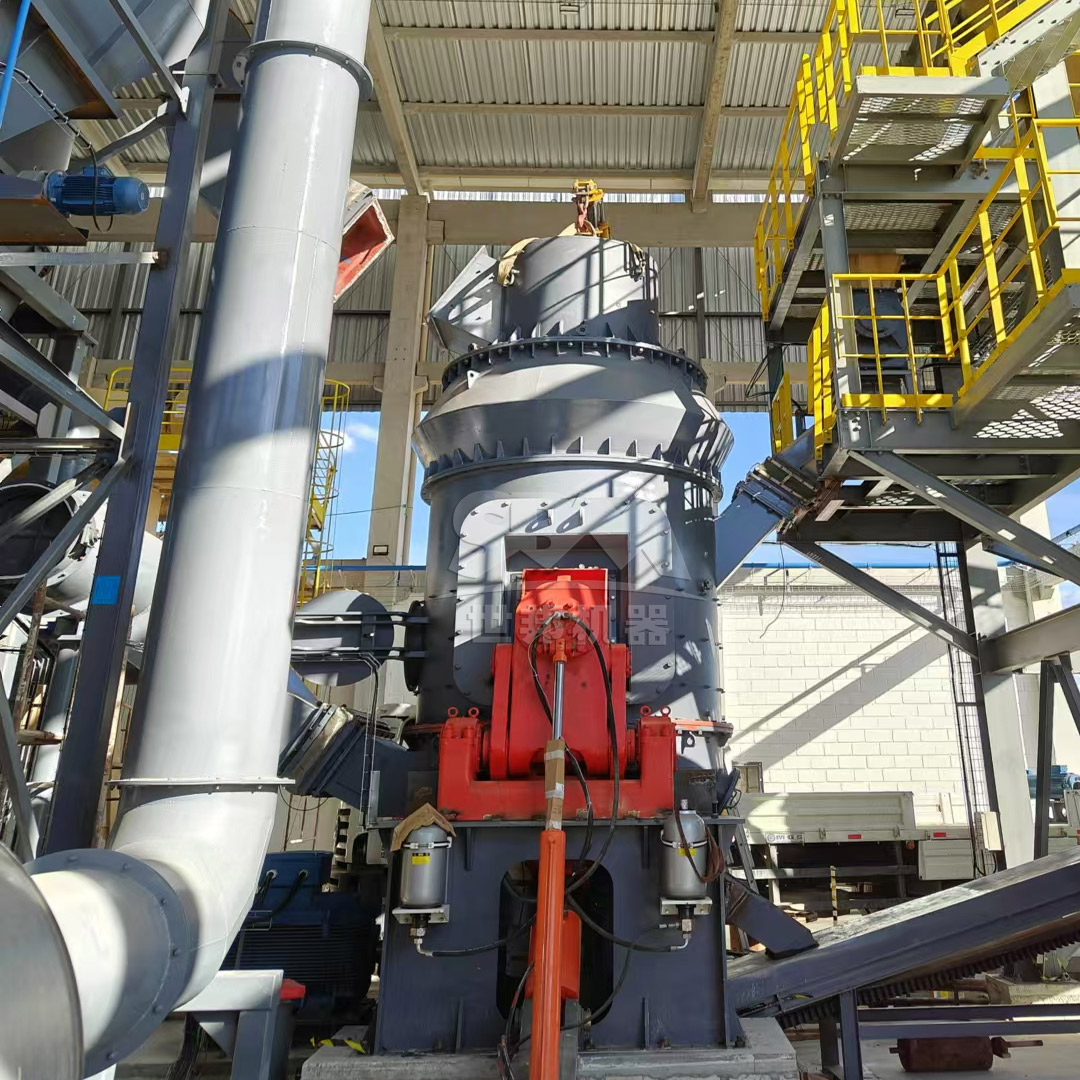
Among these, Vertical Roller Mills have gained significant market share due to their compact footprint, lower specific energy consumption (typically 30-40% less than ball mills), and effective integration of grinding, drying, and classification in a single unit.
The evolution of VRM technology has focused on enhancing durability, intelligence, and environmental performance. Modern designs feature:
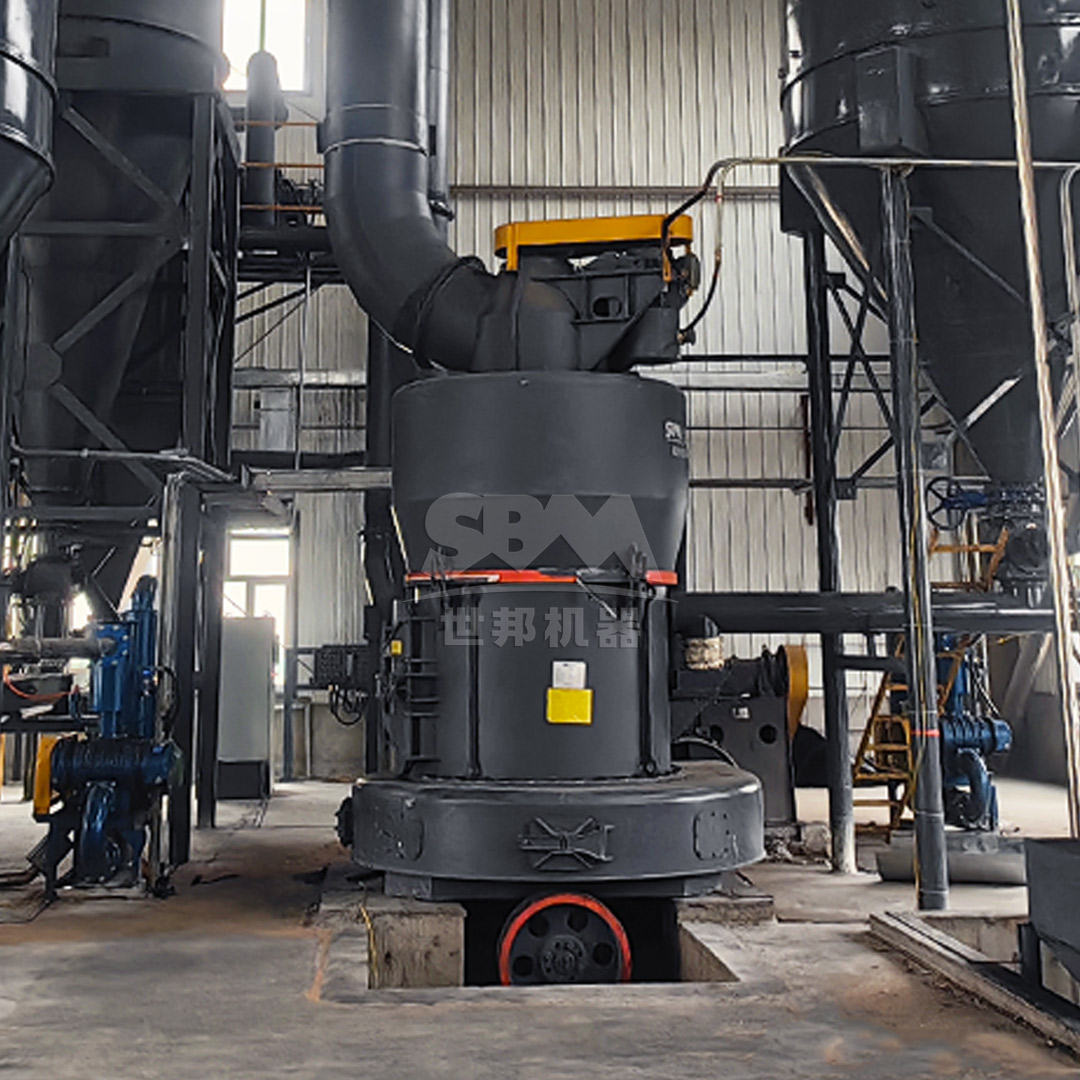
For power plants seeking a proven, high-capacity, and efficient coal grinding solution, our LM Series Vertical Roller Mill represents the industry benchmark. Engineered specifically for pulverized coal preparation, its core advantages align perfectly with power plant needs:
Before coal enters the main mill, primary and secondary crushing is often required to achieve a consistent feed size. Reliable crushers like Hammer Mills are vital for this stage, ensuring the mill receives material within its optimal size range for efficient operation.
Furthermore, some advanced combustion and emission reduction technologies, such as certain over-fire air (OFA) systems or reburning techniques, can benefit from a stream of ultra-fine coal. Producing this material requires specialized grinding technology.
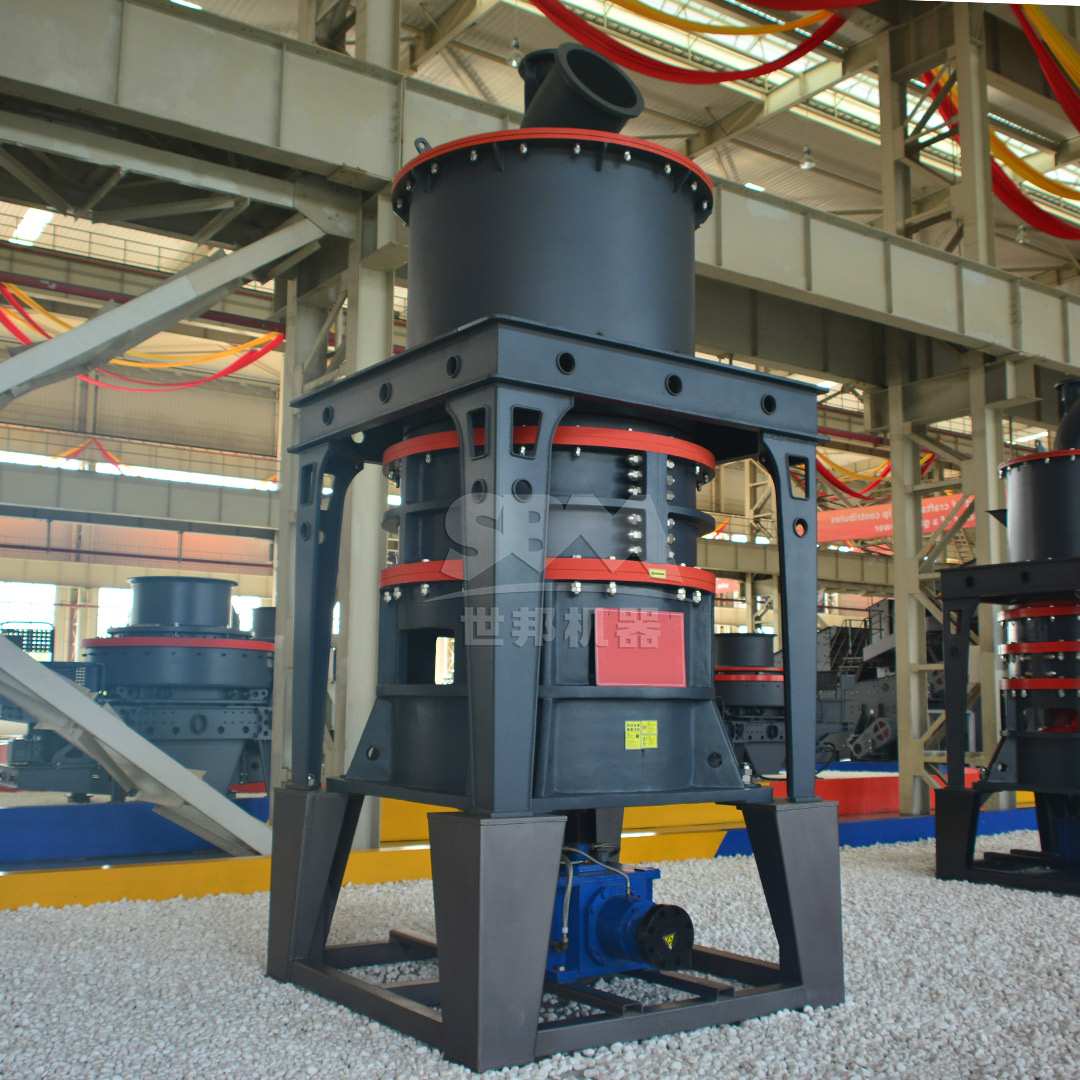
For applications demanding ultra-fine coal powder (325-2500 mesh / 45-5μm), our SCM Series Ultrafine Mill offers an unparalleled solution. While not typically used for main boiler fuel, it is ideal for specialized auxiliary systems or pilot-scale research. Its highlights include:
| SCM Series Ultrafine Mill – Select Model Specifications | ||||
|---|---|---|---|---|
| Model | Capacity (t/h) | Main Power (kW) | Feed Size (mm) | Output Fineness (mesh) |
| SCM1000 | 1.0 – 8.5 | 132 | ≤20 | 325 – 2500 |
| SCM1250 | 2.5 – 14 | 185 | ≤20 | 325 – 2500 |
| SCM1680 | 5.0 – 25 | 315 | ≤20 | 325 – 2500 |
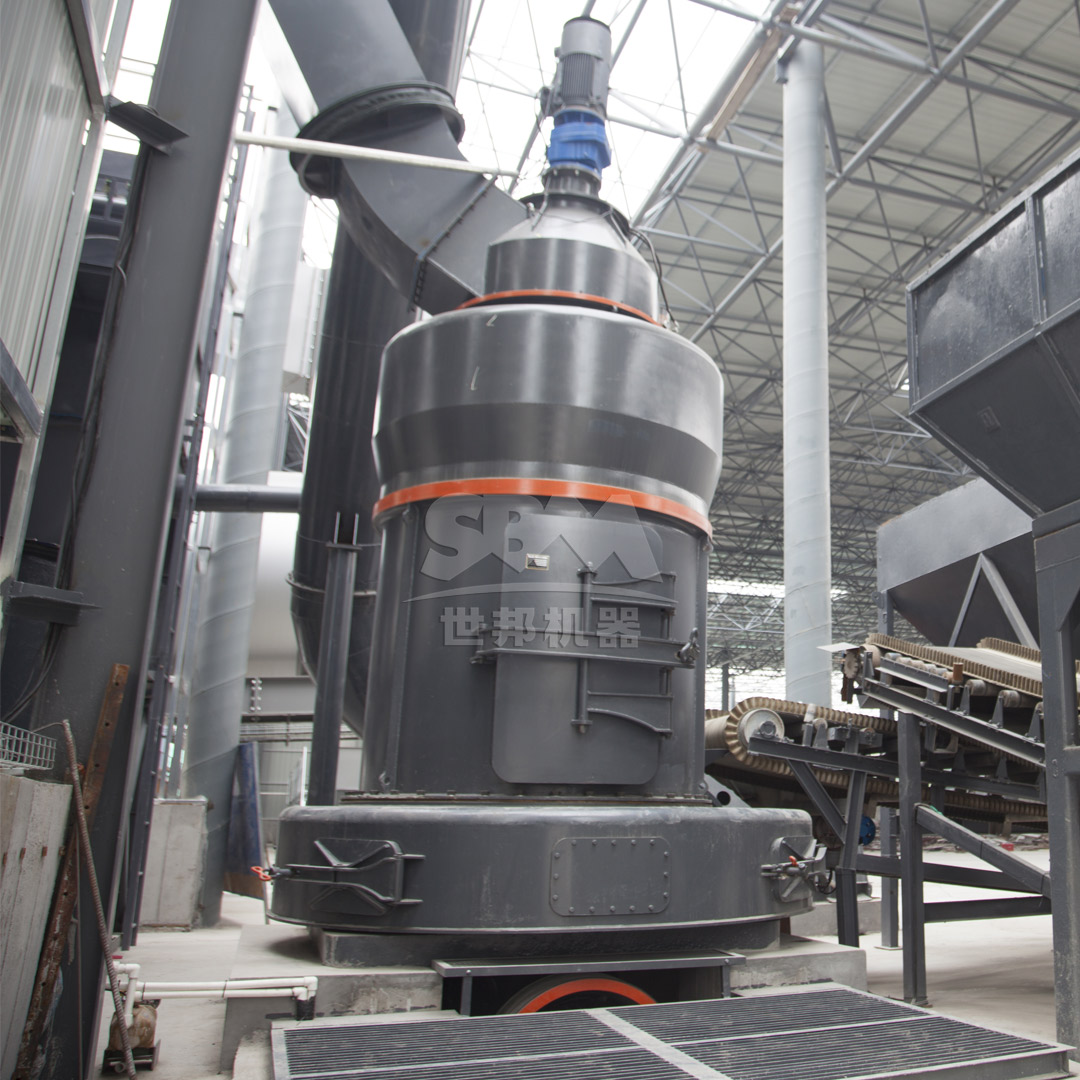
The selection and operation of coal processing equipment are not merely auxiliary concerns but foundational investments that dictate the economic and environmental performance of a power plant. Moving beyond traditional technologies to adopt advanced, intelligent, and efficient grinding systems like modern Vertical Roller Mills pays significant dividends in reduced fuel costs, lower emissions, improved boiler responsiveness, and enhanced operational reliability.
By partnering with a technology provider that offers robust, high-performance solutions like the LM Series Vertical Roller Mill for primary fuel preparation and specialized tools like the SCM Series Ultrafine Mill for niche applications, power plant operators can build a more resilient, efficient, and compliant fuel supply chain. In an era of intense focus on efficiency and sustainability, optimizing the first step in the combustion process—coal preparation—remains one of the most impactful strategies for ensuring long-term power plant viability.