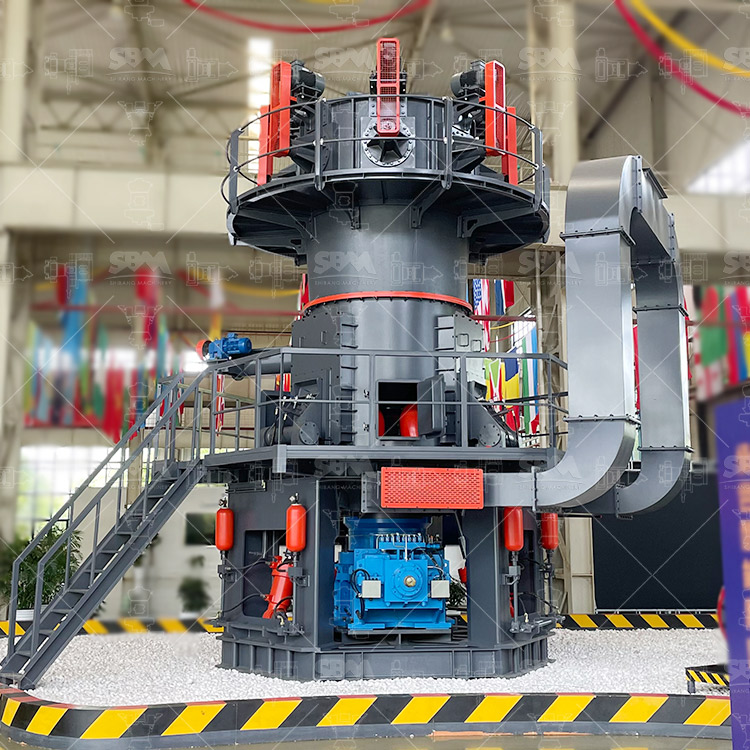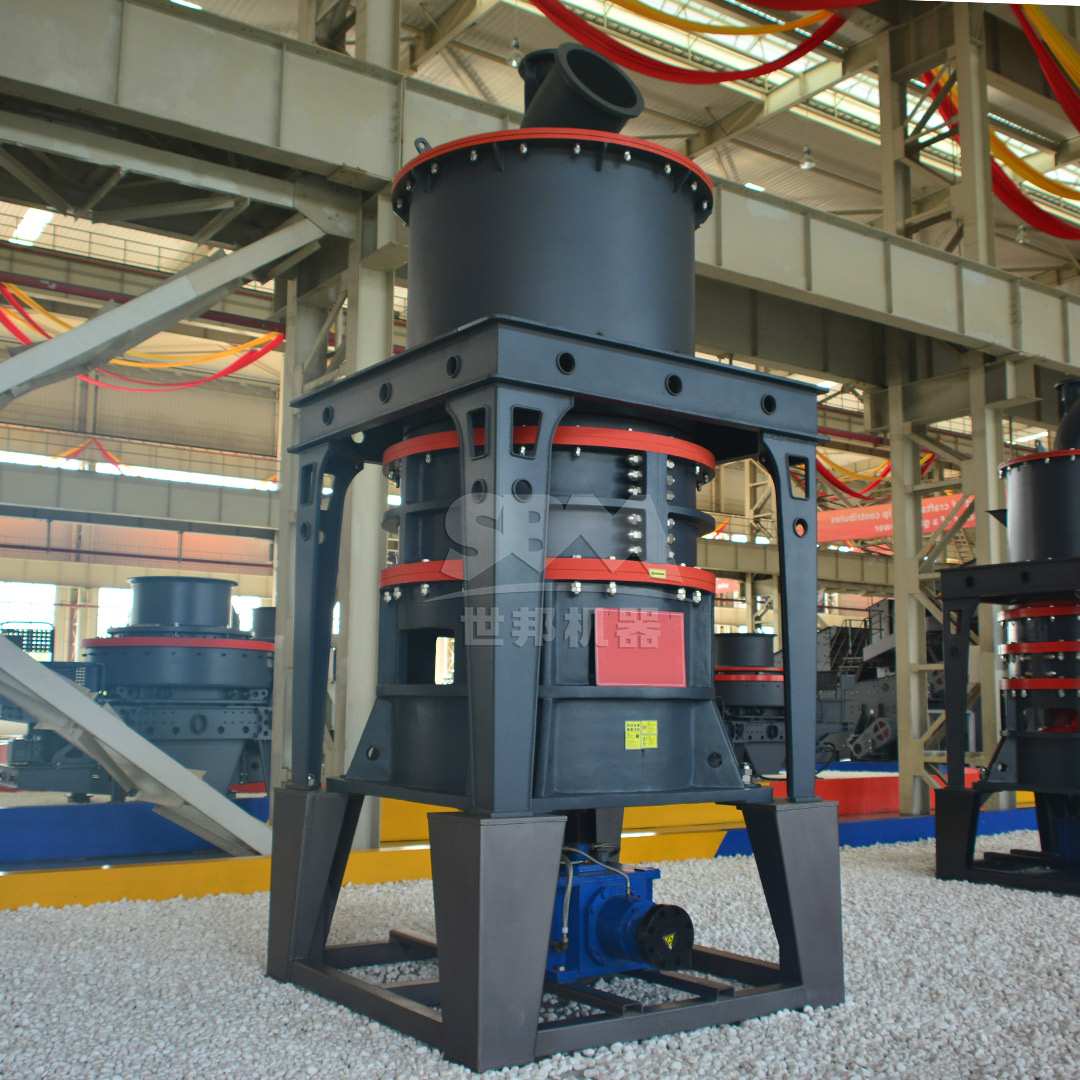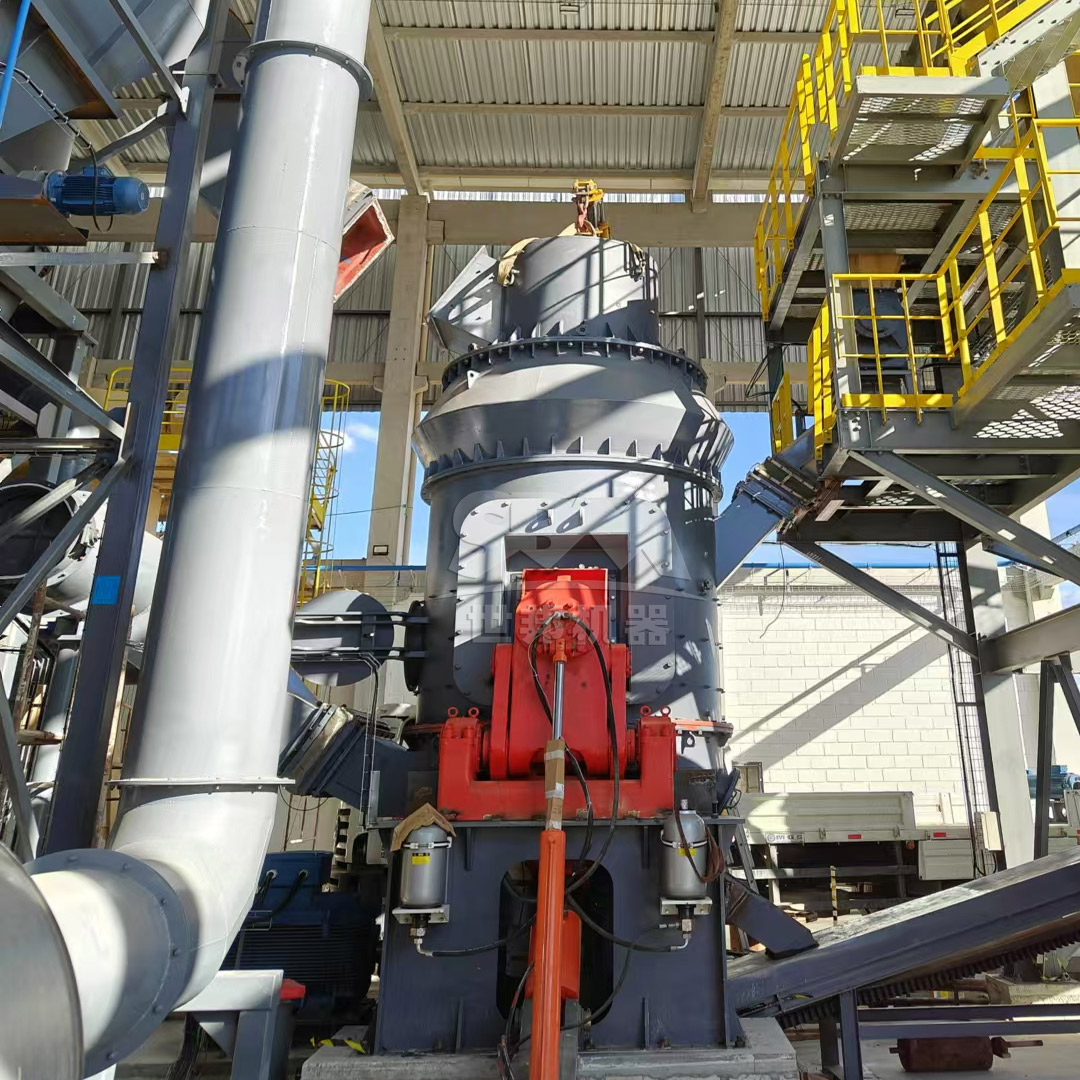
Talc, a hydrated magnesium silicate mineral, is a cornerstone industrial material prized for its softness, lubricity, chemical inertness, and platy structure. Its applications span from plastics and paints as a reinforcing filler and extender to cosmetics, pharmaceuticals, paper, and ceramics. The value of talc in these markets is intrinsically linked to its particle size distribution (PSD), whiteness, and purity. Consequently, the heart of any modern talc processing plant is its grinding and classification circuit. This article delves into the critical stages of talc size reduction, the technological principles behind key equipment, and how selecting the right machinery dictates product quality, operational efficiency, and plant profitability.
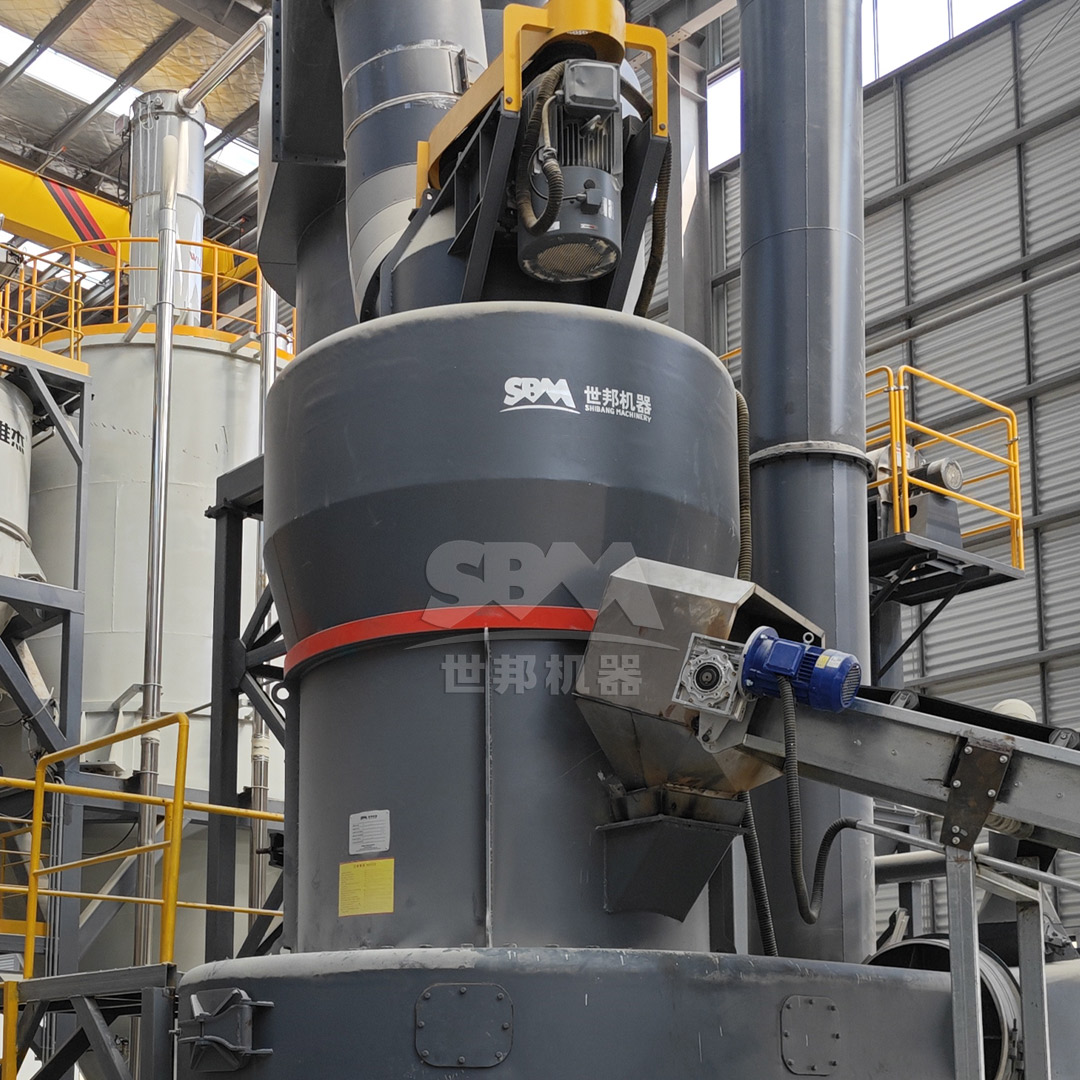
Raw talc ore, extracted from mines, typically exists in lumps or coarse particles. To unlock its functional properties, it must be reduced to a fine powder. However, mere size reduction is insufficient. Modern industry demands precise control over the top cut (coarse particles) and the fineness profile. Over-grinding wastes energy and can degrade the platy structure, while under-grinding fails to meet specification. Classification, therefore, is the inseparable partner to grinding, ensuring that only particles meeting the target size proceed to the final product collection, while oversize material is efficiently returned for further comminution. This closed-circuit operation is vital for achieving high yield, consistent quality, and energy efficiency.
Before fine grinding, raw talc ore (often with a feed size up to 200-300mm) undergoes primary crushing using jaw crushers or hammer mills to reduce it to a manageable size (typically below 30-50mm). If moisture content is high, a drying stage using rotary dryers or flash dryers is essential, as moisture can hinder grinding efficiency and cause clogging in milling systems.
The selection of fine grinding equipment depends on the target fineness, required capacity, and the need to preserve talc’s lamellar structure. Several technologies are prevalent:
Classification separates particles based on size, shape, and density. In talc processing, dynamic air classifiers are most common. They use a balance of centrifugal force (from a rotating rotor or turbine) and aerodynamic drag (from an air stream) to split the ground material into fine (product) and coarse (reject) fractions. The cut point (D97) is adjustable by changing the rotor speed or air flow. High-efficiency classifiers are critical for producing talc with a sharp top cut, ensuring no coarse particles contaminate the final product, which is essential for applications like cosmetics or high-grade plastics.
For plant operators seeking an optimal balance of high output, fine to ultra-fine product capability, and outstanding energy efficiency, advanced milling systems that integrate grinding and classification are paramount. Based on prevailing industry demands for high-quality talc, we highly recommend considering our flagship grinding solutions.
When the production target is in the fine powder range with capacities from 3 to 45 tons per hour, the MTW Series European Trapezium Mill represents a technological leap. It is engineered for durability and efficiency in processing minerals like talc.
| Model | Capacity (t/h) | Main Power (kW) | Output Fineness (mesh) |
|---|---|---|---|
| MTW138Z | 6-17 | 90 | 10-325 |
| MTW175G | 9.5-25 | 160 | 10-325 |
| MTW215G | 15-45 | 280 | 10-325 |
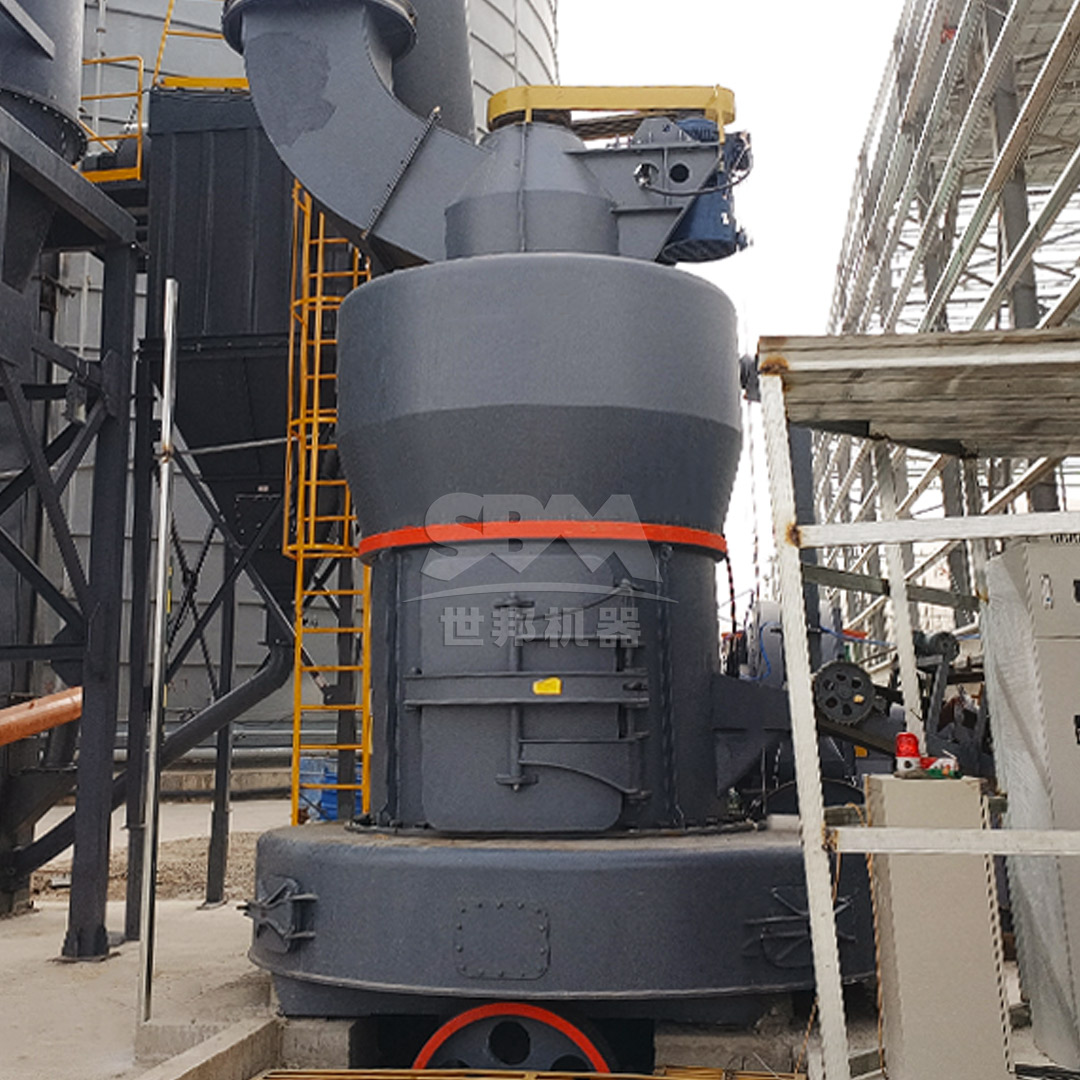
For producers targeting the high-value-added markets of cosmetics, pharmaceuticals, or advanced polymer composites, where ultrafine particle size and narrow distribution are critical, the SCM Series Ultrafine Mill is the definitive solution.
| Model | Capacity (t/h) | Main Power (kW) | Output Fineness (mesh) |
|---|---|---|---|
| SCM1000 | 1.0-8.5 | 132 | 325-2500 |
| SCM1250 | 2.5-14 | 185 | 325-2500 |
| SCM1680 | 5.0-25 | 315 | 325-2500 |
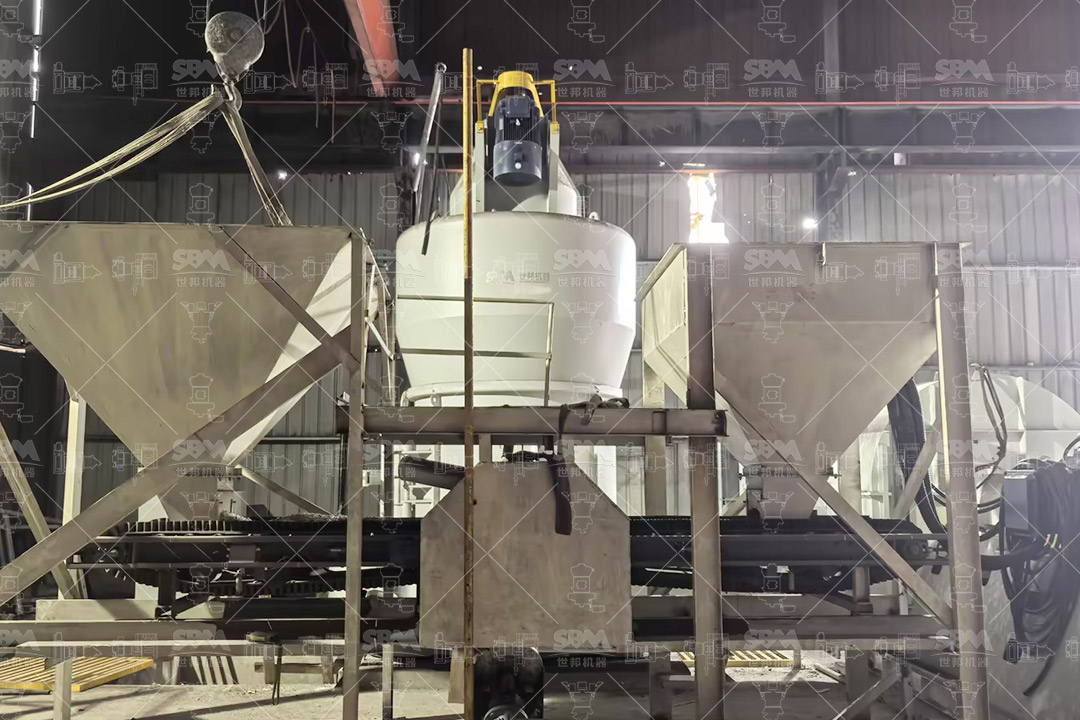
A complete plant requires more than just mills. After classification, the fine talc powder is conveyed to a collection system, typically comprising high-efficiency cyclone separators and baghouse filters or pulse dust collectors. For certain applications, surface modification (e.g., with silanes or stearic acid) may be conducted in specialized coating machines to enhance compatibility with polymer matrices. Finally, the product is stored in silos and packaged via automated bagging systems or bulk loaders.
The success of a talc powder processing plant hinges on the intelligent design and selection of its grinding and classification heart. Moving beyond traditional milling to advanced, integrated systems like the MTW European Trapezium Mill for fine powders and the SCM Ultrafine Mill for premium ultra-fine products allows producers to meet stringent market specifications, optimize energy consumption, and maximize operational reliability. Investing in the right key equipment is not merely a capital decision but a strategic move to secure a competitive edge in the dynamic and quality-driven global talc market.