High specific surface area limestone powder is a cornerstone material in modern industries, finding critical applications in construction (as a filler and in self-compacting concrete), plastics, paints, coatings, paper, and environmental technologies such as flue gas desulfurization. The performance of the final product is intrinsically linked to its particle size distribution, morphology, and, most importantly, its specific surface area. Achieving the desired ultra-fine or precisely graded powder necessitates advanced milling technology. The selection of production equipment directly dictates product quality, production efficiency, energy consumption, and overall operational cost. This article explores the technological requirements for producing high-value limestone powder and highlights key equipment solutions.
Specific surface area (SSA), typically measured in m²/g, is a fundamental property of powdered materials. For limestone, a higher SSA directly translates to enhanced reactivity, better dispersion in composite matrices, improved packing density, and superior optical properties in coatings. Producing powder with high and consistent SSA requires equipment capable of efficient comminution and precise classification.
Traditional ball mills, while robust, often struggle with efficiency and precise top-size control in the fine and ultra-fine ranges. Energy consumption is high, and heat generation can be an issue. Modern powder processing demands technology that integrates high-efficiency grinding, accurate air classification, intelligent control, and environmental protection into a single, reliable system.
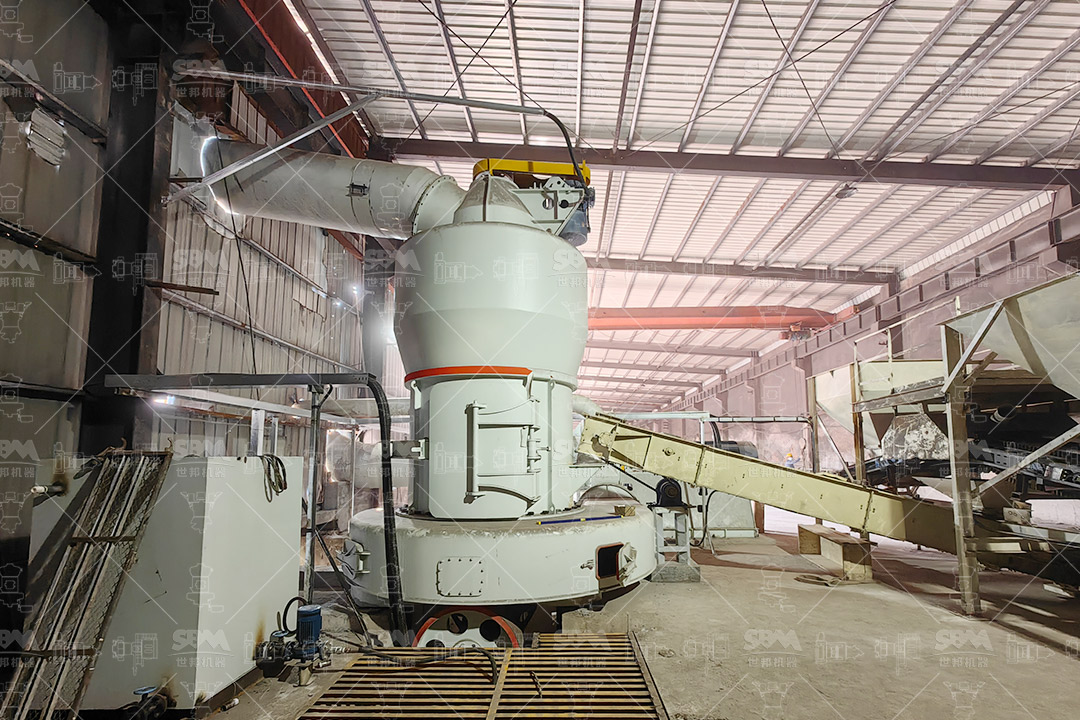
The journey from coarse limestone rock to high-SSA powder involves primary crushing, secondary grinding, and final classification. For the core grinding stage, two dominant technological paths exist: vertical roller mills for high-capacity production in the coarse to fine range (30-325 mesh), and ultra-fine grinding mills for producing superfine powders (325-2500 mesh and beyond).
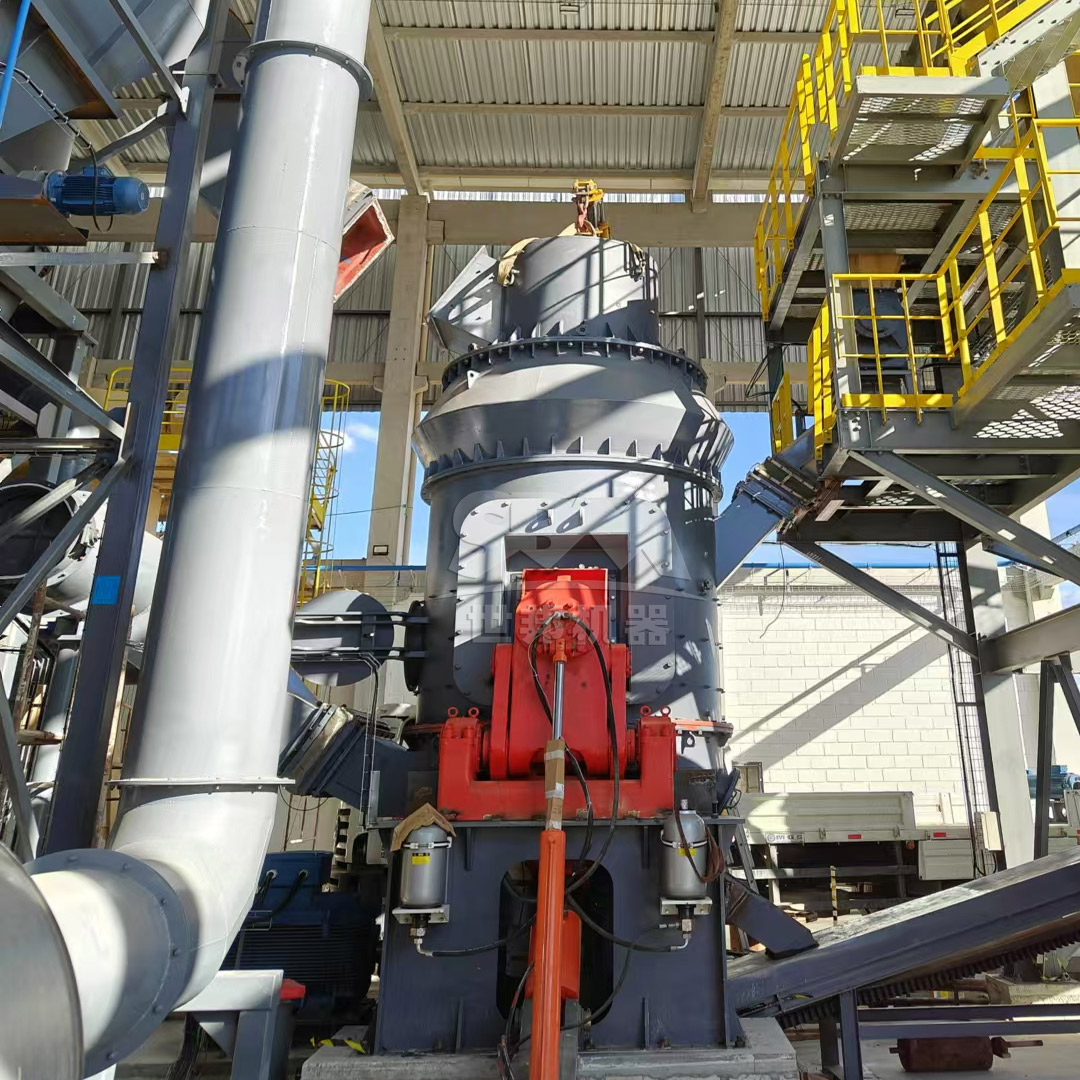
For large-scale production of limestone powder in the 30 to 325 mesh range, Vertical Roller Mills (VRMs) represent the industry standard for efficiency. Their integrated design combines grinding, drying (if needed), classification, and conveying into one compact unit.
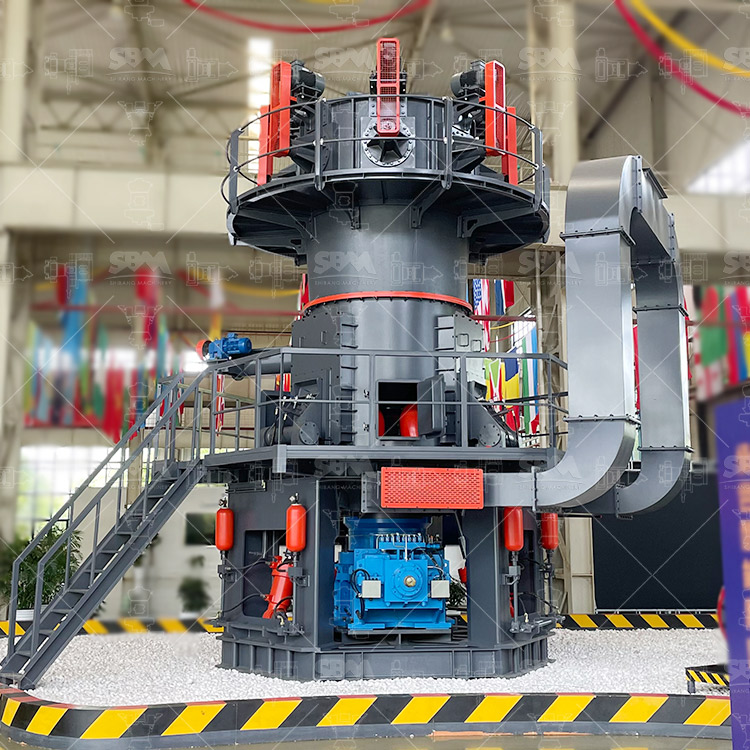
A prime example of this technology is our LM Series Vertical Roller Mill. Its core advantages make it ideal for producing high volumes of consistent, high-quality limestone filler:
The LM series offers a wide range of models, from the LM130K with a capacity of 10-28 t/h to the massive LM280K handling 50-170 t/h, ensuring a solution for any production requirement.
| Model | Grinding Table Diameter | Capacity (t/h) | Output Fineness | Main Motor Power |
|---|---|---|---|---|
| LM150K | Φ1500mm | 13-38 | 170-40μm (30-325 mesh) | 280 kW |
| LM190K | Φ1900mm | 23-68 | 170-40μm (30-325 mesh) | 500 kW |
| LM220K | Φ2200mm | 36-105 | 170-45μm (30-325 mesh) | 800 kW |
When the application demands ultra-fine limestone powder with a very high specific surface area (e.g., for high-performance plastics, advanced sealants, or specialty chemicals), specialized ultra-fine grinding mills are essential. These mills must provide intense grinding force coupled with extremely precise classification to prevent coarse particle contamination.
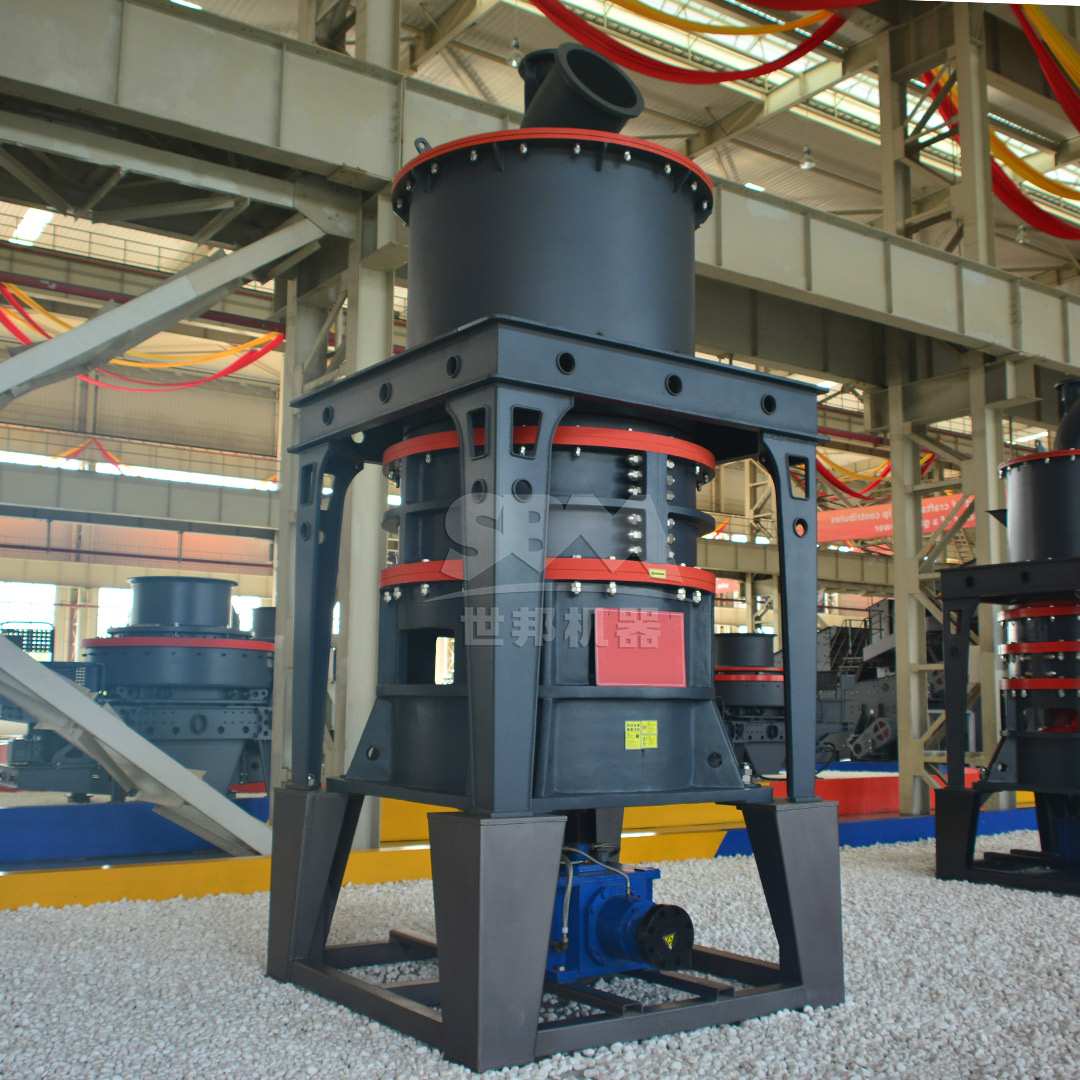
For this demanding sector, our flagship SCM Series Ultrafine Mill is engineered to excel. It is specifically designed to produce powders in the range of 325 to 2500 mesh (5-45μm) with exceptional uniformity and efficiency.
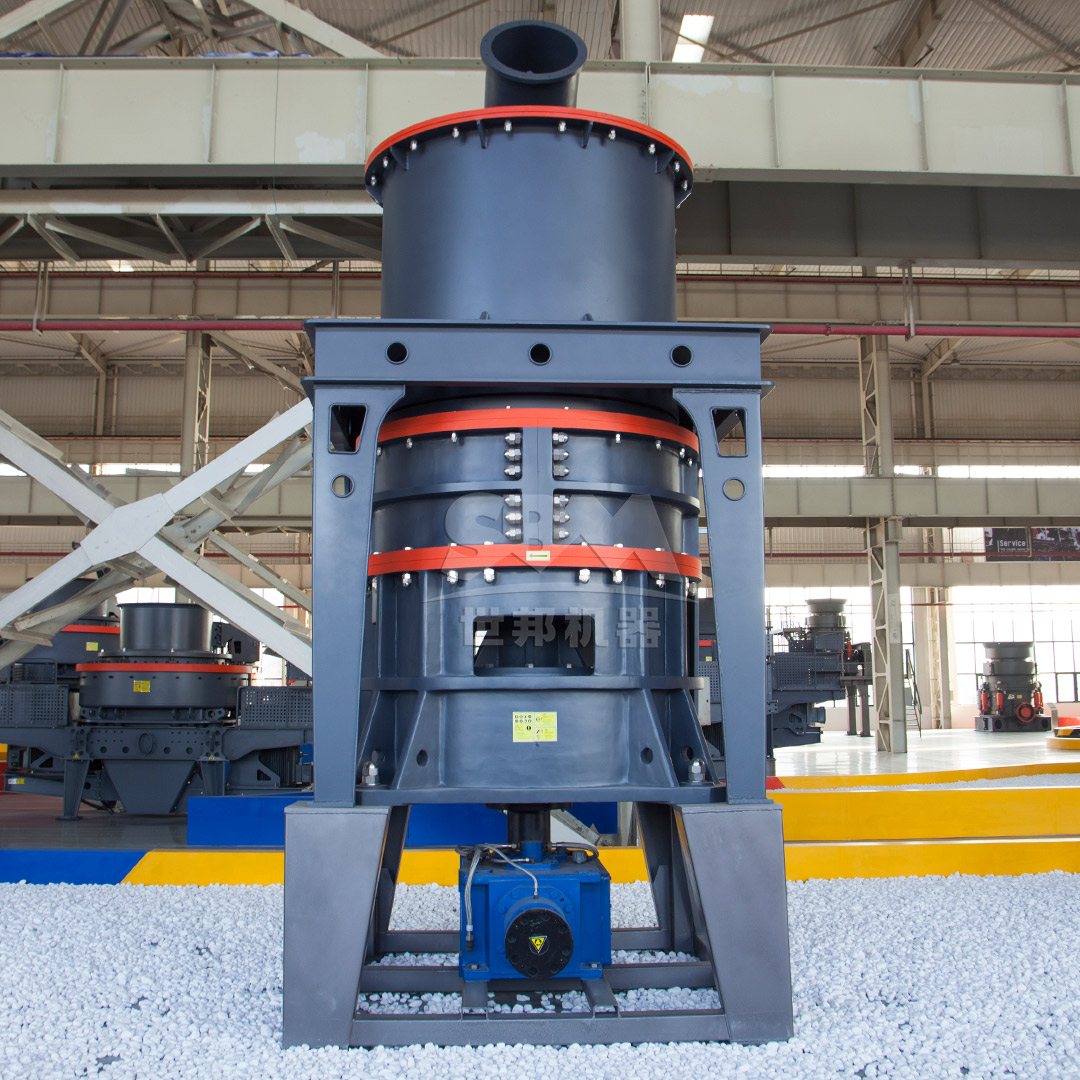
The SCM Mill’s technological strengths address the key challenges of ultra-fine production:
The SCM series offers scalable models to match production needs, from the SCM800 (0.5-4.5 t/h) for pilot plants or niche production to the high-capacity SCM1680 (5-25 t/h) for large-scale manufacturing.
Choosing between a Vertical Roller Mill and an Ultrafine Mill depends on the target product specifications and business scale. VRMs are the optimal choice for high-tonnage production of fillers and additives where the focus is on cost per ton. Ultrafine mills are the specialists for high-value, superfine products where premium performance commands a higher price.
Beyond the core mill, a complete production line includes:
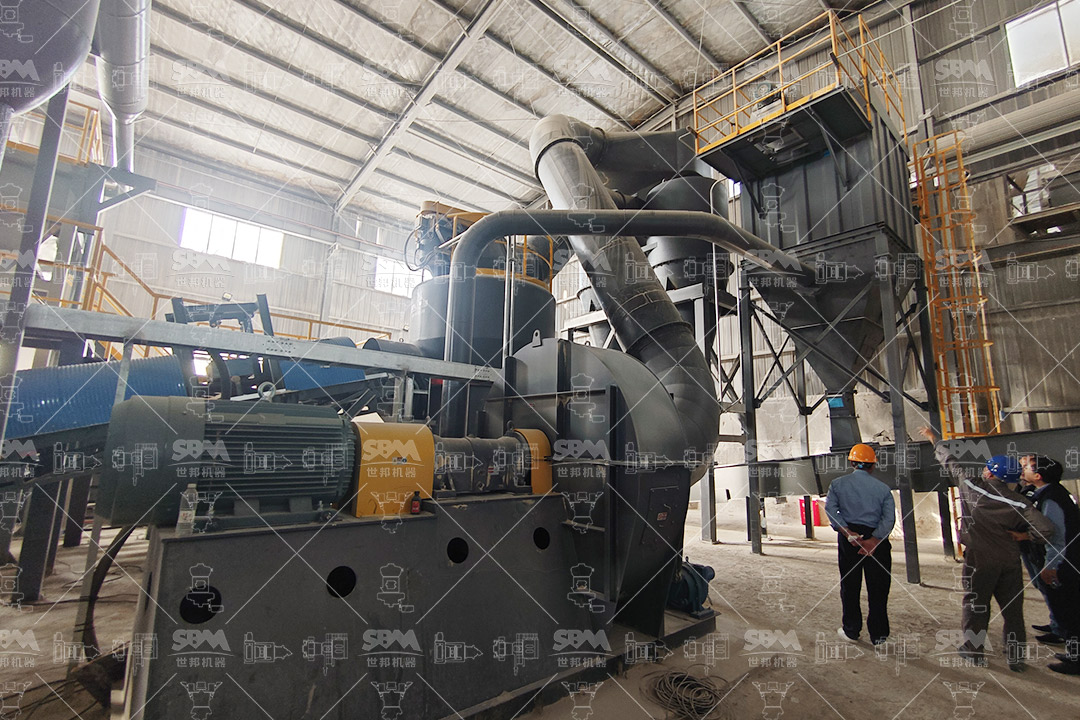
The production of high specific surface area limestone powder is a technologically driven process where equipment capability defines product potential and market competitiveness. Moving beyond traditional, inefficient methods is no longer an option. Modern vertical roller mills, like the LM Series, provide an unbeatable solution for efficient, large-scale production of fine limestone powders. For the most demanding applications requiring ultra-fine, high-SSA products, advanced grinding systems like the SCM Series Ultrafine Mill are indispensable, offering precision, efficiency, and reliability.
Investing in the right grinding technology is an investment in product quality, operational sustainability, and long-term profitability. By partnering with a provider of advanced milling systems, producers can unlock the full value of limestone, transforming a basic mineral into a high-performance material for the industries of today and tomorrow.