In modern cement production, the pre-decomposition kiln process has become the industry standard due to its high efficiency and low energy consumption. A critical component of this process is the preparation of raw meal, where limestone, the primary ingredient, must be ground to a specific fineness to ensure optimal calcination and clinker formation. Selecting the appropriate grinding mill is paramount for achieving desired product quality, maximizing production capacity, and minimizing operational costs. This guide provides a comprehensive analysis of key factors to consider when choosing a limestone grinding mill for pre-decomposition kiln systems and offers professional equipment recommendations.
The selection of a grinding mill is not a one-size-fits-all decision. It requires a careful evaluation of multiple technical and economic parameters specific to the plant’s operational goals and the characteristics of the limestone feed.
For pre-decomposition kilns, the raw meal fineness is typically controlled within a specific range (e.g., 12-16% residue on 90μm sieve or a Blaine value of 300-350 m²/kg). The chosen mill must reliably and consistently produce powder within this target range. Mills with advanced, adjustable classification systems are essential for maintaining this consistency.
The mill’s capacity must align with the kiln’s production line throughput. It is crucial to consider both the immediate needs and future expansion plans. The mill should operate efficiently not only at its design capacity but also have stable performance under partial loads.
Grinding is one of the most energy-intensive stages in cement production. Selecting an energy-efficient mill directly impacts the plant’s operating expenses. Modern vertical roller mills and advanced trapezium mills typically offer significantly lower specific energy consumption compared to traditional ball mills.
High availability is critical for continuous kiln operation. The mill’s design should prioritize durability of wear parts (rollers, grinding tables/rings, liners), ease of maintenance, and quick replacement of components to minimize downtime.
If the limestone feedstock has significant moisture, the grinding system may need to integrate drying functionality. Vertical roller mills and some trapezium mills can utilize hot gas from the kiln system to dry the material during grinding, simplifying the process flow.
The physical space available and the complexity of the foundation work are practical considerations. Integrated mill systems with compact designs can substantially reduce civil engineering costs.
The grinding system must effectively control dust emissions and noise levels to meet stringent environmental regulations. A fully sealed negative pressure operation with an efficient bag filter or pulse dust collector is now a standard requirement.
| Selection Factor | High Priority For | Key Consideration |
|---|---|---|
| Fineness & Consistency | Product Quality, Kiln Stability | Classifier precision, particle size distribution control |
| Energy Efficiency | Operating Cost Reduction | Specific power consumption (kWh/ton) |
| System Availability | Production Line Continuity | Wear part life, maintenance interval, mean time between failures (MTBF) |
| Moisture Handling | Wet or Variable Feedstock | Integrated drying capacity, hot gas source availability |
| Capital Expenditure (CAPEX) | New Plant Construction | Mill cost, auxiliary equipment, installation & civil work |
Different mill technologies offer distinct advantages and are suitable for various application scenarios. Below is a comparative analysis of the most common systems used in the cement industry.
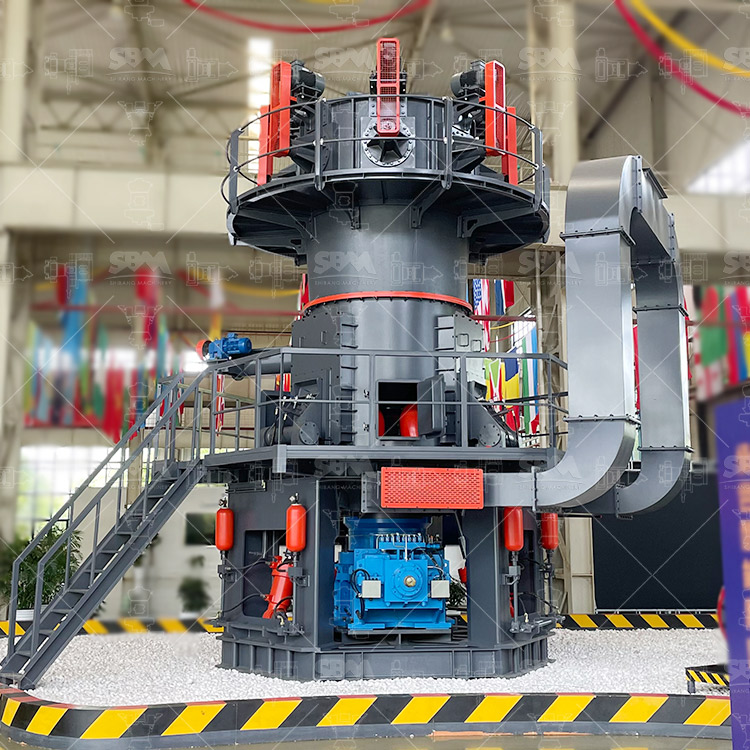
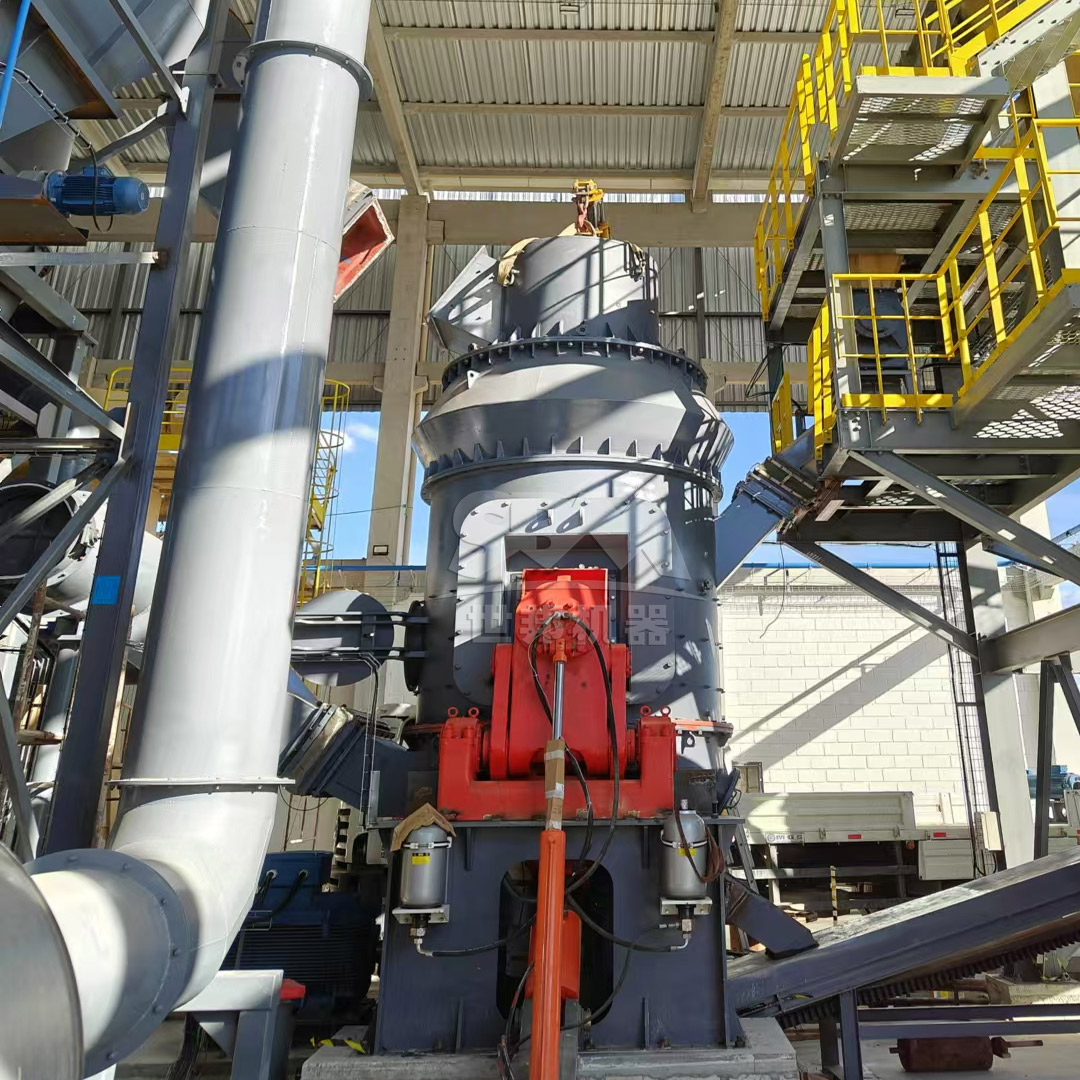
VRMs have become the dominant technology for raw meal grinding in new pre-decomposition kiln lines. They operate on the principle of bed comminution, where material is ground between a rotating table and rollers under pressure. A key advantage is their ability to simultaneously grind and dry material using waste heat from the kiln.
Advantages: Highest energy efficiency (30-50% less power than ball mills), integrated drying, compact footprint, lower noise levels, excellent product quality control.
Considerations: Higher sensitivity to feed material variability (hardness, abrasiveness), more complex maintenance for grinding elements, potentially higher initial investment for smaller capacities.
The traditional workhorse, a ball mill grinds material via impact and attrition as the chamber rotates and steel balls cascade. For moist limestone, it is often paired with a separate pre-dryer.
Advantages: Proven technology, high reliability, less sensitive to metal debris in feed, can handle a very wide range of materials.
Considerations: Highest specific energy consumption, large footprint, requires separate drying system for moist material, higher wear rate for media and liners.
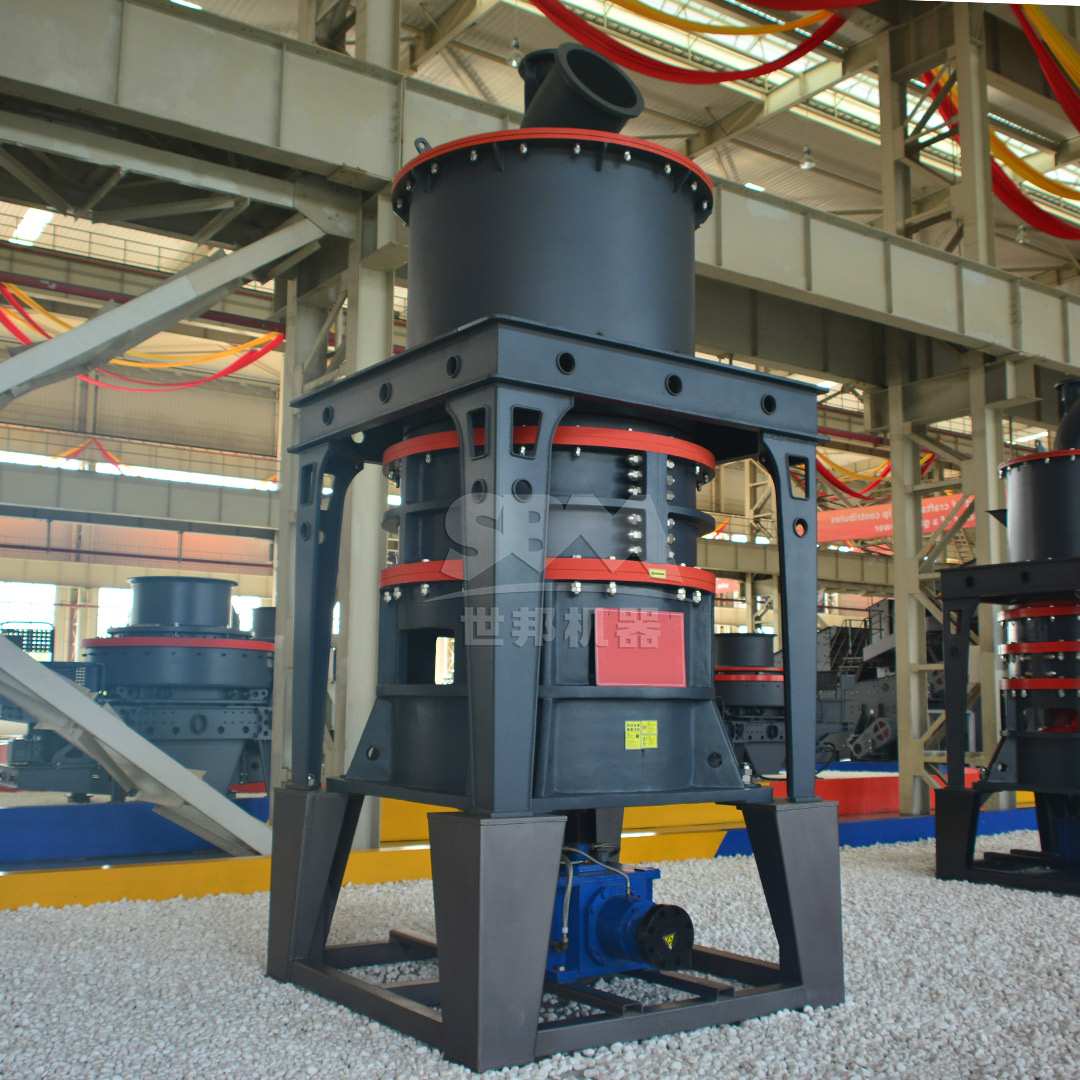
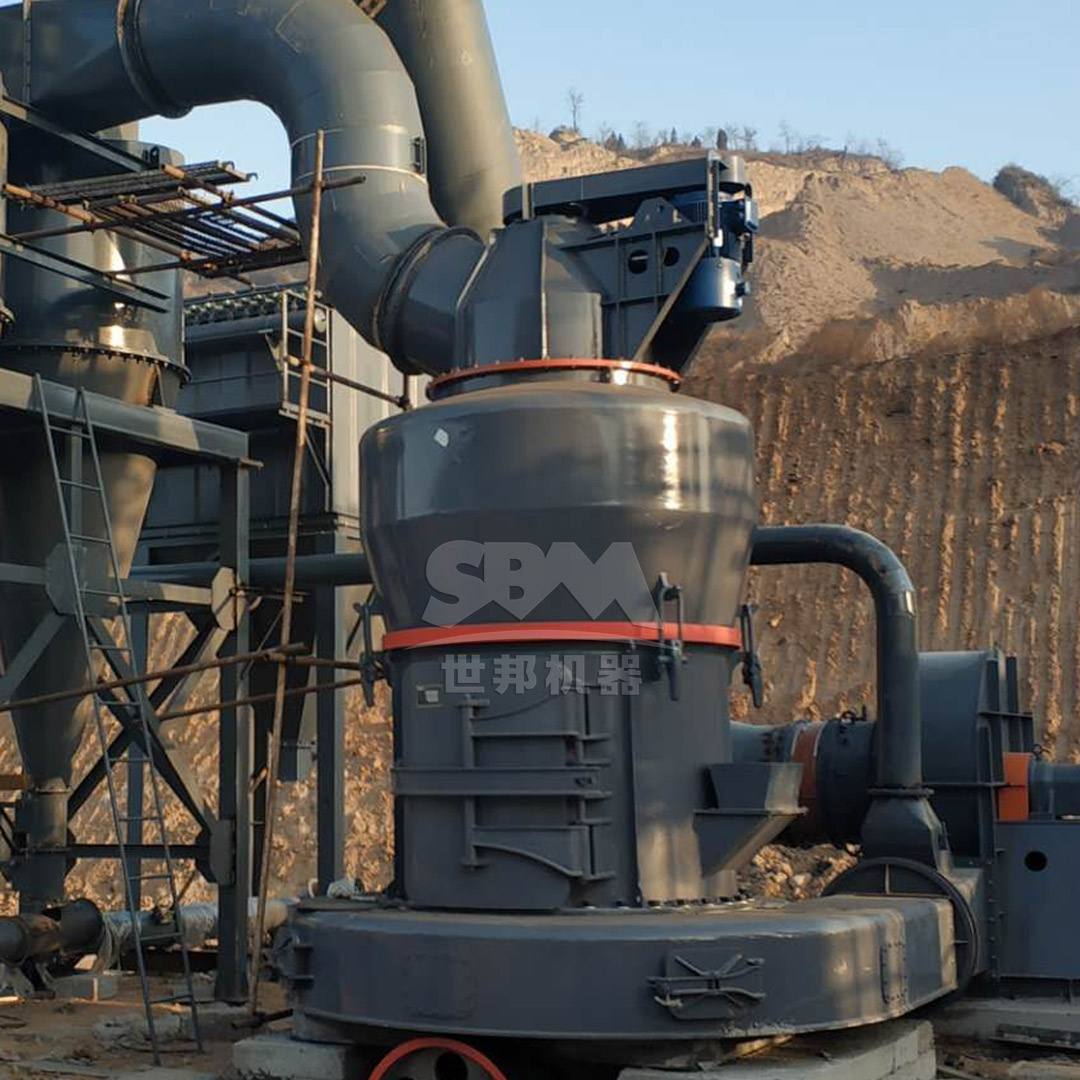
This technology represents an advanced evolution of the Raymond mill. It uses rollers that swing outward due to centrifugal force to press against a stationary ring for grinding.
Advantages: Good balance of efficiency and reliability, stable operation, lower capital cost than VRMs for medium-scale projects, can be equipped with integral drying.
Considerations: Generally lower single-unit capacity compared to large VRMs, energy consumption higher than VRM but lower than ball mills.
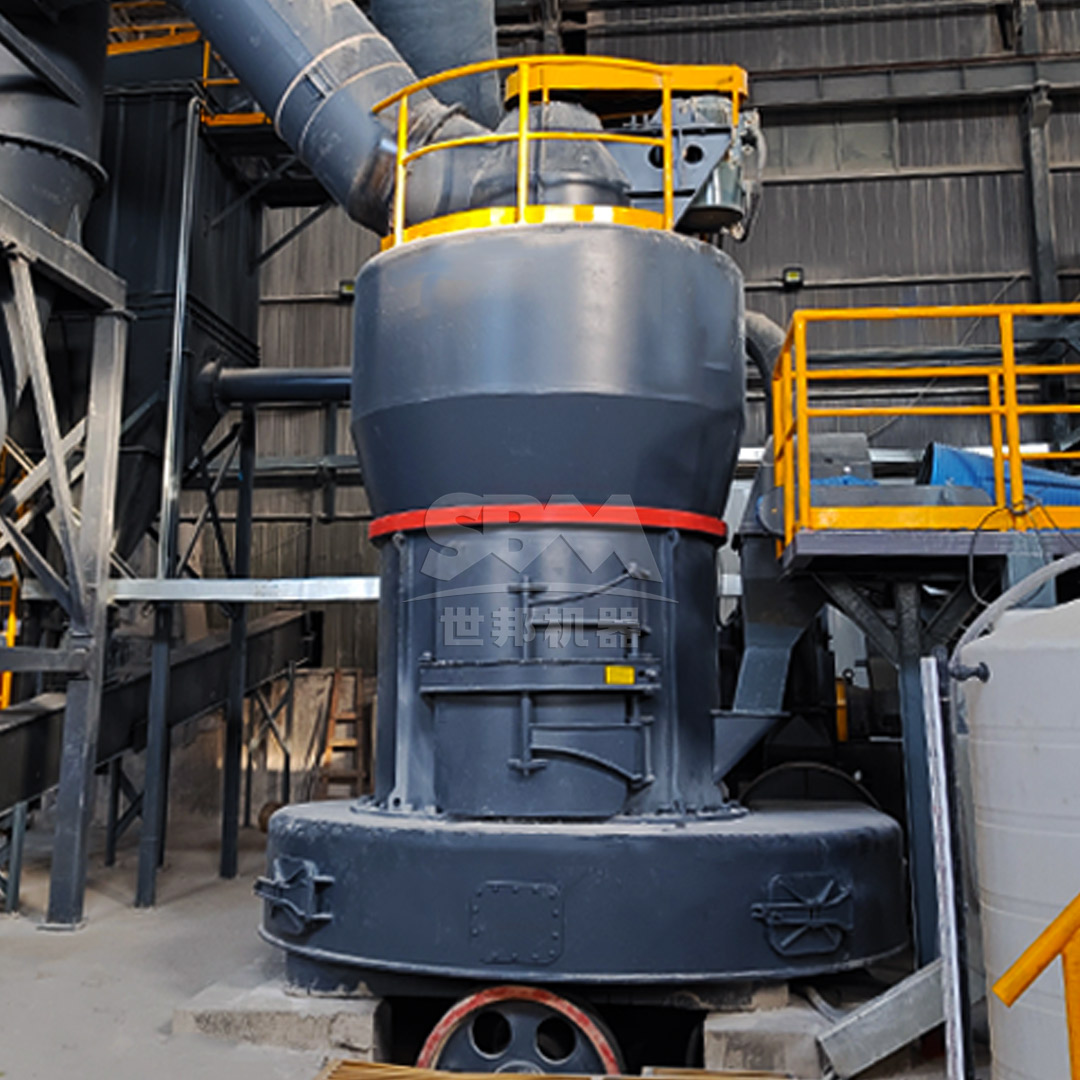
Based on the prevailing demand for high efficiency, large capacity, and integrated drying in modern cement plants, our company’s LM Series Vertical Roller Mill stands out as the premier recommendation for limestone grinding in pre-decomposition kiln systems.
The LM Series is engineered specifically for the rigorous demands of mineral grinding. Its design philosophy centers on maximizing throughput while minimizing energy use and operational costs—a perfect match for the economics of a pre-decomposition kiln.
Core Advantages for Your Application:
| Model Example (LM Series) | Grinding Table Diameter | Capacity Range (t/h)* | Main Motor Power (kW) | Typical Application |
|---|---|---|---|---|
| LM190K | Φ1900mm | 23 – 68 | 500 | Medium to large kiln line |
| LM220K | Φ2200mm | 36 – 105 | 800 | Large kiln line |
| LM280K | Φ2800mm | 50 – 170 | 1250 | Very large or dual line support |
*Capacity depends on raw material properties and product fineness.
For projects with specific constraints on capital investment or for plant upgrades where a robust and highly reliable solution is preferred, our MTW Series European Trapezium Mill presents an excellent alternative.
This mill excels with its heavy-duty construction and simplified operational philosophy. Key features like the integral bevel gear drive (98% transmission efficiency) and the wear-resistant volute structure make it exceptionally reliable with lower maintenance costs. Its anti-wear shovel design and optimized arc air duct contribute to long service life and stable performance. With a capacity range of 3-45 t/h and the ability to produce fineness from 30-325 mesh, it is a formidable and cost-effective choice for many pre-decomposition kiln operations, particularly those with moderate capacity requirements or seeking a straightforward, dependable grinding solution.
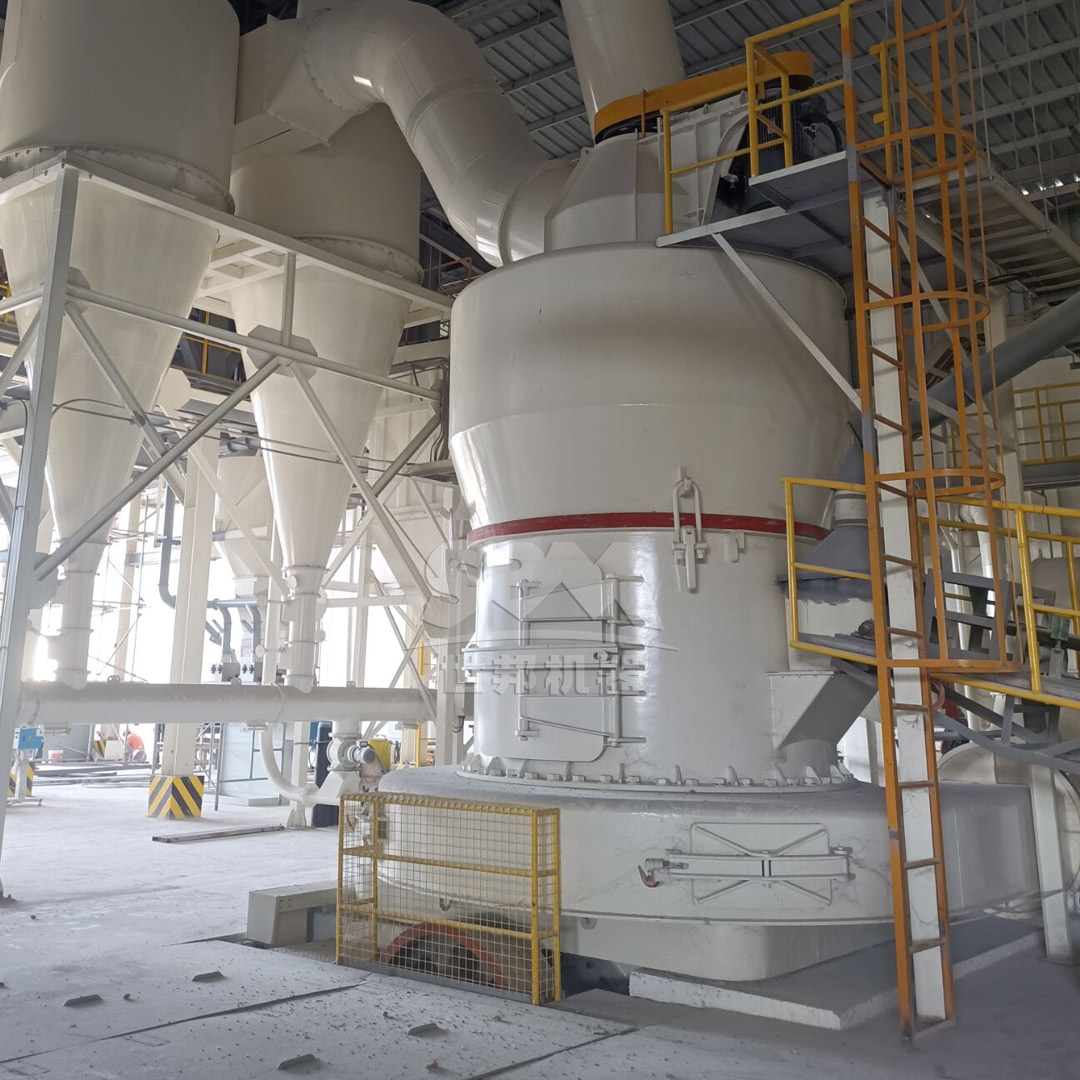
The selection of the right limestone grinding mill is a strategic decision that affects the long-term efficiency, cost structure, and environmental footprint of a pre-decomposition kiln cement plant. While traditional ball mills offer reliability, the industry’s shift towards vertical roller mill technology is driven by compelling advantages in energy efficiency, space utilization, and integrated process capabilities.
Our LM Series Vertical Roller Mill is specifically designed to meet and exceed the challenges of modern raw meal preparation. Its combination of low energy consumption, high capacity, integrated drying, and intelligent control makes it the benchmark solution for new plant construction and major upgrades. For scenarios where the specific advantages of a trapezium mill are preferred, the robust and efficient MTW Series provides a proven and competitive alternative.
We recommend conducting a detailed feasibility study based on your specific limestone characteristics, desired capacity, and site conditions. Our technical team is available to provide a tailored analysis and mill recommendation to optimize your pre-decomposition kiln’s raw material preparation circuit.