The production of high-quality desulfurization agents, primarily from limestone, is a critical process in modern flue gas desulfurization (FGD) systems. The efficiency of the wet limestone-gypsum process heavily relies on the reactivity of the limestone powder, which is directly influenced by its fineness and particle size distribution. A fineness of 200 mesh (approximately 74 microns) is widely recognized as the optimal specification for balancing high specific surface area (and thus reactivity) with grinding energy consumption and operational costs. Selecting the right grinding mill is therefore a pivotal decision that impacts product quality, plant efficiency, and overall economic viability. This article provides a comprehensive guide to the key factors in choosing a 200 mesh limestone grinding mill and highlights superior solutions for this application.
Choosing the correct equipment requires a holistic analysis of both raw material characteristics and production goals. The following factors are paramount:
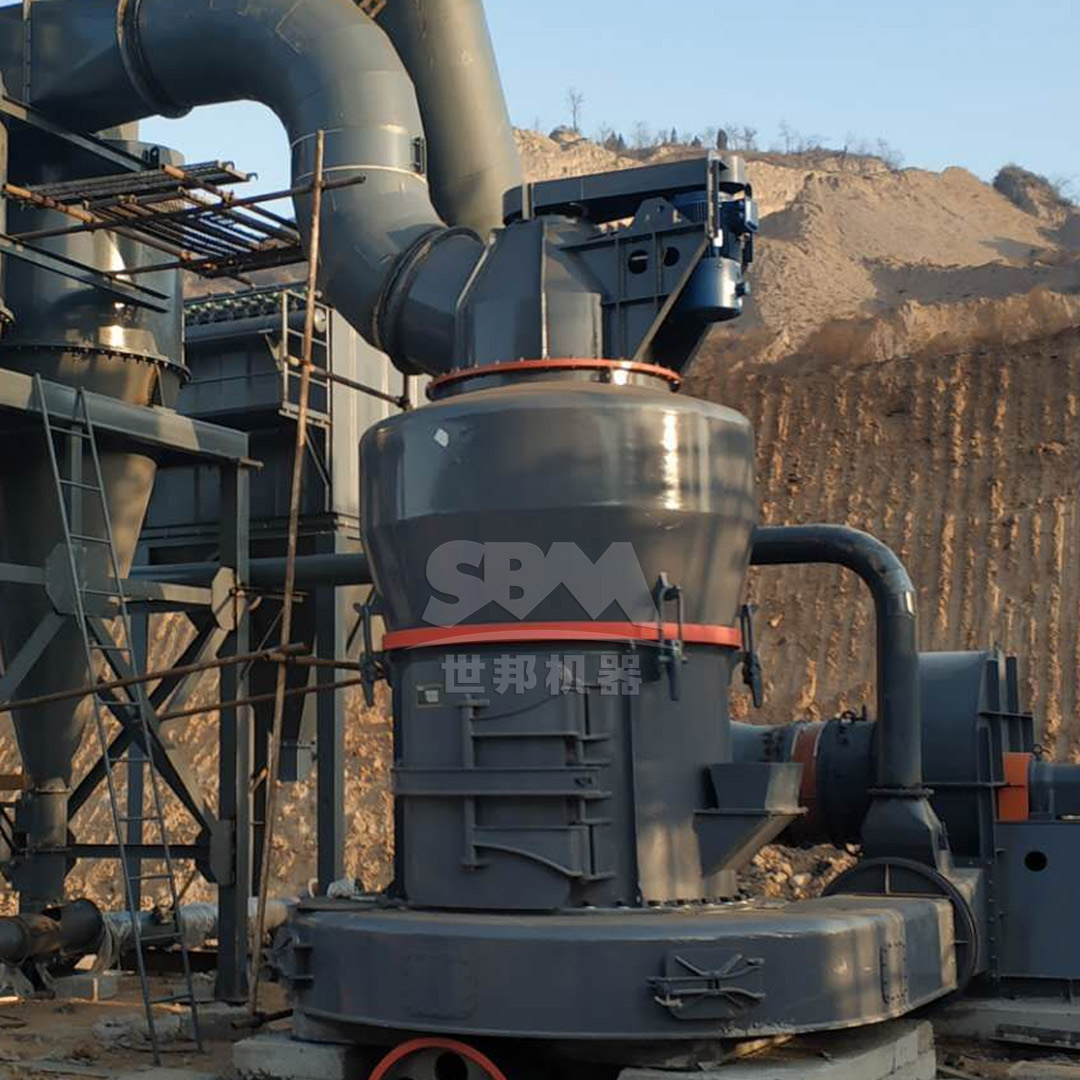
Several grinding technologies can achieve 200 mesh fineness, each with distinct advantages and limitations.
| Mill Type | Suitable Fineness Range | Pros for 200 Mesh Limestone | Cons for 200 Mesh Limestone |
|---|---|---|---|
| Raymond Mill (MTW/MTM) | 30-325 mesh | Mature technology, cost-effective for medium capacity, relatively simple operation. | Limited to ~325 mesh top end, higher wear for abrasive material, lower energy efficiency vs. vertical mills for high capacity. |
| Ball Mill | 0.074-0.8mm | Extremely reliable, wide capacity range, can handle varying moisture. | High energy consumption, large footprint, overgrinding can occur, particle distribution may be wider. |
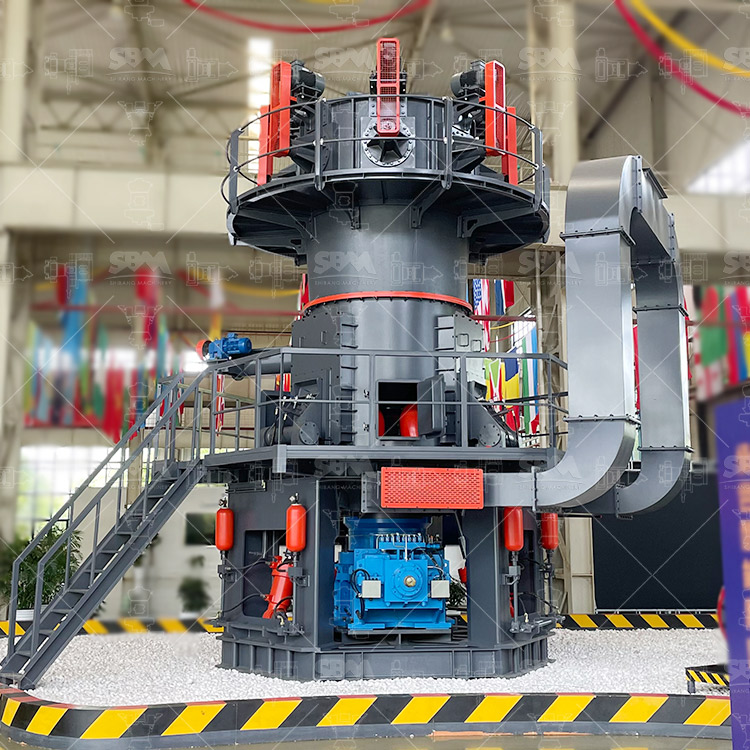
| Vertical Roller Mill (LM Series) | 30-325 mesh (up to 600 mesh) | Excellent choice: High energy efficiency, integrated drying/grinding/classification, large capacity, lower wear rate. | Higher initial investment, more complex maintenance for major overhauls. |
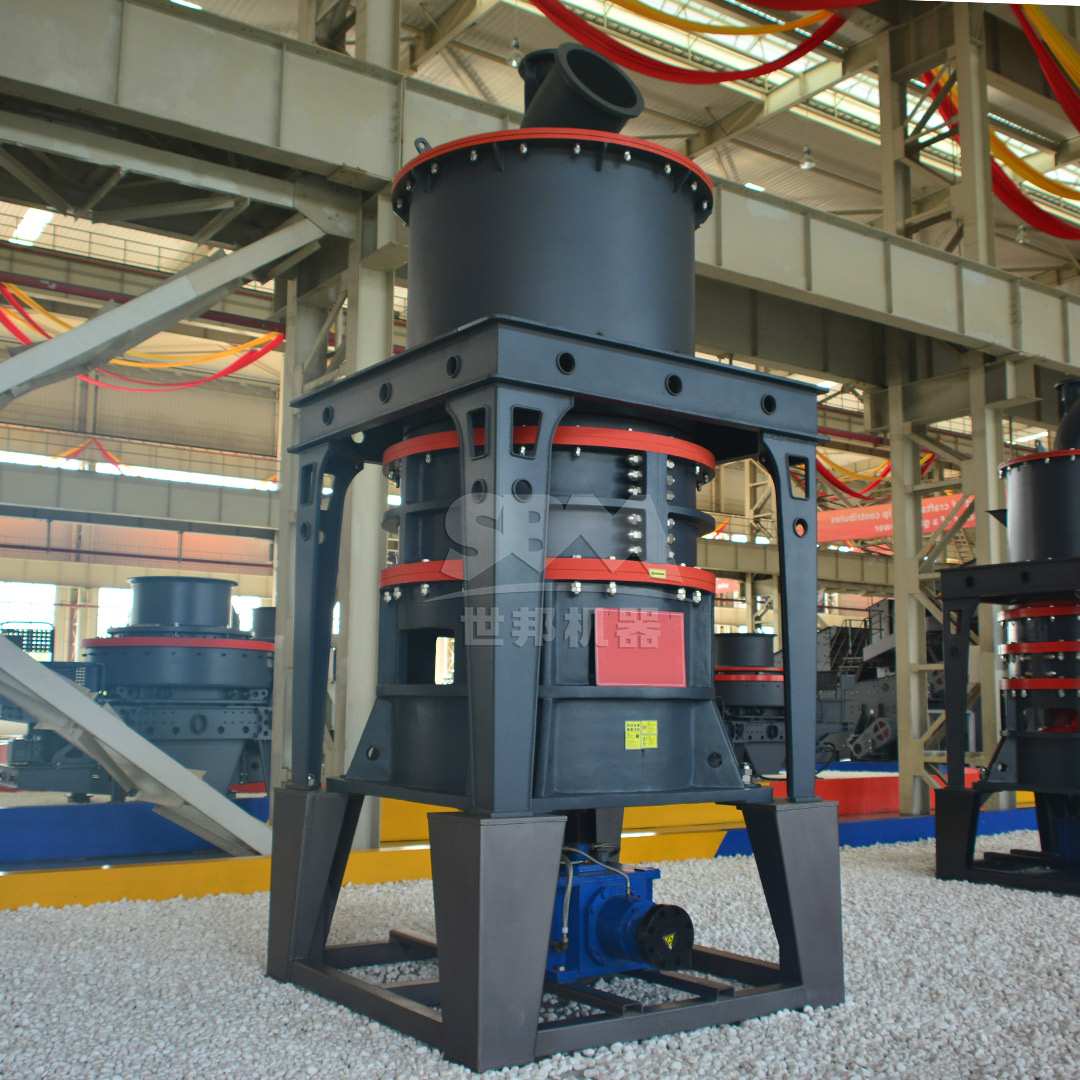
| Ultrafine Mill (SCM/LUM) | 325-2500 mesh | Can easily surpass 200 mesh, produces very uniform powder, high classification efficiency. | Over-specified for just 200 mesh, higher cost per ton for this application unless ultra-fine byproduct is valuable. |
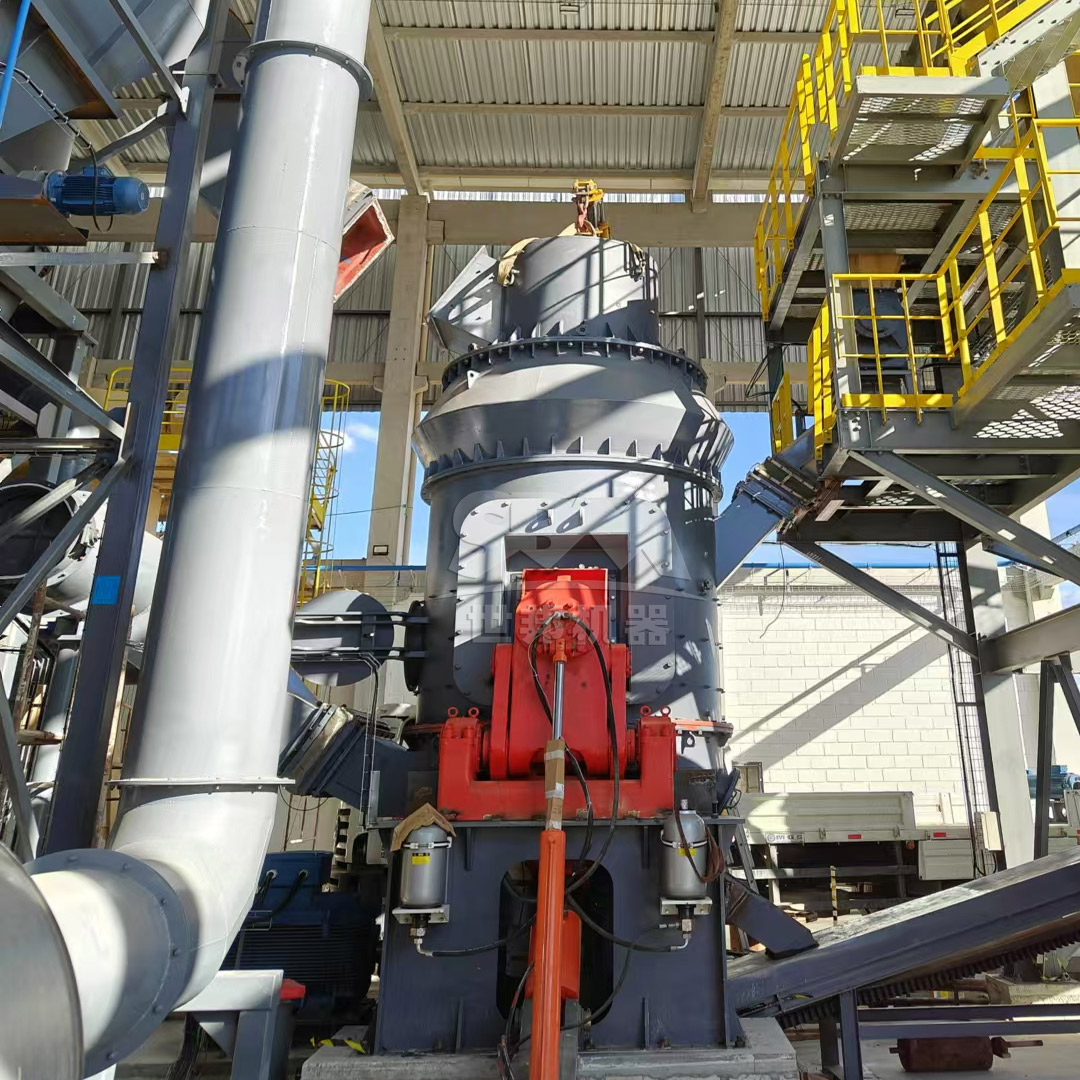
For large to medium-scale production of 200 mesh limestone powder for desulfurization, the Vertical Roller Mill (VRM), specifically our LM Series Vertical Roller Mill, stands out as the most technologically advanced and economically sensible choice. Its design principles align perfectly with the requirements of this application.
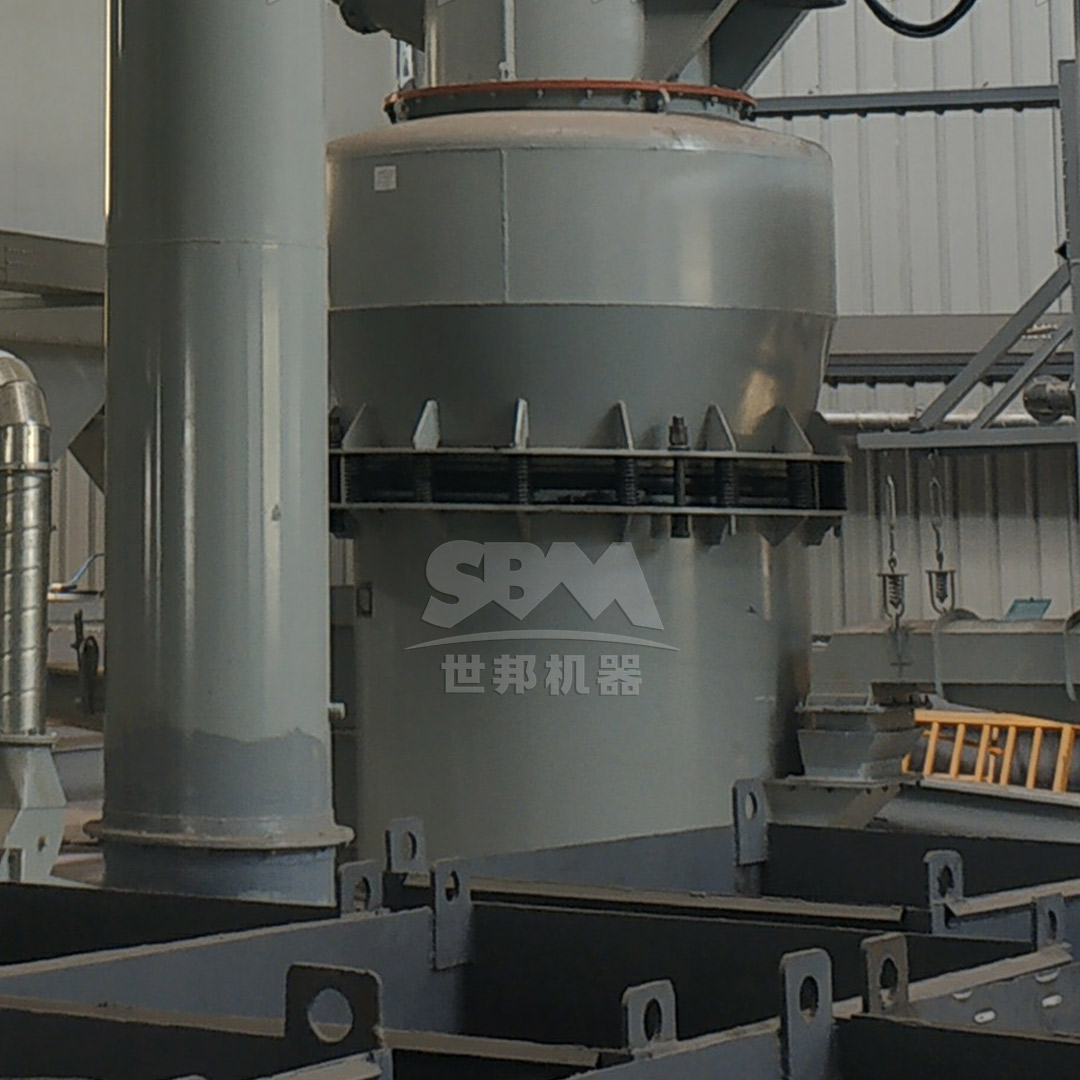
Why the LM Series VRM is Ideal for 200 Mesh Limestone:
For projects with very high purity requirements or where future production of even finer limestone products is contemplated, our SCM Series Ultrafine Mill presents a formidable alternative. While capable of producing powder up to 2500 mesh, it is exceptionally efficient in the 200-400 mesh range. Its vertical turbine classifier guarantees no coarse powder mixing, resulting in an exceptionally uniform product. The intelligent control system with automatic granularity feedback ensures stable, hands-off operation at the target fineness. For specialized, high-end desulfurization agent production where powder quality is paramount, the SCM series offers unparalleled precision.
The following table outlines key models from our LM and MTW series, both excellent candidates for 200 mesh limestone production, to help match equipment with your project scale.
| Recommended Series | Model | Capacity Range for Limestone (t/h)* | Output Fineness | Main Motor Power | Best For |
|---|---|---|---|---|---|
| LM Vertical Roller Mill | LM150K | 13 – 38 | 170-40μm (80-325 mesh) | 280 kW | Medium to large scale plants |
| LM190K | 23 – 68 | 170-40μm (80-325 mesh) | 500 kW | Large scale, high efficiency | |
| LM220K | 36 – 105 | 170-45μm (80-325 mesh) | 800 kW | Very large scale FGD projects | |
| MTW European Mill | MTW175G | 9.5 – 25 | 10-325 mesh | 160 kW | Cost-effective mid-scale production |
| MTW215G | 15 – 45 | 10-325 mesh | 280 kW | Reliable, high-capacity trapezium grinding |
*Capacity at 200 mesh. Actual output depends on material hardness and moisture.
Selecting the optimal 200 mesh limestone grinding mill is a strategic decision that extends beyond simple particle size reduction. It requires careful evaluation of capital and operational costs, system reliability, environmental impact, and final product quality. For most modern desulfurization agent production lines, the energy-saving, efficient, and environmentally friendly Vertical Roller Mill (LM Series) represents the industry benchmark. Its integrated design and low operating cost provide a compelling lifecycle value proposition.
We recommend conducting a thorough test with your specific limestone sample in our research and development center. This allows for precise capacity verification, power consumption analysis, and product quality confirmation, ensuring the selected mill—whether our flagship LM Series for large-scale efficiency or our precision-engineered MTW Series for robust mid-range performance—is perfectly tailored to maximize the profitability and effectiveness of your desulfurization agent production.