The global imperative for cleaner energy production has placed advanced coal combustion systems at the forefront of power generation technology. Achieving high efficiency and low emissions in these systems hinges on two critical processes: the precise preparation of coal fuel and the effective production of desulfurization agents. The performance of equipment used in these processes directly impacts combustion efficiency, pollutant control, and overall plant economics. This article explores the technological requirements for coal pulverization and desulfurization agent preparation, highlighting how modern milling solutions are engineered to meet the stringent demands of clean combustion.
Effective coal combustion begins with optimal fuel preparation. The primary goal of coal pulverization is to produce a fine, uniform powder with a specific particle size distribution. This fineness is crucial for several reasons:
Therefore, the coal pulverizer is not merely a size reduction machine; it is a core component determining the thermal performance and environmental footprint of the entire power plant.
Post-combustion, flue gas desulfurization (FGD) is essential for removing sulfur dioxide (SO₂). The most common method, wet limestone-gypsum FGD, relies on the reaction between SO₂ and a limestone (CaCO₃) slurry. The effectiveness of this process is heavily dependent on the quality of the limestone powder:
The equipment used to grind limestone into the required fineness (typically ranging from 325 mesh to 2500 mesh for various applications) must therefore offer precision, reliability, and energy efficiency.
| Process | Key Material | Target Fineness Range | Primary Equipment Type |
|---|---|---|---|
| Coal Pulverization | Raw Coal | 30-325 mesh (for PC firing) | Vertical Roller Mill, Medium-speed Mill |
| Desulfurization Agent Prep | Limestone | 325-2500 mesh | Ultrafine Mill, Vertical Roller Mill |
Equipment serving clean combustion systems must excel in several areas beyond basic grinding:
Power consumption is a major operational cost. Advanced mills utilize bed grinding principles and optimized drive systems to achieve significantly higher throughput per unit of energy compared to traditional ball mills.
Integrated, high-efficiency classifiers are essential. They must provide sharp particle size cuts, adjustable during operation, to ensure the final product consistently meets the target fineness distribution without coarse particle contamination.
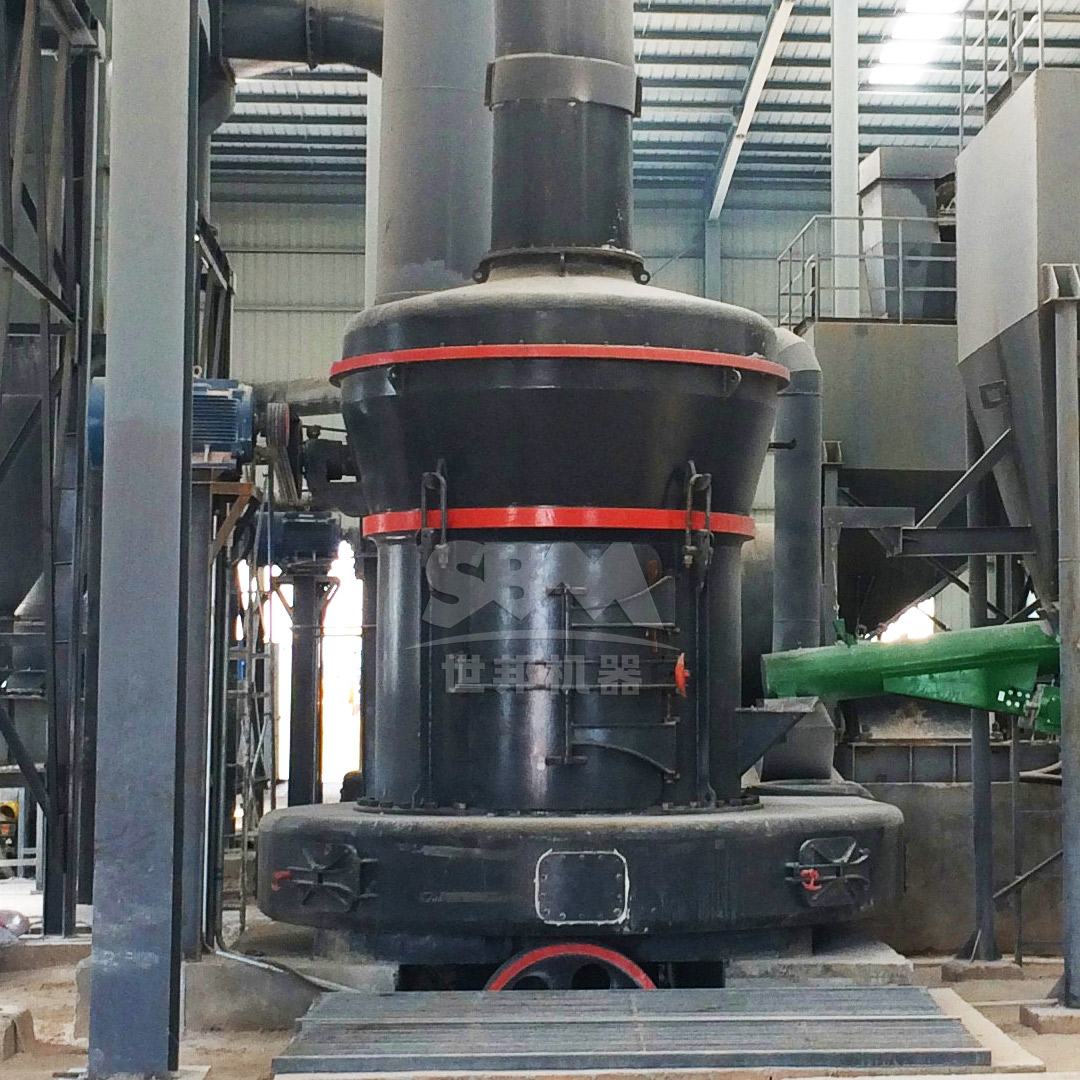
Continuous operation is critical for power plants. Equipment must feature robust construction, wear-resistant materials for grinding components, and designs that facilitate easy maintenance and quick replacement of wear parts.
The grinding process itself must be clean. Fully sealed negative pressure systems, coupled with high-efficiency pulse jet baghouse dust collectors, are mandatory to prevent dust emissions and ensure a safe working environment. Low-noise designs are also increasingly important.
Selecting the right equipment is paramount. Based on the demanding requirements outlined above, we recommend the following solutions from our portfolio for their proven performance in power generation and environmental applications.
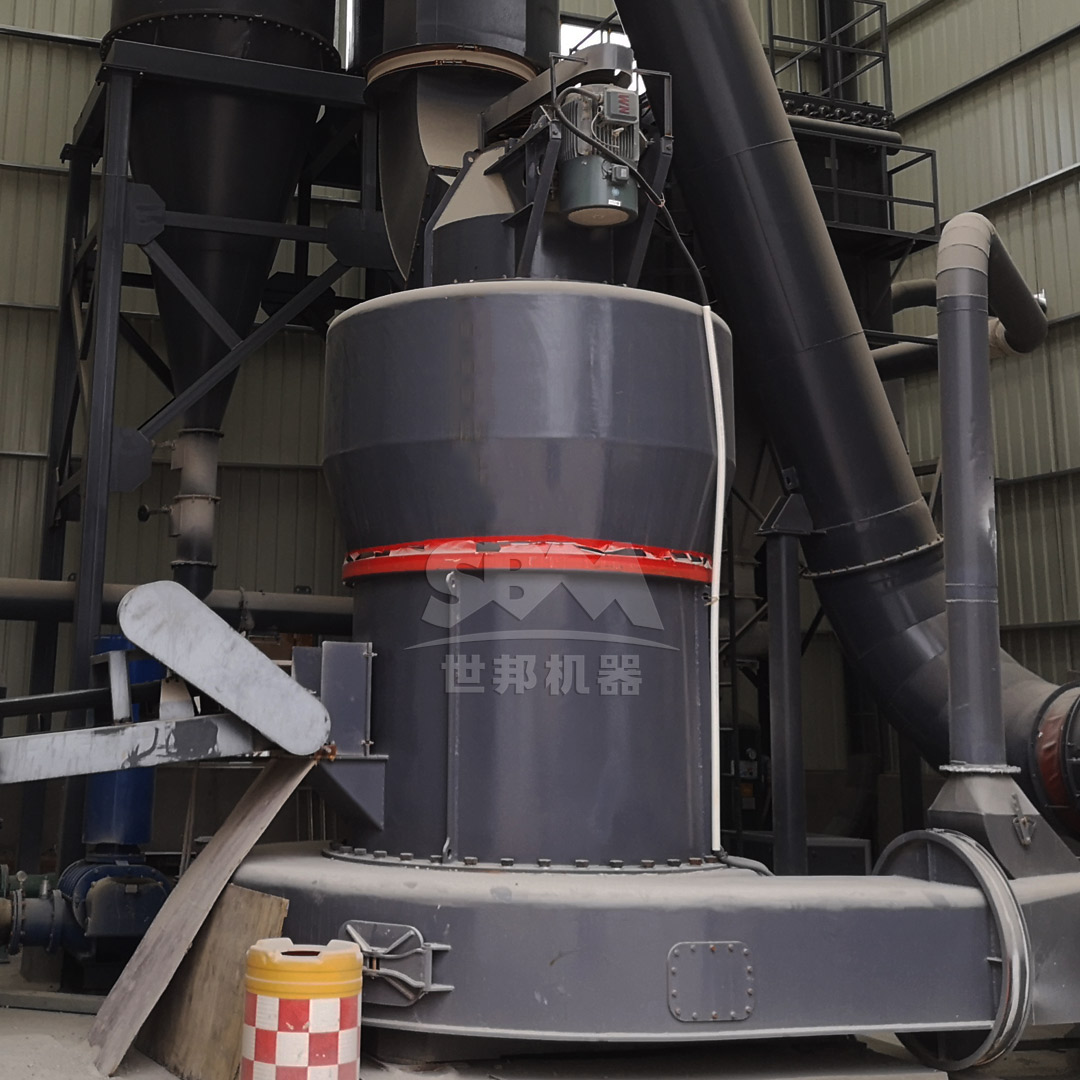
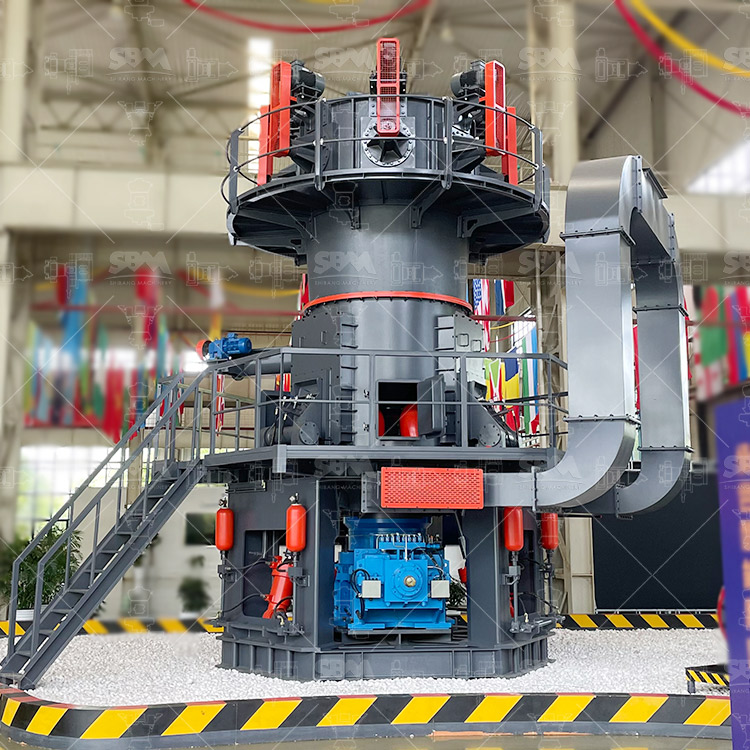
For the core task of coal preparation, the LM Series Vertical Roller Mill (LM-M Series) stands out as an industry-leading solution. Engineered specifically for pulverized coal, its integrated design combines drying, grinding, and classification in a single compact unit, reducing footprint by 50% compared to traditional systems.
Its technical advantages directly address clean combustion needs:
With models like the LM190M and LM280M offering capacities from 10 to over 90 tons per hour, this series provides a scalable, efficient, and reliable heart for any coal-fired clean combustion system.
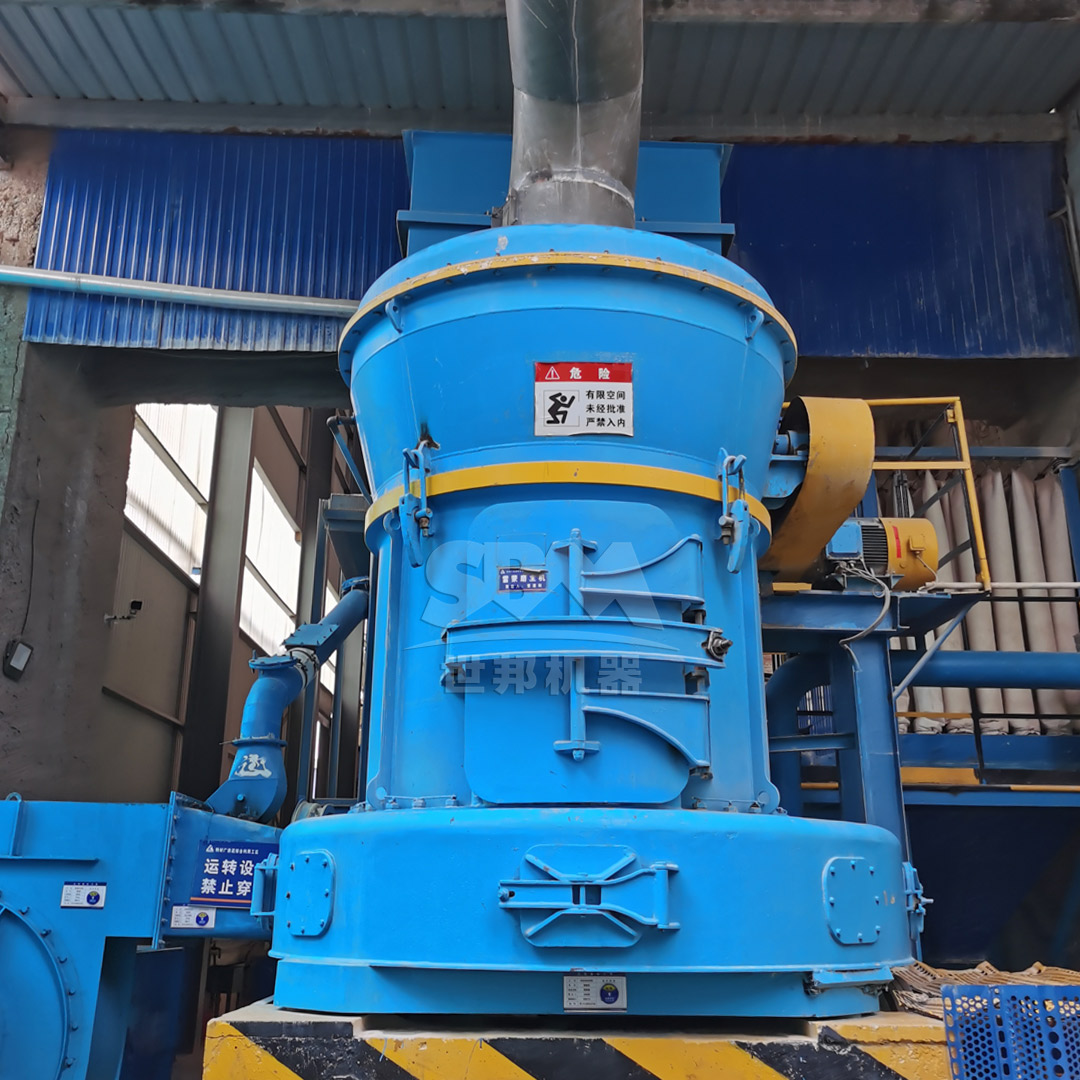
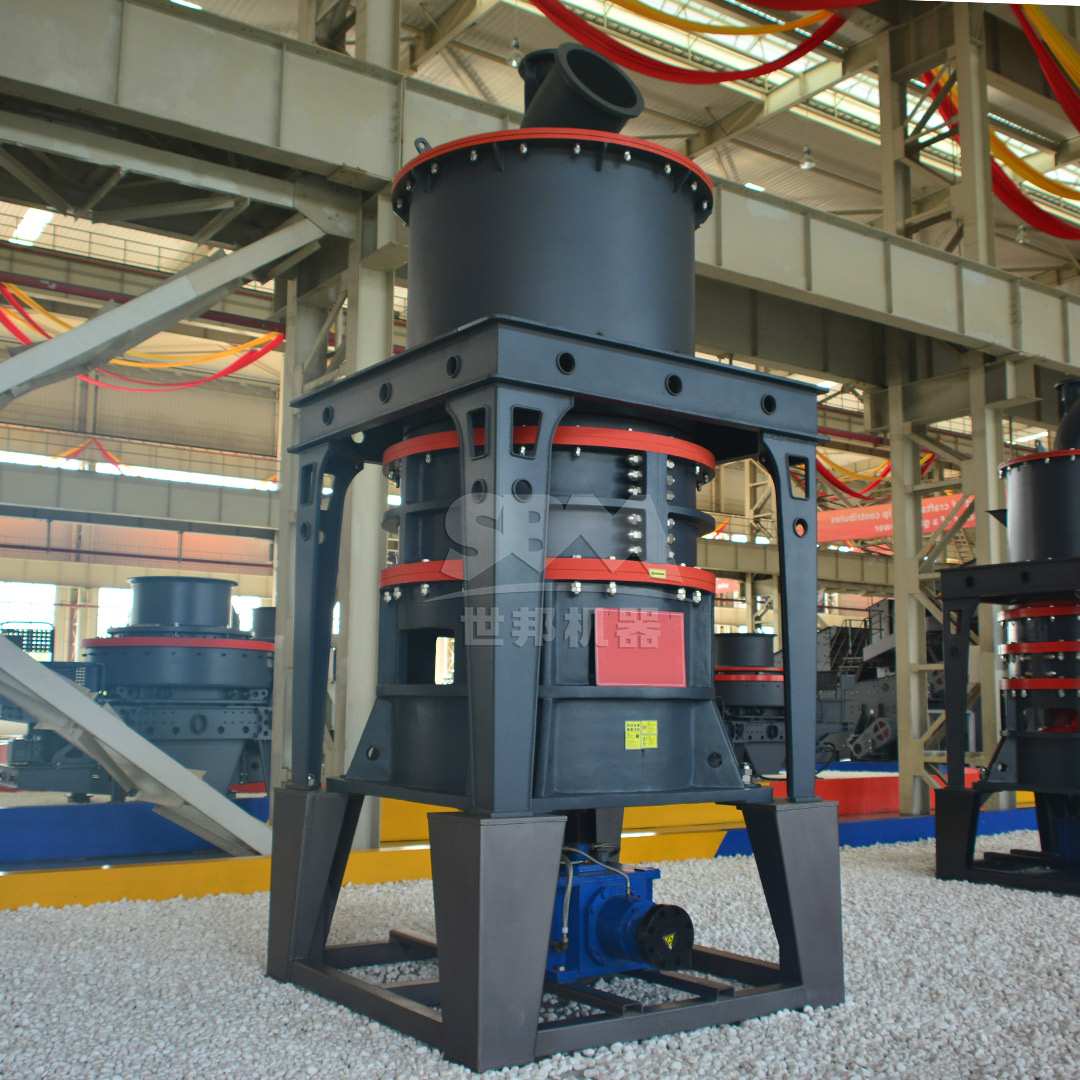
For the production of high-quality limestone powder for FGD systems, the SCM Series Ultrafine Mill is the ideal choice. This mill is designed to achieve the very fine and uniform particle sizes required to maximize limestone reactivity in scrubbers.
Key features that make it exceptional for this application include:
Models such as the SCM1000 (1.0-8.5 t/h) and SCM1680 (5.0-25 t/h) provide the capacity and fineness control needed to supply even the largest power plant FGD systems with premium-grade limestone powder.
The path to cleaner coal combustion is engineered through precision. The synergistic performance of specialized coal pulverizers and desulfurization agent production equipment forms the technological backbone of efficient, low-emission power generation. By investing in advanced, integrated solutions like the LM Series Vertical Roller Mill for fuel preparation and the SCM Series Ultrafine Mill for sorbent production, plant operators can achieve significant gains in combustion efficiency, meet stringent environmental regulations, and optimize long-term operational costs. The right grinding technology is, therefore, a strategic asset in the modern energy landscape, turning traditional fuel into a cornerstone of cleaner power.