The production of high-quality limestone slag-forming agents is a critical process in modern metallurgy, particularly in steelmaking. These agents, primarily composed of finely ground limestone, are essential for efficient slag formation, sulfur removal, and overall process control. A well-designed production line is paramount to achieving the precise particle size distribution, chemical purity, and reactivity required for optimal furnace performance. This article delves into the core process flow and highlights the key equipment that forms the backbone of a successful limestone slag-forming agent production line, with a focus on grinding and classification technologies.
The transformation of raw limestone into a finely tuned slag-forming agent follows a systematic sequence of operations. The primary goal is to reduce the limestone to a specific fineness (typically ranging from coarse powders of 45 mesh/325μm to ultra-fine powders below 325 mesh/45μm) while ensuring consistency and quality control.
High-calcium limestone with low silica and alumina content is preferred. The process begins with the unloading, storage, and pre-homogenization of the raw limestone to minimize chemical composition fluctuations.
Large limestone rocks are reduced to a manageable size (typically below 50mm) using primary crushers like jaw crushers or impact crushers. This step is crucial for preparing the feed for subsequent grinding stages.
| Stage | Target Size | Typical Equipment |
|---|---|---|
| Primary Crushing | < 50 mm | Jaw Crusher, Impact Crusher |
| Secondary Crushing | < 20-30 mm | Cone Crusher, Hammer Mill |
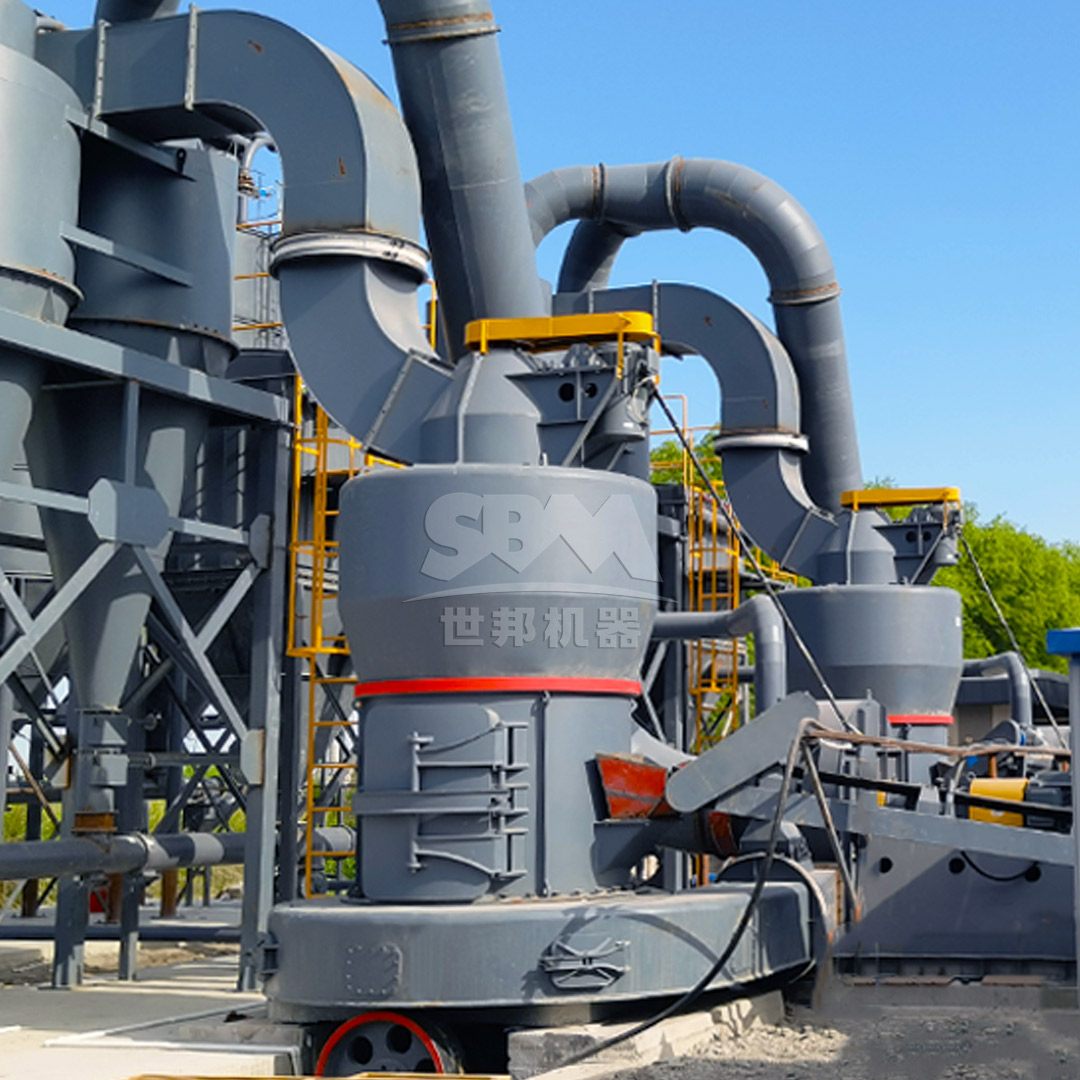
For finer end products or to increase overall line efficiency, a secondary crushing or pre-grinding stage may be employed. Equipment such as cone crushers or hammer mills can further reduce the material to below 20mm. For lines targeting ultra-fine products, a pre-grinding mill like a vertical roller mill can significantly enhance the capacity of the final fine grinding circuit.
If the limestone feedstock has high moisture content, a drying stage is integrated, often using a rotary dryer, to prevent clogging in grinding and conveying equipment and to ensure efficient grinding.
This is the most critical stage, where the limestone attains its final particle size and surface area, directly impacting its reactivity as a slag-forming agent. The choice of grinding mill is decisive. The process involves a closed-circuit system where the mill discharges to a classifier (often integrated). Oversize material is returned to the mill for further grinding, while the product meeting the fineness specification is conveyed to the next stage.
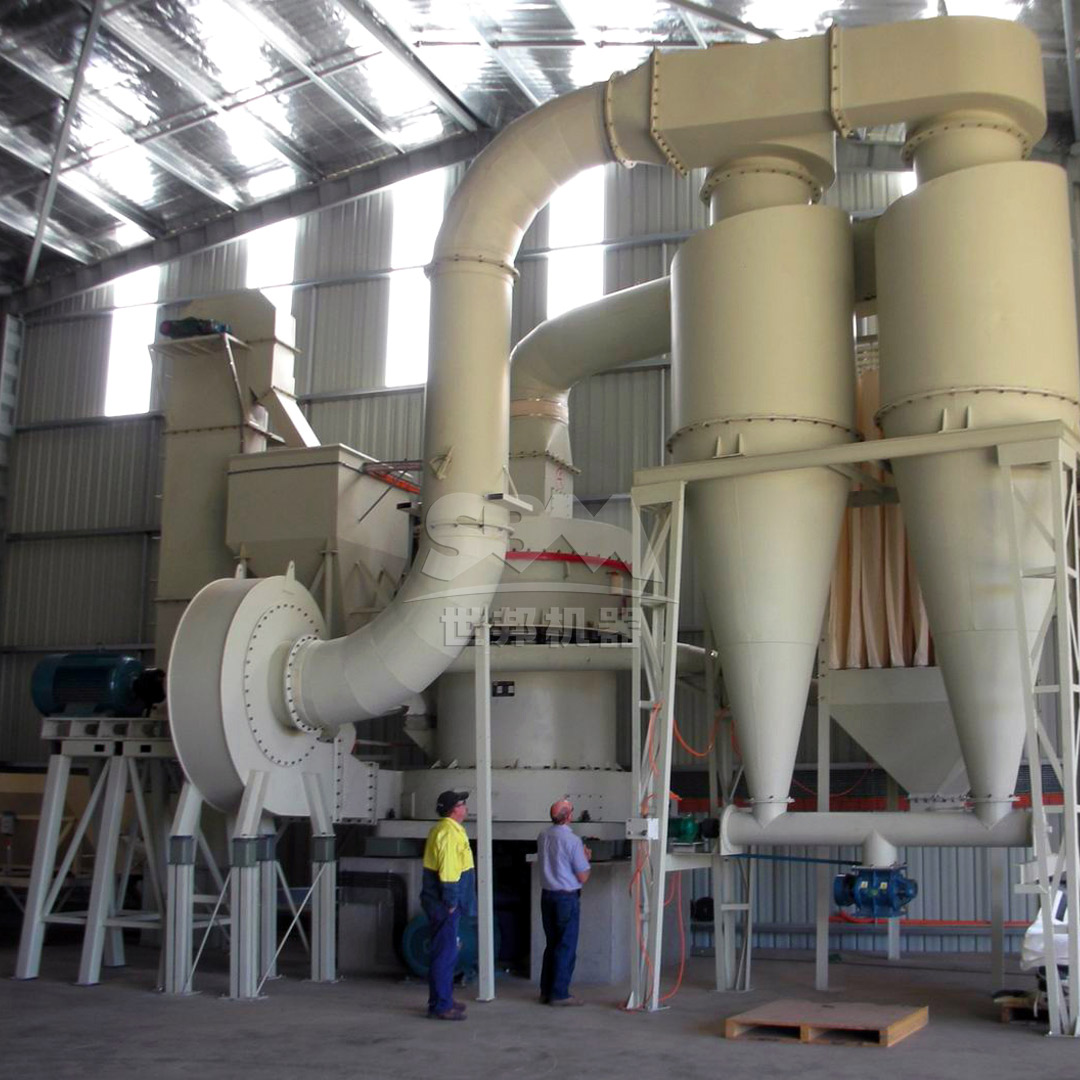
The classified fine powder is collected using high-efficiency cyclones and baghouse filters. The product is then transported to silos for storage or directly to packaging units. The entire dust collection system must be meticulously designed to ensure a clean working environment and minimal product loss.
The performance, energy efficiency, and product quality of the entire line hinge on the fine grinding equipment. Different mill types are suited for different target fineness and capacity ranges.
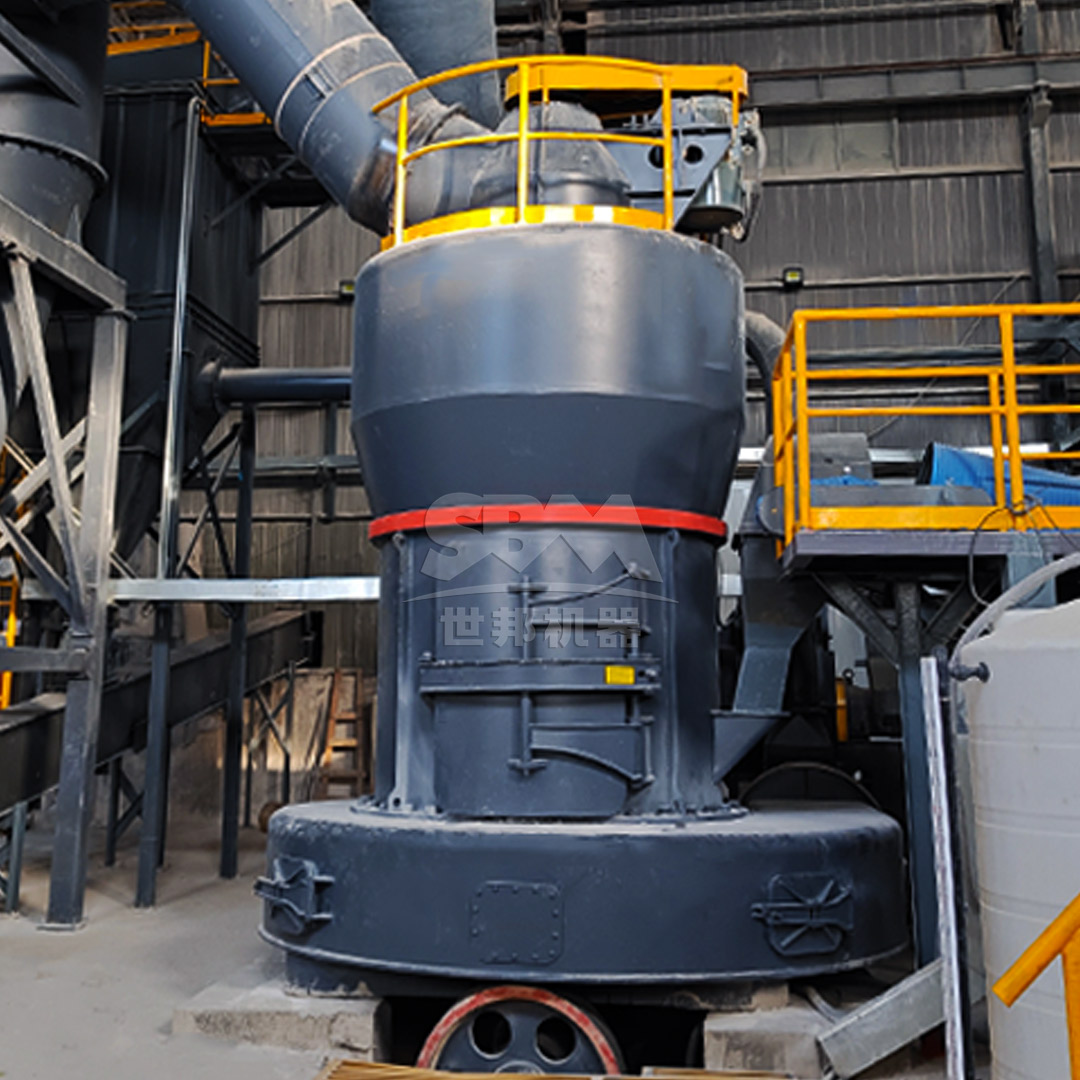
For producing slag-forming agents in the common range of 30 to 325 mesh, robust and efficient grinding systems are required. The MTW Series European Trapezium Mill stands out as an excellent choice. Its advanced design features, such as the anti-wear shovel design and optimized arc air duct, ensure high grinding efficiency and reduced maintenance costs. The integral bevel gear drive offers transmission efficiency up to 98%, leading to significant energy savings. With a capacity range of 3-45 tons per hour and the ability to handle feed sizes up to 50mm, the MTW series provides a reliable and scalable solution for high-volume production of consistently graded limestone powder.
| Model Example (MTW Series) | Capacity (t/h) | Output Fineness (mesh) | Main Power (kW) |
|---|---|---|---|
| MTW175G | 9.5 – 25 | 10 – 325 | 160 |
| MTW215G | 15 – 45 | 10 – 325 | 280 |
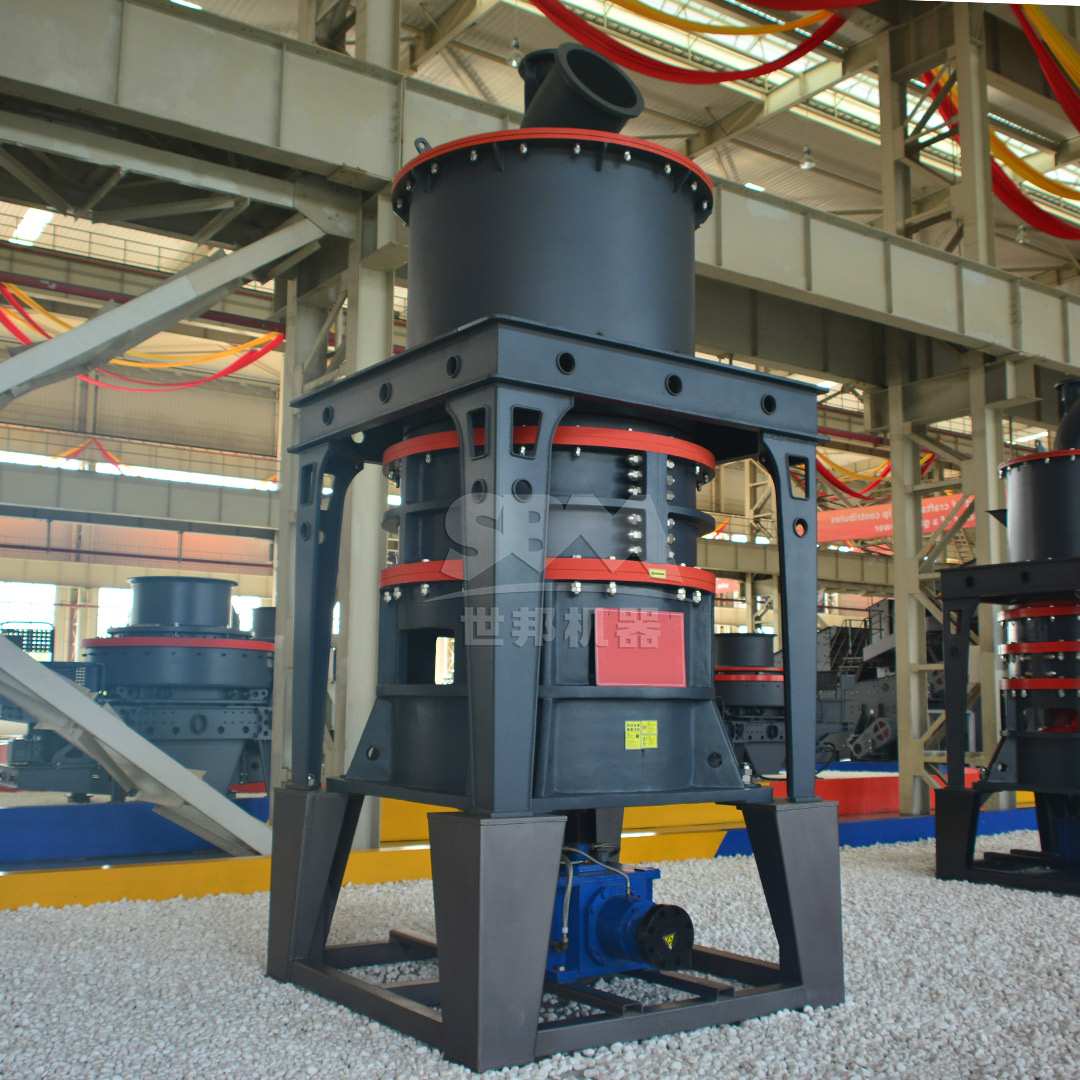
When the metallurgical process demands an ultra-fine, highly reactive slag-forming agent, the grinding technology must deliver exceptional fineness control. The SCM Series Ultrafine Mill is engineered precisely for this purpose. It is capable of producing powders from 325 to 2500 mesh (45-5μm). Its high-precision vertical turbine classifier ensures precise particle size cutting without coarse powder mixing, guaranteeing a uniform final product. Furthermore, the SCM mill boasts high efficiency, with capacity reported to be twice that of jet mills while consuming 30% less energy. Its durable design, featuring special material rollers and rings, and eco-friendly operation with pulse dust collection exceeding international standards, make it a superior choice for advanced slag-forming agent production.
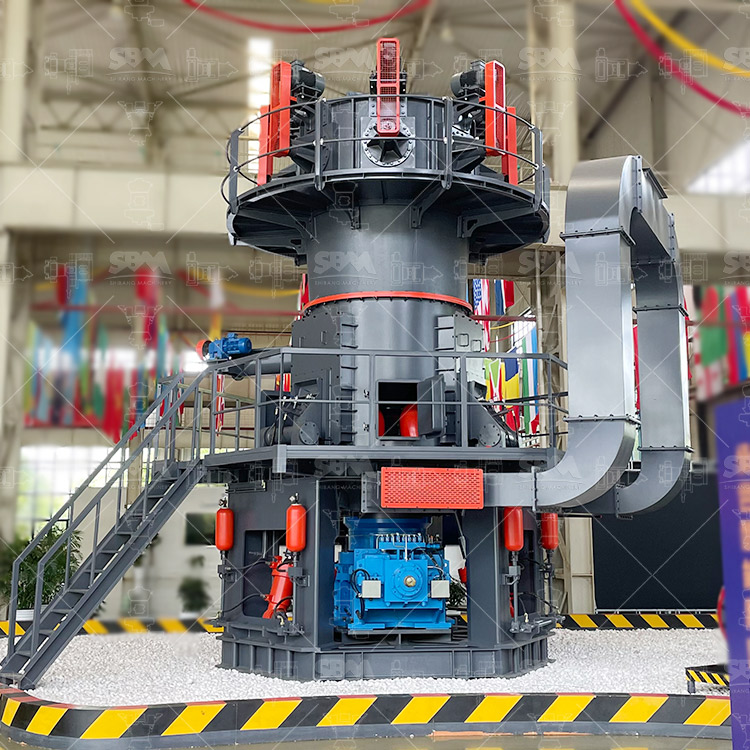
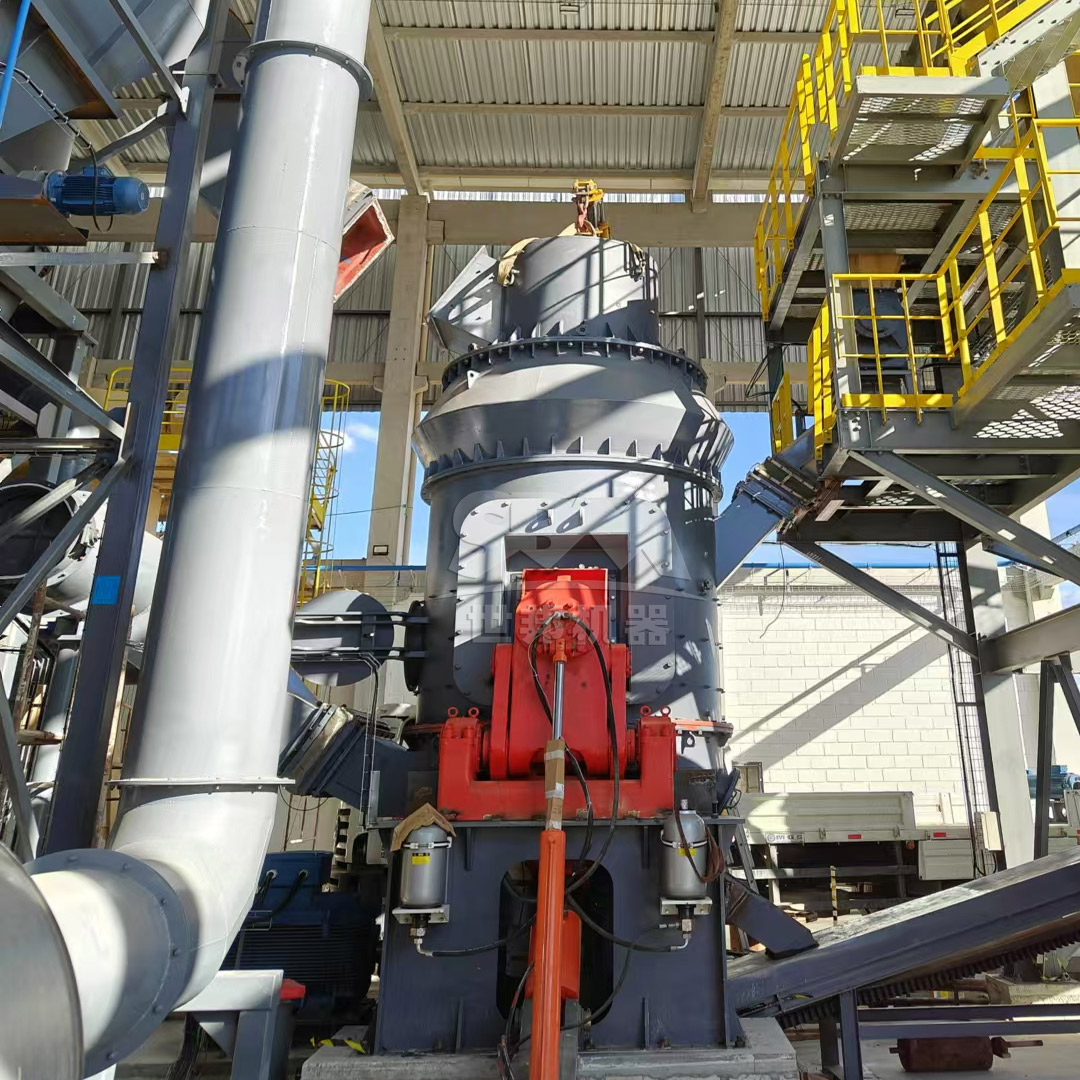
For large-scale production lines seeking an integrated system that combines drying, grinding, and classification in a single unit, LM Series Vertical Roller Mills offer a compelling advantage. They can reduce floor space by 50% and lower energy consumption by 30-40% compared to traditional ball mill systems. Their intelligent control systems allow for stable, automated operation, making them suitable for continuous, high-tonnage production of limestone powders for slag formation.
Designing an efficient limestone slag-forming agent production line requires a holistic understanding of process requirements and careful selection of equipment, particularly the grinding mill. The process flow from raw material to finished powder must ensure consistency, efficiency, and environmental compliance. For producers aiming for high-quality products, investing in advanced grinding technology like the MTW Series European Trapezium Mill for fine grades or the SCM Series Ultrafine Mill for ultra-fine applications is a strategic decision that pays dividends in product performance, operational cost savings, and production reliability. The right equipment forms the foundation for supplying the metallurgical industry with the high-performance slag-forming agents essential for modern, efficient steelmaking.