The production of high-performance metallurgical desulfurization agents is a critical process in modern steelmaking, directly impacting the quality of final steel products, operational costs, and environmental compliance. An efficient production line hinges on the precise preparation of raw materials—typically lime (CaO), calcium carbide (CaC₂), magnesium, and various fluxing agents—into a finely ground, uniformly blended powder with controlled particle size distribution. This article provides a comprehensive overview of the key processes and, more importantly, the core grinding equipment that forms the backbone of a reliable and cost-effective desulfurization agent production line.
A typical production line follows a logical sequence from raw material handling to final packaging:
| Process Stage | Key Equipment | Primary Function |
|---|---|---|
| Pre-Crushing | Hammer Mill, Jaw Crusher | Size reduction to <50mm |
| Drying | Rotary Dryer | Moisture reduction |
| Fine Grinding | Vertical Roller Mill, Ultrafine Mill | Achieving target fineness & reactivity |
| Classification | Dynamic Air Classifier | Particle size control |
| Blending | Double Cone Mixer, Silo Blender | Homogenization of components |
| Dust Control | Pulse Jet Baghouse | Emission control & product recovery |
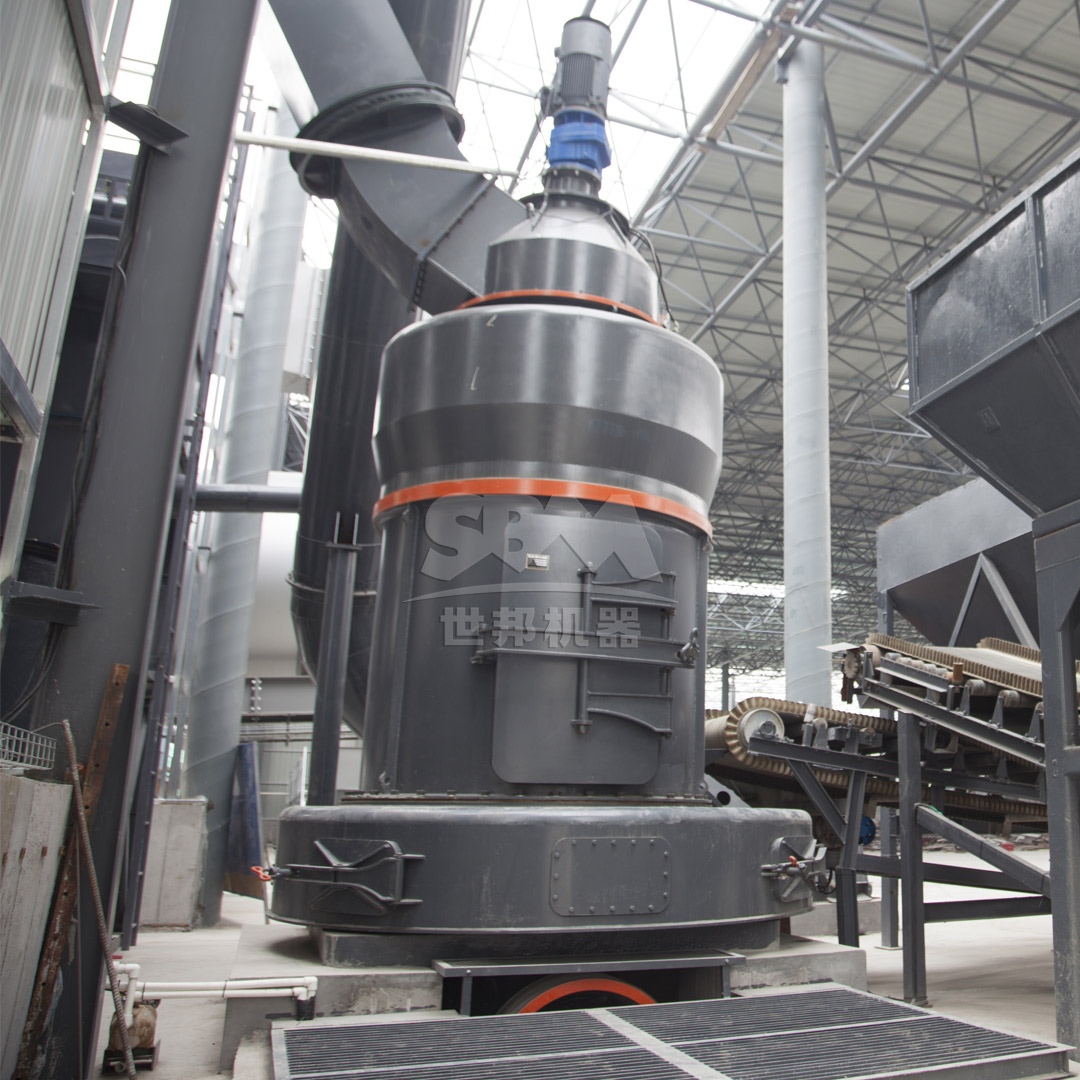
The selection of the grinding mill is the most consequential decision in designing a desulfurization agent production line. The ideal mill must offer high grinding efficiency, precise particle size control, low energy consumption, robust durability for abrasive materials, and excellent environmental performance.
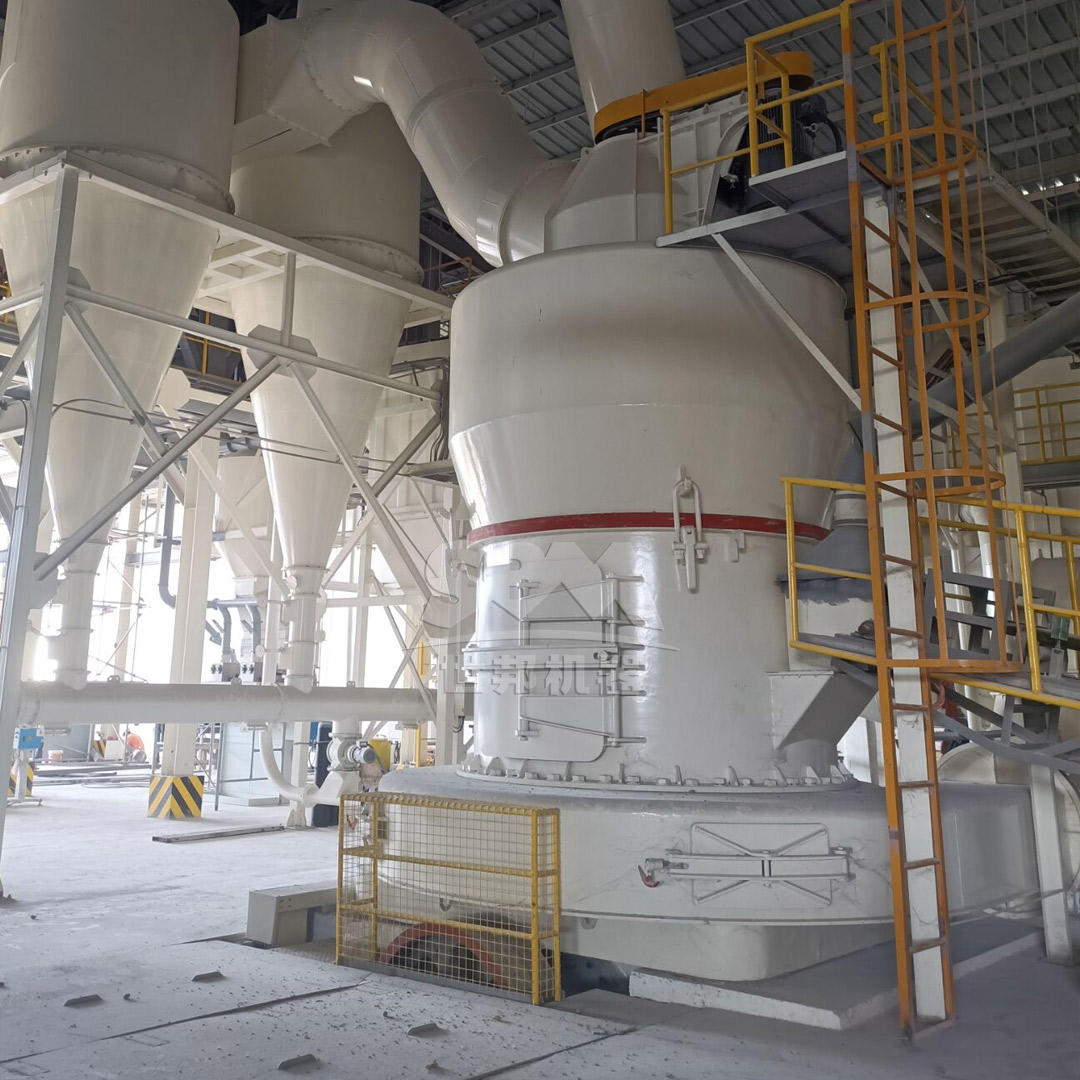
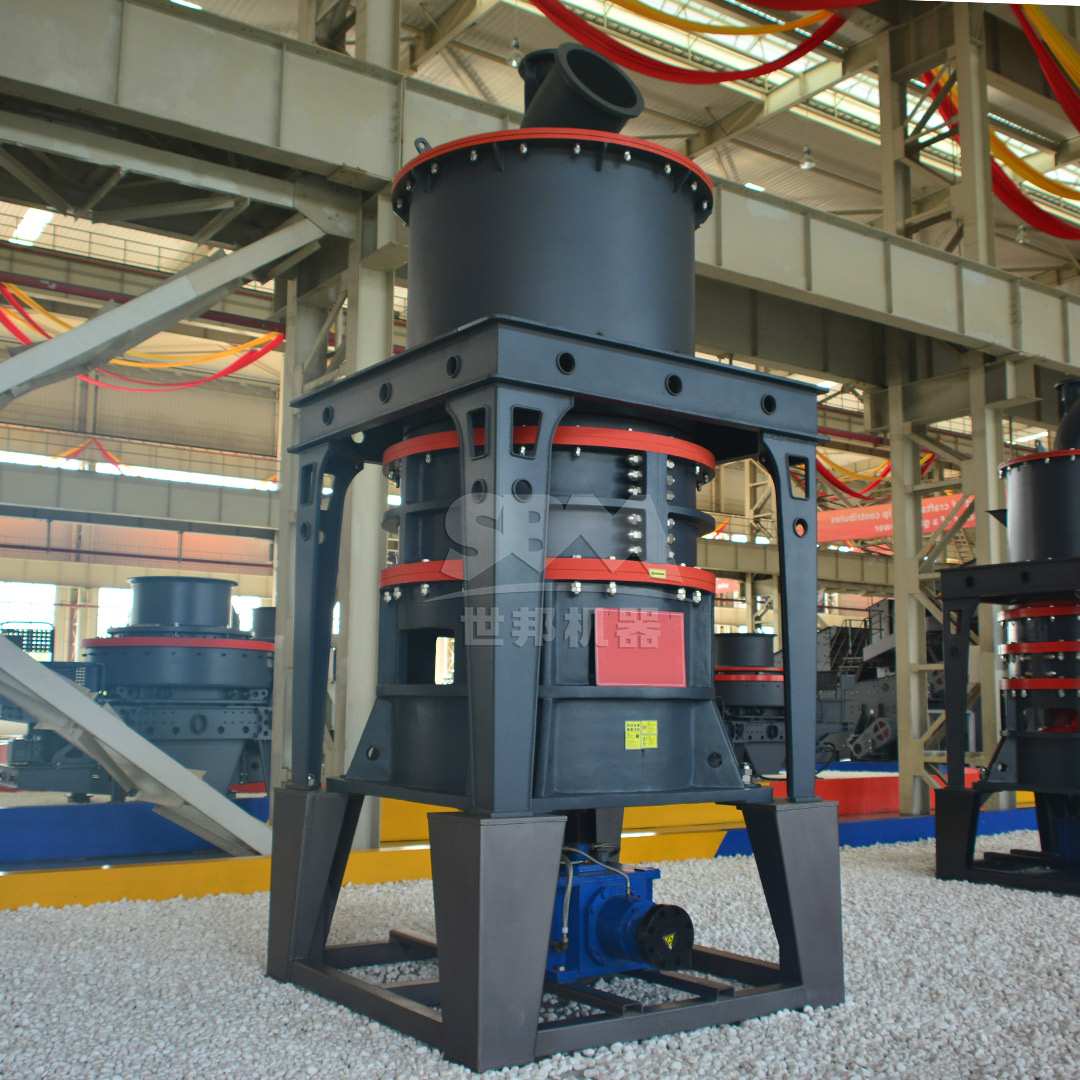
For producers aiming at the highest-grade, highly reactive desulfurization powders with fineness requirements reaching 325-2500 mesh (45-5μm), the SCM Series Ultrafine Mill represents a top-tier solution. This mill is engineered specifically for producing superfine powders with exceptional efficiency.
Its working principle involves a three-layer grinding ring driven by the main motor. Material is fed into the grinding path and subjected to layer-by-layer compression and shearing forces between the rollers and rings. The integrated high-precision vertical turbine classifier is a standout feature, ensuring precise particle size cuts and a uniform finished product without coarse powder contamination. This is vital for desulfurization agents where inconsistent particle size can lead to unpredictable reaction rates.
Key advantages for metallurgical application include:
High Efficiency & Energy Saving: Offering twice the capacity of traditional jet mills with approximately 30% lower energy consumption, it significantly reduces operating costs.
Durable Design: Special material rollers and rings, along with a shaftless screw design in the grinding chamber, provide extended service life when processing abrasive lime and similar materials.
Eco-friendly Operation: The system incorporates a high-efficiency pulse dust collector, ensuring dust emissions meet stringent international standards, which is non-negotiable in modern plant design.
| Model | Capacity (t/h) | Main Power (kW) | Output Fineness |
|---|---|---|---|
| SCM1000 | 1.0 – 8.5 | 132 | 325-2500 mesh |
| SCM1250 | 2.5 – 14 | 185 | 325-2500 mesh |
| SCM1680 | 5.0 – 25 | 315 | 325-2500 mesh |
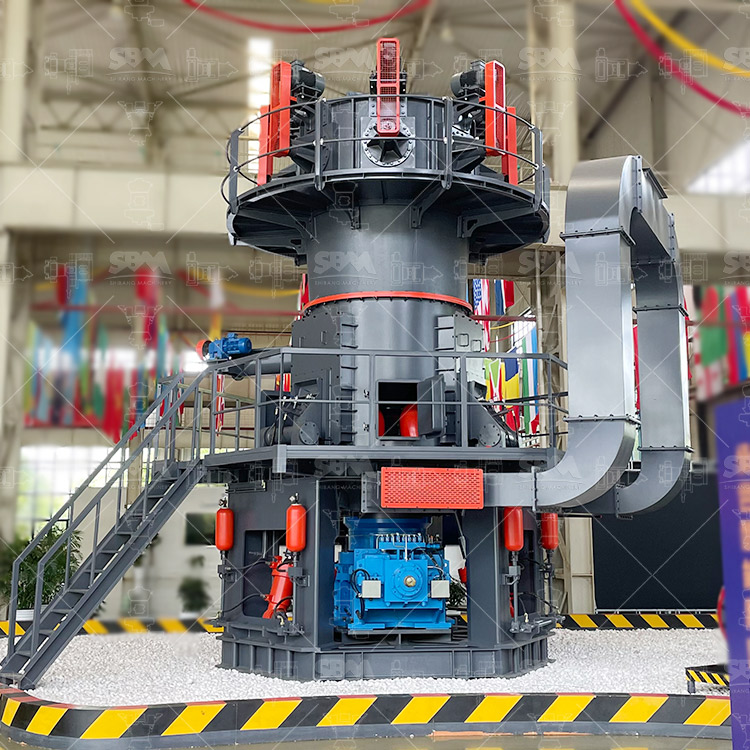
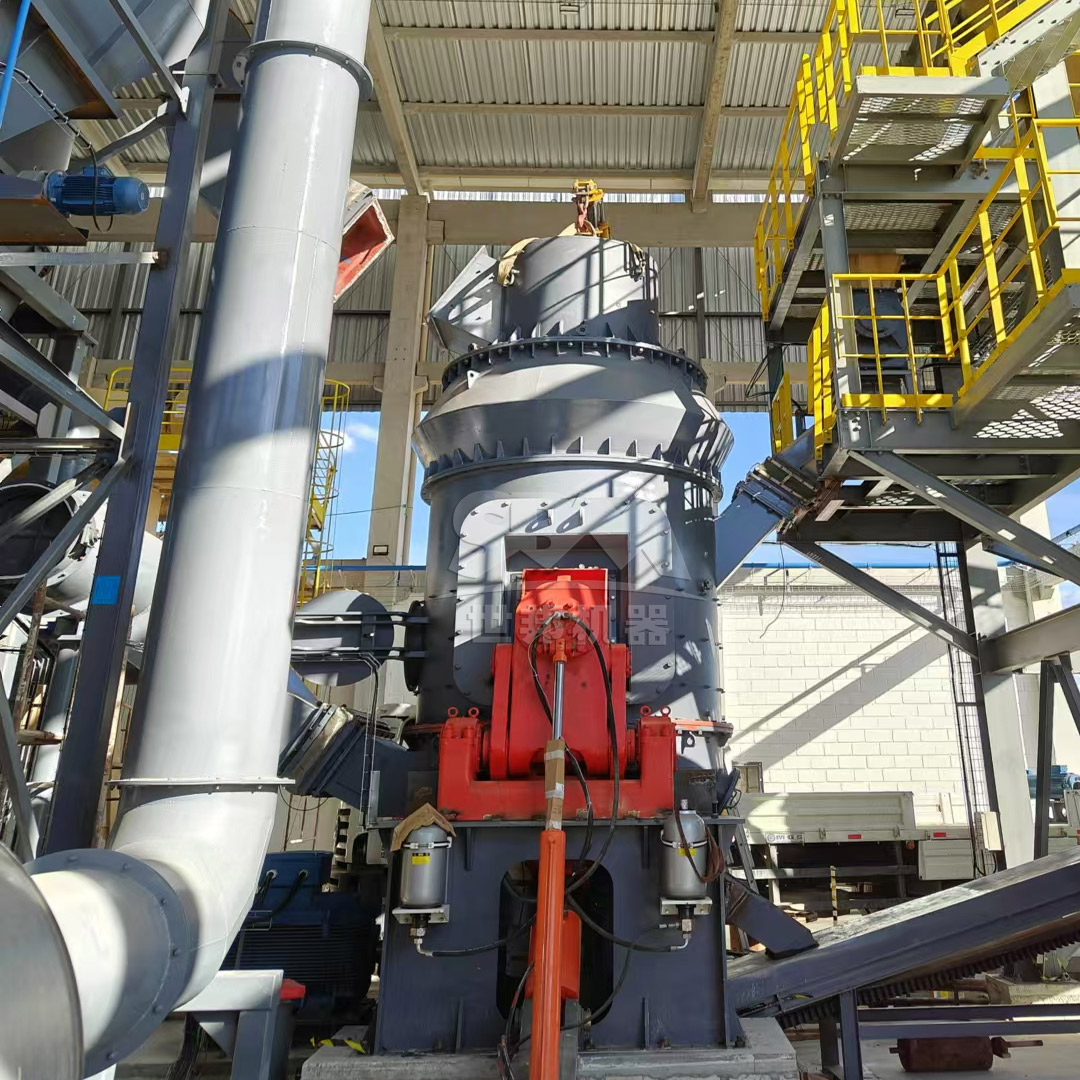
For large-scale production of desulfurization agents where the primary fineness requirement is in the range of 30-325 mesh (600-45μm), the LM Series Vertical Roller Mill is the industry workhorse, renowned for its remarkable efficiency and reliability. It is particularly suited for grinding limestone, quicklime, and other base components.
The LM mill operates on the principle of bed grinding. Material is fed onto a rotating grinding table and crushed under hydraulic pressure from grinding rollers. The integrated classifier immediately separates fine particles, which are carried away by airflow, while coarse material falls back for regrinding. This dry process grinding system is perfectly suited for desulfurization agent production.
Its compelling advantages for this application are:
Low Operating Cost: Its energy consumption is 30-40% lower than traditional ball mill systems, offering massive savings in continuous operation.
Integrated Design: The system incorporates crushing, grinding, drying, classifying, and conveying, reducing the plant footprint by up to 50% and slashing civil engineering costs.
Intelligent Control & Stability: Featuring an expert-level automatic control system, it allows for remote monitoring and operation, ensuring stable product quality with minimal manual intervention—a key factor for consistent agent performance in the steel plant.
Proven Durability: The non-contact design between rollers and table and the use of wear-resistant materials result in a service life for wear parts several times longer than conventional mills.
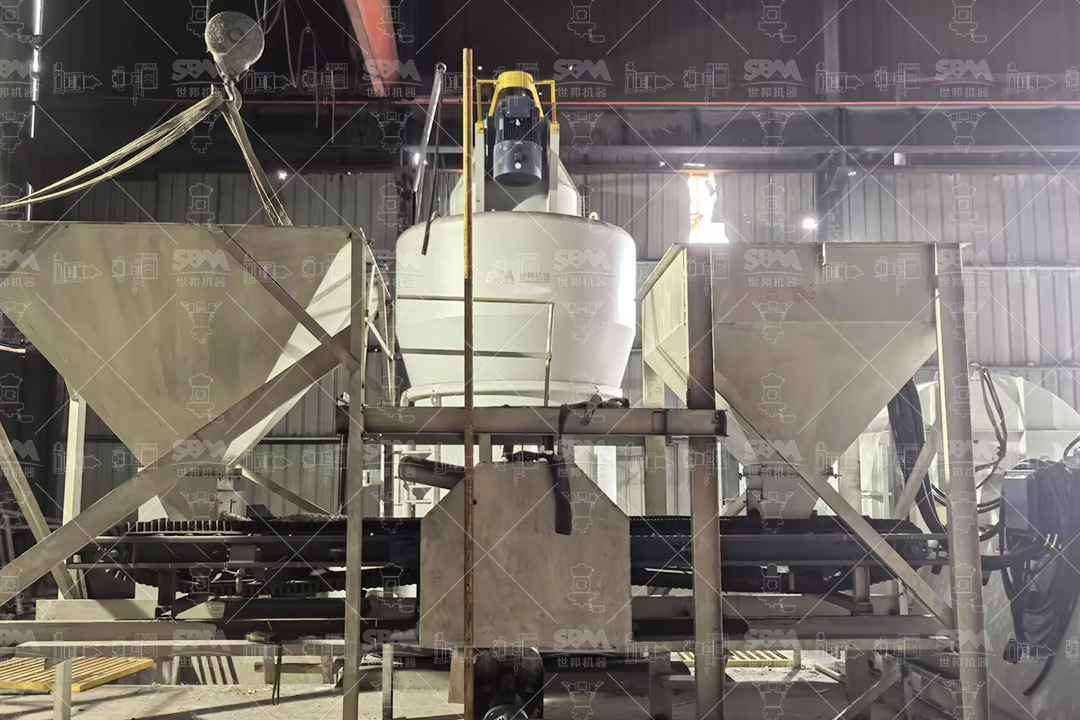
Building an efficient and profitable metallurgical desulfurization agent production line requires a deep understanding of process flow and, most critically, the selection of appropriate core grinding technology. The choice between an ultrafine mill like the SCM Series for premium, high-fineness products and a high-capacity vertical roller mill like the LM Series for bulk standard-grade production depends on the specific product strategy and market requirements.
Both equipment lines offer the essential combination of precision particle size control, energy efficiency, operational reliability, and environmental compliance needed in today’s competitive and regulated industrial landscape. Investing in such advanced grinding technology not only optimizes the production cost of the desulfurization agent but also contributes directly to more effective and efficient steelmaking operations for the end-user.