February 09, 2026
Introduction
Producing high-quality limestone powder, especially at a target fineness of 120 mesh (approximately 125 microns), is a critical process for numerous industries including construction, agriculture, plastics, and coatings. The selection of the right grinding equipment is paramount to achieving optimal product quality, production efficiency, and operational economy. An ill-suited mill can lead to excessive energy consumption, inconsistent particle size distribution, high maintenance costs, and subpar product performance. This comprehensive guide will walk you through the key factors to consider and analyze suitable equipment types, with a specific focus on achieving efficient 120-mesh limestone powder production.
Key Factors in Equipment Selection for 120 Mesh Limestone
Choosing the ideal mill requires a holistic analysis of your specific operational parameters and goals. The following factors are crucial in the decision-making process.
1. Raw Material Characteristics
- Feed Size: The maximum size of the limestone entering the mill (e.g., ≤20mm, ≤35mm, ≤50mm) directly impacts the required pre-crushing stage and the mill’s internal design.
- Hardness & Abrasiveness: Limestone’s Mohs hardness (typically 2-3) and silica content affect wear rates on grinding elements. Equipment with superior wear resistance is essential for longevity.
- Moisture Content: High moisture can cause clogging in some mill systems. While limestone is often dry, the mill’s tolerance for moisture should be considered.
2. Production Requirements
- Target Fineness (120 Mesh/125μm): This is the central specification. The equipment must reliably and consistently achieve this particle size with a tight distribution.
- Hourly Capacity (TPH): Define your required output range (e.g., 5 TPH, 20 TPH, 50 TPH). The mill must be capable of meeting this demand efficiently.
- Product Shape: For some applications, the particle shape (e.g., cubic vs. flaky) matters. Different grinding principles produce different particle morphologies.
3. Economic & Operational Considerations
- Energy Consumption: This is often the largest operational cost. Mills with higher grinding efficiency and lower specific power consumption (kWh/ton) offer significant long-term savings.
- Wear Parts Cost & Lifecycle: Evaluate the cost and expected service life of critical wear parts like rollers, rings, and liners. Longer lifecycle reduces downtime and spare parts inventory.
- Footprint & Installation: Consider the available plant space. Some mills have integrated systems that reduce overall footprint and civil engineering costs.
- Automation & Control: Modern mills with PLC-based control systems ensure stable operation, consistent product quality, and reduced manual intervention.
4. Environmental Compliance
- Dust Emission: The milling system must be equipped with an efficient dust collection system (e.g., pulse bag filter) to meet environmental standards.
- Noise Level: Equipment operating noise should be within permissible limits, often requiring soundproofing measures.
Equipment Analysis for 120 Mesh Limestone Production
Several types of grinding equipment can achieve 120 mesh fineness. Here’s a comparative analysis of the most common technologies.
| Mill Type |
Typical Fineness Range |
Suitability for 120 Mesh |
Key Advantages |
Potential Limitations |
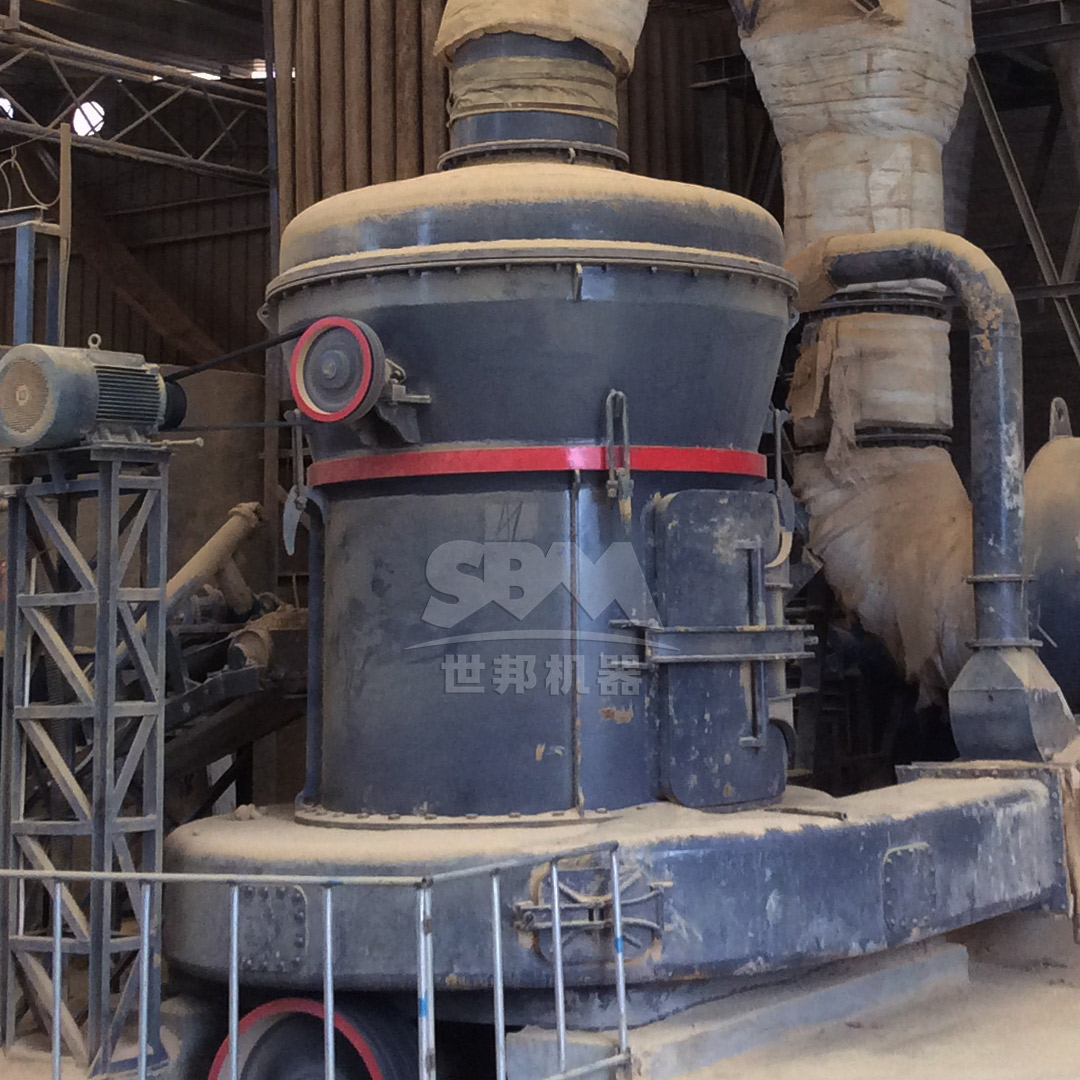
| Raymond Mill (Pendulum Mill) |
30-325 mesh |
Excellent. Core application range. |
Mature technology, reliable, lower capital cost for medium fineness. |
Lower energy efficiency compared to newer vertical mills for high capacity. |
| Vertical Roller Mill (VRM) |
30-325 mesh (up to 600 mesh) |
Excellent. Highly efficient. |
High grinding efficiency, low energy consumption, integrated drying, large capacity. |
Higher initial investment, more complex maintenance. |
| Ball Mill |
0.074-0.8mm (~170-20 mesh) |
Capable, but not optimal. |
Extremely versatile, can handle wet/dry grinding, high capacity. |
High energy consumption, overgrinding risk, poor efficiency for mid-range fineness like 120 mesh. |
| Ultrafine Mill |
325-2500 mesh |
Over-specified. |
Produces superfine powder with precise classification. |
Excessive capital and energy cost for 120 mesh; better suited for finer products. |
For dedicated, efficient 120 mesh limestone production, modern Raymond Mills (Pendulum Mills) and Vertical Roller Mills emerge as the top contenders. The choice between them often hinges on capacity scale and total cost of ownership.
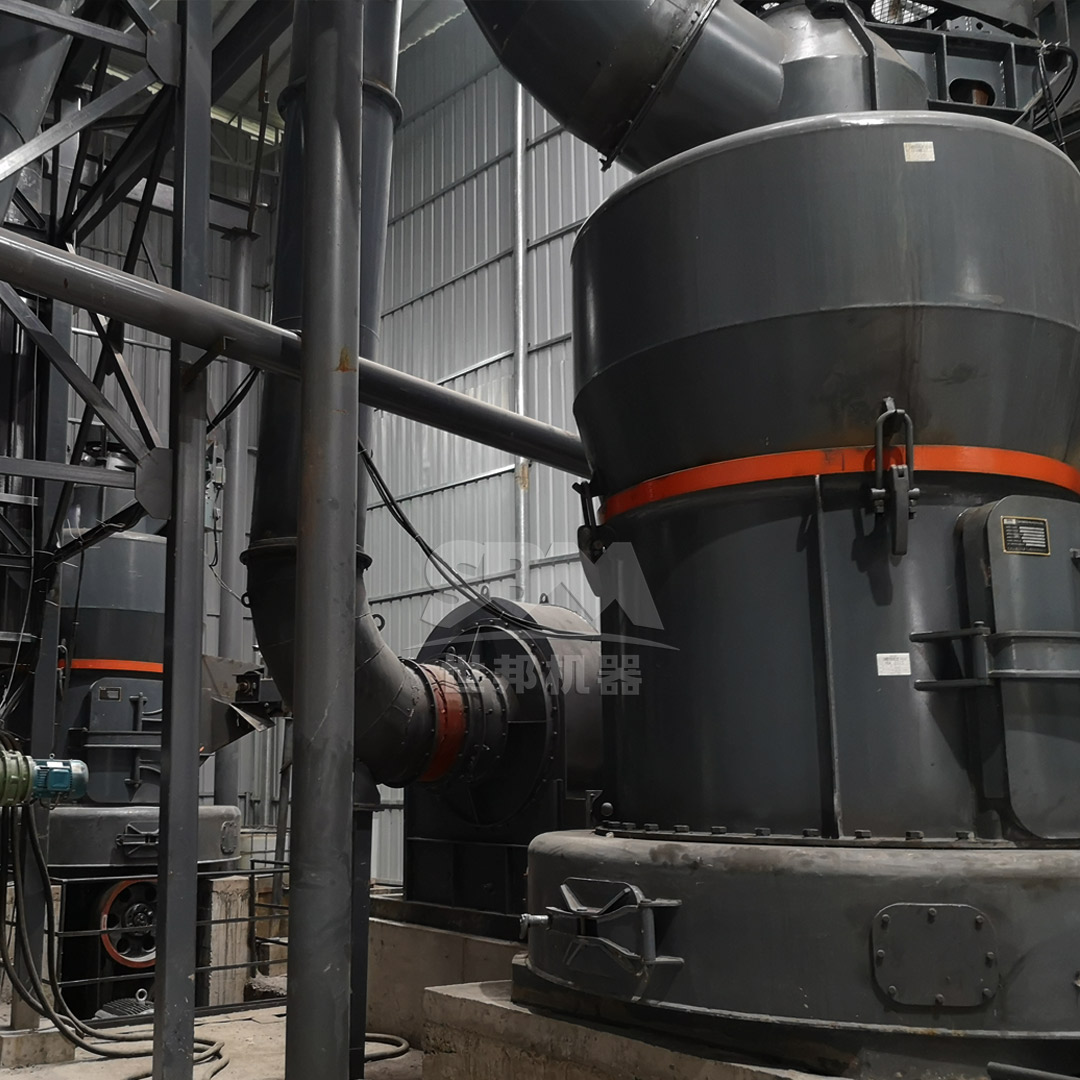
Recommended Solution: MTW Series European Trapezium Mill
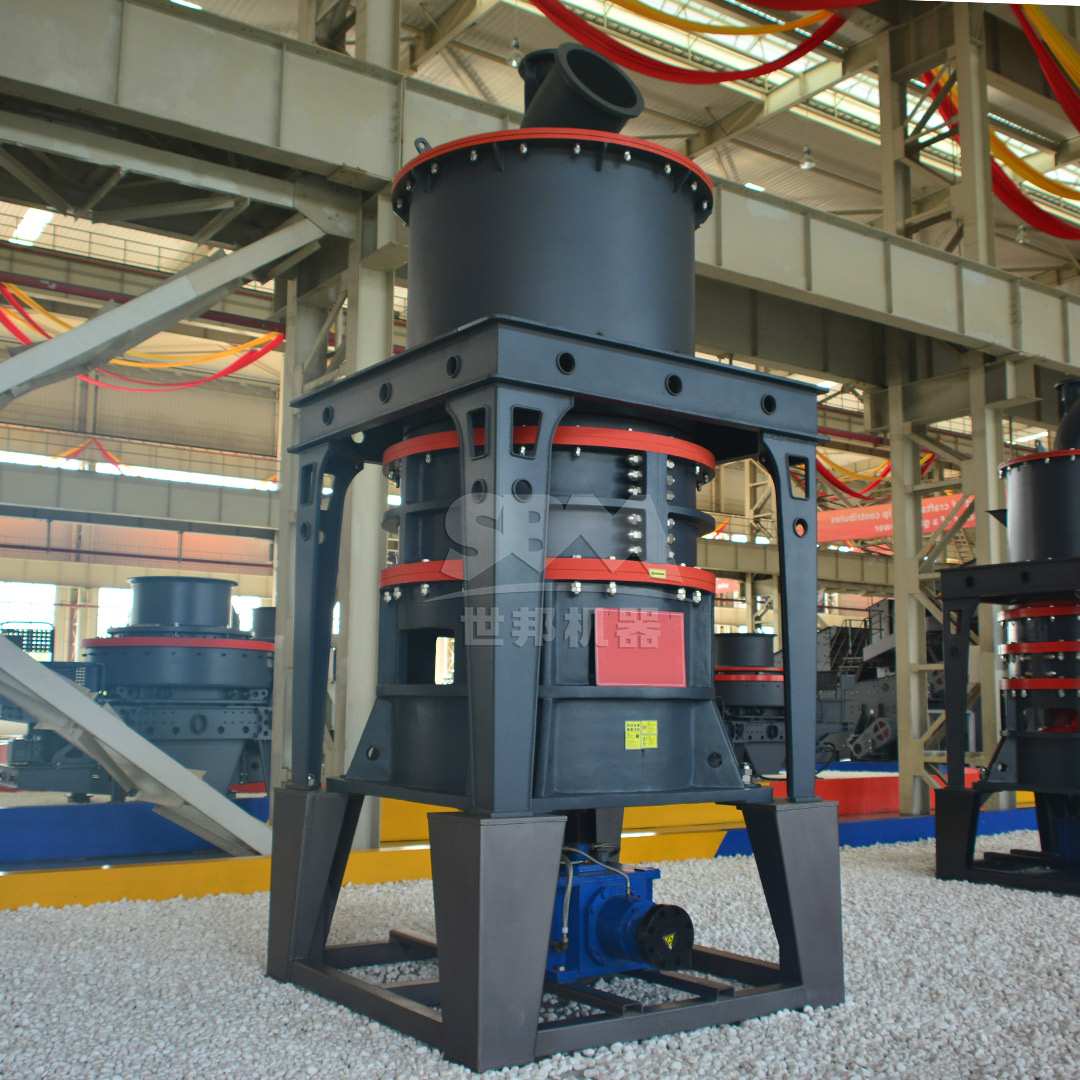
For most limestone producers targeting 120 mesh powder with capacities ranging from 3 to 45 tons per hour, the MTW Series European Trapezium Mill represents an optimal balance of performance, efficiency, and reliability. This advanced generation pendulum mill is engineered specifically for non-metallic mineral grinding like limestone.
Why the MTW Series is Ideal for 120 Mesh Limestone:
- Perfect Fineness Match: With an output range of 30-325 mesh, producing consistent 120 mesh powder is well within its core competency. Its curved shovel blade and optimized grinding roller/ring geometry ensure efficient size reduction.
- High Efficiency & Energy Saving: The MTW series features an integral bevel gear drive with transmission efficiency up to 98%, significantly reducing energy loss compared to traditional worm gear drives. This translates directly to lower power consumption per ton of product.
- Exceptional Wear Resistance: Key components like combined shovel blades and grinding rollers are designed for longevity in abrasive environments. The use of high-quality wear-resistant materials extends service life and reduces maintenance frequency, a critical factor for limestone processing.
- Intelligent Classifier: It is equipped with a high-efficiency turbine classifier that provides precise particle size separation. This ensures your 120 mesh product has a narrow size distribution with minimal oversize or undersize particles.
- Environmental Compliance: The system is designed for fully sealed negative pressure operation and is paired with a high-efficiency pulse dust collector, ensuring dust emissions meet the strictest international standards.
MTW Series Model Selection Guide for 120 Mesh Limestone
| Model |
Expected Capacity for 120 Mesh* (t/h) |
Main Motor Power (kW) |
Max Feed Size (mm) |
Key Application Note |
| MTW138Z |
6 – 12 |
90 |
<35 |
Ideal for medium-scale production lines. |
| MTW175G |
9.5 – 18 |
160 |
<40 |
Excellent balance of output and power for growing operations. |
| MTW215G |
15 – 30 |
280 |
<50 |
Top choice for large-scale, high-volume production. |
*Capacity is indicative and depends on material characteristics and system configuration.
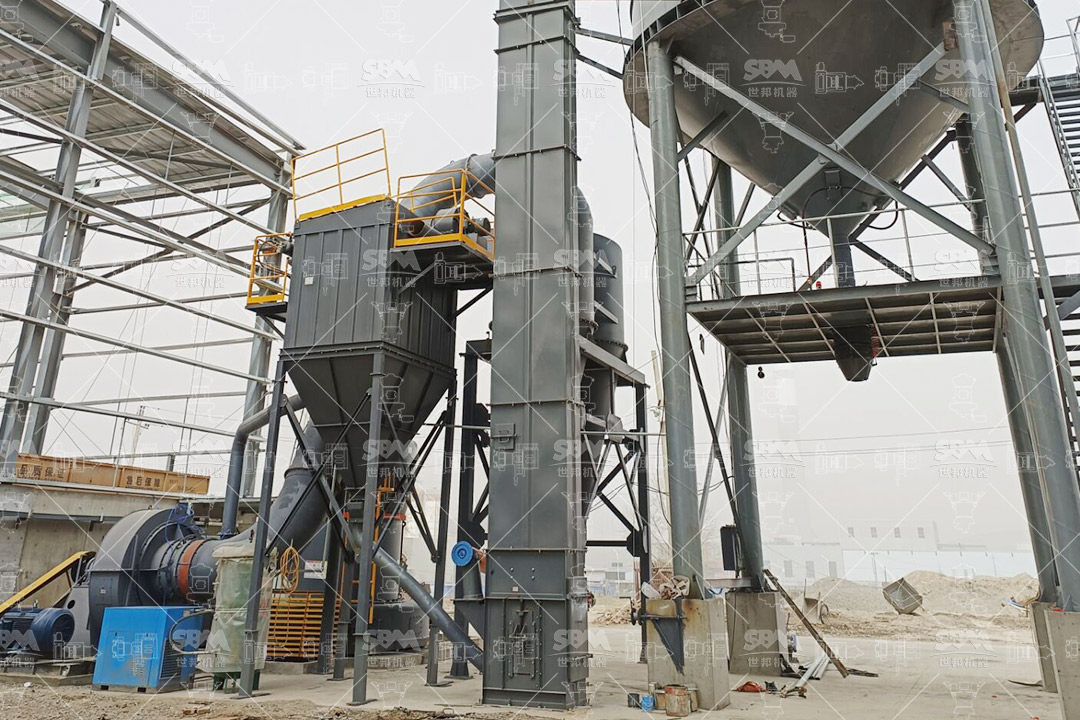
High-Capacity Alternative: LM Series Vertical Roller Mill
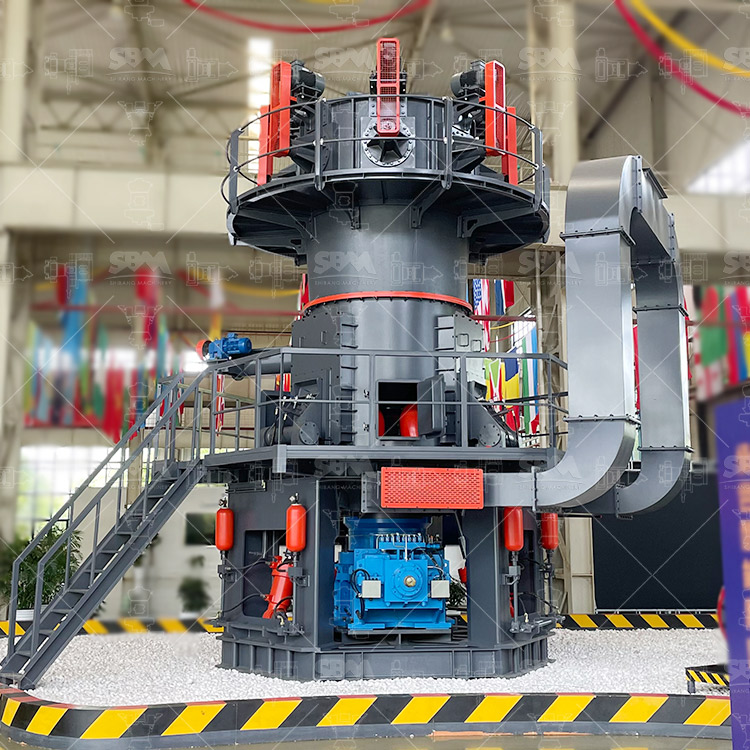
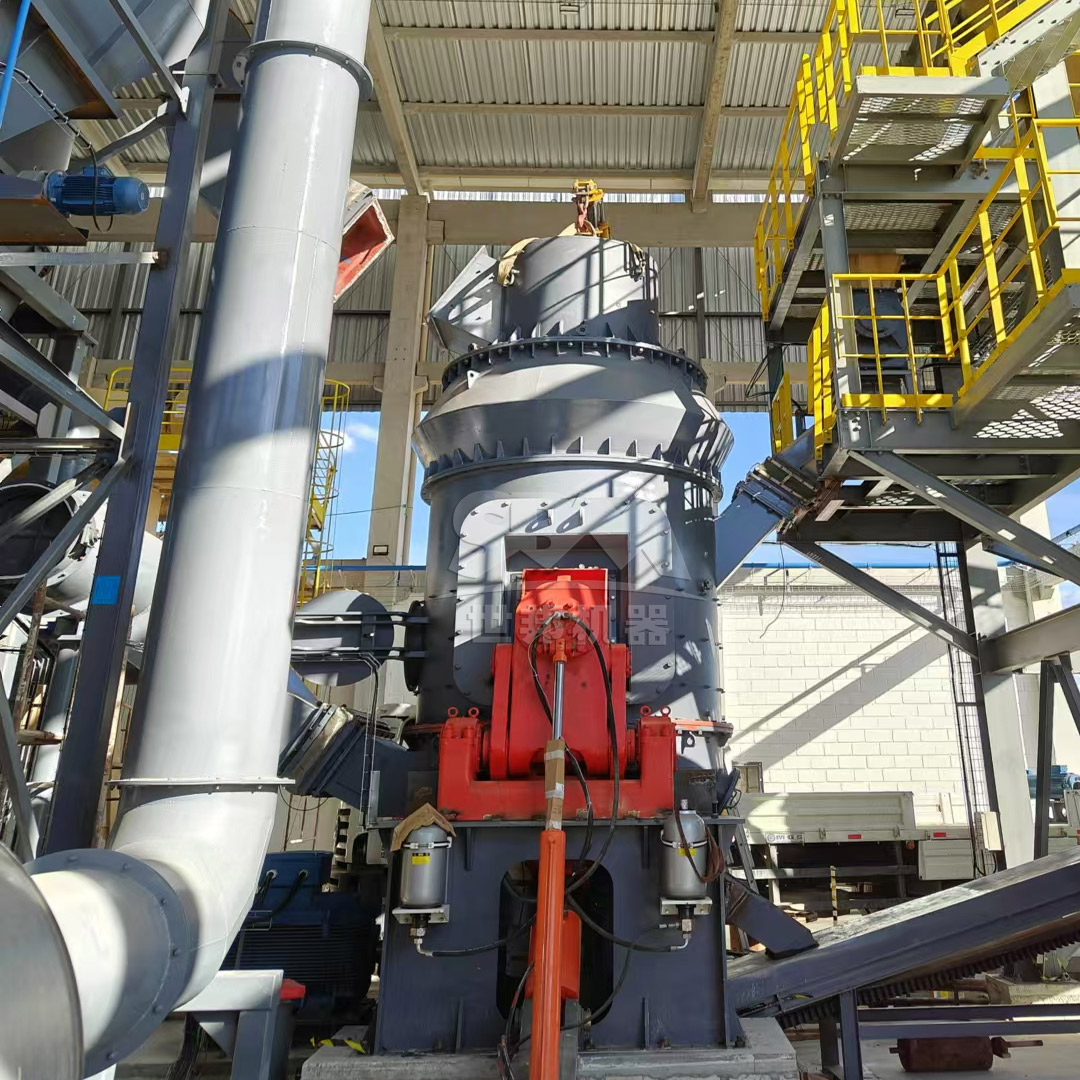
For projects requiring very large production capacities (e.g., above 25 TPH for 120 mesh) or where future expansion to coarser or slightly finer products is anticipated, the LM Series Vertical Roller Mill is the superior choice.
Advantages of the LM Vertical Mill for Large-Scale 120 Mesh Production:
- Unmatched Grinding Efficiency: Utilizing the bed grinding principle between rollers and a rotating table, it consumes 30-40% less energy than traditional ball mill systems for the same output, offering tremendous operational savings.
- Integrated System: It incorporates crushing, grinding, drying, and classification in a single unit, reducing footprint by approximately 50% and simplifying the overall plant layout.
- High Capacity & Stability: Models like the LM220K can deliver 36-105 t/h, making them perfect for mega-sized limestone powder plants. Its robust design ensures continuous, stable operation.
- Advanced Control System: Features an expert-level automatic control system that allows for remote monitoring and adjustment, ensuring the 120 mesh fineness is maintained consistently with minimal operator input.
Conclusion
Selecting the right equipment for 120 mesh limestone powder production is a strategic decision that impacts your profitability and product quality for years to come. By carefully evaluating your raw material, capacity needs, and economic goals, you can identify the optimal technology.
For the majority of applications, the MTW Series European Trapezium Mill stands out as a robust, efficient, and cost-effective solution, expertly engineered to deliver consistent 120 mesh powder with low operational costs. For ultra-large-scale production facilities where maximizing energy efficiency and capacity is paramount, the LM Series Vertical Roller Mill presents the cutting-edge alternative.
Investing in the correct grinding technology from the start ensures not only that you meet your specification today but also that your operation remains competitive, efficient, and sustainable well into the future.