Autoclaved Aerated Concrete (AAC) has become a cornerstone material in modern sustainable construction, prized for its lightweight, thermal insulation, fire resistance, and structural efficiency. The production of high-quality AAC blocks relies heavily on the precise preparation of its raw materials, with finely ground limestone powder being a critical component. The fineness, particle size distribution, and purity of the limestone powder directly influence the lime reactivity, slurry rheology, and the final strength and porosity of the AAC product. Selecting the appropriate grinding equipment is therefore not merely an operational choice but a strategic decision impacting product quality, production cost, and plant profitability. This comprehensive guide delves into the role of limestone in AAC, analyzes key grinding technologies, and provides a framework for selecting the optimal milling system for your production needs.
In the AAC manufacturing process, limestone (primarily calcium carbonate, CaCO3) serves multiple essential functions. When finely ground and mixed with silica sand, cement, and aluminum powder, it participates in complex hydrothermal reactions during the autoclaving stage. The finely divided limestone reacts with the alumina and silica from other components to form calcium silicate hydrates (C-S-H) and other binding phases, contributing significantly to the development of long-term strength. Furthermore, its particle size affects the gas formation process during the rising stage and the uniformity of the pore structure. Typically, AAC production requires limestone powder with a fineness ranging from 170 mesh (90 μm) to 325 mesh (45 μm), with some advanced formulations demanding even finer particles below 45μm. Achieving this consistently, at high throughput, and with minimal energy consumption is the core challenge addressed by modern grinding technology.
| Parameter | Typical Requirement | Impact on AAC Quality |
|---|---|---|
| Fineness (Blaine) | 4000 – 6000 cm²/g | Determines reactivity rate and final strength development. |
| Particle Size Distribution (PSD) | Narrow, controlled distribution | Affects slurry viscosity, water demand, and pore uniformity. |
| Moisture Content | < 1% | Prevents agglomeration and ensures accurate batching. |
| Chemical Purity (CaCO3) | > 95% | Minimizes impurities that can hinder reactions or cause defects. |
The evolution of grinding technology has moved from simple crushing to sophisticated systems that integrate size reduction, classification, and collection. The choice of technology depends on the required fineness, capacity, energy efficiency goals, and total cost of ownership.
Ball mills have been the workhorse of mineral processing for decades. They operate on the principle of impact and attrition as grinding media (steel balls) cascade inside a rotating shell. While capable of producing the required fineness for AAC, they are increasingly seen as less optimal due to their high specific energy consumption (kWh/ton), significant heat generation, and relatively broad particle size distribution. Their large footprint and high noise levels are additional drawbacks in modern, automated plants.
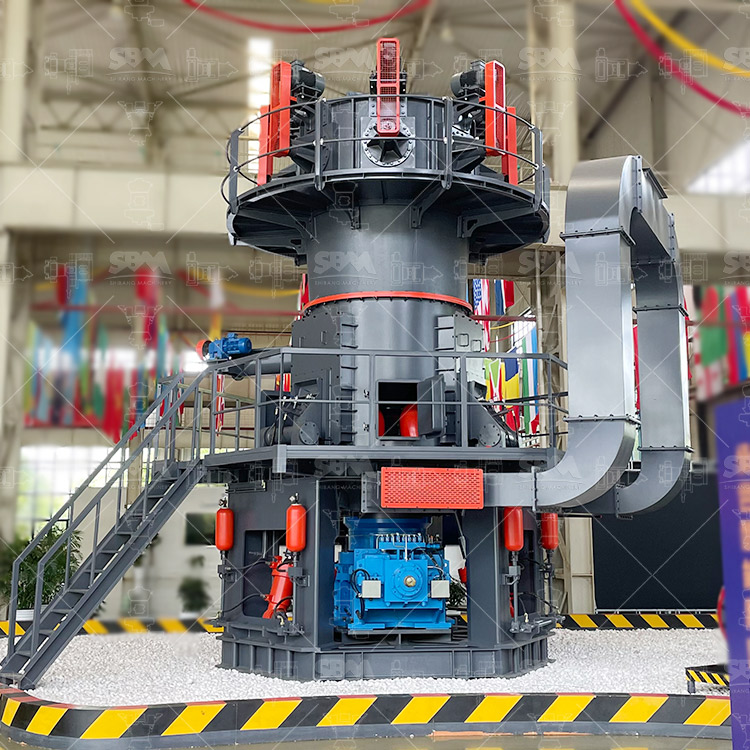
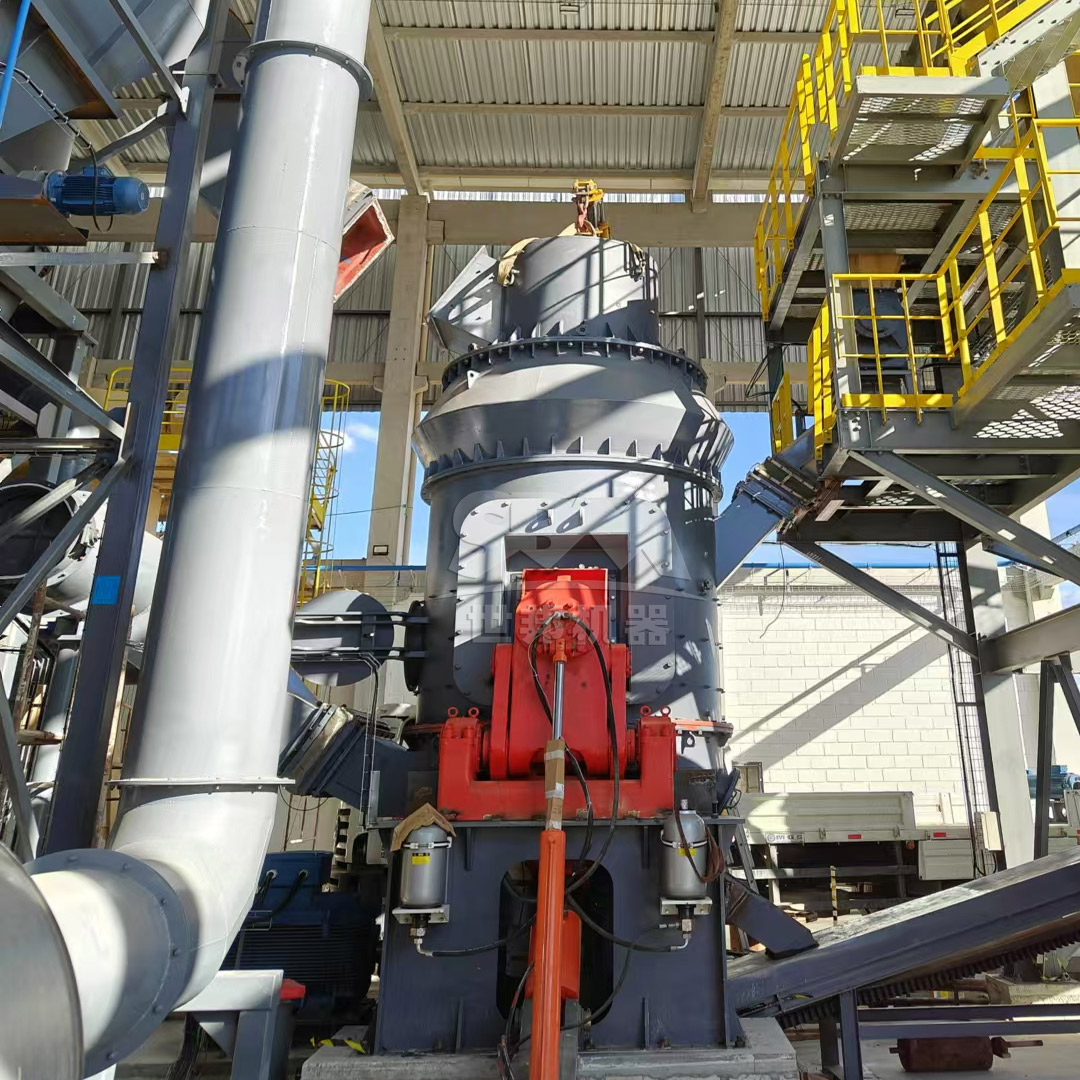
Vertical Roller Mills represent a significant leap in grinding efficiency. Material is fed onto a rotating table and ground under pressure by hydraulically loaded rollers. A key advantage is their integrated dynamic classifier, which immediately removes fine particles from the grinding zone, preventing over-grinding and ensuring a sharper PSD. This “grinding-drying-classifying” integration within a single compact unit makes VRMs highly energy-efficient, often consuming 30-40% less power than a ball mill system for the same output. Their ability to handle feed moisture with integrated hot air is also beneficial.
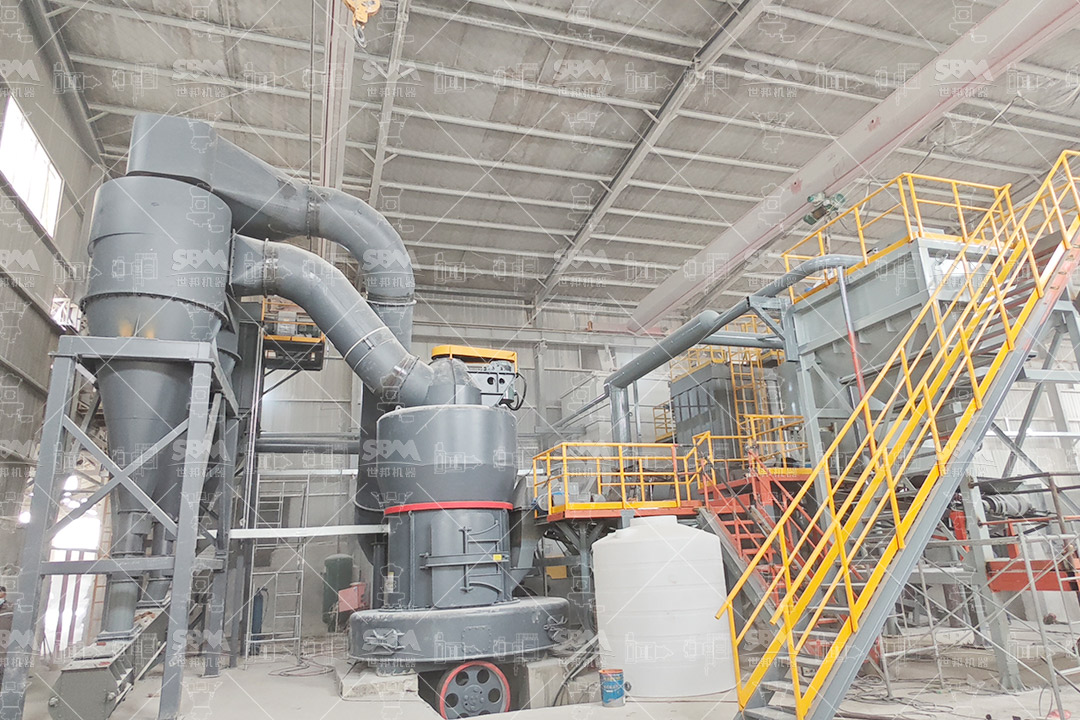
For applications demanding high capacity with good fineness control (e.g., 30-325 mesh), updated trapezium mill designs offer robust performance. For AAC plants looking to incorporate ultra-fine limestone filler (below 45μm or 325 mesh) to enhance reactivity and reduce cement content, specialized ultrafine mills are required. These mills employ advanced classification systems, such as vertical turbine classifiers, to achieve precise cuts in the micron and sub-micron range, producing powders with exceptional uniformity.
The decision matrix for limestone grinding equipment must balance technical requirements with economic and operational factors.
| Equipment Type | Optimal Fineness Range | Capacity Range | Key Advantages | Considerations for AAC |
|---|---|---|---|---|
| Ball Mill | 0.074-0.8mm (200-20 mesh) | Very High (up to 450 t/h) | Proven technology, high reliability, wide application. | High energy cost, broad PSD, may require closed-circuit with classifier. |
| Vertical Roller Mill (VRM) | 30-325 mesh (600-45μm) | High (3-250 t/h) | High energy efficiency, integrated drying/classification, compact footprint. | Ideal for main limestone grinding stream in medium to large AAC plants. |
| European Trapezium Mill | 30-325 mesh (600-45μm) | Medium-High (3-45 t/h) | Stable operation, good wear resistance, lower initial investment than VRM. | Excellent choice for dedicated limestone grinding lines with balanced cost-performance. |
| Ultrafine Mill | 325-2500 mesh (45-5μm) | Medium (0.5-25 t/h) | Extremely fine product, narrow PSD, high classification precision. | For producing premium reactive filler to optimize mix design and reduce binder cost. |
Based on the typical requirements of AAC plants, we recommend focusing on two core technologies that offer the best balance of performance, efficiency, and return on investment.
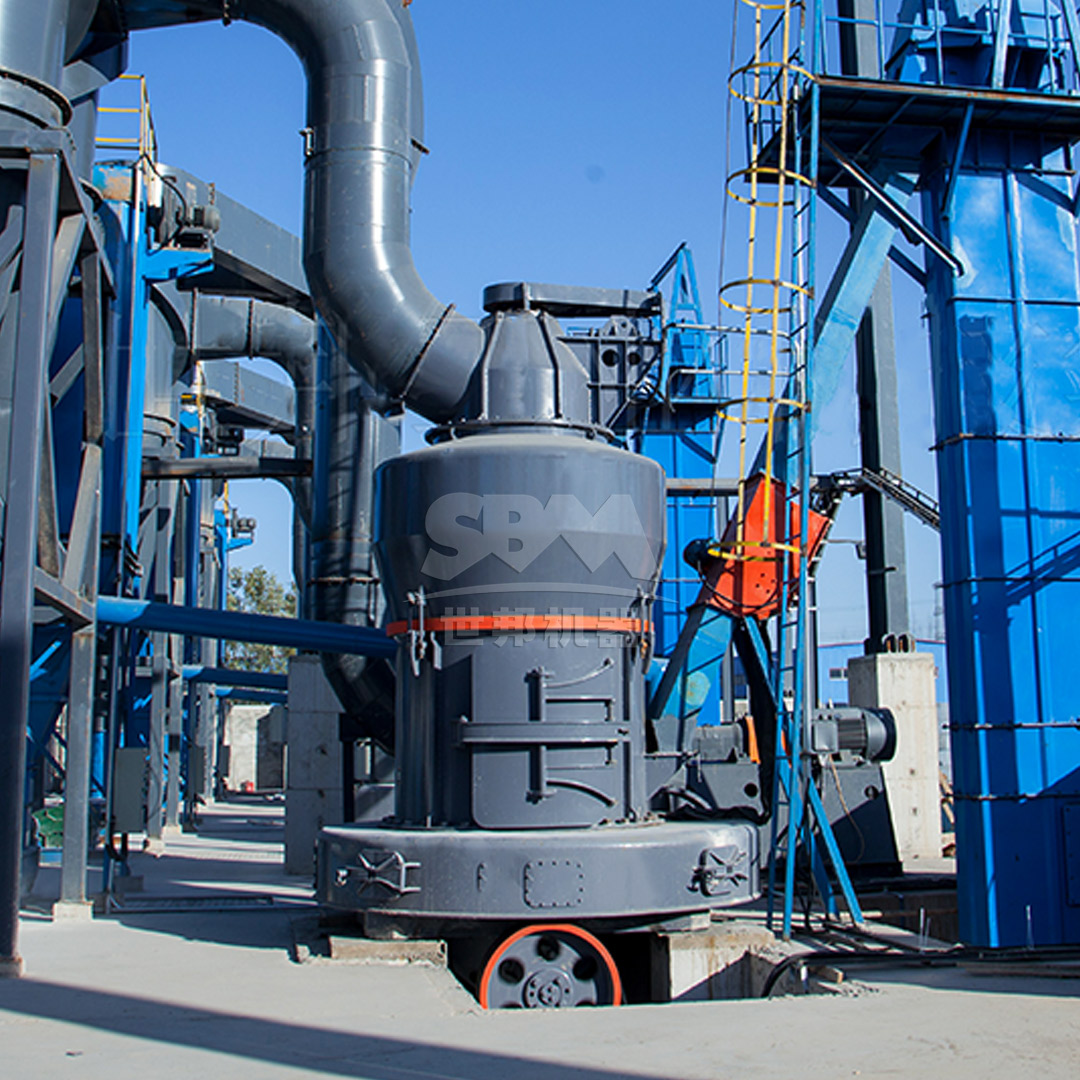
For the core limestone grinding process to produce powder in the 100-325 mesh range, the MTW Series European Trapezium Mill stands out as a robust and efficient solution. Its design incorporates several patented advancements specifically beneficial for continuous industrial grinding like that in an AAC plant.
The mill’s anti-wear shovel design and wear-resistant volute structure are critical for processing abrasive materials like limestone, significantly reducing maintenance frequency and cost. The integral bevel gear drive provides a remarkable 98% transmission efficiency, translating directly to lower energy consumption per ton of product—a major operational cost saving. Furthermore, its optimized arc air duct ensures smooth airflow, enhancing the efficiency of the internal classifier to deliver a consistent and controllable product fineness, which is paramount for stable AAC slurry formulation.
With models like the MTW175G (9.5-25 t/h) or the MTW215G (15-45 t/h), AAC manufacturers can select a unit that matches their plant’s scale, ensuring reliable, high-capacity production of quality limestone powder.
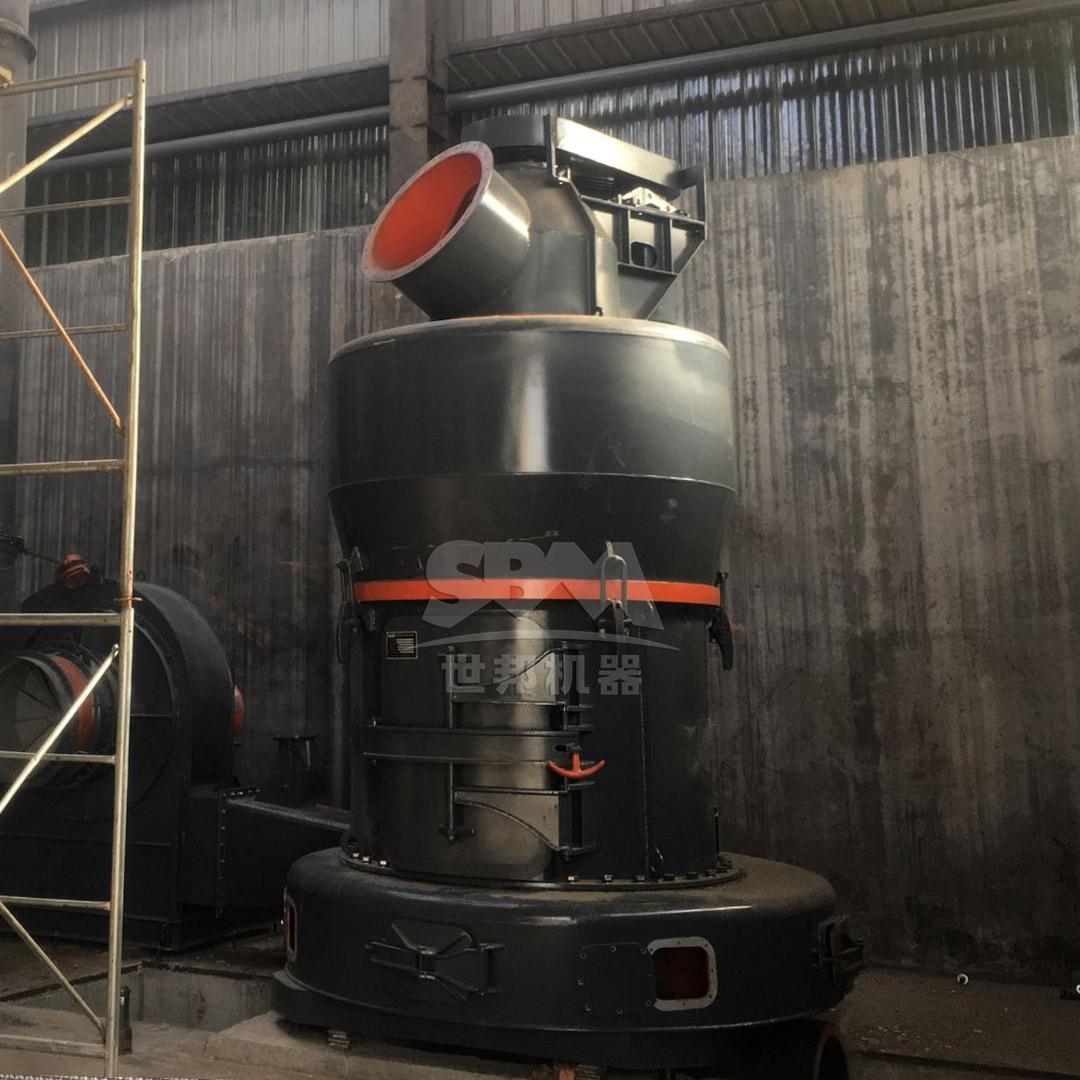
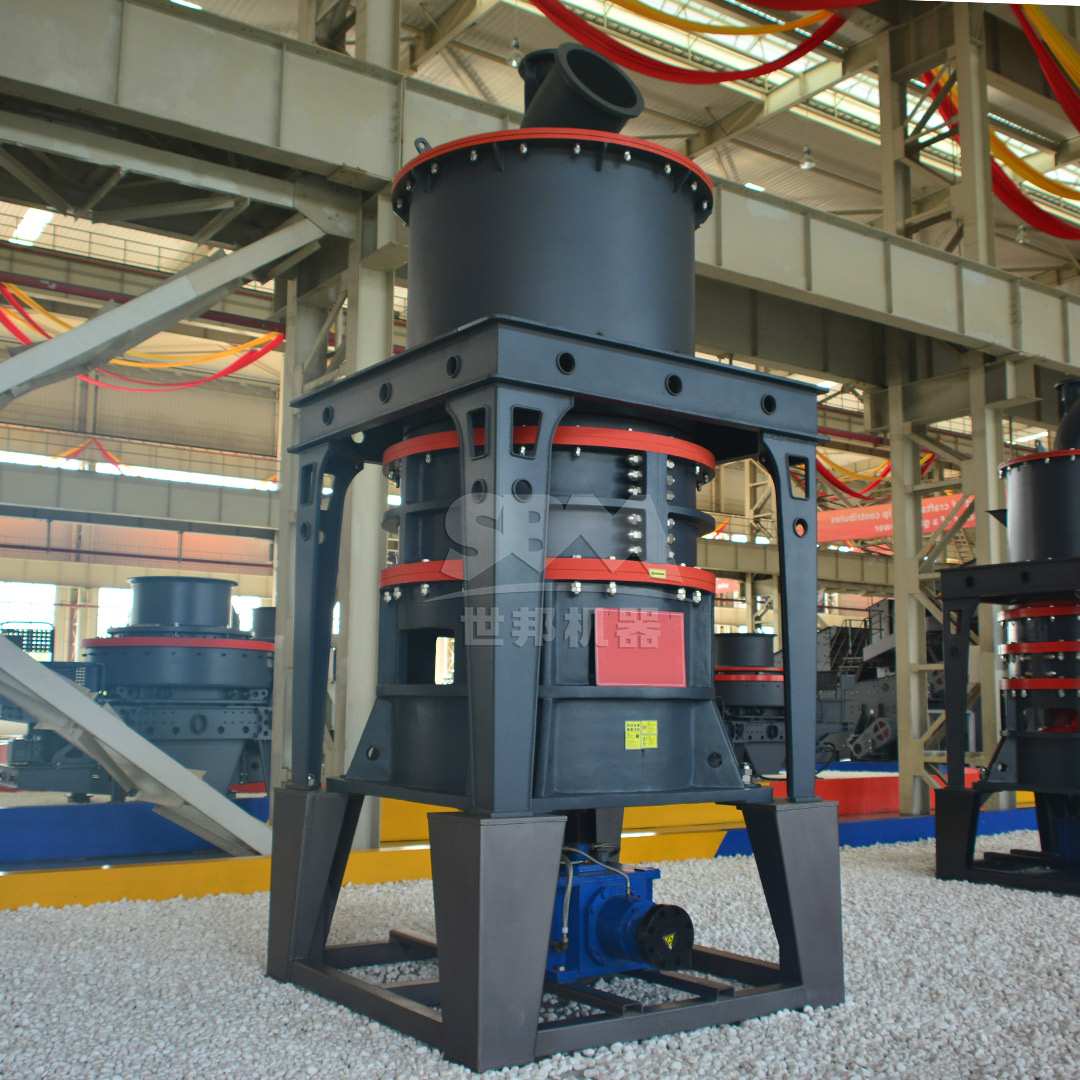
For forward-thinking AAC producers aiming to improve product performance or reduce raw material costs by incorporating ultra-fine limestone filler, the SCM Series Ultrafine Mill is the technology of choice. This mill excels in producing powders in the 325-2500 mesh (45-5μm) range with unparalleled consistency.
Its core strength lies in the high-precision vertical turbine classifier, which ensures no coarse particles are mixed into the final product, guaranteeing a uniform and highly reactive powder. The high-efficiency grinding chamber design and special material rollers and rings offer durability while achieving a capacity that can be twice that of traditional jet mills with approximately 30% lower energy consumption. For AAC plants, this means the ability to produce a value-added, ultra-fine component on-site without prohibitive energy costs.
The eco-friendly and low-noise design, featuring a pulse dust collection system exceeding international standards, aligns perfectly with the sustainable ethos of modern AAC manufacturing. Models such as the SCM1000 (1.0-8.5 t/h) or SCM1250 (2.5-14 t/h) provide scalable solutions for integrating ultrafine grinding into your production process.
Selecting the mill is only part of the solution. A well-designed grinding circuit includes upstream pre-crushing (e.g., using a reliable Hammer Mill to reduce feedstock to ≤20mm), efficient feeding systems, and downstream product handling and storage. Modern mills come with intelligent control systems that allow for real-time monitoring and adjustment of key parameters like feed rate, classifier speed, and grinding pressure, ensuring optimal and stable operation.
For AAC plants, it is crucial to design the powder transport and storage system to prevent segregation and moisture ingress, preserving the quality of the ground limestone. Implementing a total solution that considers the entire process from quarry to mixer will yield the greatest benefits in product consistency and operational efficiency.
The path to producing superior Autoclaved Aerated Concrete begins with the precise preparation of raw materials. Investing in the right limestone grinding technology is a decisive step toward achieving higher quality, lower production costs, and enhanced sustainability. While traditional methods like ball milling remain viable, the superior energy efficiency, product control, and operational advantages of advanced mills like the MTW Series European Trapezium Mill for primary grinding and the SCM Series Ultrafine Mill for specialized filler production offer compelling value. By carefully assessing your specific capacity, fineness, and economic goals against the capabilities of these modern grinding systems, you can build a stronger foundation for your AAC plant’s success and competitiveness in the global construction market.