The production of high-quality coating-grade limestone powder is a cornerstone of modern industries such as paints, plastics, paper, and construction materials. The stringent requirements for particle size distribution, whiteness, chemical purity, and surface activity in these applications demand not just any grinding process, but a sophisticated, precise, and efficient one. The selection of the appropriate grinding mill is, therefore, not merely an operational decision but a strategic one that directly impacts product quality, production cost, and environmental compliance. This article delves into the critical role of advanced grinding technology in producing superior coating-grade limestone powder and explores the technological solutions that define industry benchmarks.
Coating-grade limestone powder, often referred to as GCC (Ground Calcium Carbonate), must meet exacting standards to function effectively as a filler, extender, or functional additive. Key parameters include:
Meeting these specifications consistently and at an industrial scale requires grinding equipment that excels in precision, efficiency, and reliability.
Traditional ball mills, while robust, often struggle with the energy intensity and lack of precise classification needed for high-end coating grades. Modern systems have evolved to address these shortcomings through several key technological advancements:
The heart of any coating-grade powder production line is its classifier. Dynamic air classifiers, often with vertical turbine designs, allow for real-time, stepless adjustment of the cut point. This ensures that only particles meeting the target fineness leave the grinding chamber, while oversize material is efficiently returned for further size reduction. This closed-loop system is vital for achieving the narrow PSD required.
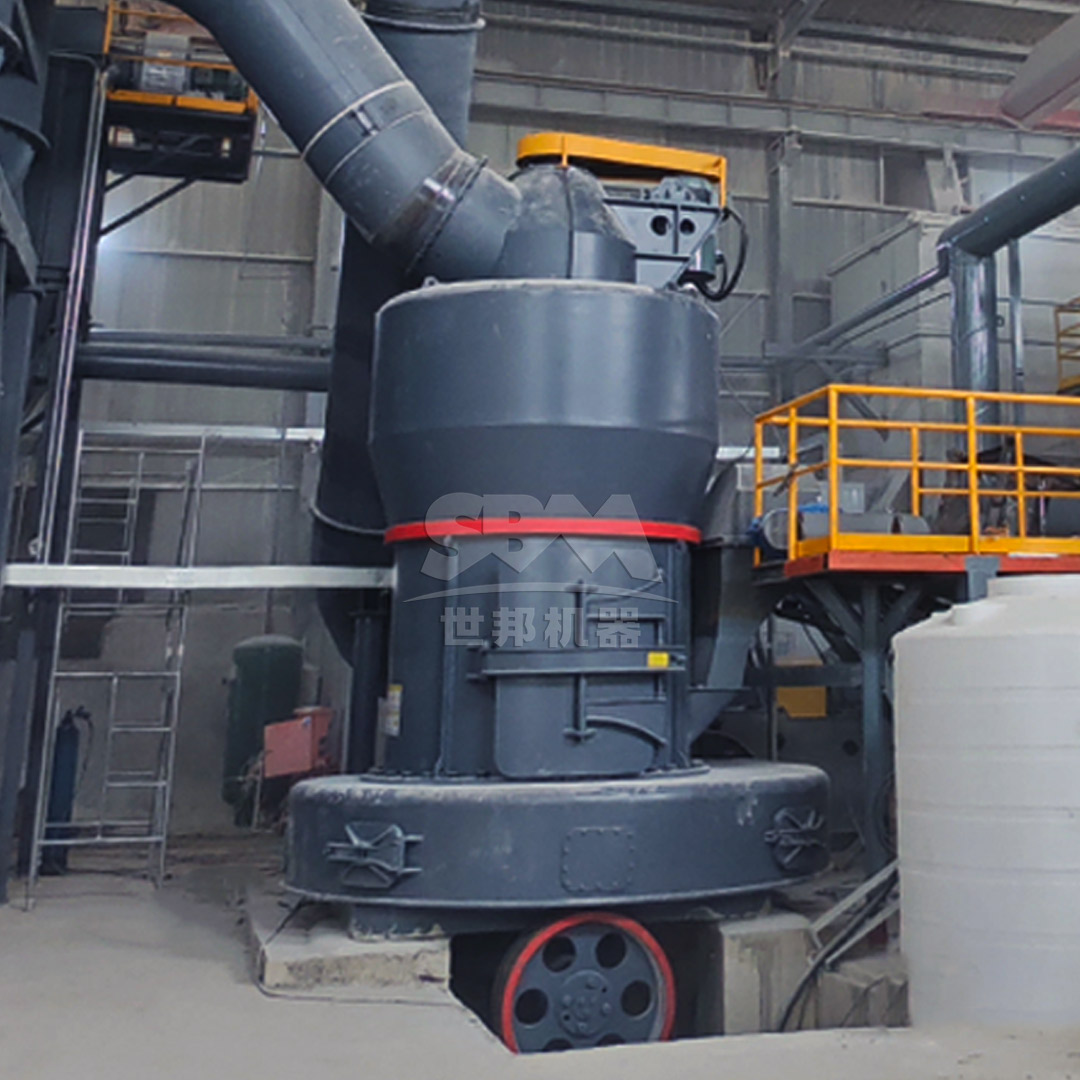
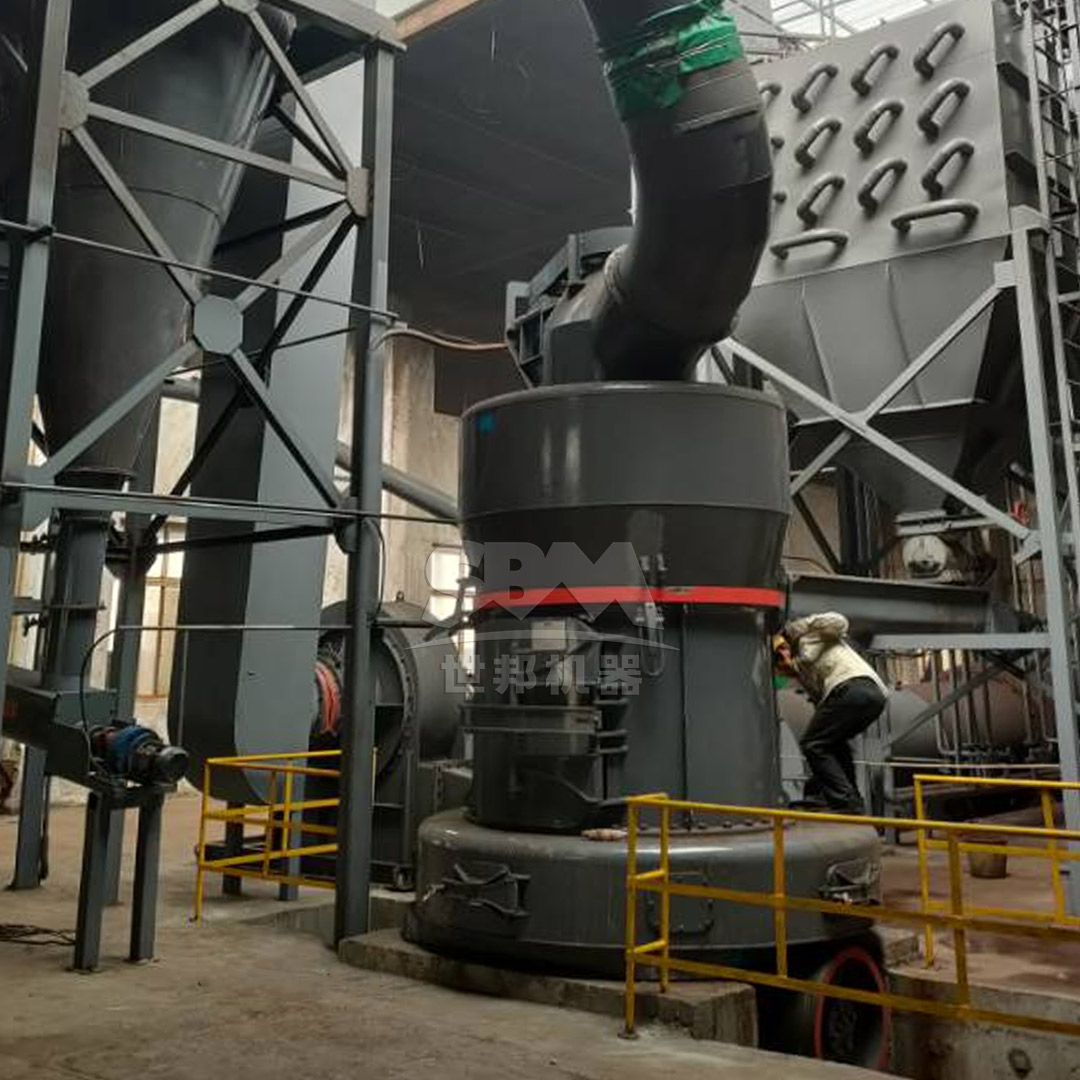
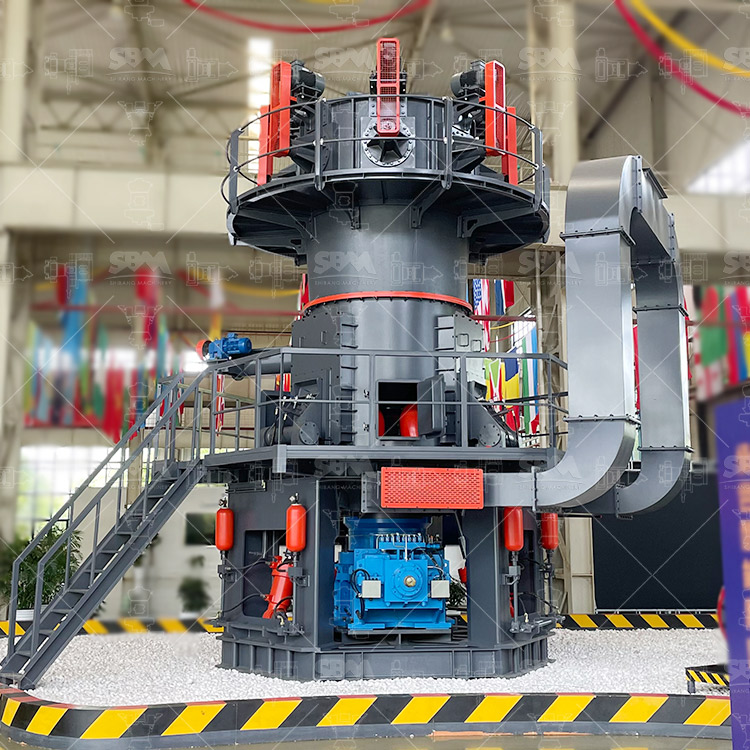
Moving from impact-based to bed-compression grinding principles (as seen in vertical roller mills and ring roller mills) significantly boosts energy efficiency. In these systems, material is ground between rollers and a rotating table/ring under hydraulic or spring pressure. This method applies force directly to the particle bed, minimizing energy waste on metal-to-metal contact and air movement, often reducing specific energy consumption by 30-50% compared to ball mills.
Modern mills are designed as integrated systems encompassing feeding, grinding, classification, and collection. Features like negative pressure operation prevent dust leakage, while advanced pulse-jet baghouse filters ensure emissions far exceed environmental standards. Furthermore, PLC-based automation systems enable stable operation, automatic feedback control of product fineness, and remote monitoring, reducing manual intervention and human error.
Based on the fineness range and production capacity requirements, two of our flagship grinding mill series stand out as optimal solutions for coating-grade limestone powder production.
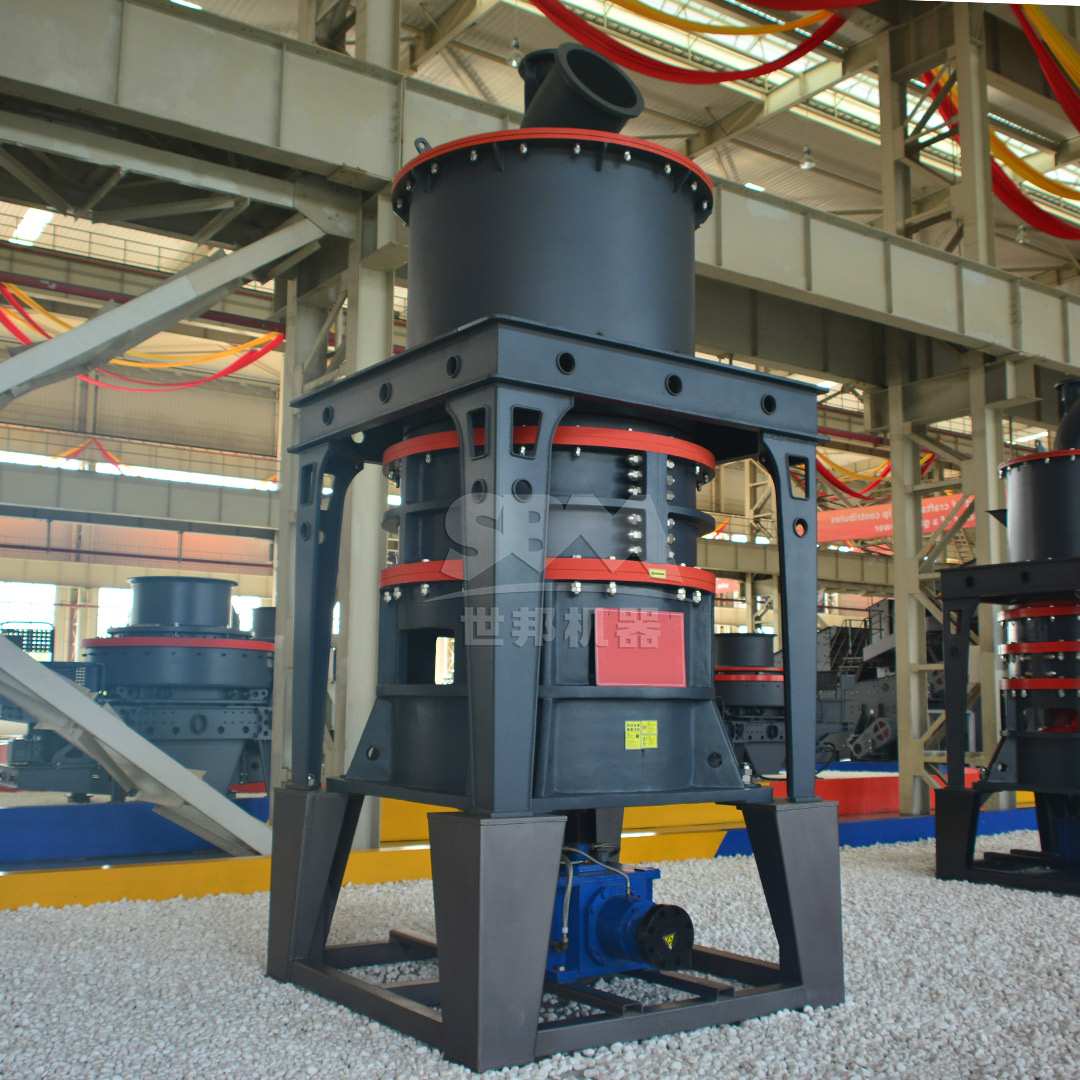
For producers targeting the high-end market requiring ultrafine powders (from 45 down to 5 microns), our SCM Series Ultrafine Mill is the technology of choice. It is engineered specifically to achieve exceptional fineness with remarkable efficiency.
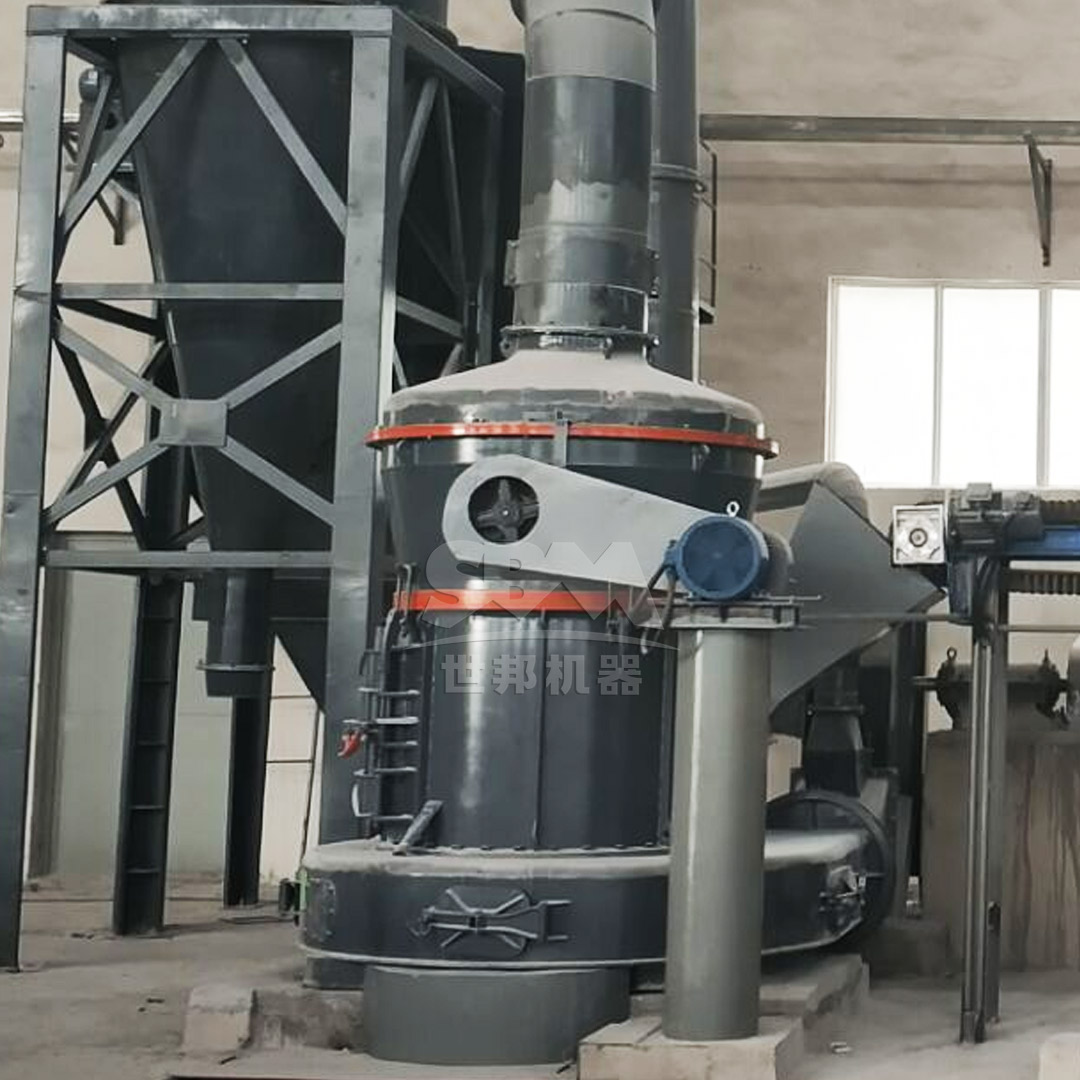
| Model | Capacity (t/h) | Main Power (kW) | Output Fineness (mesh) |
|---|---|---|---|
| SCM800 | 0.5-4.5 | 75 | 325-2500 |
| SCM900 | 0.8-6.5 | 90 | 325-2500 |
| SCM1000 | 1.0-8.5 | 132 | 325-2500 |
| SCM1250 | 2.5-14 | 185 | 325-2500 |
| SCM1680 | 5.0-25 | 315 | 325-2500 |
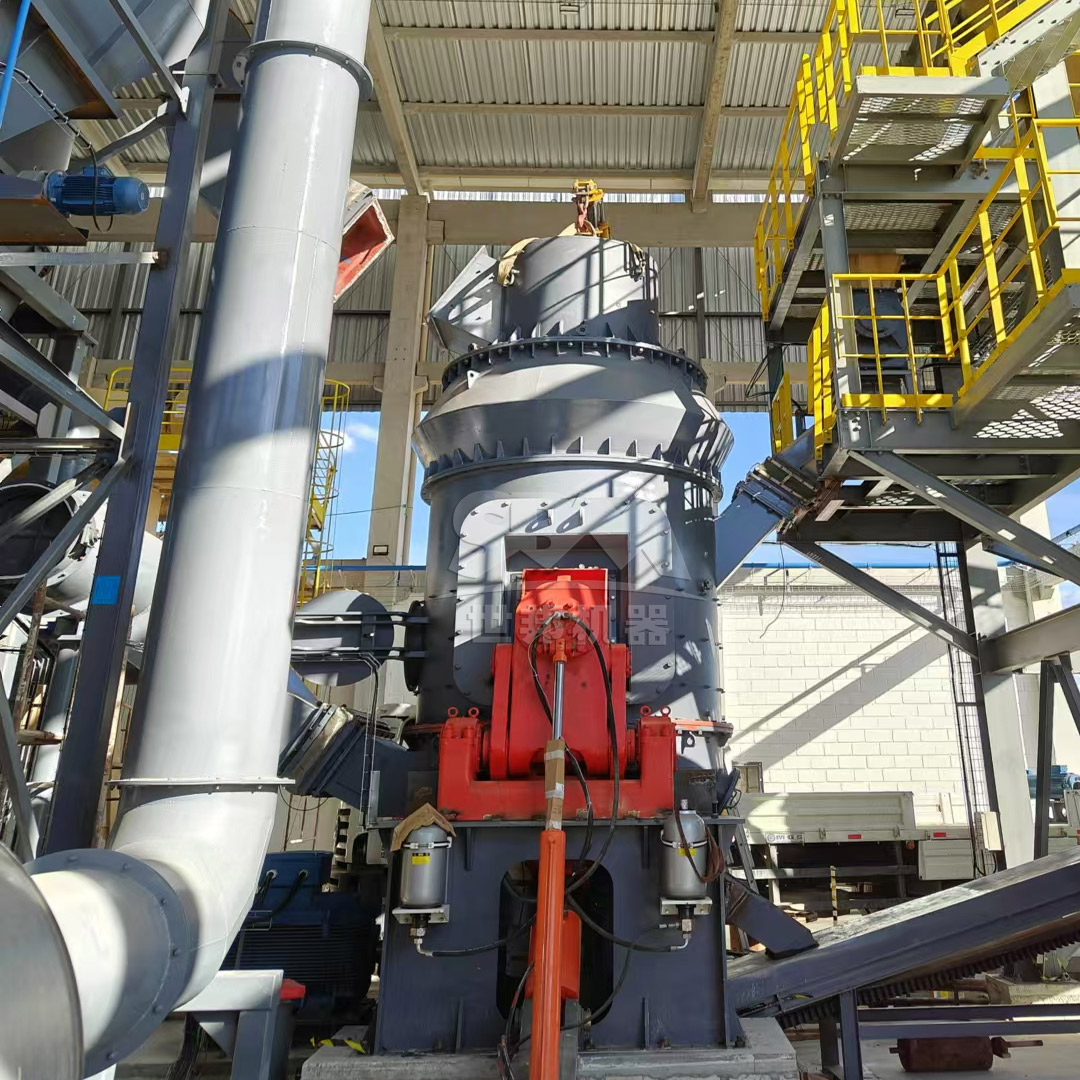
For applications where the target fineness is in the coarse to medium coating grade range (approximately 600-45μm or 30-325 mesh), and production capacity needs are very high, our MTW Series European Trapezium Mill offers an unbeatable combination of robustness, efficiency, and low operating cost.
The journey to premium coating-grade limestone powder begins with the raw material but is fundamentally defined by the grinding technology employed. In an era of rising energy costs and stringent quality demands, investing in advanced, efficient, and intelligent grinding mills is no longer optional but a necessity for maintaining competitiveness. Technologies like our SCM and MTW series represent the pinnacle of modern grinding engineering, offering producers the tools to achieve superior product quality, operational economy, and environmental stewardship. By choosing the right key equipment, manufacturers can ensure their coating-grade limestone powder not only meets but exceeds the expectations of the most demanding markets.