The production of high-quality limestone powder is a cornerstone of the modern building materials industry. As a versatile filler and functional additive, it is integral to products ranging from dry-mix mortars and plasters to paints, sealants, and asphalt. The quality, consistency, and economic viability of this powder are directly determined by the production technology employed. This article delves into the critical processes and equipment necessary for manufacturing building material grade limestone powder, highlighting how technological advancements drive efficiency, product quality, and sustainability.
The transformation of raw limestone into a fine, consistent powder is a multi-stage operation. Each stage plays a vital role in defining the final product’s characteristics.
Extracted limestone blocks are first reduced to a manageable size (typically <50mm) using primary crushers like jaw or impact crushers. This stage may be followed by pre-homogenization in stockpiles to ensure a consistent feed for downstream processes, which is crucial for stable grinding operation and final product uniformity.
Limestone often contains surface moisture. Efficient drying, often integrated with the grinding system using hot air, is essential to prevent clogging, ensure efficient grinding, and achieve the low moisture content required for many building material applications.
This is the most critical phase, where the limestone is reduced to the target fineness. The choice of grinding mill and its associated classifier defines the powder’s particle size distribution (PSD), shape, and energy consumption. A precise classification system is equally important to separate and return oversized particles for re-grinding, ensuring a tight PSD.
| Process Stage | Key Equipment | Primary Objective |
|---|---|---|
| Primary Crushing | Jaw Crusher, Hammer Mill | Reduce raw stone to <50mm |
| Drying | Rotary Dryer, Integrated Mill Hot Air | Reduce moisture to <1% |
| Grinding & Classification | Vertical Roller Mill, Raymond Mill, Ball Mill, Ultrafine Mill | Achieve target fineness and PSD |
| Product Collection & Storage | Baghouse Filter, Silo | Dust-free collection and homogenization |
The final powder is separated from the process air using high-efficiency baghouse filters (pulse jet dust collectors). The collected powder is then conveyed to storage silos, often equipped with aeration pads and discharge systems to prevent caking and ensure smooth downstream packaging or bulk loading.
The building materials market demands limestone powder across a spectrum of fineness, from coarse fillers to ultra-fine functional additives. Selecting the right mill is paramount.
This range is typical for bulk fillers in concrete, asphalt, and base coats. Efficiency and large capacity are key.
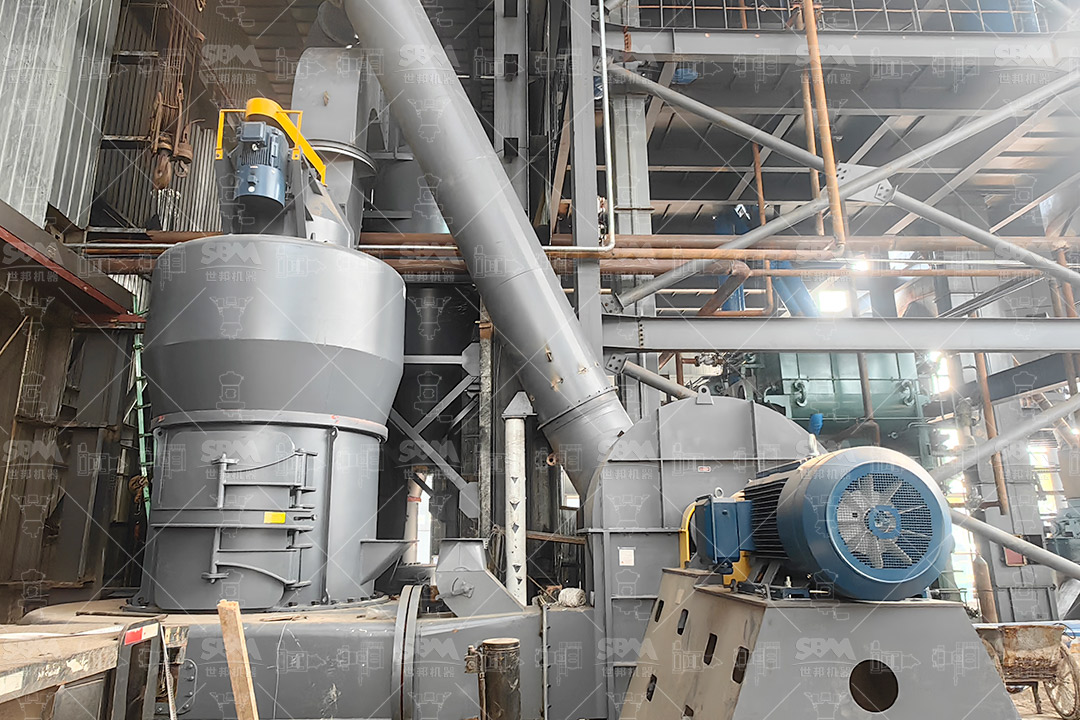
Recommended Solution: MTW Series European Trapezium Mill
For producers targeting high-volume output in the 30-325 mesh range, the MTW Series European Trapezium Mill represents an optimal balance of capacity, energy efficiency, and reliability. Its innovative design features, such as the anti-wear combined shovel blades and optimized arc air duct, significantly reduce wear-part consumption and airflow resistance. The integral bevel gear drive achieves up to 98% transmission efficiency, saving both energy and space. With models like the MTW215G offering capacities up to 45 ton/h, it is an ideal workhorse for large-scale production of construction-grade limestone powder, ensuring consistent quality with lower operational costs.
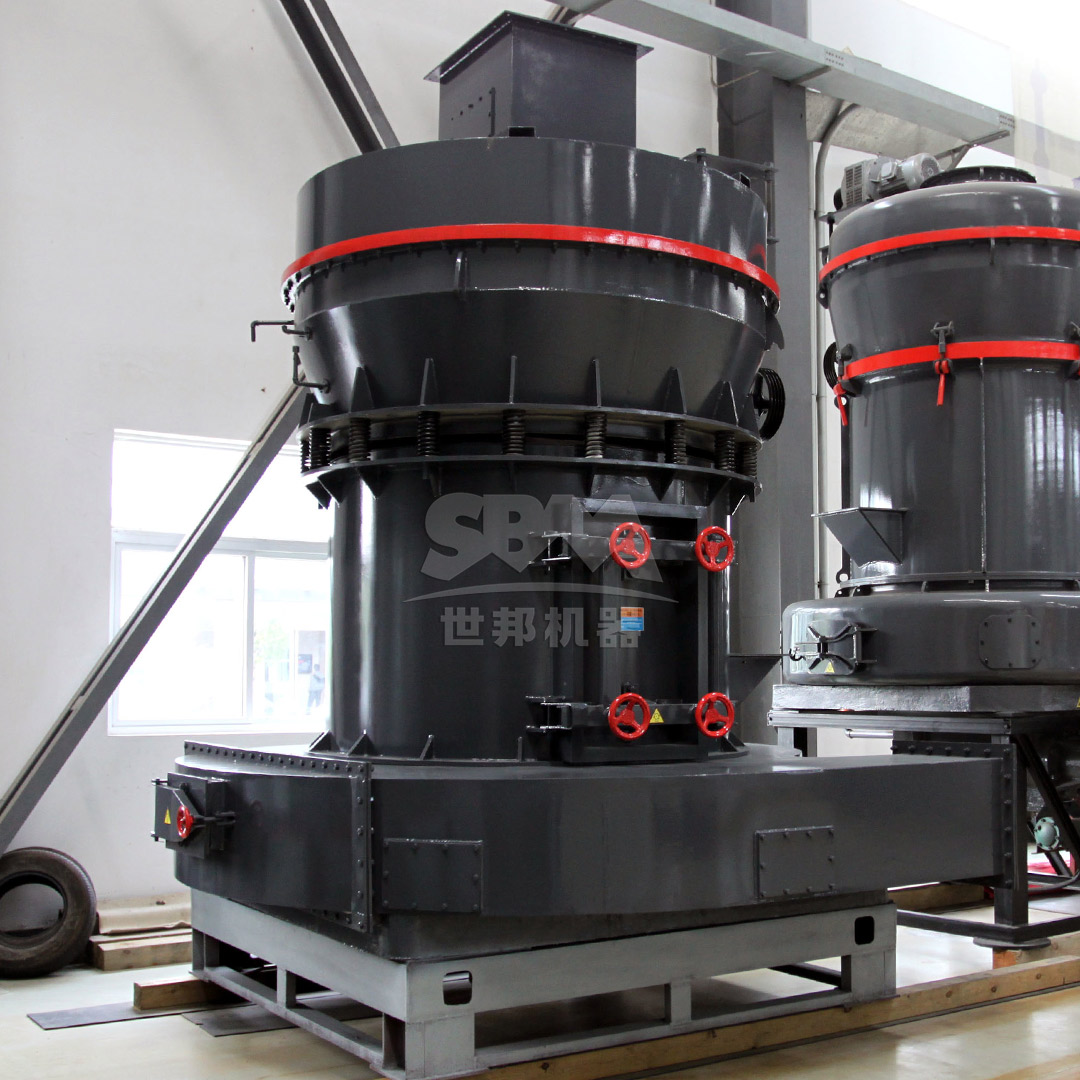
High-value applications like high-performance paints, polymers, and advanced mortars require ultrafine powders with high surface area and reactivity.
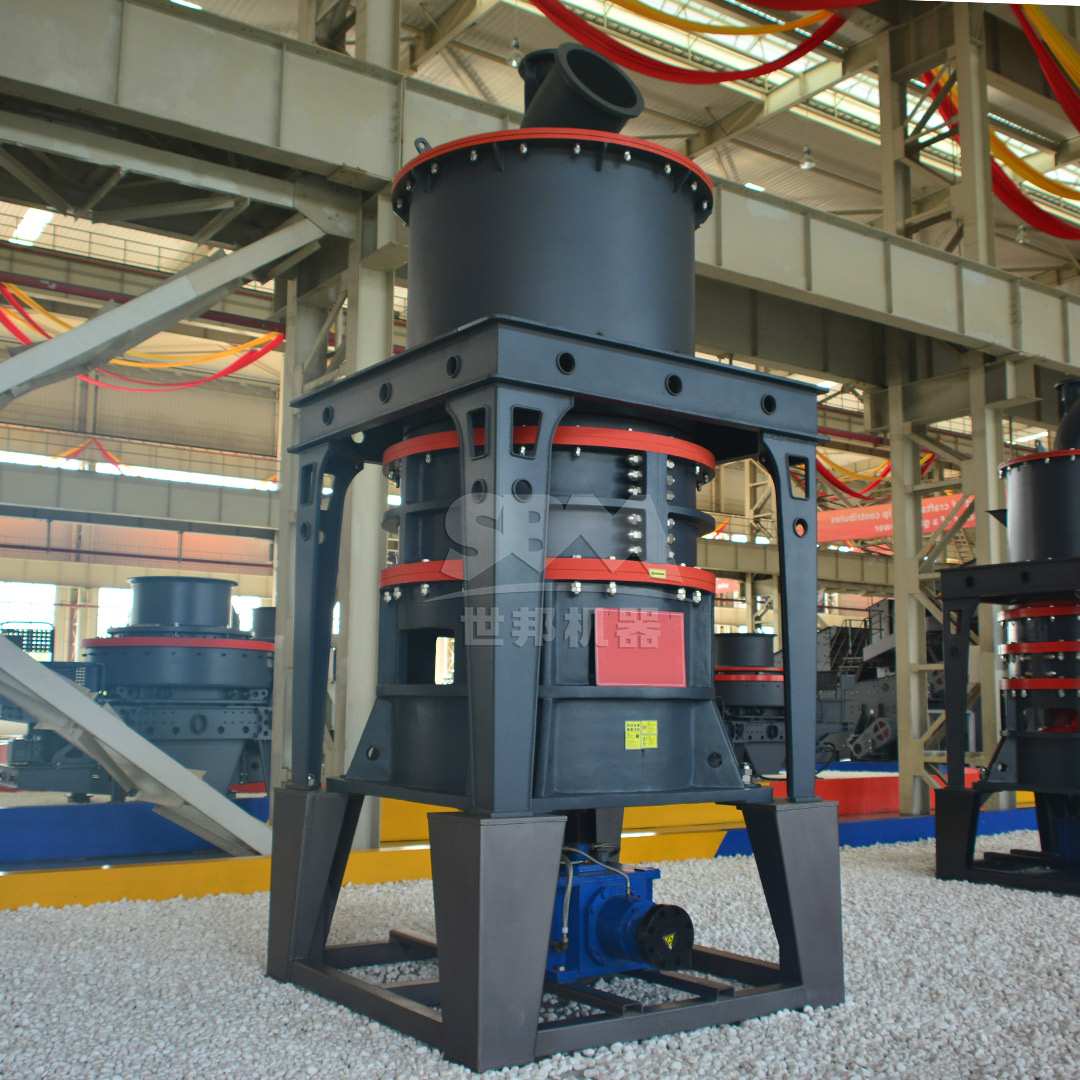
Recommended Solution: SCM Series Ultrafine Mill
When the product specification calls for ultrafine or even micronized limestone powder (325-2500 mesh), the SCM Series Ultrafine Mill is the technology of choice. Its core strength lies in its high-precision vertical turbine classifier, which ensures a sharp particle size cut and eliminates coarse powder contamination, yielding a remarkably uniform product. Engineered for efficiency, it delivers twice the capacity of traditional jet mills while consuming 30% less energy. The mill’s durable construction, featuring special material rollers and rings, along with its comprehensive pulse dust collection system, guarantees stable, eco-friendly, and low-noise operation. For a premium product that commands a higher market price, the SCM series, such as the SCM1250 model (2.5-14t/h), provides the necessary technological edge.
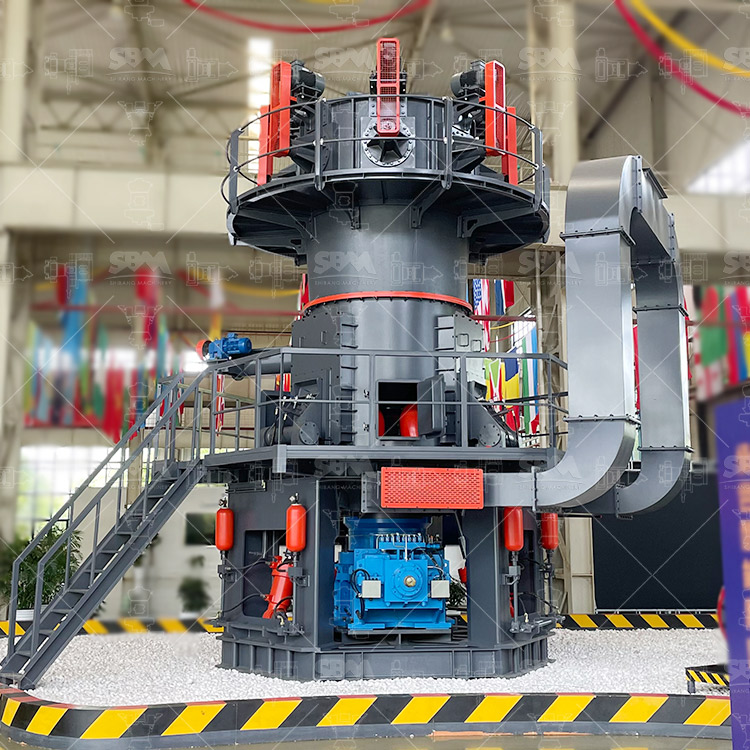
For greenfield projects or major upgrades aiming for maximum efficiency and the lowest operating cost per ton, Vertical Roller Mills (VRMs) are the industry benchmark.
Technology Highlight: LM Series Vertical Roller Mill
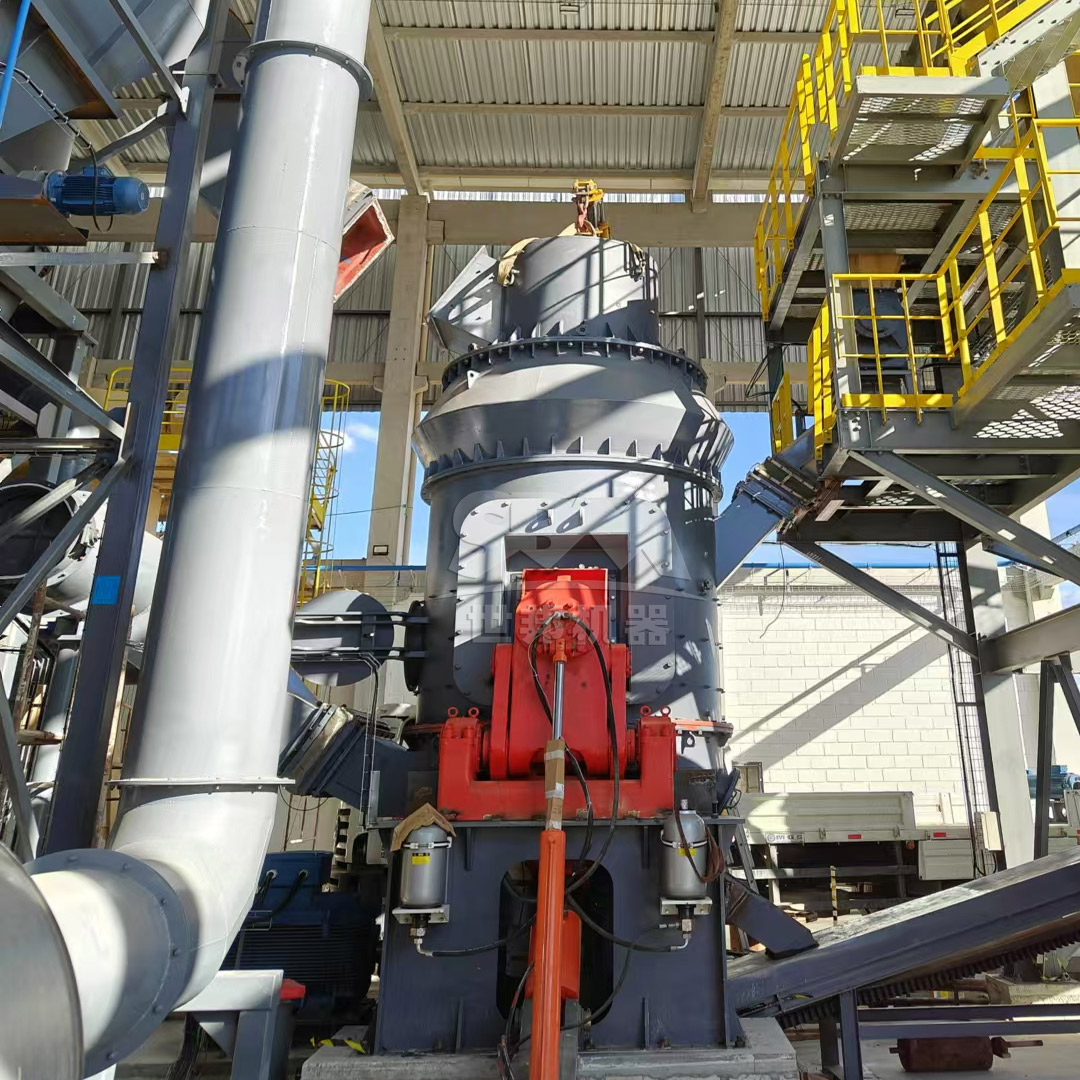
The LM Series Vertical Roller Mill exemplifies modern grinding technology. Its fully integrated design combines crushing, grinding, drying, and classification in a single unit, reducing footprint by 50%. The non-contact grinding principle and wear-resistant materials extend component life, while its energy consumption is 30-40% lower than traditional ball mill systems. Equipped with intelligent expert control systems, it allows for precise, automated operation. For large-capacity production lines (from 3 to over 250 ton/h) requiring consistent medium-fineness powder, the LM series offers an unparalleled combination of economy, reliability, and environmental performance.
| Mill Type | Typical Output Fineness | Key Advantages | Ideal Application |
|---|---|---|---|
| MTW European Trapezium Mill | 30-325 mesh | High capacity, Energy efficient, Low wear | High-volume filler for concrete, asphalt |
| SCM Ultrafine Mill | 325-2500 mesh | Precise classification, Uniform PSD, Energy saving vs. jet mill | High-value additive for paints, polymers |
| LM Vertical Roller Mill | 30-325 mesh (up to 600 mesh) | Lowest operating cost, Fully integrated, Large capacity | Centralized, large-scale production plants |
| Ball Mill | 0.074-0.8mm | Proven technology, Wide application | Wet grinding or where specific PSD shape is needed |
A successful plant relies on more than just the grinding mill. Key auxiliary systems include:
Rigorous quality control, using laser particle size analyzers and other lab equipment, is essential to verify the Particle Size Distribution (PSD), brightness (Whiteness), and chemical composition against customer specifications.
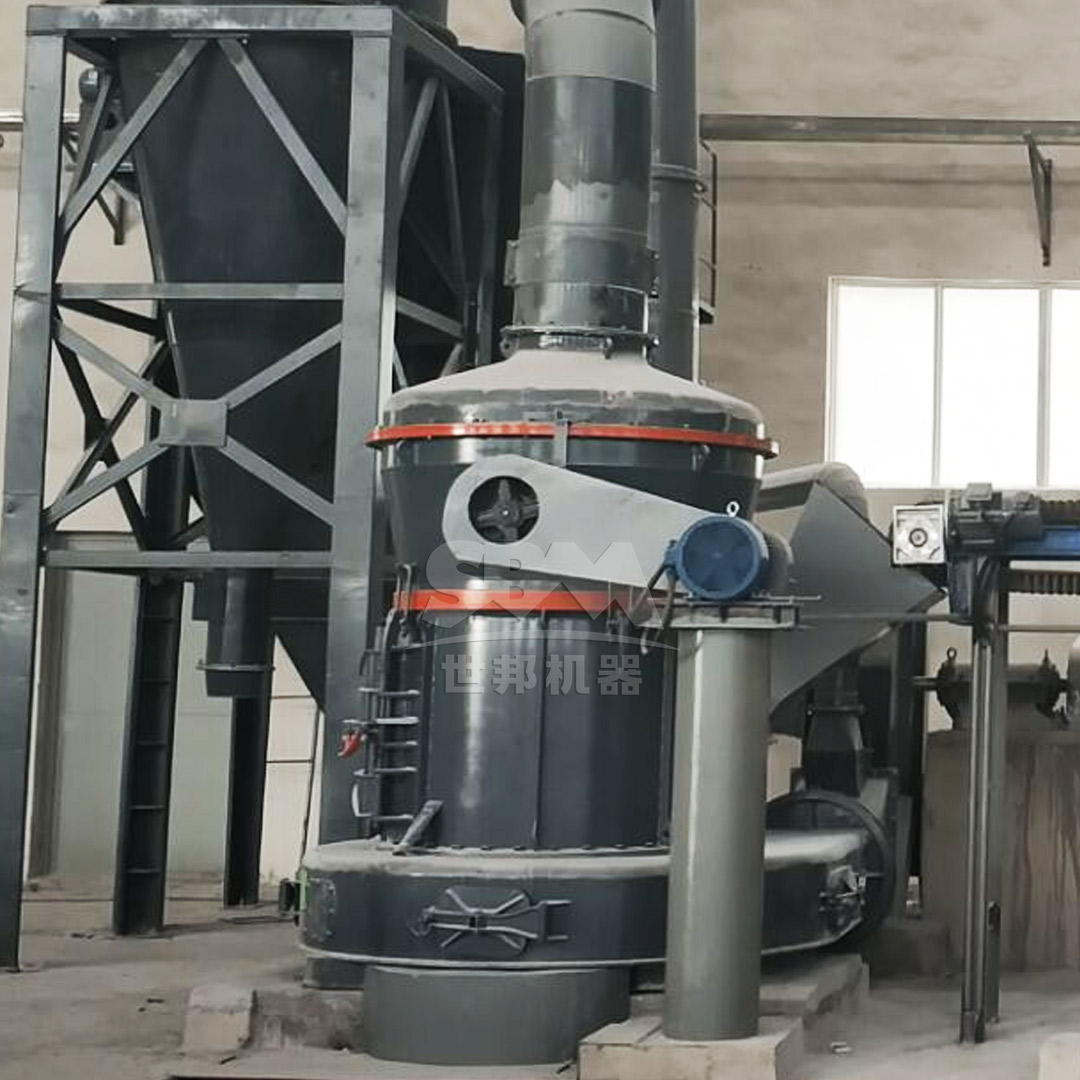
The production of building material grade limestone powder is a sophisticated engineering endeavor where equipment selection dictates economic and product success. For coarse to medium fineness production, the MTW Series European Trapezium Mill offers robust, high-efficiency performance. For ventures into the high-value ultrafine market, the SCM Series Ultrafine Mill provides the necessary precision and product uniformity. Ultimately, investing in the right technology—from the primary crusher to the final baghouse—ensures a competitive, sustainable, and high-quality limestone powder product that meets the exacting demands of the global building materials industry.