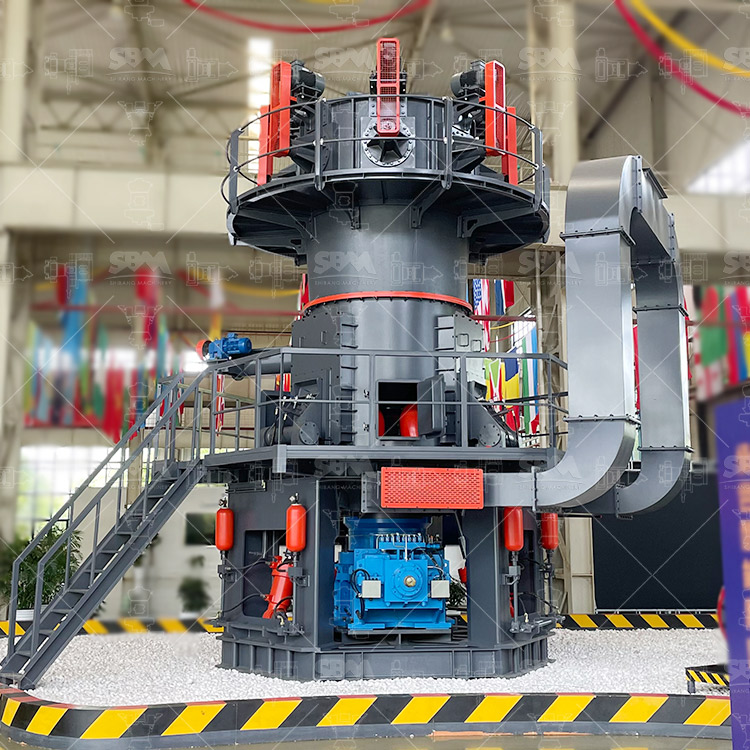
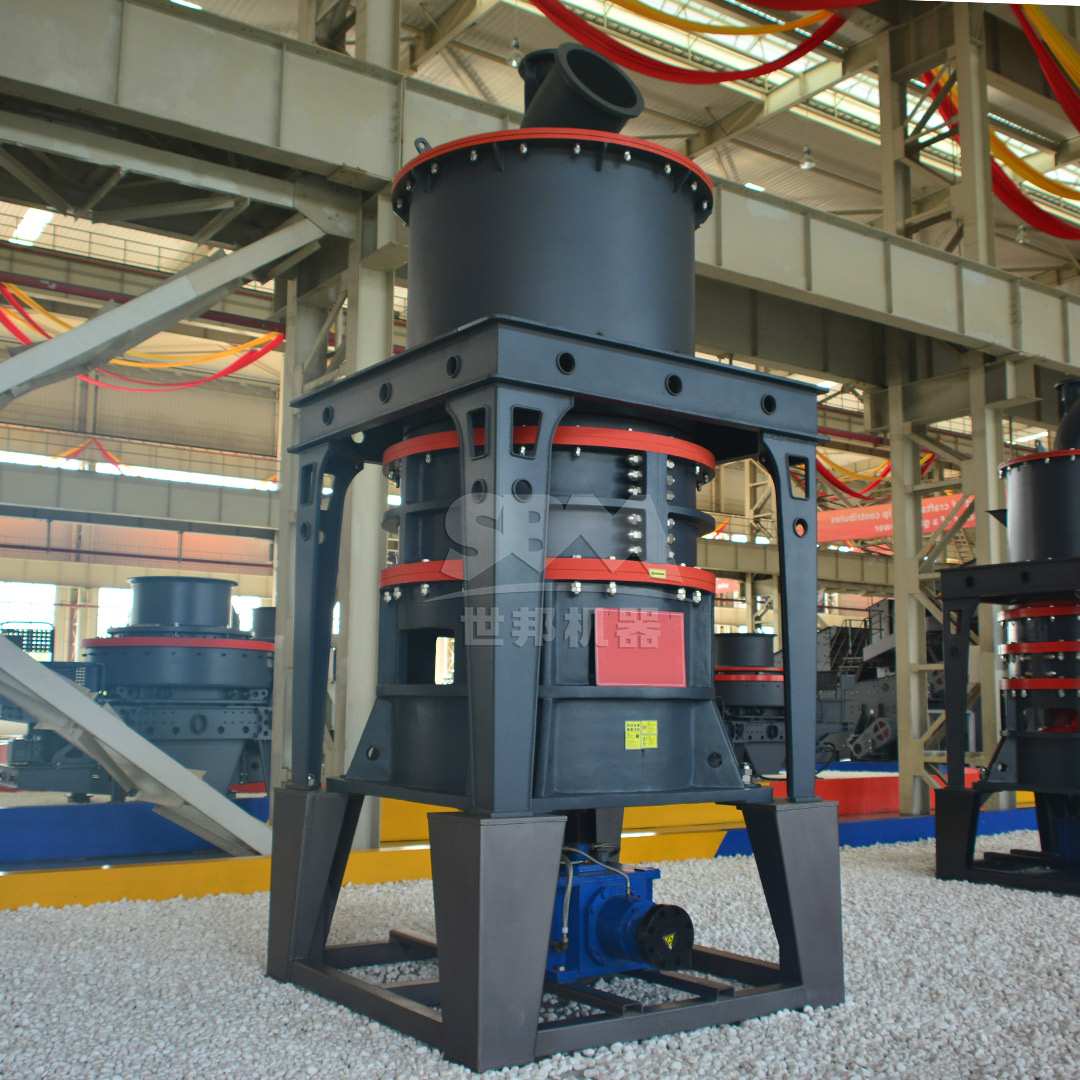
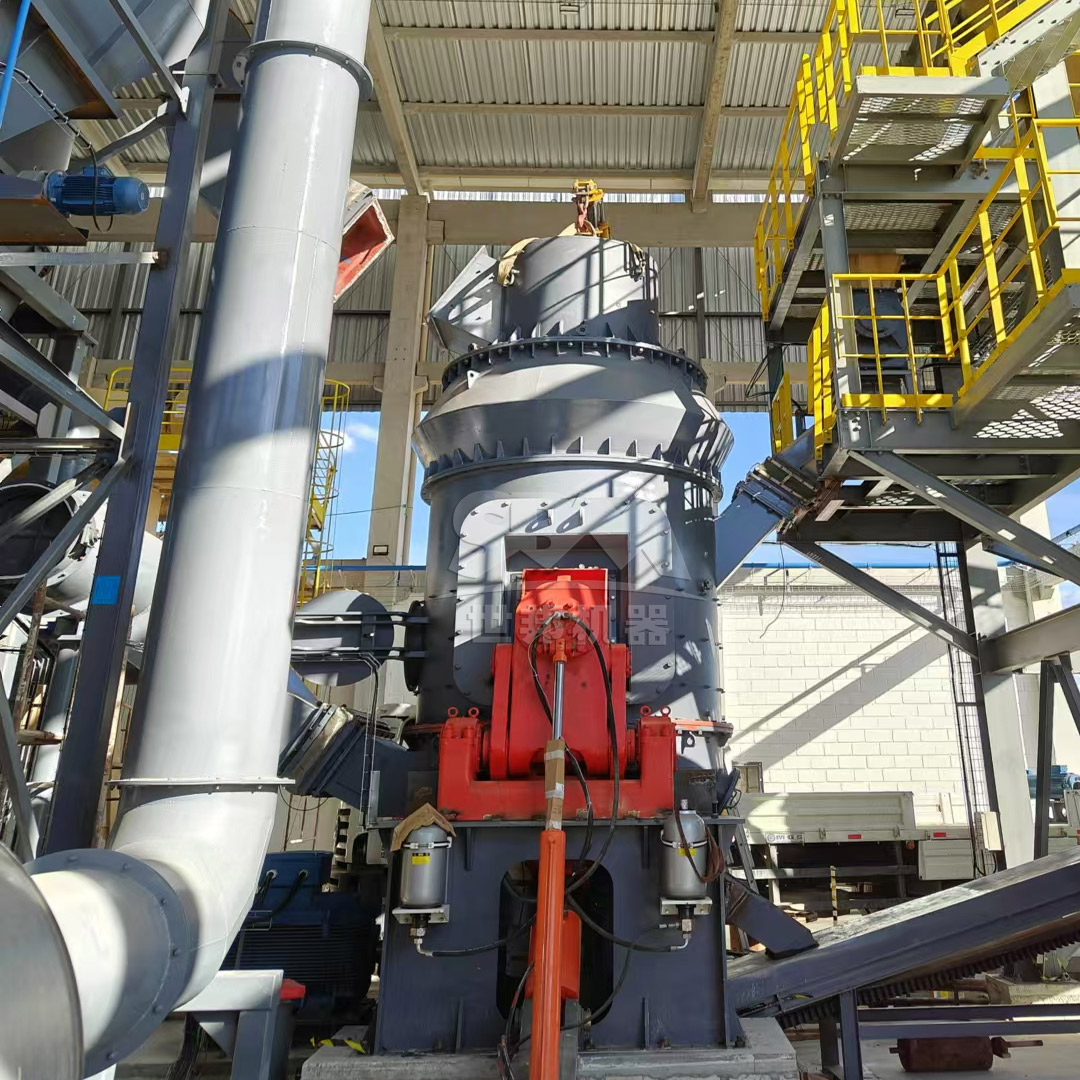
In the metallurgical industry, the production of high-quality slag-forming agents is critical for efficient smelting, impurity removal, and overall process optimization. Marble powder, primarily composed of calcium carbonate (CaCO3), serves as an excellent fluxing agent and slag conditioner. Its effectiveness, however, is intrinsically linked to its particle size distribution, purity, and reactivity—all of which are determined by the grinding process. Selecting the appropriate grinding mill equipment is therefore not merely a procurement decision but a strategic choice impacting slag chemistry, energy consumption, and final product quality. This article provides a comprehensive guide for metallurgical engineers and plant managers on the key considerations for choosing marble powder grinding equipment, with a focus on achieving the optimal specifications for slag-forming applications.
The role of marble powder in metallurgical slag is multifaceted. It acts as a flux to lower the melting point of the slag, a desulfurizing agent, and a viscosity modifier. To perform these functions effectively, the powder must meet specific criteria:
| Parameter | Typical Target Range | Critical Importance |
|---|---|---|
| Fineness (D97) | 45μm (325 mesh) – 15μm (800 mesh+) | Determines reaction speed and efficiency. |
| Particle Size Distribution | Narrow and Uniform | Ensures consistent slag behavior and properties. |
| Iron Oxide (Fe2O3) Contamination | < 0.1% increase from feed | Prevents unwanted iron pickup in non-ferrous processes. |
| Moisture Content | < 1% | Prevents clogging and ensures smooth pneumatic conveying. |
| System Availability | > 95% | Matches continuous metallurgical production schedules. |
Several grinding technologies are available, each with its own advantages and limitations for processing marble into slag-forming powder.
Ball mills are a common choice for mineral grinding. They are robust and can handle a wide range of feed sizes. However, for marble grinding to metallurgical specifications, they have significant drawbacks: high energy consumption (low efficiency), broad particle size distribution, and potential for higher iron contamination due to media and liner wear. They are often considered less optimal for dedicated, high-volume marble powder production for slag-forming agents.
This is a widely used mill for producing powders in the 80-325 mesh range. It is suitable for medium-capacity requirements. While more efficient than a ball mill for coarser grades, achieving a uniform product finer than 250 mesh can be challenging, and the mechanical wear on grinding rolls and rings can be substantial, leading to maintenance intervals and potential contamination.
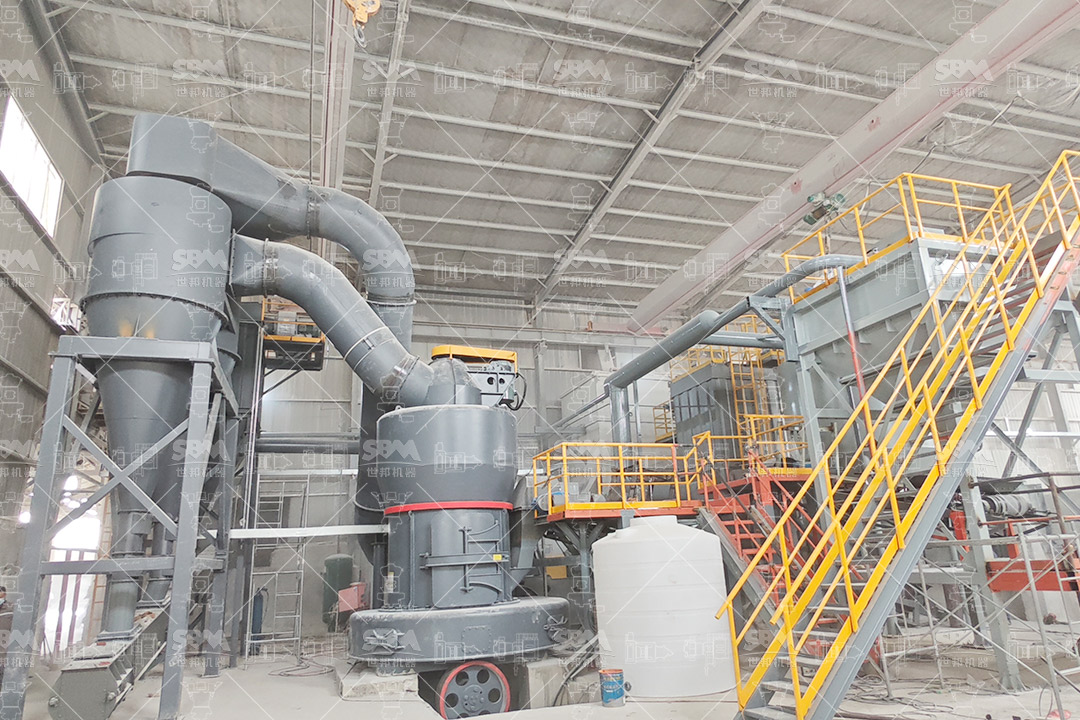
The Vertical Roller Mill represents a significant technological leap. It integrates grinding, drying (if needed), and classification in a single unit. Its bed-grinding principle, where material is ground between rollers and a rotating table, is highly energy-efficient. VRMs produce a relatively narrow particle size distribution and are well-suited for high-capacity applications (tens to hundreds of tons per hour). Their ability to handle feed materials up to 50mm reduces the need for secondary crushing. For large-scale metallurgical plants requiring substantial amounts of marble powder, a VRM is an excellent candidate.
For applications demanding extremely high reactivity, such as in advanced steelmaking or specialty alloys, ultrafine marble powder (< 10μm) may be required. Technologies like the Ultrafine Mill (often a vertical mill with an integrated high-precision classifier) or stirred media mills are used. These mills offer exceptional fineness control but at higher specific energy consumption and typically for lower to medium capacity ranges compared to large VRMs.
Based on the stringent requirements for slag-forming agents—balancing fineness control, capacity, energy efficiency, and low contamination—two of our flagship products stand out as ideal solutions.
For most large to medium-scale metallurgical operations, the LM Series Vertical Roller Mill is the optimal workhorse. Its design philosophy directly addresses the core needs of marble powder production for slag.
Model Suggestion: For a typical application producing 325 mesh (45μm) marble powder at 40-50 t/h, the LM190K model (Grinding Table Φ1900mm, Main Power 500kW) would be a highly efficient and reliable choice.
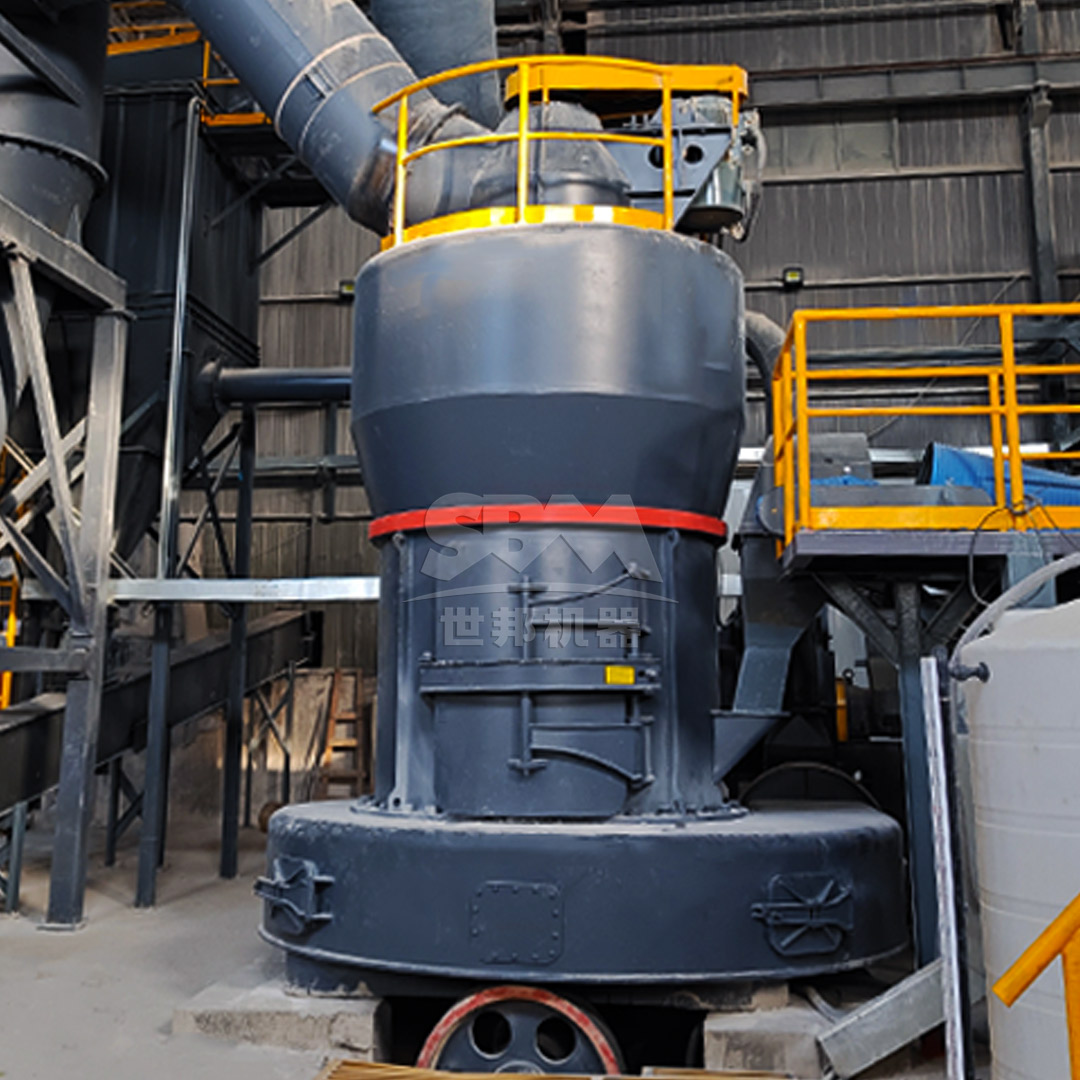
When the metallurgical process calls for ultra-fine marble powder (325-2500 mesh / 45-5μm) to act as an ultra-reactive slag modifier or for niche applications, the SCM Series Ultrafine Mill is the definitive solution.
Model Suggestion: For producing 800 mesh (∼18μm) highly reactive marble powder at a rate of 8-10 t/h, the SCM1000 model (Main Power 132kW) offers the perfect balance of performance and economy.
Choosing the right mill involves a systematic approach:
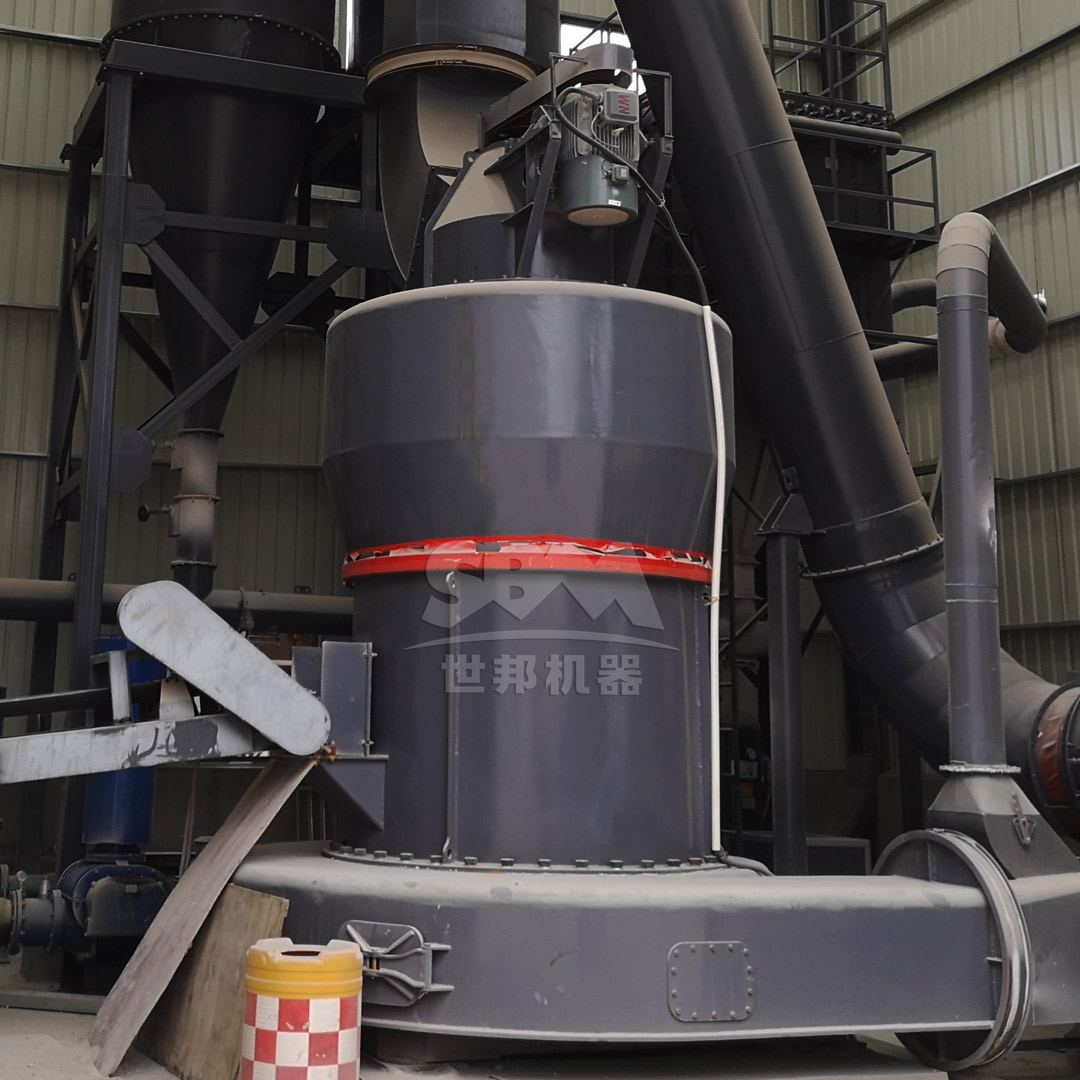
The selection of grinding equipment for producing marble-based slag-forming agents is a critical decision with far-reaching implications for metallurgical efficiency and product quality. While several technologies exist, Vertical Roller Mills, particularly our LM Series, emerge as the superior choice for most high-tonnage, efficient, and consistent applications due to their unparalleled energy efficiency, product control, and reliability. For processes demanding extreme fineness and reactivity, the SCM Series Ultrafine Mill provides a technologically advanced and economical solution. By carefully defining requirements and partnering with an experienced equipment provider for testing and support, metallurgical plants can secure a grinding system that optimizes their slag practice, reduces operational costs, and enhances overall competitiveness.