February 15, 2026
Introduction
Marble powder, a versatile material derived from natural calcium carbonate, finds extensive applications across industries such as plastics, paints, coatings, paper, and construction. Achieving a consistent fineness of 400 mesh (approximately 38 microns) is a critical benchmark for many high-value applications, demanding specific surface area, brightness, and chemical purity. Selecting the appropriate grinding equipment is paramount to meeting these quality standards while ensuring operational efficiency and cost-effectiveness. This comprehensive guide delves into the technological considerations for producing 400-mesh marble powder and highlights optimal machinery solutions.
Technical Requirements for 400 Mesh Marble Grinding
Producing high-quality 400-mesh marble powder involves more than just achieving a specific particle size. The process must balance several key parameters:
- Particle Size Distribution (PSD): A narrow PSD is crucial. The presence of oversized particles (>400 mesh) can negatively impact product performance in coatings or plastics, while excessive ultrafines can increase viscosity and energy consumption during production.
- Product Purity and Whiteness: The grinding system must minimize contamination from wear parts (e.g., rollers, liners) to preserve the natural brightness and chemical composition of the marble.
- Energy Efficiency: Grinding to fine sizes is energy-intensive. Modern mills must incorporate design features that maximize crushing efficiency and minimize power consumption per ton of output.
- System Integration and Environmental Control: A complete system includes efficient feeding, grinding, classification, and dust collection to ensure a clean, automated, and environmentally compliant operation.
Core Equipment Selection for 400 Mesh Output
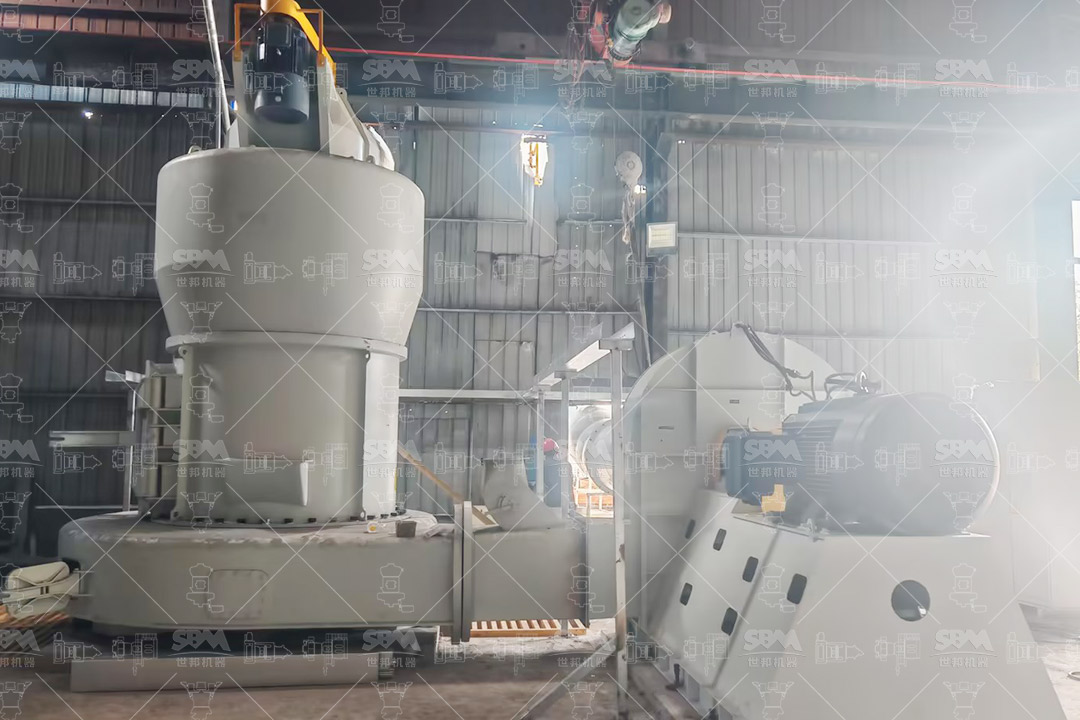
The choice of grinding mill depends on raw material size, desired capacity, and overall project scope. For a 400-mesh target, two primary technological pathways are most effective: advanced pendulum/ring-roller mills and vertical roller mills with integrated classifiers.
Pathway 1: High-Efficiency Ring-Roller Mills (For 325-2500 Mesh)
This technology is exceptionally well-suited for producing powders in the 400-mesh range and finer. It operates on the principle of material bed grinding between rollers and a stationary ring, offering precise control over fineness.
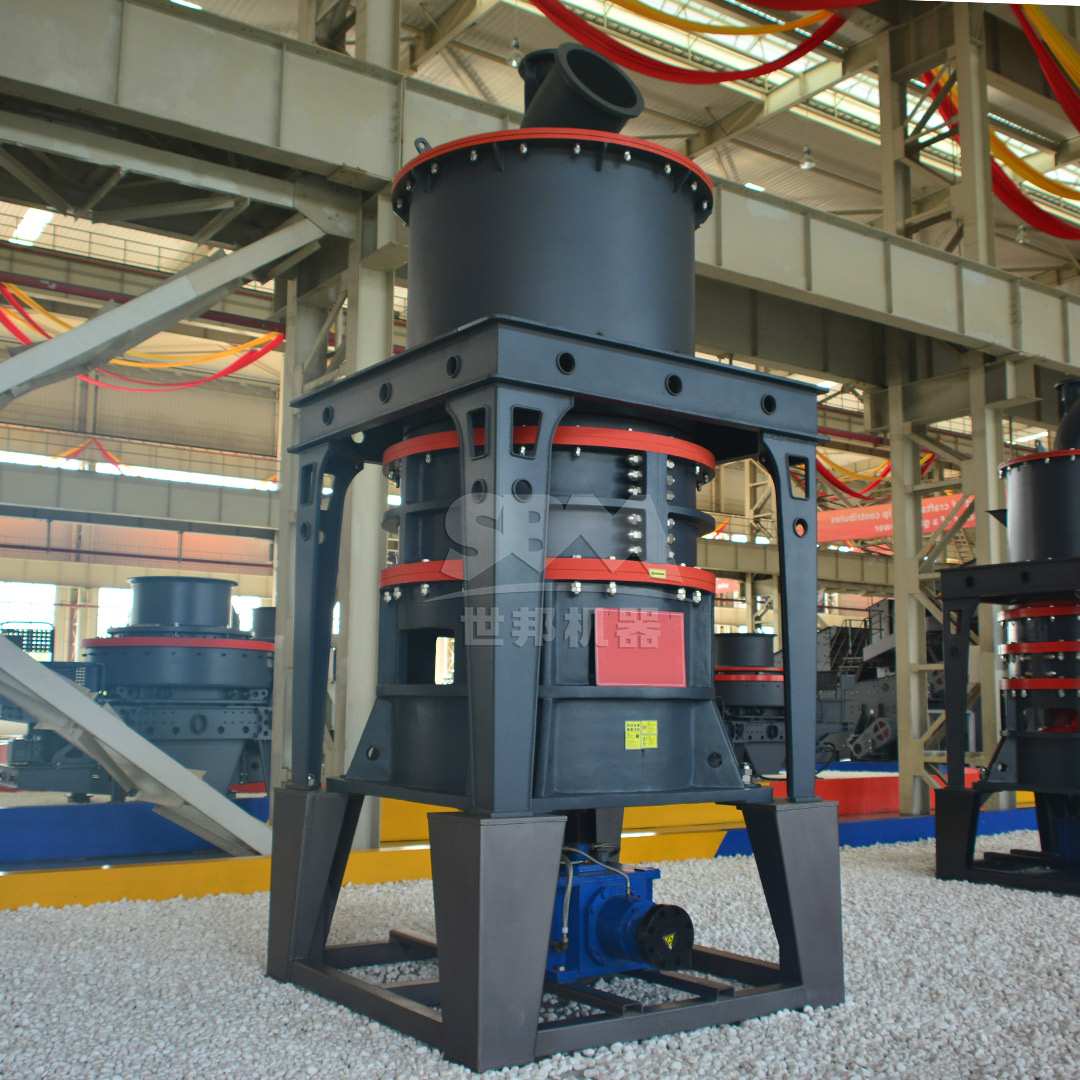
Recommended Product: SCM Series Ultrafine Mill
Our SCM Series Ultrafine Mill stands out as an ideal solution for high-quality 400-mesh marble powder production. Engineered for efficiency and precision, it addresses all critical requirements for fine grinding.
- Precise Classification: Equipped with a high-precision vertical turbine classifier, the SCM mill ensures sharp particle size cuts at 400 mesh. This eliminates coarse powder contamination, guaranteeing a uniform and consistent final product essential for premium applications.
- High Efficiency & Energy Saving: The multi-layer grinding ring design and optimized grinding curve create a highly efficient material bed. This results in a capacity that can be twice that of traditional jet mills while consuming up to 30% less energy, significantly lowering operational costs.
- Durable & Low-Wear Design: Key components like grinding rollers and rings are manufactured from special wear-resistant alloys, extending service life several times over and protecting product purity. The shaftless screw design in the grinding chamber further enhances operational stability.
- Eco-friendly Operation: The system integrates a high-efficiency pulse dust collector, ensuring dust emissions exceed international standards. A soundproof room design option keeps noise levels well within acceptable limits for plant environments.
| Model |
Capacity (t/h)* |
Main Power (kW) |
Feed Size (mm) |
Output Fineness |
| SCM800 |
0.5 – 4.5 |
75 |
≤20 |
325-2500 mesh |
| SCM900 |
0.8 – 6.5 |
90 |
≤20 |
325-2500 mesh |
| SCM1000 |
1.0 – 8.5 |
132 |
≤20 |
325-2500 mesh |
| SCM1250 |
2.5 – 14 |
185 |
≤20 |
325-2500 mesh |
| SCM1680 |
5.0 – 25 |
315 |
≤20 |
325-2500 mesh |
*Capacity varies based on material hardness and final fineness. The SCM1000 model is often the optimal choice for mid-to-large scale 400-mesh production.
Pathway 2: Advanced Vertical Roller Mills (For 30-600 Mesh)
For larger-scale production where 400 mesh is the primary target, modern vertical roller mills (VRMs) offer an unbeatable combination of high capacity and low energy consumption.
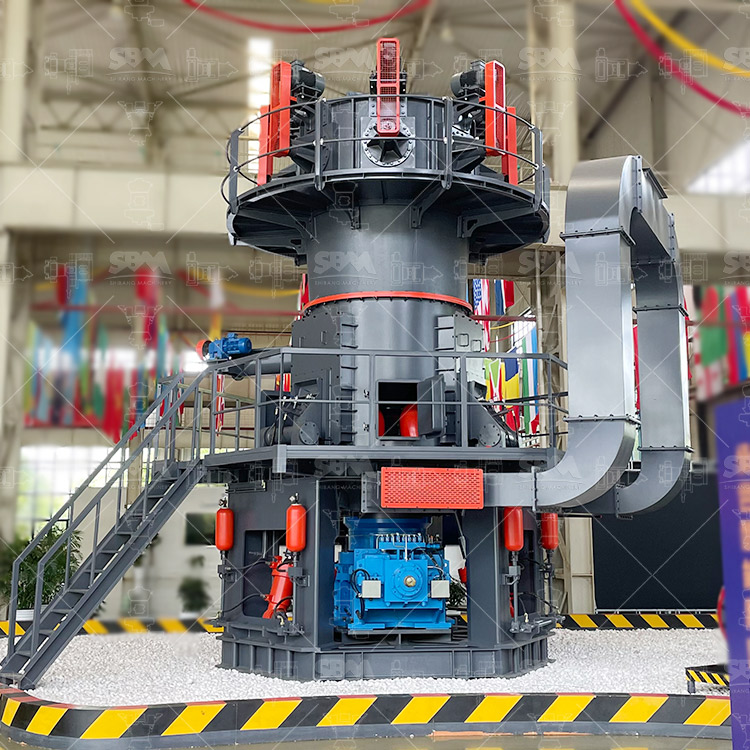
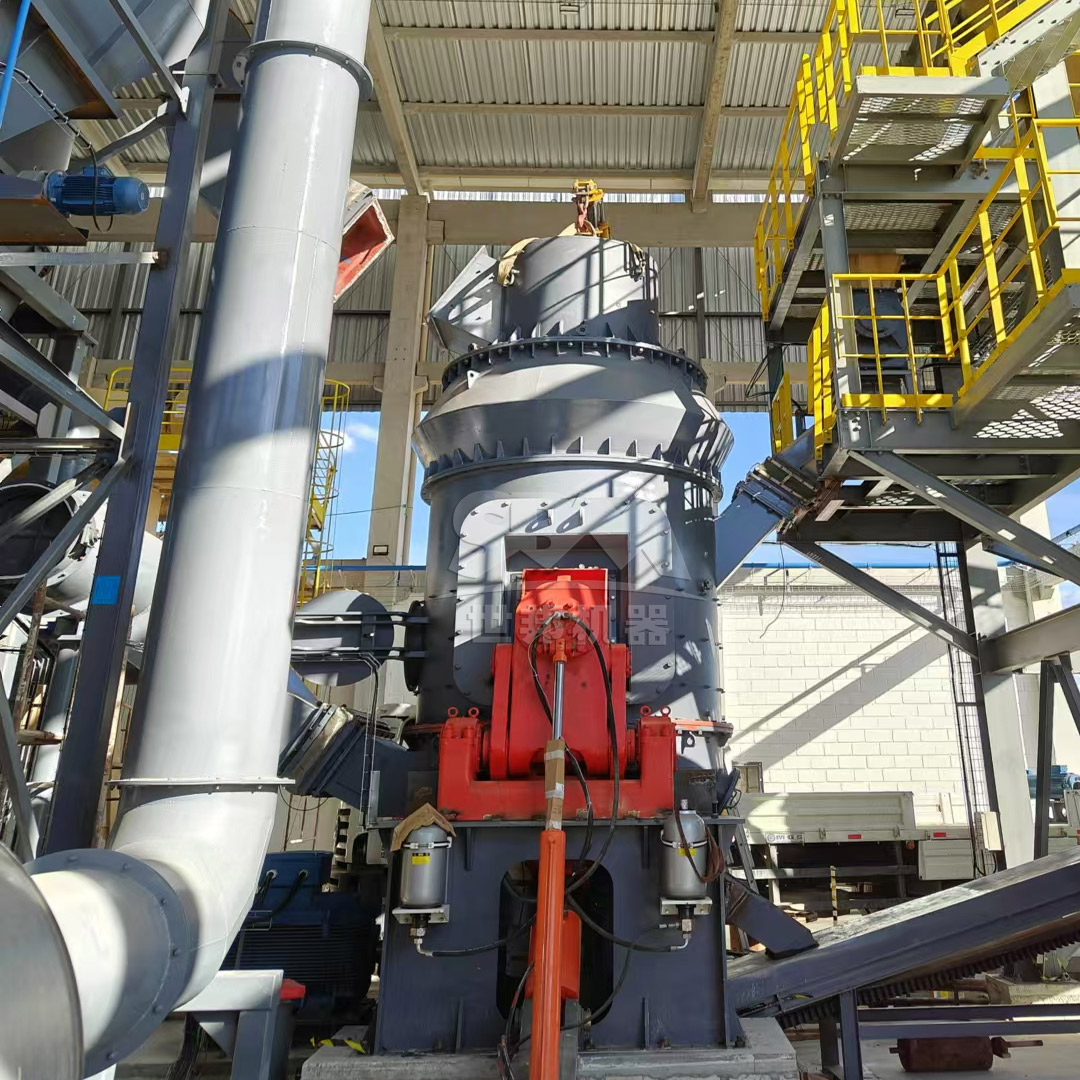
Recommended Product: LM Series Vertical Roller Mill
Our LM Series Vertical Roller Mill is a robust and intelligent system perfect for high-tonnage production of 400-mesh marble powder. Its integrated design makes it a cornerstone for modern mineral processing plants.
- Integrated & Space-Saving Design: The LM mill integrates crushing, grinding, drying, and classification into a single unit, reducing footprint by up to 50% compared to traditional ball mill systems. It can be installed outdoors, cutting civil engineering costs significantly.
- Low Operating Cost: Utilizing the efficient material bed grinding principle, the LM mill consumes 30-40% less energy than a ball mill. Its non-contact design between rollers and the grinding table minimizes wear, increasing the life of grinding parts by up to three times.
- Intelligent Control System: It features an expert-level automatic control system that allows for remote monitoring and operation. The system maintains stable grinding parameters in real-time, ensuring consistent 400-mesh output with minimal manual intervention.
- Environmental Performance: The mill operates under fully sealed negative pressure, preventing dust leakage. Its low-noise design ensures compliance with strict environmental regulations.
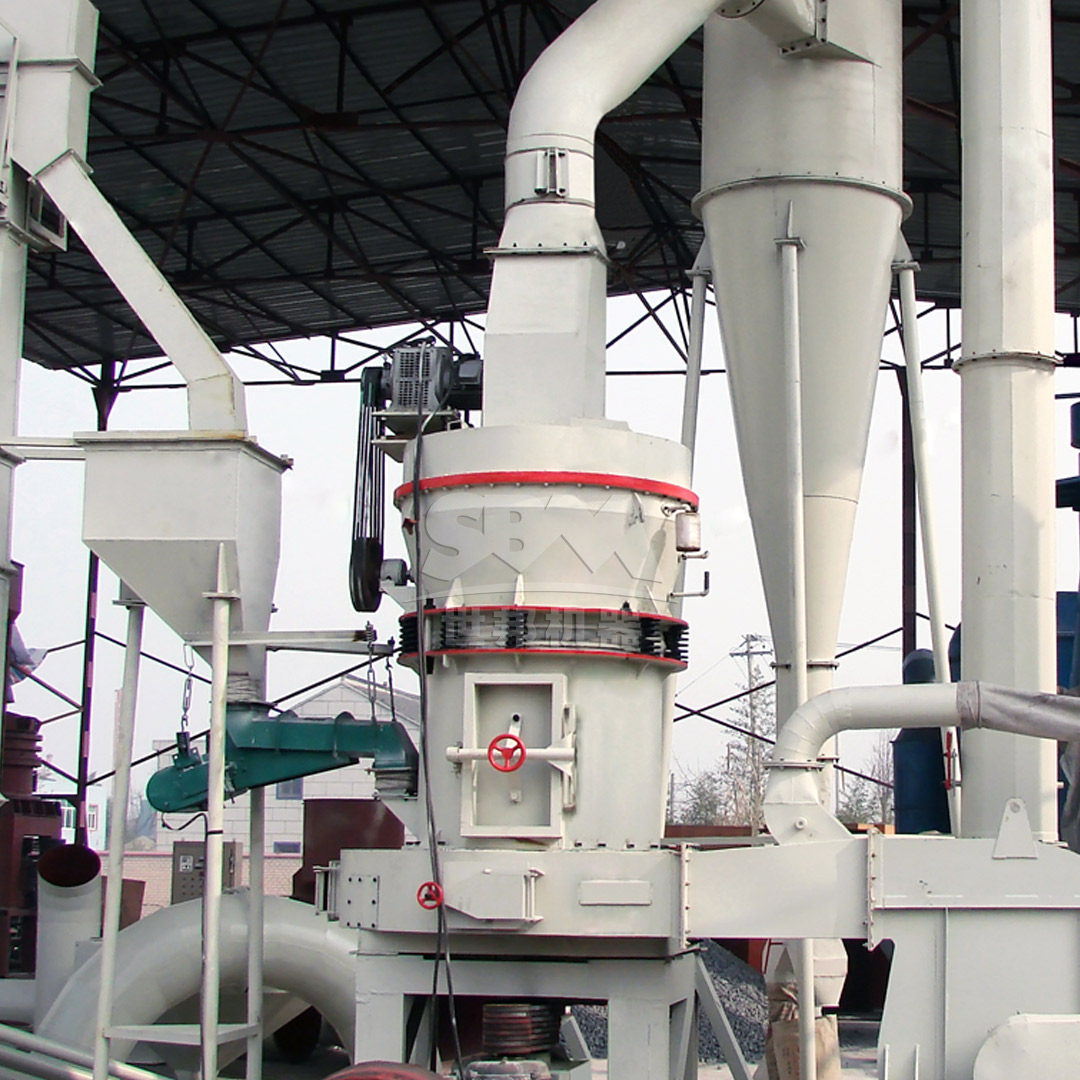
Auxiliary Equipment & System Configuration
A complete grinding line requires more than just the main mill. Key auxiliary components include:
- Primary Crusher (e.g., Jaw Crusher/Hammer Mill): Reduces raw marble blocks to a feed size suitable for the grinding mill (typically <20mm for SCM, <50mm for LM).
- Feeding System: A stable and controllable feeder (like a vibrating or screw feeder) is essential for consistent mill operation and product quality.
- Classification System: Integrated within the main mill (as in SCM and LM models), this is the heart of fineness control, dynamically separating particles to the target 400 mesh.
- Dust Collection System: A high-efficiency pulse jet baghouse or cyclone collector is mandatory to capture product and maintain a clean plant environment.
- Packaging & Storage: Silos for intermediate storage and automated bagging or big-bag stations for final product handling.
Economic and Operational Considerations
Investing in the right technology yields long-term benefits:
- Total Cost of Ownership (TCO): While the initial investment in advanced mills like the SCM or LM series may be higher, their superior energy efficiency, lower wear rates, and reduced maintenance lead to a significantly lower TCO over the equipment’s lifespan.
- Return on Investment (ROI): The ability to produce a consistent, high-value 400-mesh product with high yield and low operational waste accelerates ROI. Increased production capacity also allows for faster market penetration.
- Operational Simplicity: Modern mills with automated controls reduce the need for highly skilled operators and minimize human error, leading to more stable and profitable production.
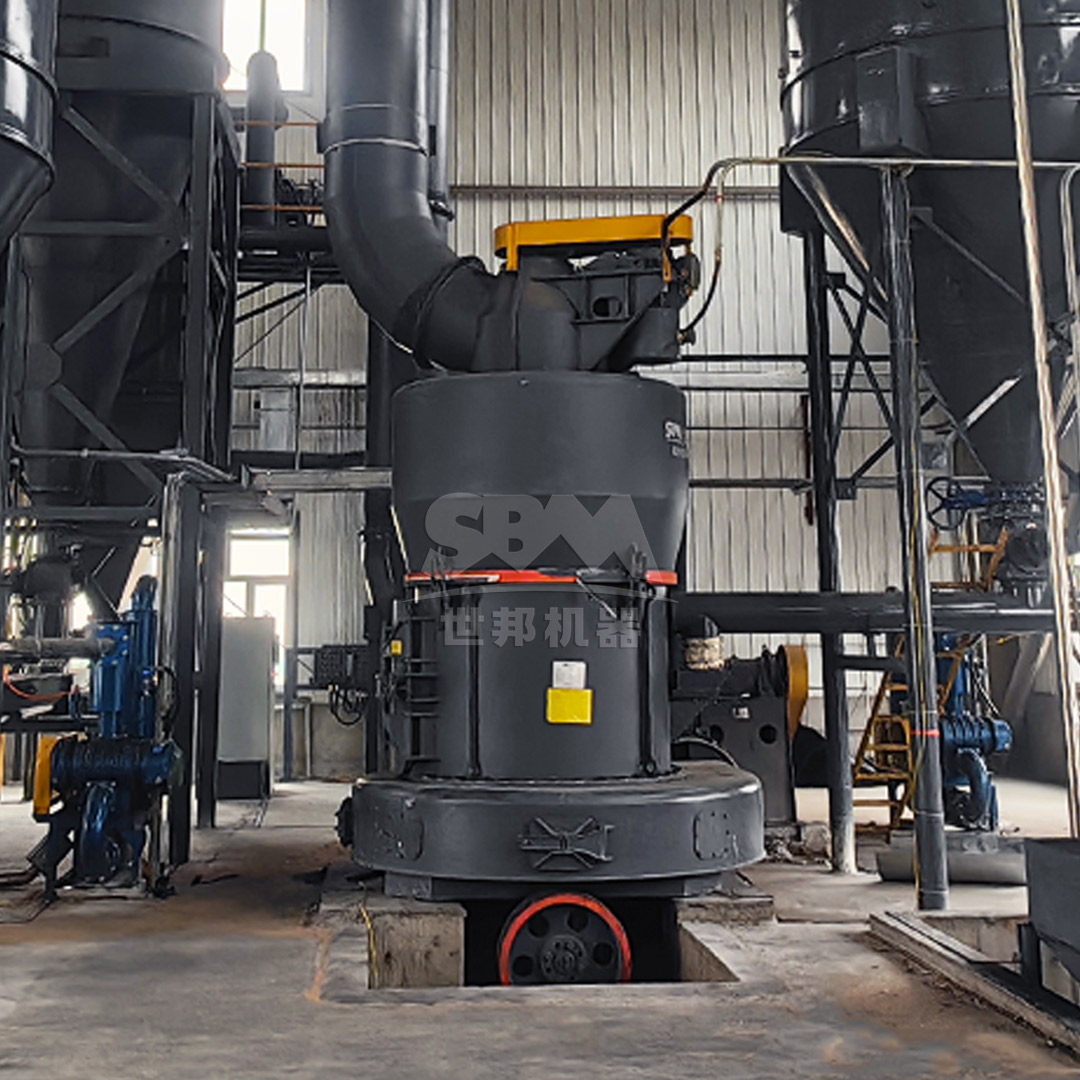
Conclusion
Successfully establishing a 400-mesh marble powder production line hinges on selecting technology that delivers precision, efficiency, and reliability. For focused, high-quality fine and ultrafine powder production, the SCM Series Ultrafine Mill provides unparalleled classification accuracy and energy savings. For large-scale, high-capacity projects where 400 mesh is a key product, the LM Series Vertical Roller Mill offers an integrated, low-cost-per-ton solution with intelligent operation. By partnering with an experienced equipment provider and considering the complete system—from feed to bag—producers can ensure a competitive edge in the growing market for high-quality marble powder.