February 16, 2026
Introduction
Marble powder, a versatile material derived from natural marble stone, finds extensive applications in industries such as plastics, paints, coatings, paper, and construction. The fineness of the powder, measured in mesh size, directly impacts its performance and value. Producing ultra-fine marble powder, particularly at demanding specifications like 800 mesh (approximately 18 microns), requires specialized grinding technology that balances high output, precise particle size distribution, energy efficiency, and operational stability. This guide delves into the technical considerations for achieving 800-mesh fineness and highlights advanced milling solutions tailored for this purpose.
Technical Challenges in 800 Mesh Marble Grinding
Grinding marble to 800 mesh presents several distinct challenges that go beyond conventional crushing processes:
- Energy Intensity: The comminution process becomes exponentially more energy-intensive as particle size decreases. Inefficient mills can lead to prohibitive operational costs.
- Particle Size Control: Achieving a consistent and narrow particle size distribution at the sub-20-micron level requires highly precise classification systems to prevent the presence of oversized or undersized particles.
- Wear and Contamination: The abrasive nature of marble can cause rapid wear of grinding components, leading to increased maintenance downtime and potential contamination of the product with metal wear debris.
- Heat Generation and Agglomeration: Intensive grinding generates heat, which can cause fine particles to agglomerate, effectively reversing the grinding effort and clogging the system.
- System Integration and Footprint: A complete grinding line involves feeding, grinding, classifying, collecting, and dust control. An integrated, compact design is crucial for space and cost efficiency.
Core Equipment Selection for Ultra-fine Grinding
Selecting the right mill is paramount. While traditional ball mills or Raymond mills can handle coarse grinding, they are often inefficient for ultra-fine applications. The industry standard has shifted towards advanced vertical roller mills and ultrafine ring roller mills, which are specifically engineered to overcome the aforementioned challenges.
Key Selection Criteria:
- Grinding Mechanism: Look for mills utilizing a bed grinding principle (pressure between rollers and a table/ring) rather than impact alone, as it is more efficient for fine and ultra-fine grinding.
- Classification System: An integrated, high-efficiency dynamic classifier is non-negotiable. It must offer precise cut-point control and high selectivity to ensure the target fineness.
- Wear Resistance: Critical components like rollers, grinding rings, and liners should be made from special alloy materials or feature advanced hardening technologies to extend service life.
- Automation & Control: An intelligent control system that can automatically adjust parameters based on feedback (e.g., motor load, classifier speed) is essential for stable product quality and optimal energy use.
- Environmental Design: The entire system must operate under negative pressure with high-efficiency pulse jet bag filters to ensure a dust-free workshop and meet environmental standards.
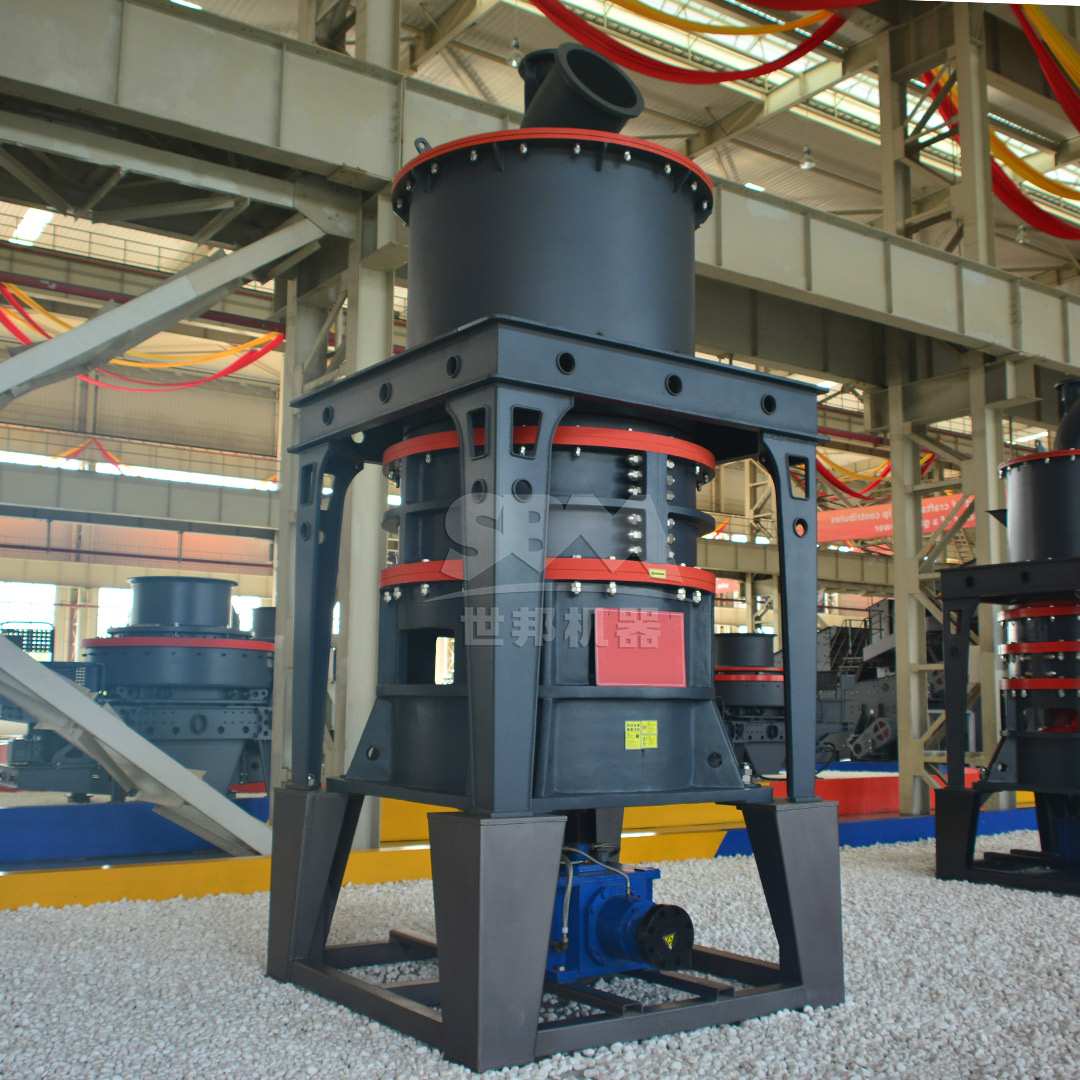
Recommended Solution: SCM Series Ultrafine Mill
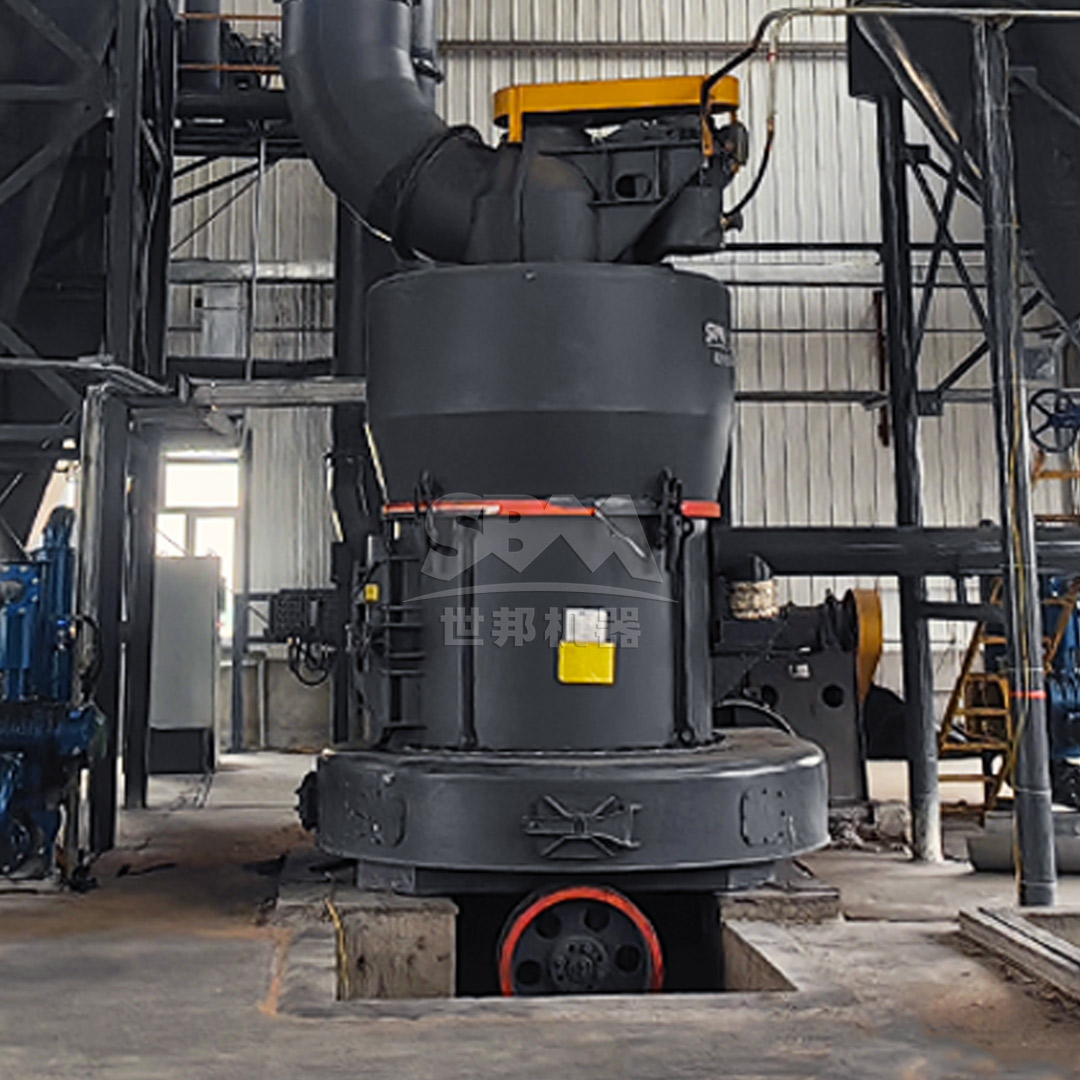
For the specific task of producing 800-mesh marble powder, our SCM Series Ultrafine Mill stands out as an optimal and technologically advanced solution. Engineered for fineness ranges from 325 to 2500 mesh (45-5μm), it is perfectly suited for your 800-mesh target.
Technical Advantages for Marble Grinding:
- High Efficiency & Energy Saving: Its grinding principle delivers a capacity approximately twice that of jet mills while consuming 30% less energy. The intelligent control system features automatic finished product granularity feedback, ensuring consistent 800-mesh output with minimal energy waste.
- High-Precision Classification: The mill is equipped with a vertical turbine classifier that achieves precise particle size cutting. This ensures no coarse powder mixes into the final product, guaranteeing the uniformity and quality of your 800-mesh marble powder.
- Durable, Low-Contamination Design: The grinding rollers and rings are made from special wear-resistant materials, extending service life several times over and minimizing the risk of metallic contamination. The shaftless screw design in the grinding chamber further enhances operational stability.
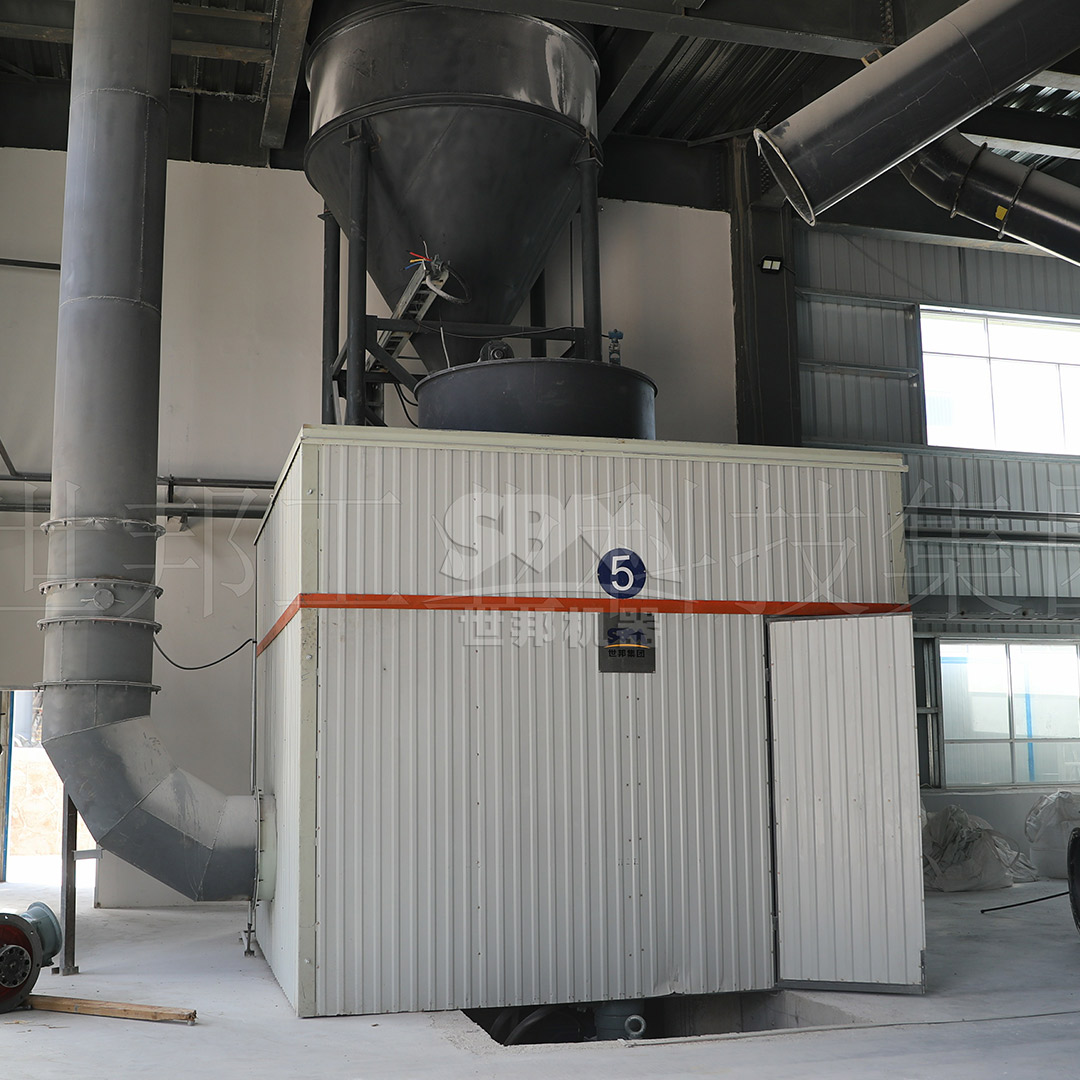
- Eco-friendly Operation: The integrated pulse dust collection system exceeds international standards for efficiency, while the soundproof room design ensures low noise levels, creating a better working environment.
Working Principle:
The main motor drives the grinding ring to rotate. Materials are fed into the mill and dispersed by centrifugal force into the grinding path, where they are crushed under the high pressure applied by the rollers. The ground material is carried by the airflow to the classifier. Qualified fine powder (e.g., 800 mesh) passes through, while coarse powder falls back for re-grinding. The final product is collected by a high-efficiency cyclone and pulse dust removal system.
| Model |
Capacity (t/h)* |
Main Power (kW) |
Feed Size (mm) |
Fineness (mesh) |
| SCM800 |
0.5 – 4.5 |
75 |
≤20 |
325-2500 |
| SCM900 |
0.8 – 6.5 |
90 |
≤20 |
325-2500 |
| SCM1000 |
1.0 – 8.5 |
132 |
≤20 |
325-2500 |
| SCM1250 |
2.5 – 14 |
185 |
≤20 |
325-2500 |
| SCM1680 |
5.0 – 25 |
315 |
≤20 |
325-2500 |
*Capacity varies based on material hardness and final fineness. For 800-mesh marble, our engineers can provide precise model recommendations.
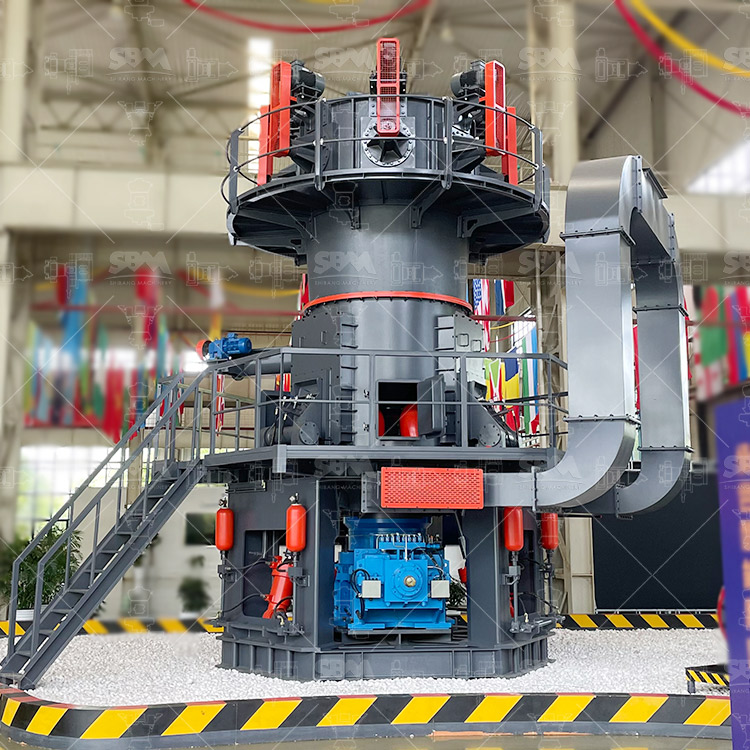
Alternative for High-Capacity Pre-grinding or Coarser Products: LM Series Vertical Roller Mill
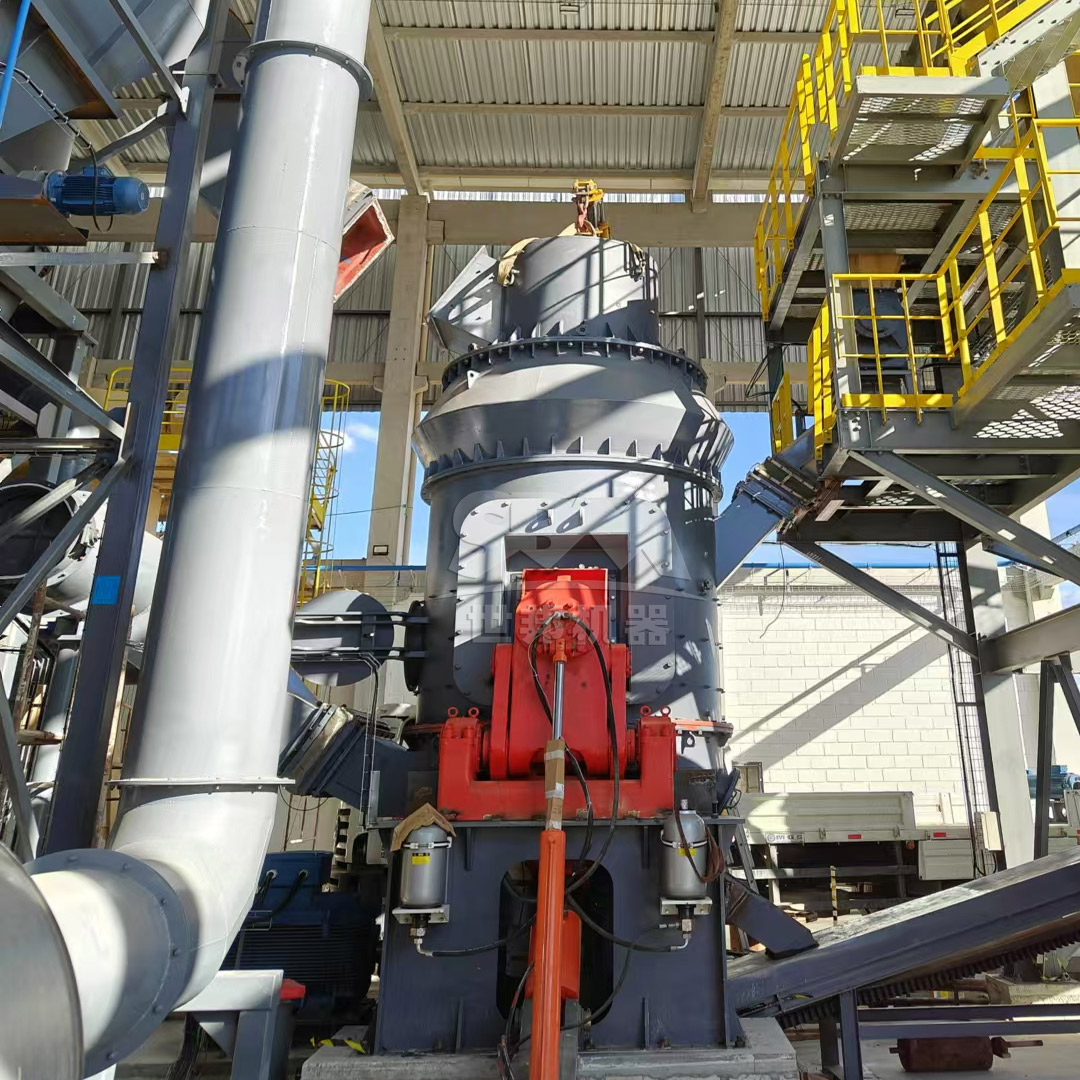
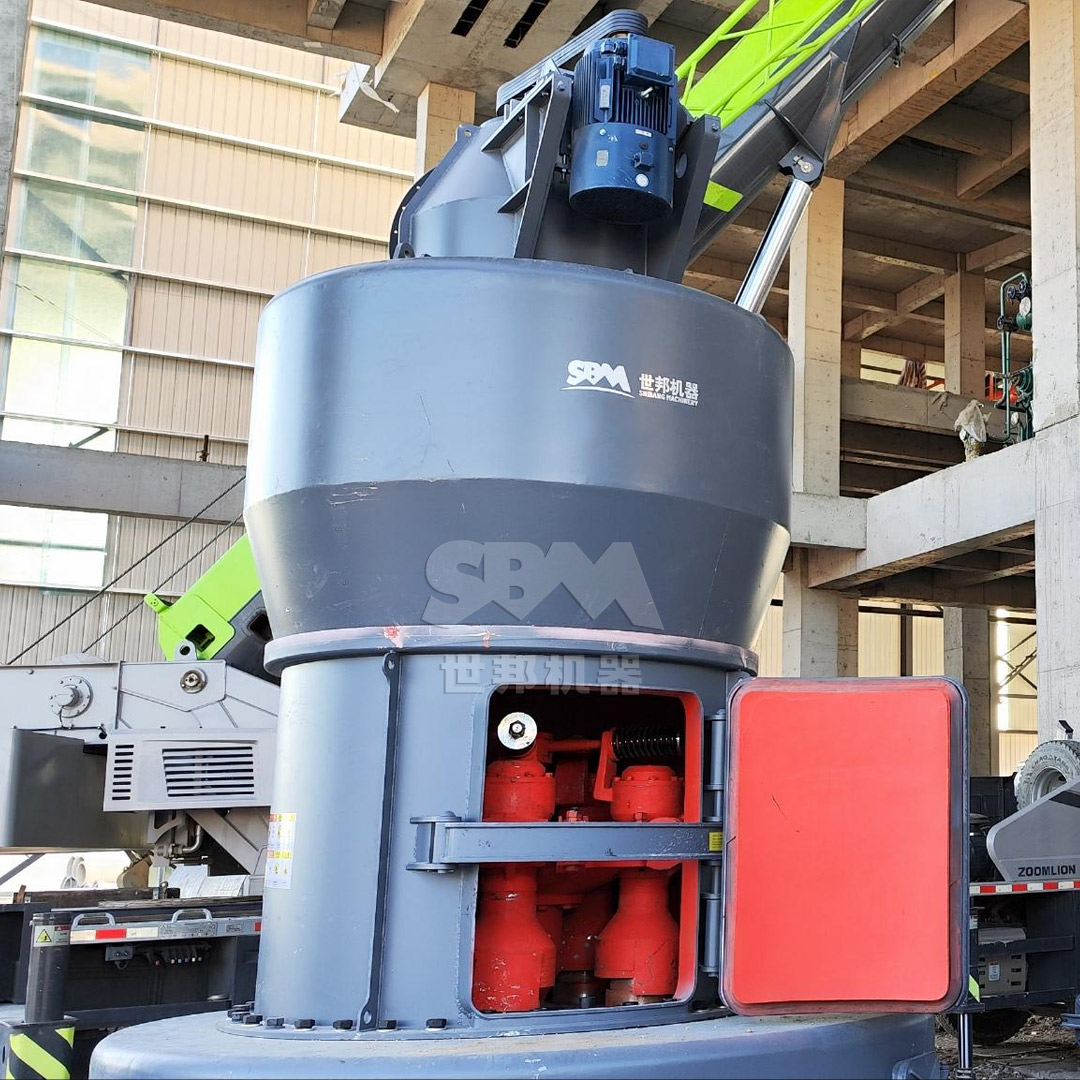
For projects that require high-volume production of marble powder in a slightly coarser range (e.g., 30-325 mesh) or as a pre-grinding stage before the SCM mill, our LM Series Vertical Roller Mill is an excellent choice. It is renowned for its large capacity (up to 250 t/h) and exceptional energy efficiency.
Key Benefits:
- Integrated Design: It combines crushing, grinding, drying, classifying, and conveying in one unit, reducing floor space by 50% and civil construction costs by 40%.
- Low Operating Cost: Its non-contact grinding curve design and high-wear-resistant materials result in a grinding roller life 3 times longer than conventional mills, with energy consumption 30-40% lower than ball mill systems.
- Intelligent & Environmental: Features an expert-level automatic control system and operates under fully sealed negative pressure, ensuring dust emission and noise levels meet strict standards.
Complete System Configuration
A successful 800-mesh marble powder production line involves more than just the core mill. A typical system configuration includes:
- Raw Material Preparation: Jaw crusher or hammer mill to reduce marble blocks to ≤20mm feed size for the SCM mill.
- Feeding System: Vibrating feeder or screw conveyor with weighing device for stable and controlled feed.
- Grinding & Classification Core: The SCM Ultrafine Mill (or LM Vertical Mill for pre-grinding).
- Product Collection: High-efficiency cyclone separator and pulse jet bag filter to collect the final powder with >99.9% efficiency.
- Control System: Centralized PLC control cabinet for monitoring and automating the entire process.
Conclusion
Producing high-quality 800-mesh marble powder demands precision engineering and reliable technology. By focusing on energy-efficient grinding mechanisms, precise classification, robust wear protection, and integrated system design, producers can achieve superior product quality with optimal operational economics. Our SCM Series Ultrafine Mill, with its proven track record in the mineral ultra-fine powder industry, offers a targeted and efficient solution to meet this specific challenge. For larger-scale operations or different product ranges, the LM Series Vertical Roller Mill provides a complementary high-capacity, low-cost option. We recommend consulting with our technical team to analyze your specific marble characteristics and production goals for a tailored equipment selection and plant design.