The production of high-purity, chemically compatible marble powder is a critical process for industries ranging from plastics and paints to pharmaceuticals and food additives. Achieving the stringent specifications for particle size distribution (PSD), whiteness, chemical inertness, and low metallic contamination requires a meticulously designed grinding production line. This article delves into the key components, technological considerations, and optimal equipment selection for establishing an efficient and reliable chemical-grade marble powder grinding plant.
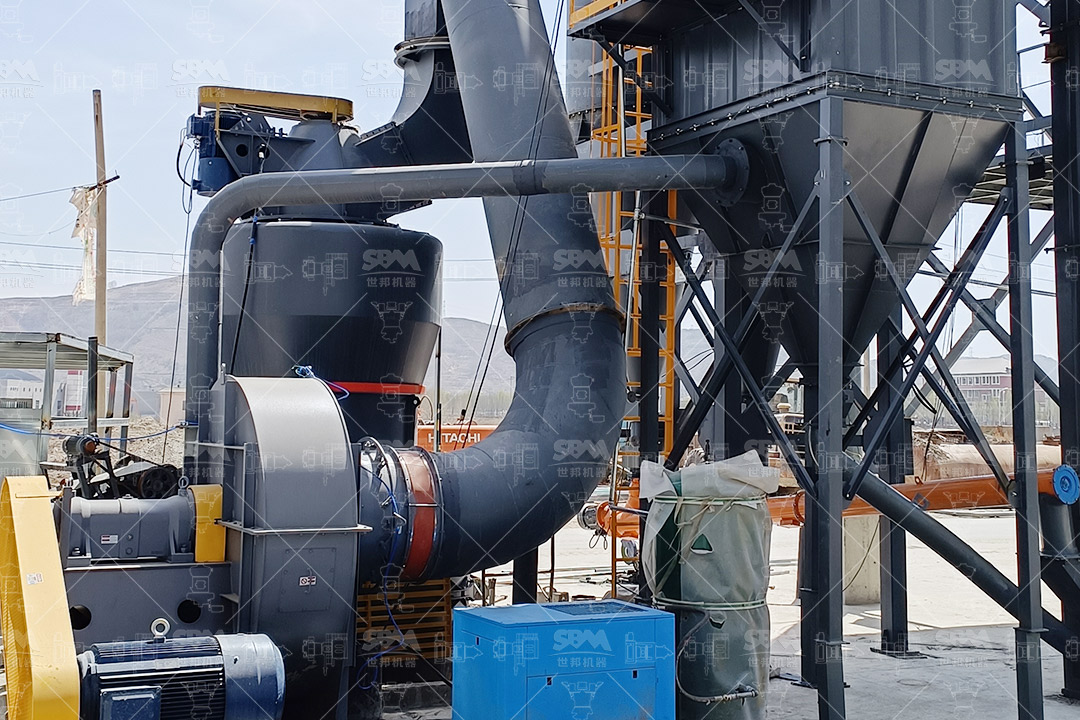
A standard chemical-grade marble powder production line typically follows a closed-circuit, dry grinding process to ensure product purity and environmental compliance. The core stages are:
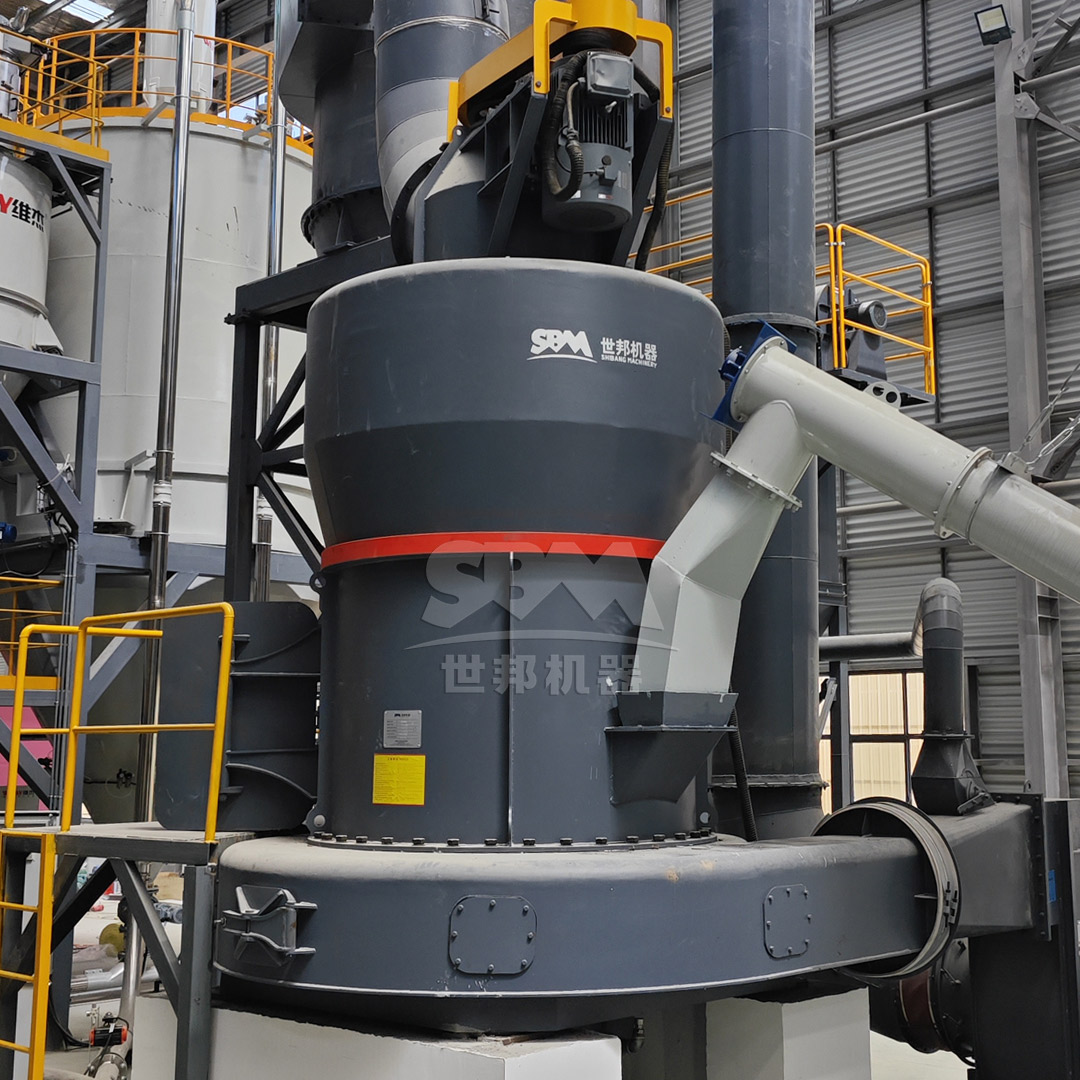
The choice of grinding mill defines the production line’s capability, product quality, and operational cost. For chemical-grade marble, the following mills are most applicable:
| Mill Type | Typical Output Range | Key Advantages for Marble | Considerations |
|---|---|---|---|
| Ball Mill | 0.074-0.8mm (200-20 mesh) | Simple, reliable, wide capacity range. | Can introduce iron contamination from balls/liners; higher energy consumption for fine grinding. |
| Raymond Mill (MTW Series) | 30-325 mesh (0.6-0.045mm) | Stable, cost-effective for coarse to medium fines. | Limited ability to produce very fine (<400 mesh) powder efficiently. |
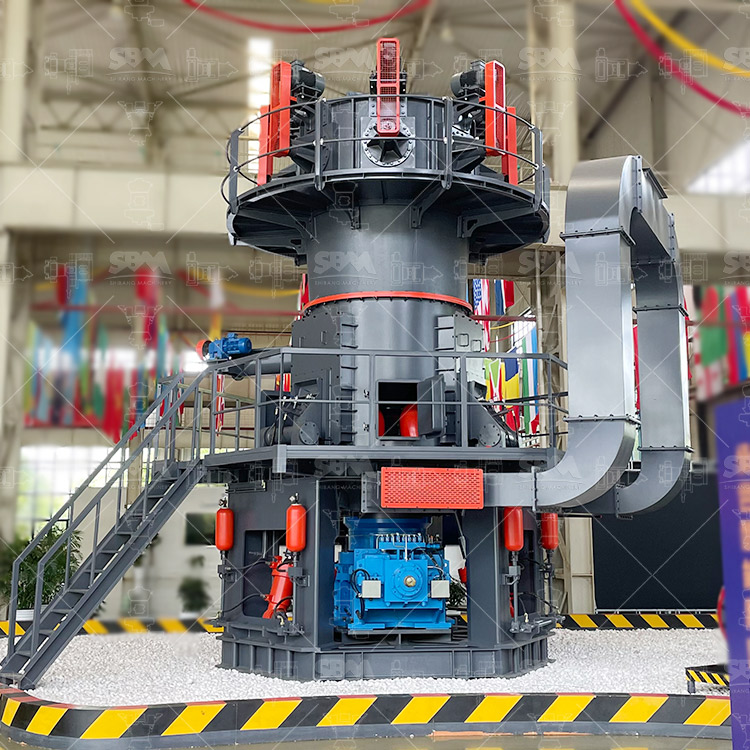
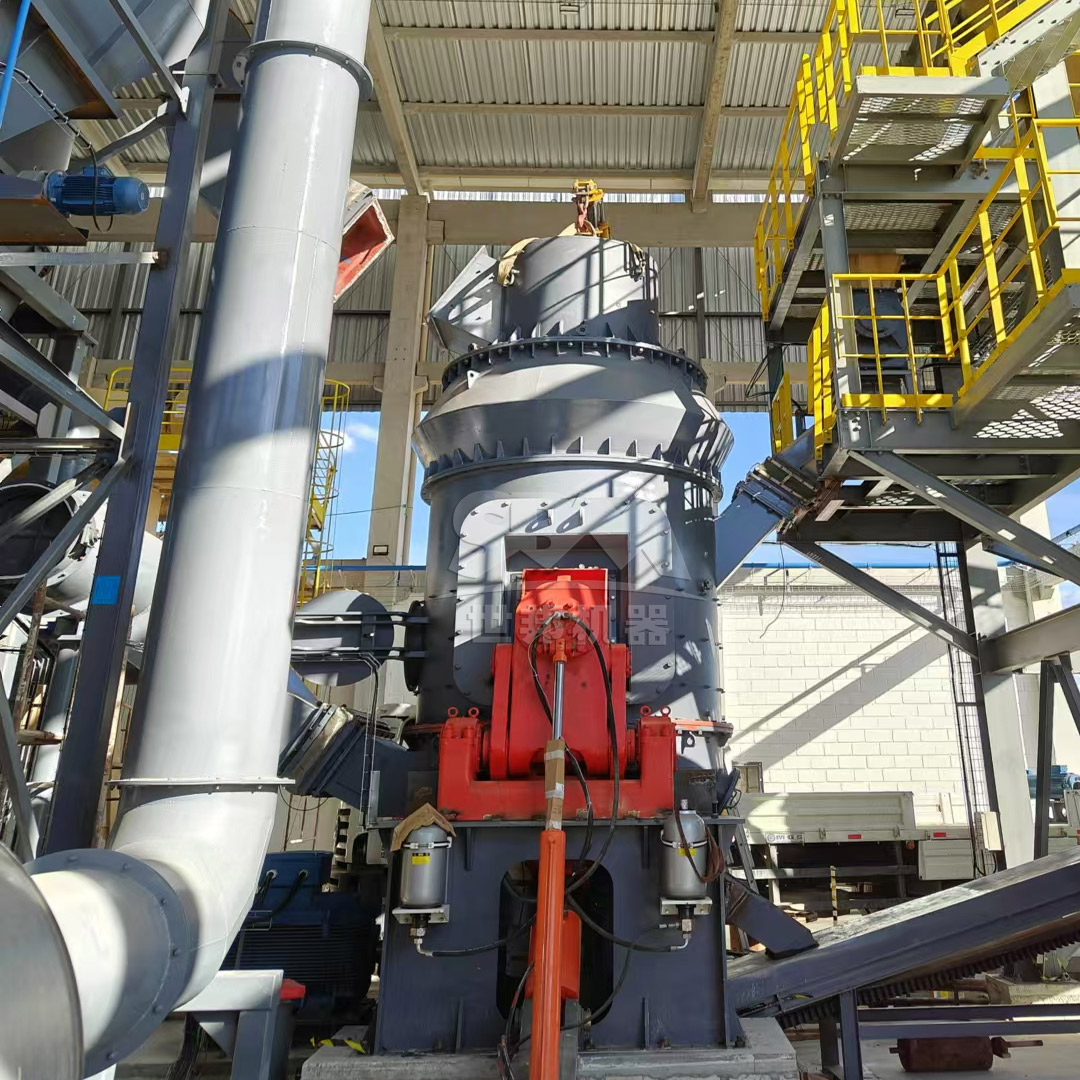
| Vertical Roller Mill (LM Series) | 30-325 mesh (up to 600 mesh) | Highly recommended. Integrated drying/grinding, excellent energy efficiency (~30-40% less than ball mill), low metal wear. | Higher initial investment, requires consistent feed size. |
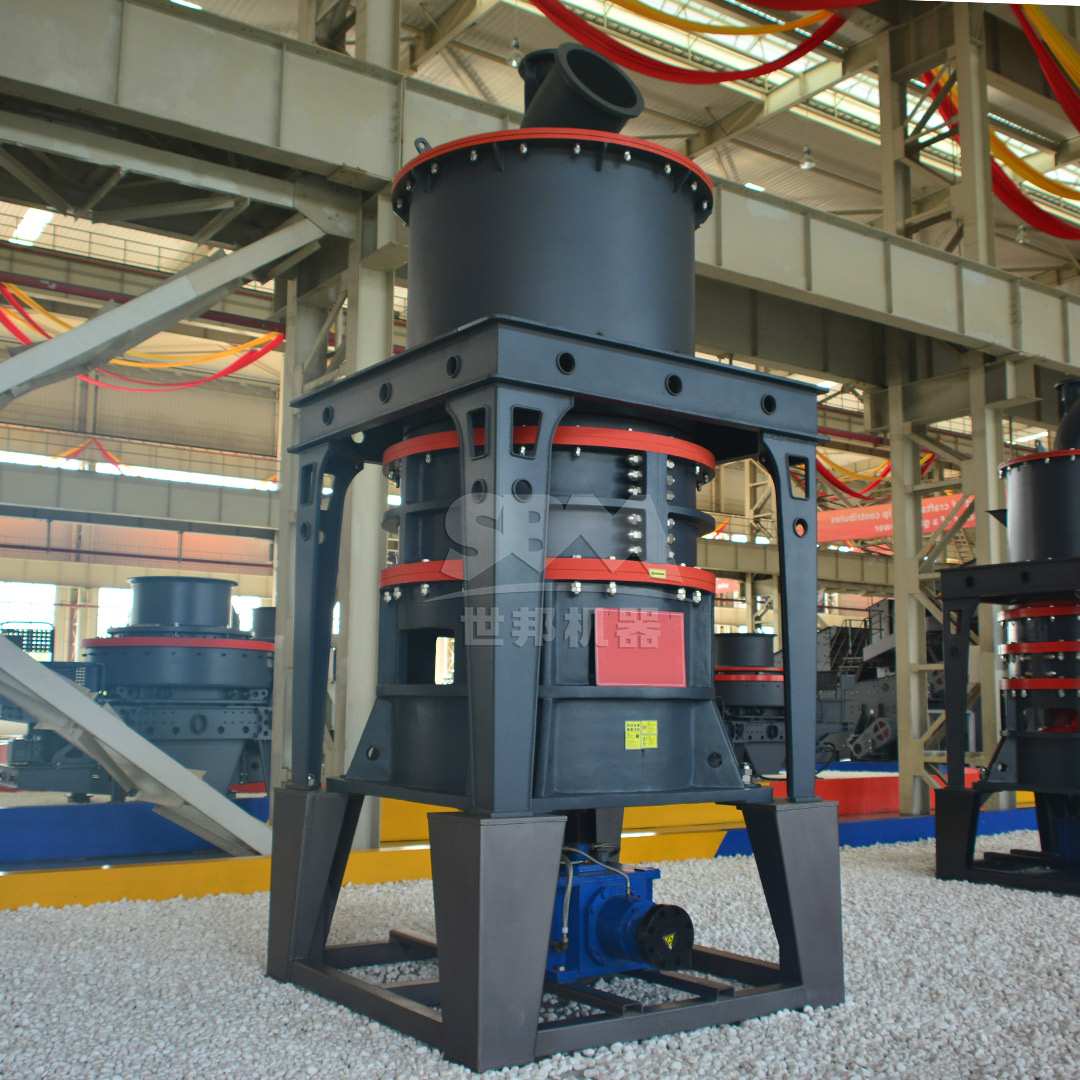
| Ultrafine Mill (SCM/LUM Series) | 325-2500 mesh (45-5μm) | Essential for high-value ultrafine powder. Produces uniform, narrow PSD with high whiteness retention. | Lower single-line capacity compared to VRM, sensitive to feed moisture. |
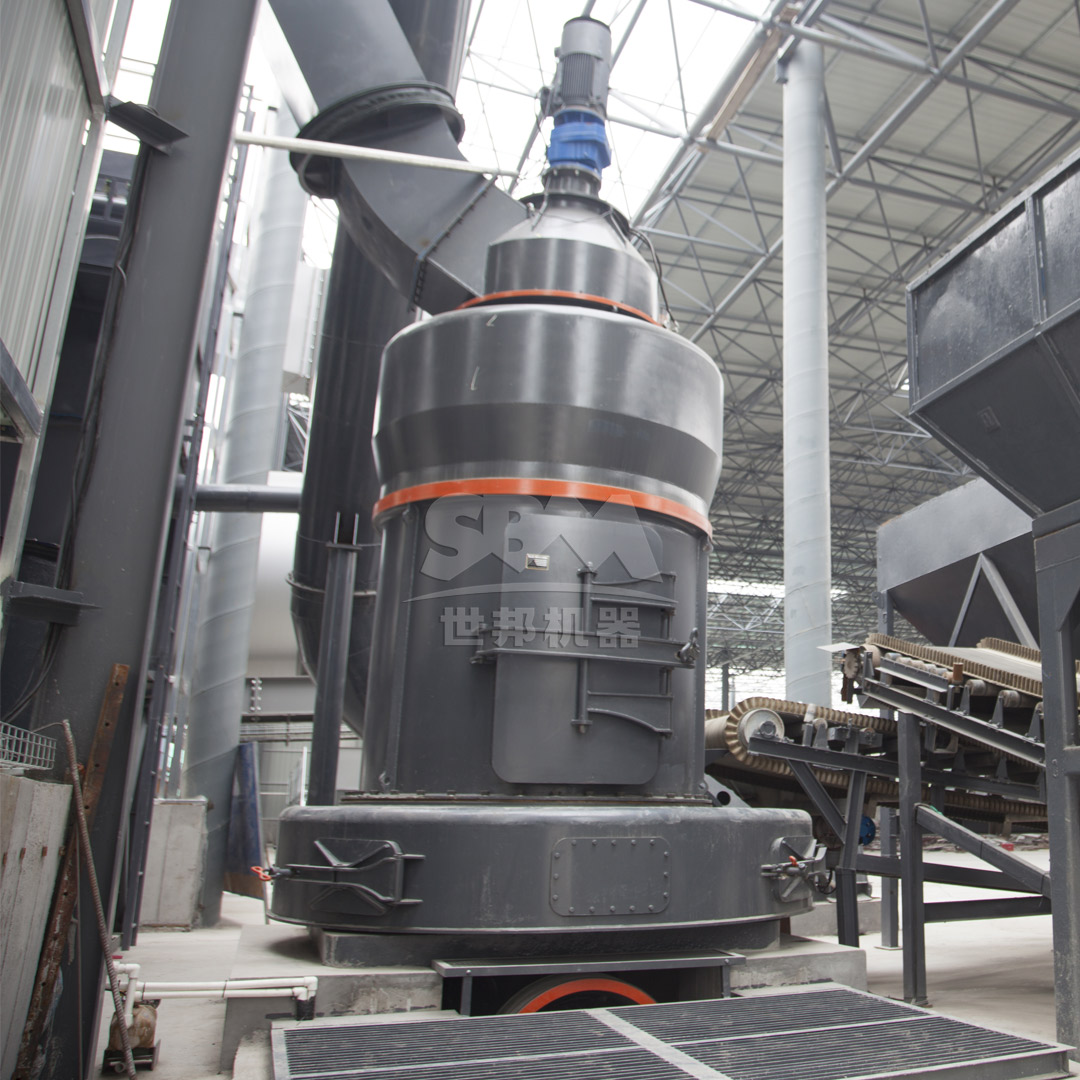
Based on the target fineness and scale, we recommend specific configurations from our portfolio:
For High-Capacity Production of 200-400 Mesh Powder:
The LM Series Vertical Roller Mill is the optimal choice. Its integrated design crushes, grinds, dries, and classifies in a single unit, reducing footprint by 50%. The non-contact grinding principle (rollers crush the bed of material on the table) minimizes wear and metallic contamination. For a typical plant aiming for 30-50 t/h of 325-mesh marble powder, the LM190K model is ideal. It offers a capacity of 23-68 t/h, main power of 500kW, and produces fineness in the range of 170-45μm (80-325 mesh). Its intelligent control system ensures stable operation and consistent product quality.
For Premium Ultrafine Powder (800-2500 Mesh):
When the product specification demands ultrafine, high-brightness powder, the SCM Series Ultrafine Mill is unparalleled. It utilizes a three-layer ring roller grinding mechanism and a high-precision turbine classifier. For a plant targeting 8-10 t/h of 1250-mesh (10μm) marble powder, the SCM1000 model is perfectly suited. It delivers a capacity of 1.0-8.5 t/h, with adjustable fineness from 325 to 2500 mesh. Its special material rollers and rings ensure long service life and product purity, while the pulse dust collection system guarantees an eco-friendly operation with dust emission below national standards.
Designing a chemical-grade marble powder production line is a balance of product specification, production scale, and investment efficiency. The core technology lies in selecting a grinding mill that delivers the required fineness with high energy efficiency, low contamination, and operational stability. For medium-fine ranges, Vertical Roller Mills (LM Series) offer the best overall economics. For the ultrafine, high-value market, the SCM Series Ultrafine Mill provides the necessary precision and product quality. A successful project integrates the right mill with robust auxiliary systems and intelligent controls to create a competitive, reliable, and sustainable production asset.