The production of high-performance floor tiles relies heavily on the quality and consistency of their raw materials. Gypsum, a key additive in many tile formulations, plays a crucial role in setting time control, dimensional stability, and final product strength. The transformation of raw gypsum into a precisely graded, reactive powder requires a sophisticated and integrated production line. This guide provides a comprehensive overview of the essential machinery and processes involved in establishing a modern, efficient, and profitable gypsum additive production plant for the floor tile industry.
The journey from raw gypsum rock to a fine, consistent additive follows a systematic process. Understanding this flow is fundamental to selecting the right equipment.
Gypsum ore, typically with a feed size of 0-300mm, is first received and subjected to primary crushing. Jaw crushers or hammer mills are commonly used here to reduce the material to a manageable size (generally below 50mm) for the subsequent grinding stage. Efficient pre-crushing is vital for optimizing the energy consumption of the main grinding mill.
Depending on the moisture content of the raw gypsum and the desired final product (e.g., stucco/plaster of Paris), a drying and calcination step may be necessary. Rotary dryers and calcining kettles or flash calciners are employed to remove free moisture and chemically combined water, transforming dihydrate gypsum into the hemihydrate form.
This is the heart of the additive production process. The pre-crushed (and potentially calcined) gypsum must be ground to a very specific fineness, typically ranging from 30 mesh (600μm) for some filler applications down to 325 mesh (45μm) or even finer for high-performance additives. The choice of grinding mill is paramount, as it directly impacts product quality, energy efficiency, and production capacity. The ground powder is simultaneously classified to ensure oversize particles are returned for further grinding, guaranteeing a uniform particle size distribution.
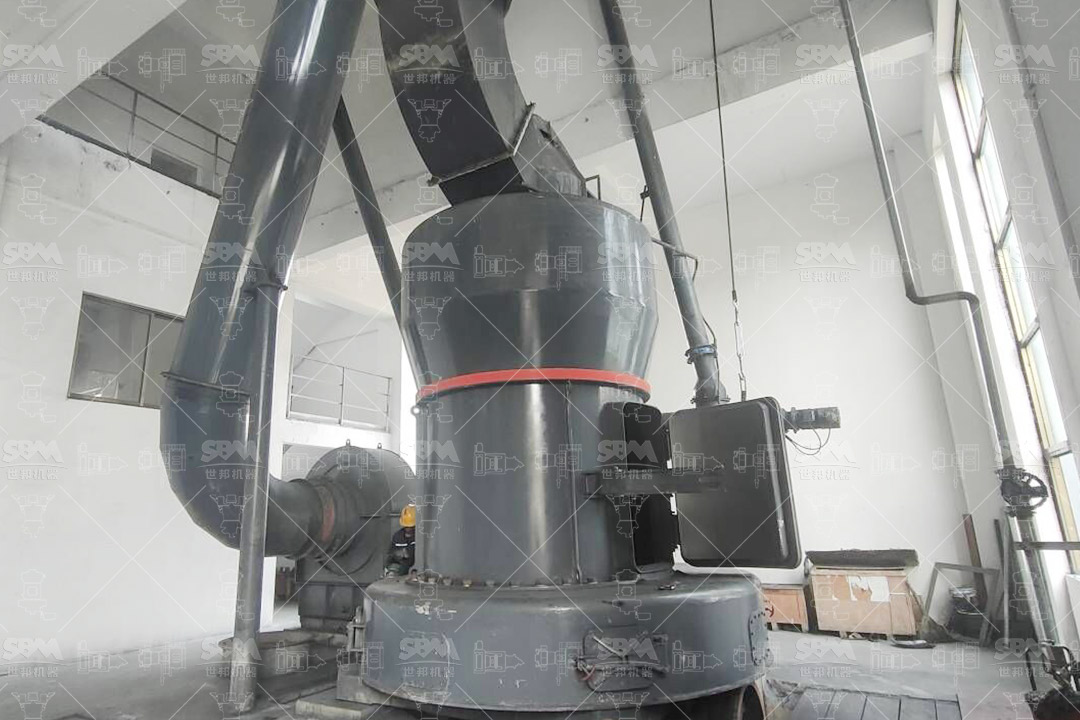
The finished, classified powder is collected using high-efficiency cyclone separators and baghouse dust collectors. It is then conveyed to large silos for storage. Automated packaging systems, including valve bag fillers or big bag stations, are used for final product dispatch.
Selecting the right machinery is not just about capacity; it’s about achieving the target fineness with optimal energy use, reliability, and environmental compliance.
The grinding mill defines your product’s key characteristics. Here are the main technologies:
| Mill Type | Typical Output Fineness | Key Advantages | Considerations for Gypsum |
|---|---|---|---|
| Ball Mill | 0.074-0.8mm (200-20 mesh) | Proven technology, wide application, suitable for simultaneous drying/grinding. | Higher energy consumption, less precise particle size control compared to newer mills. |
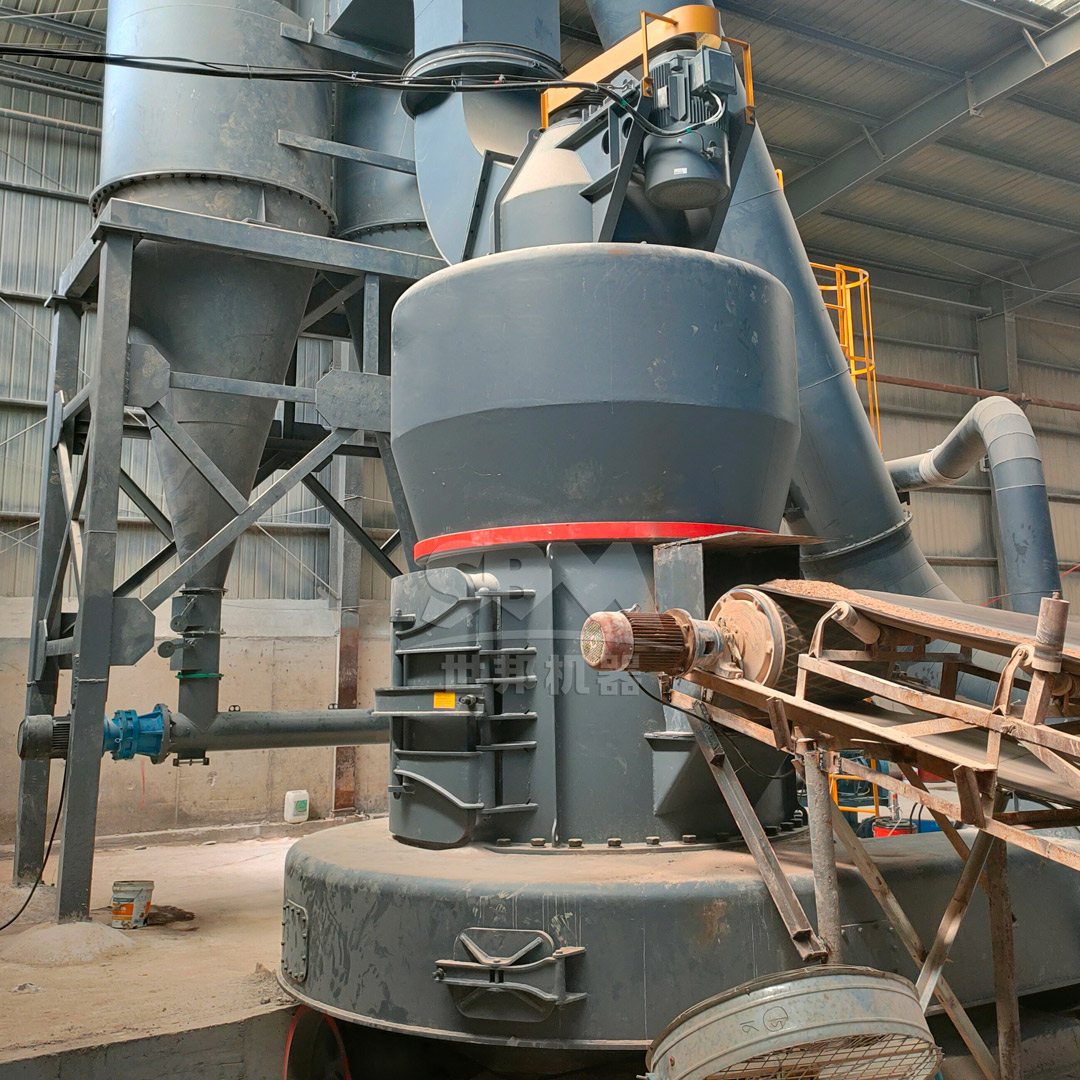
| Raymond Mill (MTW Series) | 30-325 mesh (600-45μm) | Stable operation, lower capital cost, ideal for coarse to medium-fine grinding. | May struggle with ultra-fine requirements (<45μm) at high capacity. |
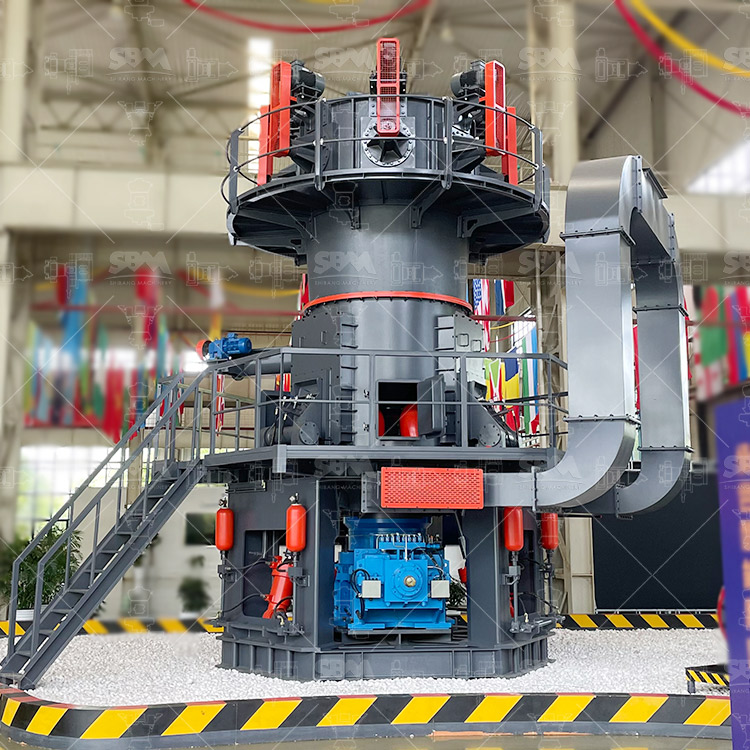
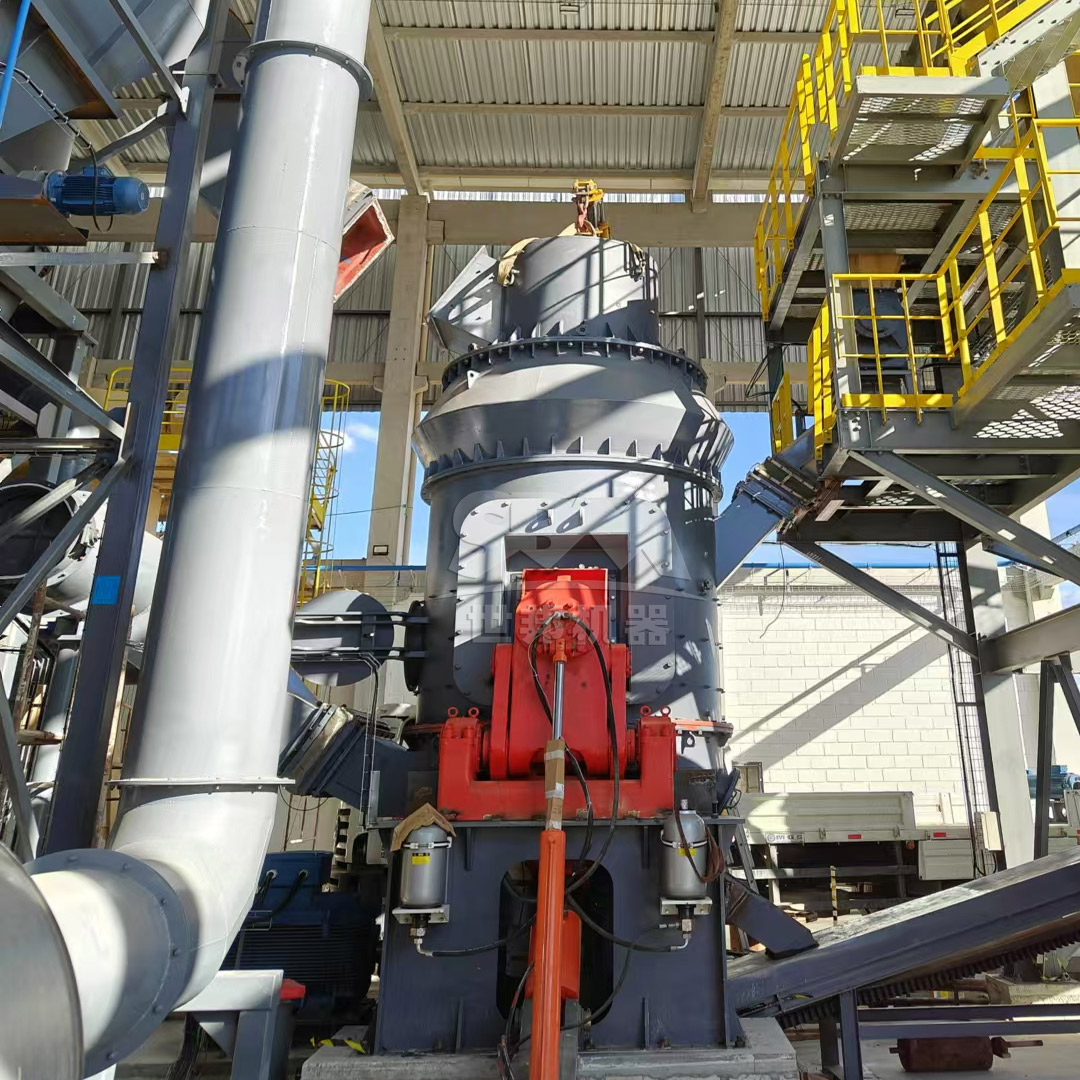
| Vertical Roller Mill (LM Series) | 30-325 mesh (up to 600 mesh) | High grinding efficiency, integrated drying, 30-40% lower energy use than ball mills, compact footprint. | Excellent for high-capacity production of gypsum powder for tiles. Integrated system reduces plant complexity. |
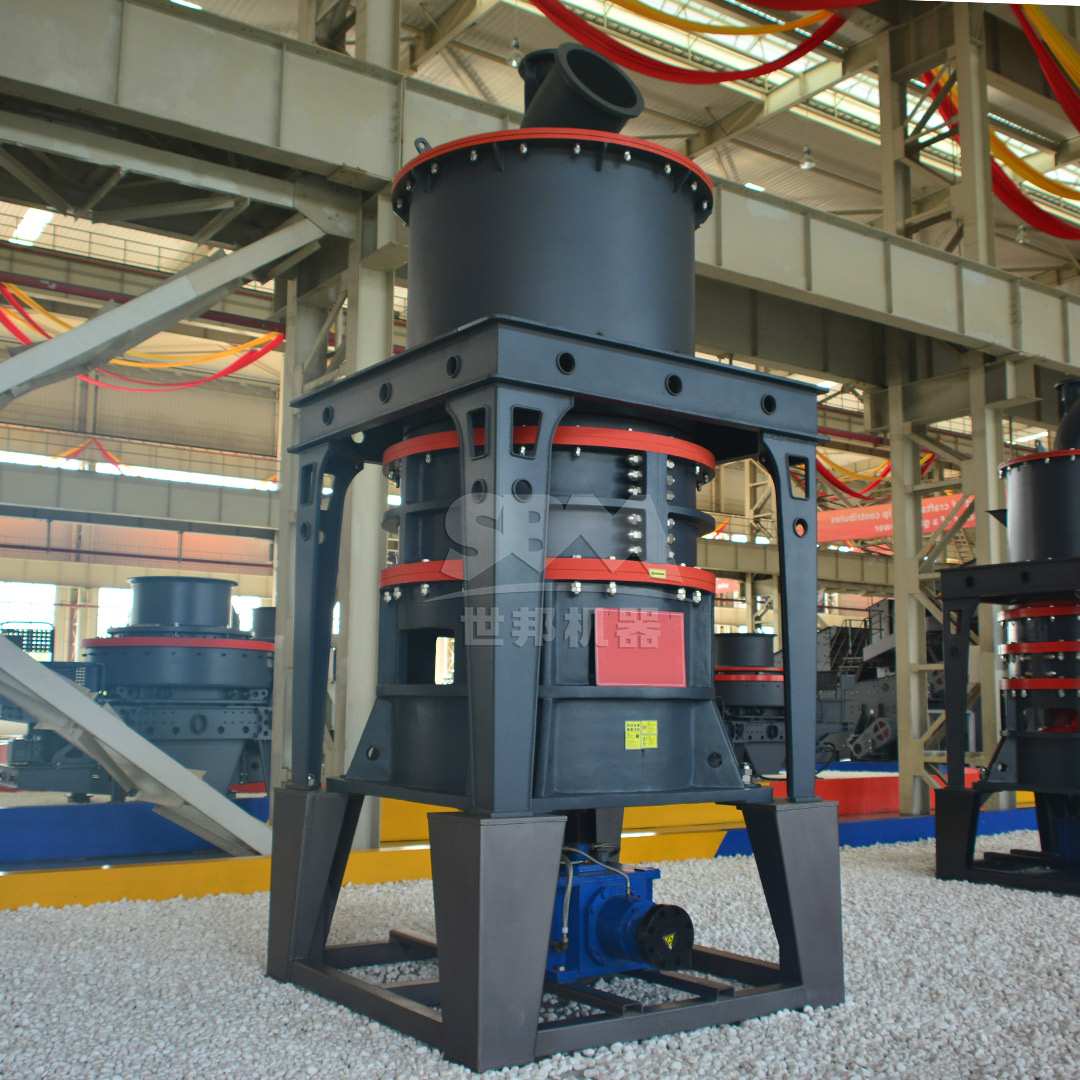
| Ultrafine Mill (SCM Series) | 325-2500 mesh (45-5μm) | Produces superfine powders, high-precision classification for uniform product, eco-friendly design. | The optimal choice for producing high-value, ultra-fine gypsum additives that enhance tile density and surface finish. |
For most modern floor tile additive lines targeting high fineness and efficiency, the LM Vertical Roller Mill and the SCM Ultrafine Mill represent the state of the art.
Our recommended solution for high-volume production: The LM Vertical Roller Mill series (e.g., LM190K) is a standout choice. Its integrated design combines crushing, grinding, drying, and classification in a single unit, reducing floor space by 50% and infrastructure costs by 40%. With a capacity range of 3-250 t/h and the ability to produce powder from 30 to 325 mesh (finer for special models), it offers exceptional flexibility. Its non-contact grinding principle and wear-resistant materials ensure low operating costs and long service life, making it a highly economical and reliable core for your gypsum grinding plant.
Our recommended solution for premium, ultra-fine additives: When the application demands the finest, most reactive gypsum powder (325-2500 mesh), the SCM Series Ultrafine Mill is unparalleled. With models like the SCM1000 offering 1.0-8.5 t/h capacity, it delivers a product with no coarse powder mixing, ensuring exceptional uniformity. Its high-precision vertical turbine classifier and energy-saving design (30% less energy than jet mills) make it the perfect technology for producing high-value additives that can significantly improve the technical performance and aesthetics of premium floor tiles.
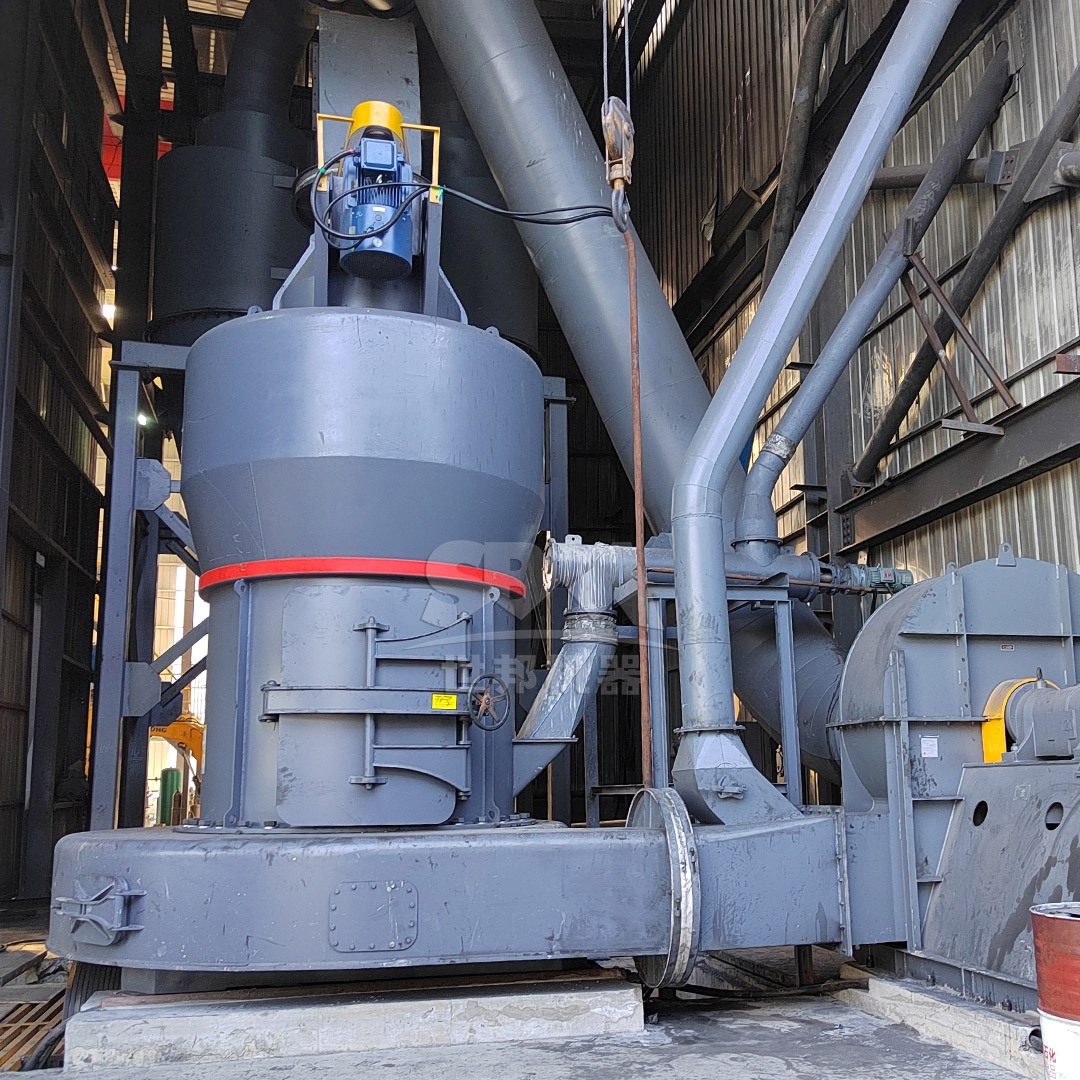
A well-designed layout follows the natural process flow to minimize conveying distances and elevation changes. Key areas (crushing, grinding, storage) should be logically zoned. Ample space must be allocated for maintenance access around major equipment like the grinding mill and baghouse.
While initial investment is important, the total cost of ownership is dominated by operational costs, primarily energy and wear parts. Investing in more efficient technology like the LM Vertical Roller Mill or SCM Ultrafine Mill may have a higher upfront cost but results in substantially lower energy bills and longer intervals between maintenance, leading to a faster return on investment and higher long-term profitability.
Implementing automated sampling and particle size analysis (e.g., laser diffraction analyzers) allows for real-time quality feedback and adjustment of mill parameters. This closed-loop control is crucial for producing a consistent additive that meets strict tile manufacturer specifications batch after batch.
Establishing a successful floor tile gypsum additive production plant requires a strategic approach to equipment selection and process design. Moving beyond traditional, energy-intensive milling solutions towards integrated, high-efficiency systems is key to remaining competitive. By focusing on core technologies that offer precision grinding, low energy consumption, and automated control—such as the advanced LM Vertical Roller Mill for general production and the SCM Ultrafine Mill for specialty grades—producers can ensure they deliver a superior, consistent product that meets the evolving demands of the global ceramics industry, while also optimizing their operational costs and environmental footprint.