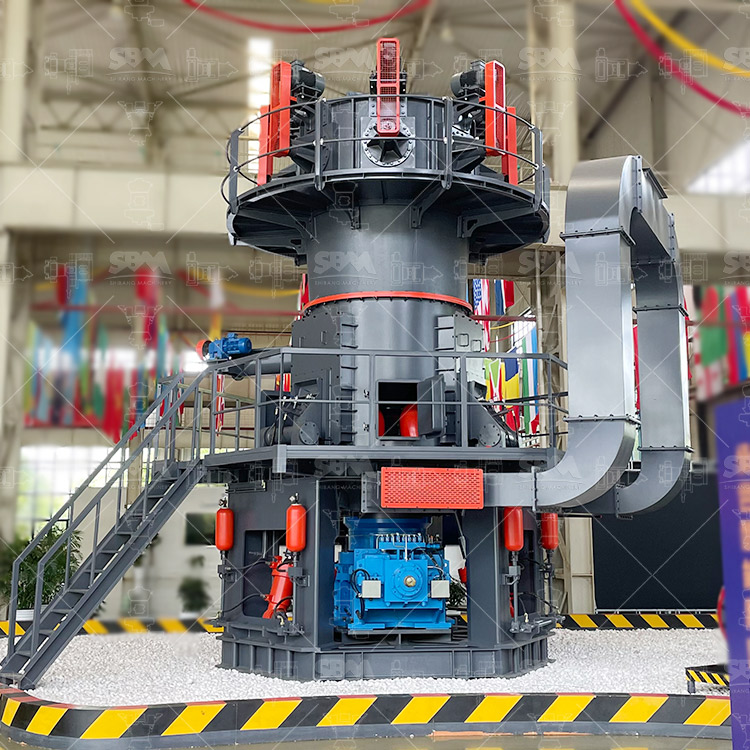
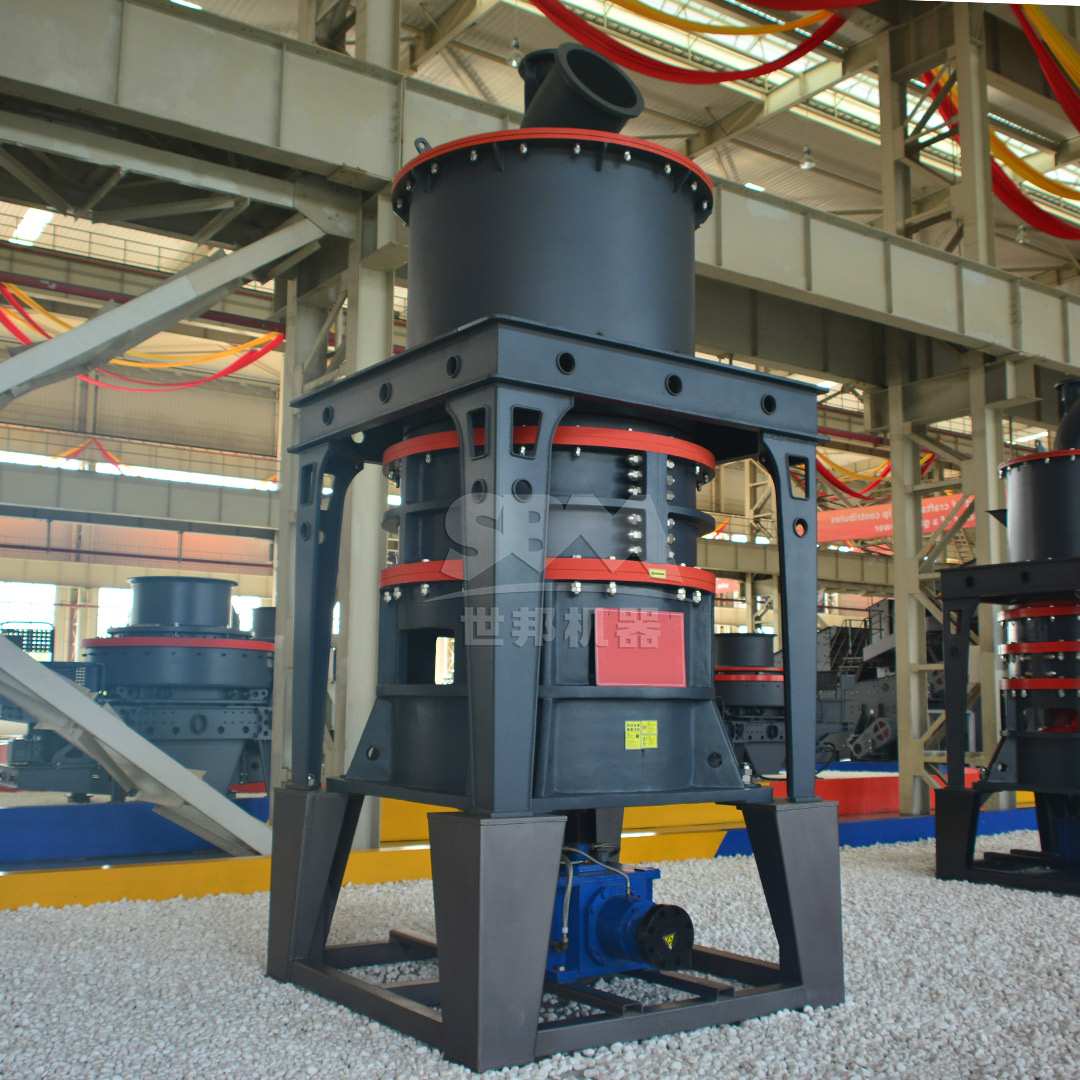
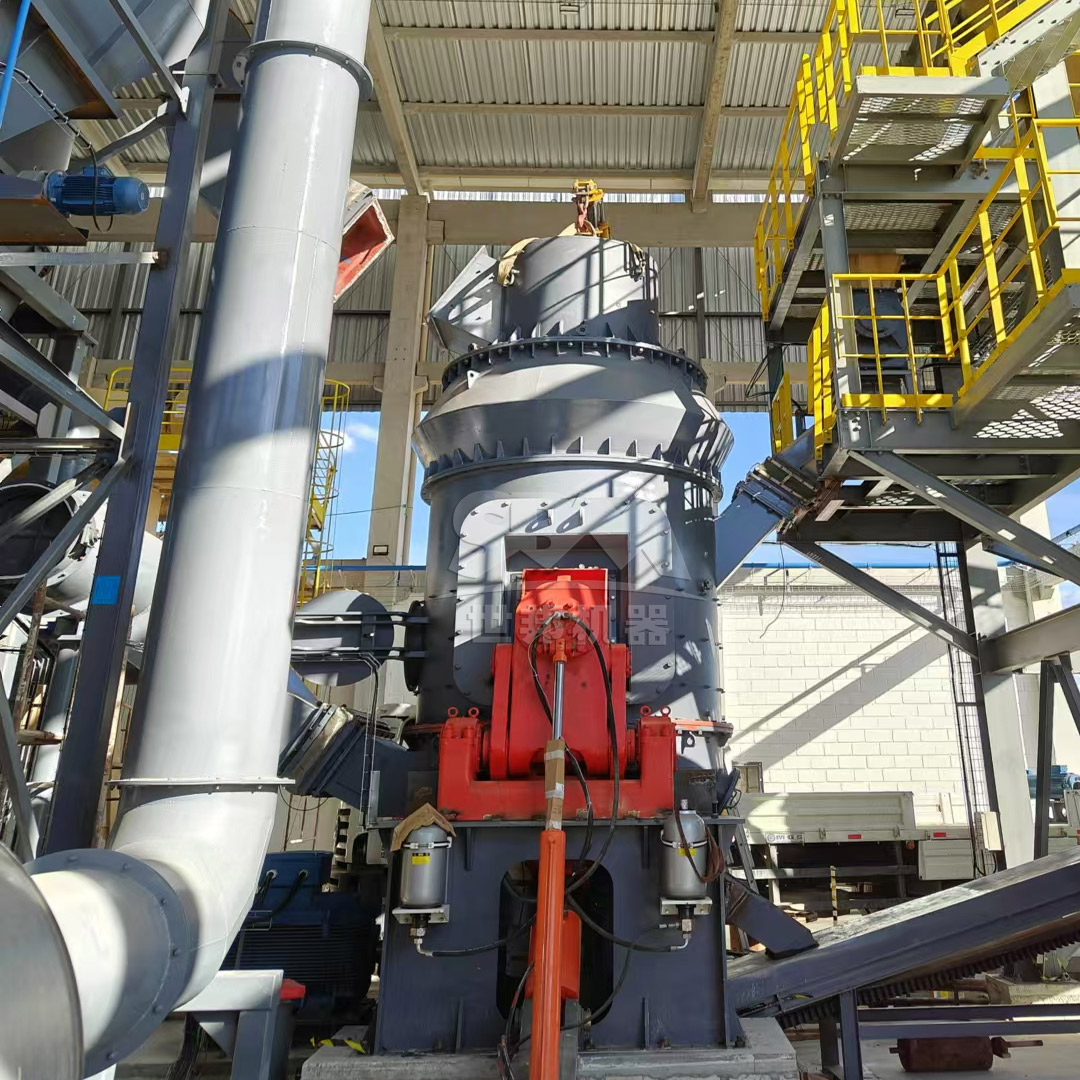
Gypsum powder, a versatile material widely used in construction, agriculture, and various industrial applications, requires precise processing to achieve desired properties. A 60 mesh (approximately 250 microns) fineness is a common specification for many applications, particularly in construction materials like joint compounds and plasters. Establishing an efficient and reliable 60 mesh gypsum powder production line demands careful selection of equipment and a deep understanding of the process flow. This guide provides a comprehensive overview of the key stages and machinery involved, highlighting critical considerations for optimal performance, energy efficiency, and product quality.
The transformation of raw gypsum ore into uniform 60 mesh powder follows a systematic sequence. The primary stages are:
| Process Stage | Key Equipment | Primary Function | Output Specification |
|---|---|---|---|
| Primary Crushing | Jaw Crusher, Hammer Mill | Reduce ore size to <50mm | 20-50mm fragments |
| Drying/Calcining | Rotary Kiln, Flash Calciner | Remove crystalline water | Calcined Stucco |
| Fine Grinding | Grinding Mill (e.g., MTW, Ball Mill) | Pulverize to target fineness | 60 mesh powder |
| Classification | Classifier (Integrated or Separate) | Separate fines from coarse particles | Precise particle size cut |
| Dust Collection | Pulse Bag Filter, Cyclone | Capture airborne particles | Clean exhaust, product recovery |
The choice of grinding mill is paramount for achieving consistent 60 mesh quality with high throughput and low operational cost. For this specific fineness range (approximately 250-150 microns), several mill types are suitable.
The mill must offer reliable performance, precise particle size control, and energy efficiency. For a 60 mesh product, medium to fine grinding capability is essential.
Recommended Solution: MTW Series European Trapezium Mill
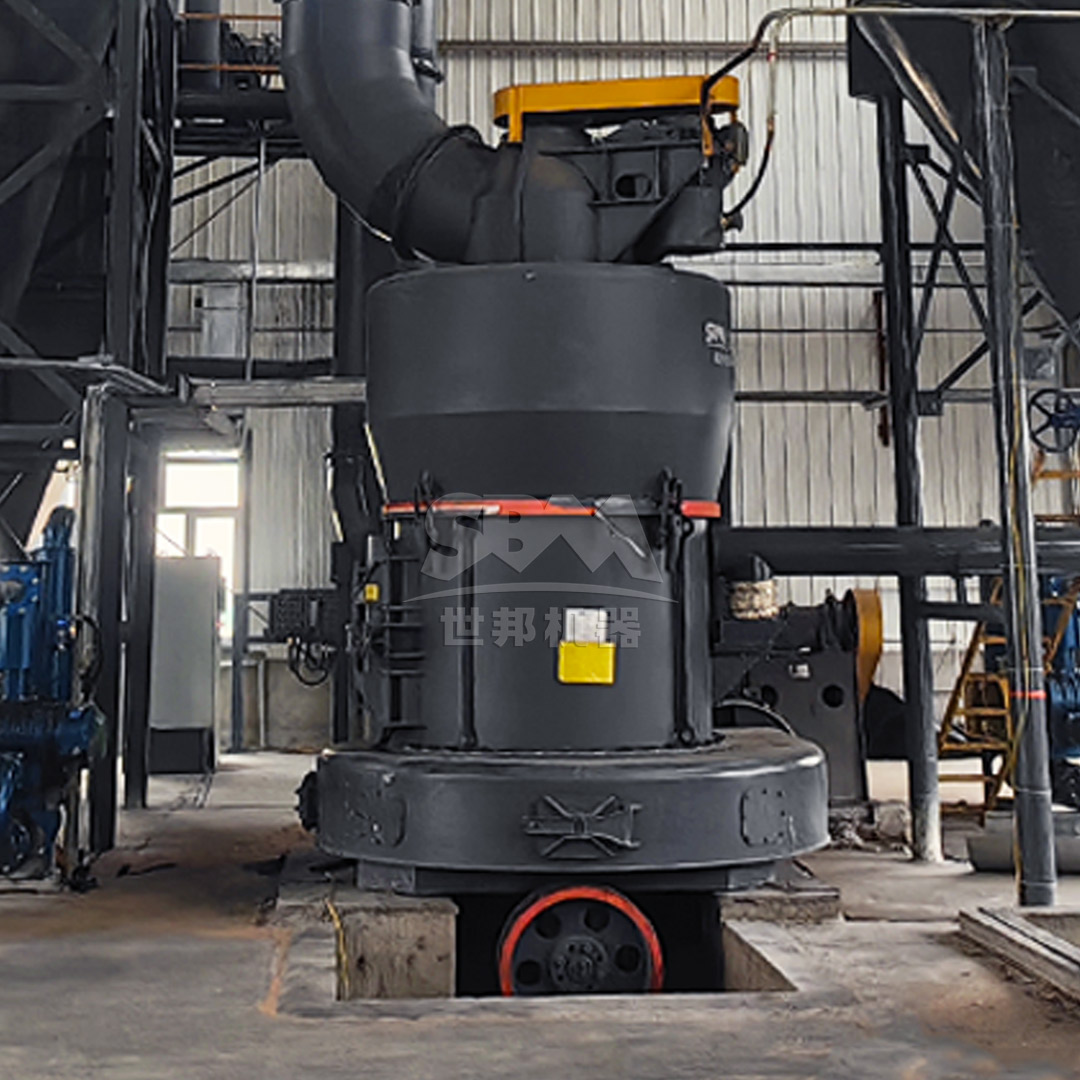
For a balanced combination of high capacity, robust construction, and precise control in the 30-325 mesh range, the MTW Series European Trapezium Mill is an outstanding choice for 60 mesh gypsum production. Its design incorporates several advantages critical for modern plants:
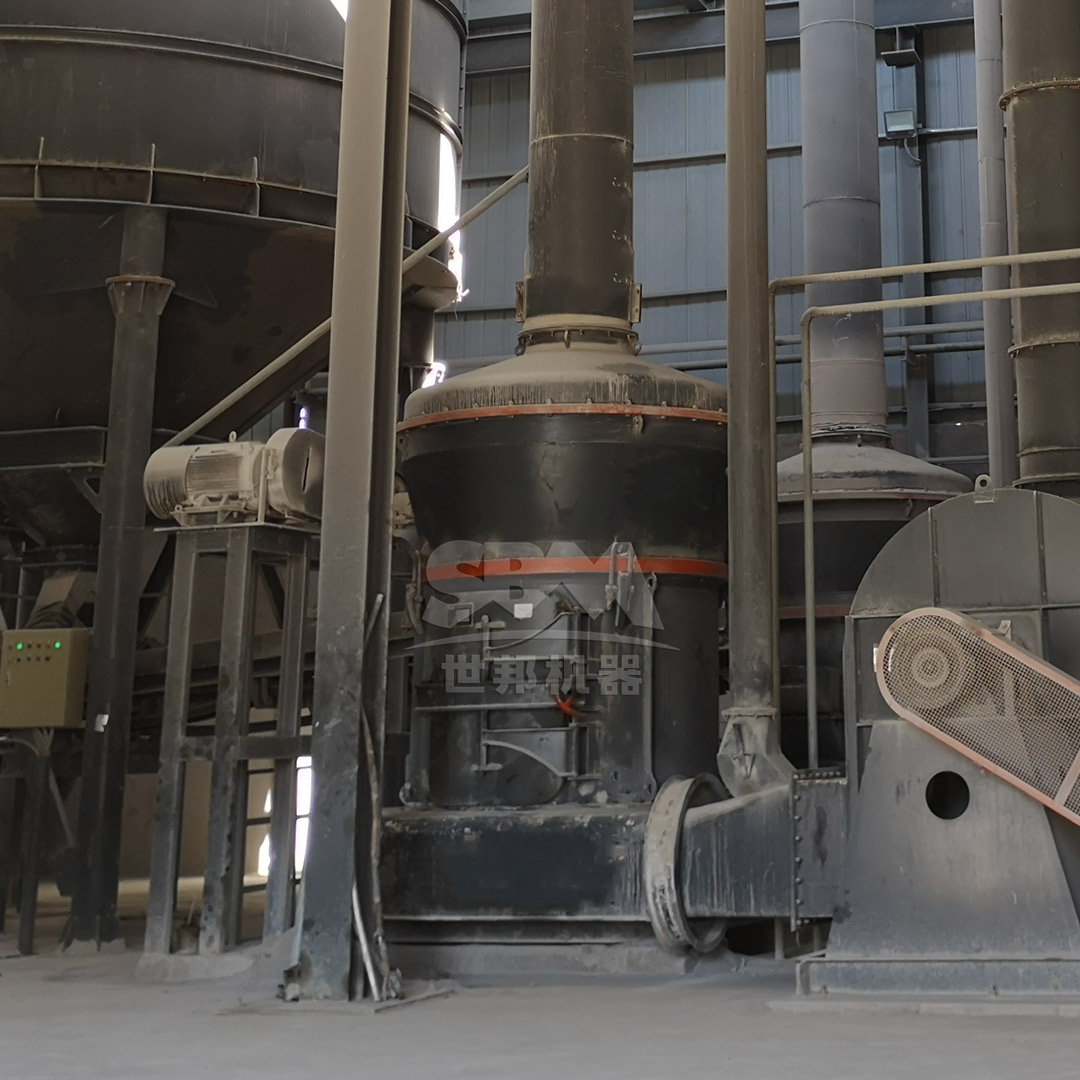
A model like the MTW138Z, with a capacity range of 6-17 tons per hour, is well-suited for medium to large-scale 60 mesh gypsum lines, offering excellent flexibility and stability.
An efficient classifier is non-negotiable. It works in a closed loop with the grinding mill, ensuring only particles finer than 60 mesh exit the system. Modern mills often feature integrated high-efficiency static or dynamic classifiers. For the finest control, an independent turbo classifier can be added to precisely separate the 60 mesh product from both finer and coarser fractions.
Prior to grinding, gypsum must be calcined. For integrated lines, a rotary kiln or a flash calciner is used. Flash calciners offer rapid, efficient heating and are excellent for producing consistent stucco. The choice depends on fuel type, production scale, and desired plaster properties.
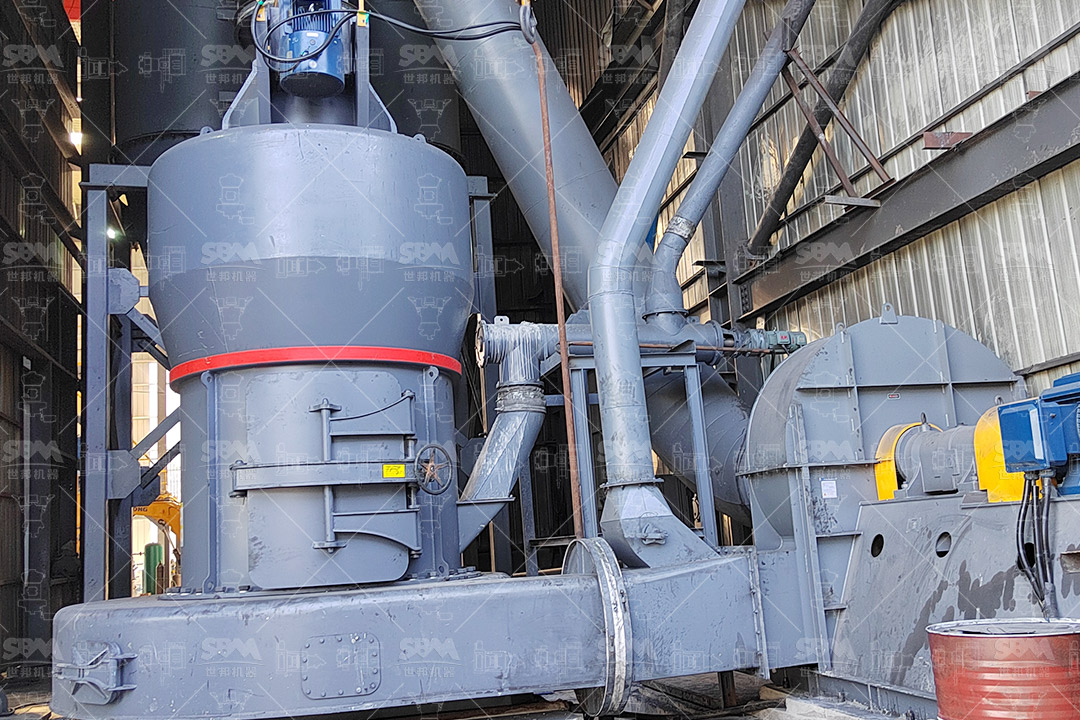
A typical layout follows a linear or vertical design to minimize conveying distances. Raw gypsum is fed from a stockpile into the crushing section. The crushed material is then elevated to a pre-homogenization silo before entering the calciner. The hot calcined gypsum is often cooled before being fed into the grinding mill. The mill-classifier system operates in a closed circuit. The final 60 mesh product is conveyed to storage silos, with the dust collection system interconnected at all major transfer points.
Key considerations include: ensuring adequate ventilation and insulation for the calcining section, providing easy access for maintenance of the mill and classifier, and designing the dust collection ductwork for minimal pressure drop.
For producers looking to create higher-value, ultra-fine gypsum powders or achieve exceptional uniformity beyond 60 mesh, advanced grinding technology is required.
Recommended Solution for Ultra-Fine Grinding: SCM Series Ultrafine Mill
If your production goals expand to include ultra-fine gypsum products (e.g., 325-2500 mesh) or you demand the utmost consistency for special applications, the SCM Series Ultrafine Mill is the industry benchmark. While capable of coarse grinding, its true strength lies in producing micron and sub-micron sized powders with remarkable efficiency.
Integrating an SCM mill, such as the SCM1000 model (1.0-8.5 t/h capacity), into a dedicated line or as a secondary processing stage allows a plant to produce a diverse portfolio of gypsum products, from standard 60 mesh construction plaster to ultra-fine fillers, maximizing market opportunities.
Building a successful 60 mesh gypsum powder production line hinges on a holistic approach that integrates robust, efficient equipment with a well-designed process flow. The selection of the grinding and classification system is the cornerstone of product quality and operational economics. For standard 60 mesh production, the MTW Series European Trapezium Mill offers an ideal blend of reliability, precision, and cost-effectiveness. For operations targeting the high-end market with ultra-fine or exceptionally consistent powders, the SCM Series Ultrafine Mill provides the advanced technology necessary to achieve these demanding specifications. By carefully matching equipment capabilities to production goals and paying close attention to system integration and dust control, producers can establish a competitive, efficient, and profitable gypsum powder manufacturing operation.