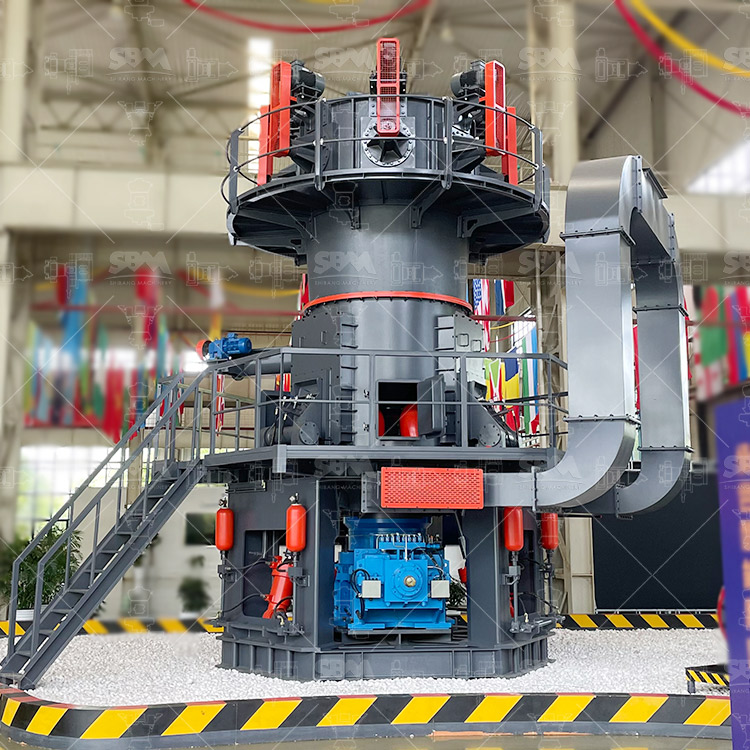
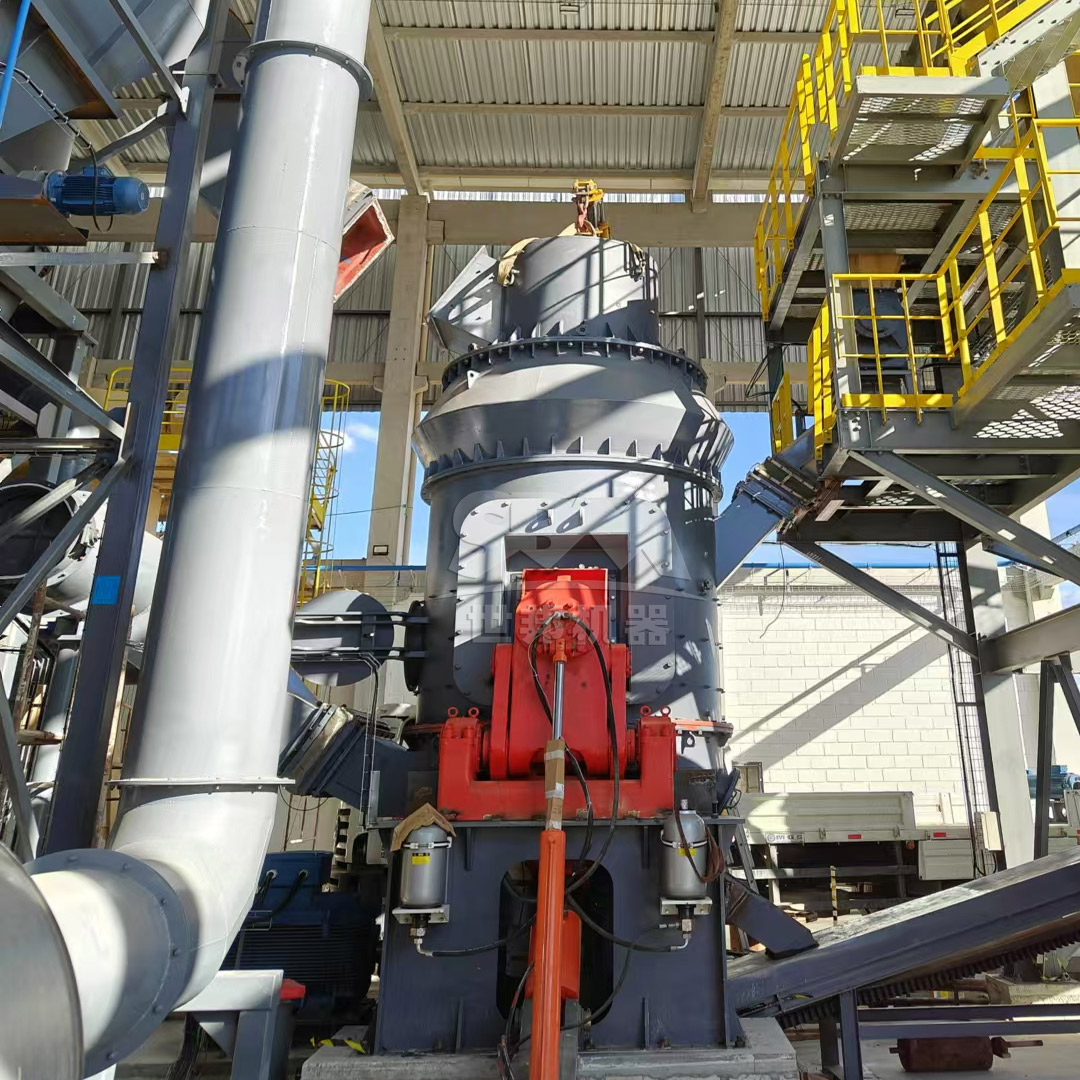
Gypsum powder, particularly in the 80 mesh (approximately 180μm) range, is a fundamental raw material for construction (plaster, wallboard), agriculture (soil conditioner), and various industrial applications. Establishing an efficient and reliable production line requires a deep understanding of the process flow and the selection of appropriate core equipment. This guide provides a comprehensive overview of the key stages and machinery involved in producing high-quality 80 mesh gypsum powder, focusing on achieving optimal balance between product quality, energy efficiency, and operational cost.
A typical gypsum powder production line consists of several sequential stages, each critical to the final product’s consistency and quality.
| Stage | Primary Function | Key Equipment |
|---|---|---|
| 1. Raw Material Crushing | Reduce large gypsum rocks to a manageable size (≤50mm). | Jaw Crusher, Hammer Crusher |
| 2. Pre-homogenization & Storage | Ensure consistent feed quality to the grinding system. | Stockpile, Stacker/Reclaimer |
| 3. Drying & Grinding | Reduce moisture content and grind material to target fineness (80 mesh). | Grinding Mill (Core Equipment) |
| 4. Classification | Separate qualified powder from oversize particles. | Classifier (often integrated with mill) |
| 5. Calcination (If required) | Convert dihydrate gypsum (CaSO4·2H2O) to hemihydrate (CaSO4·0.5H2O). | Rotary Klin, Calciner |
| 6. Finished Product Collection & Storage | Collect, cool, and store the final powder. | Cyclone Collector, Pulse Dust Collector, Silo |
| 7. Packaging & Dispatch | Package powder for shipment. | Automatic Packing Machine |
The heart of the production line is the Grinding and Classification stage. For an 80 mesh product, the choice of grinding mill is paramount, as it directly impacts particle size distribution, energy consumption, and system stability.
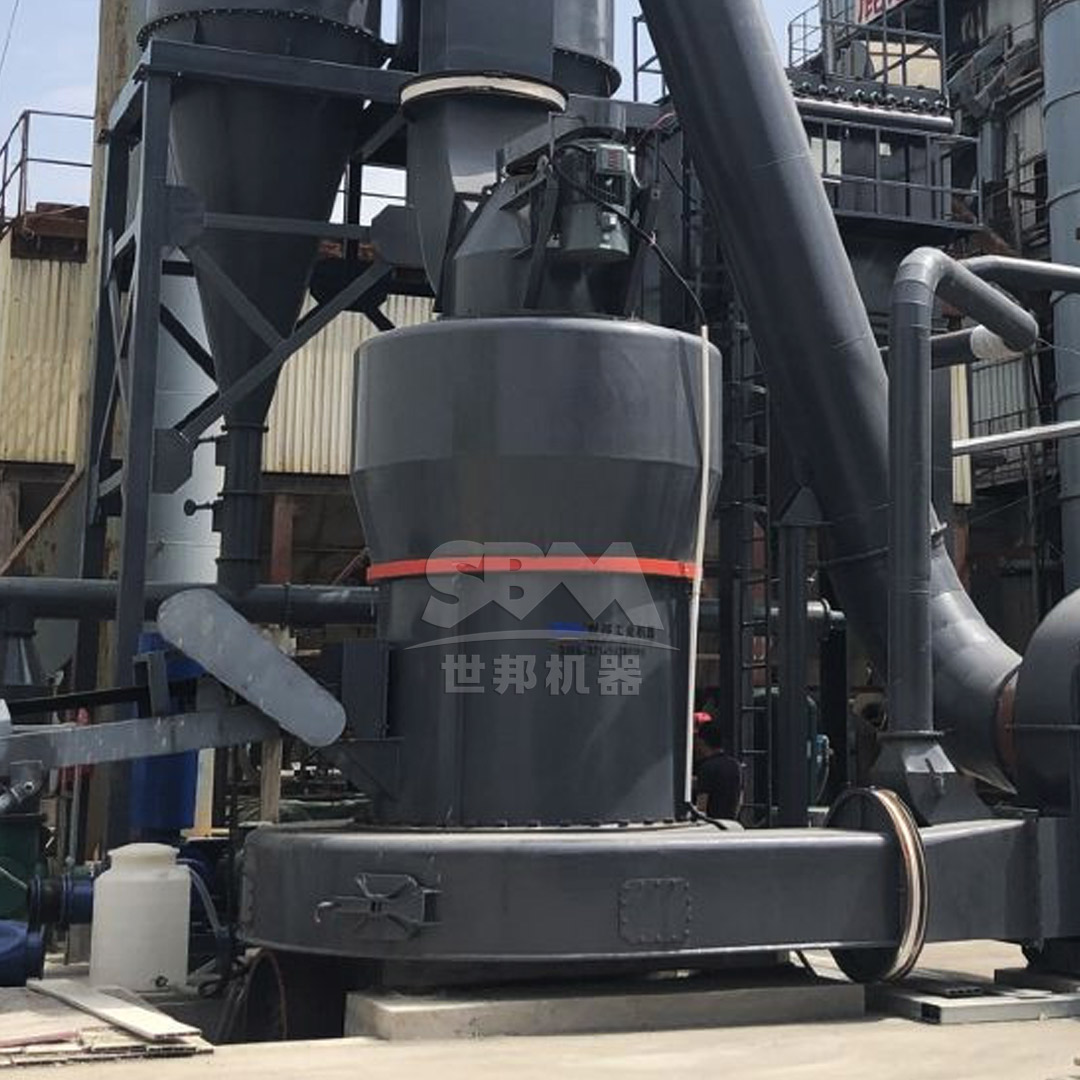
Selecting the right mill requires matching equipment capability with production goals. For an 80 mesh (180μm) product, several mill types are suitable, each with distinct advantages.
For a production line targeting 80 mesh gypsum powder with capacities ranging from medium to large scale (3-45 tons per hour), the MTW Series European Trapezium Mill stands out as an exceptionally balanced and reliable solution. Its design is optimized precisely for the fineness range of 30-325 mesh, making 80 mesh production its core competency.
Why MTW Mill is Recommended for 80 Mesh Gypsum:
| Model Example (MTW Series) | Capacity (t/h) for Gypsum | Main Motor Power | Target Output Fineness | Suitability |
|---|---|---|---|---|
| MTW138Z | 6 – 17 | 90 kW | 10-325 mesh | Medium-scale production line |
| MTW175G | 9.5 – 25 | 160 kW | 10-325 mesh | Large-scale, high-output line |
| MTW215G | 15 – 45 | 280 kW | 10-325 mesh | Very large-scale, flagship line |
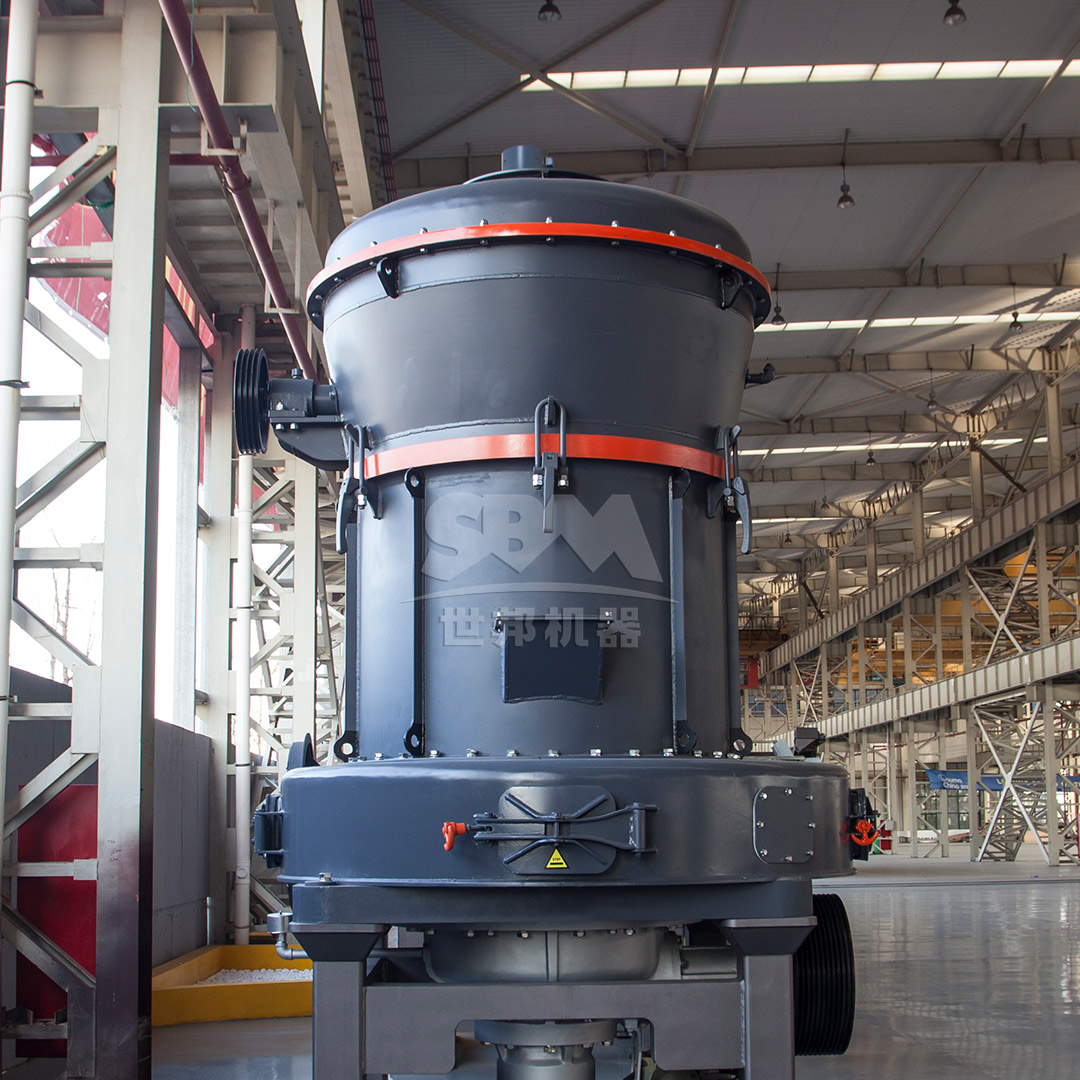
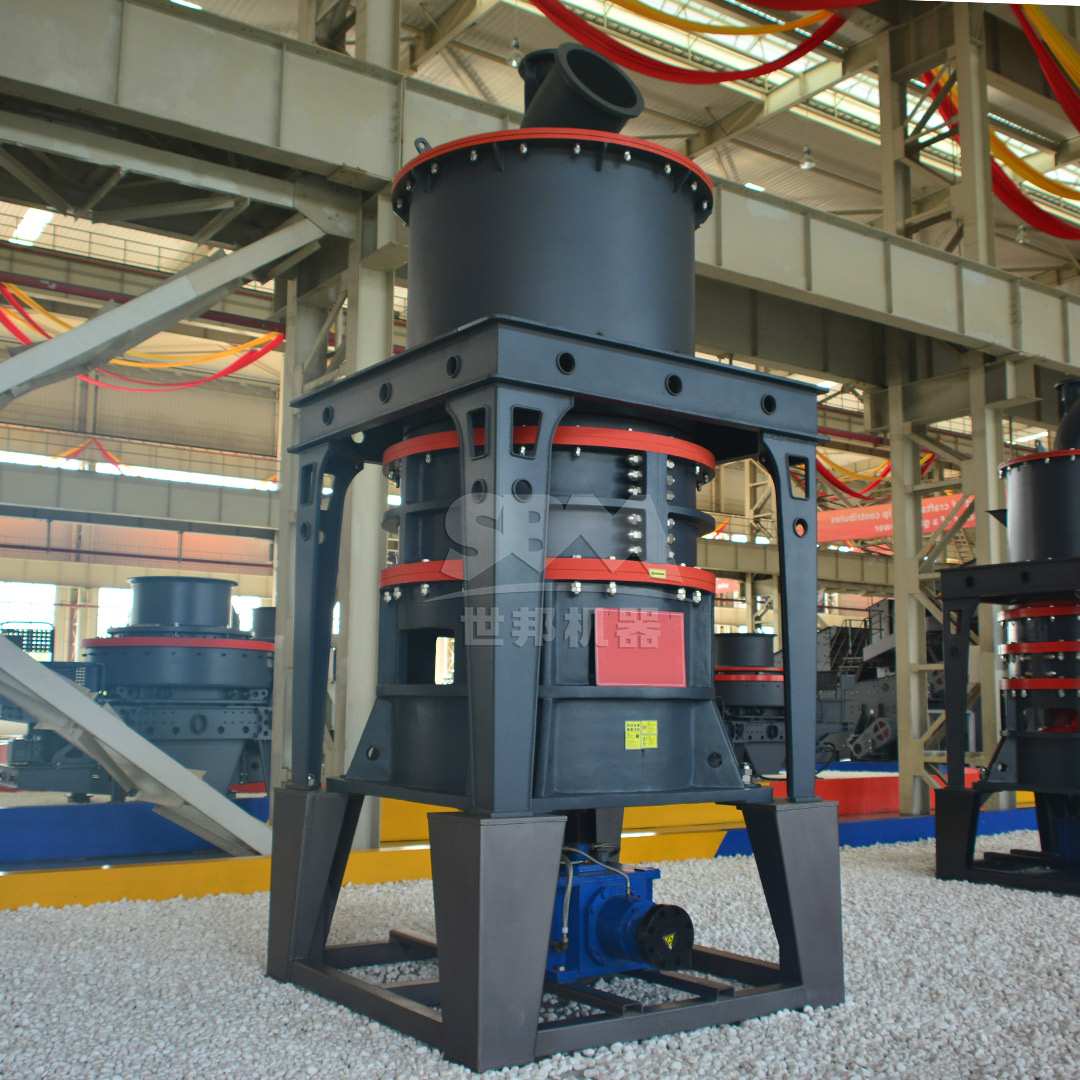
If your operation requires the flexibility to produce finer grades (e.g., 200, 325, or even 800 mesh) in addition to 80 mesh, or if you prioritize extremely uniform particle distribution, the SCM Series Ultrafine Mill is a superior choice. While exceptionally capable at 80 mesh, its true strength lies in producing powders from 325 to 2500 mesh.
Advantages of the SCM Mill for High-Quality Gypsum:
For a production line that may diversify its product portfolio into premium fine gypsum markets, integrating an SCM Ultrafine Mill provides unmatched versatility and product quality.
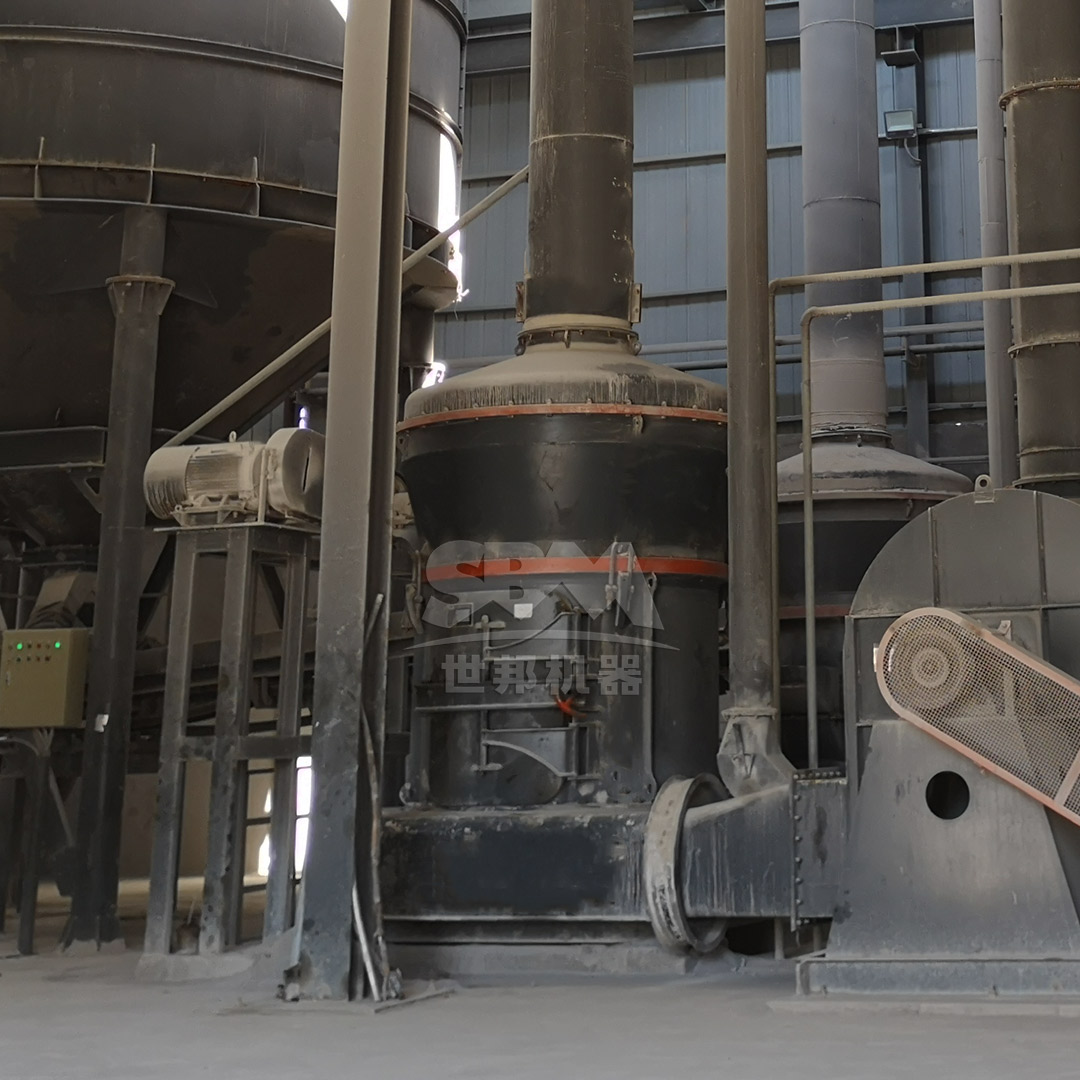
A successful production line depends on more than just the main mill. Key supporting systems include:
To maximize the efficiency of your 80 mesh gypsum line, consider these points:
Building an efficient 80 mesh gypsum powder production line requires careful planning and equipment selection. The MTW Series European Trapezium Mill emerges as the most robust and efficient core grinder specifically designed for this application range, offering an ideal blend of productivity, energy savings, and low maintenance. For producers aiming at the highest product uniformity or future expansion into ultra-fine markets, the SCM Series Ultrafine Mill presents a powerful and flexible alternative. By integrating these core machines with well-designed crushing, drying, and dust collection systems, operators can establish a competitive, reliable, and profitable gypsum powder production operation.