Producing high-quality gypsum powder, particularly at demanding fineness levels such as 300 mesh (approximately 45-50μm), requires a carefully planned and precisely executed production line. The selection of appropriate equipment is paramount to achieving consistent product quality, optimal energy efficiency, and long-term operational reliability. This guide provides a comprehensive overview of the key stages in a modern 300-mesh gypsum powder production line and offers expert recommendations for core grinding equipment.
A complete gypsum powder production line typically consists of several interconnected stages:
| Process Stage | Key Equipment | Primary Function |
|---|---|---|
| Primary Crushing | Jaw Crusher, Hammer Mill | Reduce raw gypsum to ≤50mm |
| Drying | Rotary Dryer | Reduce moisture to <1% |
| Fine Grinding | Grinding Mill (e.g., Ultrafine Mill, Vertical Mill) | Achieve target fineness (300 mesh) |
| Classification | Integrated or Independent Classifier | Separate oversize for re-grinding |
| Dust Collection | Pulse Bag Filter, Cyclone Collector | Collect product, ensure clean emission |
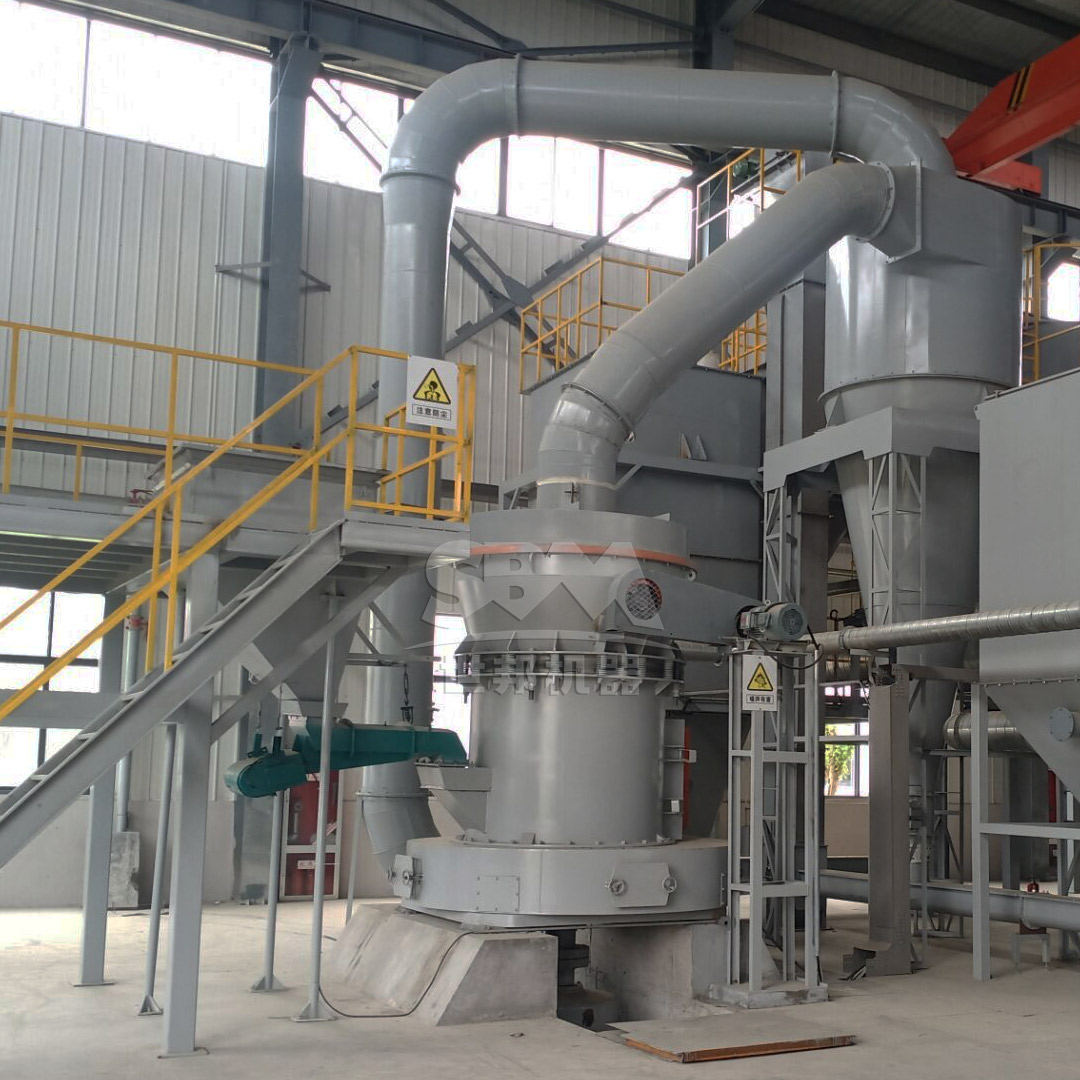
The choice of grinding mill is the most critical decision, directly impacting product quality, output, and operational cost. For 300-mesh gypsum production, several mill types are applicable, each with its own advantages.
For modern, efficient 300-mesh gypsum production, Vertical Roller Mills (VRMs) and specialized Ultrafine Mills are highly recommended over traditional ball mills. They offer superior energy efficiency, better drying capability (if integrated), and more precise particle size control.
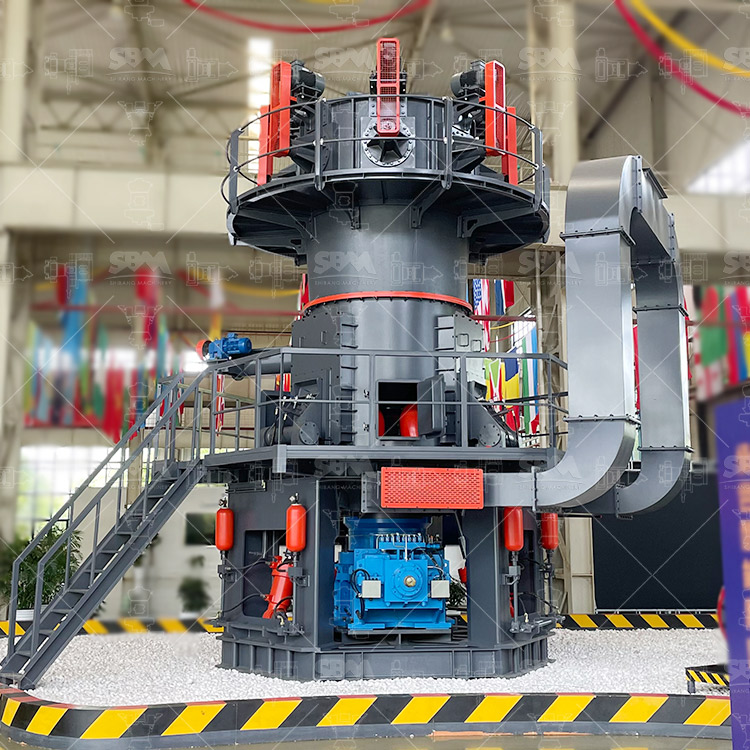
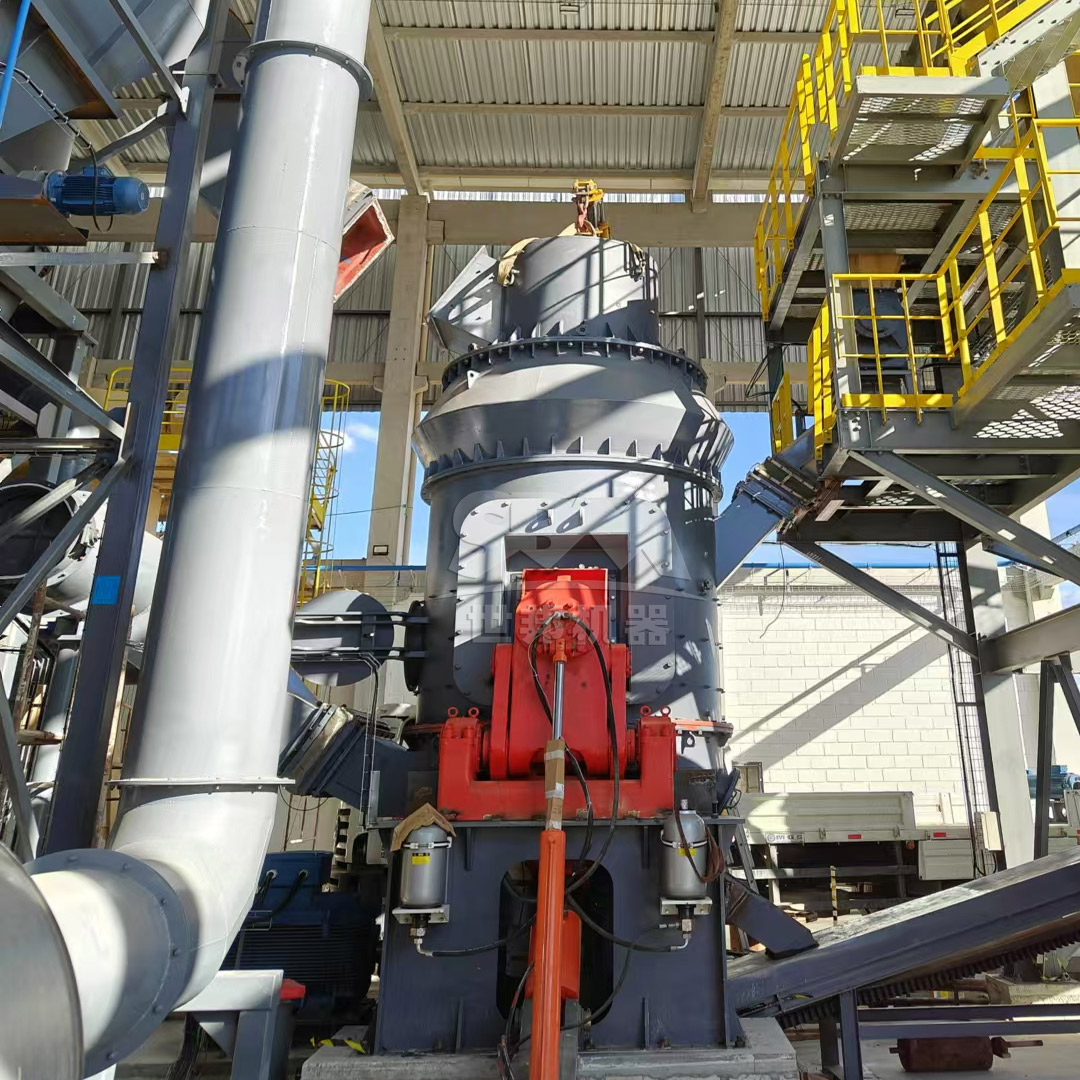
Based on the specific requirement for 300-mesh fineness, combined with the need for efficiency and reliability, we highly recommend our LM Series Vertical Roller Mill as the optimal core grinding solution for many gypsum powder projects.
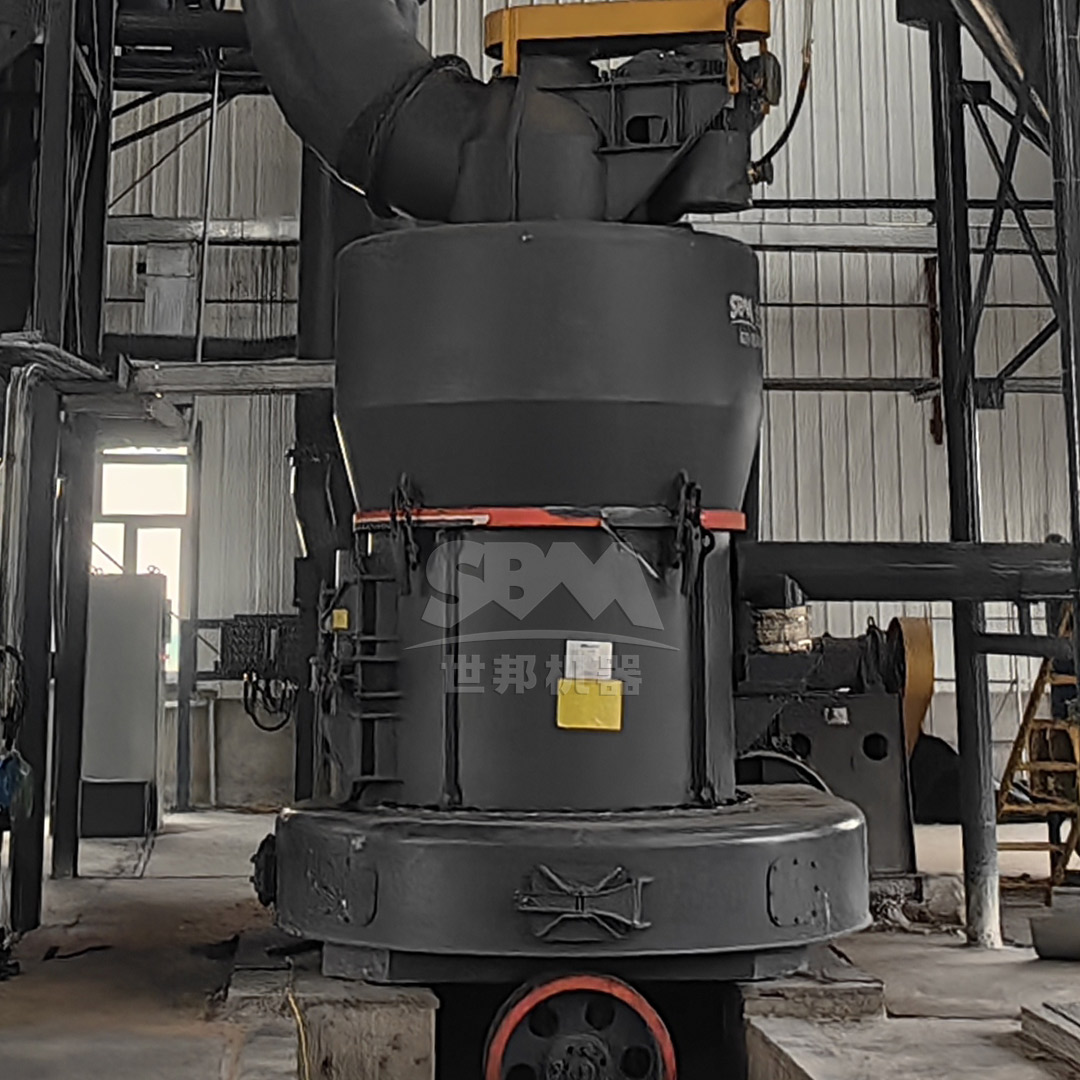
The LM Vertical Roller Mill is engineered for medium to fine grinding applications. Its integrated design combines crushing, grinding, drying (with hot air), classification, and conveying into a single unit. For 300-mesh gypsum (approximately 45μm), which falls perfectly within its output range of 30-325 mesh (up to 600 mesh for special models), it delivers exceptional performance.
Core Advantages for Your Application:
| Model Example | Grinding Table Diameter | Capacity Range* (t/h) | Main Motor Power | Output Fineness |
|---|---|---|---|---|
| LM150K | Φ1500mm | 13 – 38 | 280 kW | 170-40μm (approx. 90-325 mesh) |
| LM190K | Φ1900mm | 23 – 68 | 500 kW | 170-40μm (approx. 90-325 mesh) |
*Capacity varies based on gypsum grindability, moisture, and target fineness.
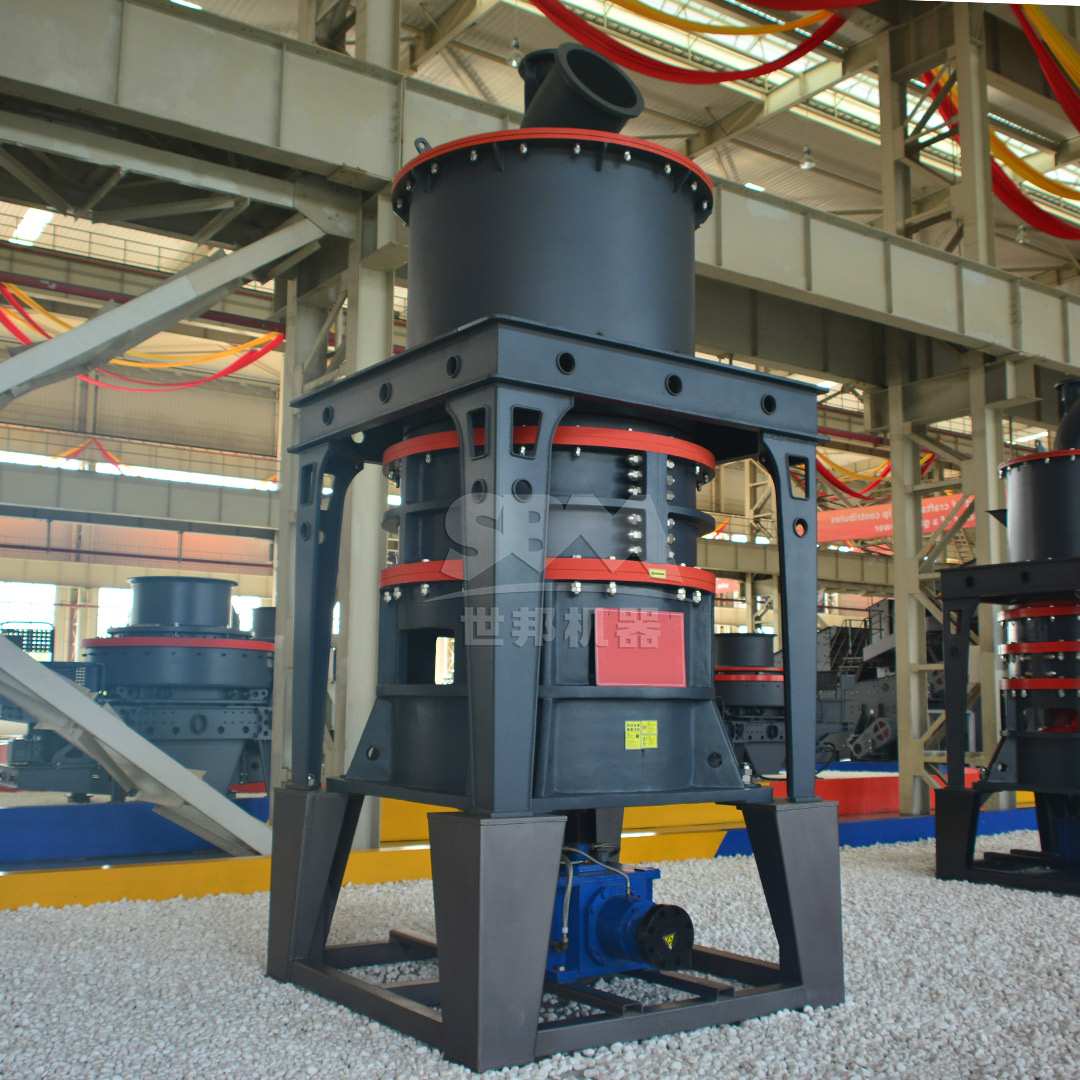
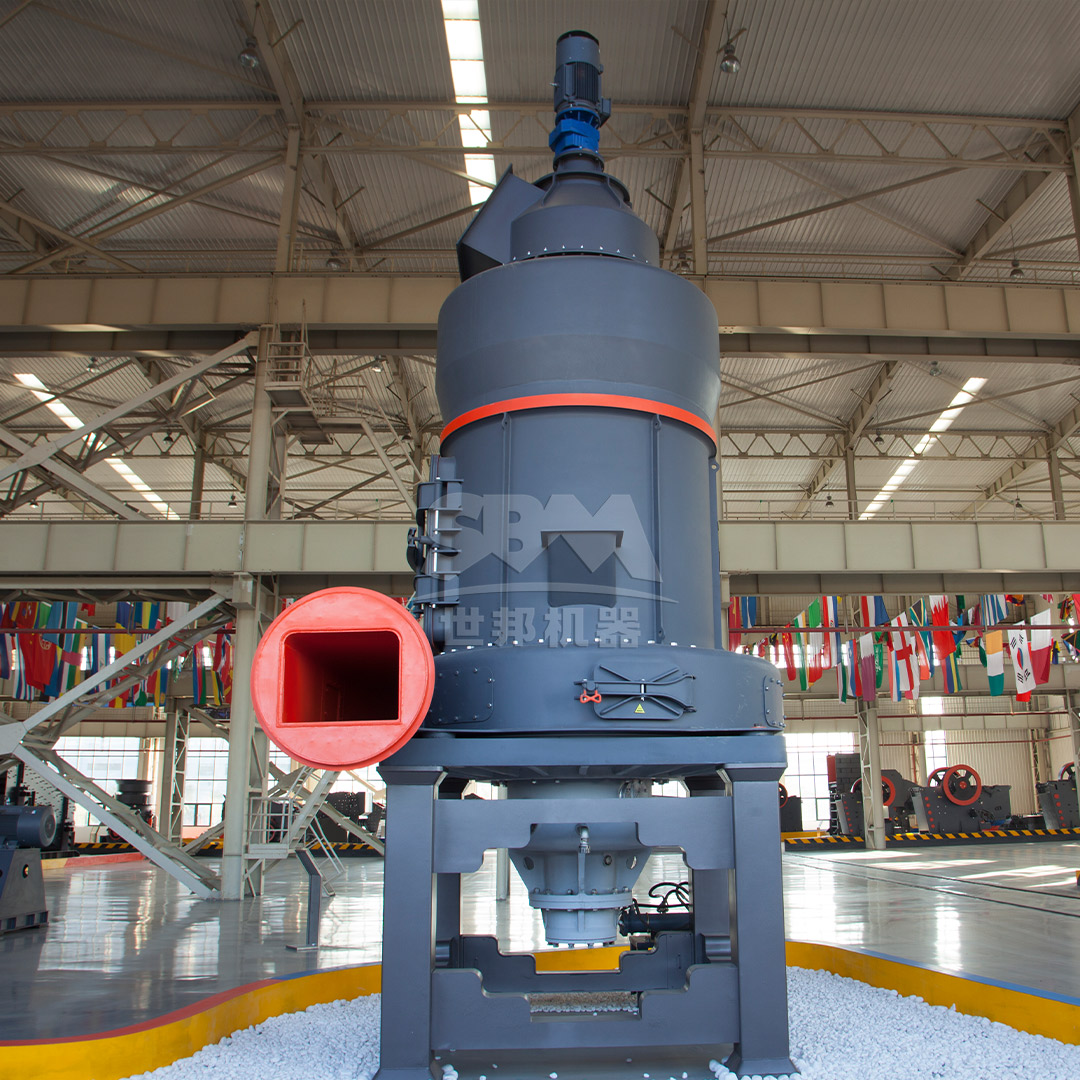
For producers targeting the very high end of the fineness spectrum or requiring the ability to produce even finer powders (up to 2500 mesh) from the same platform, our SCM Series Ultrafine Mill is an outstanding choice. While exceptionally capable at 300 mesh, it is specifically designed for the 325-2500 mesh range.
Its key strengths include: A vertical turbine classifier for extremely precise particle size separation, ensuring no coarse powder contamination. It also features high efficiency, with capacity reported to be twice that of some jet mills and energy consumption 30% lower. The special material rollers and rings offer exceptional durability for abrasive materials.
A successful production line depends on more than just the main mill. Key auxiliary systems include:
Establishing a profitable and reliable 300-mesh gypsum powder production line hinges on selecting technology that balances performance, cost, and quality. Vertical Roller Mill technology, exemplified by our LM Series, represents the industry benchmark for this application, offering unparalleled efficiency, compactness, and control. For operations prioritizing ultimate fineness flexibility, the SCM Ultrafine Mill provides a powerful alternative. Careful planning of the entire system—from raw material intake to product packaging—around a well-chosen core grinder is the definitive path to success in the competitive gypsum powder market.