The production of high-performance rubber products often relies on the incorporation of finely ground functional additives. Among these, gypsum (calcium sulfate) plays a crucial role as a filler, flame retardant, and processing aid. The efficacy of gypsum in rubber compounding is directly linked to its particle size, particle size distribution (PSD), and purity. Achieving the optimal physical and chemical characteristics requires advanced, reliable grinding technology. This article explores the critical role of grinding mills in processing gypsum for rubber applications and presents tailored solutions for various production scales and fineness requirements.
For gypsum to function effectively as a rubber additive, its particle size must be meticulously controlled. Ultra-fine gypsum powders (typically below 45μm or 325 mesh) offer several advantages:
Therefore, selecting the right grinding equipment is not merely a cost consideration but a strategic decision impacting final product quality and production efficiency.
When choosing a mill for gypsum additive production, several factors must be evaluated:
| Consideration | Description | Impact on Rubber Production |
|---|---|---|
| Target Fineness & PSD | The required final particle size range and distribution curve. | Determines additive performance, dispersion, and compound rheology. |
| Production Capacity | Tons per hour (TPH) required to meet compound batch or continuous line needs. | Directly affects supply chain and production planning. |
| Energy Efficiency | Power consumption per ton of finished product. | Major contributor to operational costs and environmental footprint. |
| System Integration & Footprint | Space requirements and ease of integration with feeding, classifying, and dust collection systems. | Affects plant layout and capital investment in auxiliary equipment. |
| Wear & Maintenance | Durability of grinding elements and ease of replacement. | Impacts operational uptime, maintenance costs, and product contamination risk. |
| Environmental Compliance | Dust emission control and noise levels. | Essential for meeting workplace safety and environmental regulations. |
Based on the desired output fineness and capacity, different grinding technologies are optimal. For the production of rubber-grade gypsum powders, two primary technological paths exist: fine grinding (30-325 mesh) and ultrafine grinding (325-2500 mesh).
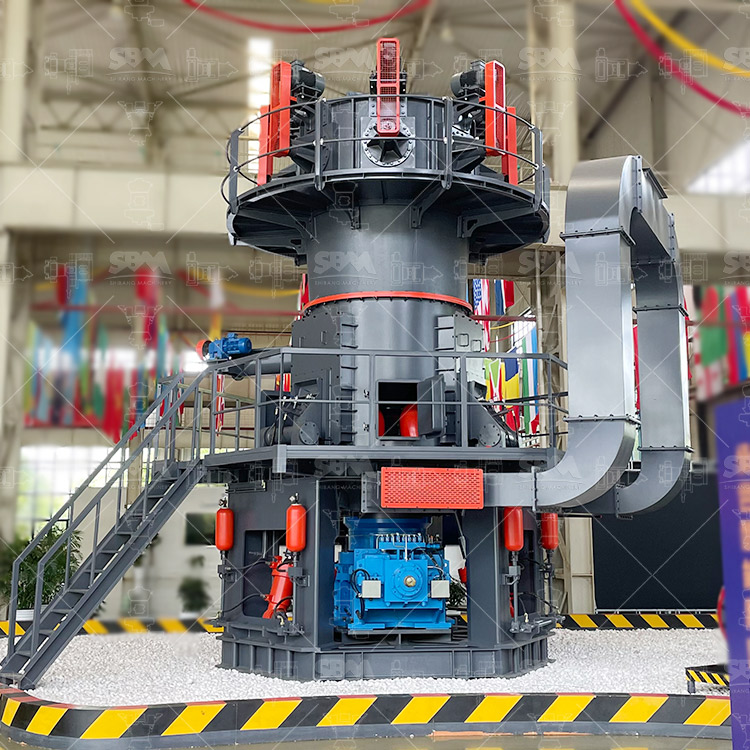
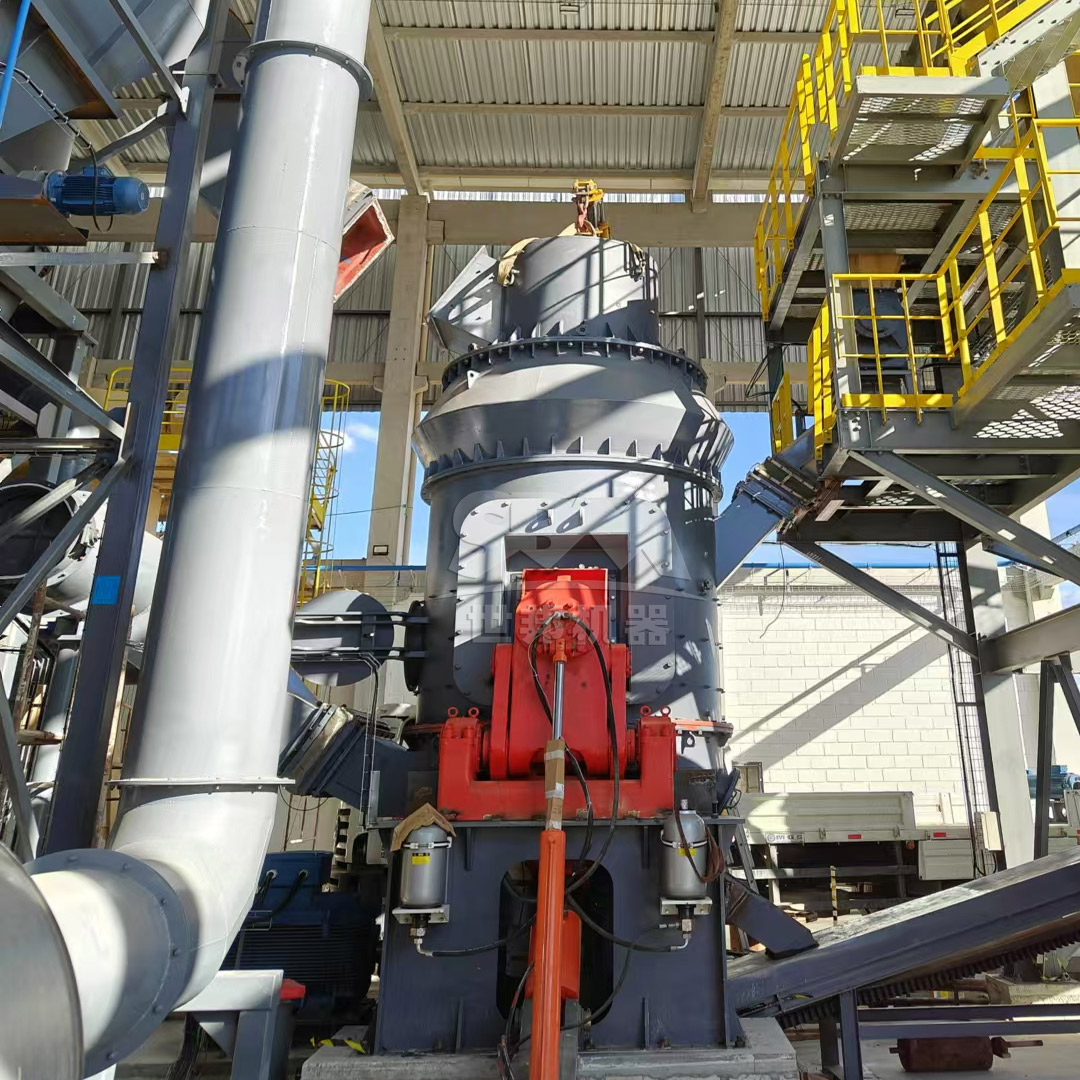
When the production focus is on large volumes of finely ground gypsum (e.g., for general-purpose filler applications), robust and efficient vertical roller mills or European-type trapezium mills are ideal.
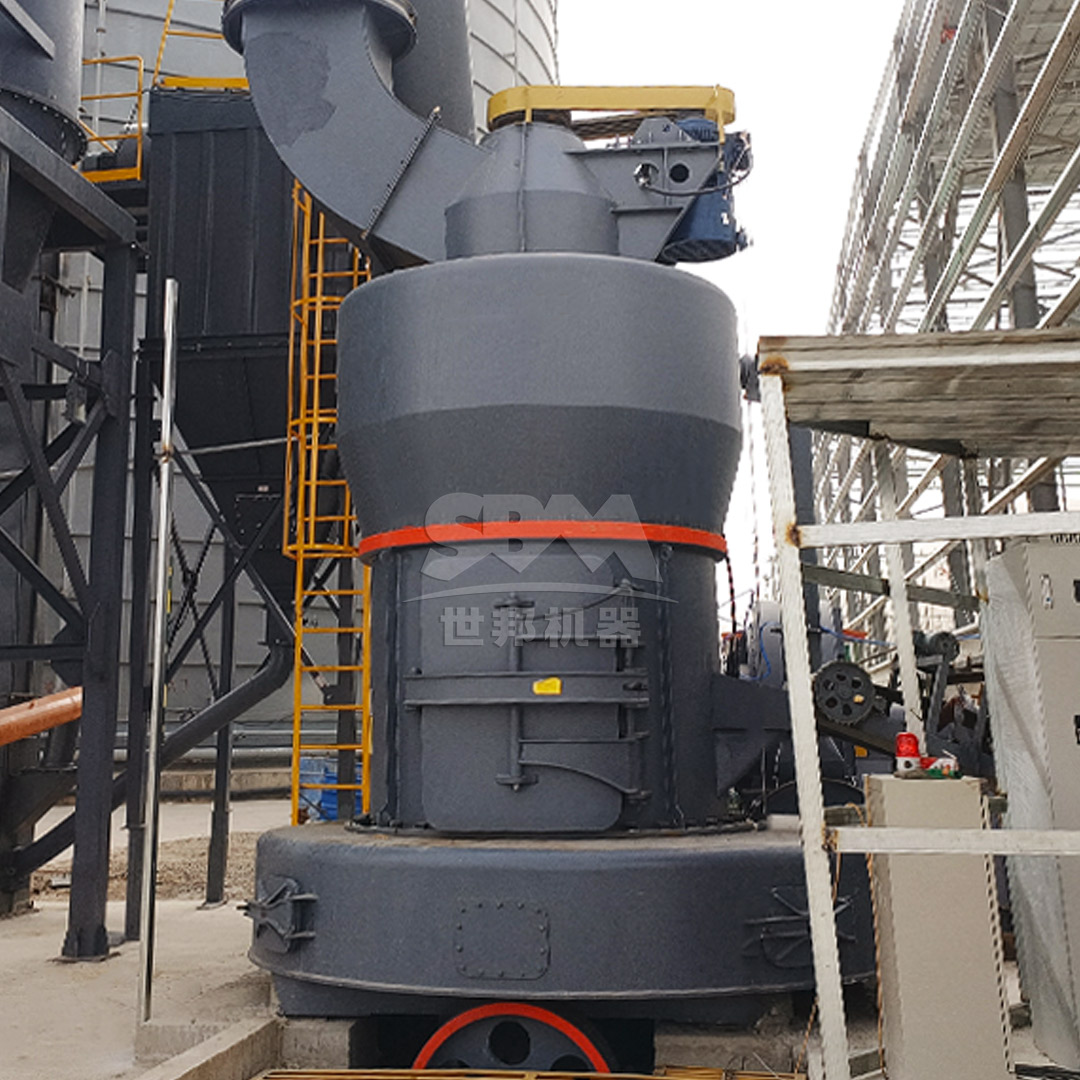
Recommended Product: MTW Series European Trapezium Mill
Our MTW Series Mill is engineered for high-efficiency, large-capacity fine grinding, perfectly suited for producing gypsum in the 30-325 mesh range for rubber compounding.
| Model Example | Capacity (t/h) | Output Fineness | Main Power (kW) | Ideal Application |
|---|---|---|---|---|
| MTW175G | 9.5 – 25 | 10-325 mesh | 160 | Dedicated line for high-volume rubber filler production. |
| MTW215G | 15 – 45 | 10-325 mesh | 280 | Centralized grinding plant supplying multiple rubber factories. |
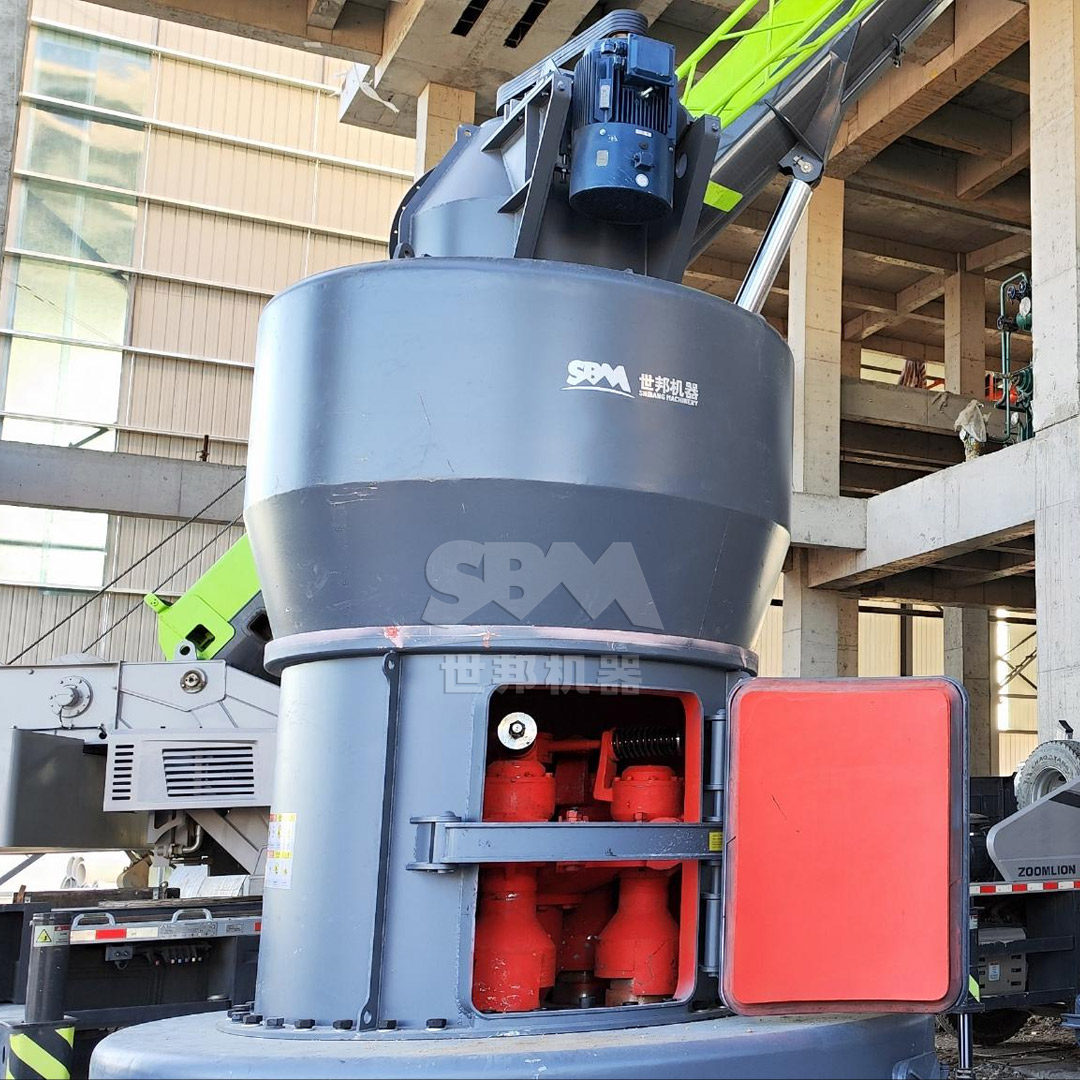
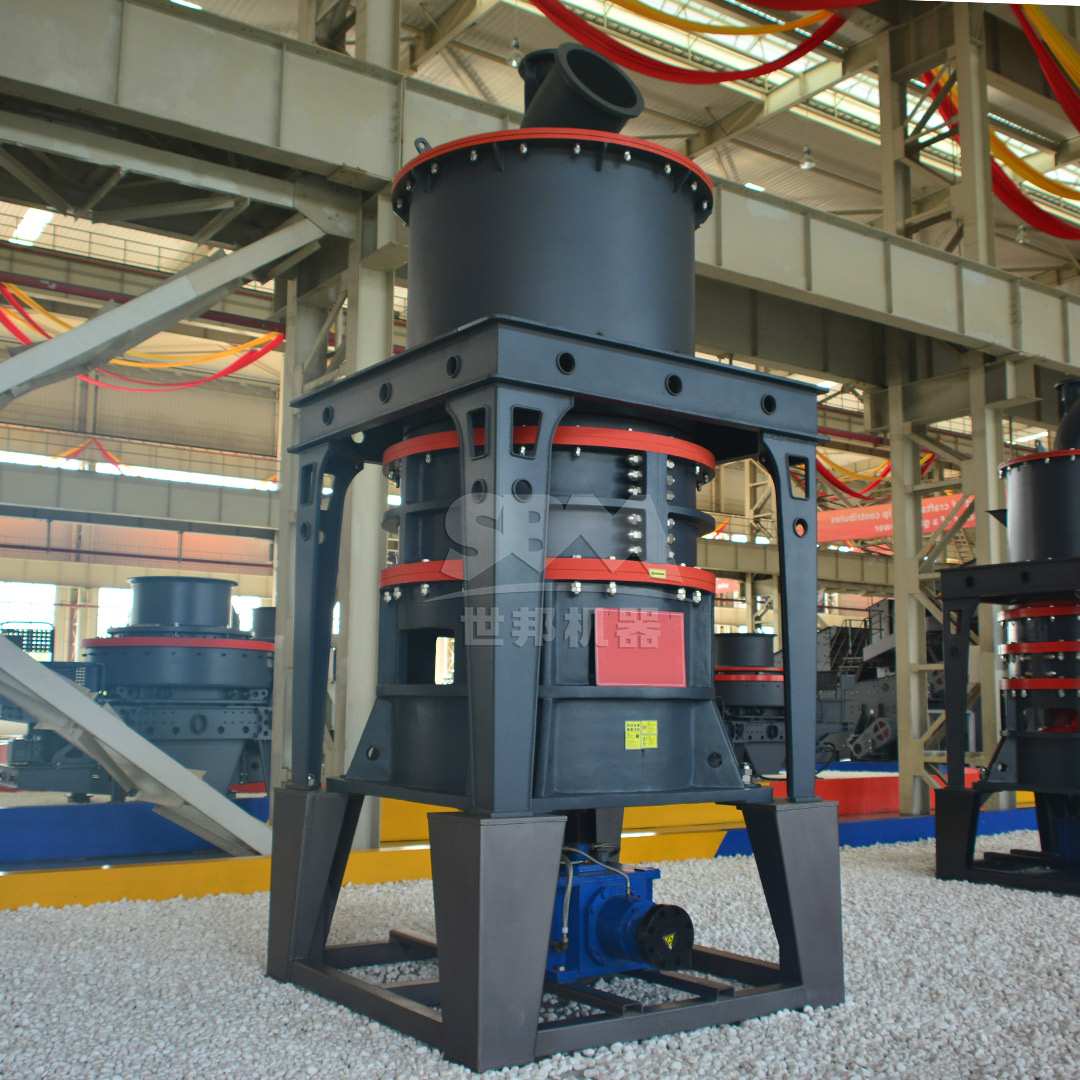
For advanced rubber compounds requiring ultra-fine gypsum to enhance specific properties like flame retardancy or to act as a semi-reinforcing filler, ultrafine grinding technology is mandatory.
Recommended Product: SCM Series Ultrafine Mill
Our SCM Series Ultrafine Mill is the benchmark for producing superfine powders, making it the perfect choice for high-value, rubber-grade gypsum additives.
| Model Example | Capacity (t/h) | Output Fineness | Main Power (kW) | Ideal Application |
|---|---|---|---|---|
| SCM1000 | 1.0 – 8.5 | 325-2500 mesh | 132 | Production of specialty flame-retardant or high-performance rubber compounds. |
| SCM1680 | 5.0 – 25 | 325-2500 mesh | 315 | Large-scale production of ultrafine gypsum for the tire industry or technical rubber goods. |
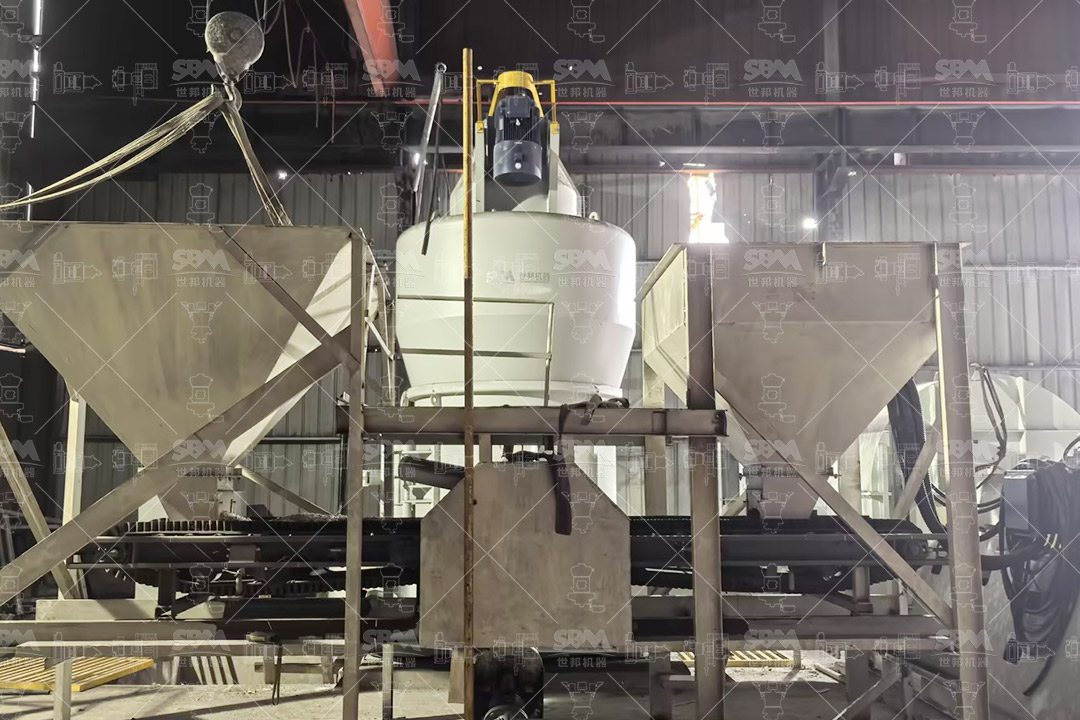
A successful grinding solution extends beyond the mill itself. A complete system includes:
Our solutions are provided as integrated systems, engineered to work harmoniously, maximizing throughput and product quality while minimizing footprint and operational complexity.
The transformation of raw gypsum into a high-performance rubber additive is a precision process dictated by advanced grinding technology. The choice between fine and ultrafine grinding solutions must align with the specific technical requirements of the rubber compound and the economic goals of the production facility. For robust, high-capacity fine grinding, the MTW Series European Trapezium Mill offers unparalleled efficiency and reliability. For producing premium ultrafine powders that unlock advanced rubber properties, the SCM Series Ultrafine Mill stands as the technology leader. By investing in the appropriate grinding solution, rubber product manufacturers can ensure a consistent, high-quality additive supply, leading to superior end products and a stronger competitive position in the market.