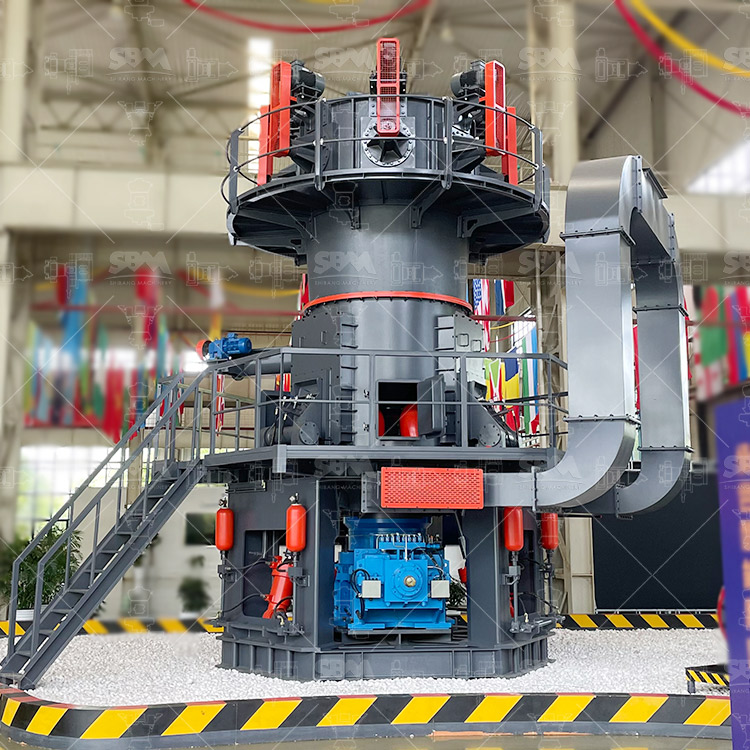
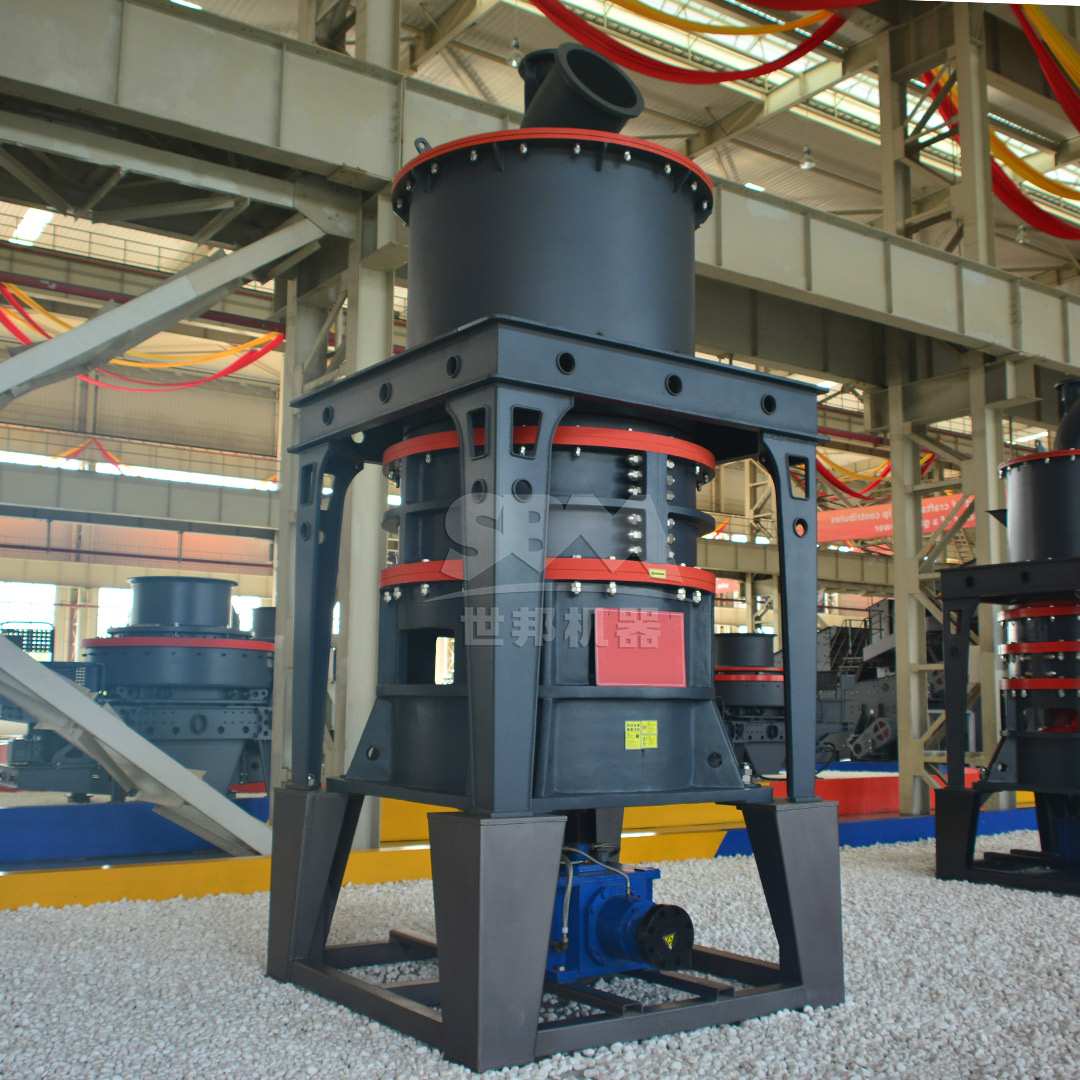
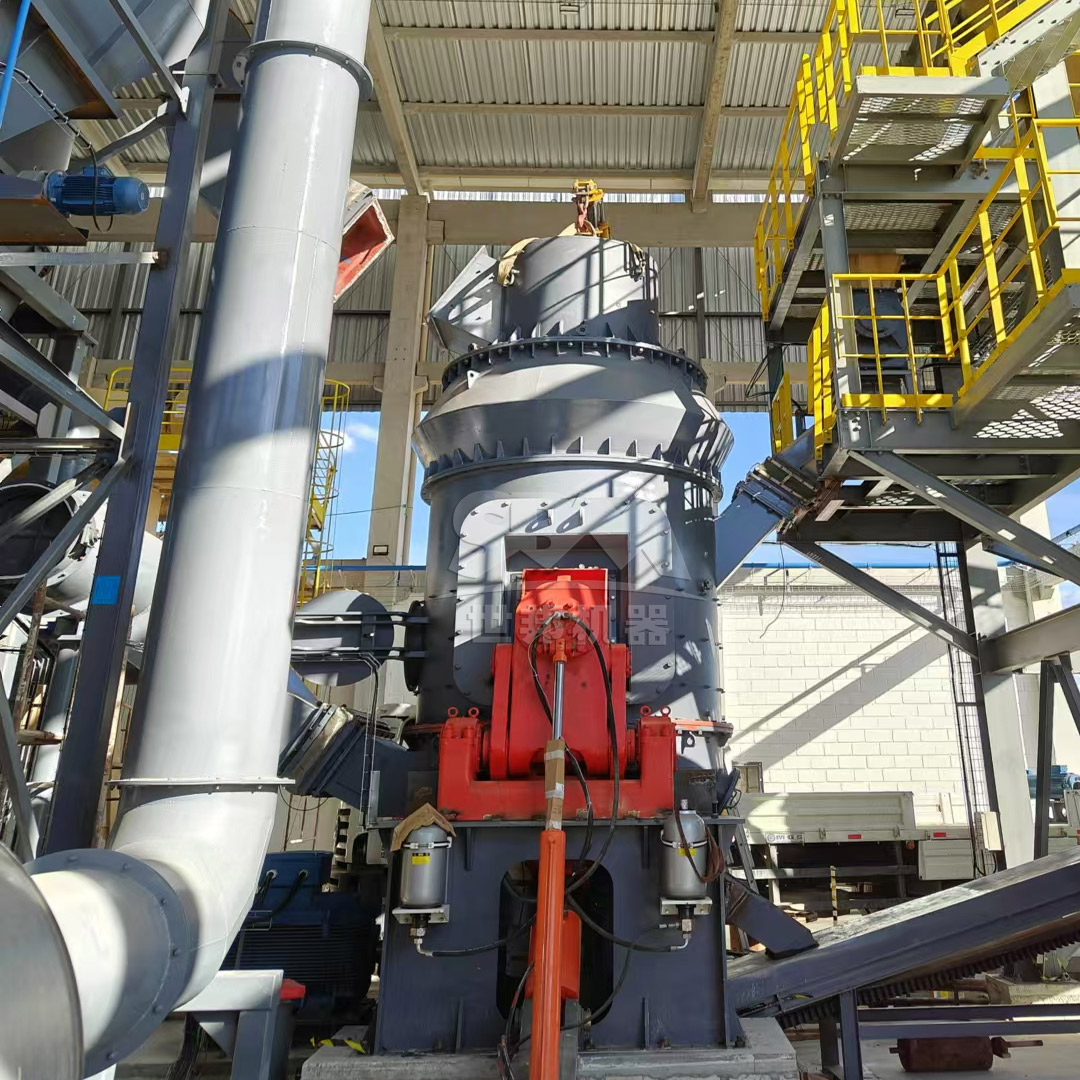
The paper industry is a cornerstone of modern communication and packaging, constantly evolving to meet demands for higher quality, improved sustainability, and cost efficiency. A critical component in this evolution is the use of functional additives, with gypsum (calcium sulfate) emerging as a vital material for both filler and coating applications. Gypsum additives enhance paper’s brightness, opacity, smoothness, and printability. However, the efficacy of gypsum is intrinsically linked to its particle size distribution, fineness, and purity. This is where advanced grinding technology becomes paramount. A specialized production line for papermaking gypsum requires precise, efficient, and reliable milling equipment to transform raw gypsum into a high-performance powder. This article explores the technical requirements for such a production line and highlights key grinding solutions.
Gypsum serves two primary functions in paper manufacturing:
As a filler, finely ground gypsum is incorporated into the paper pulp. It fills the voids between cellulose fibers, leading to a smoother, more opaque, and brighter sheet. This reduces the need for expensive wood pulp and improves the paper’s formation and print reception. The ideal filler grade gypsum typically requires a fineness ranging from 325 mesh (45μm) to 800 mesh (18μm), with a narrow particle size distribution to ensure uniform properties.
For premium paper grades, a coating layer is applied to the surface. Gypsum is a key pigment in coating formulations, often used alongside kaolin and calcium carbonate. Coating-grade gypsum demands ultra-fine particles, often in the range of 1250 mesh (10μm) to 2500 mesh (5μm). This extreme fineness ensures a exceptionally smooth, glossy, and ink-receptive surface, crucial for high-quality printing.
| Application | Target Fineness Range | Key Property Requirements |
|---|---|---|
| Filler | 325 – 800 mesh (45 – 18μm) | High Brightness, Good Opacity, Narrow PSD |
| Coating | 1250 – 2500 mesh (10 – 5μm) | Ultra-fine Particle Size, High Purity, Excellent Dispersion |
Producing gypsum powder for paper applications presents distinct challenges that milling equipment must overcome:
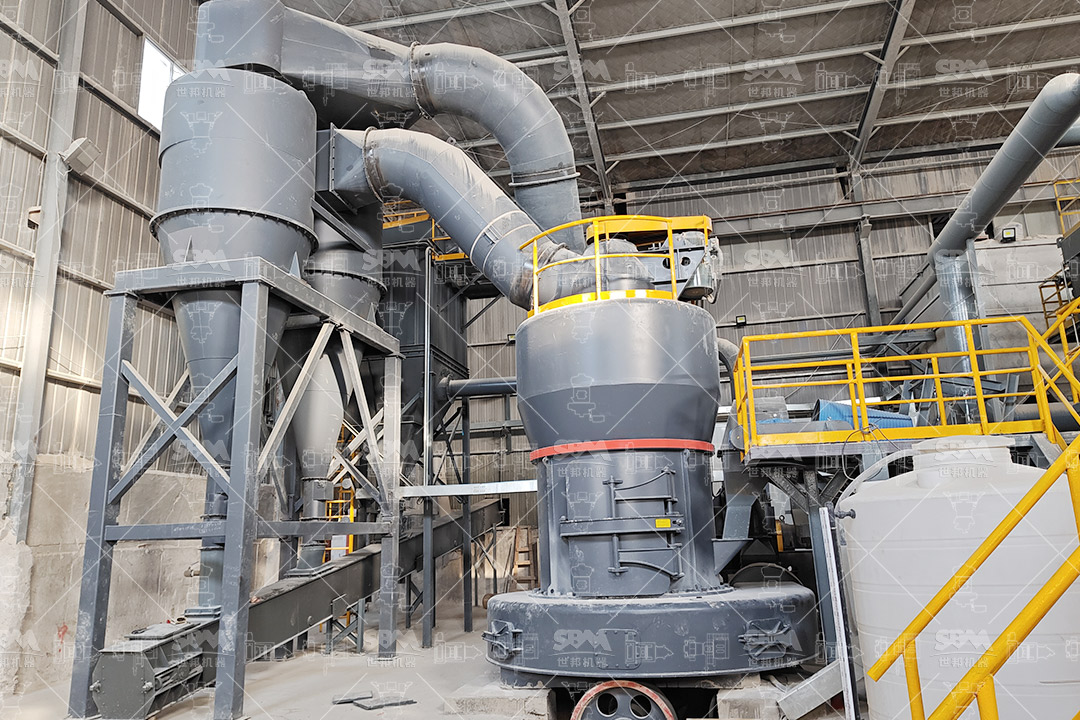
Selecting the right grinding mill is the heart of the production line. Different stages or product specifications may call for different technologies. Two highly effective solutions for paper-grade gypsum are highlighted below.
For the production of filler-grade gypsum (30-325 mesh), where high capacity and operational economy are critical, the MTW Series European Trapezium Mill is an outstanding choice. This mill is engineered for robust, large-scale processing of non-metallic minerals like gypsum.
Its anti-wear shovel design and curved grinding roller technology significantly extend the life of wear parts, reducing maintenance frequency and cost—a vital factor for continuous paper mill operations. The integral bevel gear drive achieves a remarkable 98% transmission efficiency, translating directly into lower energy consumption. Furthermore, its optimized arc air duct and internal classification system ensure efficient grinding and precise control over the final product’s top cut, preventing coarse particles from contaminating the filler. With capacities ranging from 3 to 45 tons per hour, the MTW series can easily support the raw material needs of major paper production facilities.
| Model Example | Capacity (t/h) | Output Fineness | Main Power (kW) | Suitability |
|---|---|---|---|---|
| MTW175G | 9.5 – 25 | 10 – 325 mesh | 160 | Large-scale filler production |
| MTW215G | 15 – 45 | 10 – 325 mesh | 280 | Very high-volume filler plant |
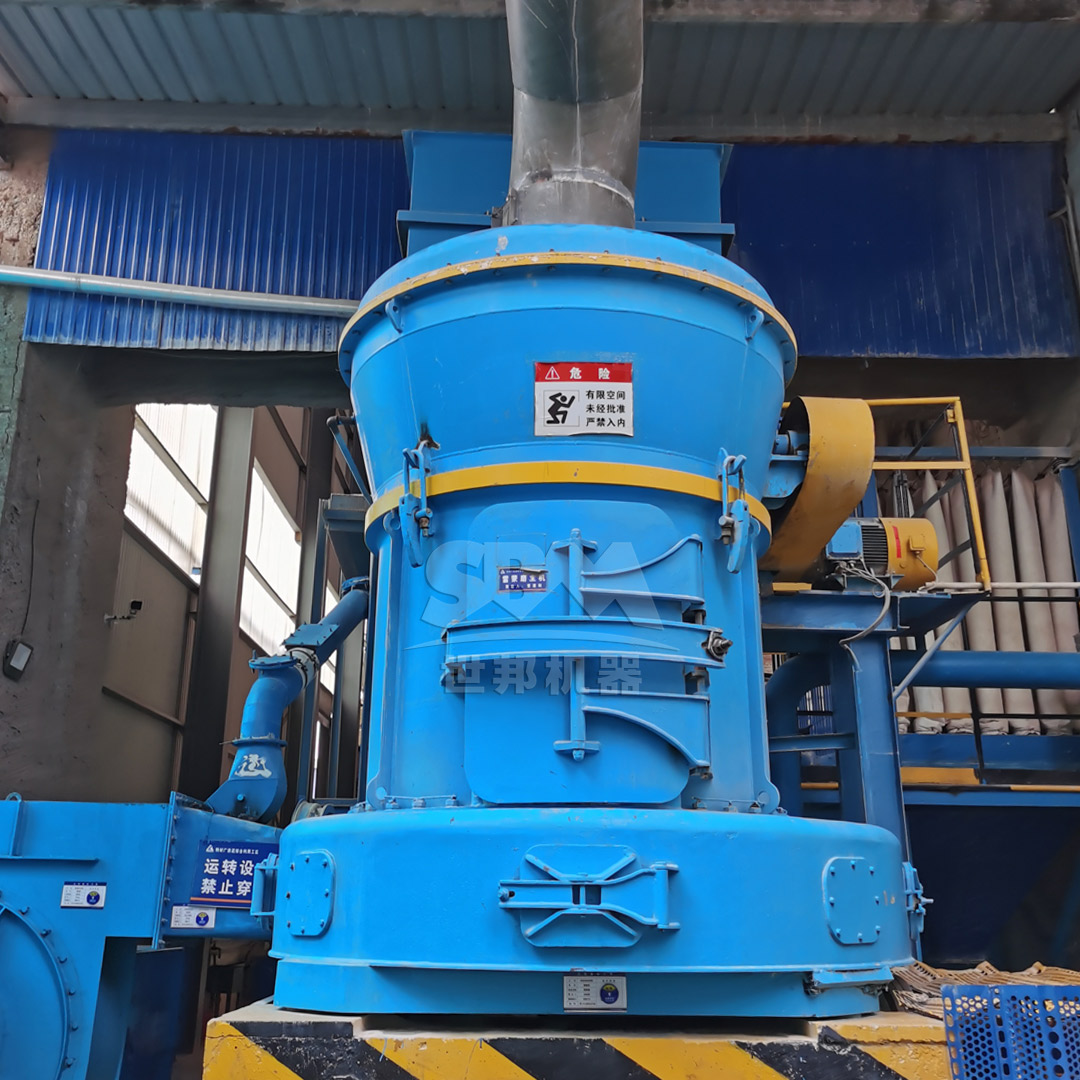
When the production target shifts to the ultra-fine powders required for paper coatings (325-2500 mesh), the technology demands intensify. For this application, we strongly recommend our flagship SCM Series Ultrafine Mill. This mill is specifically designed to produce micron and sub-micron powders with exceptional efficiency and uniformity.
The SCM mill’s core advantage lies in its high-precision vertical turbine classifier. This system allows for precise particle size “cutting,” ensuring the finished product has a very narrow distribution with no coarse powder mixing—a critical requirement for a flawless coating layer. Its grinding mechanism, utilizing special material rollers and rings, operates with high efficiency, offering twice the capacity of traditional jet mills while consuming 30% less energy. For paper coating plants, this means lower operational costs and a superior product. The fully enclosed system with pulse dust collection ensures an environmentally clean process, protecting both the product quality and the workplace.
| Model Example | Capacity (t/h) | Output Fineness | Main Power (kW) | Suitability |
|---|---|---|---|---|
| SCM1000 | 1.0 – 8.5 | 325 – 2500 mesh | 132 | Medium-scale coating pigment production |
| SCM1680 | 5.0 – 25 | 325 – 2500 mesh | 315 | Large-scale, high-output coating gypsum plant |
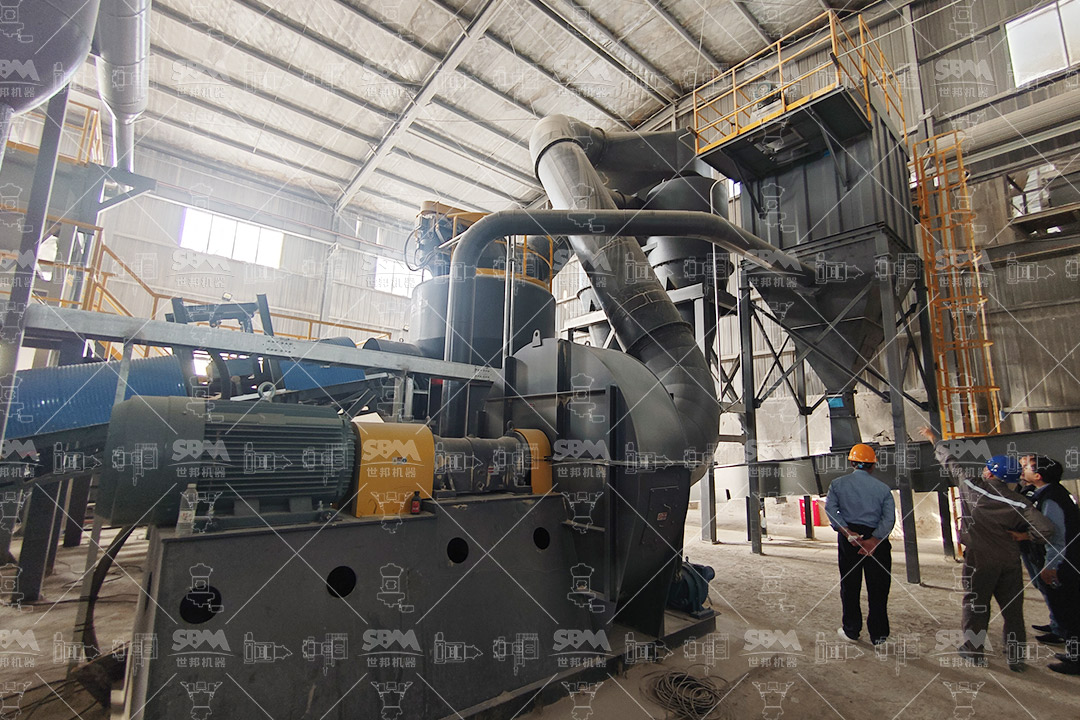
A successful papermaking gypsum additive line involves more than just the mill. A holistic system design is crucial:
The transition towards higher-value paper products necessitates the use of high-performance additives like gypsum. The quality of this gypsum is fundamentally determined by the grinding technology employed. By implementing a production line centered on advanced mills like the MTW Series European Trapezium Mill for high-volume filler production and the SCM Series Ultrafine Mill