Barite (barium sulfate) is a critical industrial mineral widely used in oil and gas drilling fluids, paints, plastics, rubber, and pharmaceuticals. Producing high-quality barite powder, especially at the widely demanded 325 mesh (approximately 44 microns) fineness, requires precise and efficient grinding equipment. The choice of mill directly impacts product quality, production cost, operational stability, and environmental compliance. This guide provides a comprehensive framework for selecting the optimal grinding system for your 325 mesh barite powder production line.
Selecting equipment is not just about achieving the target fineness. A holistic evaluation based on the following criteria is essential for long-term profitability.
Several types of grinding mills can achieve 325 mesh. Their suitability varies based on the criteria above.
| Mill Type | Typical Fineness Range | Key Advantages for Barite | Considerations for 325 Mesh |
|---|---|---|---|
| Raymond Mill (MTW Series) | 30-325 mesh | Mature technology, cost-effective, reliable, easy maintenance. | Ideal choice for dedicated 325 mesh production. Optimized for this range. |
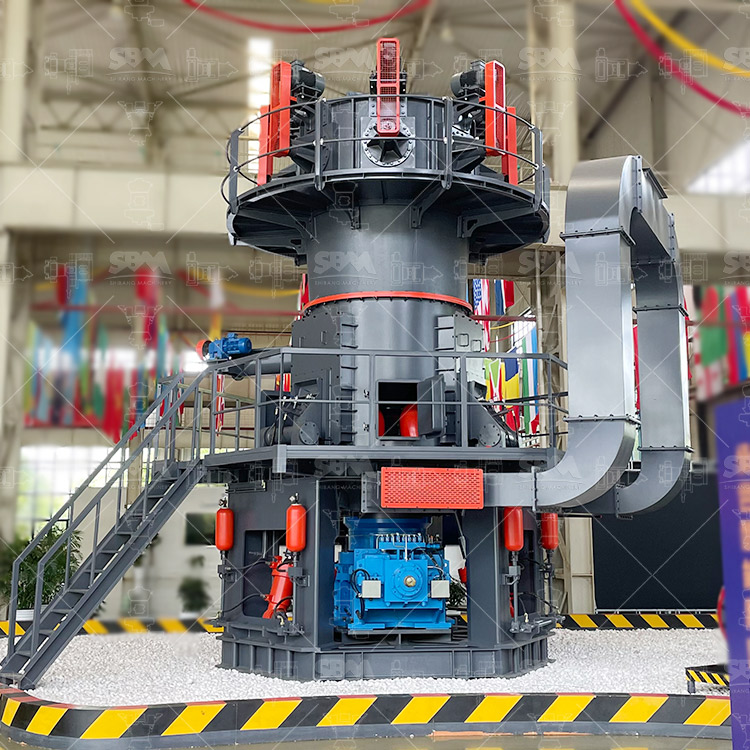
| Vertical Roller Mill (LM Series) | 30-325 mesh (up to 600 mesh) | High efficiency, low energy use, integrated drying/grinding, small footprint. | Excellent for medium to large capacity, offers future flexibility for finer grinding. |
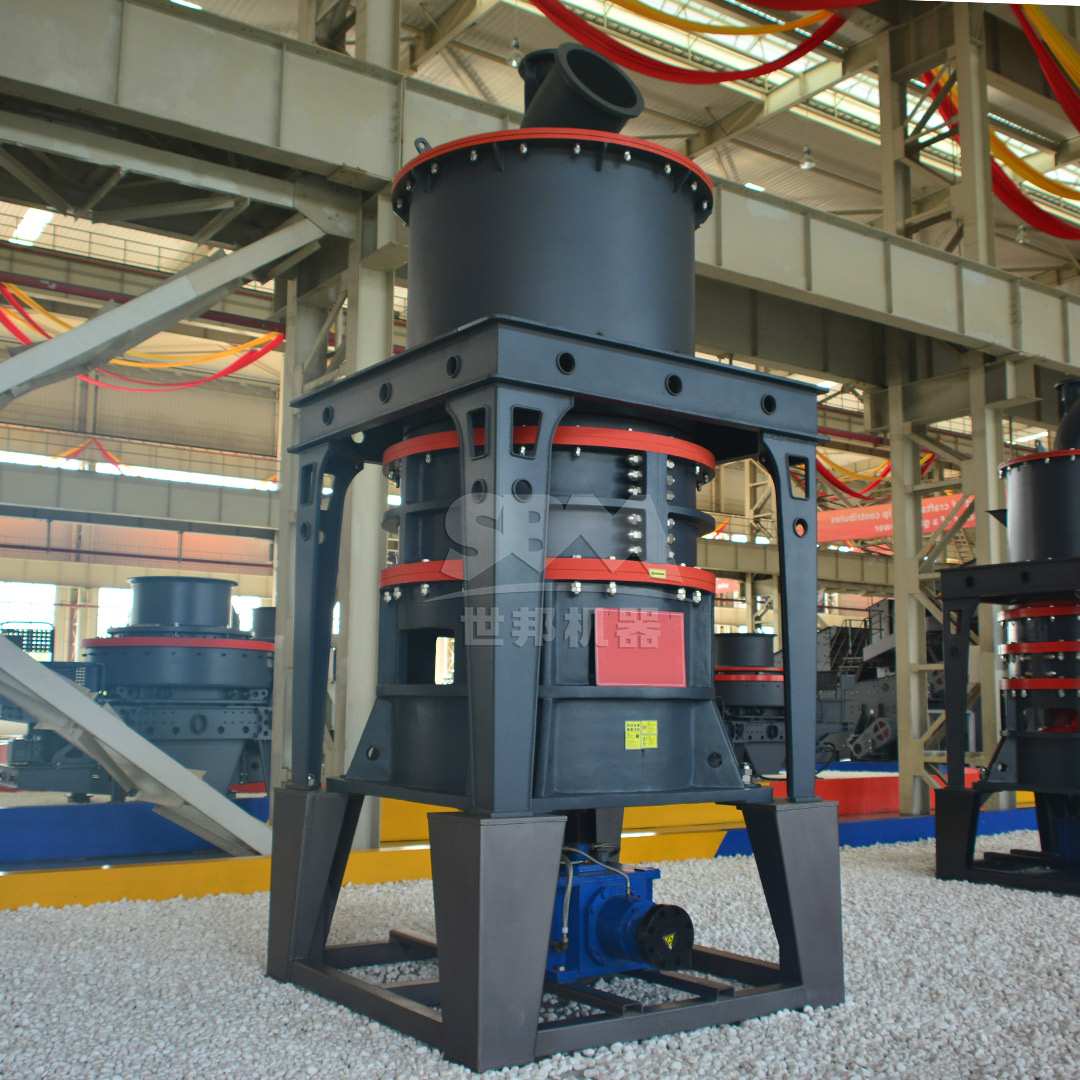
| Ultrafine Mill (SCM Series) | 325-2500 mesh | Exceptional for superfine grinding, high precision classification, uniform product. | Over-specified for just 325 mesh, but ideal if future ultra-fine production is planned. |
| Ball Mill | 0.074-0.8mm (~170-20 mesh) | High capacity, versatile, can be used for wet or dry grinding. | Less energy-efficient for 325 mesh dry grinding. Particle distribution may be wider. |
For most barite producers targeting 325 mesh as a primary product, the choice often narrows down to advanced versions of Raymond Mills or Vertical Roller Mills.
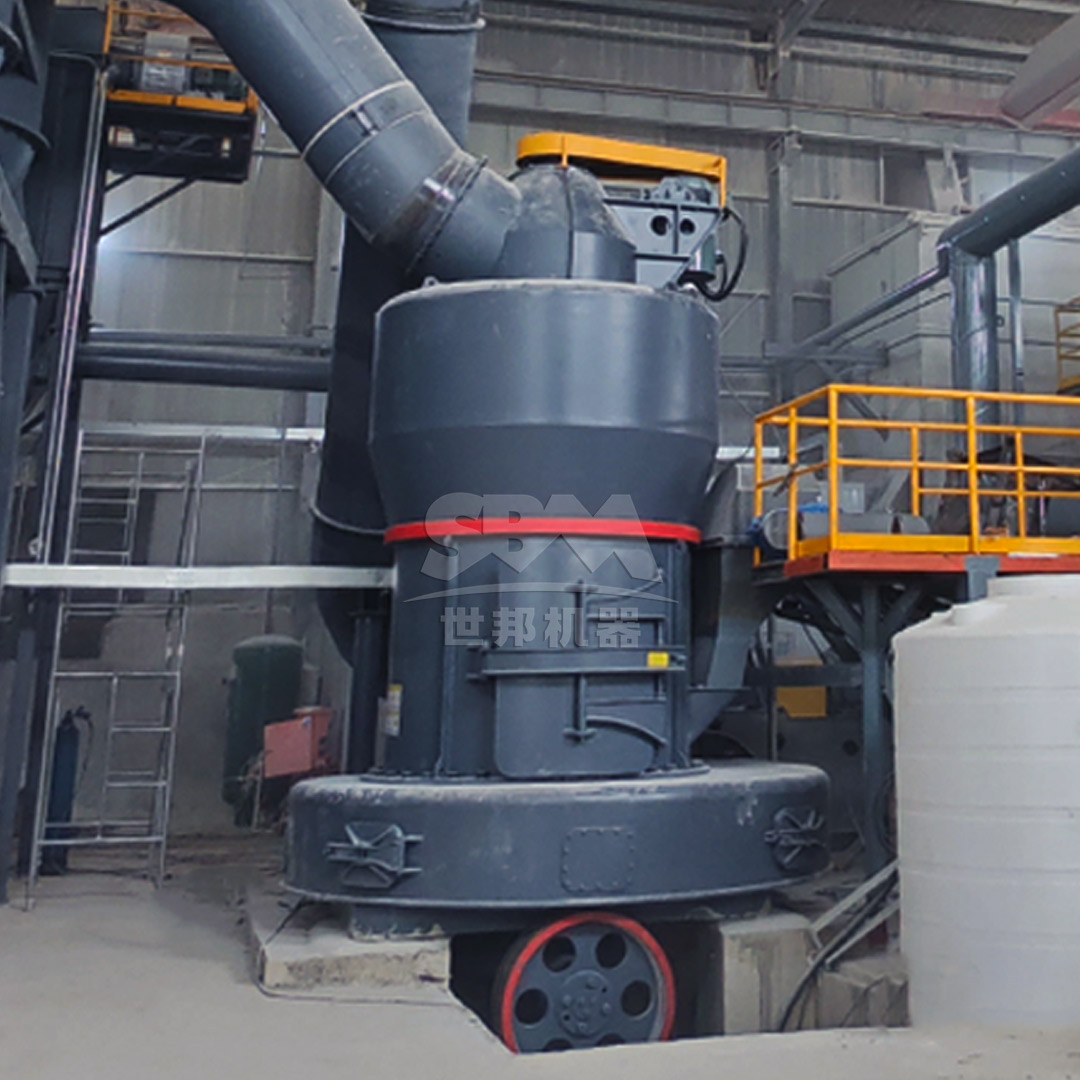
For dedicated, high-efficiency production of 325 mesh barite powder, the MTW Series European Trapezium Mill stands out as a premier choice. This mill is engineered as a significant advancement over traditional Raymond mills, specifically targeting the 30-325 mesh range with superior performance.
Why it excels for 325 mesh barite:
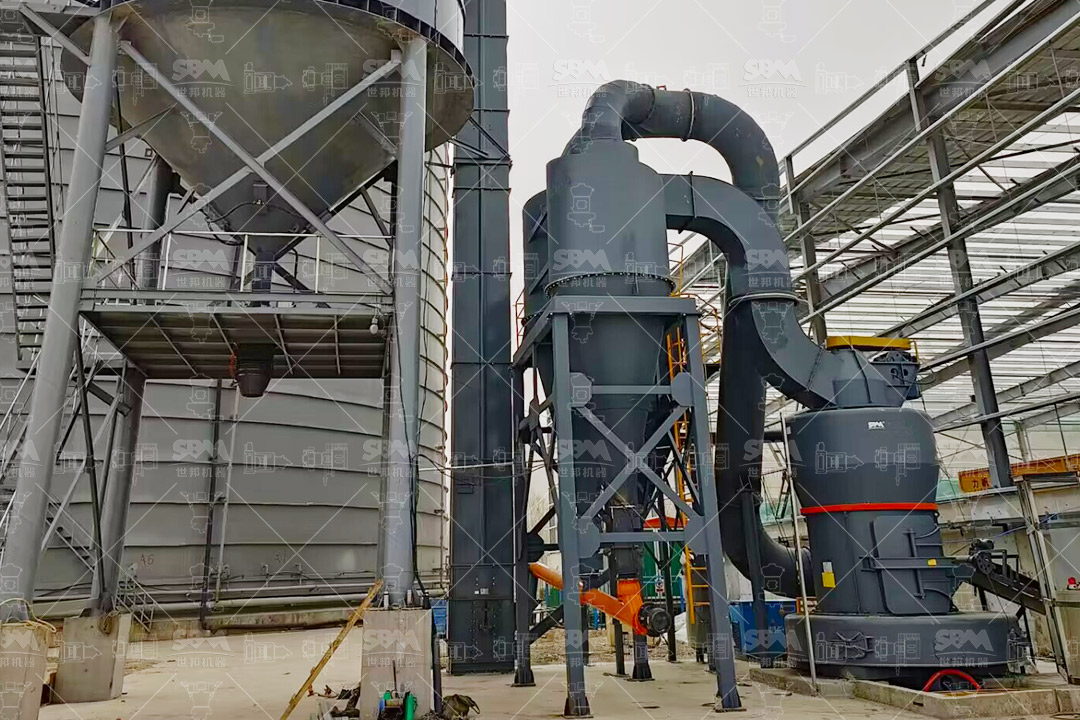
Model Selection Guidance: For a mid-capacity barite plant, the MTW138Z model is highly recommended. With a capacity range of 6-17 TPH and a main power of 90kW, it offers an excellent balance of output and energy usage. Its ability to handle feed sizes up to 35mm simplifies the preceding crushing circuit. The included classifier ensures precise control over the 325 mesh product.
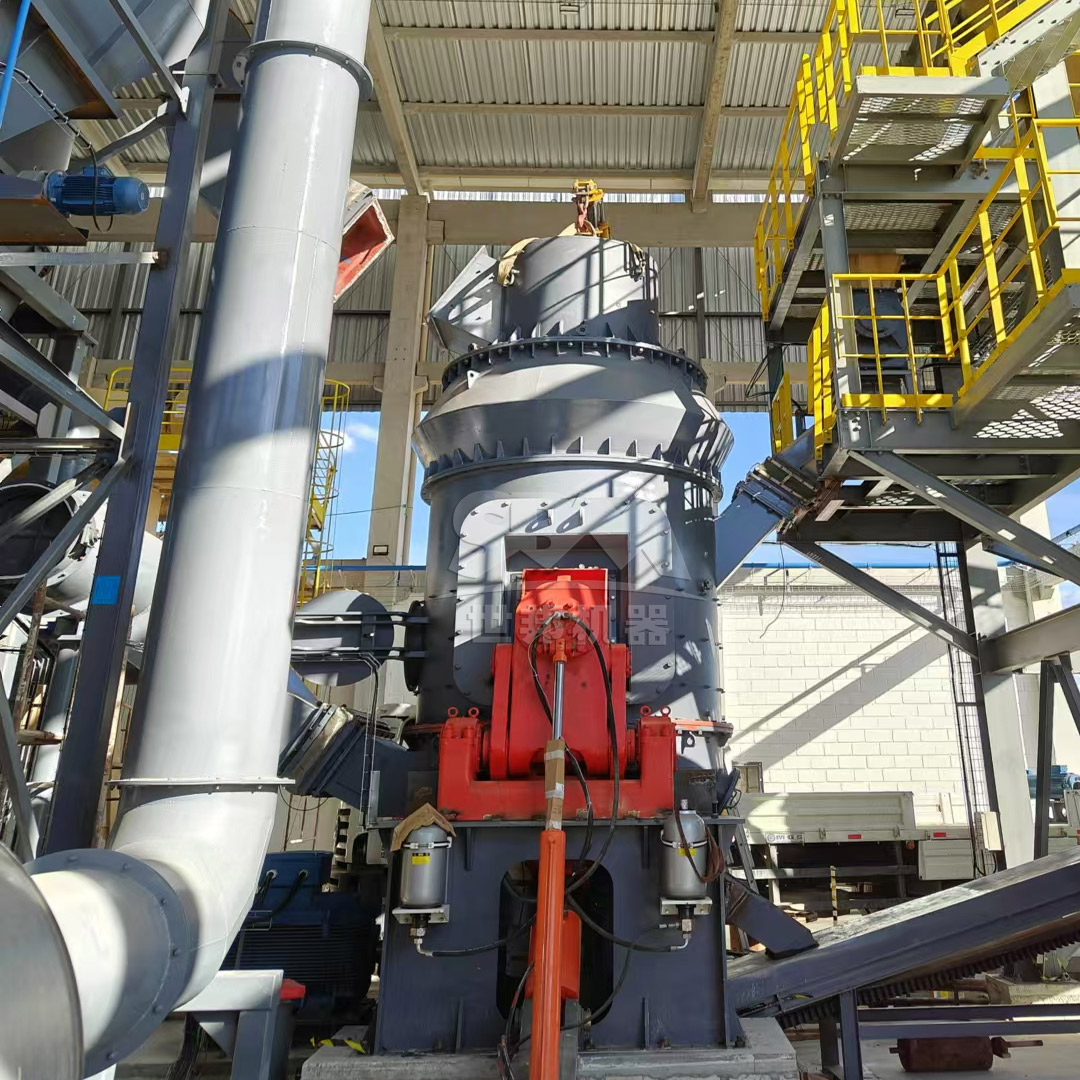
For large-scale barite powder production where capacity, energy savings, and future flexibility are paramount, the LM Series Vertical Roller Mill presents a compelling solution.
Key advantages for large barite projects:
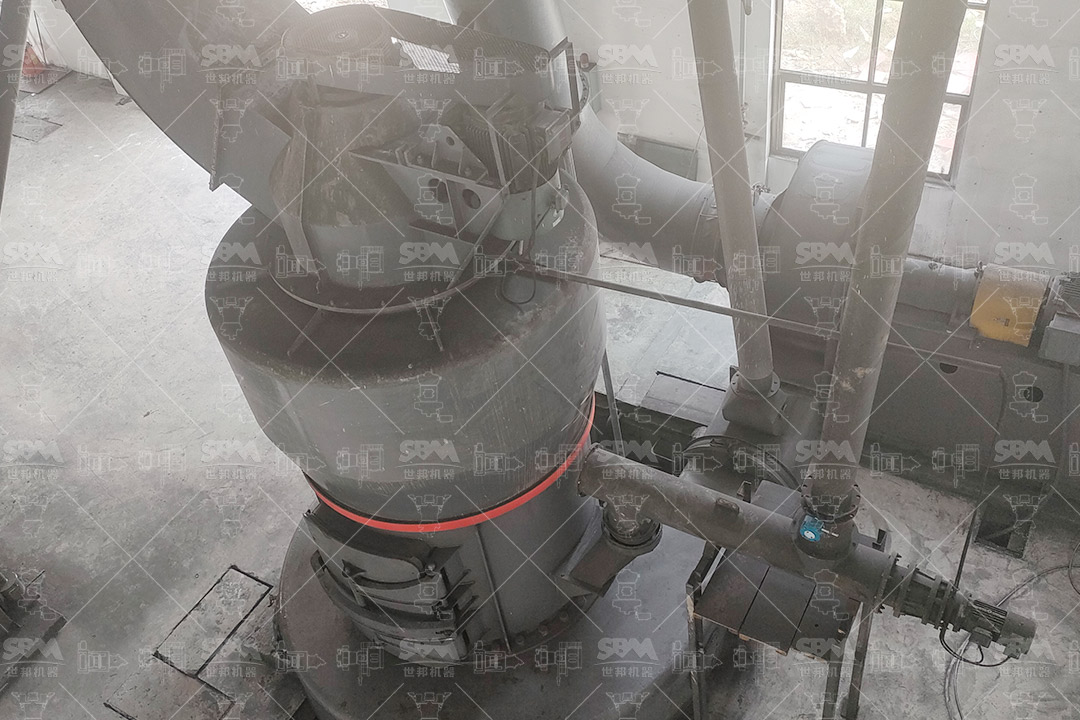
Model Selection Guidance: For a large-scale barite grinding facility, the LM190K Vertical Roller Mill is a robust choice. With a capacity of 23-68 TPH and a main power of 500kW, it is designed for high-throughput operations. Its non-contact grinding design and use of high-wear-resistant materials ensure long component life and low operating costs, making it ideal for continuous, 24/7 barite production.
Choosing the right mill is only part of the solution. A complete production line requires:
Selecting the optimal equipment for 325 mesh barite powder production is a strategic decision that balances technical requirements with economic realities. For most applications focused squarely on the 325 mesh market, the MTW Series European Trapezium Mill offers an unbeatable combination of precision, reliability, energy efficiency, and cost-effectiveness. For mega-projects prioritizing ultimate energy savings, maximum capacity, and operational flexibility for future product lines, the LM Series Vertical Roller Mill is the superior technological choice.
Investing in well-engineered, modern grinding technology from reputable suppliers ensures not only the ability to meet today’s quality and volume demands but also provides the operational resilience and low running costs necessary to remain competitive in the global barite market for years to come. Always request a test grind with your specific barite material and consult with equipment experts to finalize the system design for your unique operational context.