The insecticide manufacturing industry demands precision, consistency, and high performance from its raw materials. Among these, barite (barium sulfate) plays a crucial role as an inert carrier and filler in wettable powders, dusts, and suspension concentrates. Its high density, chemical inertness, and white color make it ideal for ensuring uniform distribution and stability of active ingredients. However, the efficacy of barite in these formulations is intrinsically linked to its particle size, fineness, and purity, which are directly determined by the grinding technology employed. Selecting the appropriate barite powder grinding mill is therefore not merely a production step but a critical factor influencing the final insecticide’s performance, shelf life, and application efficiency.
This article explores the specific requirements for barite processing in insecticide production and provides a professional analysis of suitable grinding equipment, with a focus on recommending optimal solutions for achieving the desired product specifications.
In insecticide manufacturing, barite serves multiple functions:
To fulfill these roles effectively, the processed barite powder must meet stringent criteria:
Several grinding technologies can process barite, but their suitability varies greatly based on the target fineness and production scale for insecticide use.
| Technology Type | Typical Output Range | Suitability for Insecticide-Grade Barite | Key Considerations |
|---|---|---|---|
| Ball Mill | 0.074-0.8mm (200-20 mesh) | Limited. Generally too coarse for modern insecticide carriers. May be used for preliminary grinding. | High energy consumption, broad particle size distribution. |
| Raymond Mill (MTW Series) | 30-325 mesh (600-45μm) | Good for coarser dust formulations or as a pre-grinding stage. | Cost-effective for medium fineness, stable output. |
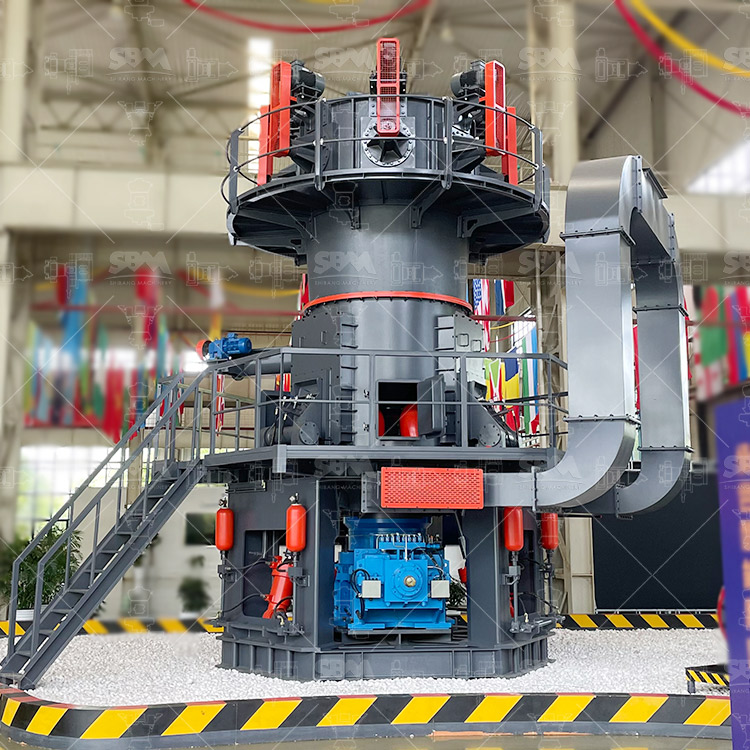
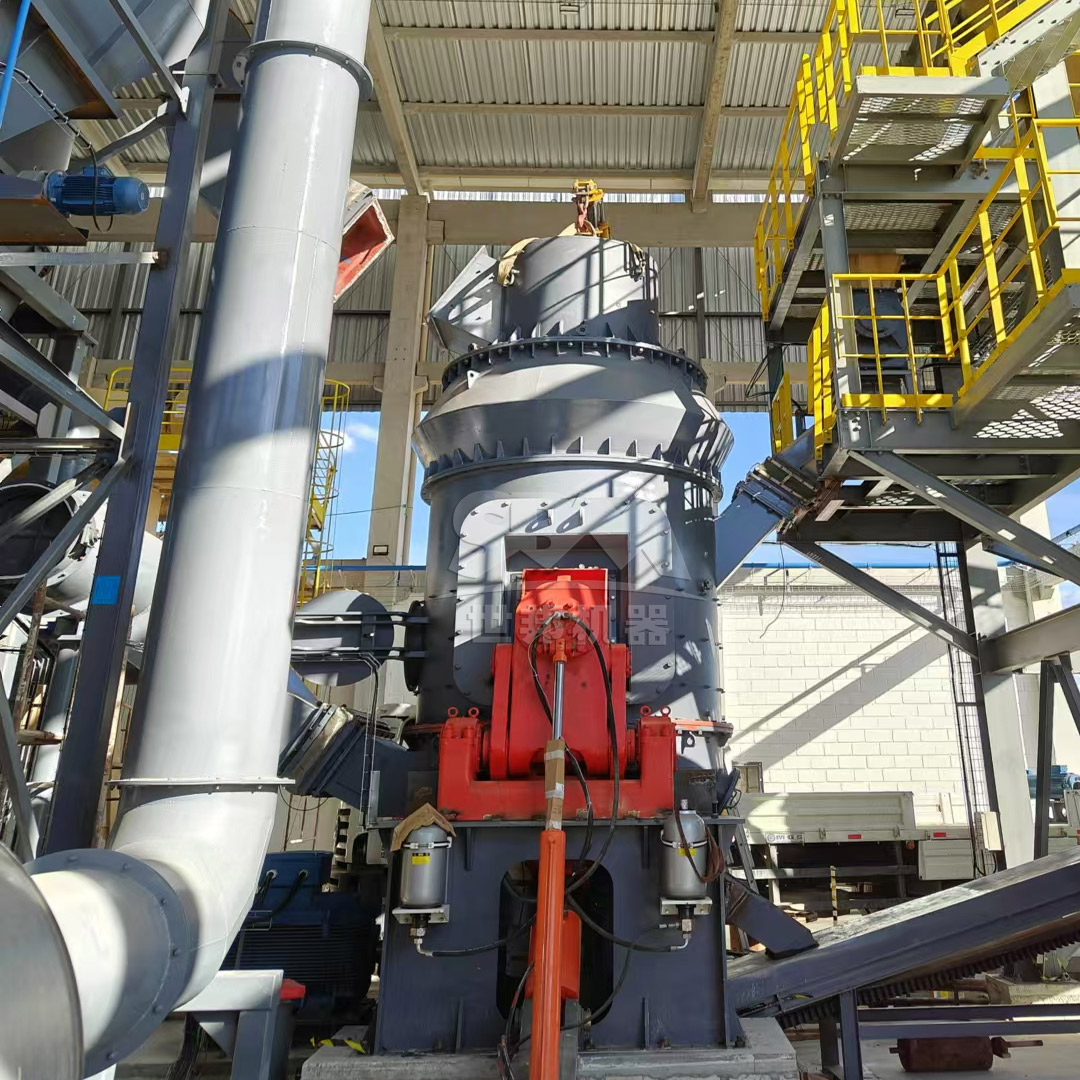
| Vertical Roller Mill (LM Series) | 30-325 mesh (up to 600 mesh) | Excellent for large-scale production of fine barite powder. High efficiency and integration. | Low operating cost, integrated drying/grinding/classification. |
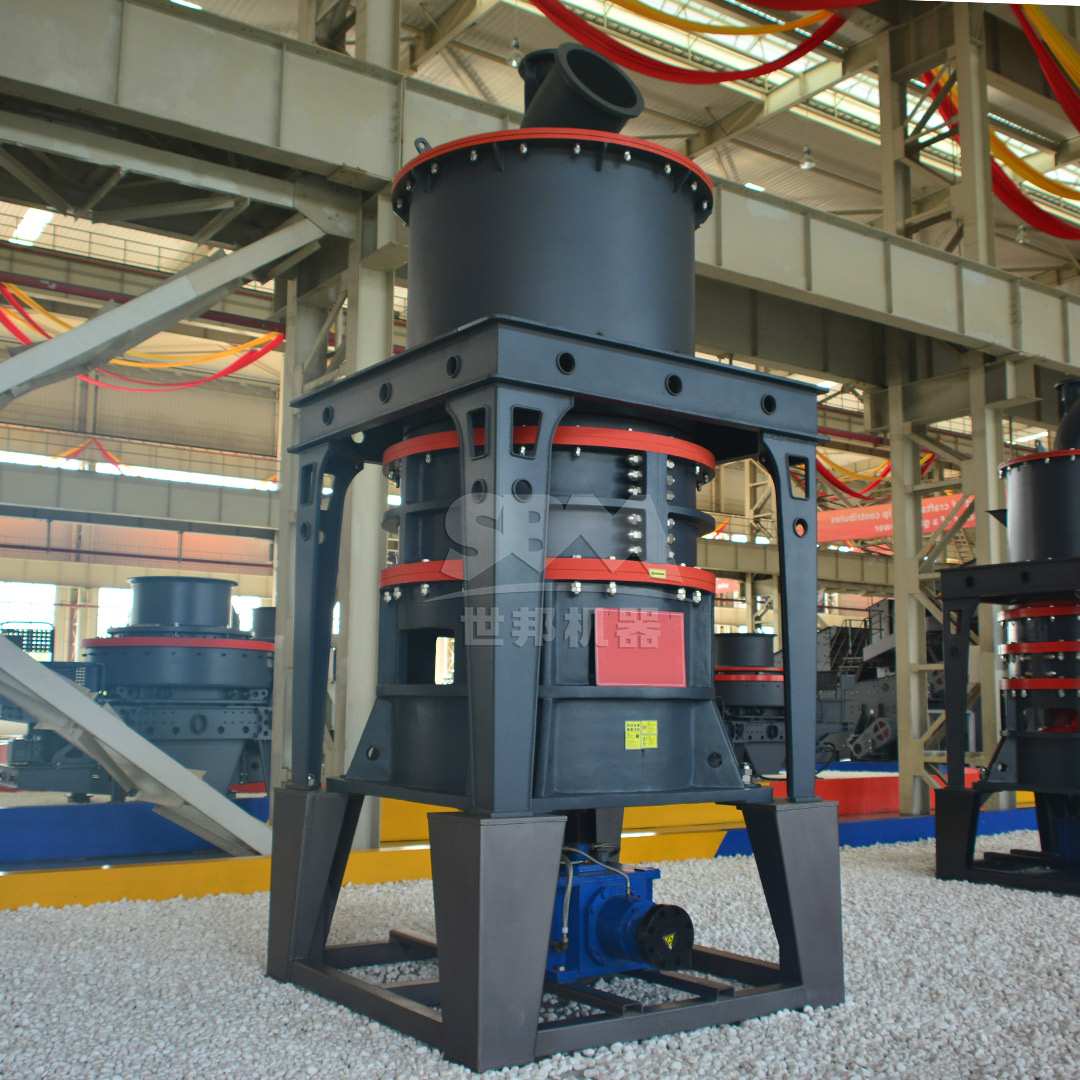
| Ultrafine Mill (SCM Series) | 325-2500 mesh (45-5μm) | Ideal for high-quality wettable powders and suspension concentrates requiring ultra-fine, uniform particles. | High-precision classification, energy-efficient, excellent for ultra-fine grinding. |
The trend in advanced insecticide formulations is towards finer and more uniform particle sizes to improve coverage, adhesion, and biological efficacy. This makes ultrafine grinding technology increasingly vital.
Based on the specific requirements for fineness, purity, and production efficiency, we highly recommend our SCM Series Ultrafine Mill as the premier solution for manufacturing high-grade barite powder for insecticides.
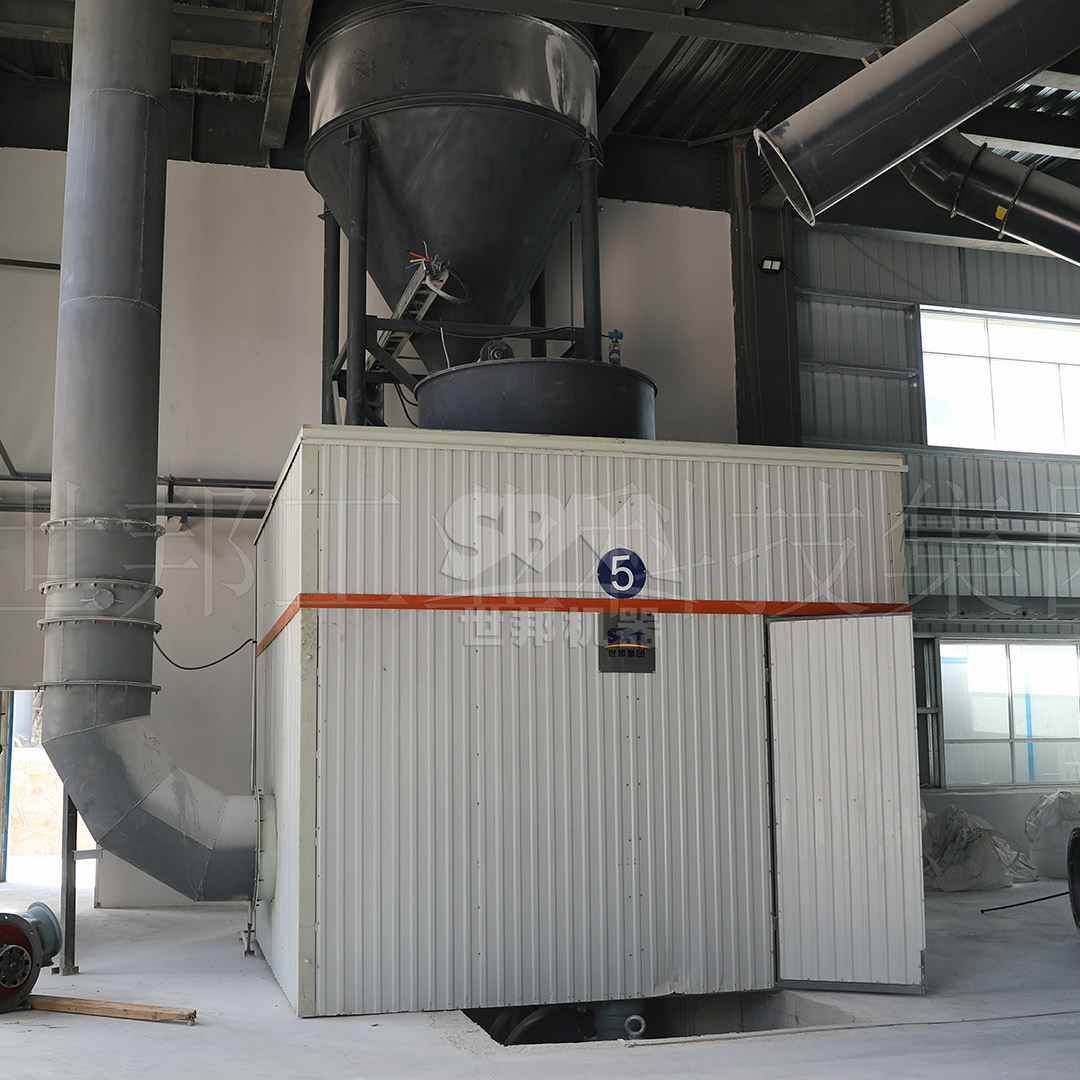
Our SCM Series Ultrafine Mill is engineered to meet the exacting standards of modern chemical processing, offering distinct advantages for barite grinding:
| Model | Capacity (t/h)* | Main Power (kW) | Output Fineness | Suitable Production Scale |
|---|---|---|---|---|
| SCM800 | 0.5 – 4.5 | 75 | 325-2500 mesh | Pilot / Small Batch |
| SCM1000 | 1.0 – 8.5 | 132 | 325-2500 mesh | Medium Scale |
| SCM1250 | 2.5 – 14 | 185 | 325-2500 mesh | Large-Scale Production (Recommended) |
| SCM1680 | 5.0 – 25 | 315 | 325-2500 mesh | Very Large / Centralized Production |
*Capacity depends on material hardness and final fineness.
For insecticide manufacturers requiring large volumes of fine barite powder (e.g., 200-800 mesh), our LM Series Vertical Roller Mill presents another excellent, highly efficient option. Its integrated design crushes, dries, grinds, and classifies in a single unit, reducing footprint by 50% and offering energy savings of 30-40% compared to ball mill systems. It is perfectly suited for producing consistent, high-quality barite filler at capacities from 3 to over 250 tons per hour.
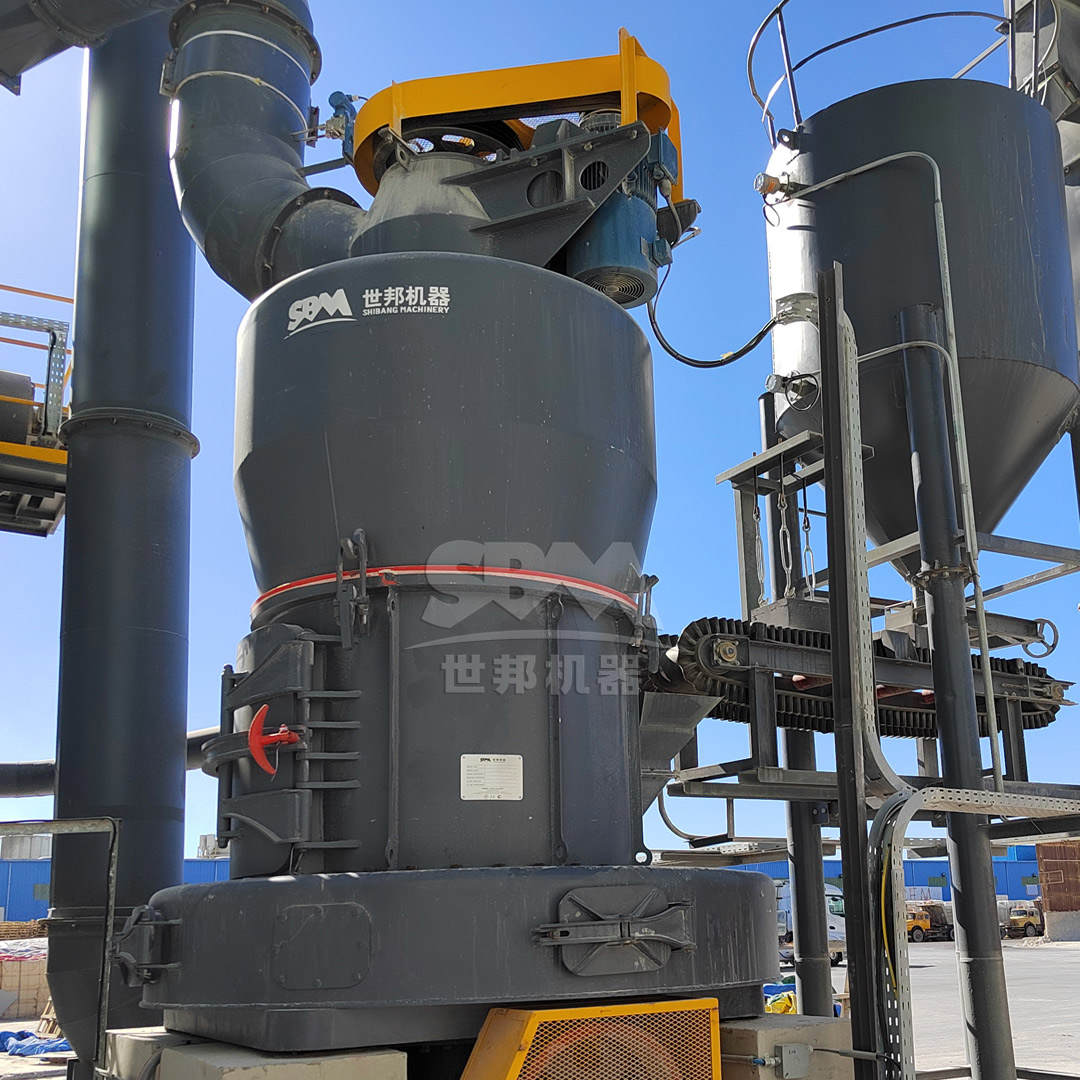
A complete barite grinding line for insecticide manufacturing involves more than just the mill. A typical system configured around the SCM Ultrafine Mill includes:
Best Practice Tip: For insecticide-grade barite, it is advisable to install an electromagnetic iron remover before the mill to eliminate ferrous impurities, thereby protecting the grinding components and enhancing the final product’s chemical stability.
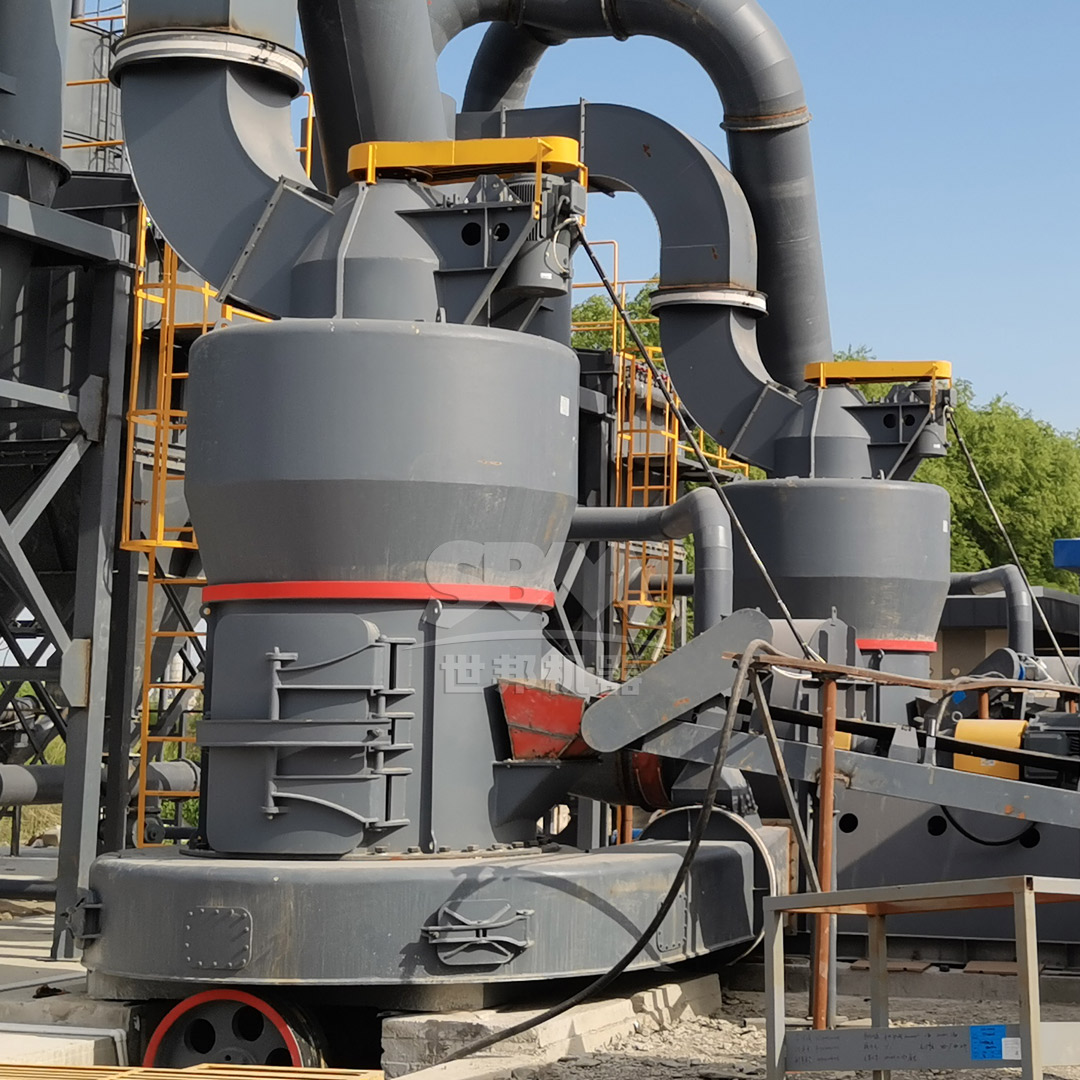
The quality of barite powder is a foundational element in producing effective and reliable insecticides. Investing in advanced, appropriate grinding technology is paramount. Our SCM Series Ultrafine Mill, with its unparalleled ability to produce ultra-fine, uniformly sized, high-purity barite powder, is specifically designed to meet and exceed the demanding standards of the agrochemical industry. Coupled with our LM Vertical Roller Mill for high-capacity fine grinding applications, we provide comprehensive, efficient, and reliable solutions to empower insecticide manufacturers to achieve superior product performance and operational excellence.
By choosing the right grinding partner, you are not just processing a mineral; you are optimizing a key ingredient for crop protection and global agriculture.