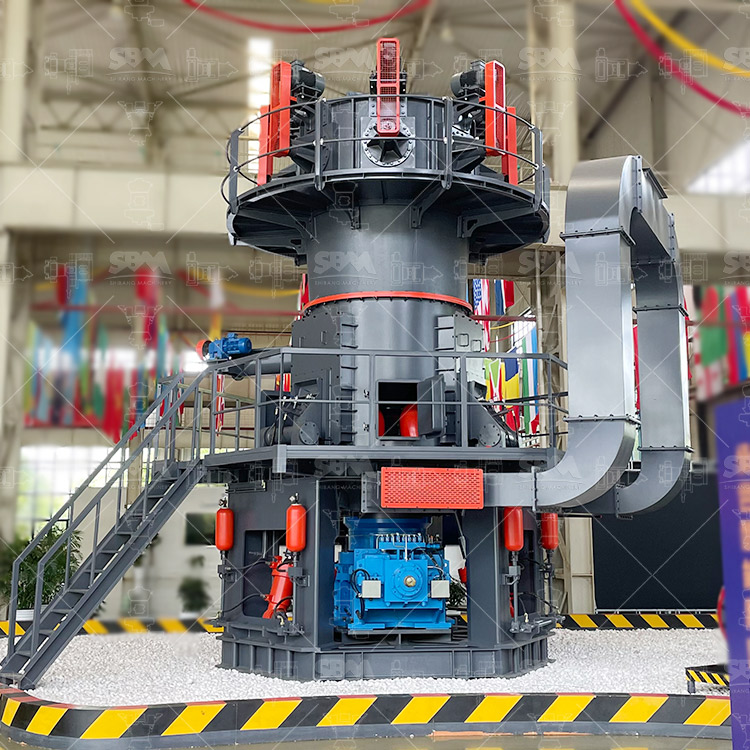
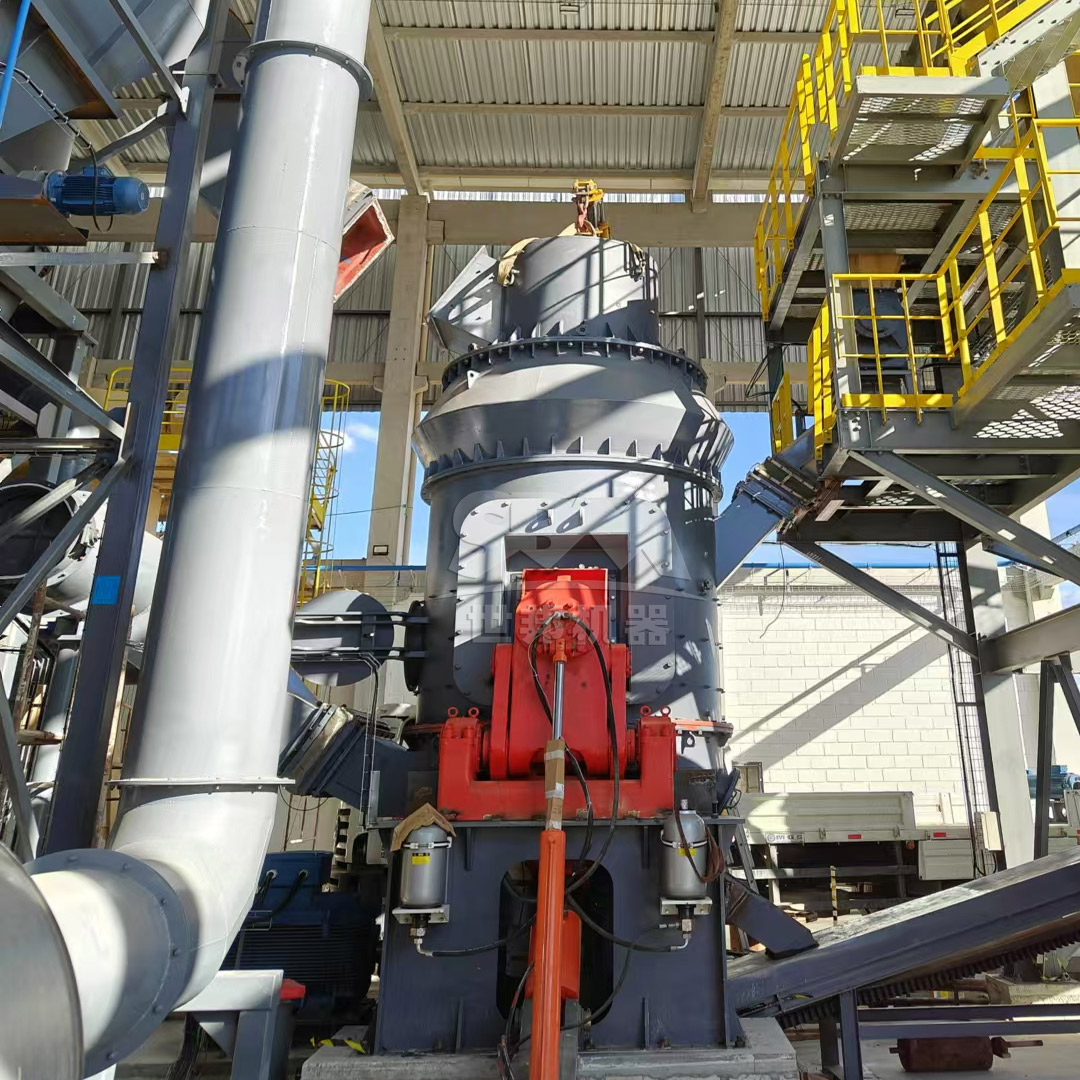
The relentless pursuit of superior performance, cost-effectiveness, and sustainability in the plastics industry has driven the widespread adoption of mineral fillers. Among them, barite (barium sulfate) stands out as a premier functional filler, prized for its high density, chemical inertness, UV resistance, and exceptional ability to enhance dimensional stability, sound dampening, and surface finish in polymers. However, the full potential of barite is unlocked only when it is processed into a high-quality, consistent, and easily dispersible masterbatch. This article delves into the critical components and technological considerations of a modern Barite Filler Masterbatch Production Line, highlighting how advanced grinding and compounding technologies are pivotal to achieving enhanced plastic manufacturing outcomes.
Barite filler masterbatch is not merely an additive; it is a performance modifier. When properly incorporated, it imparts a suite of benefits:
The efficacy of these enhancements is directly contingent upon the particle size distribution, purity, and surface treatment of the barite powder used in the masterbatch.
| Key Barite Properties | Impact on Masterbatch & Final Plastic Product |
|---|---|
| High Purity (BaSO₄ content) | Ensures consistent color, chemical stability, and prevents catalyst poisoning. |
| Controlled Particle Size (D50, D97) | Determines dispersion quality, surface finish, and mechanical property retention. |
| Low Abrasiveness (Mohs hardness ~3-3.5) | Reduces wear on processing equipment (extruders, molds). |
| Surface Treatment (e.g., silane, stearate) | Improves polymer-filler compatibility, dispersion, and reduces viscosity. |
A state-of-the-art production line is an integrated system where each stage is optimized for quality and efficiency.
Crude barite ore or pre-crushed lumps require initial size reduction to a consistent feed size suitable for fine grinding. A robust jaw crusher or hammer mill is typically employed for this primary crushing stage. Subsequent drying is critical, as moisture can severely hinder grinding efficiency and cause defects in the final masterbatch. Rotary or flash dryers are commonly integrated to reduce moisture content to below 0.5%.
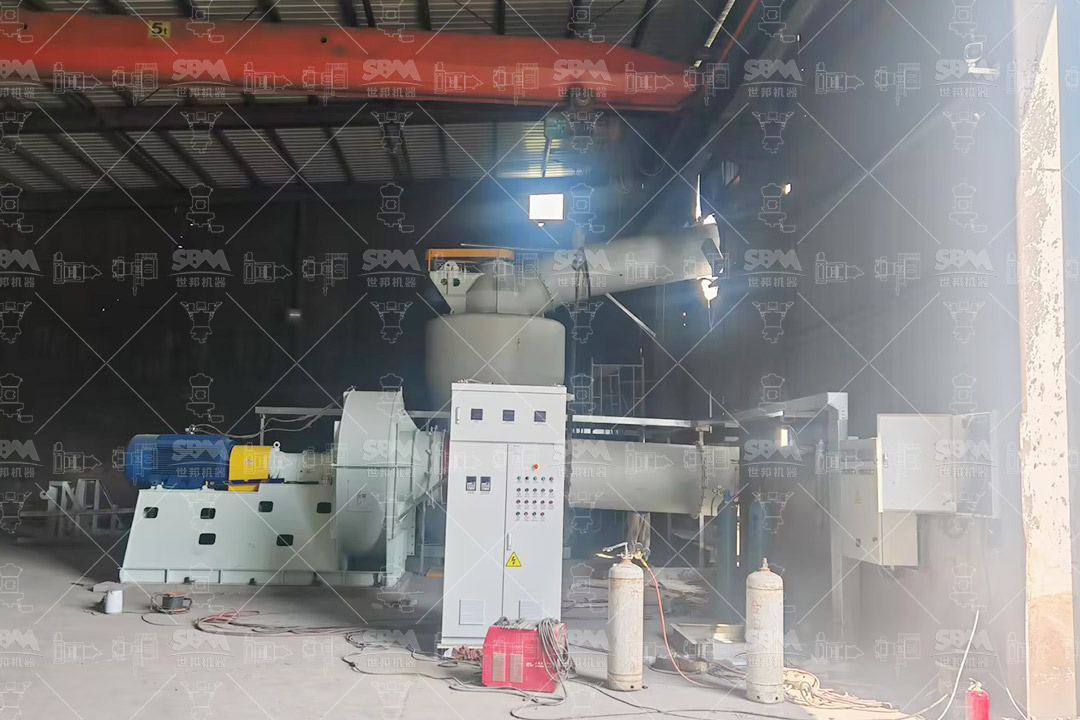
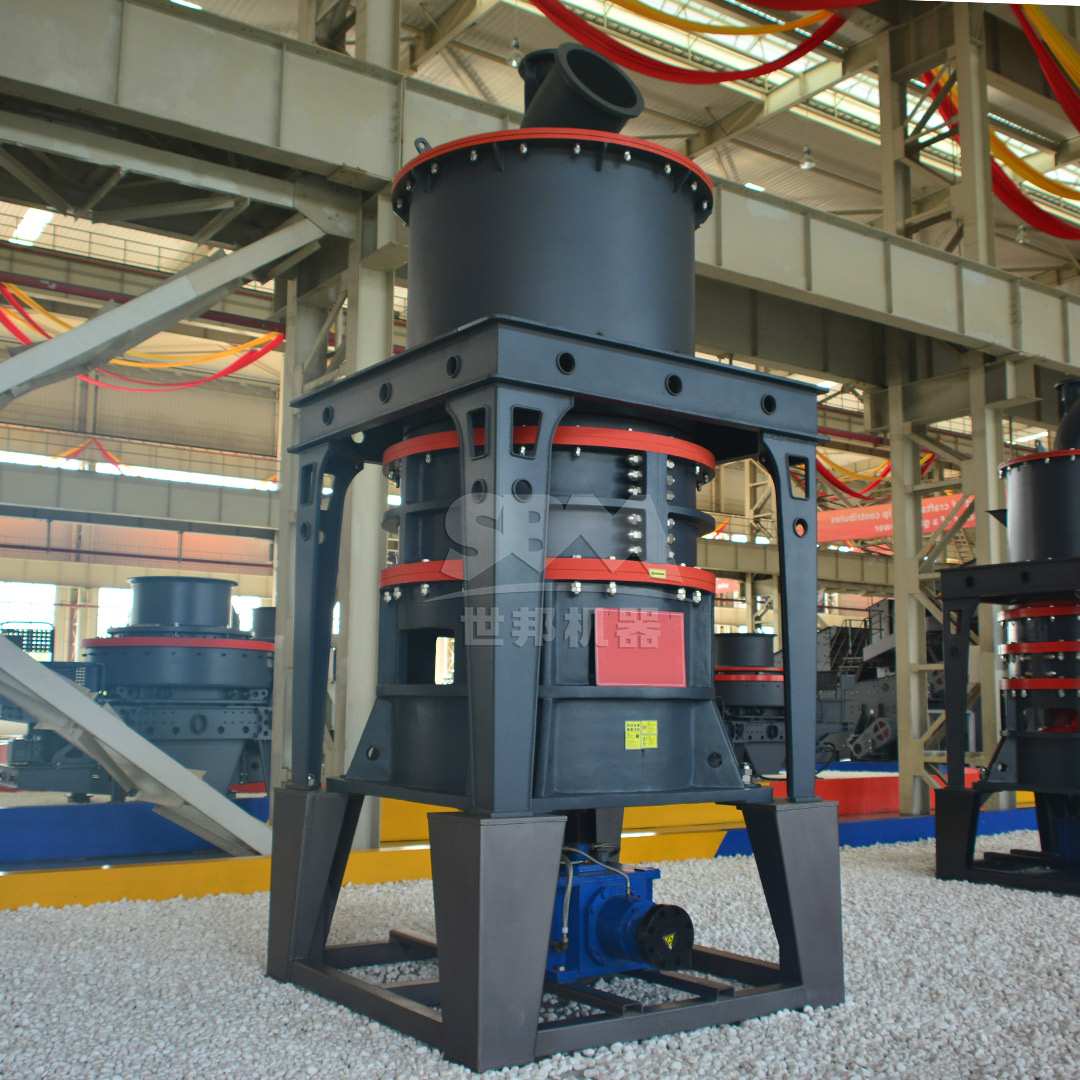
This is the most technologically intensive and defining stage. The goal is to produce barite powder with a tightly controlled fineness, typically ranging from 325 mesh (45μm) for general-purpose fillers down to 2500 mesh (5μm) or finer for high-performance applications. The choice of grinding mill dictates the product quality, energy consumption, and overall operational cost.
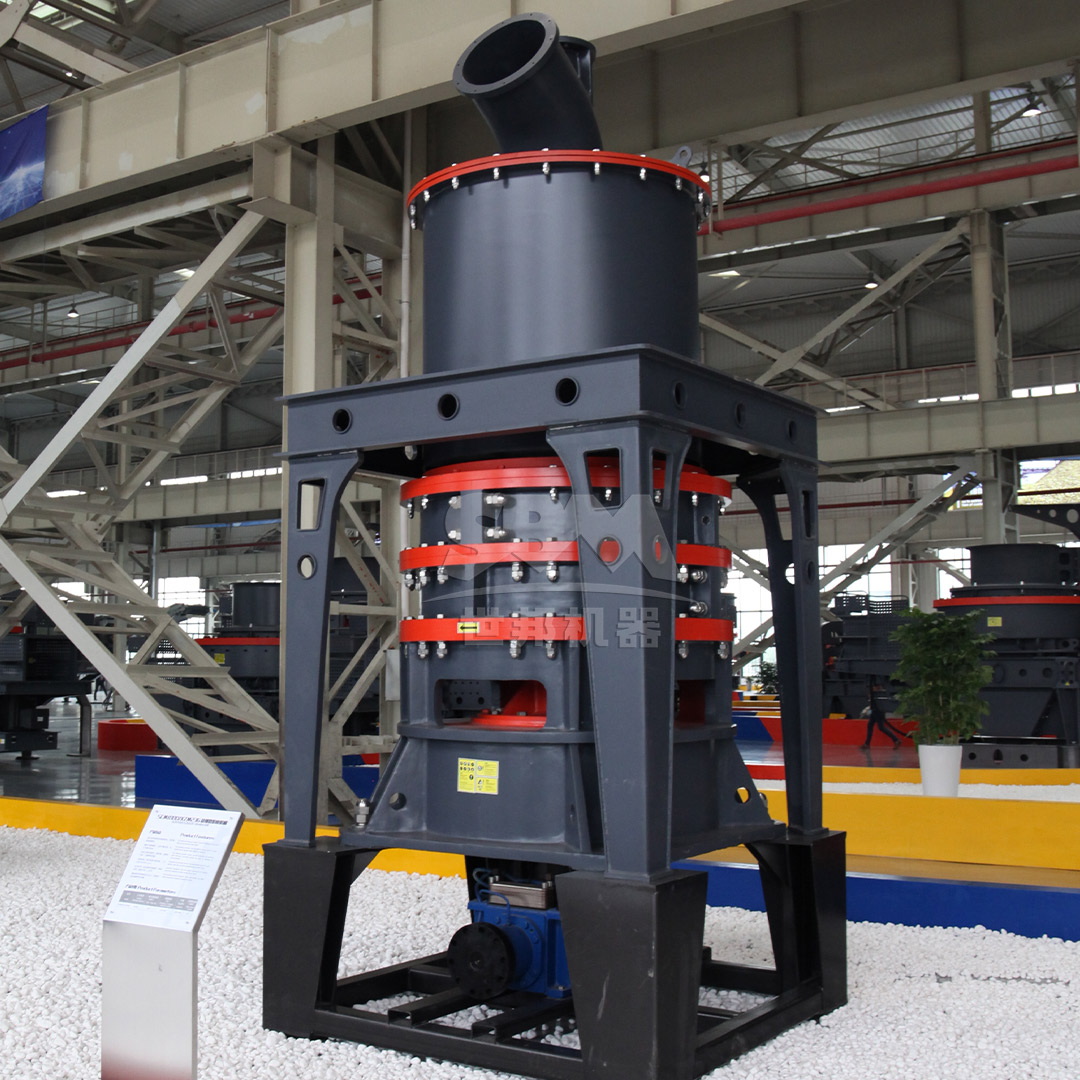
For producing ultrafine barite powder (325-2500 mesh) with high whiteness and low iron contamination, the SCM Series Ultrafine Mill represents an optimal solution. Its technical advantages align perfectly with the demands of high-grade filler production:
For projects requiring high-capacity production of slightly coarser barite powders (30-325 mesh) for cost-effective general-purpose masterbatches, the MTW Series European Trapezium Mill is an excellent choice. Its anti-wear shovel design, optimized arc air duct, and integral bevel gear drive offer a robust and efficient grinding solution with high output and lower maintenance costs.
The finely ground barite powder is then compounded with a carrier resin (often LDPE, PP, or EVA) and necessary additives (dispersants, coupling agents) in a high-intensity twin-screw extruder. The extruder’s design ensures optimal distributive and dispersive mixing, coating each barite particle with polymer to prevent agglomeration. The molten compound is then strand-pelletized or underwater-cut into uniform masterbatch pellets for easy handling and downstream use.
The final pellets are cooled, screened to remove fines, and packaged in moisture-resistant bags or bulk containers. A rigorous QC protocol, including tests for particle size distribution (via laser diffraction), melt flow index, dispersion quality (via film test or microscopy), and ash content, is essential to guarantee batch-to-b consistency.
The success of a barite masterbatch line hinges on the seamless integration of these components. Modern lines are increasingly automated, with PLC controls linking the grinding system’s classifier speed (to adjust fineness) directly to the compounding extruder’s feed rate. Real-time monitoring of temperature, pressure, and torque ensures process stability. The selection of the grinding mill, as the source of the primary raw material, is the foundational decision that impacts every subsequent step.
Investing in a well-engineered Barite Filler Masterbatch Production Line is a strategic move for compounders and plastic manufacturers aiming to add value and competitiveness. By prioritizing advanced grinding technology like the SCM Series Ultrafine Mill for superior ultrafine powder production, manufacturers can achieve a masterbatch that offers exceptional dispersion, consistency, and performance enhancement in final plastic products. This integrated approach—from precise particle size reduction to intelligent compounding—ensures that the inherent benefits of barite are fully realized, leading to stronger, more stable, and cost-effective plastics for demanding applications across automotive, packaging, appliance, and construction industries.