Barite (BaSO4), or baryte, is an indispensable mineral extender and filler in the coatings and paints industry. Its high density, chemical inertness, low oil absorption, and brilliant white color make it an excellent choice for improving film density, durability, gloss control, and corrosion resistance. However, the performance of barite in a coating formulation is intrinsically linked to its particle size distribution, fineness, and purity. Achieving the optimal specifications requires precise and efficient grinding technology. This guide explores the key considerations for barite powder processing for coatings and highlights advanced milling solutions.
For coatings applications, barite powder must meet stringent criteria:
Selecting the wrong grinding mill can lead to broad PSD, excessive energy consumption, high maintenance costs, and contamination, ultimately compromising coating quality.
The choice of mill depends on the target fineness, required capacity, and overall operational economics. Below is a comparative overview of common technologies adapted for barite processing.
| Mill Type | Typical Output Range | Suitable Barite Application in Coatings | Key Advantages | Potential Limitations |
|---|---|---|---|---|
| Raymond Mill / Pendulum Mill | 30-325 mesh | Primer, undercoat, industrial finishes | Mature technology, cost-effective for coarse grinding | Limited to finer grades, lower efficiency for ultrafine powder |
| Ball Mill | 0.074-0.8mm | Very coarse fillers, mixed with other minerals | High capacity, reliable | High energy consumption, broad PSD, noisy |
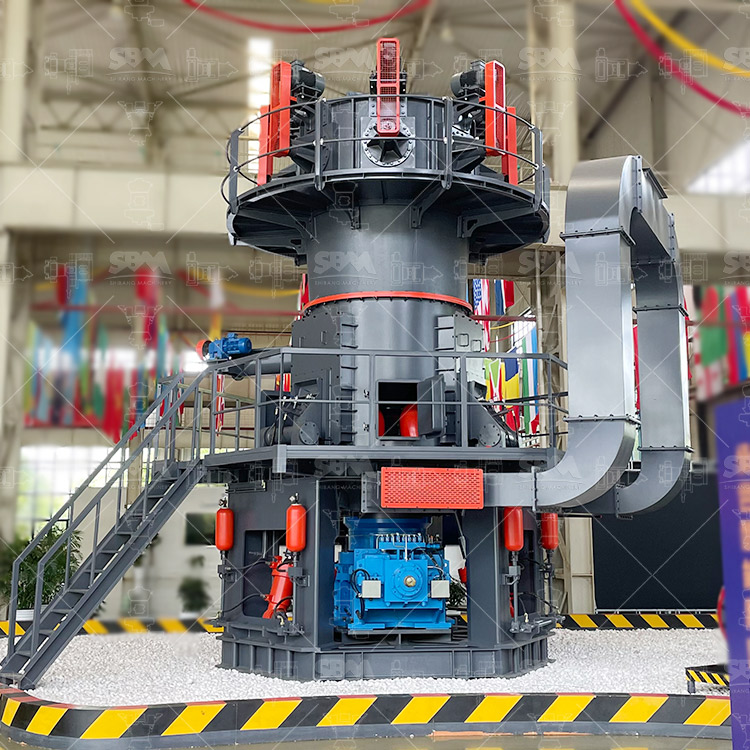
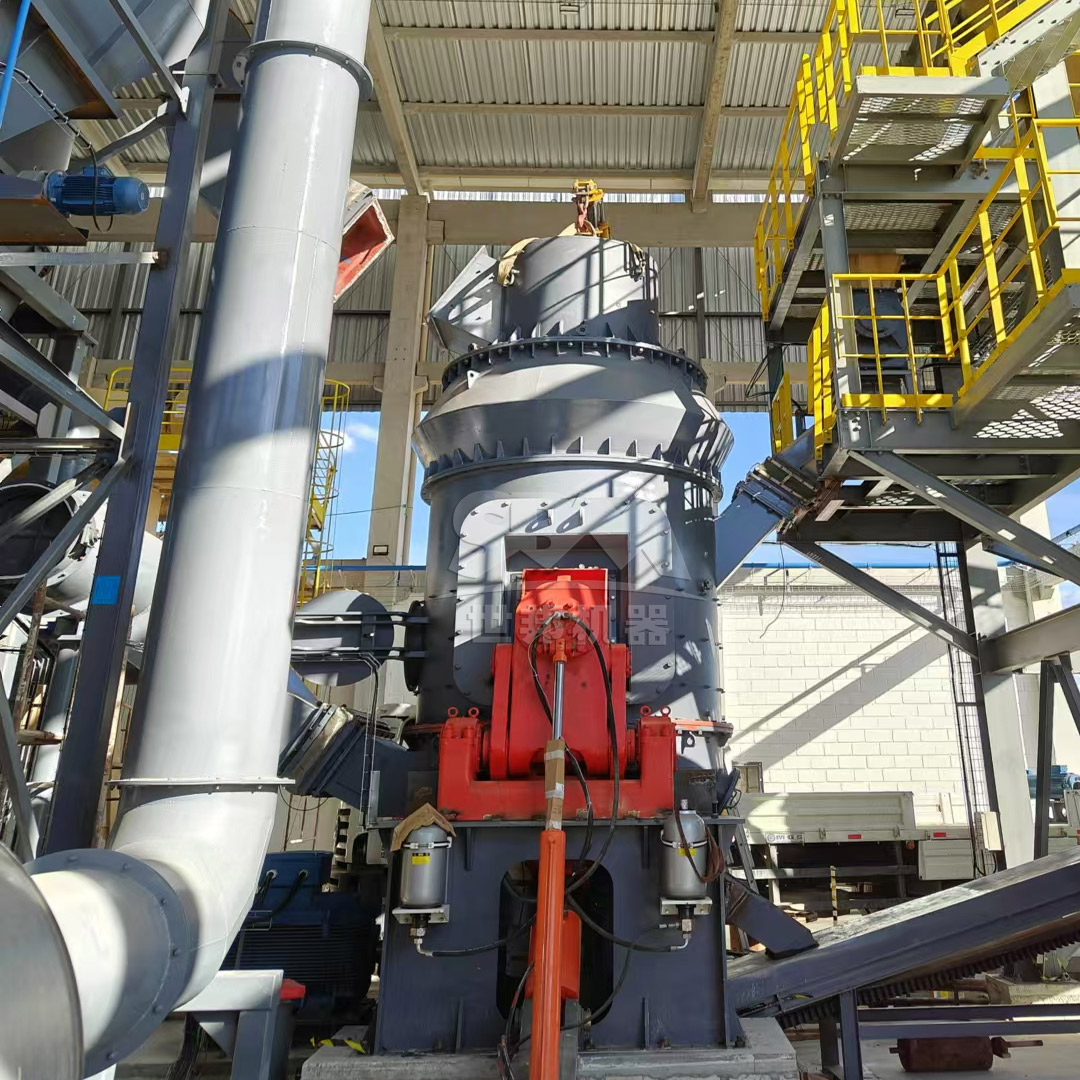
| Vertical Roller Mill (VRM) | 30-600 mesh | Mass production of fillers for architectural paints | High efficiency, integrated drying, lower OPEX | Higher initial investment, less precise for ultra-fine cuts |
| Ultrafine Grinding Mill | 325-2500 mesh | High-gloss paints, automotive coatings, specialty finishes | Exceptional fineness control, narrow PSD, energy-efficient | Requires precise feed size control |
For modern, high-performance coatings demanding ultrafine barite, specialized ultrafine grinding mills have become the industry benchmark.
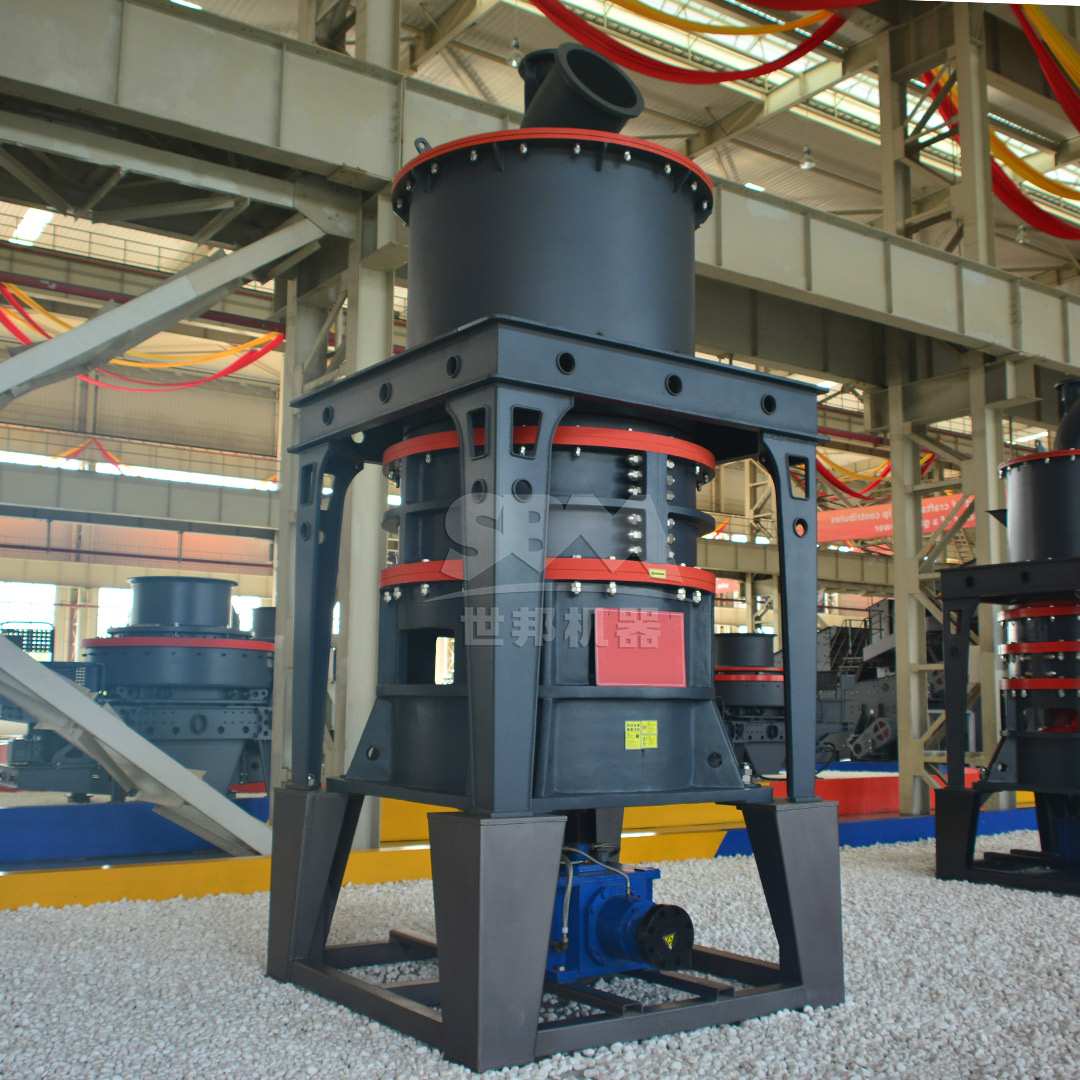
For coatings producers aiming for the highest quality barite powder, our SCM Series Ultrafine Mill represents a technological leap forward. Engineered specifically for producing fine and ultrafine powders between 325 and 2500 mesh (45-5μm), it directly addresses the core challenges of barite processing.
The main motor drives the grinding ring to rotate. Barite feed material (≤20mm) is conveyed into the mill and dispersed by centrifugal force into the grinding path. Multi-layer grinding occurs under the high-pressure applied by the rollers. The ground powder is carried by the airflow to the classifier, where oversized particles are rejected and returned for further grinding. The qualified fine barite powder is collected by a high-efficiency cyclone and a pulse bag filter.
| Model | Capacity (t/h)* | Main Power (kW) | Output Fineness | Key Application |
|---|---|---|---|---|
| SCM800 | 0.5 – 4.5 | 75 | 325-2500 mesh | Pilot plant, small-scale specialty coatings |
| SCM1000 | 1.0 – 8.5 | 132 | 325-2500 mesh | Medium-scale industrial coatings production |
| SCM1250 | 2.5 – 14 | 185 | 325-2500 mesh | Large-scale filler production lines |
| SCM1680 | 5.0 – 25 | 315 | 325-2500 mesh | Major mineral processing plants supplying the coatings industry |
*Capacity depends on material hardness and final fineness.
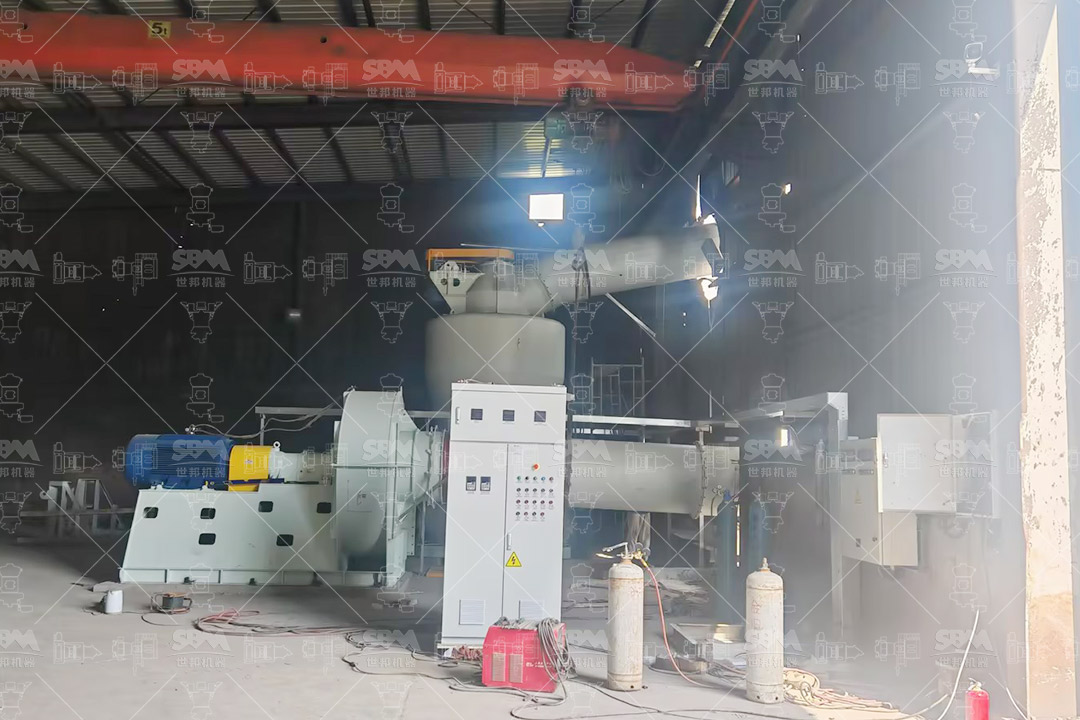
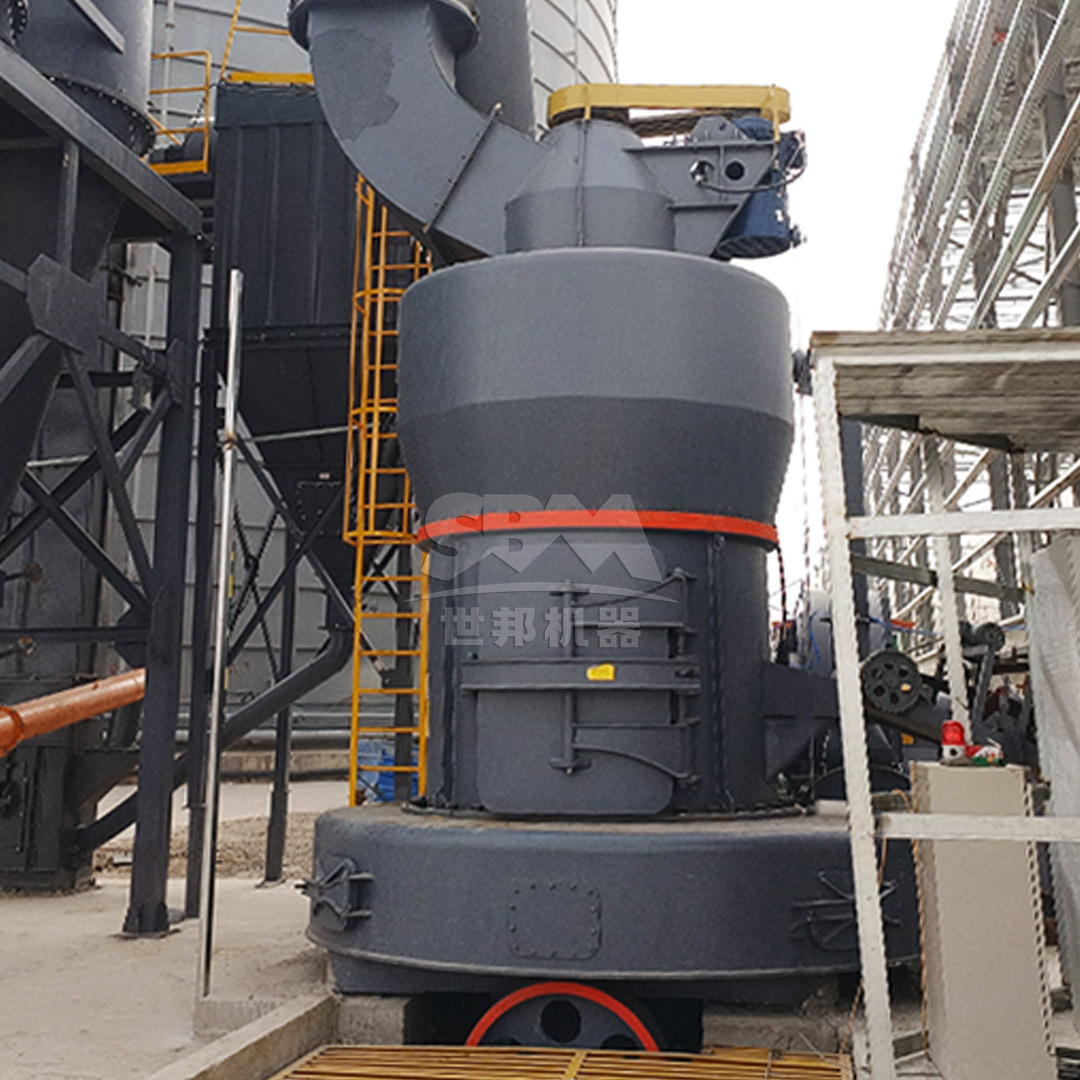
For projects where the primary requirement is high-volume production of barite powder in the coarse to medium-fine range (30-325 mesh) for primers, textured paints, or industrial coatings, the MTW Series European Trapezium Mill is an outstanding choice.
This mill is particularly recommended for barite processing plants that supply the bulk filler market to the coatings industry, where reliability, capacity, and operational cost are decisive factors.
Beyond the core mill, a successful barite grinding line for coatings requires careful system integration:
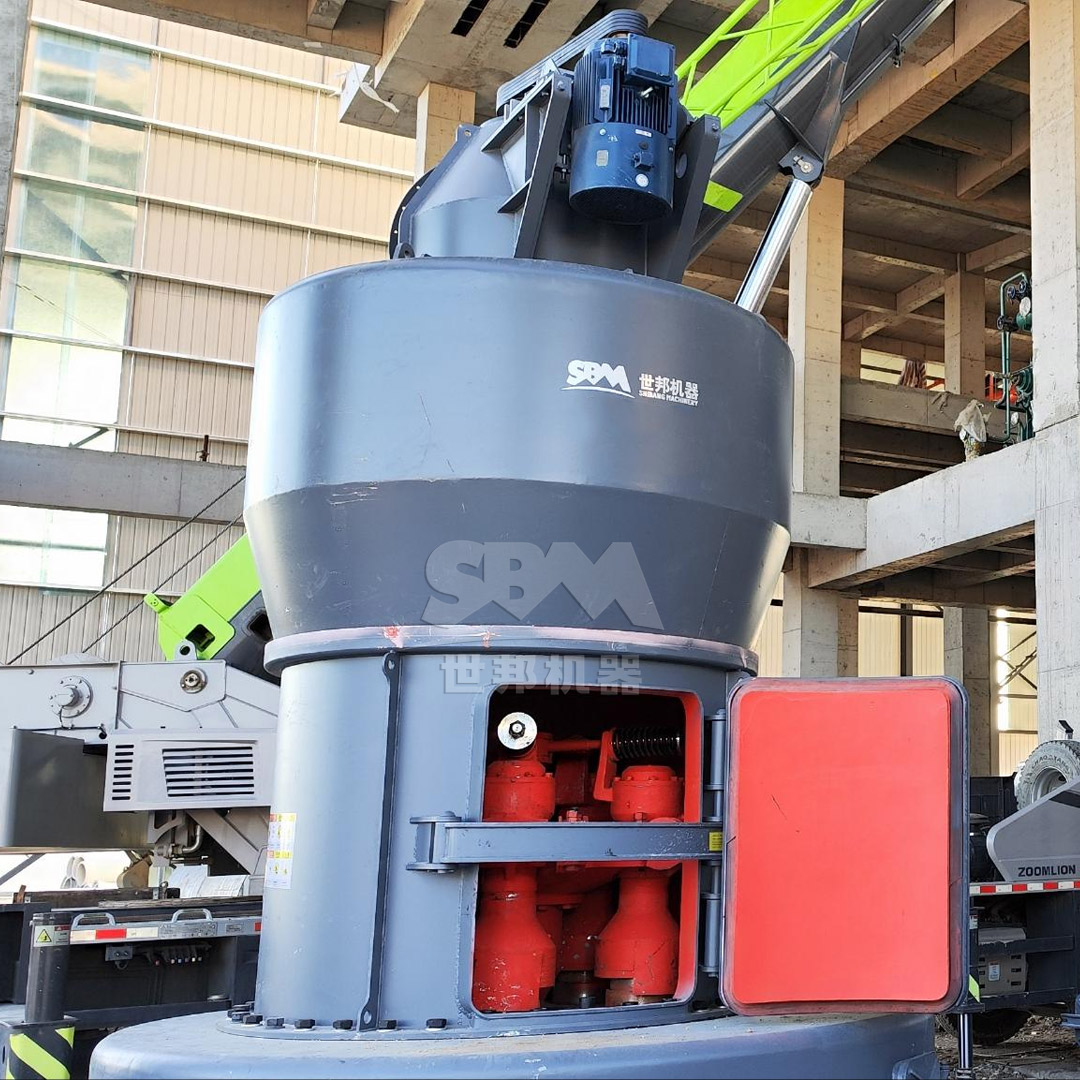
The transition towards high-performance, environmentally friendly coatings is driving demand for precisely engineered barite powders. Selecting the appropriate grinding technology is not merely an equipment purchase but a strategic decision impacting product quality, production efficiency, and long-term profitability. For ultrafine barite that unlocks premium coating properties, the SCM Series Ultrafine Mill offers unparalleled fineness control and energy efficiency. For large-scale production of standard filler grades, the robust and efficient MTW Series European Trapezium Mill provides a reliable and cost-effective solution. By investing in advanced milling technology, coatings producers and barite processors can ensure they meet the exacting standards of today’s and tomorrow’s markets.