The manufacturing of high-performance paint additives demands raw materials of exceptional purity and precise particle size distribution. Barite (barium sulfate) is a critical mineral in this industry, valued for its high density, chemical inertness, and ability to enhance paint properties such as gloss, durability, and corrosion resistance. The transformation of raw barite ore into a functional paint-grade powder is a sophisticated process, heavily reliant on advanced grinding and classification technology. The selection of the right production equipment directly impacts product quality, operational efficiency, and overall plant economics. This article explores the key stages of a barite powder processing plant tailored for paint additives, with a focus on the critical grinding phase and the equipment that ensures success.
The journey from mined barite to a premium paint additive involves several sequential stages, each designed to purify, reduce size, and classify the material to meet stringent industry specifications.
Raw barite ore, typically ranging from large lumps to coarse gravel, first undergoes primary and secondary crushing. Jaw crushers and cone crushers are commonly employed to reduce the ore to a manageable size, usually below 50mm. This stage prepares the material for efficient downstream grinding.
To achieve the high brightness and chemical purity required for paint applications, barite often requires beneficiation. Processes like gravity separation (jigging, shaking tables) remove gangue minerals such as quartz, calcite, and sulfides. Washing steps further eliminate clay and other impurities that could affect the final product’s color and performance.
After washing, the barite concentrate must be dried to a low moisture content (<1%) to prevent clogging in subsequent fine grinding mills and to ensure optimal grinding efficiency. Rotary dryers are typically used for this purpose.
This is the most critical stage for paint additive manufacturing. The required fineness for barite in paints can range from coarse extenders (200-325 mesh) to ultrafine fillers and functional additives (1250 mesh and above). The grinding equipment must not only achieve the target particle size but also produce a narrow, consistent distribution without contamination. This is where advanced milling technology becomes paramount.
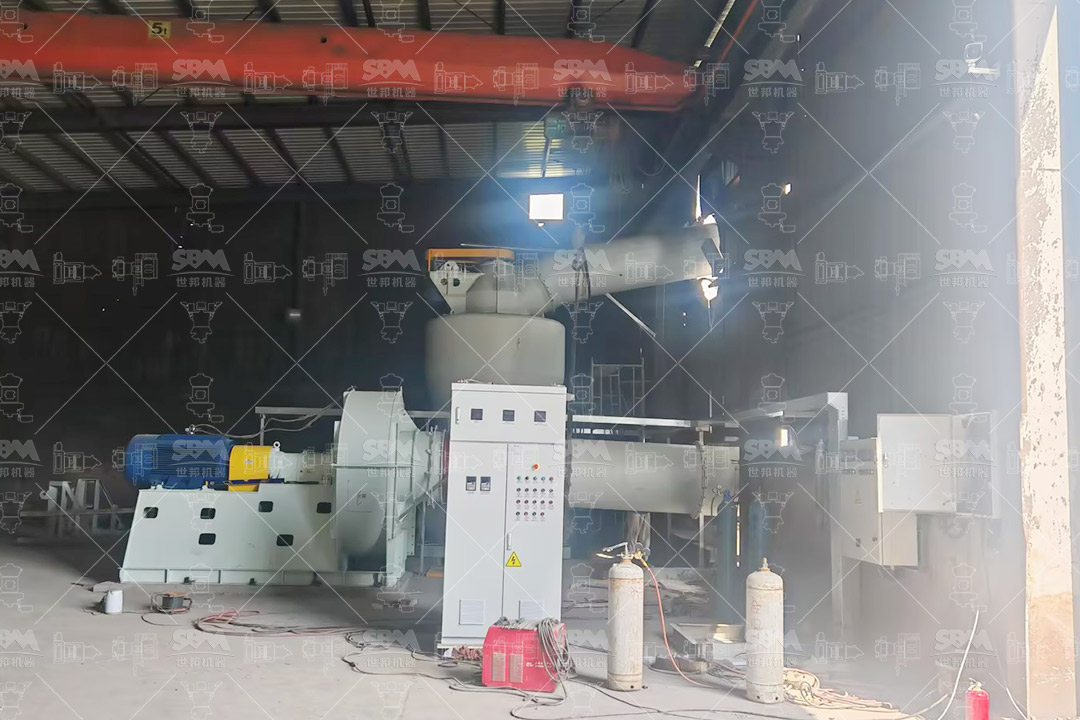
Integrated or standalone air classifiers are used to separate the ground powder into precise cuts. Oversize particles are returned to the mill for further grinding, while the in-spec product is conveyed to collection systems, such as high-efficiency cyclone separators and pulse-jet baghouse filters.
The finished barite powder is stored in silos and then packaged in bags or bulk containers, ready for shipment to paint manufacturers.
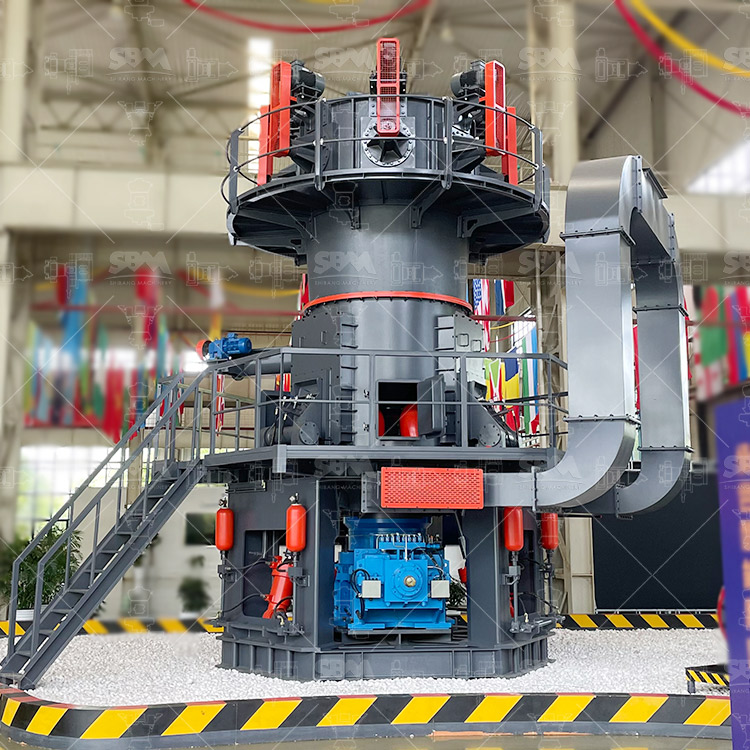
The heart of any barite processing plant for paint is its grinding system. The choice of mill dictates the final product’s characteristics, plant capacity, and operational costs. Two primary grinding approaches are prevalent: one for high-capacity production of fine powders and another for specialized, high-value ultrafine products.
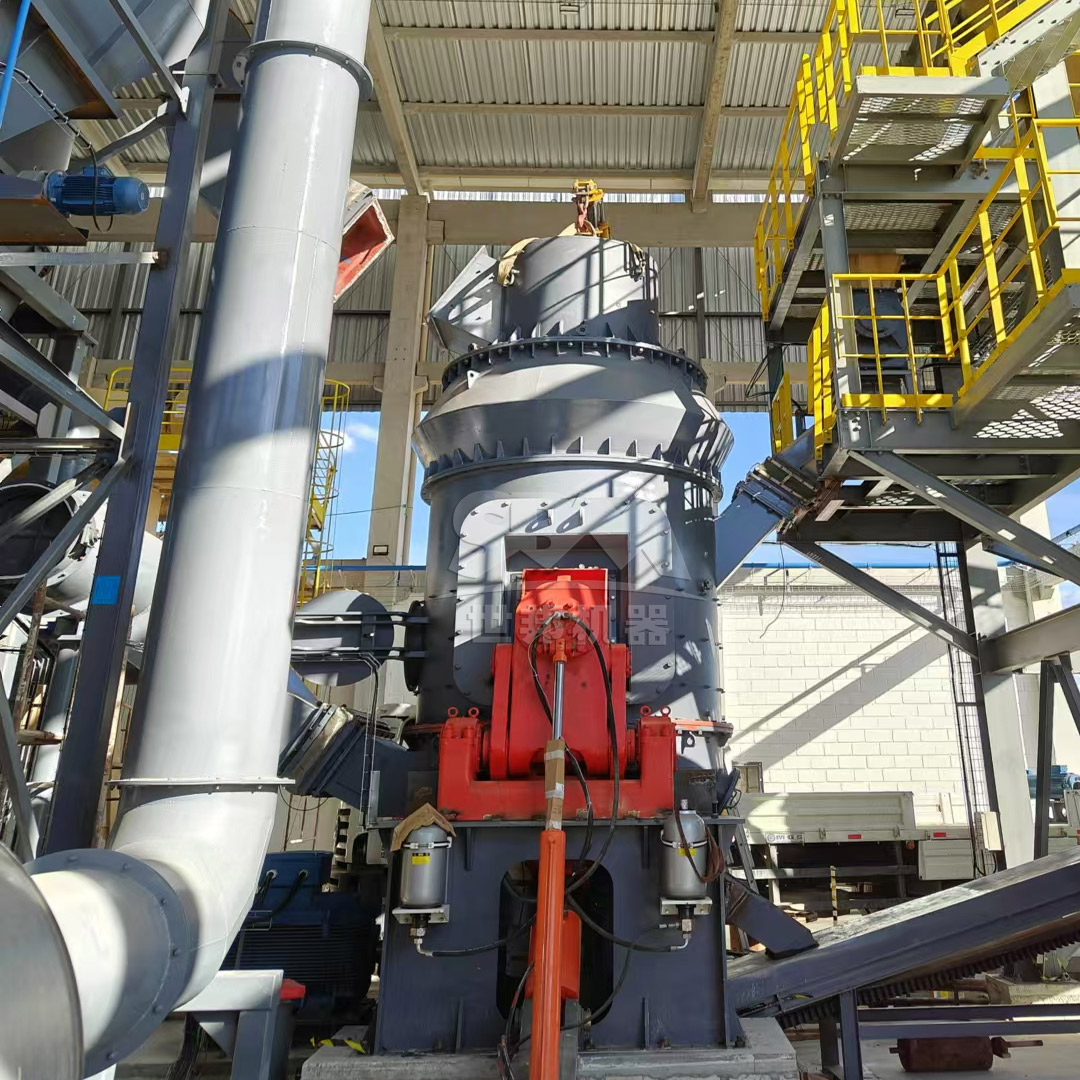
For paint manufacturers requiring large volumes of barite powder in the fine to medium-fine range (e.g., for primers, industrial coatings), a robust and efficient grinding system is essential. The MTW Series European Trapezium Mill represents an ideal solution in this category.
Engineered for durability and efficiency, the MTW mill handles feed sizes up to 50mm and delivers outputs from 30 to 325 mesh (600-45μm) at impressive capacities of 3 to 45 tons per hour. Its technical advantages are directly aligned with the needs of a continuous industrial process:
Models like the MTW215G, with a capacity of 15-45 t/h, are perfectly suited for establishing a large-scale, cost-effective barite processing line dedicated to supplying the bulk paint industry.
| Model | Capacity (t/h) | Main Power (kW) | Output Fineness (mesh) |
|---|---|---|---|
| MTW138Z | 6-17 | 90 | 10-325 |
| MTW175G | 9.5-25 | 160 | 10-325 |
| MTW215G | 15-45 | 280 | 10-325 |
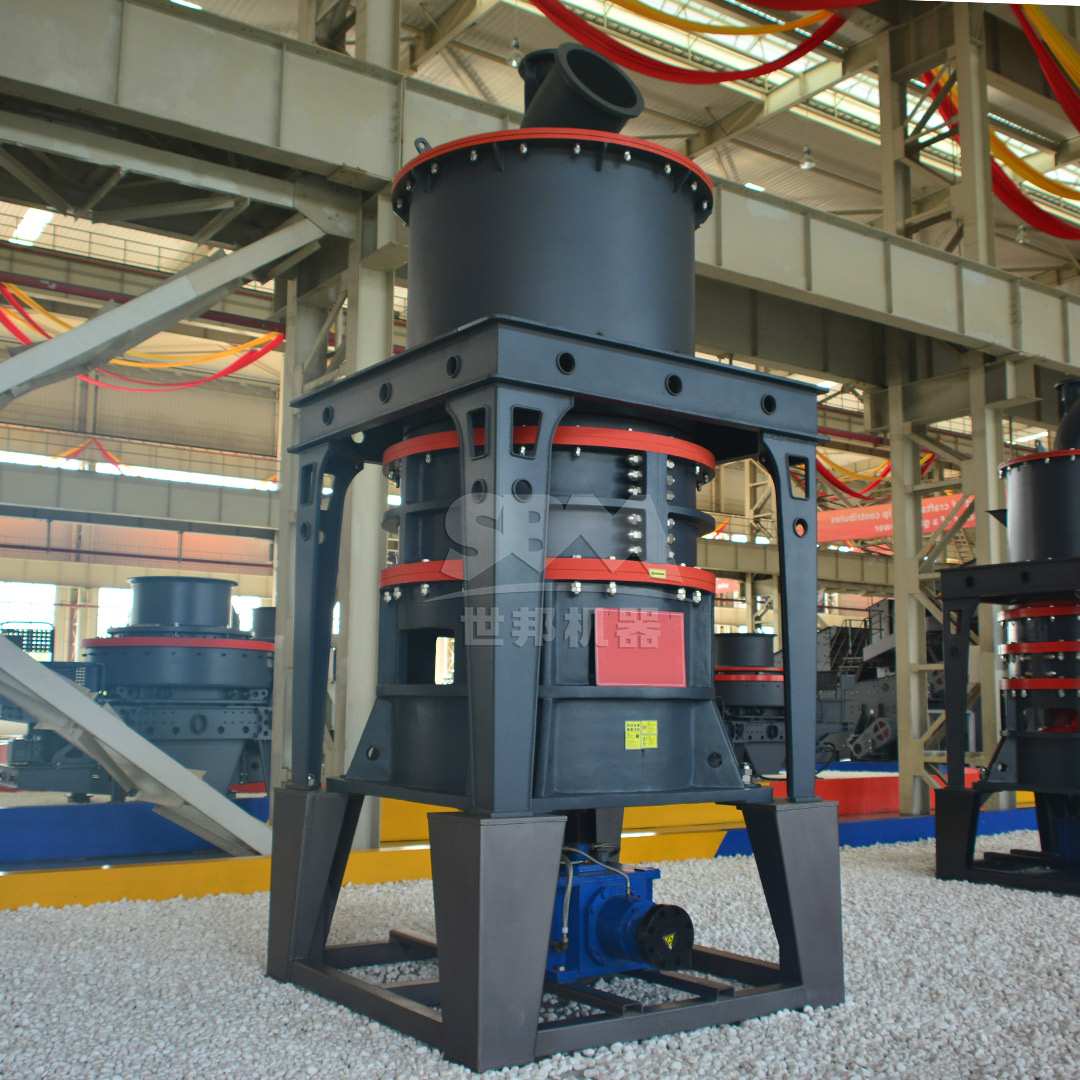
The demand for ultrafine barite (below 10μm) in high-end coatings, automotive paints, and specialty applications requires a different level of technology. For producing these high-value additives, the SCM Series Ultrafine Mill is the industry benchmark.
This mill is specifically designed to produce powders in the range of 325 to 2500 mesh (45-5μm). Its design philosophy centers on precision, energy efficiency, and product quality:
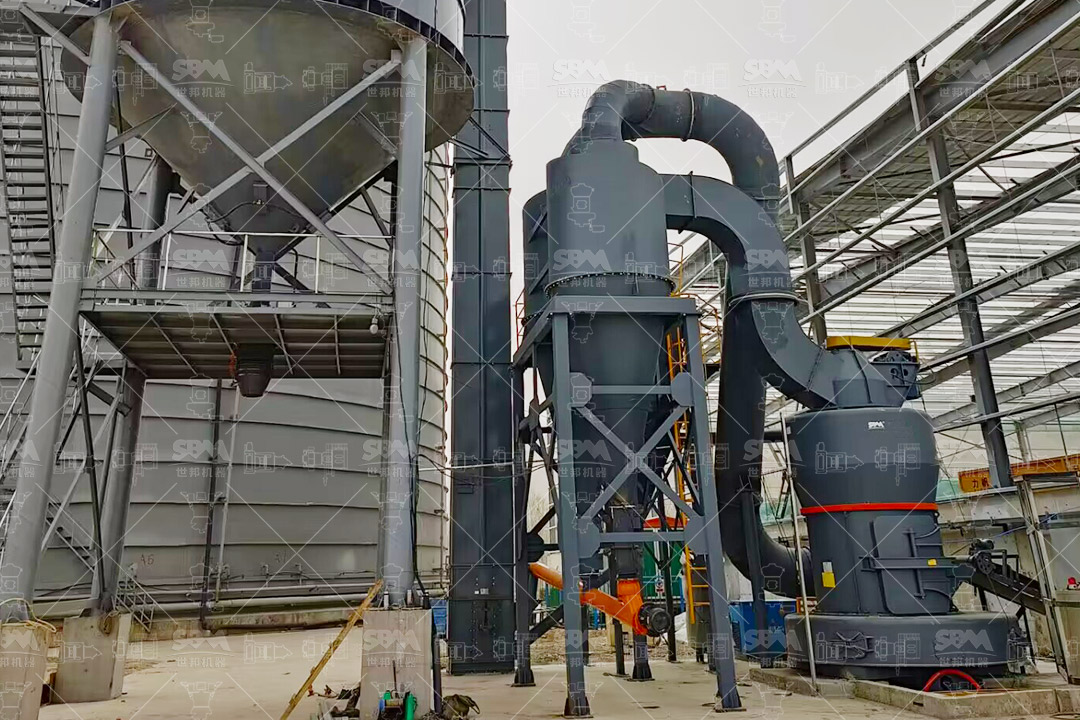
For a paint additive plant aiming to serve the premium market segment, integrating an SCM series mill, such as the SCM1000 (1.0-8.5 t/h capacity), is a strategic investment that unlocks the ability to manufacture high-margin, functional barite products.
Beyond selecting the right mill, a successful barite processing plant requires holistic design.
A stable and controlled feed rate into the grinding mill is crucial. Vibrating feeders or screw conveyors with variable frequency drives should be used to ensure a consistent material flow, preventing mill overload or underutilization.
Modern mills like the SCM and MTW series come with integrated high-efficiency dust collection systems. The entire plant, from transfer points to packaging, must be designed with dust containment in mind, using baghouse filters and enclosed conveyors to protect worker health and meet air quality standards.
Implementing a PLC-based control system allows for centralized monitoring and control of the entire line. Key parameters such as feed rate, mill load, classifier speed, and temperature can be automated to maintain optimal operating conditions, ensure consistent product quality, and reduce labor costs.
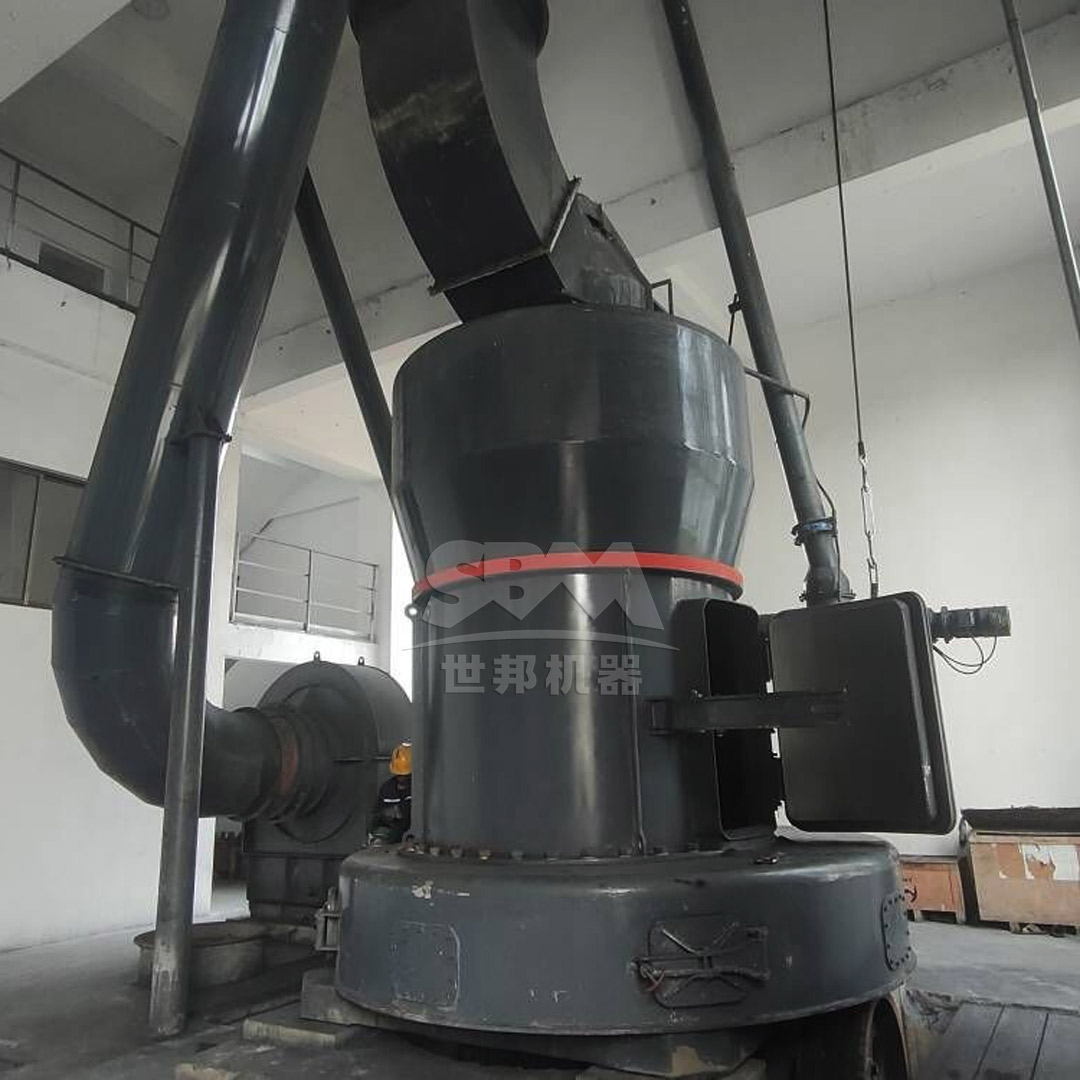
Establishing a barite powder processing plant for the paint additives industry is a significant undertaking that hinges on technological precision. The process demands equipment capable of delivering not just fine particles, but particles with the exact size distribution, purity, and consistency that modern paint formulations require. By understanding the distinct requirements for different product grades—from high-volume fine powders to premium ultrafine additives—manufacturers can make informed equipment choices.
Investing in advanced, purpose-built grinding technology, such as the MTW Series European Trapezium Mill for efficient fine grinding or the SCM Series Ultrafine Mill for high-value ultrafine production, provides a reliable foundation for quality, efficiency, and profitability. Coupled with intelligent plant design focusing on automation and environmental control, such a facility is well-positioned to become a leading supplier in the competitive and quality-driven paint industry.