February 28, 2026
Introduction
The escalating demand for nuclear energy, medical radiology, and industrial radiography has propelled the need for effective radiation shielding materials. Among these, radiation-shielding cement, a specialized concrete incorporating high-density aggregates, stands out for its structural integrity and protective capabilities. The primary high-density aggregate used is barite (barium sulfate, BaSO4), prized for its high specific gravity (4.0-4.5 g/cm³) and effective attenuation of gamma and X-rays. The performance of this cement is intrinsically linked to the fineness, particle size distribution, and purity of the barite powder used. Consequently, selecting the appropriate barite powder grinding mill is not merely a process step but a critical determinant of the final product’s shielding efficacy, mechanical strength, and economic viability.
The Role of Barite in Radiation Shielding
Barite’s effectiveness stems from its high atomic number elements (barium and sulfur), which interact strongly with high-energy photons through photoelectric absorption and Compton scattering. To maximize these interactions within a cement matrix, the barite must be ground to a specific fineness. Optimal particle size ensures:
- Enhanced Homogeneity: Ultra-fine barite powder disperses uniformly throughout the cement paste, eliminating weak spots or density variations that could create radiation leakage paths.
- Improved Packing Density: A well-graded particle size distribution allows smaller barite particles to fill the voids between larger ones and cement grains, increasing the overall density of the hardened concrete.
- Stronger Interfacial Bonding: Finer particles create a larger surface area, promoting a stronger bond with the cement hydration products (C-S-H gel), which improves the composite material’s mechanical strength and durability.
Therefore, the grinding process must achieve precise control over the final powder characteristics, a task that demands advanced milling technology.
Key Requirements for Barite Grinding Mills
A mill suitable for producing barite powder for shielding cement must meet several stringent criteria:
- Precise Particle Size Control: The ability to produce powder consistently within a target range, typically from 325 mesh (45μm) to 2500 mesh (5μm) for ultra-high-performance applications, is paramount.
- High Production Capacity & Energy Efficiency: Shielding cement projects often require large volumes of barite powder. The mill must offer high throughput with minimal specific energy consumption (kWh/ton) to keep operational costs low.
- Product Purity & Low Contamination: The grinding mechanism should minimize iron or other metallic contamination from wear parts, as impurities can affect the cement’s chemistry and long-term stability.
- System Reliability & Low Maintenance: Given the abrasive nature of barite, mills must be constructed with wear-resistant materials and designed for easy maintenance to ensure continuous, stable operation.
- Environmental Compliance: The entire grinding system must operate under negative pressure with highly efficient dust collection to protect the workplace and environment, meeting international emission standards.
Challenges in Barite Grinding
Barite is a moderately hard to soft mineral (3-3.5 on Mohs scale) but is notably abrasive. This abrasiveness accelerates the wear of grinding components like rollers, rings, and liners. Furthermore, achieving ultra-fine fineness (<10μm) requires sophisticated classification systems to separate and return oversized particles without causing over-grinding, which wastes energy and can generate undesirable ultrafine fractions.
| Property |
Impact on Grinding |
Mill Design Consideration |
| High Density |
High load on grinding rollers/balls; requires robust drive systems. |
High-torque motors, reinforced mechanical structures. |
| Abrasiveness |
Rapid wear of contact parts. |
Use of high-chrome alloys, ceramic composites, or specially hardened materials for rollers/liners. |
| Target Fineness (Ultra-fine) |
Requires efficient internal classification. |
Integration of high-precision, adjustable turbine classifiers. |
Recommended Grinding Solutions for Barite Powder
Based on the stringent requirements for producing high-quality barite powder for radiation-shielding cement, two of our advanced milling systems stand out as optimal solutions.
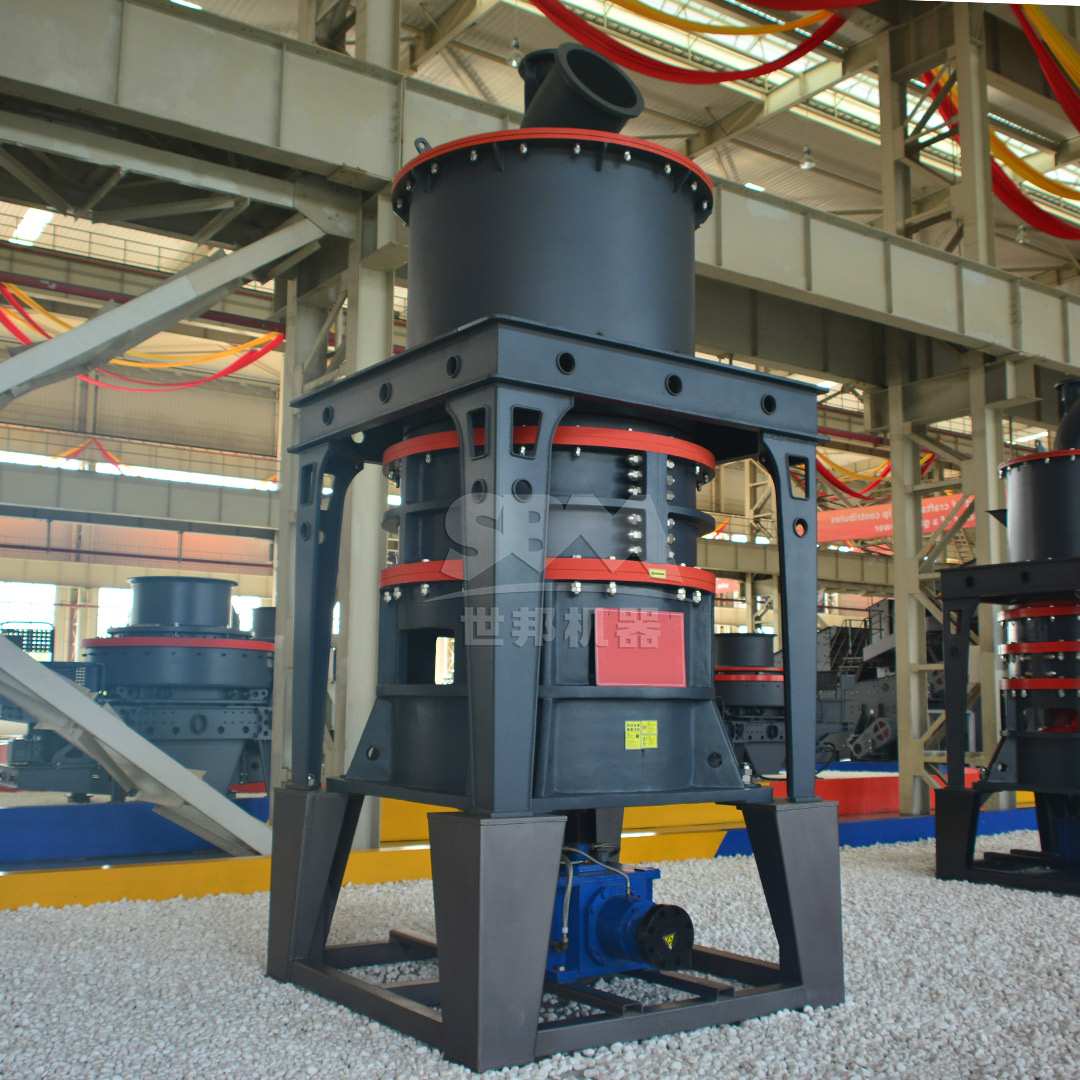
1. SCM Series Ultrafine Mill: For Premium, Ultra-Fine Barite Powder
For projects demanding the highest level of shielding performance where ultra-fine barite powder (325-2500 mesh) is specified, our SCM Series Ultrafine Mill is the technology of choice.
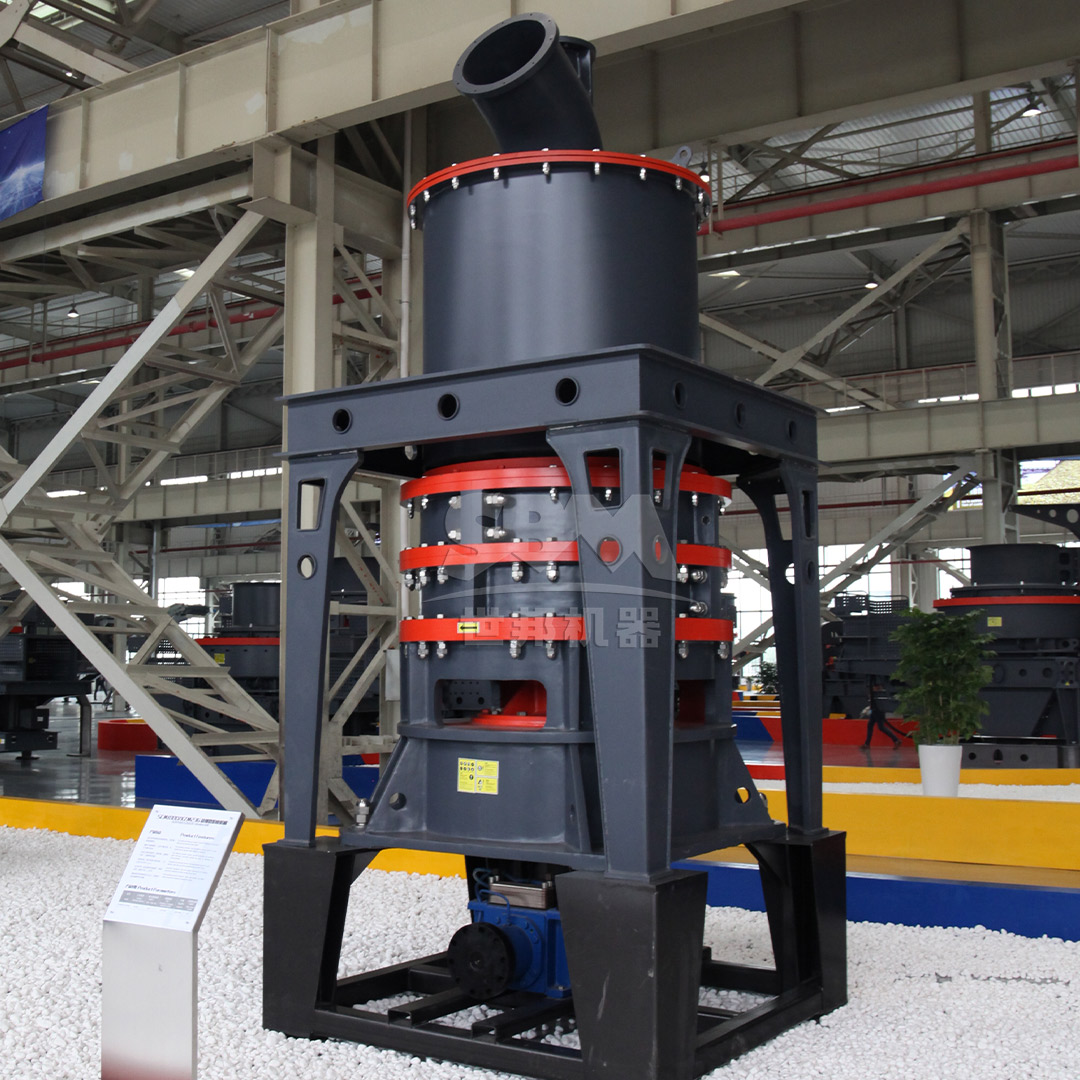
This mill excels in the fine and ultra-fine grinding range. Its core advantages align perfectly with barite processing:
- High Efficiency & Energy Saving: The grinding principle, utilizing multiple grinding rings and rollers, achieves a capacity twice that of traditional jet mills while reducing energy consumption by approximately 30%. This is critical for the cost-effective production of energy-intensive ultra-fine powders.
- High-Precision Classification: The integrated vertical turbine classifier provides precise particle size cutting, ensuring the finished product has a narrow and consistent size distribution with no coarse powder mixing. This uniformity is vital for achieving predictable shielding performance and high concrete density.
- Durable Design for Abrasive Materials: The mill features specially engineered material rollers and rings that offer service life several times longer than standard components when processing abrasive minerals like barite. The shaftless screw design in the grinding chamber further enhances operational stability.
- Eco-friendly Operation: A pulse dust collection system with efficiency exceeding 99% ensures a clean production environment, which is essential for handling any mineral powder.
Model Recommendation: For medium to large-scale shielding cement production, the SCM1250 model, with a capacity range of 2.5-14 tons per hour and the ability to produce powder from 325 to 2500 mesh, is an excellent balance of output and fineness control.
2. MTW Series European Trapezium Mill: For High-Capacity, Fine Grinding
When the production focus is on large volumes of fine barite powder (30-325 mesh) for standard shielding concrete applications, our MTW Series European Trapezium Mill offers unparalleled efficiency and reliability.
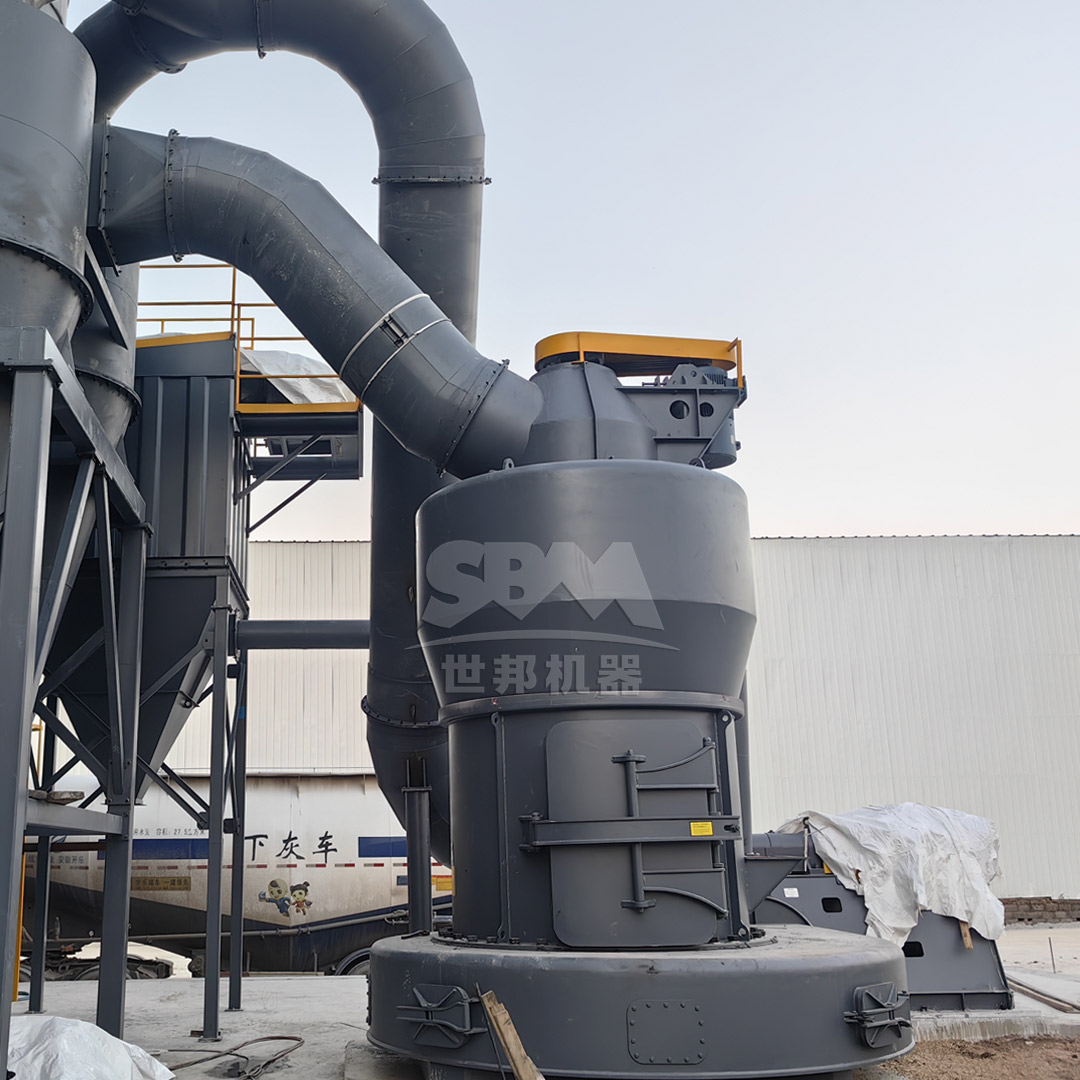
This mill is renowned for its robust construction and high capacity in the fine grinding domain:
- Anti-wear & Optimized Design: Its curved shovel blade design and wear-resistant volute structure are specifically engineered to handle abrasive materials, reducing maintenance frequency and costs by up to 30%.
- High Transmission Efficiency: The integral bevel gear drive boasts a transmission efficiency of up to 98%, translating direct power into grinding force with minimal loss, thereby saving energy.
- Large Capacity Range: With models offering capacities from 3 to 45 tons per hour, the MTW series can easily meet the demands of mega infrastructure projects requiring vast quantities of shielding cement.
- Stable Particle Size Output: The advanced classification system ensures consistent fineness, which is crucial for maintaining batch-to-batch consistency in cement production.
Model Recommendation: The MTW215G model, with a massive capacity of 15-45 t/h and the ability to grind feed sizes up to 50mm down to 325 mesh, is ideal for setting up a central barite grinding plant supplying multiple ready-mix concrete facilities.
Integration into the Shielding Cement Production Line
The barite grinding mill is the heart of the barite processing section. A typical integration involves:
- Primary Crushing: Raw barite ore (≤200mm) is first reduced to ≤50mm by a jaw crusher.
- Drying (if necessary): A dryer reduces moisture content to below 1-2% for efficient grinding.
- Grinding & Classification: The pre-crushed, dry barite is fed into the recommended mill (SCM or MTW). The internal classifier continuously separates fines, sending oversize material back for regrinding.
- Powder Collection: The final product is collected by a high-efficiency cyclone and a pulse bag filter, ensuring zero product loss and pollution-free operation.
- Storage & Batching: The finished barite powder is stored in silos before being precisely batched into the cement mixer alongside cement, water, and other aggregates.
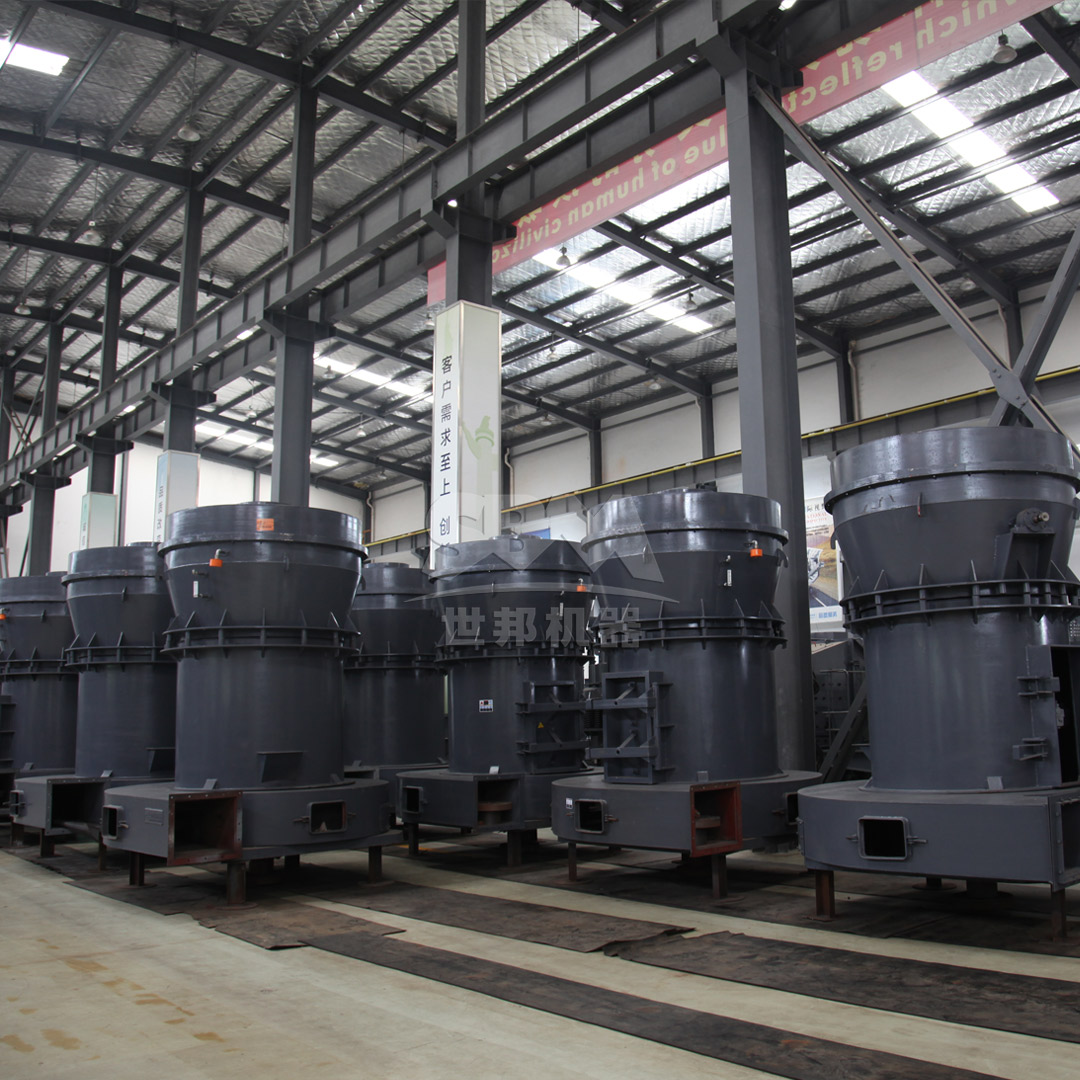
Conclusion
The production of high-performance radiation-shielding cement is a sophisticated process that hinges on the quality of its key ingredient: barite powder. The choice of grinding technology directly influences the powder’s density-enhancing properties, homogeneity, and ultimately, the shielding effectiveness of the final concrete structure. Our SCM Series Ultrafine Mill and MTW Series European Trapezium Mill represent two pillars of advanced grinding technology, each optimized for different points in the barite fineness-capacity spectrum. By investing in the right milling equipment, producers can ensure they meet the stringent technical specifications of nuclear and medical facilities while achieving economical, reliable, and environmentally sound production. For engineers and project managers specifying shielding materials, understanding this critical link between milling technology and final product performance is essential for success.