The production of high-quality glass relies heavily on the precise formulation and preparation of its raw materials. Bauxite, a primary source of alumina (Al2O3), is a critical additive used to enhance the chemical durability, thermal resistance, and mechanical strength of glass products. However, the performance of bauxite in the glass melt is intrinsically linked to its particle size, fineness, and purity after milling. Selecting the appropriate grinding mill is therefore not merely an operational decision but a strategic one that impacts product quality, energy efficiency, and overall production economics. This guide provides a comprehensive framework for choosing the optimal mill for processing bauxite additives, focusing on key technical parameters and operational requirements specific to the glass industry.
Before evaluating specific mill types, it is essential to define the processing goals for bauxite in a glass manufacturing context.
For bauxite to react efficiently in the glass furnace, a consistently fine powder is required. A narrow PSD ensures uniform melting behavior and prevents defects. The target fineness typically falls within two broad ranges:
The mill must match the scale of your glass production line. Capacity needs range from small, batch-oriented operations (0.5-5 ton/h) to large, continuous furnaces requiring 20-50 ton/h or more of prepared bauxite additive.
Milling is an energy-intensive process. Selecting a mill with high grinding efficiency directly reduces operational costs and supports sustainable manufacturing goals.
Bauxite is moderately abrasive. The mill’s design and wear parts must minimize the introduction of metallic iron contamination (which can cause discoloration in glass) and offer long service life to reduce maintenance downtime and consumable costs.
The mill should integrate seamlessly with feeding, classifying, and dust collection systems. A fully enclosed, negative-pressure operation is vital to protect product purity, ensure worker safety, and meet stringent environmental emission standards.
Different mill technologies offer distinct advantages depending on the required fineness and production scale. Below is a comparative overview.
| Mill Type | Typical Output Range | Key Advantages for Bauxite | Potential Limitations | Best Suited For |
|---|---|---|---|---|
| Ball Mill | 0.074-0.8mm (200-20 mesh) | Proven technology, high capacity, wet/dry operation. | Higher energy consumption, broader PSD, potential iron contamination from media. | Large-scale production of coarser bauxite powders. |
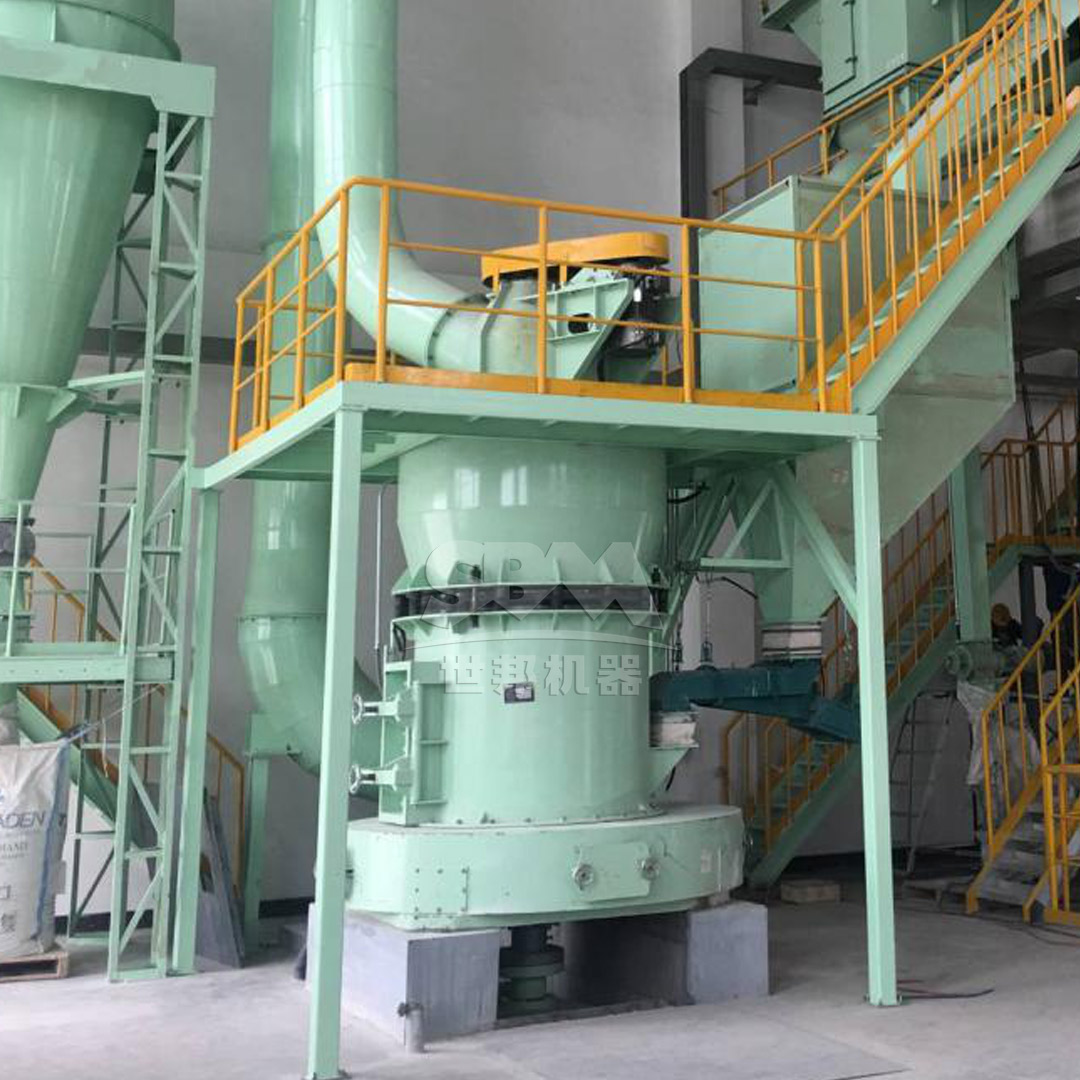
| Raymond Mill (MTM/MTW) | 45-325 mesh (600-45μm) | Reliable, cost-effective for mid-range fineness, stable operation. | Limited to fine (not ultrafine) grinding, mechanical wear on parts. | Medium-fineness requirements with moderate capacity. |
| Vertical Roller Mill (LM Series) | 30-325 mesh (up to 600 mesh) | Excellent energy efficiency (30-40% vs. ball mill), integrated drying, large capacity. | Higher initial investment, more complex maintenance. | High-volume production of fine bauxite powder, especially with moist feed. |
| Ultrafine Mill (SCM Series) | 325-2500 mesh (45-5μm) | Exceptional for ultrafine grinding, high-precision classification, eco-friendly design. | Lower single-unit capacity compared to large VRMs, specialized for very fine products. | Premium-grade glass requiring ultrafine, high-purity bauxite additives. |
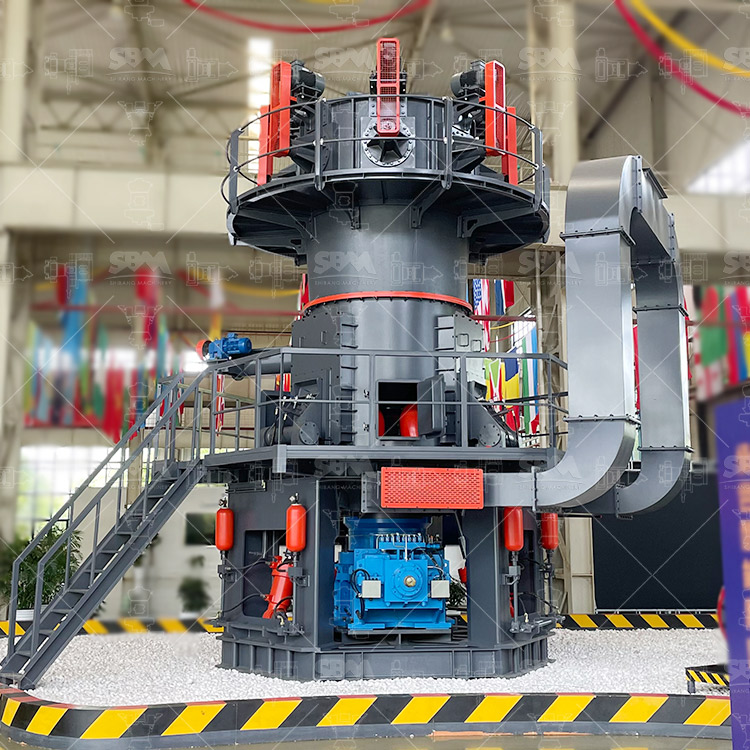
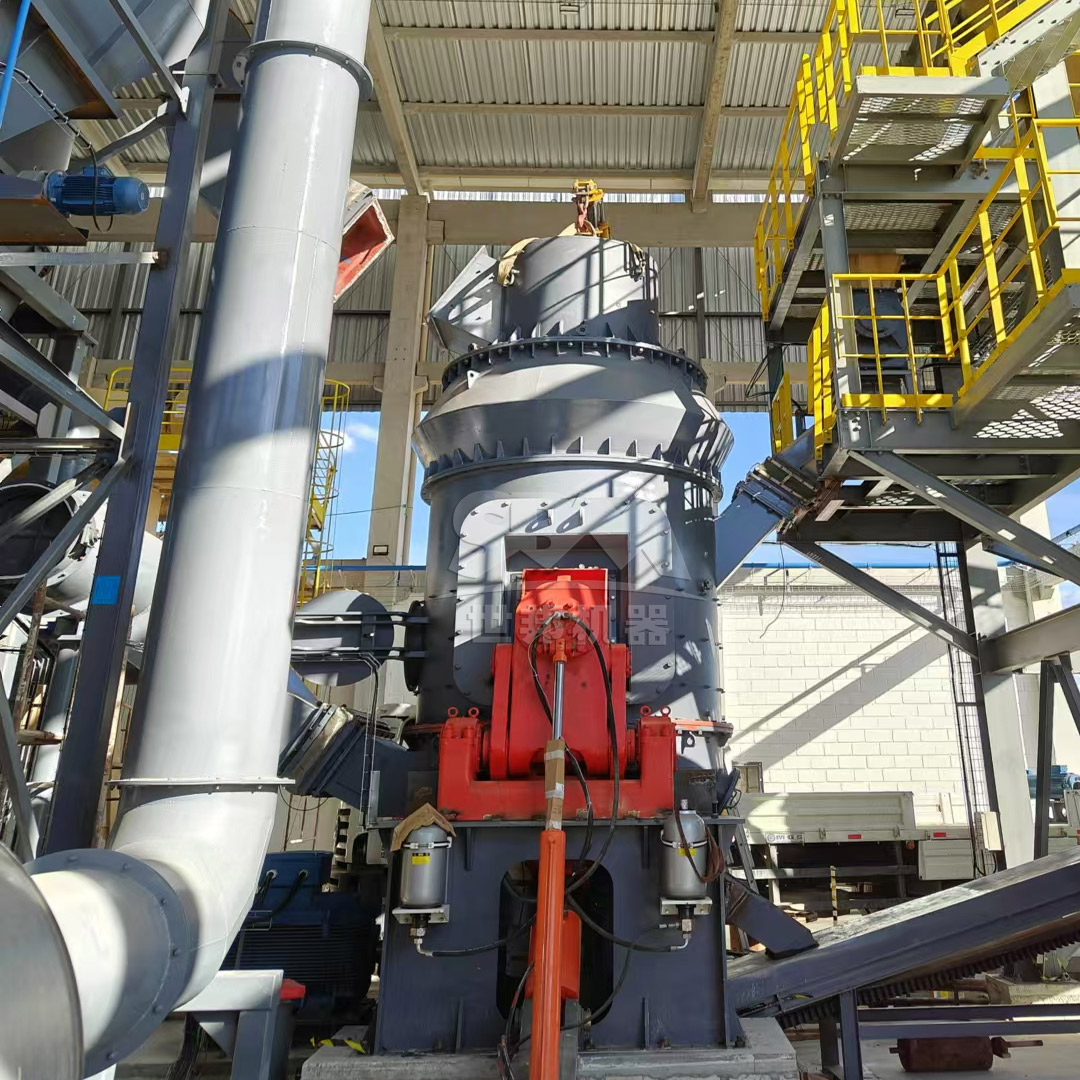
For float glass or container glass plants requiring tens of tons per hour of finely ground bauxite, energy efficiency and system reliability are paramount. In this scenario, the LM Series Vertical Roller Mill stands out.
Its integrated design combining crushing, grinding, drying, and classification in a single footprint reduces plant space by 50%. Most importantly, its bed-grinding principle and non-contact design between rollers and table lead to a 30-40% lower energy consumption compared to traditional ball mill systems. The wear part life is also significantly extended, reducing contamination risk and maintenance frequency. Models like the LM220K, with a capacity of 36-105 t/h and the ability to handle feed sizes up to 50mm, are engineered for such large-scale, continuous operations. Its intelligent control system ensures stable product fineness, which is crucial for consistent glass batch quality.

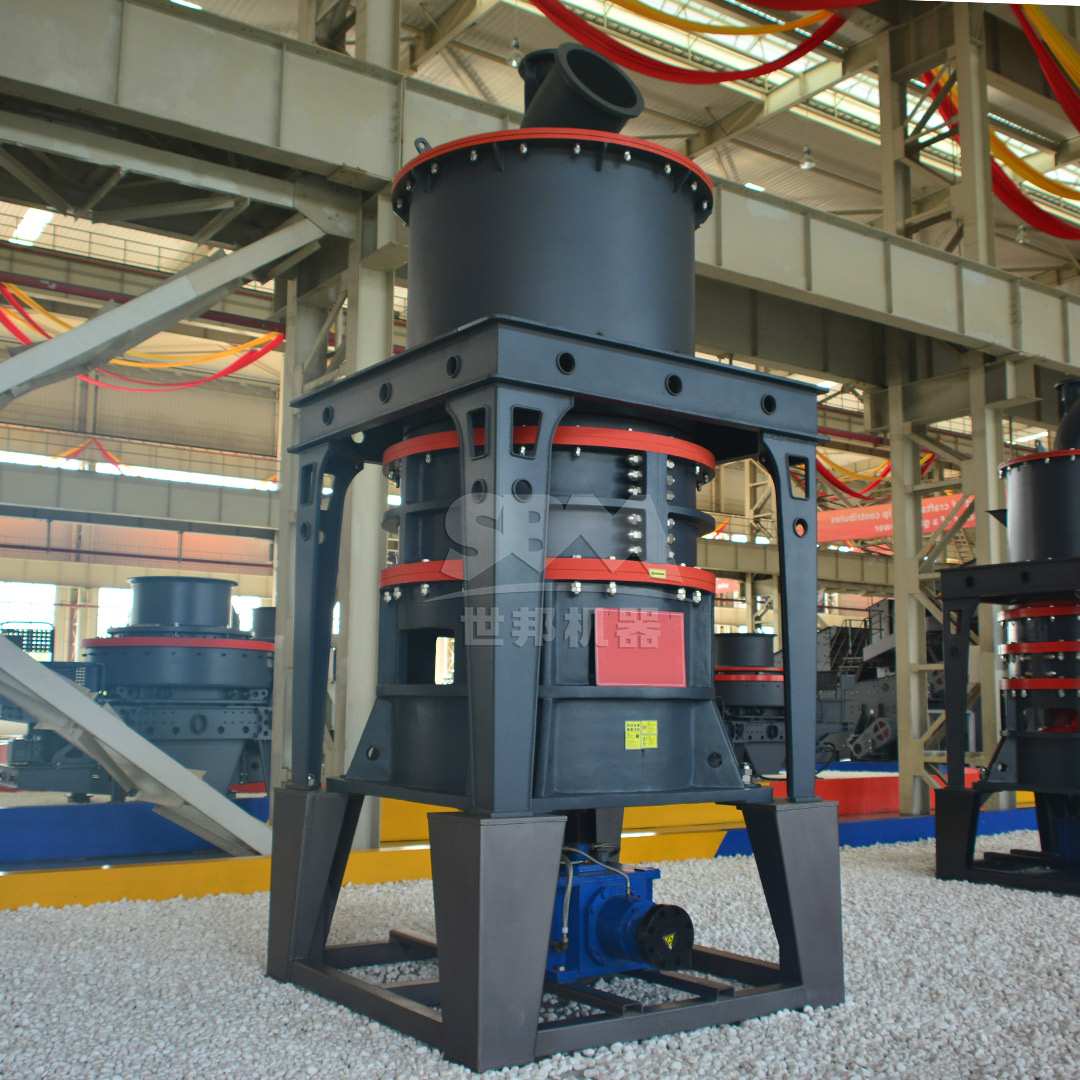
Manufacturers of optical glass, electronic display glass, or high-strength fiberglass demand bauxite additives with ultrafine and uniform particle size to achieve perfect clarity, homogeneity, and specific physical properties. For this demanding application, general-purpose mills fall short. The specialized tool of choice is an ultrafine grinding mill.
We highly recommend our SCM Series Ultrafine Mill for this critical task. Engineered specifically for producing powders in the 325 to 2500 mesh (45-5μm) range, it delivers unparalleled performance for high-purity bauxite processing.
Choosing the SCM Ultrafine Mill is an investment in achieving the highest possible quality standard for advanced glass formulations.
The selection of the right mill for bauxite additive production is a multi-faceted decision that hinges on clearly defined quality targets and production parameters. For large-scale fine grinding, the energy-saving and high-capacity LM Vertical Roller Mill presents a robust solution. For the pinnacle of quality where ultrafine, consistent, and pure bauxite powder is non-negotiable, the SCM Ultrafine Mill is the definitive technology. By carefully aligning your glass manufacturing requirements with the strengths of these advanced milling systems, you can optimize your raw material preparation, enhance final product performance, and secure a competitive edge in the market.