In the modern glass manufacturing industry, the quality and consistency of raw materials directly determine the final product’s transparency, strength, and chemical stability. Calcite (calcium carbonate, CaCO₃) serves as a crucial flux and stabilizing agent in glass formulations, helping to reduce melting temperatures and improve the batch’s workability. To meet the stringent requirements of glass production—such as precise particle size distribution, low impurity levels, and high throughput—choosing the right grinding and classification equipment is paramount. This article provides a comprehensive overview of the key machinery and solutions for producing high-quality calcite additives for the glass industry, highlighting advanced technologies that ensure efficiency, consistency, and environmental compliance.
Calcite is primarily added to glass batches as a source of calcium oxide (CaO). CaO acts as a stabilizer, preventing the glass from dissolving in water and enhancing its chemical durability. Additionally, calcium carbonate can partially replace more expensive soda ash (Na₂CO₃), reducing production costs. For high-quality glass applications such as float glass, container glass, and fiberglass, the calcite powder must feature:
Depending on the desired throughput and final fineness, calcite can be processed using several types of mills. Below are the most effective options for glass-grade applications.
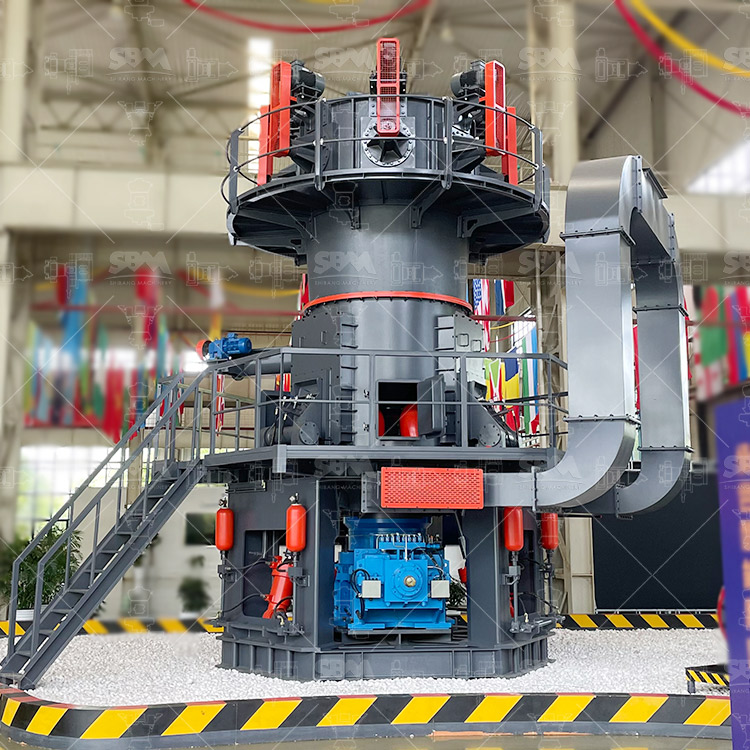
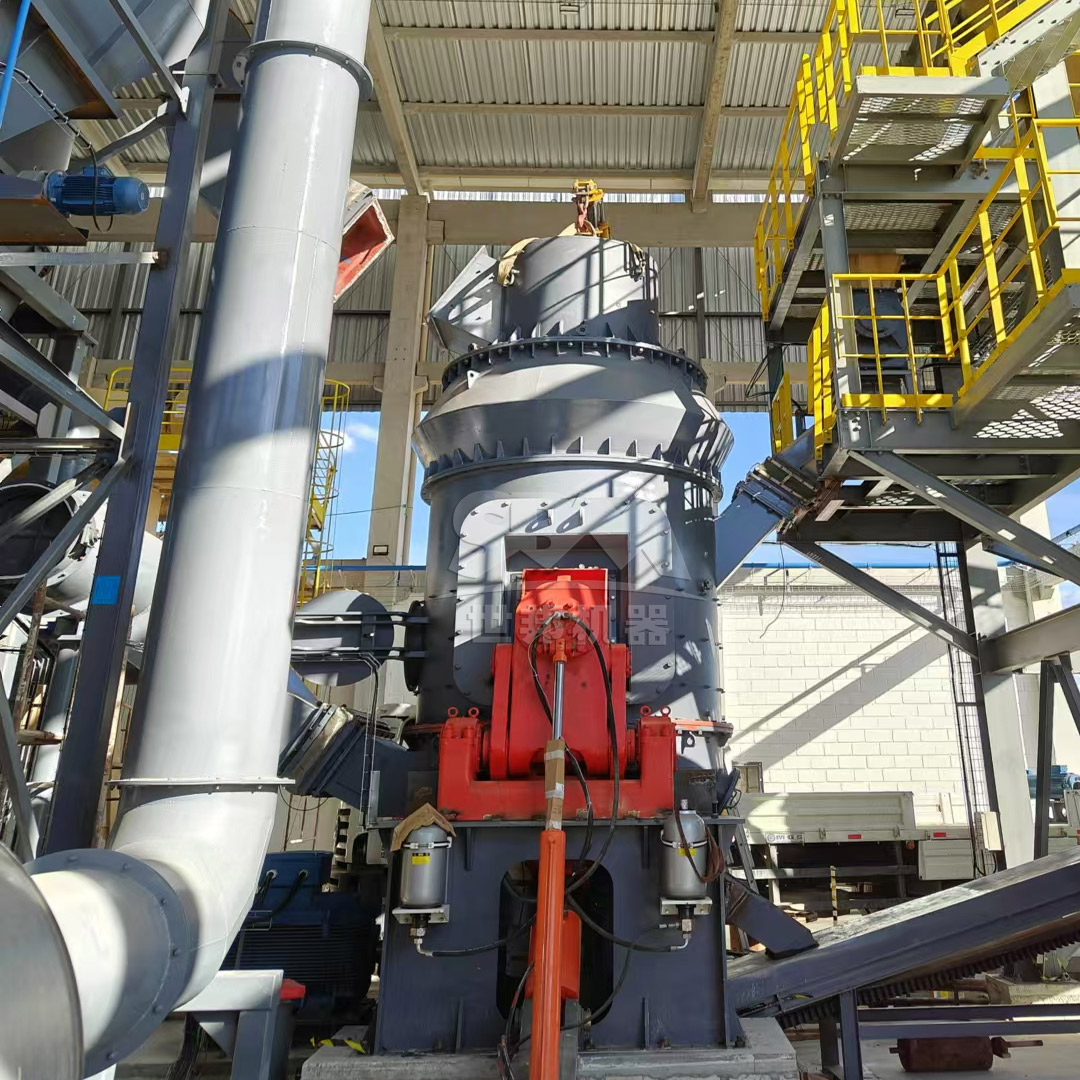
Vertical roller mills have become the industry standard for large-scale mineral processing due to their high efficiency and low energy consumption. The LM Series Vertical Roller Mill integrates crushing, grinding, and classification into a single unit, reducing the plant footprint by up to 50% compared to traditional ball mill systems. This is particularly advantageous for greenfield projects or expansions where space is limited.
Key features for calcite processing include:
For extremely high-tonnage operations, models like the LM280K (capacity up to 170 t/h) or the LM340Y pre-grinding mill (used for cement and harder minerals) can be configured to supply a consistent feed to downstream processes.
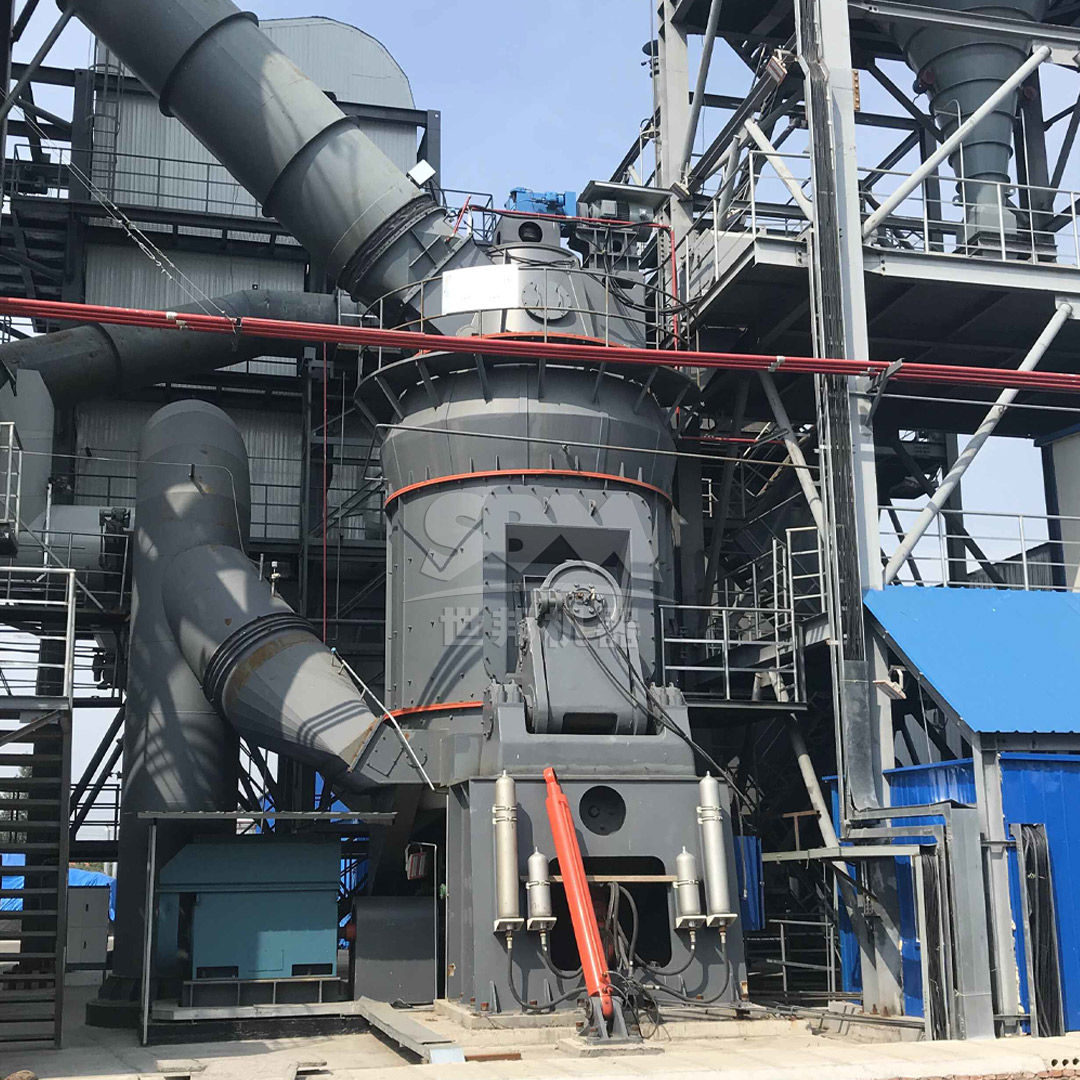
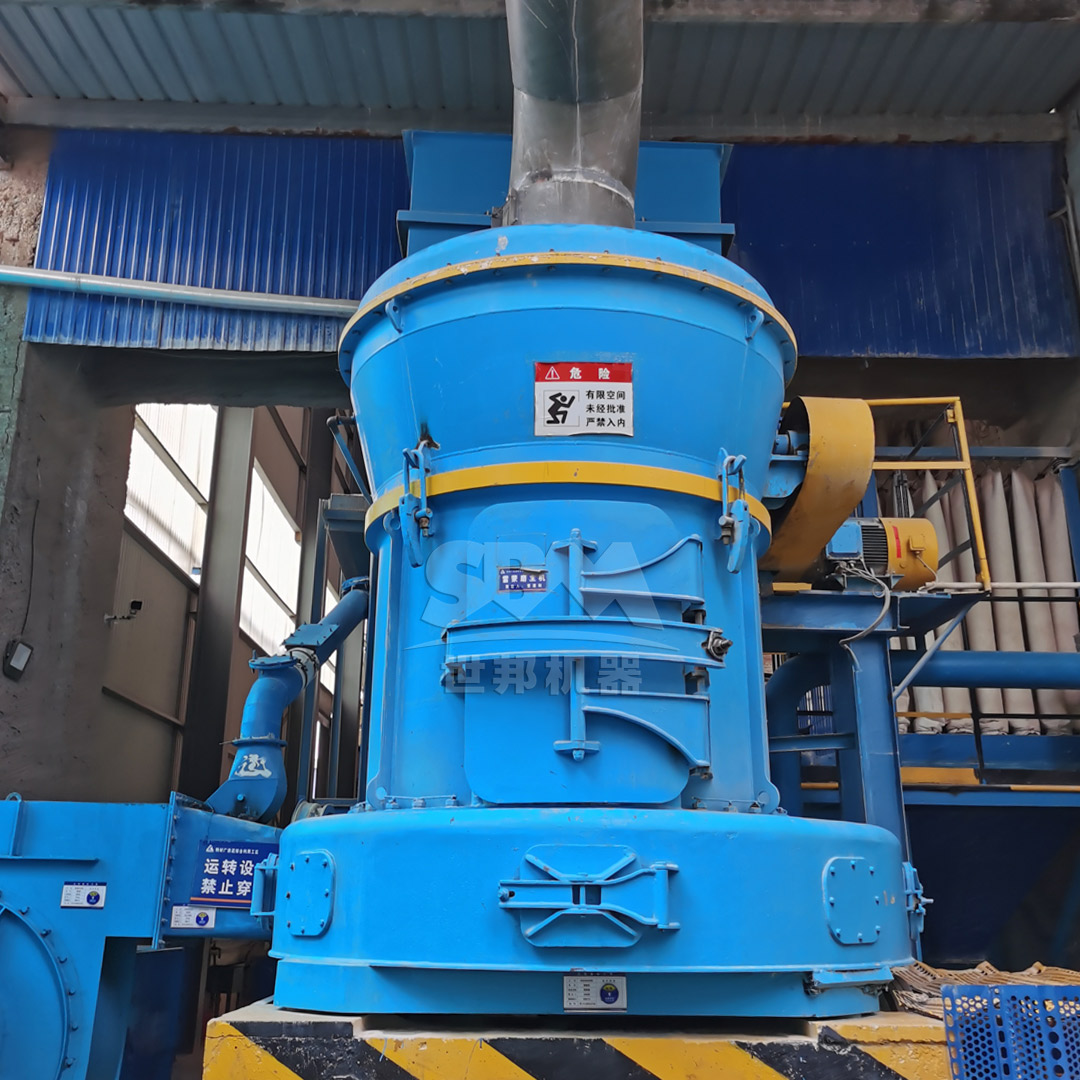
For medium-scale operations (3-45 t/h) that require high flexibility in product fineness, the MTW Series European Trapezium Mill offers an excellent balance. This mill is specifically designed to handle materials like calcite, limestone, and dolomite with a feed size up to 50mm.
Its technical advantages are directly applicable to glass additive production:
For a typical glass factory needing 10-15 t/h of calcite powder at 200 mesh (74 µm), the MTW138Z model (capacity 6-17 t/h, 90kW main power) is a highly recommended solution.
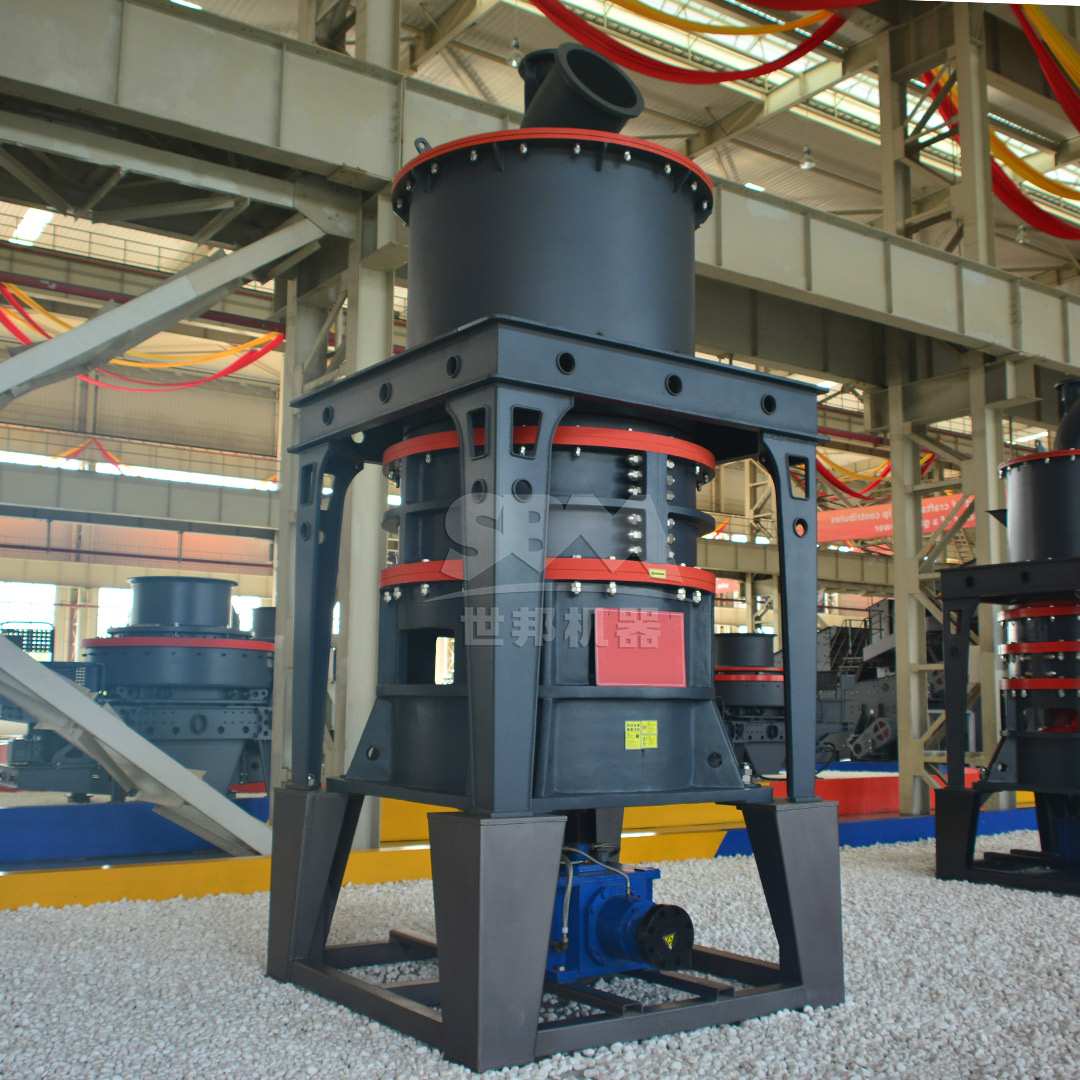
When producing additives for specialty glass (e.g., borosilicate glass or high-clarity crystal) where extremely fine calcite (<45µm) is required for rapid melting and homogenization, ultrafine mills are necessary. The SCM Series Ultrafine Mill is capable of achieving a fineness of 325-2500 mesh (5-45 µm) with a throughput of 0.5-25 t/h.
Key advantages include:
Based on our extensive experience in mineral processing, we highly recommend the MTW Series European Trapezium Mill (Model MTW175G) for most standard glass-grade calcite production lines. With a capacity of 9.5-25 t/h and a fineness range of 10-325 mesh, it perfectly bridges the gap between high throughput and precise classification. Its robust anti-wear design and optimized air duct ensure low operating costs and a consistent product that meets the glass industry’s strict quality standards. For operations requiring a slightly finer product or higher capacity, the LM150K Vertical Roller Mill (capacity 13-38 t/h) is an ideal upgrade, offering superior energy efficiency and a smaller footprint.
Beyond the primary mill, a complete calcite processing plant for glass includes several critical components:
All of our mills (MTW, LM, and SCM) feature integrated classifiers. For products where the standard classifier is not sufficient, a separate Dynamic Classifier System can be installed. Pulse dust collectors are mandatory for environmental compliance. Our Pulse Dust Collector systems feature automatic cleaning and ensure emissions are well below international standards, often achieving 0 mg/m³ dust leakage.
Raw calcite blocks (0-50mm) are commonly fed directly into the mill. For larger boulders, a Hammer Mill (e.g., PC4015-132) can be used for preliminary crushing to 0-3mm, protecting the main mill and increasing overall throughput. If the feed material has high moisture content (>5%), a drying system using hot air can be integrated into the vertical roller mill circuit.
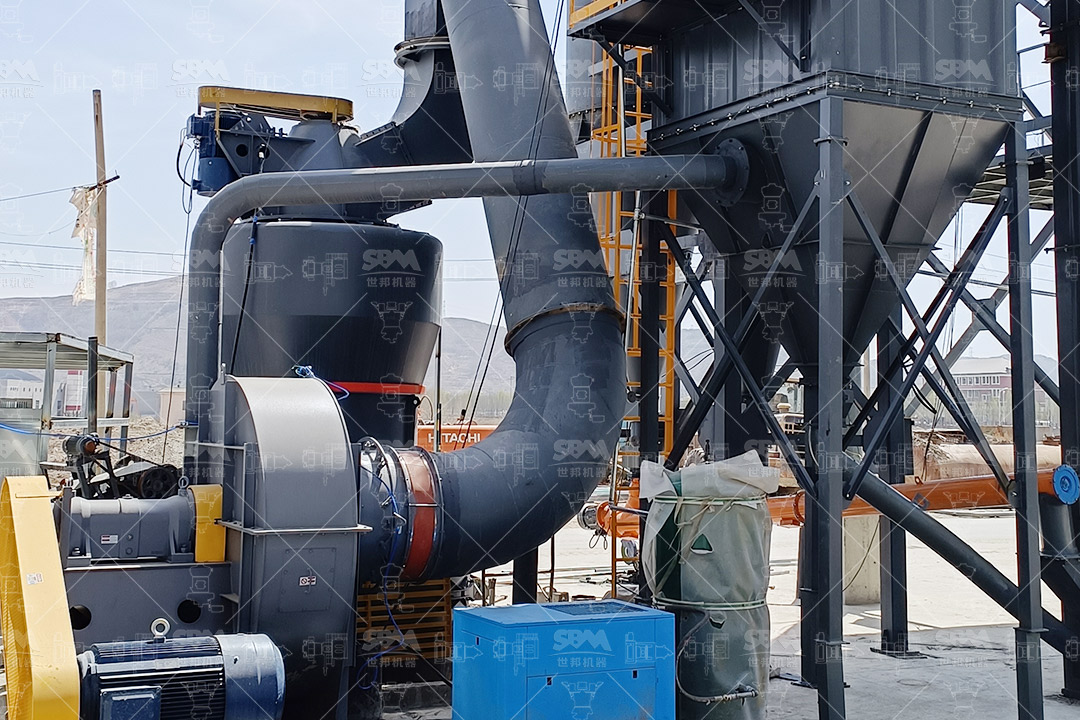
Producing high-quality calcite additives for glass is a process that demands precision, reliability, and efficiency. Whether the requirement is for coarse 30-mesh material for standard container glass or ultrafine 2500-mesh powder for high-end technical glass, the right grinding machinery is the key to success. Our product portfolio—ranging from the heavy-duty LM Series Vertical Roller Mills to the flexible MTW Series Trapezium Mills and the ultra-fine SCM Series Mills—provides complete solutions tailored to your production goals. By integrating advanced features like intelligent control, durable wear parts, and eco-friendly dust collection, our equipment ensures your calcite additive production is both profitable and sustainable. For a detailed equipment selection and plant layout consultation, please contact our engineering team.