Dolomite, a calcium magnesium carbonate mineral (CaMg(CO3)2), is a versatile raw material with extensive applications in construction, agriculture, glass manufacturing, ceramics, and as a filler in paints and plastics. Producing high-quality dolomite powder, particularly at a fineness of 200 mesh (approximately 74 microns), requires a carefully designed production line that balances efficiency, product quality, and operational cost. This article delves into the core process flow and the critical equipment necessary for establishing a reliable and productive 200-mesh dolomite powder production line.
The transformation of raw dolomite rock into a consistent 200-mesh powder follows a systematic sequence of operations. Each stage is crucial for ensuring the final product meets specifications for particle size distribution, purity, and moisture content.
Large dolomite rocks extracted from the quarry are first reduced in size using primary crushers, such as jaw crushers. The goal here is to achieve a manageable feed size, typically below 50mm, for the subsequent grinding stages. This step is fundamental for improving handling efficiency and preparing the material for finer crushing.
The coarsely crushed dolomite is then conveyed to secondary crushing equipment. A hammer mill or an impact crusher is often employed here to further reduce the particle size to below 20-30mm. This stage is critical for achieving a uniform feed for the final grinding mill, which directly impacts grinding efficiency and energy consumption.
| Process Stage | Input Size | Output Size | Typical Equipment |
|---|---|---|---|
| Primary Crushing | 0-500mm | 0-50mm | Jaw Crusher |
| Secondary Crushing | 0-50mm | 0-20mm | Hammer Mill, Impact Crusher |
| Grinding & Classification | 0-20mm | 200 Mesh (74µm) | Grinding Mill (e.g., MTW, Ball Mill) |
| Dust Collection & Packaging | Powder Stream | Bagged Product | Pulse Dust Collector, Packing Machine |
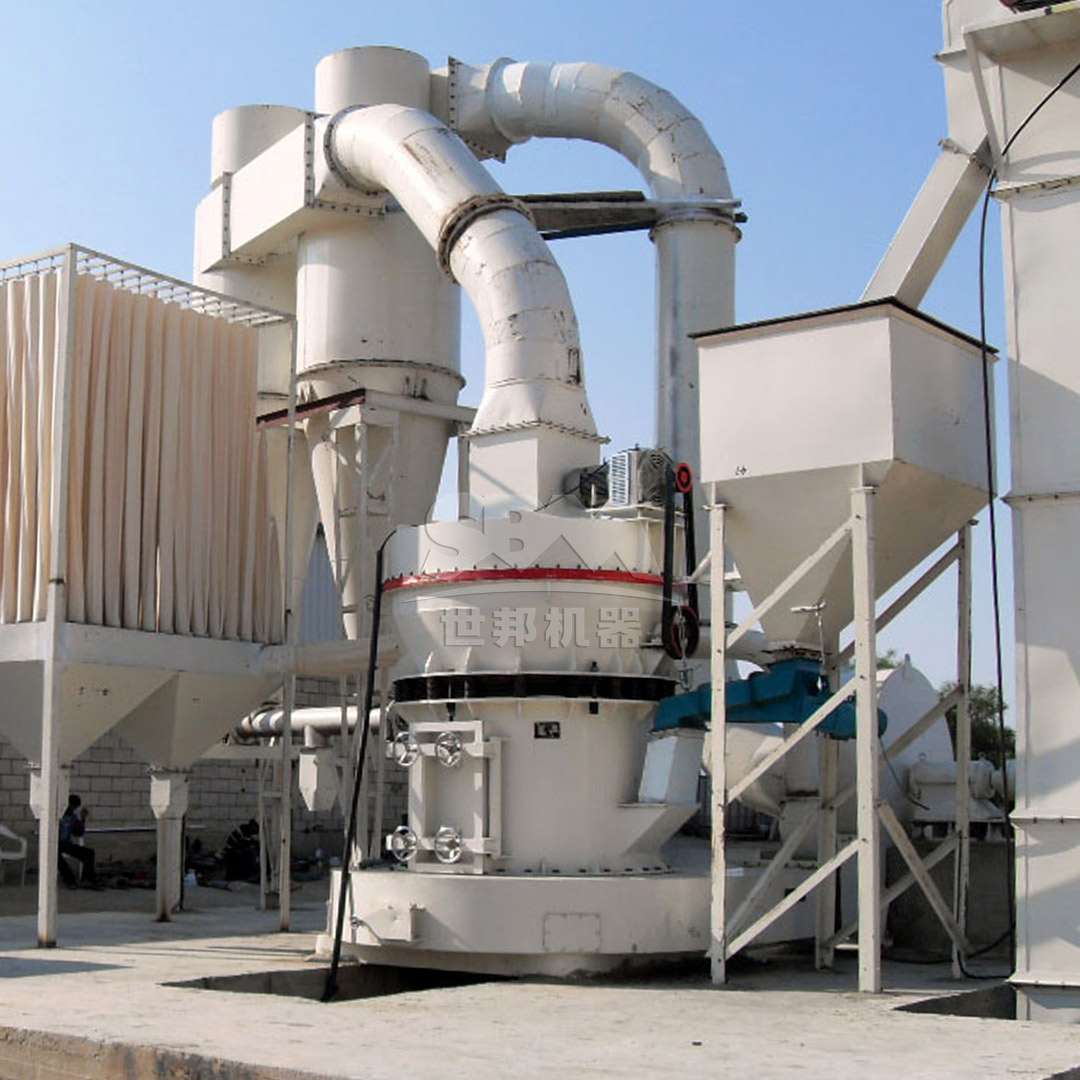
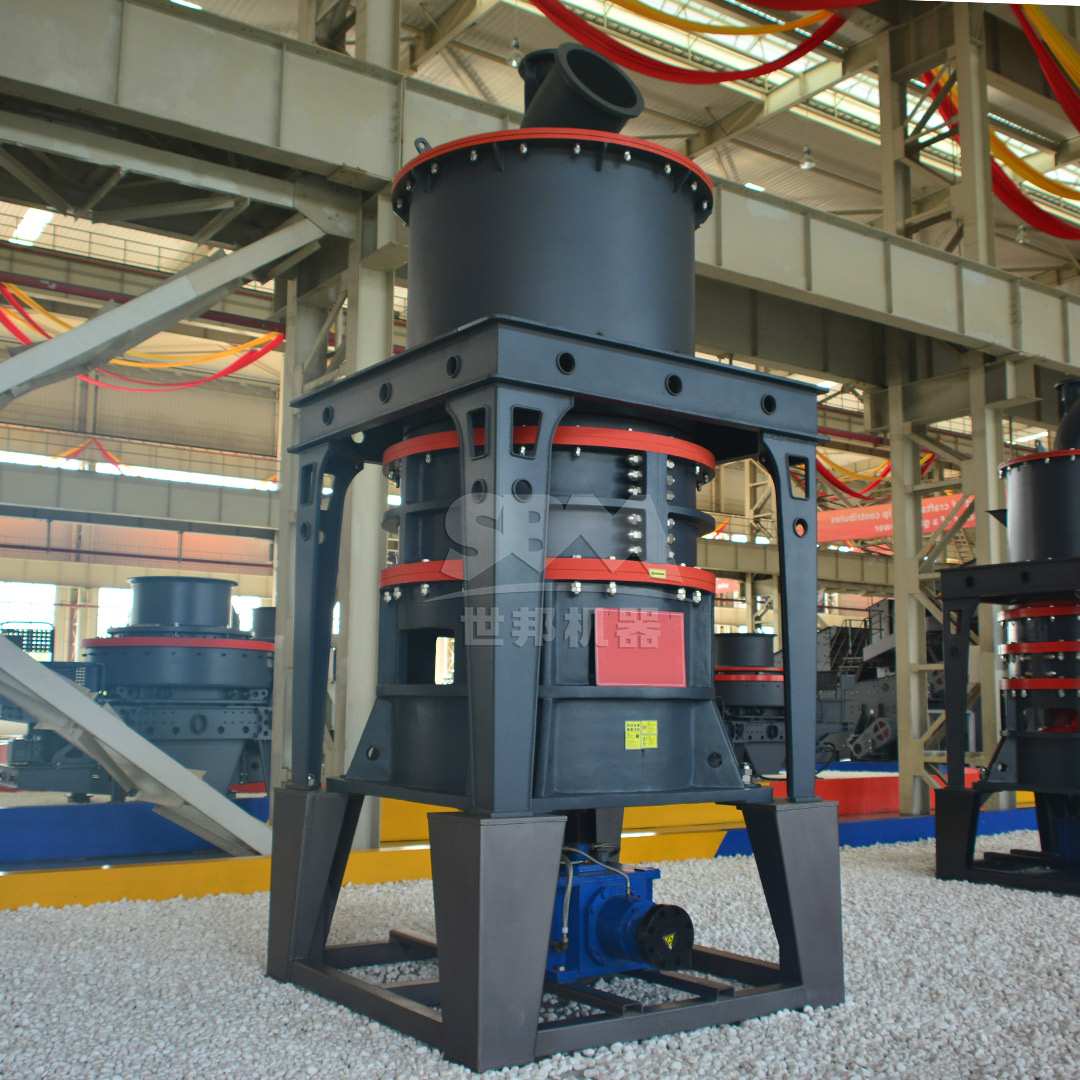
This is the most critical phase for achieving the target 200-mesh fineness. The pre-crushed dolomite is fed into a grinding mill. The choice of mill is paramount. For a 200-mesh product, several mill types are suitable, each with its own advantages in terms of capacity, energy efficiency, and particle shape control.
The ground material is then air-conveyed to an integrated or separate classifier. This device uses centrifugal force and airflow to separate particles. Oversized particles (>200 mesh) are rejected and returned to the grinding chamber for further size reduction, while qualified fine powder passes through. This closed-circuit grinding system ensures precise control over the top particle size and a narrow size distribution.
Modern powder production lines must be environmentally compliant. A high-efficiency pulse jet baghouse dust collector is essential to capture airborne particles from the grinding and conveying processes, ensuring clean air emission and maximizing product yield. The collected fine powder is then transported via screw conveyors or airslides to storage silos.
The finished 200-mesh dolomite powder is stored in large silos. From there, it can be packaged in bags of various sizes (e.g., 25kg, 50kg, 1-ton big bags) using automated valve bag packers or bulk-loaded into trucks for direct delivery.
Selecting the right grinding mill is the single most important decision for the production line’s economics and product quality. For a 200-mesh (74µm) dolomite application, the following equipment options are highly effective.
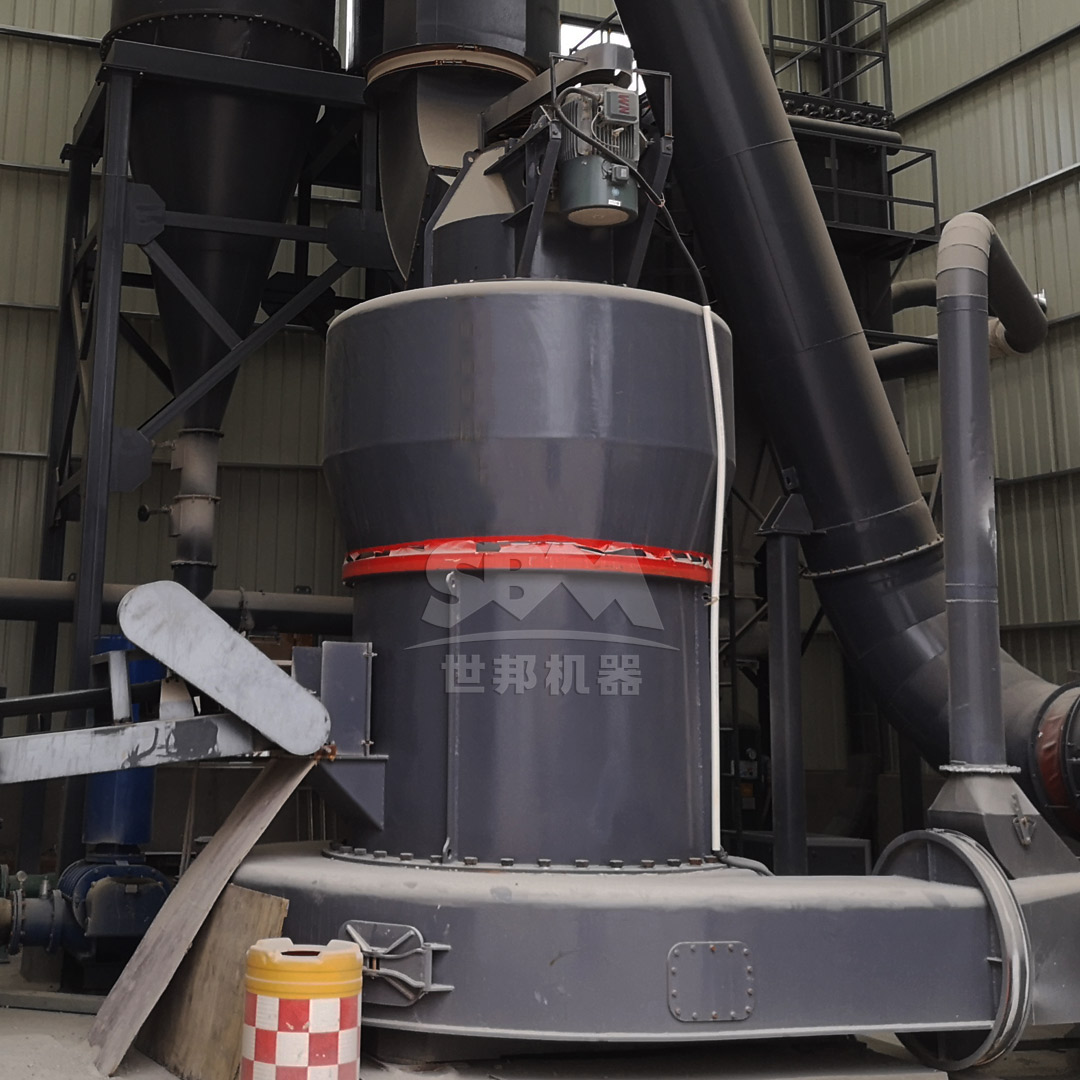
For a balanced combination of high capacity, excellent energy efficiency, and reliable operation at the 200-mesh range, the MTW Series European Trapezium Mill is an outstanding choice. Its design is particularly well-suited for medium-to-large scale production of non-metallic minerals like dolomite.
Why the MTW Mill is Ideal for 200-Mesh Dolomite:
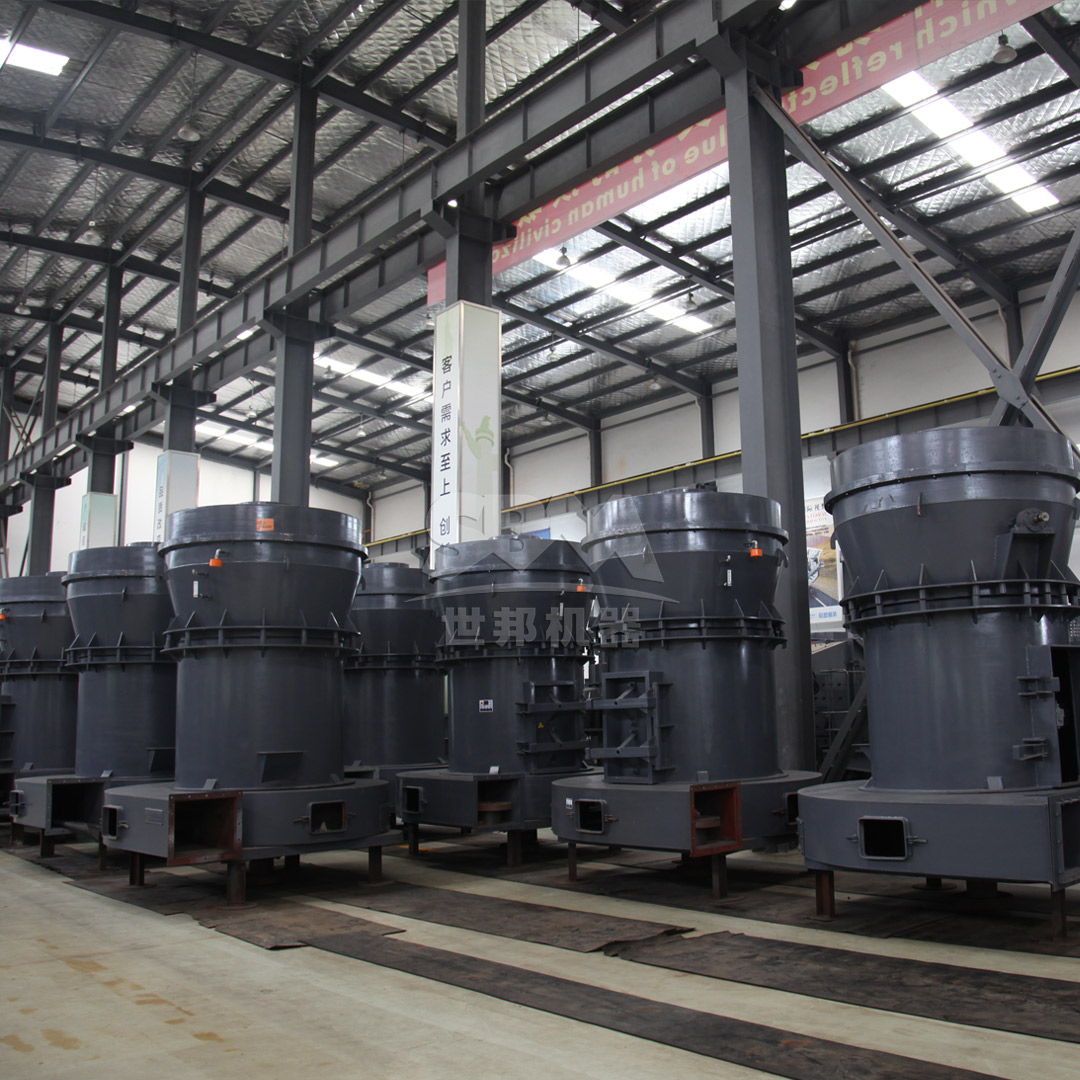
The traditional Ball Mill remains a robust and widely used option for grinding dolomite to 200 mesh. It is a proven technology known for its simplicity, reliability, and ability to produce a product with good particle shape.
Considerations for Ball Mills:
However, compared to more modern roller mill systems like the MTW, ball mills generally have higher energy consumption, greater wear on grinding media (steel balls), and may require more floor space.
Beyond the core grinding unit, the performance of the entire line depends on well-integrated auxiliary systems.
A consistent and controlled feed rate is vital. Electromagnetic or screw feeders, like the GZ series mentioned in the MTW specifications, ensure a steady flow of material into the mill, preventing overload and ensuring stable grinding conditions.
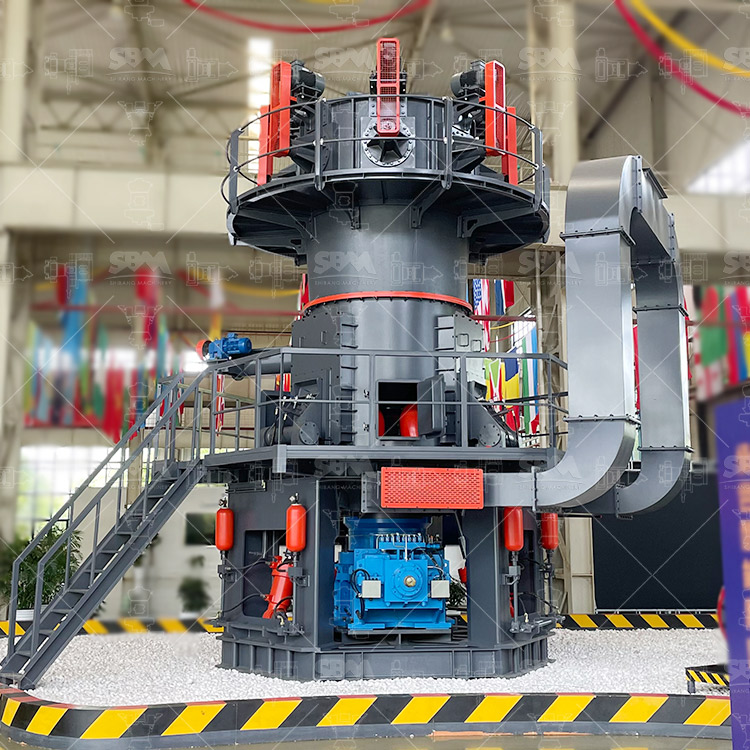
If the raw dolomite has high moisture content, a dryer (such as a rotary dryer) may need to be incorporated before the grinding stage. Alternatively, mills like the MTW or LM series can be equipped with hot air systems to perform simultaneous grinding and drying, simplifying the process flow.
A centralized PLC-based control system monitors and regulates the entire production line—from feeding and grinding to dust collection. This enhances safety, stabilizes product quality, and reduces labor costs through automation.
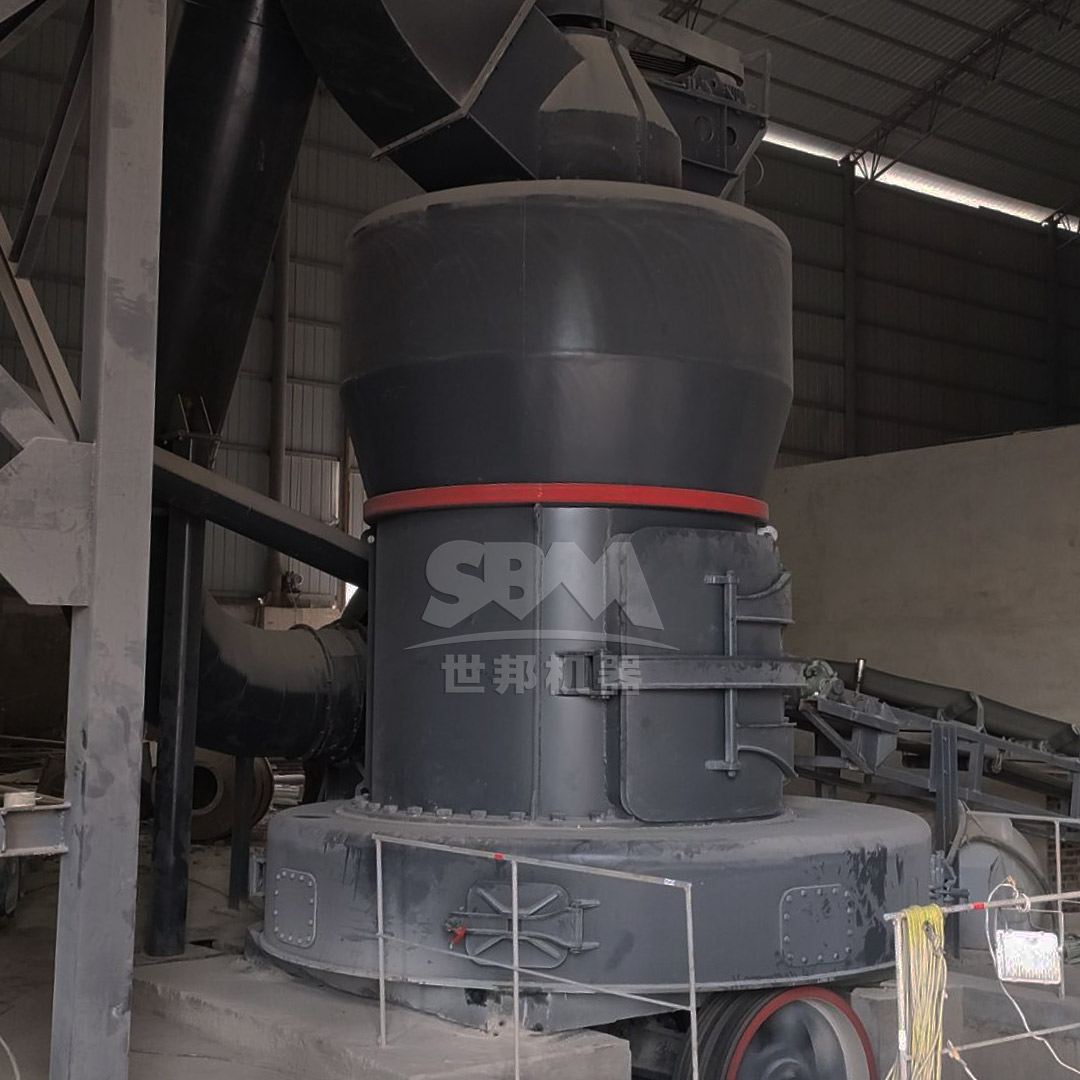
Establishing an efficient 200-mesh dolomite powder production line requires a holistic approach, from primary crushing to final packaging. While each component plays a role, the selection of the grinding and classification system is decisive. For producers seeking an optimal balance of capacity, energy efficiency, and low operating costs for a 200-mesh product, the MTW Series European Trapezium Mill represents a technologically advanced and economically sound solution. Its robust construction, precise classification, and high transmission efficiency make it a cornerstone for modern, competitive dolomite processing plants aiming for consistent quality and sustainable operation.