The strategic incorporation of dolomite (CaMg(CO3)2) as an additive in ceramic formulations is a well-established practice to enhance product properties. Its primary roles include acting as a flux to lower firing temperatures, improving mechanical strength, reducing thermal expansion, and promoting the formation of desirable crystalline phases like anorthite. However, the efficacy of dolomite is intrinsically linked to its physical characteristics—most critically, its particle size distribution (PSD), purity, and morphology. Achieving the optimal specifications requires a meticulous selection of production equipment, balancing technical requirements with economic and operational feasibility. This guide provides a comprehensive framework for selecting the ideal grinding and processing system for dolomite additives in ceramic applications.
Before evaluating any equipment, you must clearly define the target specifications for your dolomite powder, which are dictated by your ceramic body or glaze recipe.
| Ceramic Application | Typical Dolomite Fineness Range | Key Property Influence |
|---|---|---|
| Sanitaryware & Tableware Bodies | 200 – 600 mesh | Fluxing, strength, whiteness |
| Floor & Wall Tile Bodies | 100 – 325 mesh | Lower firing temperature, dimensional stability |
| Glazes & Engobes | 800 – 2500 mesh (5-20μm) | Surface smoothness, gloss, chemical durability |
| Advanced Technical Ceramics | 2500+ mesh (<5μm) | Sintering aid, phase purity, microstructure control |
The heart of a dolomite processing line is the grinding mill. The choice depends on the target fineness, capacity, and desired PSD.
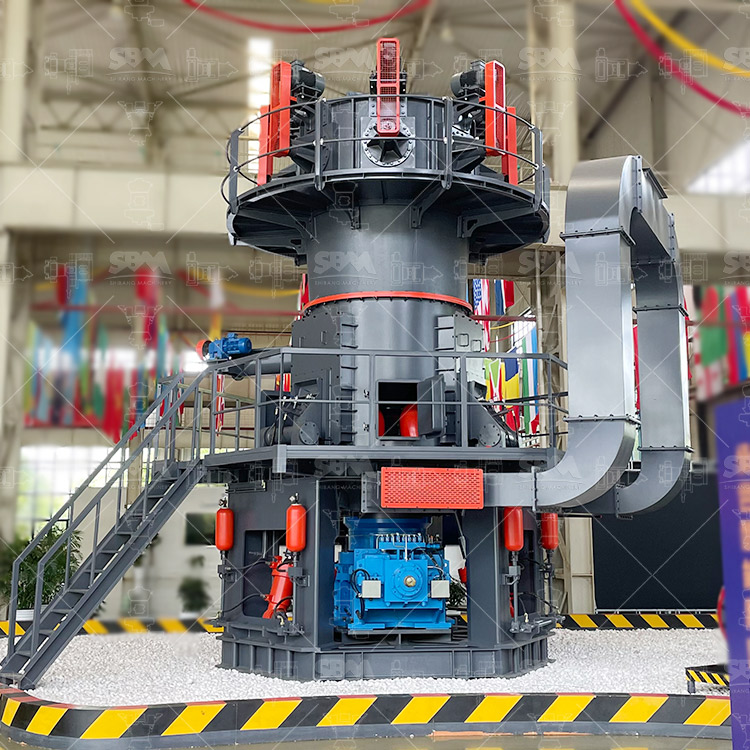
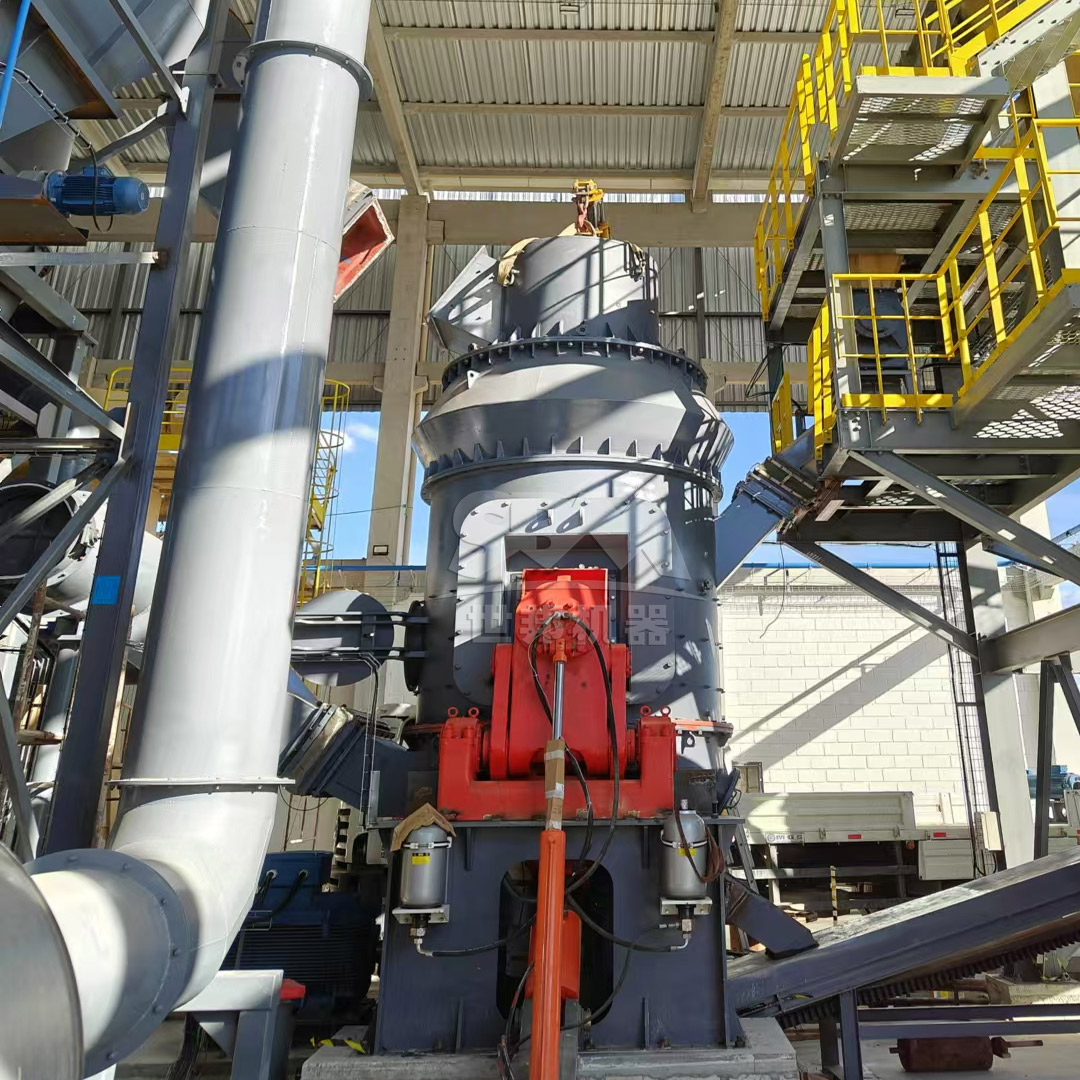
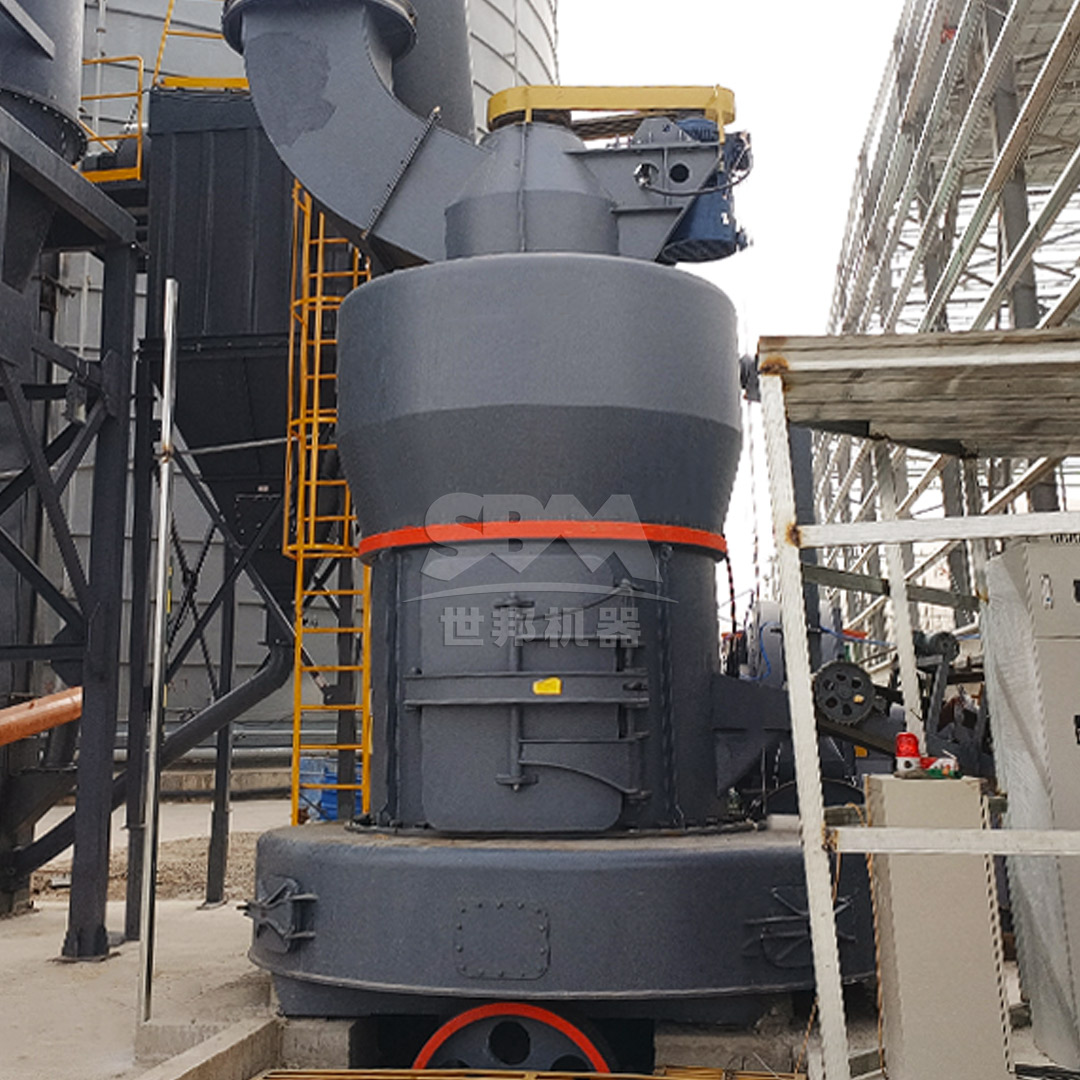
If your production targets standard ceramic body applications, robust and high-capacity mills are ideal.
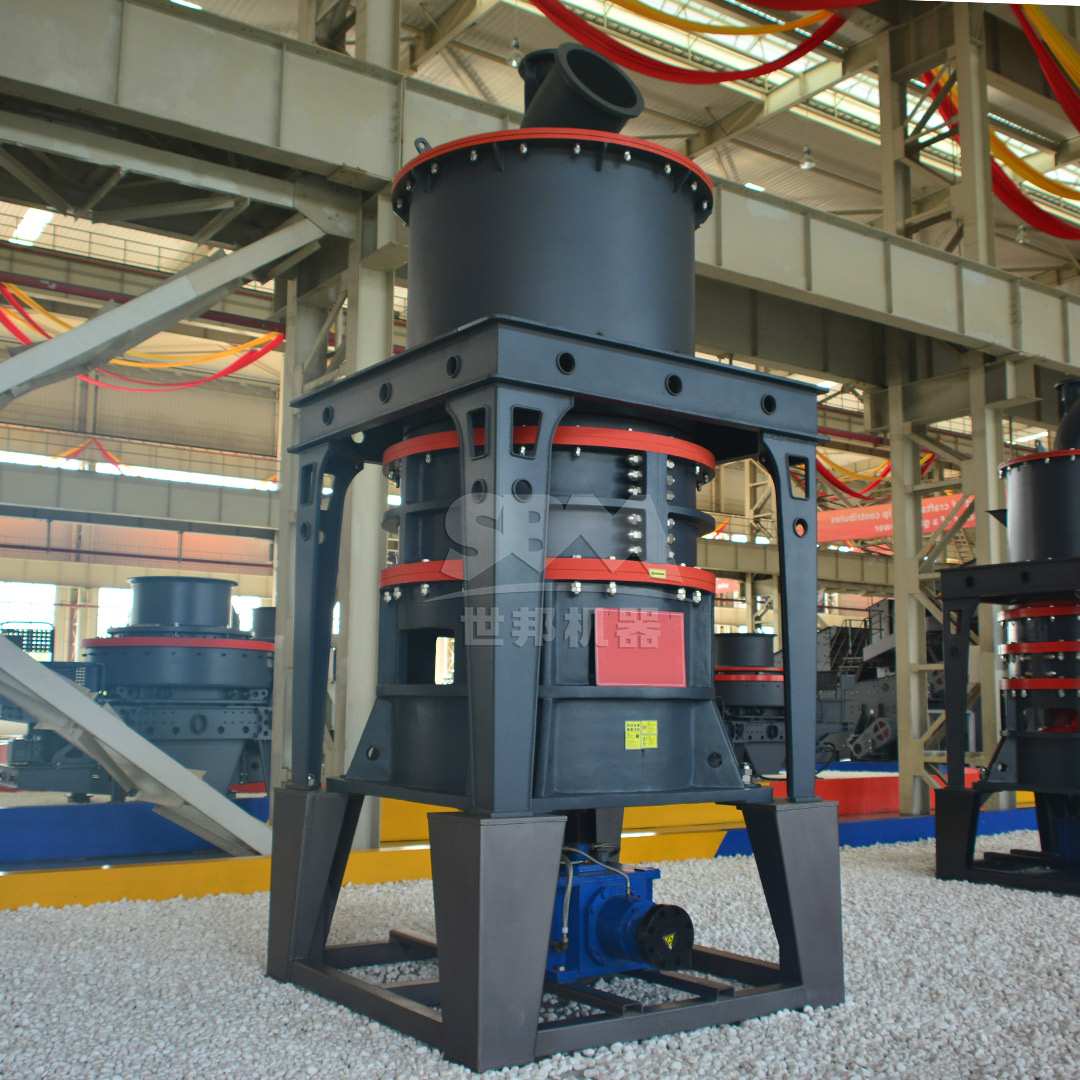
Producing dolomite for glazes and high-end ceramics demands technology capable of precise particle size cutting and energy-efficient ultrafine grinding.
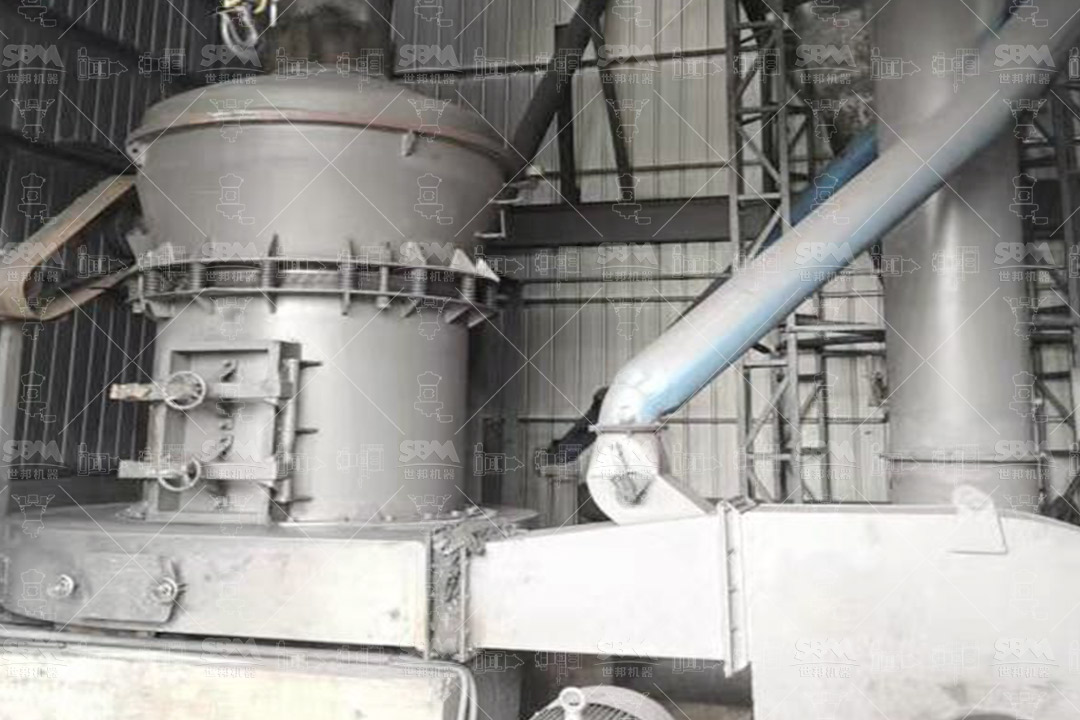
For a ceramic producer aiming to manufacture premium glaze-grade dolomite additive with capacities from 0.5 to 25 TPH, the SCM Series Ultrafine Mill represents an optimal technological investment.
Technical capability must be weighed against other vital factors.
| Evaluation Factor | Questions to Ask | Impact on Choice |
|---|---|---|
| Total Cost of Ownership (TCO) | What are the energy costs per ton? Wear part lifespan and cost? Maintenance labor requirements? | VRMs and SCM mills often have higher capex but lower opex due to energy and wear efficiency. |
| Footprint & Installation | What is the available plant space? Does the system require complex foundations? | Integrated mills (LM, LUM, SCM) save significant space. VRMs may allow outdoor installation. |
| Operational Flexibility | How quickly can fineness be adjusted? Can it handle slight variations in feed moisture/hardness? | Mills with dynamic classifiers (SCM, LUM, MTW) offer quick adjustment. Systems with drying capability add flexibility. |
| Environmental Compliance | What are the guaranteed dust emission and noise levels? | Modern mills with integral pulse filters and soundproof designs (like the SCM Series) are essential for strict compliance. |
| Supplier Support & Expertise | Does the supplier offer process design, installation support, and readily available spare parts? | Choosing a supplier with proven ceramic mineral experience reduces project risk and ensures long-term reliability. |
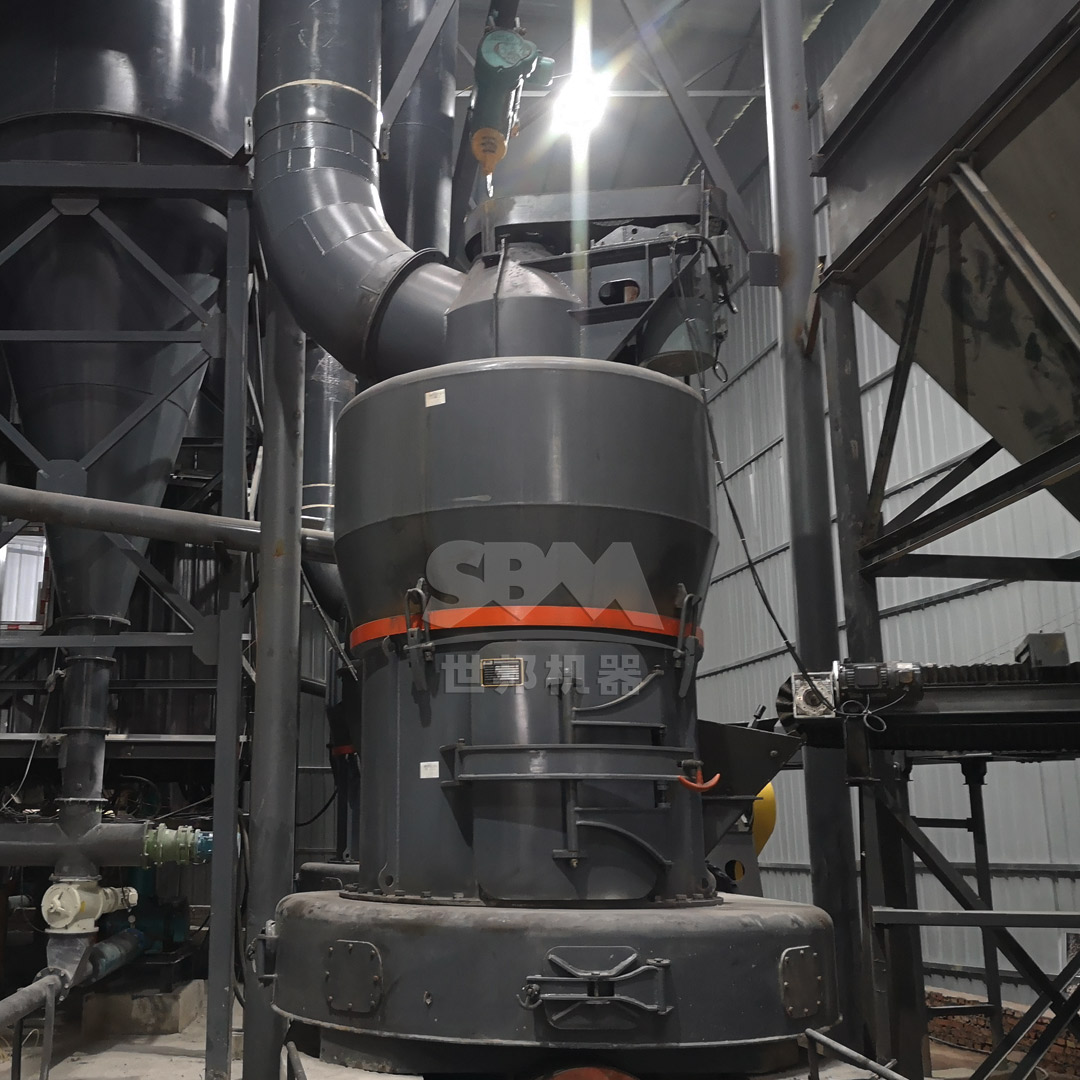
Selecting the best production equipment for dolomite additives is not merely about buying a grinder; it’s about investing in a precision manufacturing process that safeguards the quality of your final ceramic products. The decision must bridge the gap between ceramic chemistry requirements and mechanical engineering capabilities. For high-volume, coarse-to-medium grinding, our LM Vertical Roller Mill or MTW European Trapezium Mill offer unbeatable efficiency and reliability. For the critical production of ultrafine, high-purity dolomite essential for superior glazes and advanced ceramics, our SCM Series Ultrafine Mill stands out with its precise classification, energy savings, and clean operation. By following a structured selection process that prioritizes both product specifications and total operational value, ceramic manufacturers can secure a processing solution that delivers consistent quality, optimizes costs, and supports innovation for years to come.