Illite, a non-expanding clay mineral, is widely used in the production of high-quality building materials such as ceramics, cement, and advanced fillers. To achieve the desired fineness and purity for building material grade applications, specialized milling equipment is required. The production of illite powder involves crushing, grinding, classifying, and dust collection stages. Selecting the right equipment and optimizing the process parameters are critical to maximizing efficiency, reducing energy consumption, and ensuring product consistency. This article explores the key machines involved in building material grade illite powder production and provides insights into process optimization strategies.
The initial stage of illite processing typically involves reducing run-of-mine material to a manageable size. A Hammer Mill is often employed for this purpose due to its high crushing ratio and ability to handle feed sizes up to 40mm. The hammer mill uses high-speed rotating hammers to impact and crush the material against wear-resistant liners. For illite, the PC4012-90 model, with a capacity of 15-40 t/h and a rotor diameter of 900x1200mm, offers an excellent balance of throughput and power efficiency. Particles are reduced to 0-3mm, which is ideal for feeding into fine grinding mills.
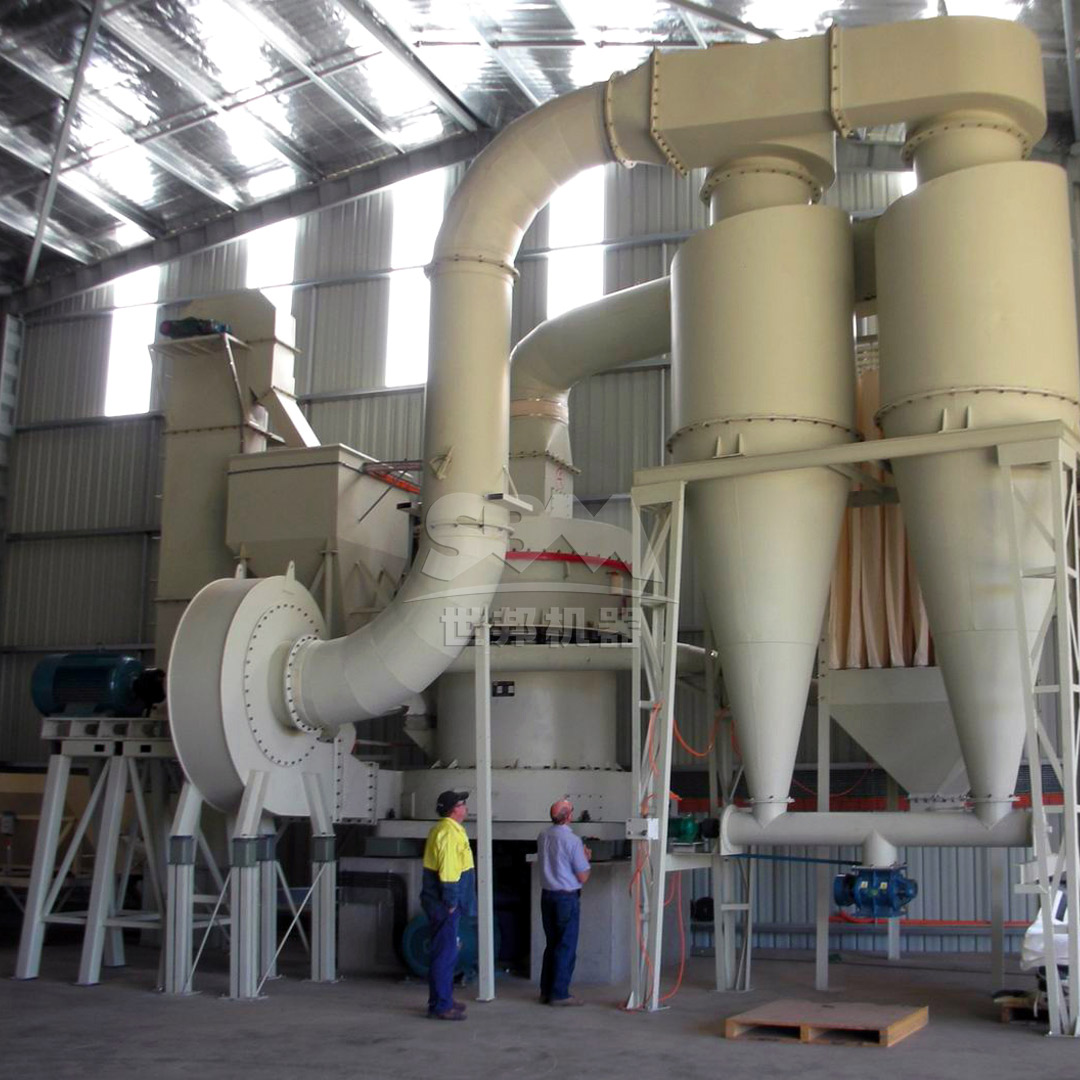
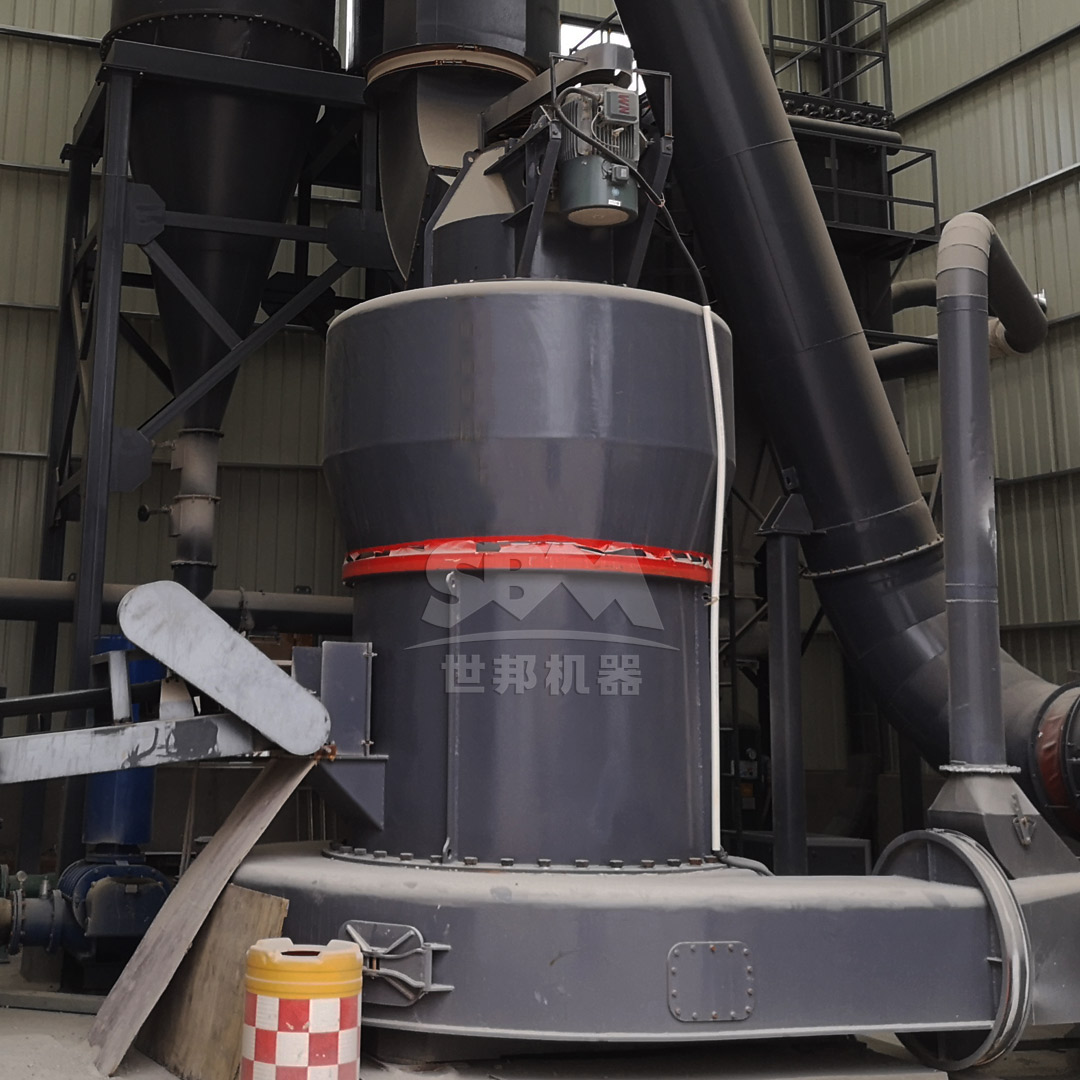
For producing illite powder with a fineness ranging from 30 to 325 mesh (approximately 600-45 μm), several mill types are suitable. The MTW Series European Trapezium Mill is a standout choice for this application. Its integral bevel gear drive achieves transmission efficiency up to 98%, translating into significant energy savings. The anti-wear shovel design and optimized arc air duct reduce maintenance costs and improve air selection efficiency. For a mid-scale operation processing illite, the MTW138Z model (capacity 6-17 t/h, main power 90kW) provides a robust solution. Its ability to handle feed sizes up to 35mm and produce uniform powder makes it ideal for building material fillers.
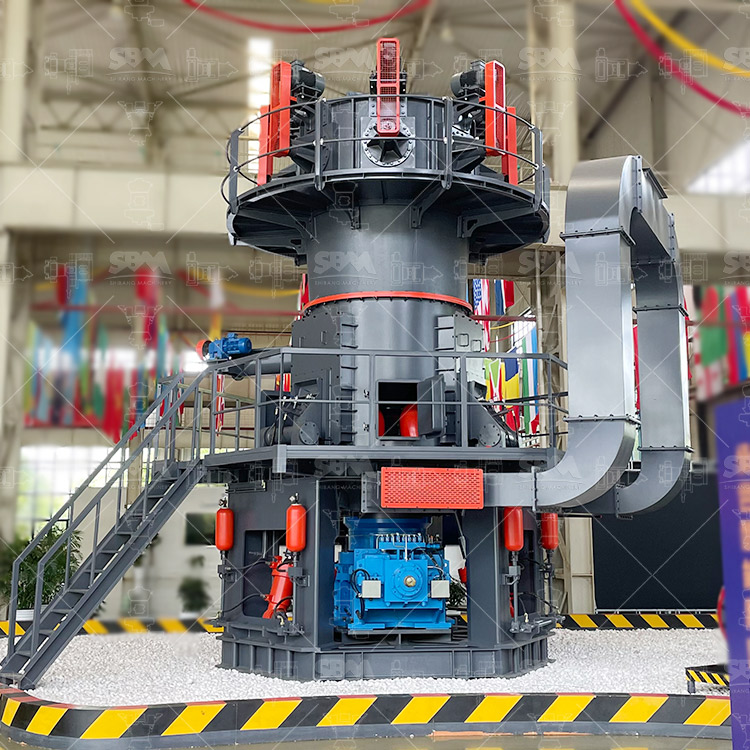
Similarly, the LM Series Vertical Roller Mill offers an integrated system that combines crushing, grinding, drying, and classification. This design reduces floor space by 50% and infrastructure costs significantly. The non-contact design between rollers and table extends wear part life, while energy consumption is 30-40% lower than that of traditional ball mill systems. For illite production requiring capacities from 10 to 100 t/h, models like the LM130K or LM170K are highly effective, offering fineness down to 40 μm.
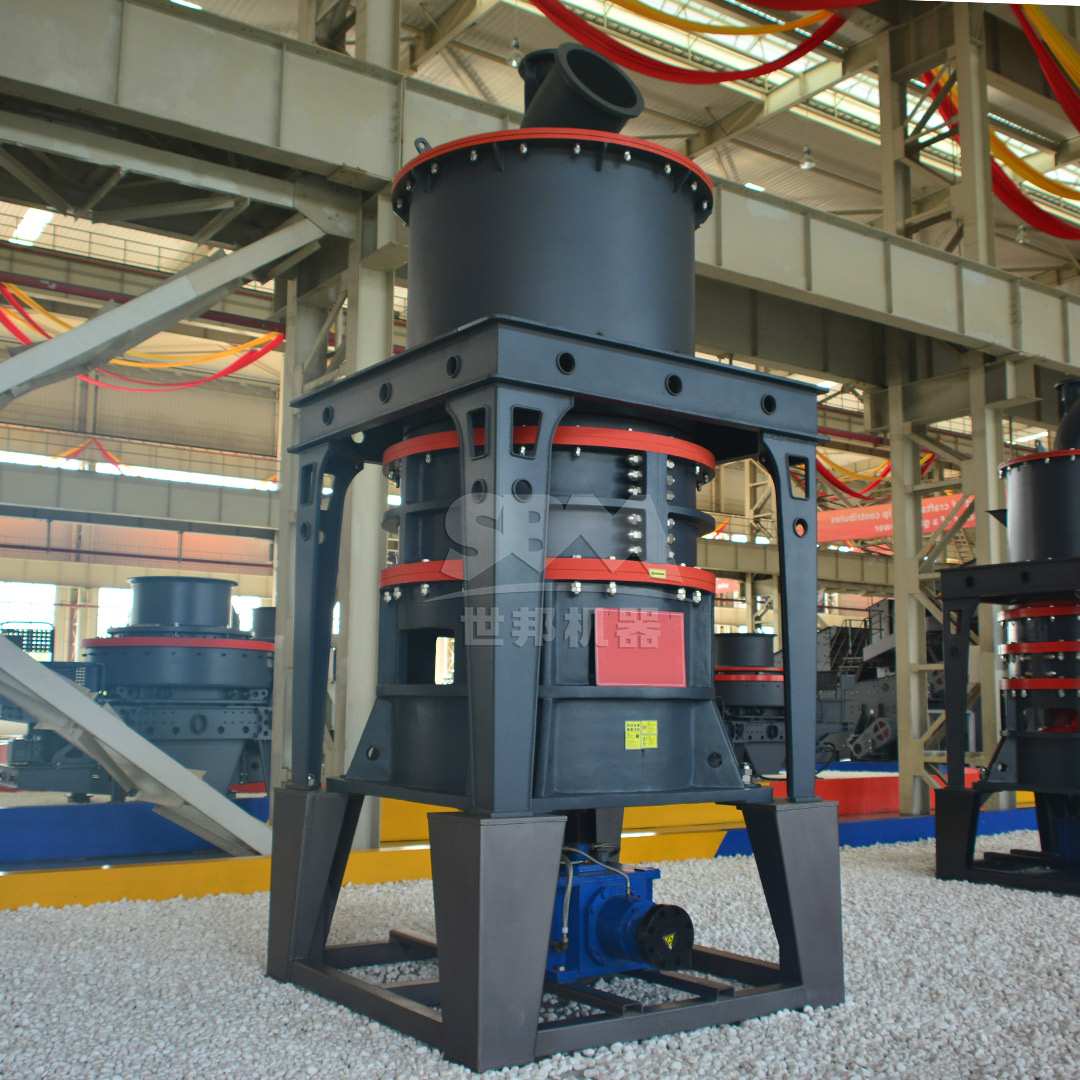
When building material applications demand ultra-fine illite powder (e.g., for high-gloss paints or specialty ceramics), ultrafine grinding mills are necessary. The SCM Series Ultrafine Mill is specifically designed for this high-precision task. With an output fineness range of 325-2500 mesh (45-5 μm), this mill achieves a capacity 2 times that of jet mills while consuming 30% less energy. Its vertical turbine classifier ensures precise particle size cutting without coarse powder mixing.
| Model | Capacity (t/h) | Main Power (kW) | Fineness (Mesh) | Recommended Application |
|---|---|---|---|---|
| SCM900 | 0.8 – 6.5 | 90 | 325-2500 | Small batch, high-end filler |
| SCM1000 | 1.0 – 8.5 | 132 | 325-2500 | Medium scale, ceramic additives |
| SCM1250 | 2.5 – 14.0 | 185 | 325-2500 | Industrial scale, paint pigment base |
For even higher capacity ultrafine production, the LUM Ultrafine Vertical Roller Mill offers advanced multi-rotor classifying technology and PLC automation. Models like the LUM1632 (2-13.5 t/h) ensure no coarse particles contaminate the final product, making it suitable for premium building materials.
Optimization begins at the feed preparation stage. Using a LM-Y Vertical Pre-grinding Roller Mill before the main mill can reduce energy consumption by 30-50%. For instance, the LM150Y model, with a table diameter of 1500mm and 280kW power, can pre-grind clinker or illite up to 20mm, producing a high-quality feed that enhances the efficiency of the downstream fine mill. This two-stage approach maximizes the crushing ratio while minimizing wear on the final grinding mill components.
The efficiency of the classifier directly influences product quality and mill throughput. In the MTW and LM series mills, adjusting the classifier rotor speed allows fine-tuning of the cut point. For illite, maintaining a low air resistance in the duct system is crucial. Using optimized arc air ducts, as featured in the MTW mill, reduces energy loss. Additionally, implementing a multi-stage dust collection system (e.g., pulse jet bag filters) ensures that fine particles are recovered efficiently, reducing environmental load and increasing yield by up to 5%.
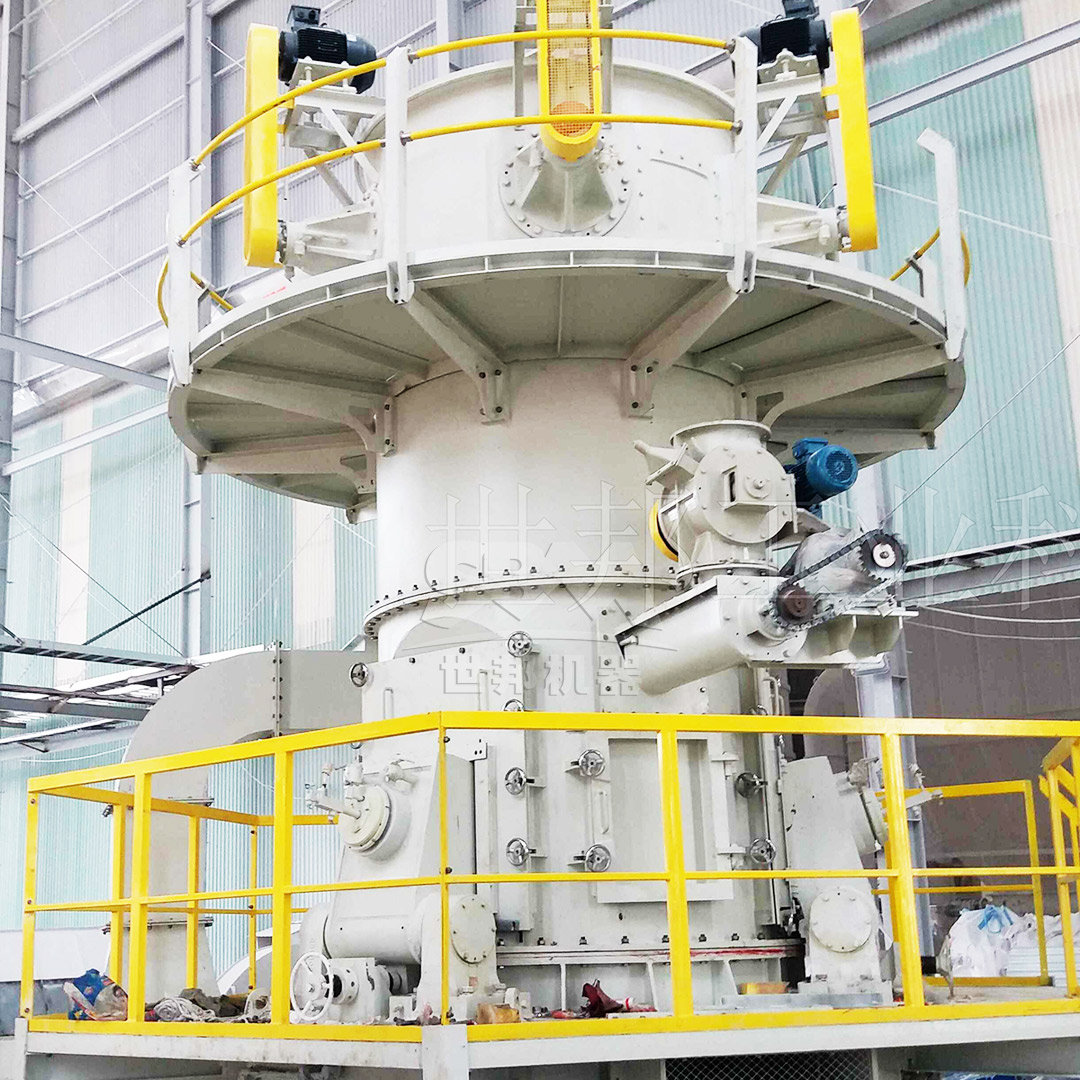
Modern mills like the LM Series feature expert-level auto-control systems. By integrating automatic finished product granularity feedback, the system can adjust the feed rate and classifier speed in real-time. This is particularly beneficial for illite, which can have variable moisture content. Implementing a Distributed Control System (DCS) allows for remote monitoring and reduces manual intervention. Data logging from historical runs helps identify optimal parameter sets, such as the ideal grinding pressure and mill table speed for a specific illite hardness.
Illite is generally less abrasive than quartz but can still cause wear over time. Using mills with durable designs, such as the special material rollers and rings in the SCM mill, extends service life. For the MTW mill, the combined shovel blade design reduces maintenance frequency. A proactive maintenance schedule—tracking roller liner wear every 500 hours and replacing classifier blades based on pressure drop—ensures consistent performance and prevents unplanned downtime.
For a versatile, high-efficiency solution in building material grade illite powder production, we strongly recommend the SCM Series Ultrafine Mill. Its ability to consistently produce powder from 325 to 2500 mesh with minimal energy consumption makes it ideal for both standard filler products and premium applications. The SCM1250 model, with a capacity of 2.5-14 t/h and a main power of 185kW, offers the best balance for medium to large-scale plants. For coarser products or higher throughput, the MTW Series European Trapezium Mill (e.g., MTW175G, capacity 9.5-25 t/h) provides unmatched reliability and low operating costs.
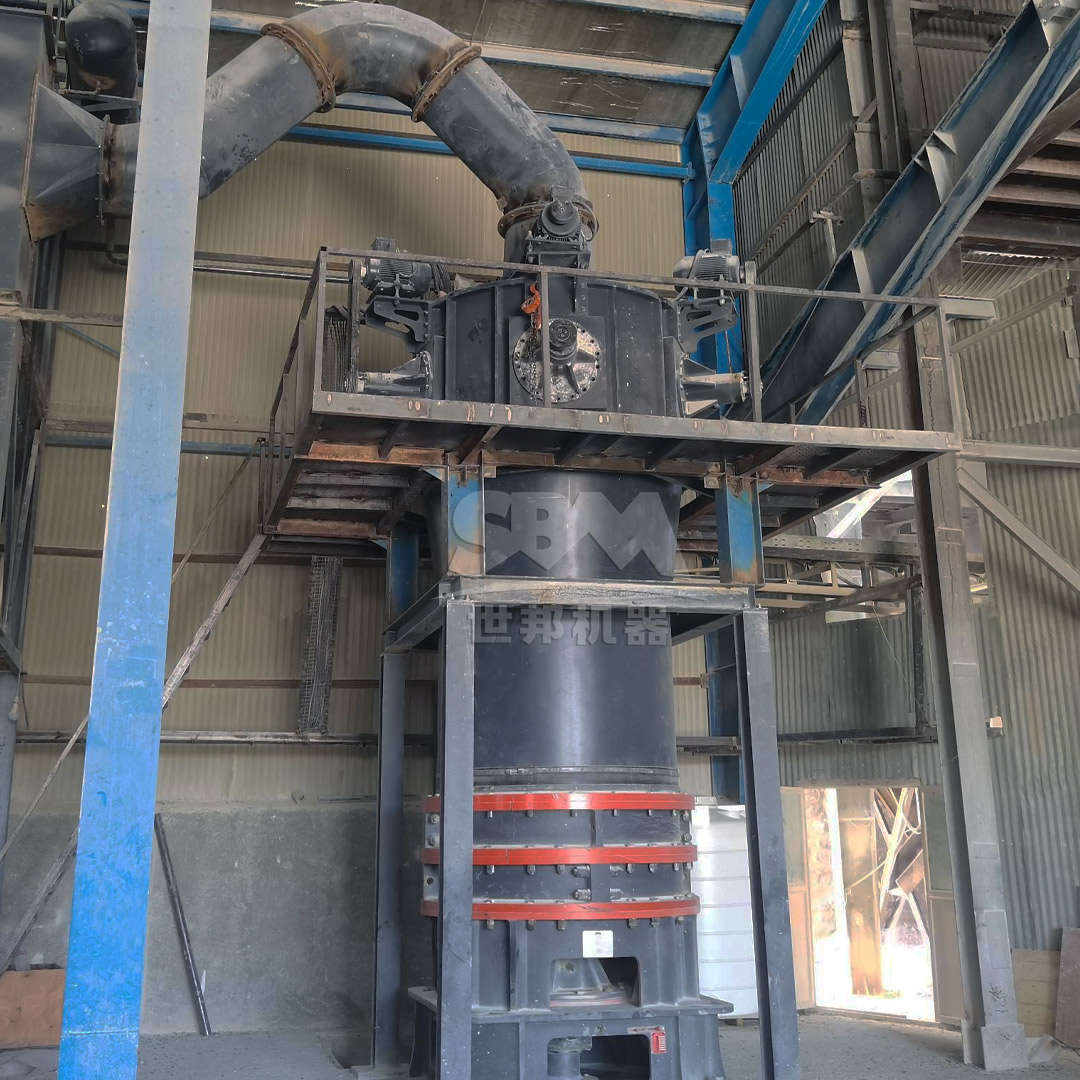
Building material grade illite powder production demands a tailored approach to equipment selection and process optimization. By utilizing the correct primary crusher (Hammer Mill), fine grinder (MTW or LM Series), and ultrafine mill (SCM or LUM Series), producers can achieve high quality and low costs. Optimization through pre-grinding, intelligent controls, and wear part management further enhances profitability. Whether the goal is high-volume coarse powder or precise ultra-fine filler, the combination of advanced milling technology and strategic process management ensures success.
| Process Stage | Recommended Machine | Key Benefit |
|---|---|---|
| Primary Crushing | Hammer Mill (PC4012-90) | Reduces 40mm feed to 0-3mm |
| Fine Grinding | MTW Series (MTW138Z) | High efficiency, low maintenance |
| Ultrafine Grinding | SCM Series (SCM1250) | 30% less energy, precise fines |
| Pre-Grinding | LM-Y Series (LM150Y) | Reduces energy by 50% |