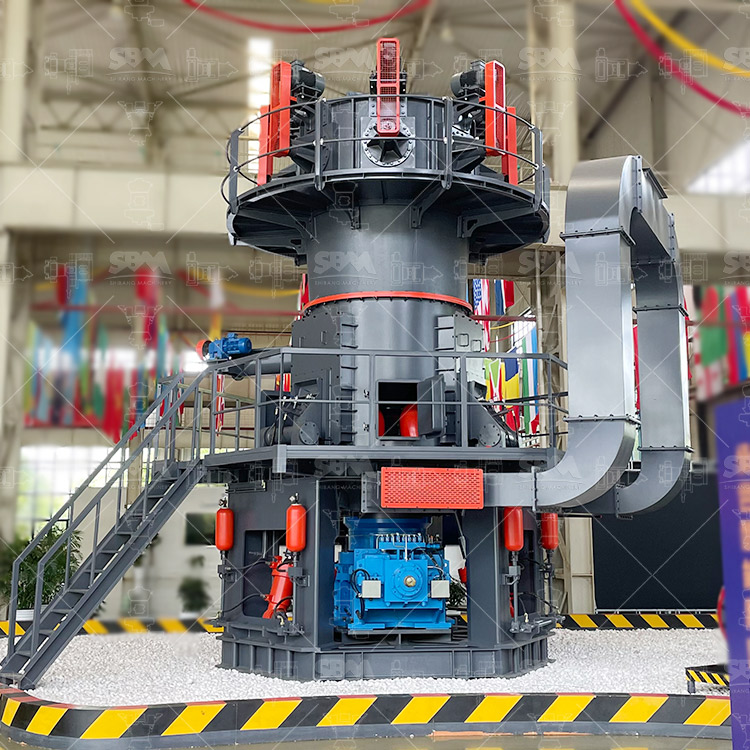
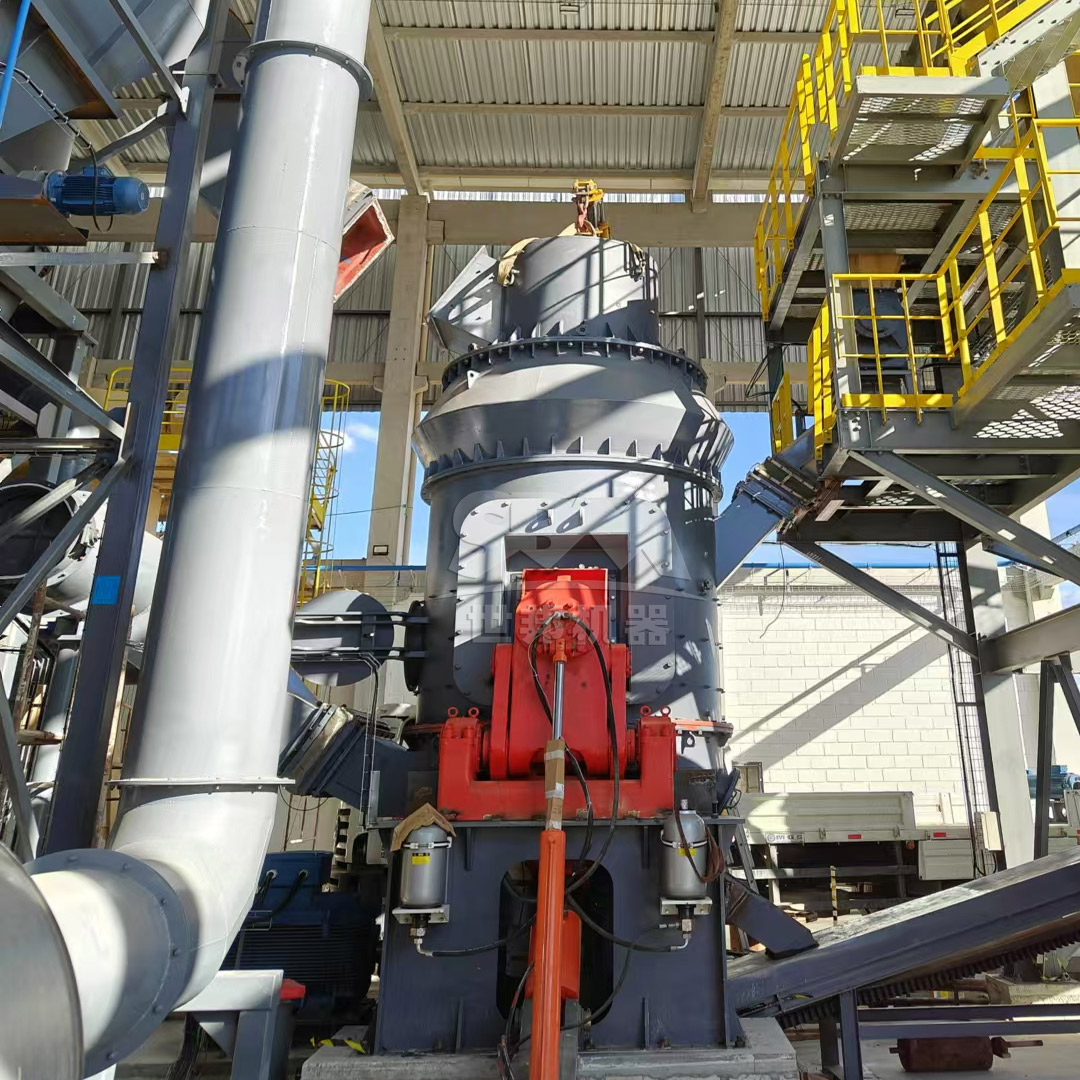
Illite, a naturally occurring clay mineral from the mica group, has emerged as a cornerstone ingredient in modern cosmetic formulations. Its unique layered silicate structure, excellent oil absorption, and gentle exfoliating properties make it an invaluable additive in products ranging from foundations and powders to masks and cleansers. The efficacy and quality of illite in cosmetics are intrinsically linked to its particle size, purity, and consistency, which are directly determined by the production technology employed. This article delves into the critical stages of an illite powder production line, with a particular focus on the grinding and classification processes, and highlights how advanced milling equipment is essential for meeting the stringent demands of the cosmetic industry.
| Property | Benefit in Cosmetics | Key Production Requirement |
|---|---|---|
| Fine Particle Size (1-50µm) | Smooth texture, seamless application, transparency | Precise ultrafine grinding and classification |
| High Purity & Whiteness | Neutral base color, no skin irritation | Effective impurity removal and processing |
| Consistent Morphology | Predictable oil absorption, stable formulations | Controlled, uniform comminution |
| Chemical Stability | Long shelf life, compatibility with other ingredients | Gentle processing that preserves crystal structure |
The transformation of raw illite clay into a premium cosmetic additive involves a meticulously designed sequence of operations, each critical to the final product’s quality.
Mined illite ore typically arrives in large lumps. The first stage involves primary and secondary crushing using equipment like jaw crushers and hammer mills to reduce the material to a manageable feed size (typically below 20-50mm) for the subsequent grinding mills. This step is crucial for ensuring consistent feed and optimal mill performance.
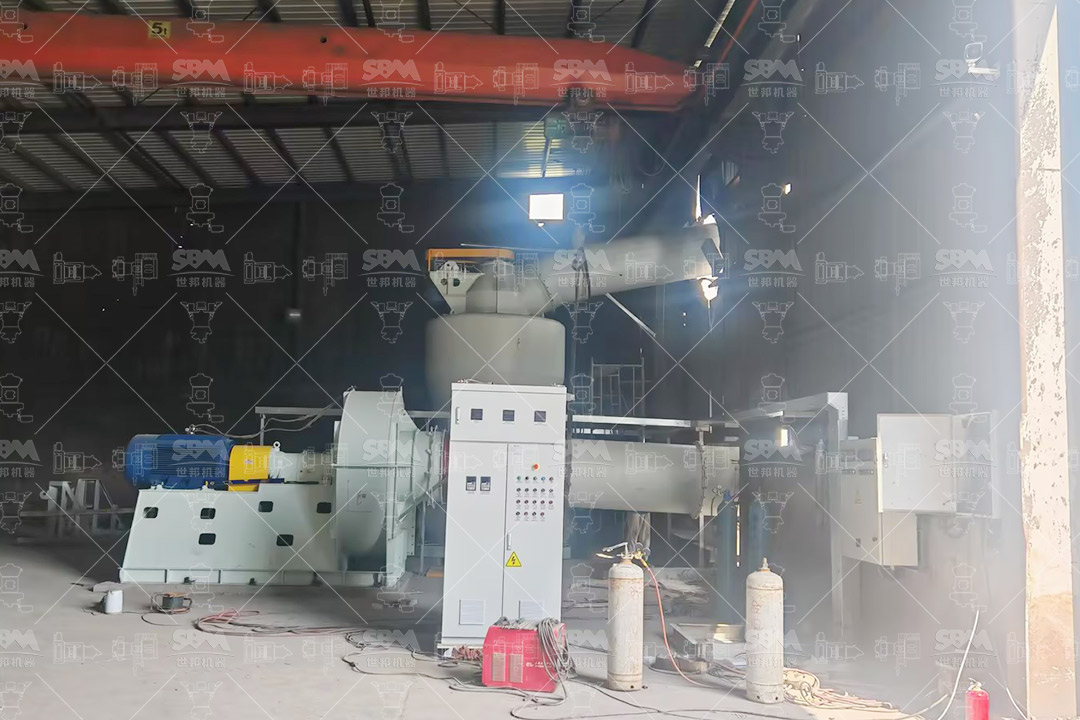
Illite often contains natural moisture. A dedicated drying system, such as a rotary dryer or a vertical dryer, is employed to reduce moisture content to below 1-2%. This is essential to prevent clogging in grinding mills, ensure efficient milling, and achieve the desired powder flow characteristics.
This is the most critical stage for cosmetic applications. The goal is to achieve a very fine, narrowly distributed particle size. A closed-circuit grinding system is standard: material is fed into a mill, ground, and then transported by an air stream to a classifier. Particles meeting the target fineness proceed to collection; oversized particles are returned to the mill for further grinding. The choice of mill and classifier technology dictates the final powder’s quality.
For specialized applications, illite may undergo surface treatment with silanes or other agents to enhance its compatibility with organic systems (oils, esters) in cosmetics, improving dispersion and feel in the final product.
The finished, ultra-fine illite powder is conveyed to silos and packaged in moisture-proof, food-grade bags or big bags under controlled environmental conditions to preserve its quality.
Selecting the right grinding mill is paramount. The equipment must deliver ultra-fine fineness, high purity (no metallic contamination), energy efficiency, and stable, consistent output.
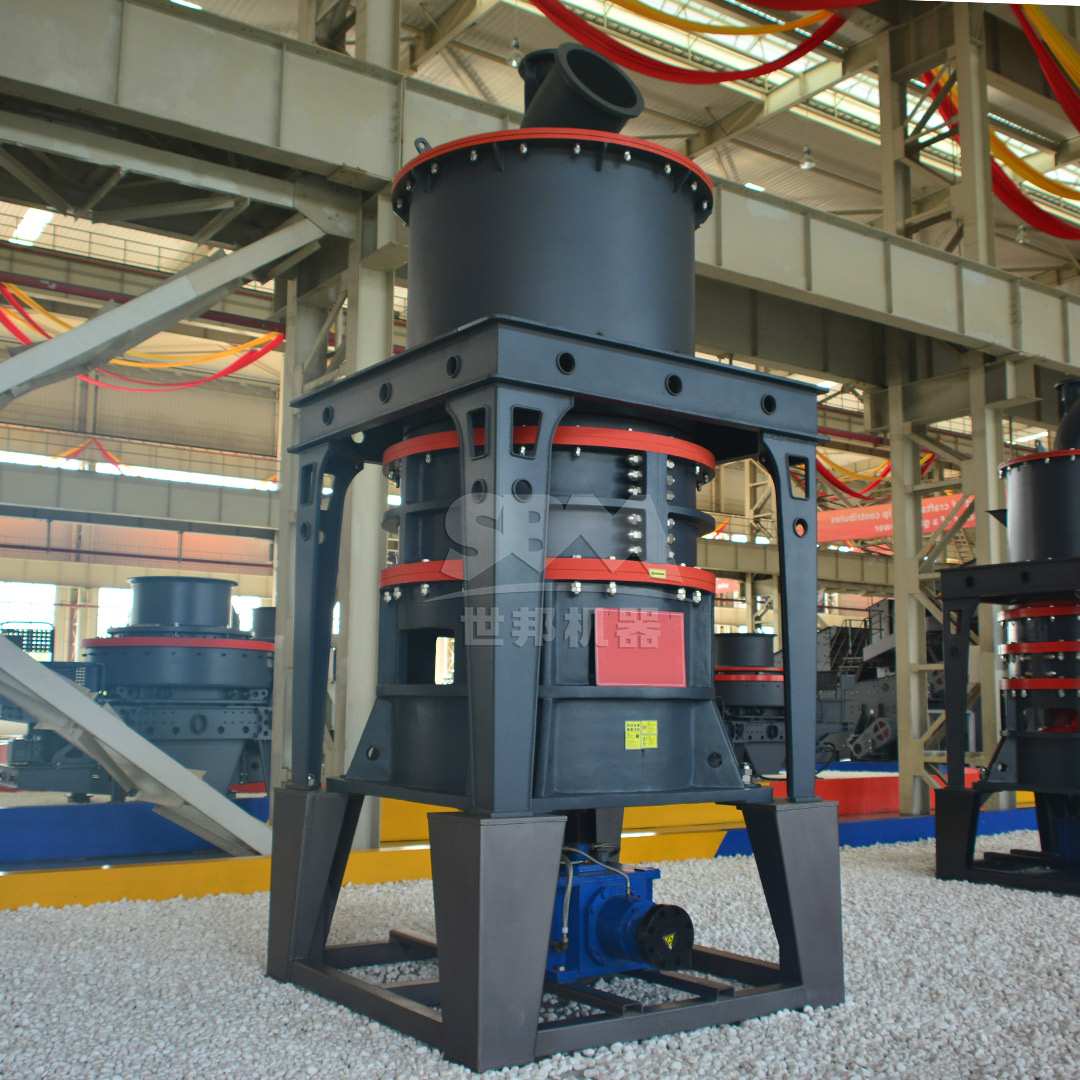
For producing the finest illite powders (325-2500 mesh / 45-5µm) demanded by high-end cosmetic formulations, the SCM Series Ultrafine Mill represents an optimal solution. This mill is engineered to address the precise needs of mineral processing for sensitive industries like cosmetics.
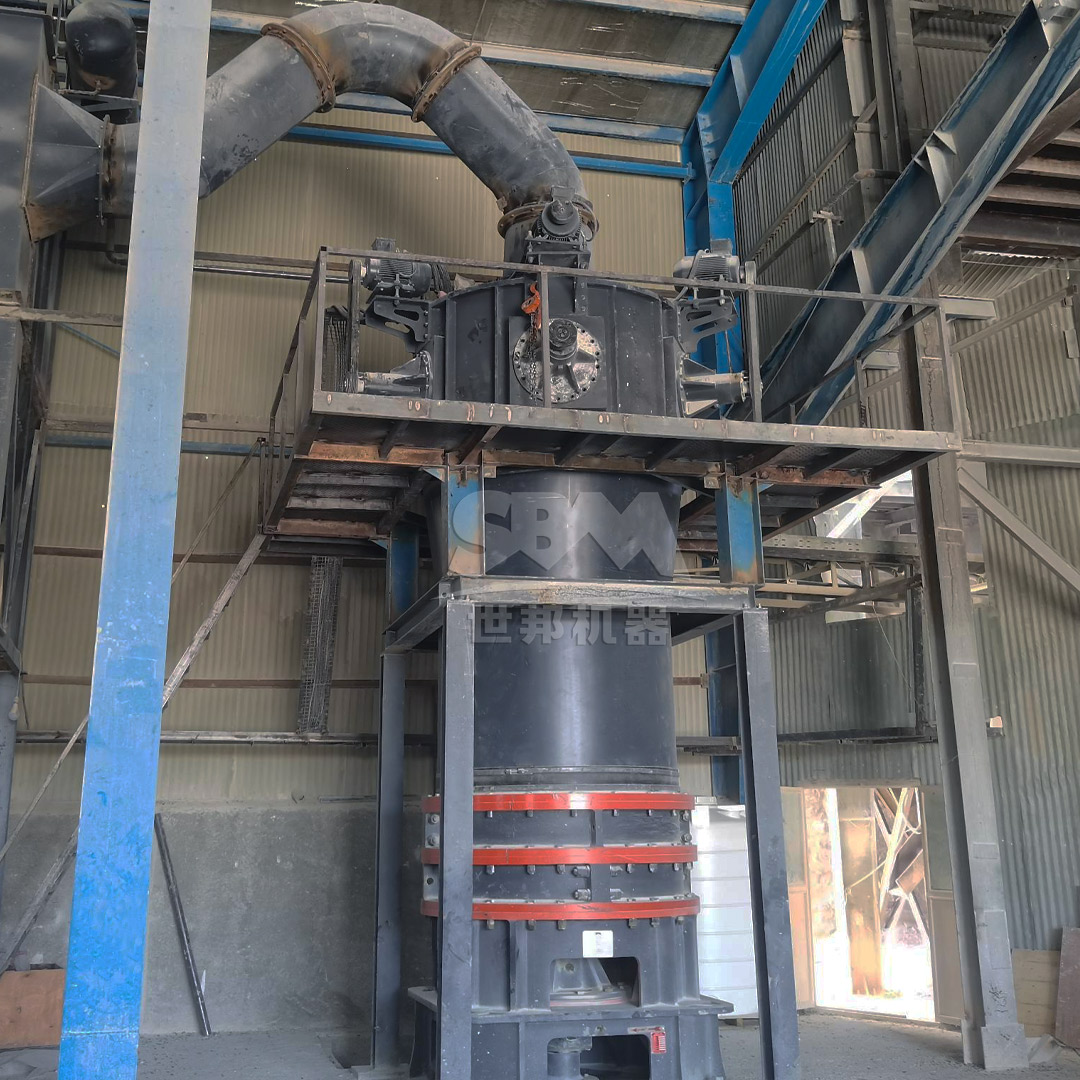
| Model | Capacity (t/h) | Main Power (kW) | Output Fineness (mesh) | Ideal Application |
|---|---|---|---|---|
| SCM800 | 0.5 – 4.5 | 75 | 325-2500 | Pilot plant, specialty fine illite |
| SCM1000 | 1.0 – 8.5 | 132 | 325-2500 | Medium-scale cosmetic grade production |
| SCM1680 | 5.0 – 25.0 | 315 | 325-2500 | Large-volume production line |
Why the SCM Mill is Ideal for Illite:
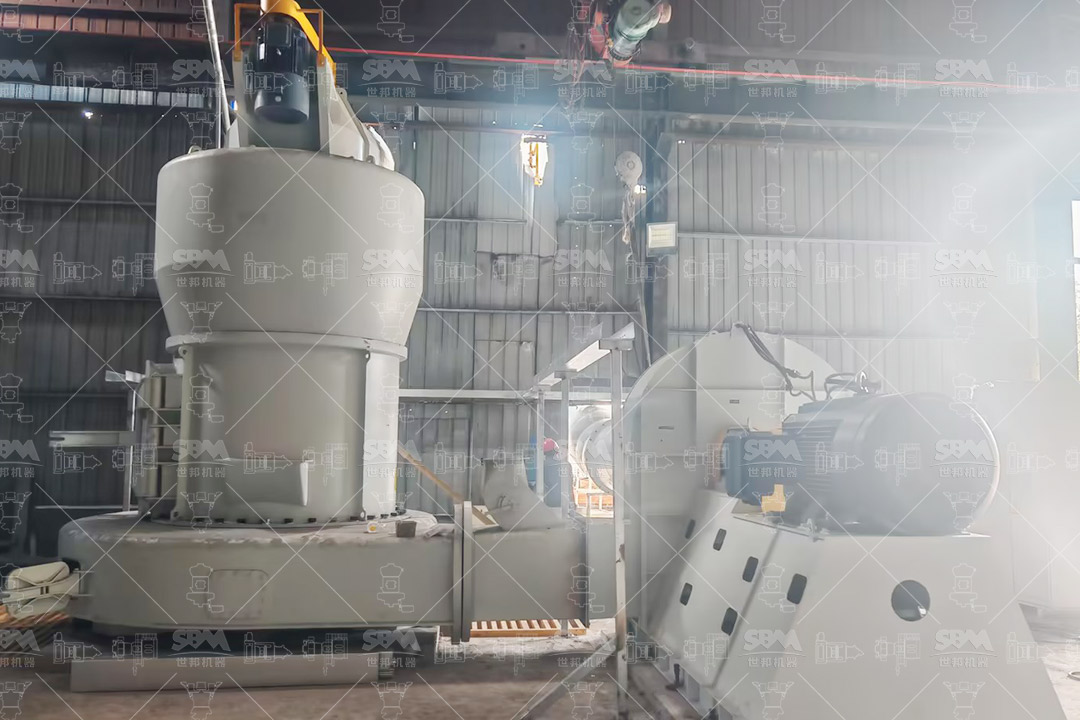
For production lines targeting a slightly coarser illite powder range (30-325 mesh / 600-45µm), often used in body masks or scrubs where moderate exfoliation is desired, the MTW Series European Trapezium Mill is a robust and efficient choice. It excels in the intermediate grinding stage or as the primary mill for specific cosmetic grades.
Key Advantages for Illite Processing:
A successful line integrates equipment into a coherent, automated system. Key considerations include:
The shift towards high-performance, natural mineral additives in cosmetics has placed illite in the spotlight. However, unlocking its full potential requires more than just mining the clay; it demands sophisticated processing technology. A well-engineered production line centered on advanced grinding equipment like the SCM Series Ultrafine Mill is not merely an industrial necessity—it is a strategic investment in product quality. By delivering unparalleled fineness, purity, and consistency, such technology empowers cosmetic brands to innovate with confidence, creating superior products that meet the exacting standards of today’s discerning consumers. Investing in the right production machinery is, therefore, the foundational step in transforming raw illite into a premium, value-added cosmetic additive.