In the modern construction industry, Ground Granulated Blast Furnace Slag (GGBFS) has become an indispensable high-performance admixture. By finely grinding slag, a byproduct of ironmaking, into a powder with specific surface areas typically exceeding 4000 cm²/g, we unlock superior cementitious properties. This slag powder significantly enhances the durability, workability, and long-term strength of concrete while reducing the carbon footprint of construction projects.
The core of a successful slag powder production line lies not just in the raw material, but in the sophistication and reliability of its grinding and classification equipment. Selecting the right machinery determines your plant’s energy efficiency, product quality, and profitability. This guide will walk you through the key machines required for a standard slag powder production plant, with a focus on the critical grinding mills that define the process.
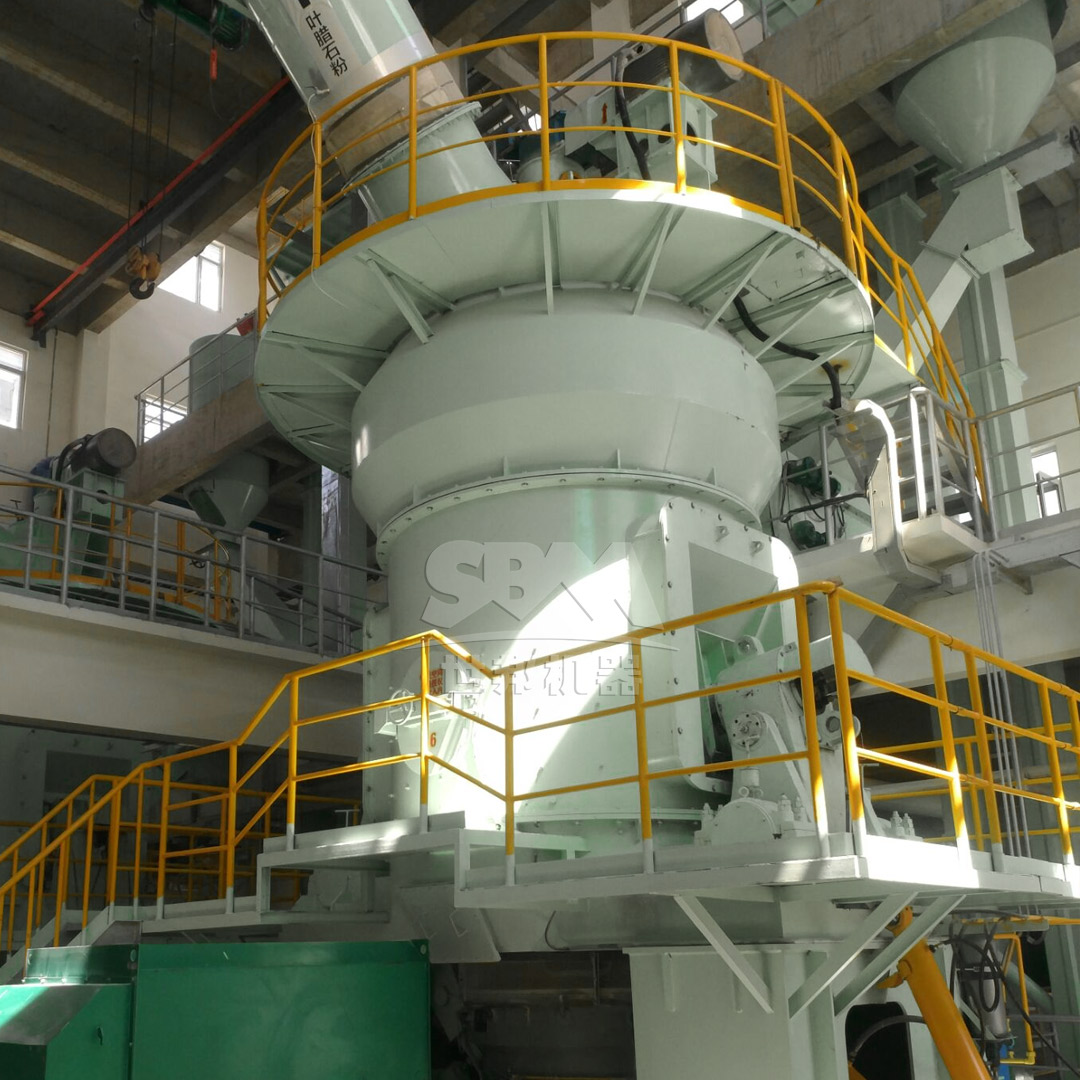
Before exploring the equipment, it is vital to understand the unique challenges of processing slag. Unlike limestone or clinker, granulated slag is characteristically hard, abrasive, and difficult to grind. Key factors influencing equipment selection include:
A complete slag powder production line consists of several integrated systems. Understanding the role of each is crucial for a seamless and efficient operation.
Before entering the main mill, slag must be prepared. This typically involves:
This is the most critical component. For slag powder production, two dominant technologies exist: the Ball Mill and the Vertical Roller Mill (VRM). While ball mills are traditional, VRMs have become the industry standard for large-scale, energy-efficient slag grinding due to their higher efficiency (30-40%% less energy consumption) and integrated drying, grinding, and classification functions.
Our company offers a comprehensive range of grinding solutions perfectly suited for this application.
| Machine Series | Type | Feed Size | Fineness | Capacity Range |
|---|---|---|---|---|
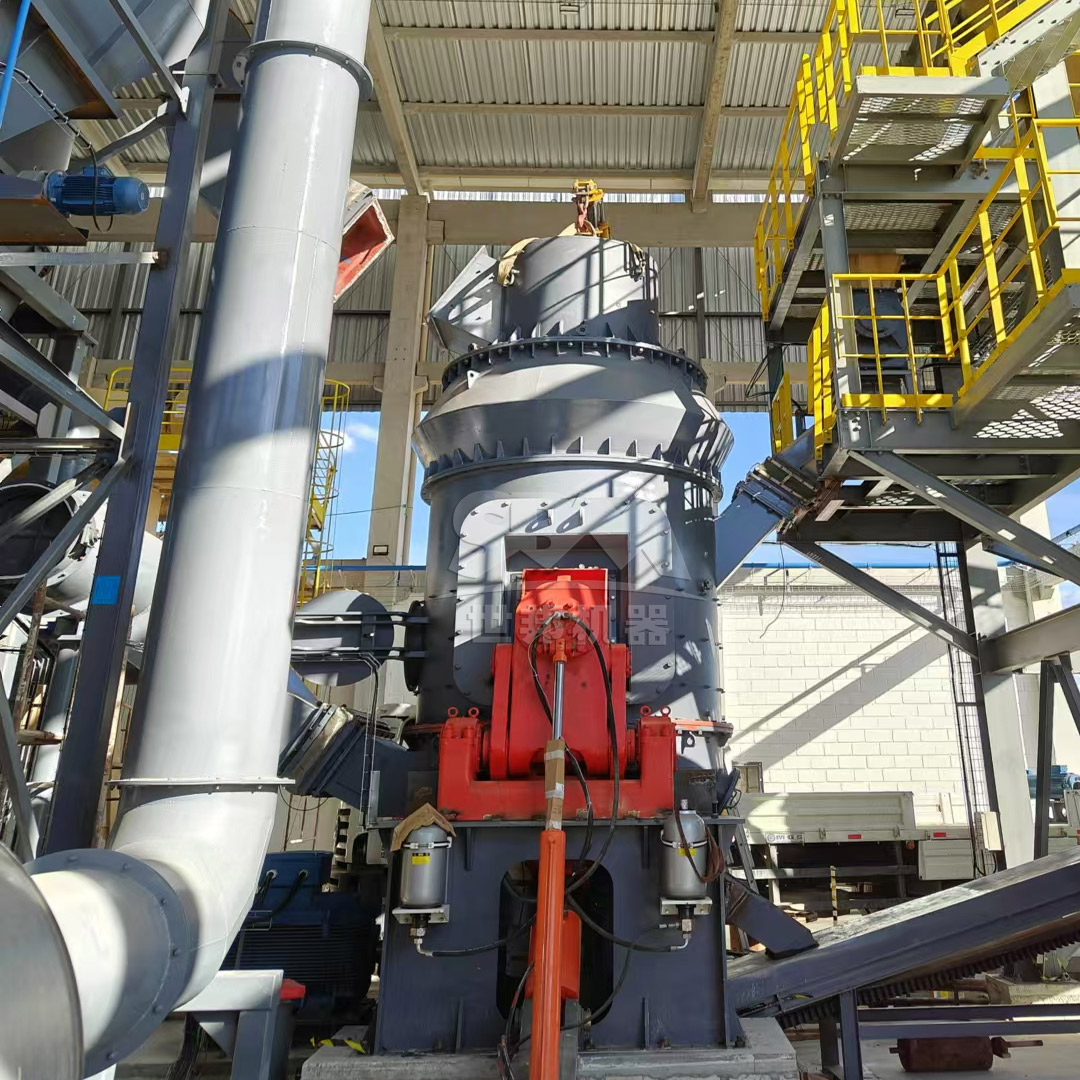
| LM Series | Vertical Roller Mill | ≤50 mm | 30-325 mesh | 3 – 250 t/h |
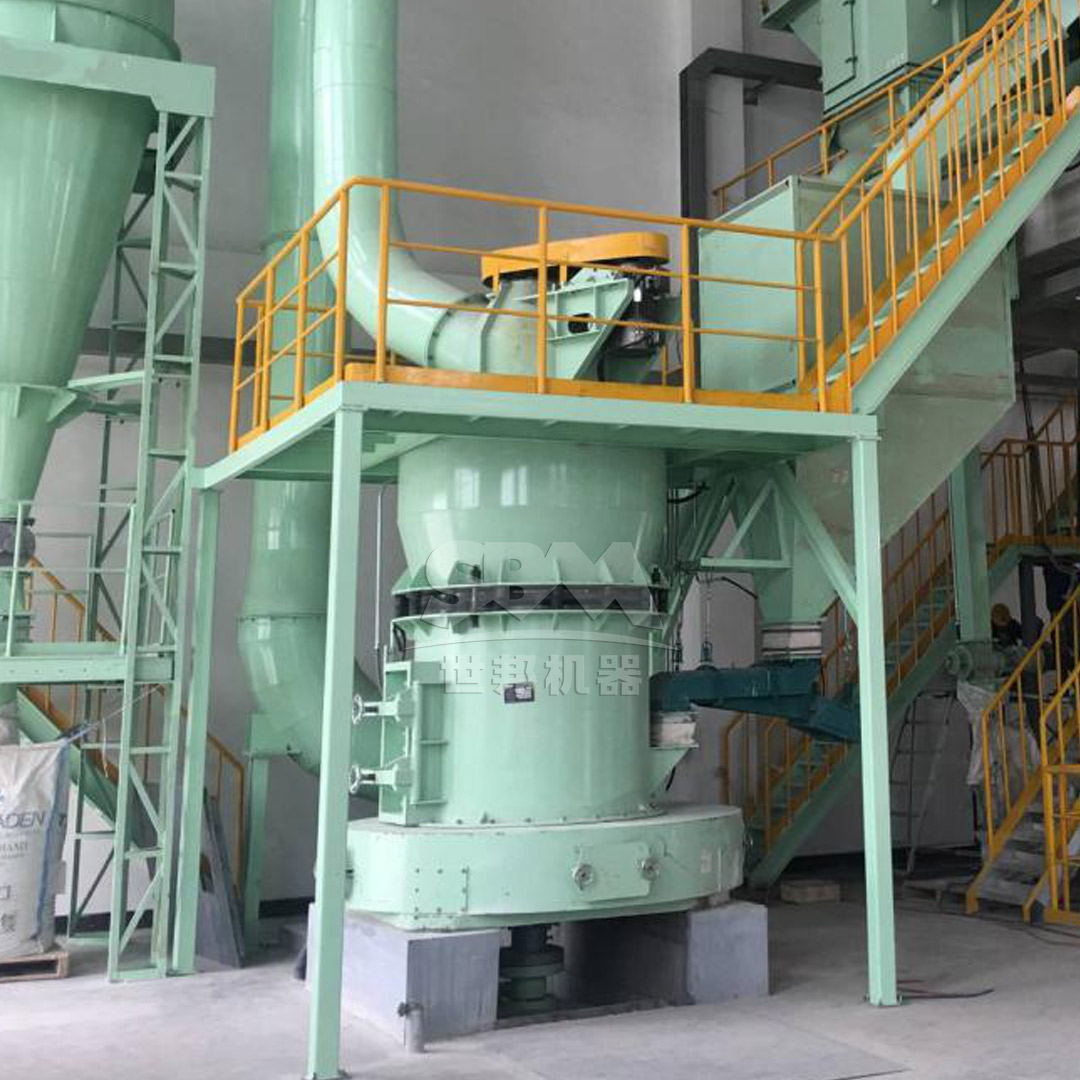
| MTW Series | European Trapezium Mill | ≤50 mm | 30-325 mesh | 3 – 45 t/h |
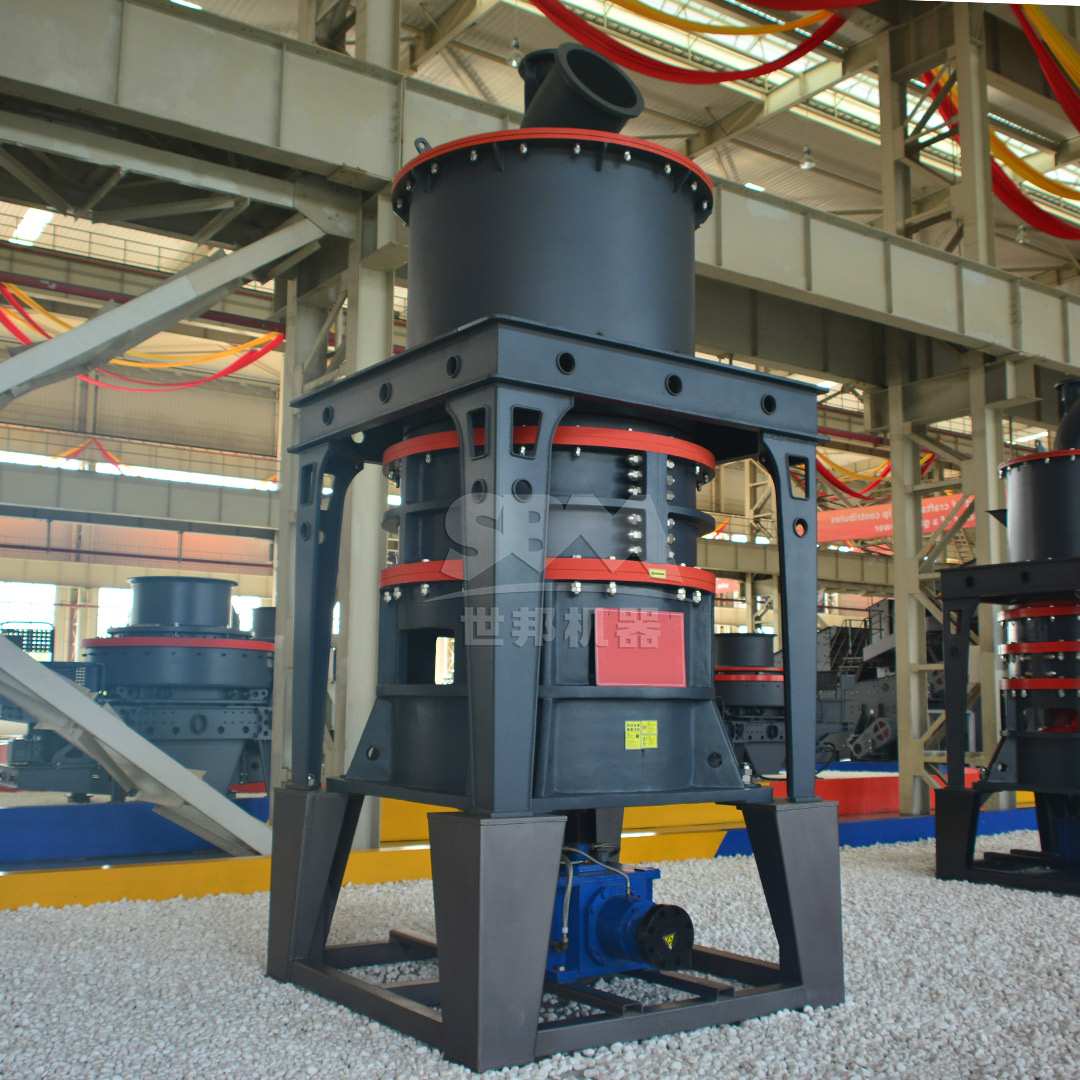
| SCM Series | Ultrafine Mill | ≤20 mm | 325-2500 mesh | 0.5 – 25 t/h |
Why Our LM Series Vertical Roller Mill is a Top Choice for Slag: The vertical slag mill series (Models LM130N to LM370N) from our company is specially engineered for this demanding task. Its integrated design combines drying, grinding, and classifying in a single unit, reducing floor space by 50%% and infrastructure costs significantly. The non-contact design between the rollers and the table drastically increases the lifespan of wear parts by up to three times. Furthermore, its fully sealed, negative-pressure operation ensures dust emissions are effectively zero, meeting the most stringent environmental standards.
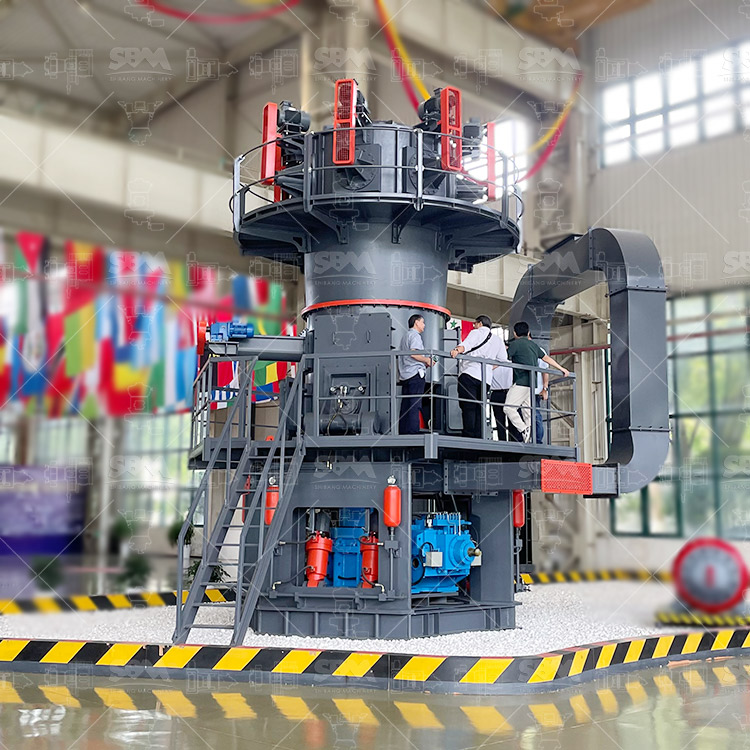
To achieve the high surface area required for slag powder (often >4000 cm²/g or 325 mesh), a highly efficient classifier is mandatory. In a VRM, this is integrated into the top of the mill. The classifier uses centrifugal force to separate fine particles from coarse ones. For example, the dynamic classifier in our LM series uses multi-stage adjustment technology to precisely control the final product fineness. For ball mill systems, a separate high-efficiency dynamic separator is installed.
Choosing between a VRM and a traditional mill depends on your specific needs. Here is a more detailed comparison to guide your decision.
Recommended Machine: LM Series Vertical Roller Mill
For operations demanding high throughput, low energy consumption, and high fineness, the LM Vertical Roller Mill is the undisputed leader. Its high grinding efficiency (30-40%% less power than a ball mill) and ability to handle high moisture feed (using exhaust gases for drying) make it ideal for slag. The intelligent control system allows for remote operation and real-time monitoring, drastically reducing manual intervention. The specific LM Slag Mill Series (LM130N to LM370N) can achieve capacities from 4 to 110 t/h and can produce slag powder with specific surface areas ranging from 4000 to 5000 cm²/g, perfectly meeting market demand for S95 and S105 grade slag powder.
Recommended Machine: MTW Series European Trapezium Mill
If your investment budget is more constrained or your plant requires the ability to switch between different materials (like slag, cement clinker, and limestone) frequently, the MTW Series is an excellent alternative. With capacities up to 45 t/h and fineness down to 325 mesh, it is a robust and reliable machine. Its advanced features, such as the integral bevel gear drive (98%% transmission efficiency), anti-wear shovel design, and optimized arc air duct, ensure lower operating costs and a longer service life. The MTW mill is a highly versatile workhorse.
Recommended Machine: SCM Series Ultrafine Mill
For projects requiring extremely fine slag powder (e.g., >600 mesh or for specific reactive admixtures), the SCM Series Ultrafine Mill is the specialist. It achieves a fineness of 325-2500 mesh (45-5μm) with a capacity of 0.5-25 t/h. Its capacity is double that of jet mills with 30%% lower energy consumption, and the vertical turbine classifier ensures no coarse powder mixing, guaranteeing a uniform finished product. This is the go-to solution for high-value, niche slag powder products.
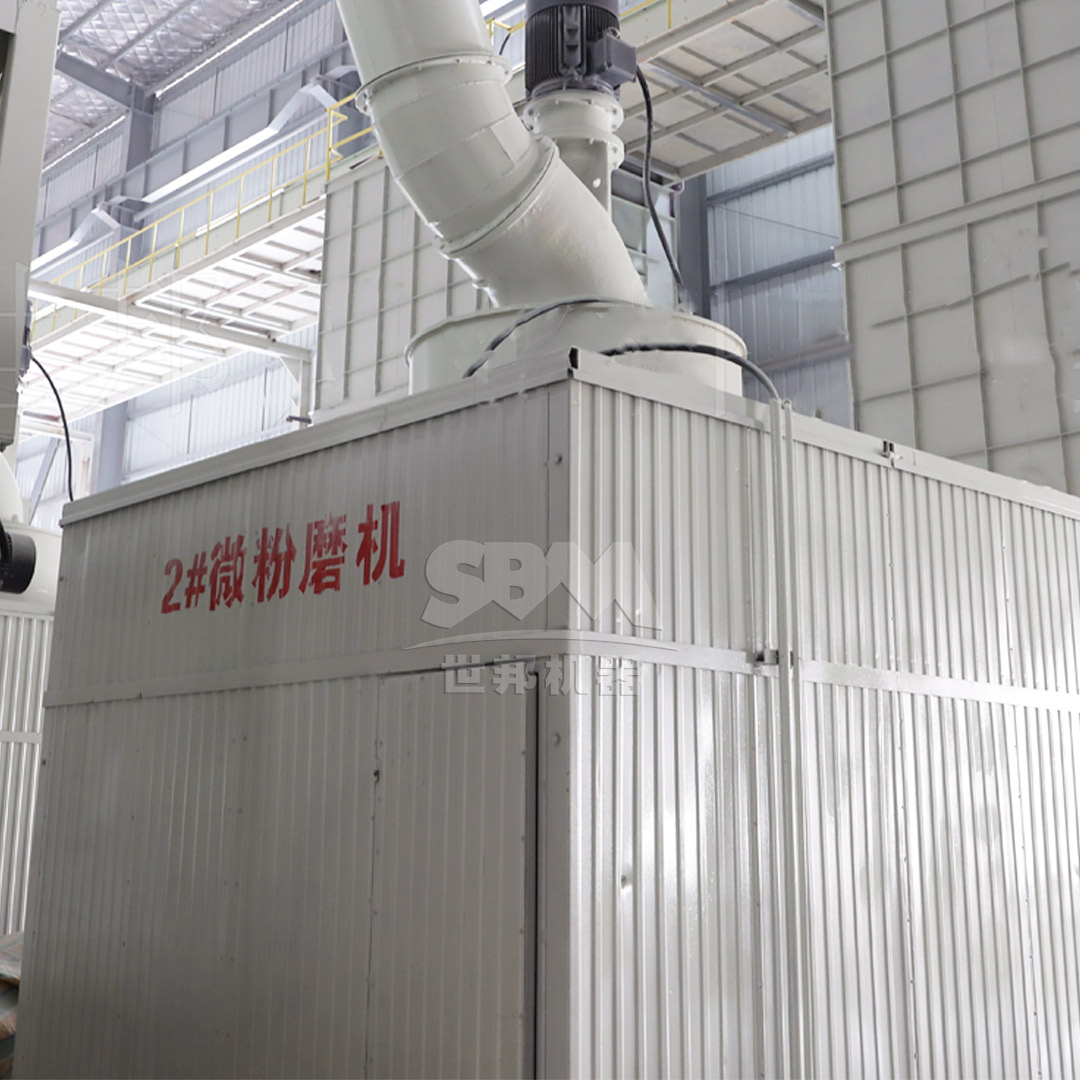
While all three machine series—LM, MTW, and SCM—have their specific strengths, the LM Series Vertical Roller Mill has become the backbone of the modern slag grinding industry for a reason. Its combination of low energy consumption, high production capacity, integrated drying, and eco-friendly design makes it the most cost-effective solution for plants with a capacity requirement of 10 t/h or more.
For example, a common configuration for a 300,000-ton-per-year slag powder plant typically uses our LM280K or LM340K models. These machines are built to operate 24/7 with exceptional reliability, providing our clients with a rapid return on their investment. If you are planning a new slag grinding facility, starting your equipment selection process with the LM series is the most prudent and profitable decision you can make.
Selecting the right slag powder production equipment is a complex decision that profoundly impacts your business’s success. By understanding the interplay between the grinding mill, classifier, and auxiliary systems, and by matching them to your specific capacity, fineness, and budget requirements, you can build a world-class facility. Our company has decades of experience in supplying these critical machines, from the high-capacity LM Vertical Roller Mill to the versatile MTW Trapezium Mill and the precision SCM Ultrafine Mill. We invite you to contact our engineering team for a customized selection and plant design consultation.