In the modern construction and building materials industry, aerated concrete has gained significant traction due to its lightweight, thermal insulation, and fire-resistant properties. A critical component in the production of high-quality aerated concrete is the use of water slag additives, which enhance the material’s strength and durability. To efficiently process water slag into a fine, high-performance additive, specialized grinding equipment is essential. This article provides a comprehensive overview of the key features and selection criteria for aerated concrete water slag additive production equipment, helping you make an informed investment decision.
Water slag, a byproduct of the iron and steel industry, is rich in silicates and aluminates. When ground to a fine powder, it exhibits pozzolanic properties, reacting with calcium hydroxide to form cementitious compounds. This makes it an ideal additive for aerated concrete, improving its compressive strength, reducing permeability, and enhancing overall durability. The key to unlocking these benefits lies in achieving a consistent and ultra-fine particle size distribution, which directly impacts the reactivity and performance of the additive.
When selecting equipment for processing water slag into aerated concrete additives, several critical features must be evaluated to ensure optimal efficiency, product quality, and operational economy.
The production of fine powders is energy-intensive. Modern grinding mills, such as those employing bed-of-material grinding principles, can significantly reduce energy consumption. For instance, vertical roller mills often consume 30-40% less energy compared to traditional ball mill systems. This is achieved through optimized grinding mechanisms that maximize the contact area between the material and grinding surfaces while minimizing idle energy loss. Look for equipment that integrates intelligent control systems for automatic feedback on product granularity, ensuring consistent quality while optimizing power usage.
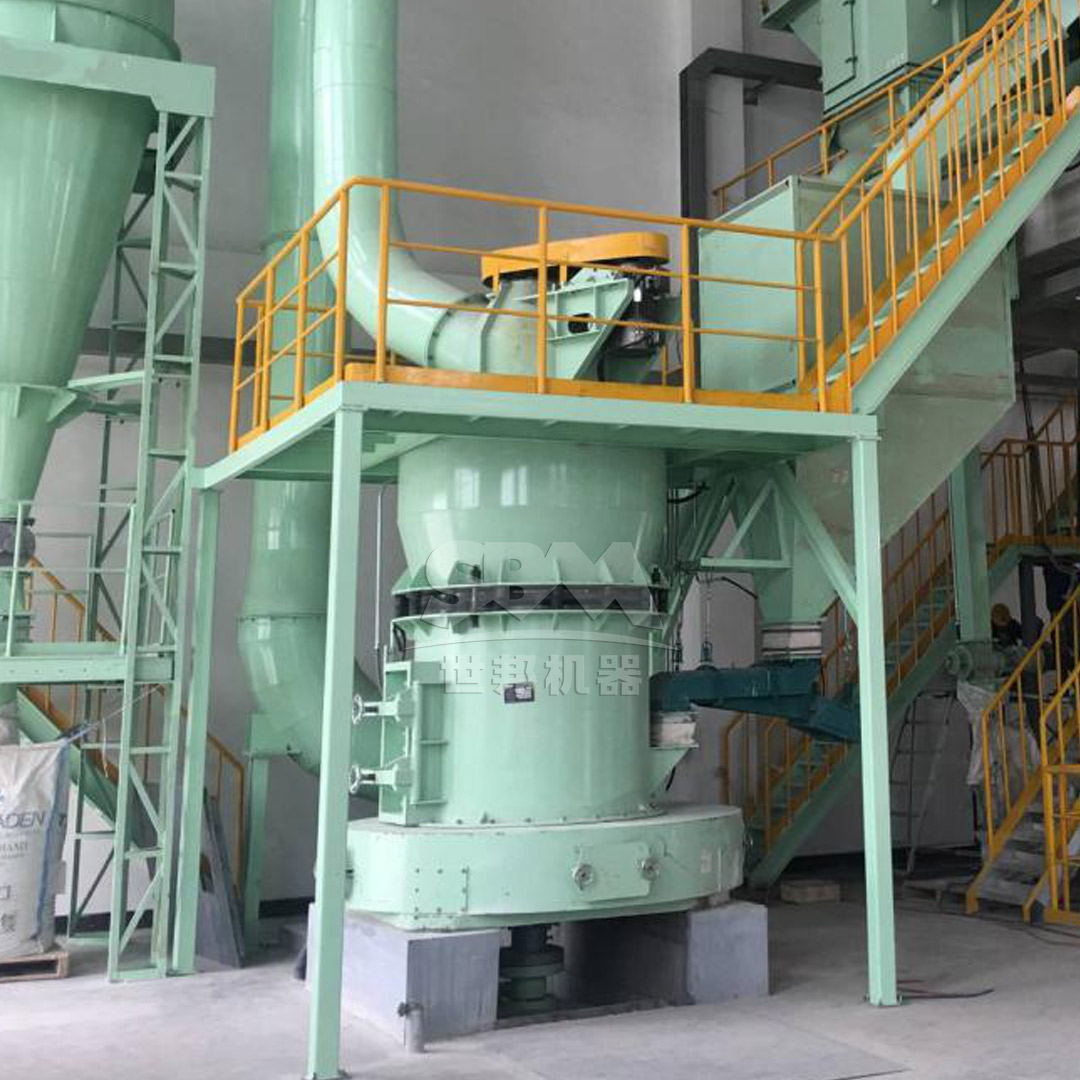
The quality of the final water slag additive is heavily dependent on the precision of the classification system. A high-performance classifier ensures a sharp cut point, preventing coarse powder from contaminating the final product. Technologies like vertical turbine classifiers offer precise particle size cutting, typically achieving a fineness range of 325-2500 mesh (45-5μm) for ultra-fine applications. This uniformity is critical for maintaining the consistent chemical reactivity required in aerated concrete formulas.
Water slag is an abrasive material, making equipment durability a top priority. The grinding rollers and rings should be constructed from special wear-resistant alloys to extend their service life several times over. Features like combined shovel blades and anti-wear volute structures can reduce maintenance frequency and costs. A well-designed mill with a focus on wear protection ensures stable, long-term operation with minimal downtime, directly impacting your total cost of ownership.
Modern industrial operations must adhere to strict environmental regulations. High-quality grinding equipment incorporates eco-friendly features such as fully sealed negative-pressure operation to prevent dust leakage. Pulse dust collection systems should exceed international emission standards, ensuring a clean working environment. Additionally, soundproof room designs and damping technologies can keep operating noise levels low, improving workplace safety and comfort.
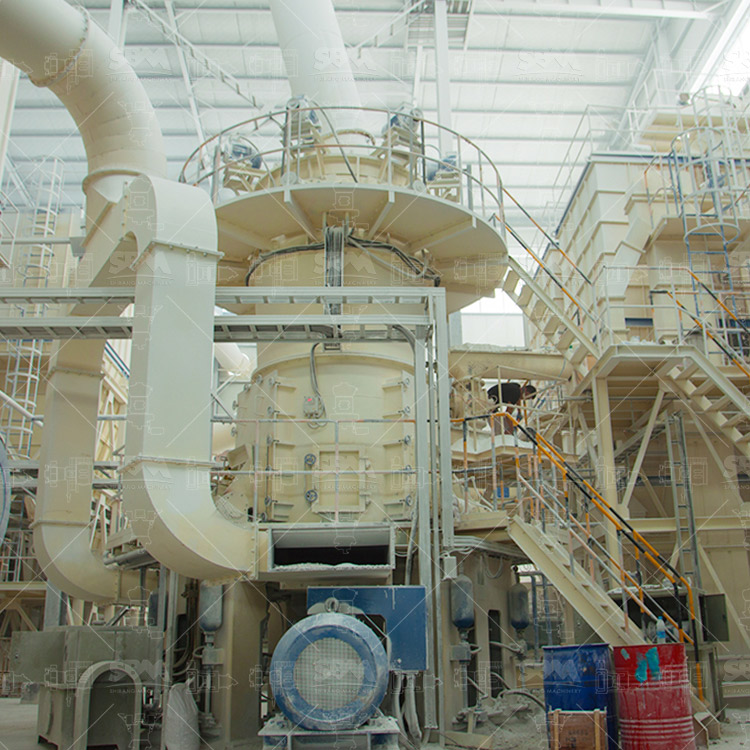
Choosing the right equipment involves matching your specific production requirements with the capabilities of available mill technologies. Here is a systematic approach to the selection process.
Begin by clearly defining your target output. Determine the required capacity (tons per hour) and the desired final product fineness. For standard aerated concrete additives, a fineness of 325 mesh (45μm) is common, but higher-grade applications may require 800 mesh or finer. Your feed material size (typically <20mm to <50mm) will also influence the choice of primary and secondary crushing or grinding equipment.
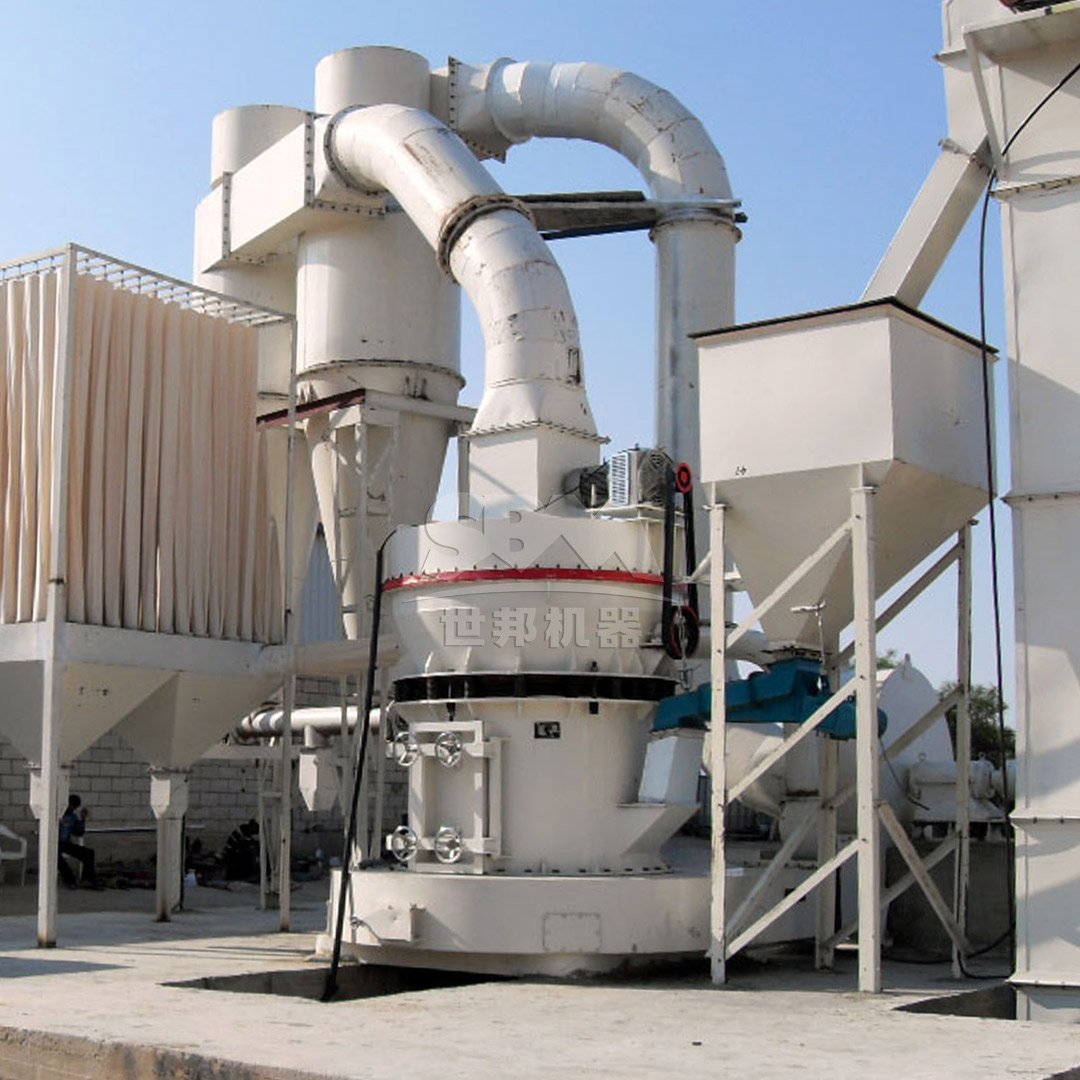
Several mill types are suitable for water slag grinding, each offering distinct advantages.
Look beyond the initial purchase price. Evaluate factors like energy consumption per ton of product, the lifespan and cost of wear parts, maintenance requirements, and the availability of technical support. A mill with a slightly higher upfront cost but significantly lower operational expenses and longer service intervals will deliver a better return on investment over time. For example, the non-contact design between rollers and table in some VRMs can increase wear part life by three times, drastically reducing long-term costs.
Modern production lines benefit greatly from intelligent control systems. Expert-level auto-control systems with remote monitoring capabilities reduce manual intervention, ensure consistent product quality, and alert operators to potential issues before they cause downtime. This is particularly important for maintaining the tight particle size distribution required for high-grade water slag additives.
Based on the latest industry trends and advanced engineering, we recommend two exceptional solutions for your aerated concrete water slag additive production:
For Standard to High-Capacity Production (45-325 mesh):
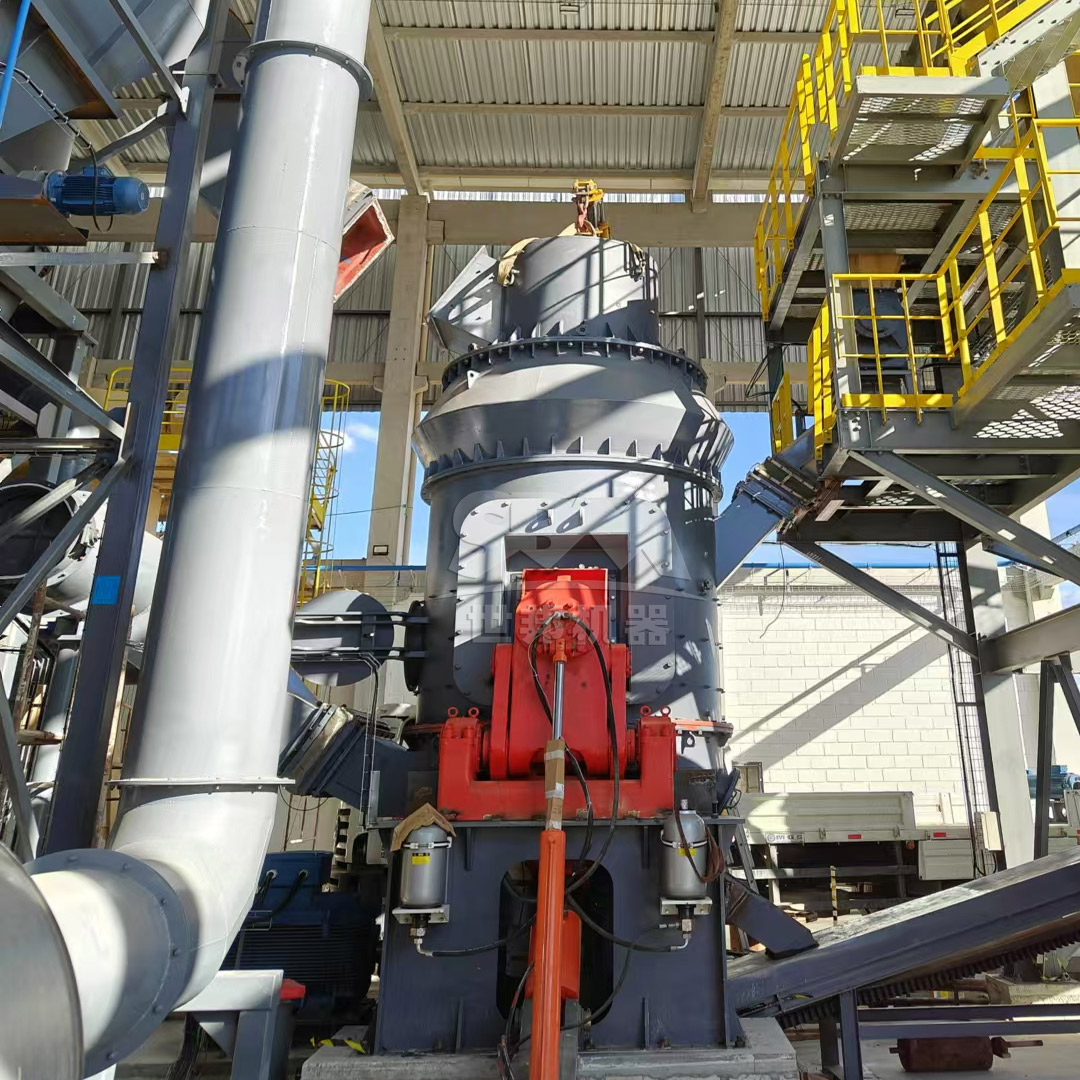
Consider the LM Series Vertical Roller Mill. Its integrated design reduces floor space by 50% and infrastructure costs by 40%. With a capacity of 3-250 t/h and intelligent controls, it is a powerful and economical choice for large-scale water slag processing. The LM slag mill series (LM130N to LM370N) is specifically engineered for this application, delivering a consistent specific surface area and handling high moisture content efficiently.
For Ultra-Fine, High-Value Additive Production (325-2500 mesh):
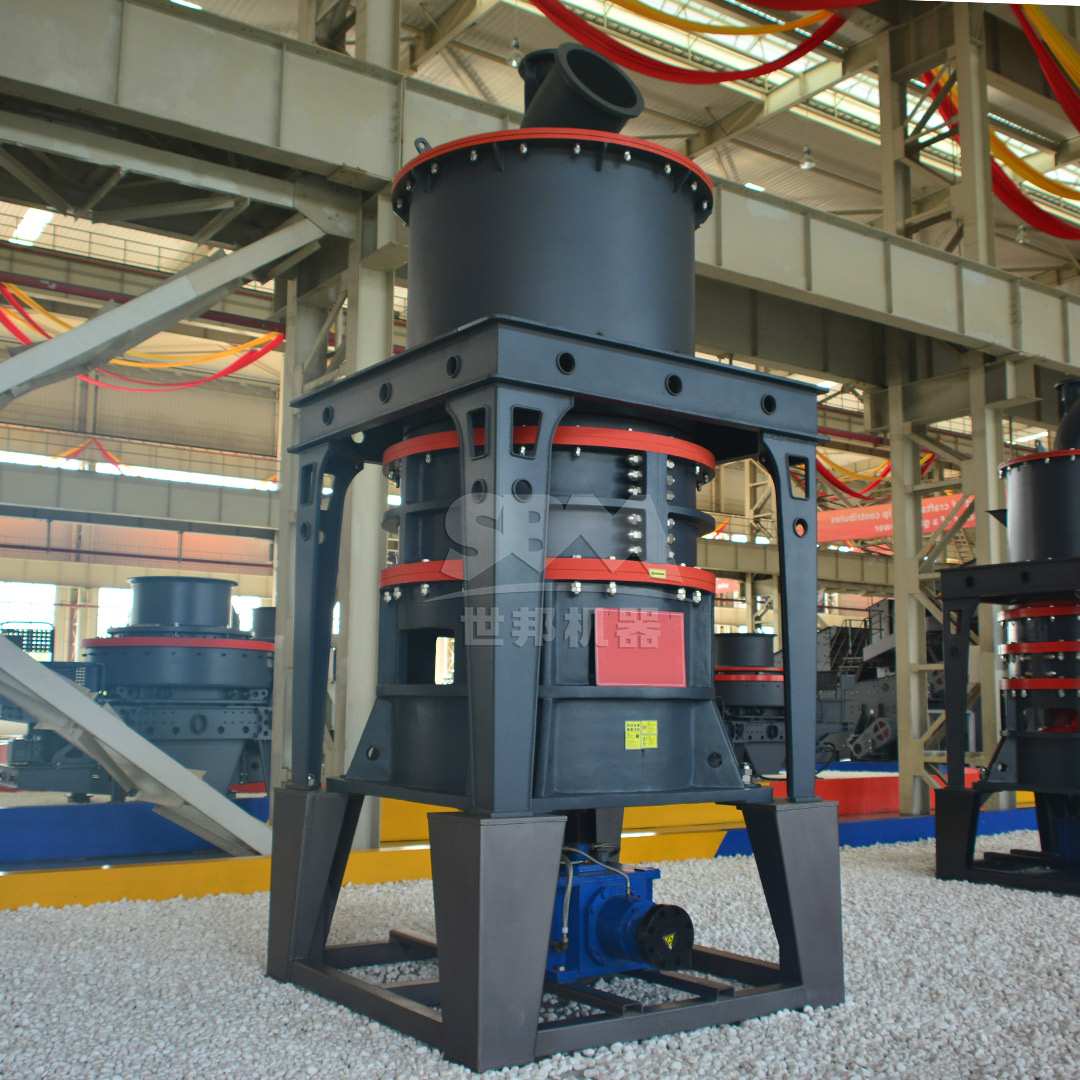
For producers aiming for the highest quality additives with exceptional reactivity, the SCM Series Ultrafine Mill is the ideal solution. Its ability to achieve a fineness from 325 to 2500 mesh while consuming 30% less energy than competitors makes it unmatched. With models offering capacities from 0.5 to 25 t/h, the SCM series can fit both pilot and large-scale production. The precision vertical turbine classifier ensures no coarse powder mixing, guaranteeing a premium-grade water slag additive.
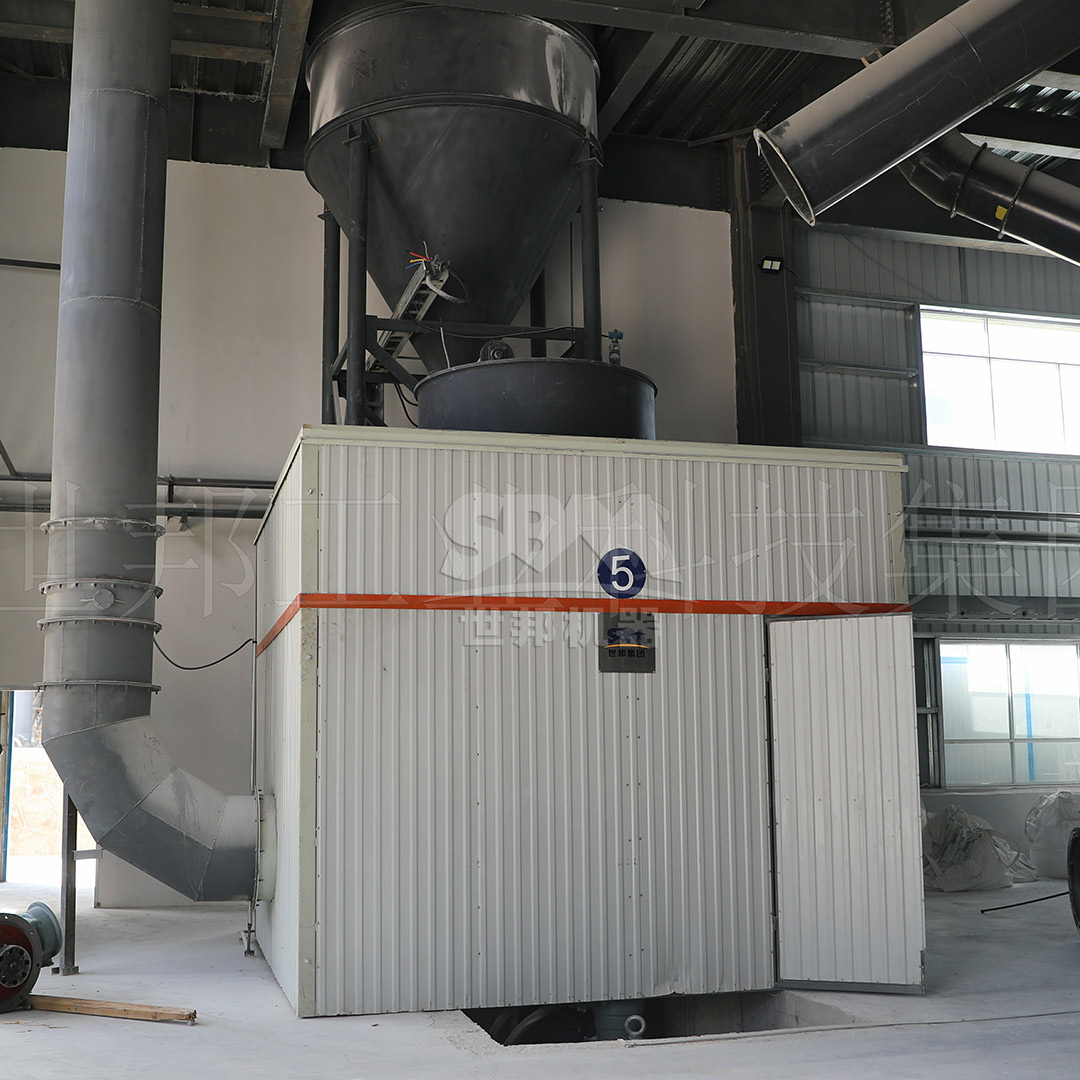
| Feature | SCM Series Ultrafine Mill | LM Series Vertical Roller Mill |
|---|---|---|
| Input Size | ≤20mm | ≤50mm |
| Output Fineness | 325-2500 mesh (45-5μm) | 30-325 mesh (600-45μm) |
| Capacity | 0.5-25 t/h | 3-250 t/h |
| Energy Efficiency | 2x jet mill capacity, 30% lower energy | 30-40% lower than ball mill |
| Key Advantage | Ultra-fine precision & efficiency | High capacity & integrated design |
| Best Application | Premium Ultra-fine Water Slag Powder | Standard & Large-volume Water Slag Processing |
Investing in the right aerated concrete water slag additive production equipment is fundamental to achieving product quality, operational efficiency, and long-term profitability. By focusing on key features like energy efficiency, classification precision, durability, and environmental compliance, you can select a mill that perfectly aligns with your production goals. Whether you need the massive throughput and integration of the LM Series or the ultra-fine precision of the SCM Series, leveraging advanced grinding technology will empower your business to produce superior additives for the demanding building materials market.