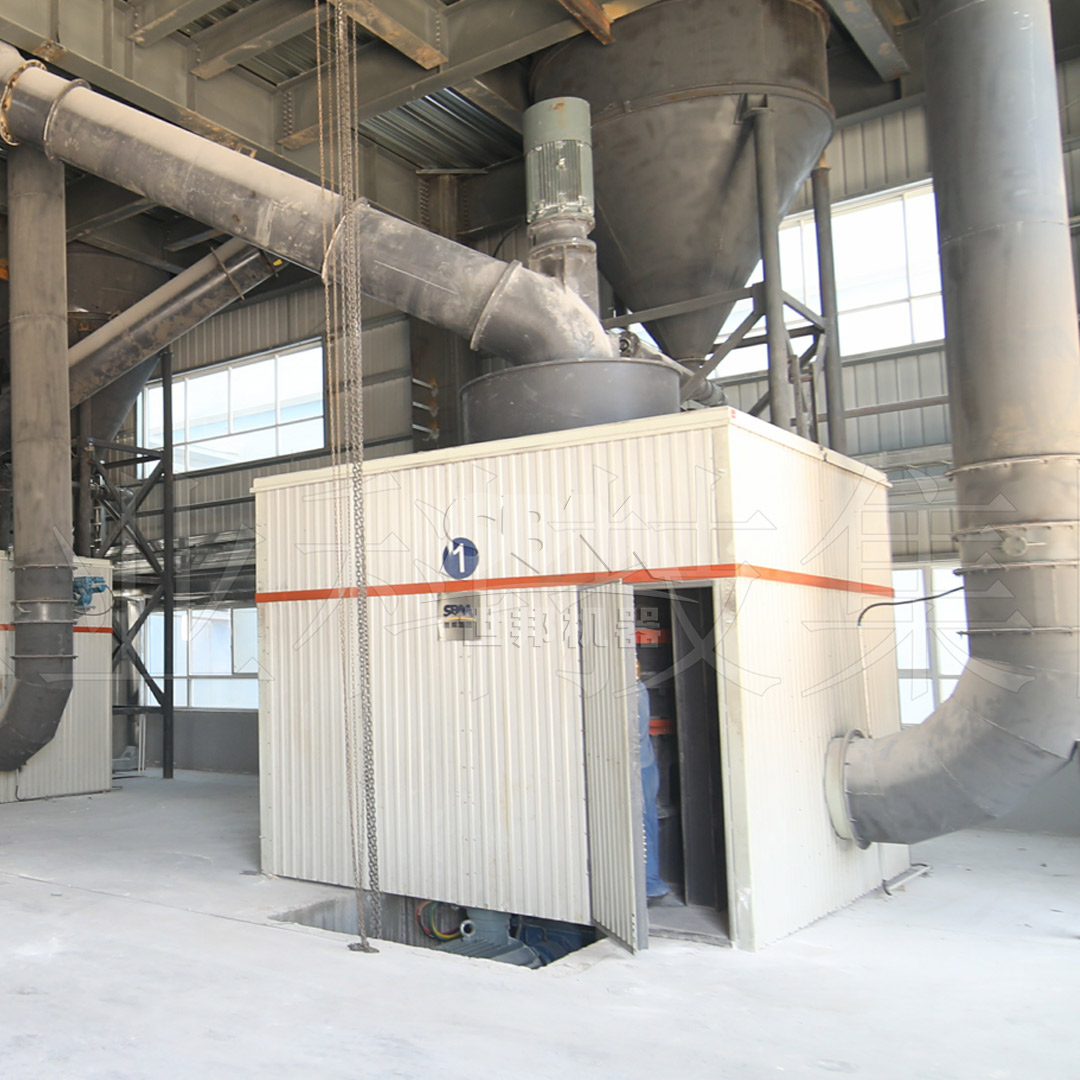
Titanium dioxide (TiO₂) is a critical additive in the enamel industry, prized for its ability to impart excellent opacity, whiteness, and chemical resistance to enamel coatings. The quality of titanium additives—whether in the form of rutile or anatase—directly influences the final product’s gloss, hardness, and color stability. To produce titanium additives with the precise particle size distribution and purity required for high-end enamel applications, manufacturers must rely on advanced grinding and classification machinery. This article explores the key equipment and processing solutions designed for the efficient production of titanium additives for enamel, highlighting the latest technologies in ultrafine grinding, roller milling, and vertical milling systems.
Before delving into specific machinery, it is essential to understand the unique demands of processing titanium dioxide for enamel. The ideal titanium additive must be finely ground, typically within a range of 325 mesh (45 μm) to 2500 mesh (5 μm). Higher fineness ensures better dispersion, greater surface area, and improved optical properties in the enamel glaze. Additionally, the production process must minimize contamination, handle abrasive materials effectively, and operate with energy efficiency to maintain cost competitiveness. Key challenges include achieving consistent particle size distribution, preventing agglomeration, and managing dust emissions.
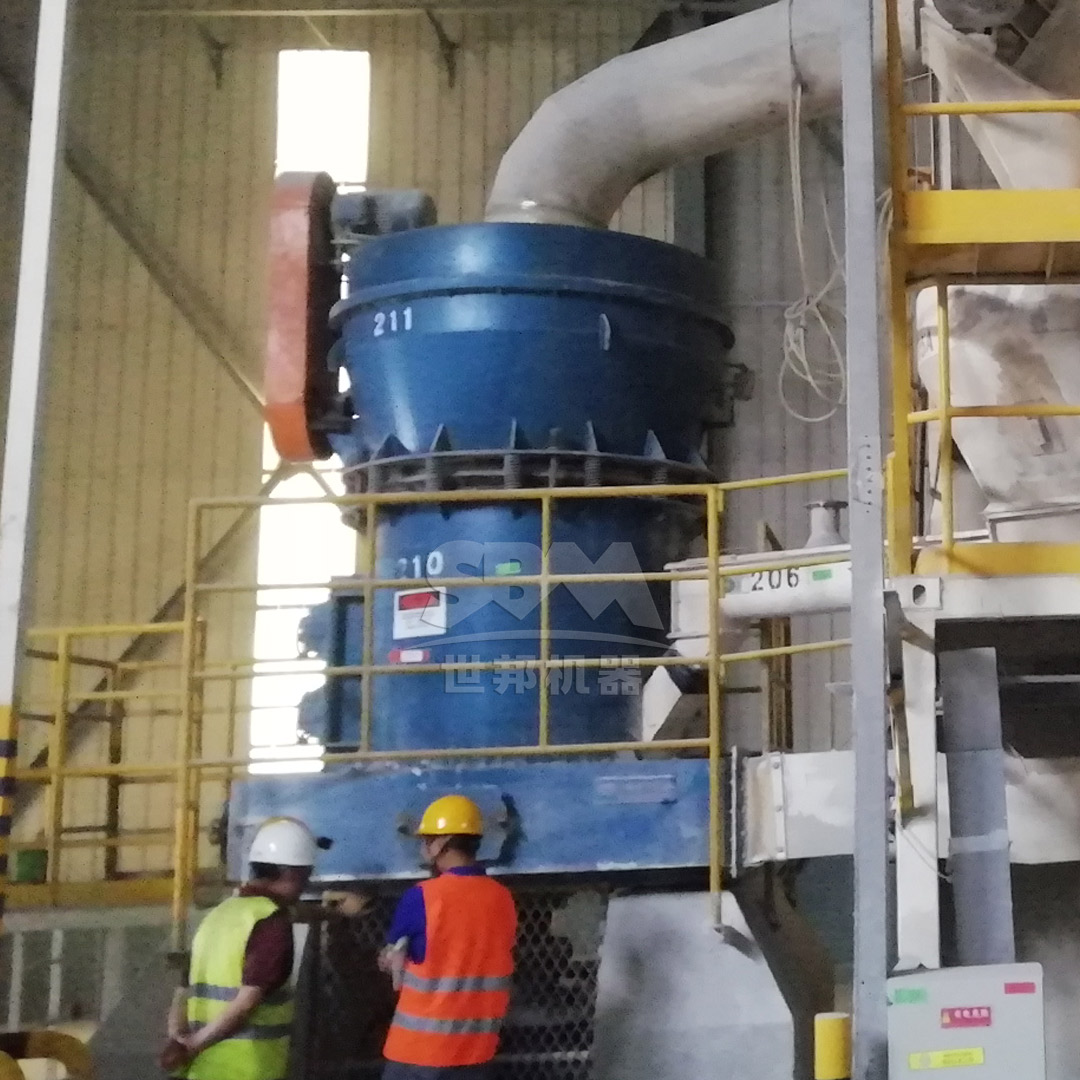
For applications requiring the highest degree of fineness, such as premium glass enamels and ceramic coatings, the SCM Series Ultrafine Mill stands out as a premier solution. Designed specifically for fine and ultrafine grinding, the SCM series is the ideal choice for producing titanium additives with a fineness range of 325-2500 mesh (45-5 μm).
| Model | Capacity (t/h) | Main Power (kW) | Feed Size (mm) | Fineness (mesh) |
|---|---|---|---|---|
| SCM800 | 0.5-4.5 | 75 | 0-20 | 325-2500 |
| SCM900 | 0.8-6.5 | 90 | 0-20 | 325-2500 |
| SCM1000 | 1.0-8.5 | 132 | 0-20 | 325-2500 |
| SCM1250 | 2.5-14 | 185 | 0-20 | 325-2500 |
| SCM1680 | 5.0-25 | 315 | 0-20 | 325-2500 |
The SCM series offers twice the capacity of traditional jet mills with 30% lower energy consumption, making it a highly efficient solution for large-scale titanium additive production. Its vertical turbine classifier ensures high-precision particle size cutting, eliminating coarse powder mixing and guaranteeing a uniform finished product that meets the strict quality standards of the enamel industry. The special material rollers and rings are designed to extend service life several times over, even when processing highly abrasive titanium dioxide. Furthermore, the integrated pulse dust collection system exceeds international environmental standards, ensuring a clean and safe working environment.
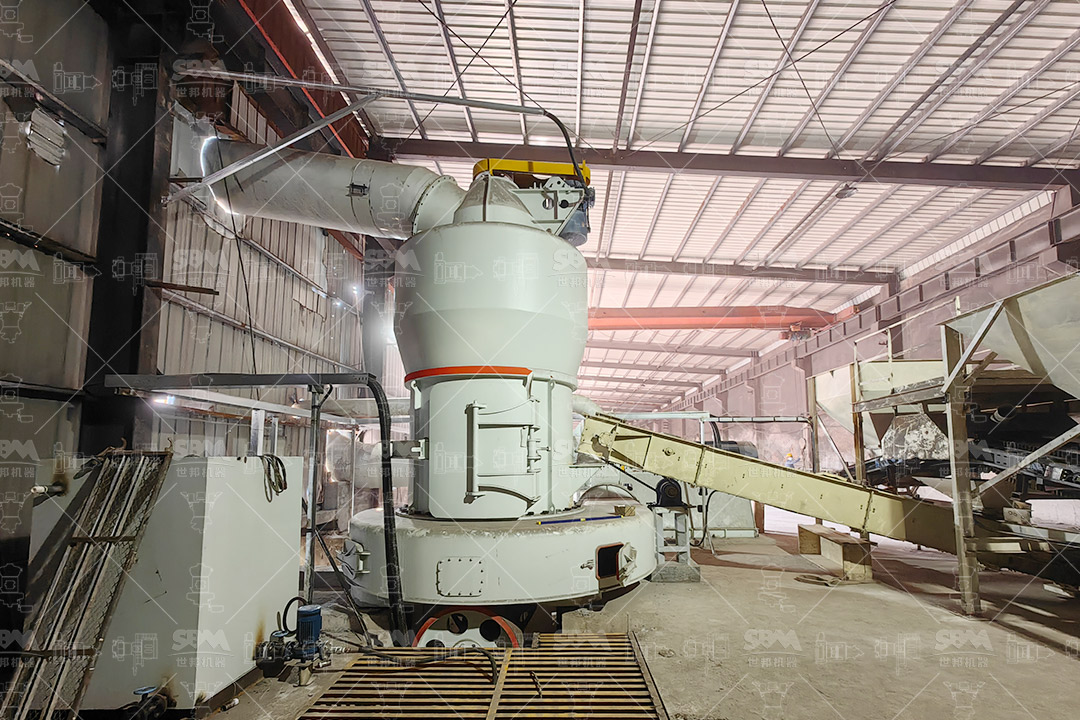
For manufacturers producing titanium additives for standard enamel formulations, the MTW Series European Trapezium Mill offers a robust and versatile solution. This mill processes materials with an output fineness of 30-325 mesh (600-45 μm), making it suitable for a wide range of enamel applications.
The MTW series incorporates several patented technologies that enhance durability and efficiency. The integral bevel gear drive system achieves a transmission efficiency of up to 98%, significantly reducing energy loss. Its optimized arc air duct minimizes airflow resistance, while the wear-resistant volute structure reduces maintenance costs by 30%. The anti-wear shovel design extends the life of grinding rollers, which is critical when processing the hard particles of titanium dioxide.
For those seeking to optimize their titanium additive production for enamel, we highly recommend considering two of our flagship products. For ultramfine grinding of titanium dioxide to achieve superior whiteness and opacity in high-end enamels, the SCM Series Ultrafine Mill is the optimal choice. For more versatile production requirements and coarser grades (e.g., 325 mesh for standard enamels), the MTW Series European Trapezium Mill provides exceptional reliability and throughput.
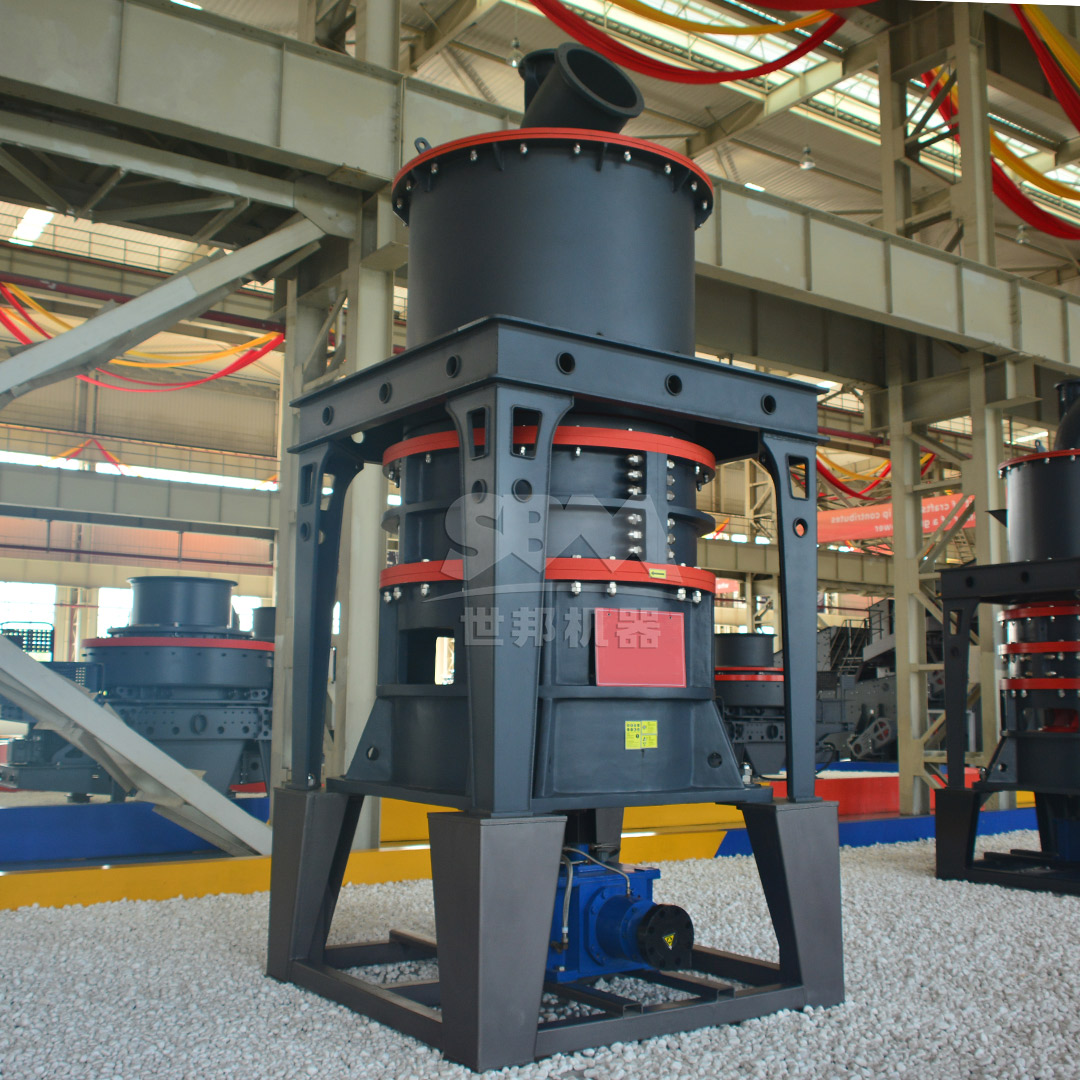
When production capacity requirements are high, the LM Series Vertical Roller Mill provides an integrated solution that combines crushing, grinding, and classification in a single unit. This reduces floor space by 50% and infrastructure costs by 40%.
With capacities ranging from 3 to 250 tons per hour, the LM series is ideal for large-scale titanium additive production. Its bed-grinding principle means rollers operate non-contact with the table, increasing wear part life by up to three times compared to traditional ball mills. Energy consumption is 30-40% lower than ball mill systems. The expert-level auto-control system supports remote monitoring and real-time parameter adjustment, ensuring consistent product quality.
For budget-conscious installations without sacrificing quality, the MTM Series Medium-speed Trapezium Mill offers a well-proven solution. Its intelligent spring pressure system automatically compensates for roller wear, extending service life by 30%. The damping and noise reduction technology ensures quiet operation, while the multi-stage dust collection options allow for easy compliance with environmental regulations.
A complete titanium additive production line often requires additional machinery beyond the primary grinding mill. Key supplementary equipment includes:
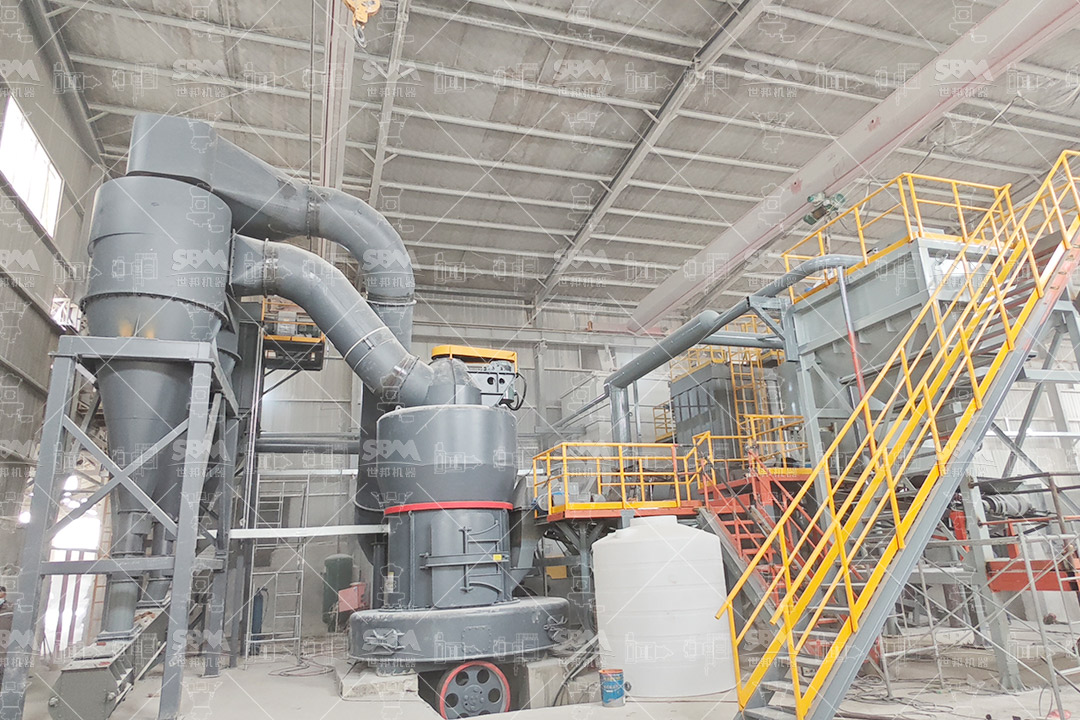
Choosing the right production equipment for titanium additives is crucial for enamel manufacturers aiming to improve product quality and reduce operational costs. Whether you require the ultrafine precision of the SCM Series Ultrafine Mill for high-gloss enamels, or the robust capacity of the MTW or LM series for standard applications, modern milling technology offers a solution tailored to every need. By investing in advanced machinery with intelligent controls, durable construction, and high-efficiency classification, enamel manufacturers can ensure their titanium additives meet the most demanding specifications while achieving sustainable, profitable production.